Loading concepts…


10 Concepts
8 Concepts
19 Concepts
17 Concepts
22 Concepts
7 Concepts
10 Concepts
7 Concepts
25 Concepts
19 Concepts
17 Concepts
12 Concepts
18 Concepts
13 Concepts
 8 Concepts
 59K Views
 Popular topics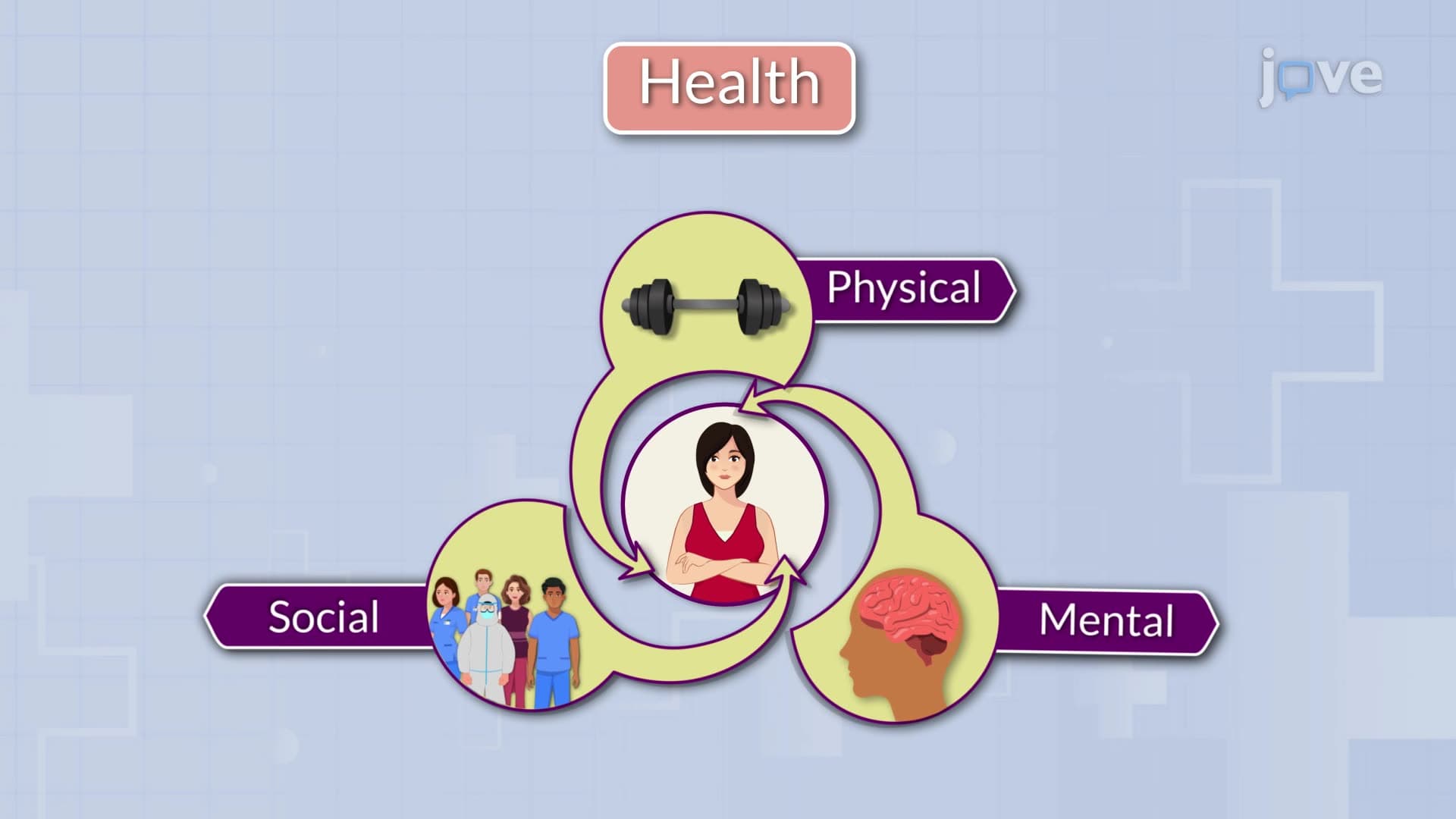
An introduction to health encompasses the fundamental understanding of health as a multidimensional state of physical, mental, and social well-being that extends beyond the mere absence of disease. This comprehensive course explores health and wellness fundamentals through evidence-based models including the Health Belief Model and Health-Illness Continuum, examining how various determinants influence health outcomes in US populations and healthcare systems.
1. Health and Wellness Definitions: Health represents a dynamic balance of physical, mental, and social well-being, while wellness involves actively pursuing lifestyle choices that promote optimal health. The Health-Illness Continuum model demonstrates how individuals move along a spectrum from high-level wellness through neutral health to illness and premature death. For example, a college student managing stress through exercise and proper nutrition moves toward wellness, while neglecting self-care shifts them toward illness on the continuum.
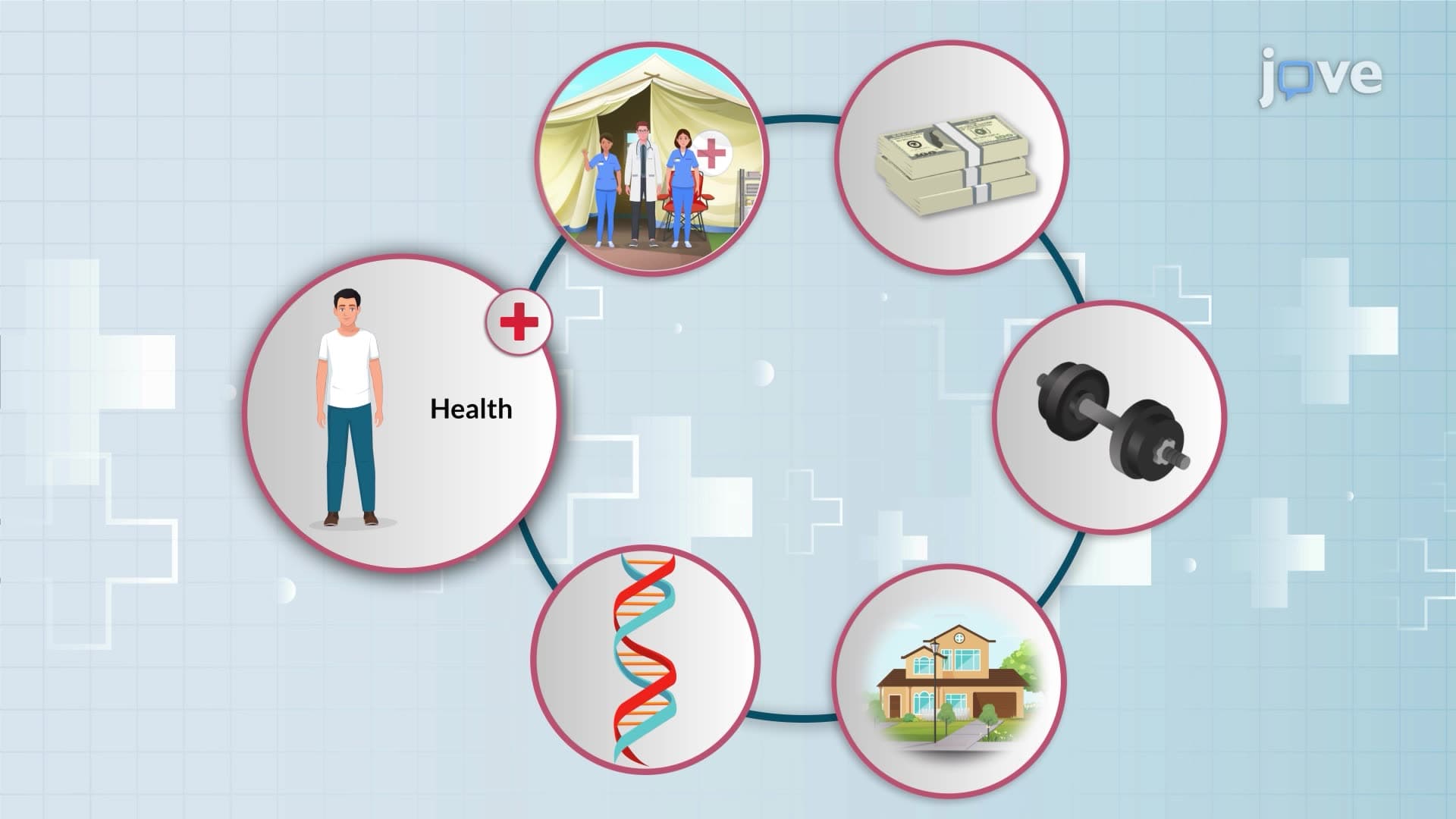
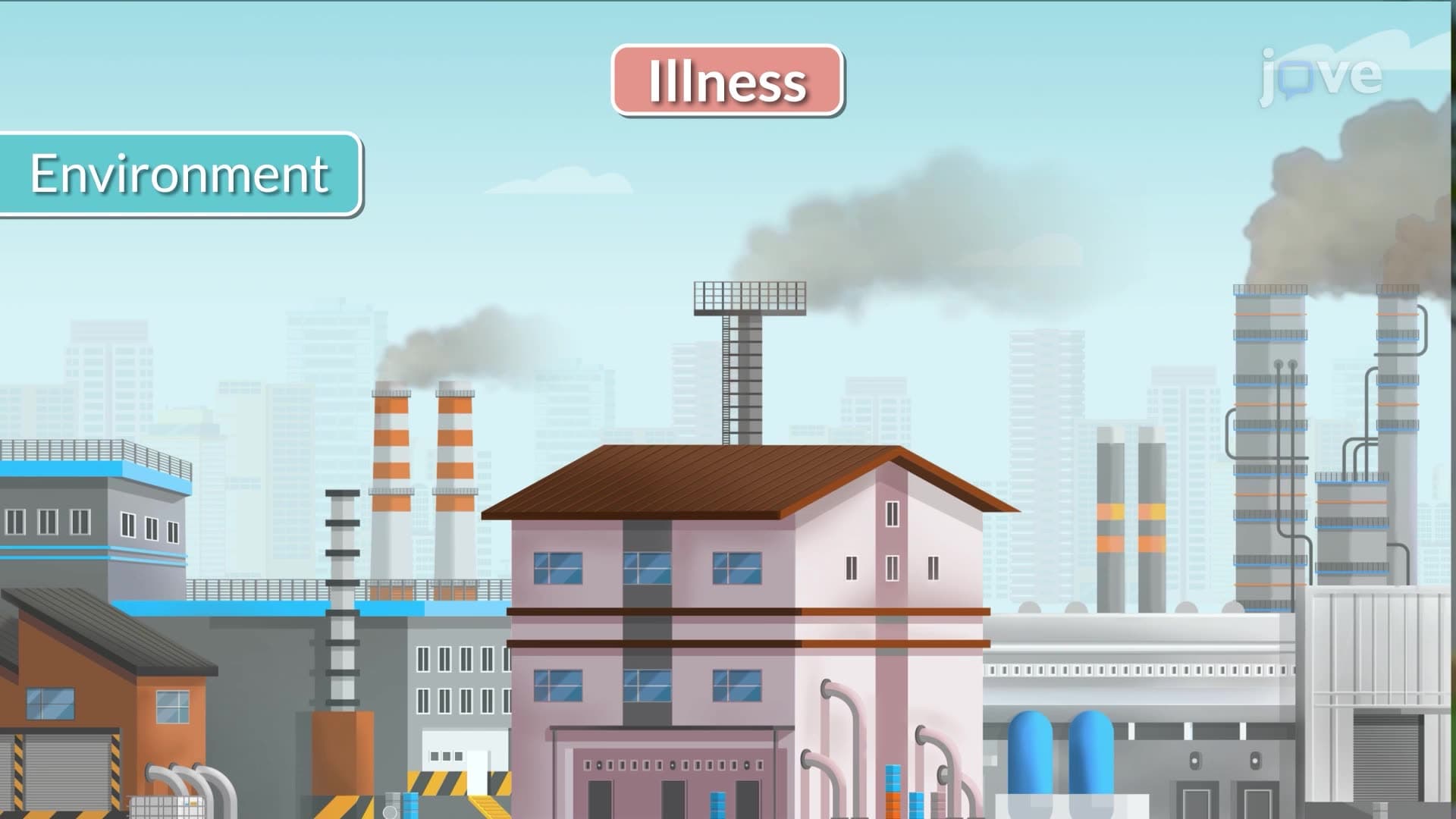
2. Health Determinants and Dimensions: Multiple factors influence health status through interconnected human dimensions. Physical dimensions include genetics, age, and developmental stage, while emotional dimensions affect how mental states influence bodily functions. Environmental factors like housing quality and air pollution significantly impact health outcomes, as seen in urban areas with higher asthma rates. Socioeconomic status determines access to healthcare, healthy foods, and safe living conditions, creating health disparities across different US communities.
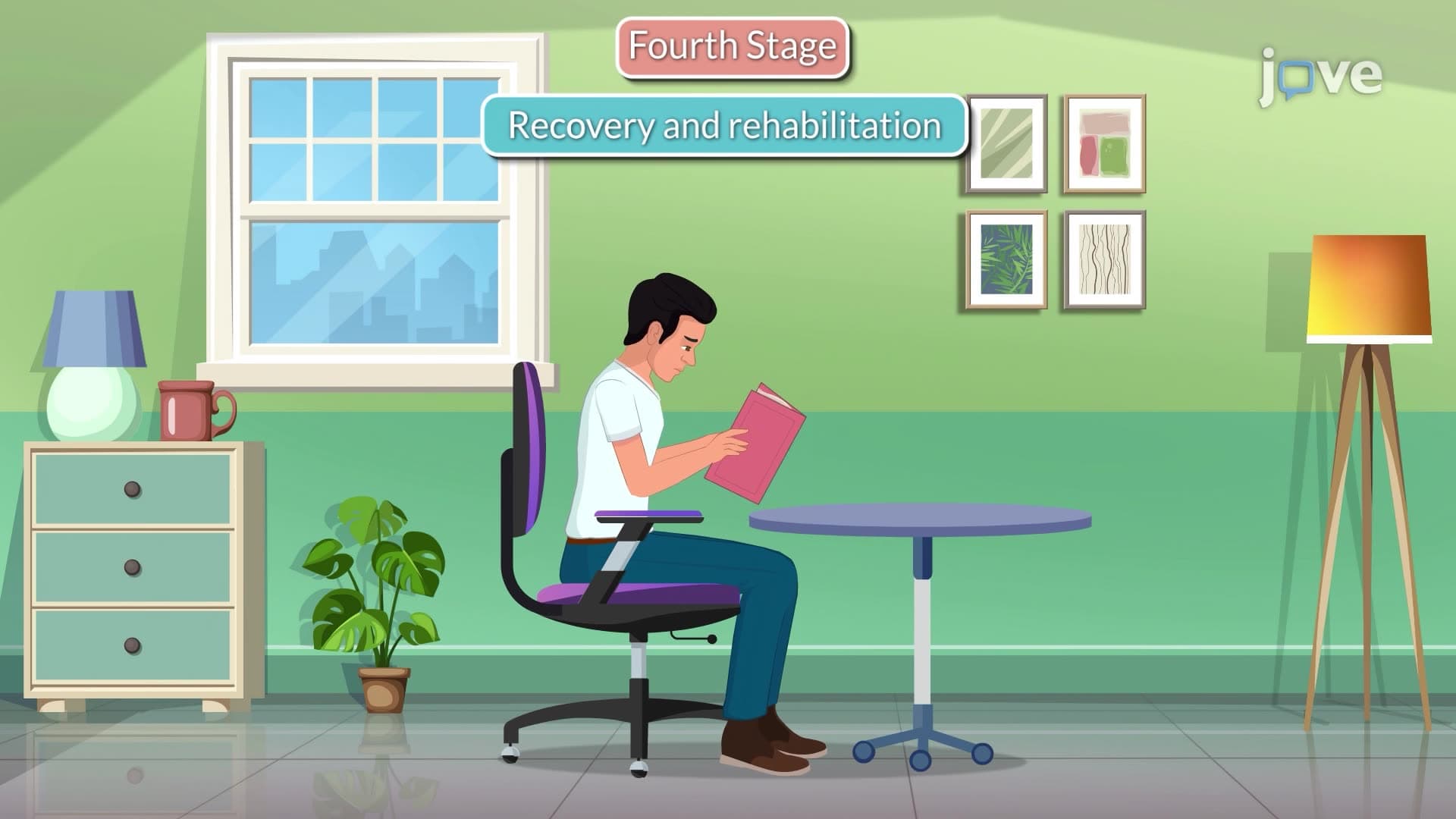
3. Illness Classification and Behavior: Illnesses are categorized as acute (sudden onset, short duration like bronchitis or bone fractures) or chronic (gradual development, long-term conditions like diabetes or hypertension). Illness behavior follows four stages: symptom recognition and self-care attempts, seeking medical help and assuming the sick role, accepting dependency and following treatment, and finally recovery with return to independence. Understanding these patterns helps healthcare providers support patients through their illness journey.
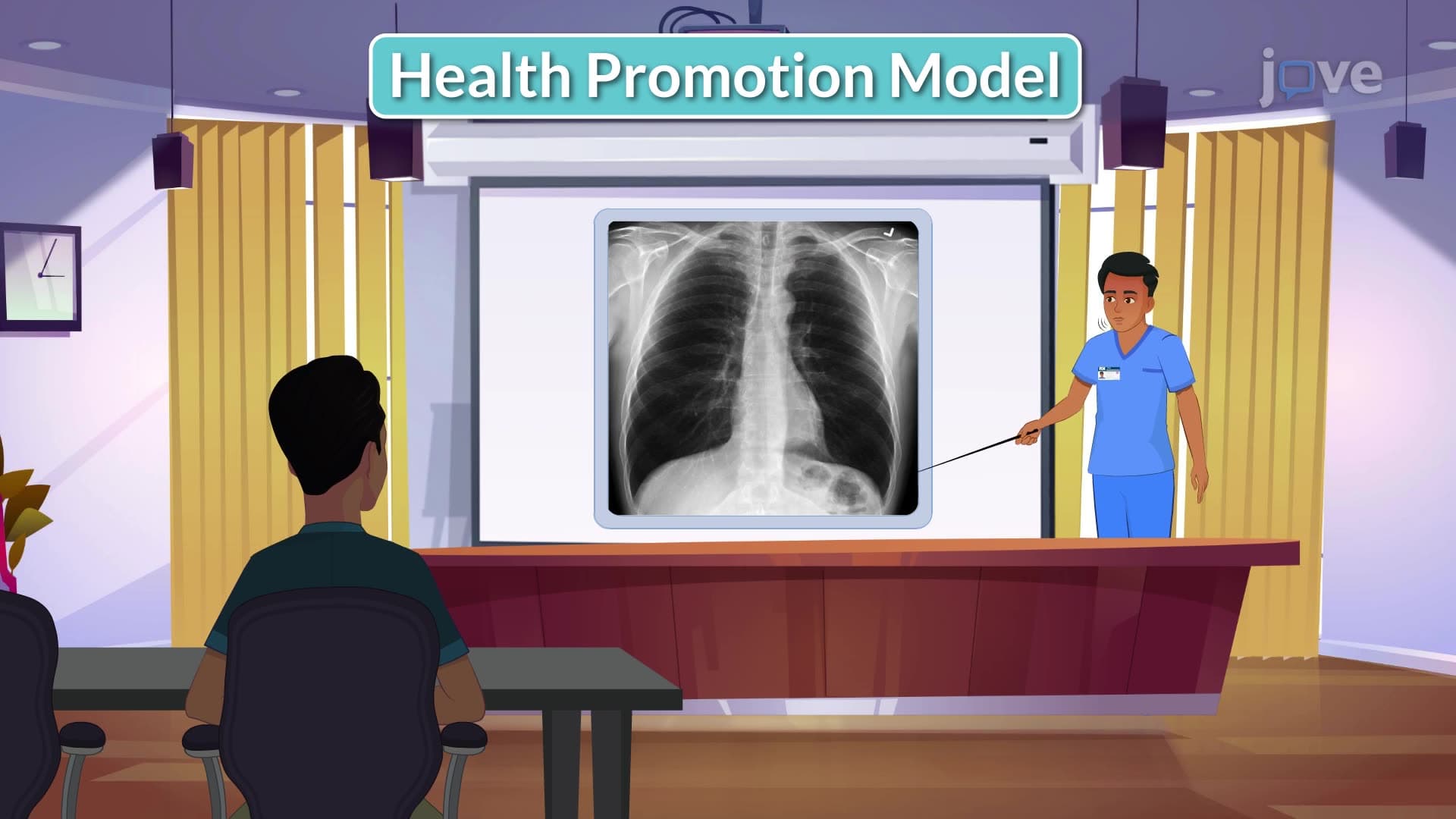
4. Health Promotion Models: The Health Belief Model predicts health behaviors based on perceived susceptibility, seriousness, and benefits of action. For instance, college students may get flu vaccinations if they perceive high risk of infection, understand serious consequences of illness during exams, and believe vaccination prevents disease. The Health Promotion Model emphasizes individual characteristics, behavior-specific knowledge, and positive outcomes. These models guide public health campaigns like anti-smoking initiatives and vaccination programs across US communities.
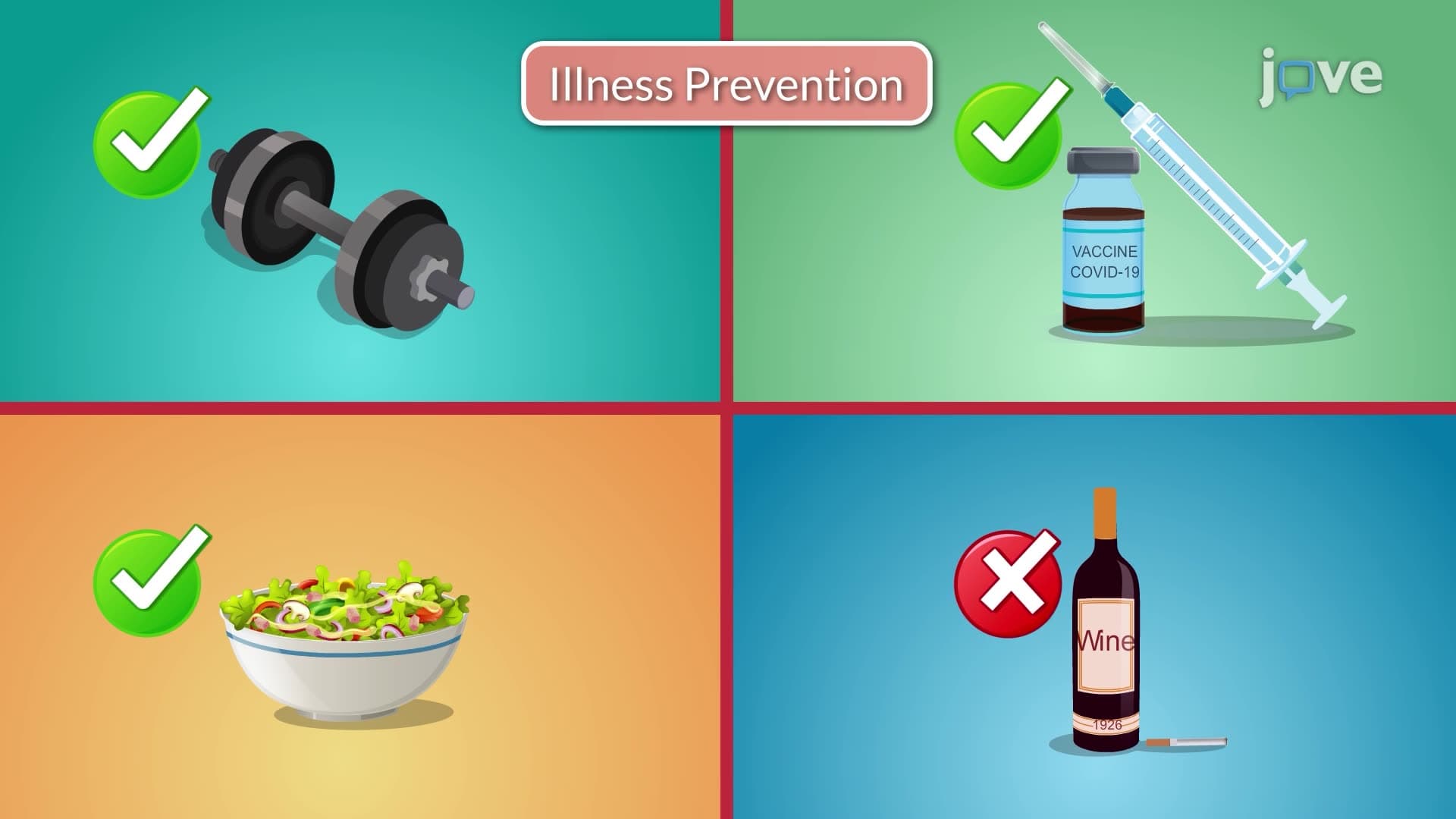
5. Prevention Levels and Strategies: Primary prevention eliminates disease before onset through vaccination programs, health education, and lifestyle modifications. Secondary prevention involves early detection through screening programs like mammograms for breast cancer or colonoscopies for colorectal cancer. Tertiary prevention minimizes disability and promotes rehabilitation after disease occurs, such as cardiac rehabilitation programs post-heart attack. US healthcare systems implement all three levels through programs like the CDC's preventive services guidelines and Healthy People 2030 initiatives.
6. Agent-Host-Environment Model: This epidemiological model explains disease causation through interaction between disease agents (bacteria, viruses, toxins), susceptible hosts (individuals with risk factors), and environmental conditions that facilitate transmission. For example, COVID-19 spread required the SARS-CoV-2 virus (agent), susceptible individuals without immunity (host), and close contact environments (environment). Understanding this model helps design effective public health interventions and personal protection strategies.
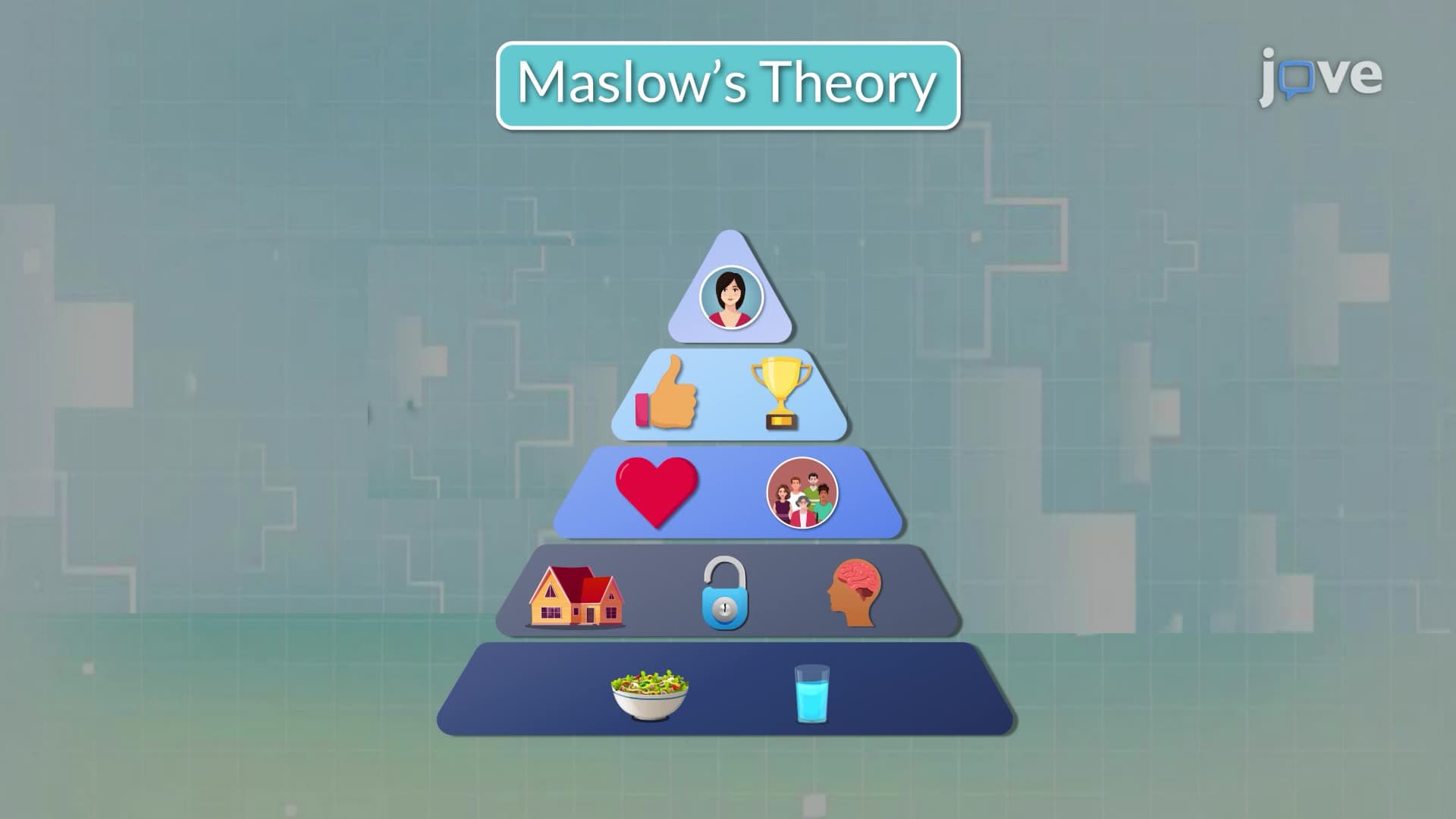
7. Maslow's Hierarchy in Health Context: Human needs progress from basic physiological requirements (food, water, shelter) through safety and security, social belonging, self-esteem, to self-actualization. In healthcare settings, patients must have basic needs met before addressing higher-level health goals. For example, homeless individuals require housing stability before effectively managing chronic diseases like diabetes. Healthcare providers use this framework to prioritize interventions and understand patient motivation for health behavior changes.