Loading concepts…


10 Concepts
8 Concepts
19 Concepts
17 Concepts
22 Concepts
7 Concepts
10 Concepts
7 Concepts
25 Concepts
19 Concepts
17 Concepts
12 Concepts
18 Concepts
13 Concepts
 17 Concepts
 93.9K Views
 Popular topics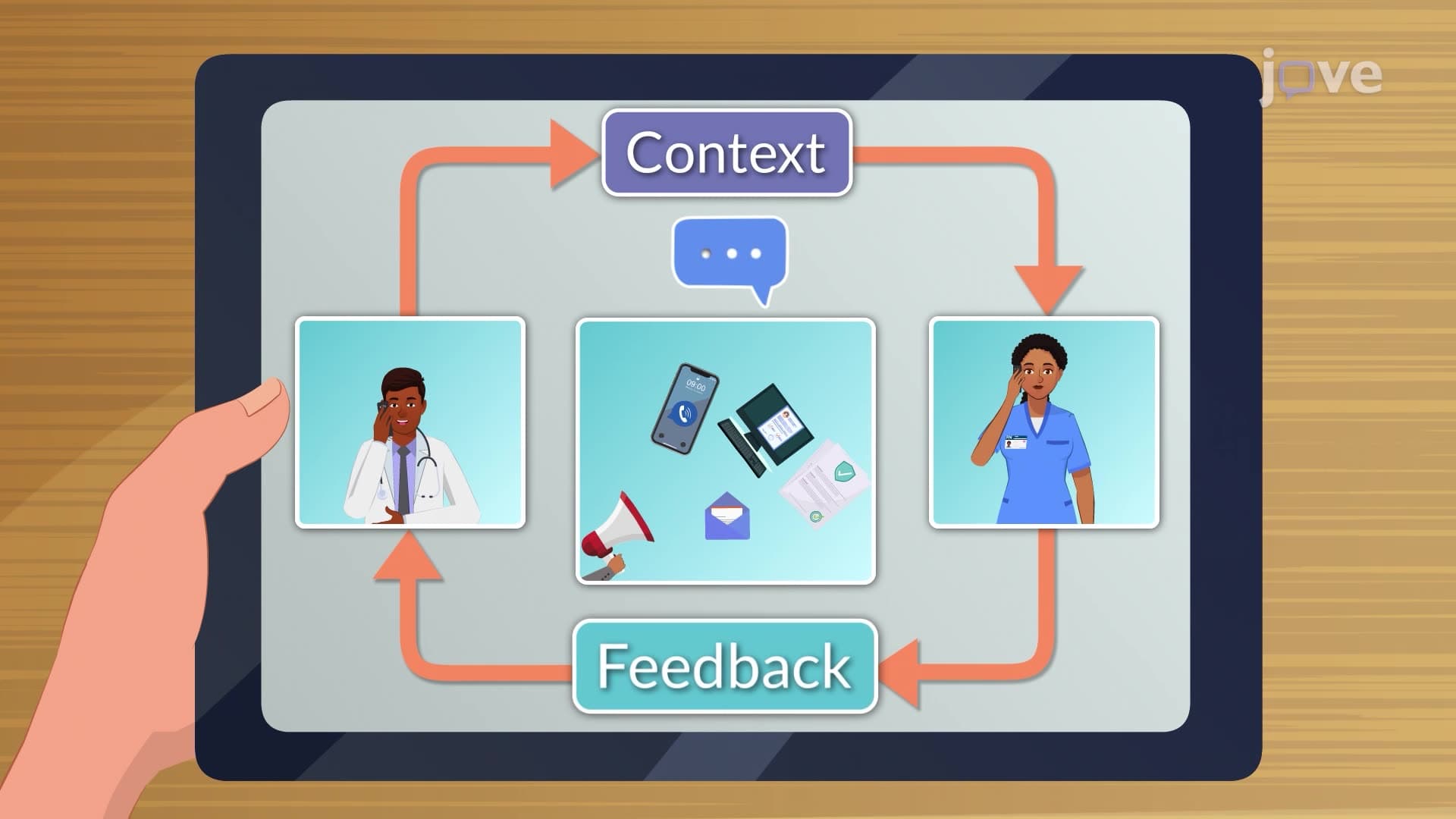


Nursing communication encompasses essential verbal and nonverbal techniques healthcare professionals use to build therapeutic relationships with patients, families, and interdisciplinary teams. This comprehensive course covers therapeutic communication methods, documentation practices, health literacy considerations, and evidence-based strategies that improve patient outcomes in US healthcare settings. Master these critical skills with JoVE Coach's structured approach to professional nursing practice.
1. Fundamentals of Healthcare Communication: Communication involves the systematic exchange of ideas, information, and feelings between healthcare providers and patients through various channels. The communication process includes six essential components: context (healthcare setting and circumstances), sender (healthcare professional initiating contact), message (clinical information being shared), channel (method of delivery such as verbal, written, or digital), receiver (patient, family, or colleague), and feedback (response confirming understanding). In US healthcare settings, effective communication directly impacts patient satisfaction scores, Joint Commission compliance, and clinical outcomes. Understanding these foundational elements enables nurses to select appropriate communication methods for different situations, from bedside care to interdisciplinary team meetings.
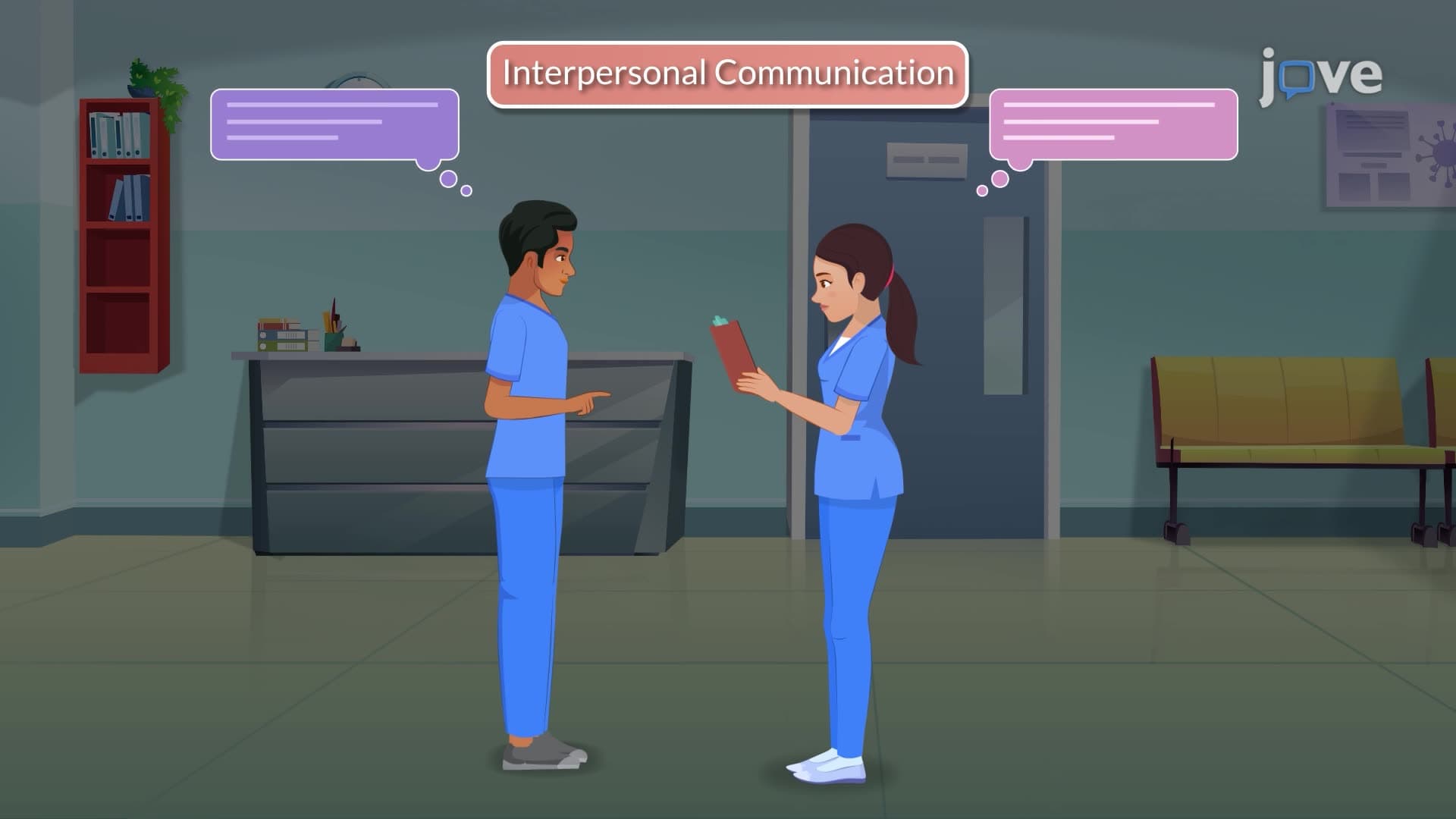
2. Levels of Communication in Nursing Practice: Nursing communication operates across multiple interconnected levels that support comprehensive patient care. Intrapersonal communication involves self-reflection and internal decision-making that guides clinical judgment and professional development. Interpersonal communication focuses on one-on-one interactions between nurses and patients, families, or colleagues to build therapeutic relationships and gather assessment data. Small-group communication facilitates team meetings, patient care conferences, and educational sessions with limited participants. Organizational communication manages information flow within healthcare institutions, including policy updates and strategic planning. Public communication encompasses presentations, community health education, and professional conferences. Understanding group dynamics helps nurses navigate team-based care models common in US hospitals and clinics.
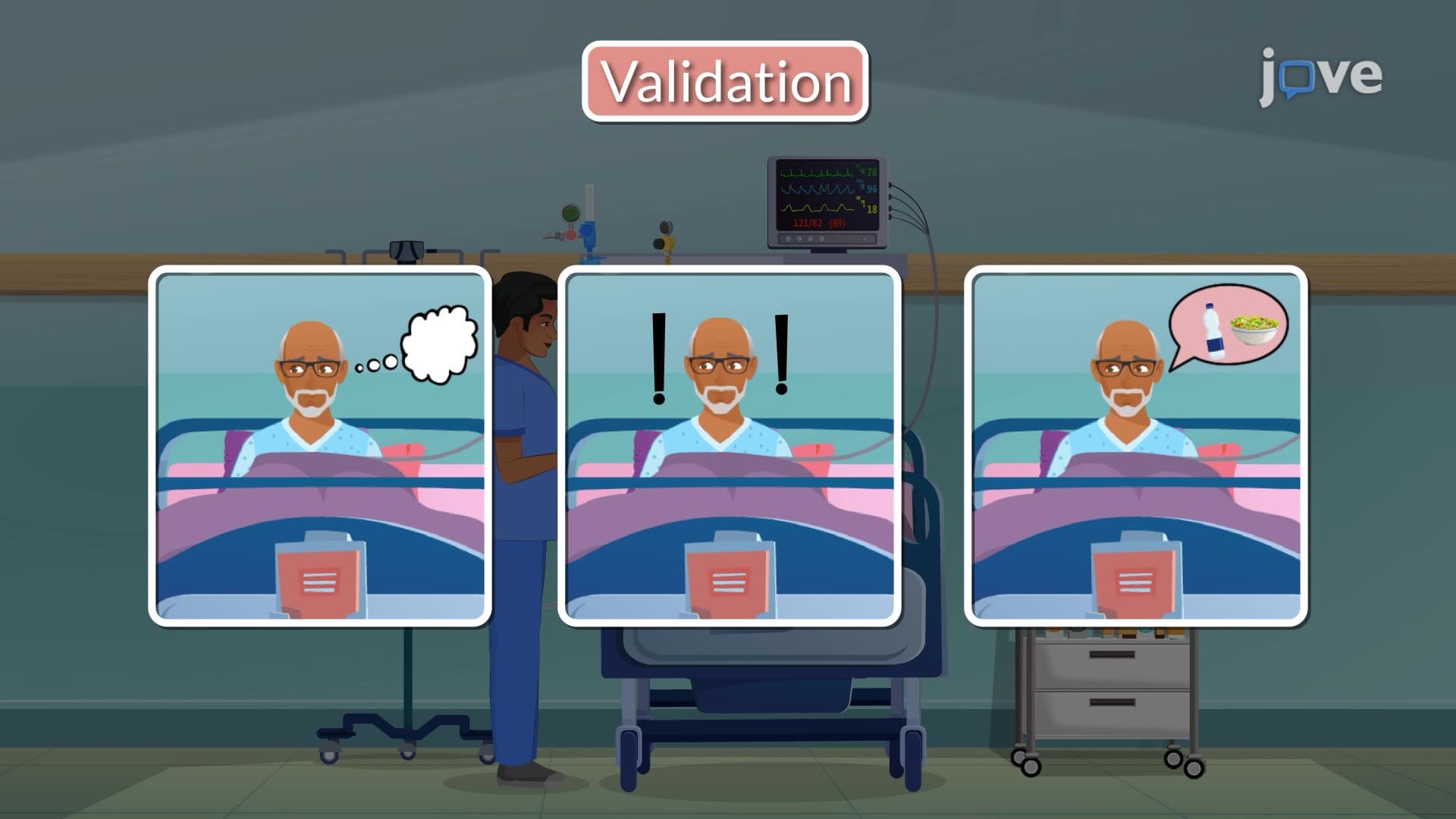
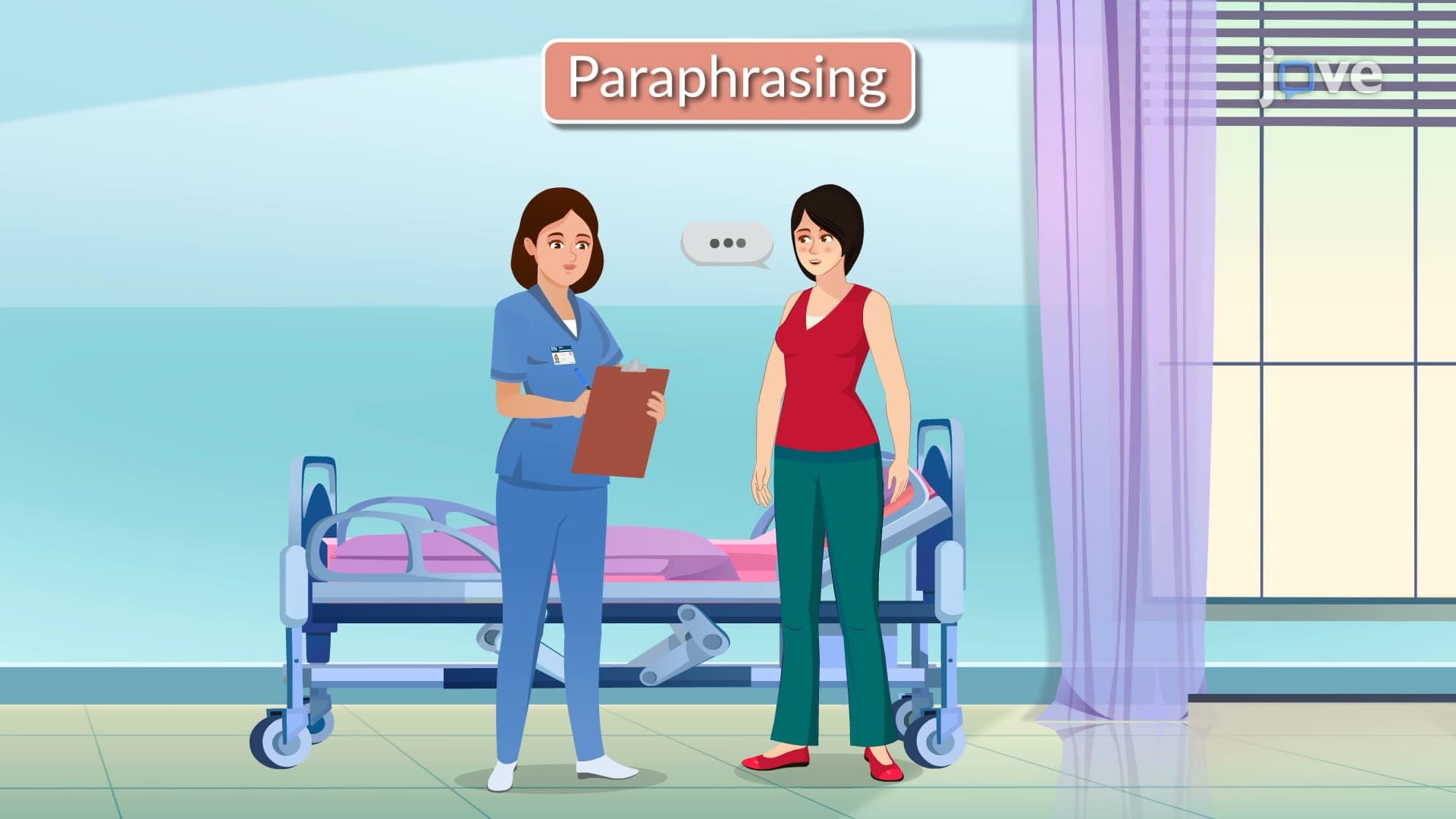
3. Therapeutic Communication Techniques: Therapeutic communication represents purposeful, patient-centered interactions designed to promote healing and understanding through evidence-based verbal and nonverbal strategies. Active listening involves complete attention to patients' spoken and unspoken messages, demonstrated through appropriate eye contact, body positioning, and verbal acknowledgments. Sharing observations helps identify potential problems by commenting on patients' appearance, behavior, or emotional state. Validation acknowledges patients' feelings and experiences as legitimate and important. Professional touch, when culturally appropriate and consented, provides comfort and connection during procedures or emotional distress. Additional techniques include focusing conversations on key issues, paraphrasing to ensure understanding, and summarizing important information. These methods align with evidence-based practice standards emphasized in US nursing education and NCLEX-RN examination content.
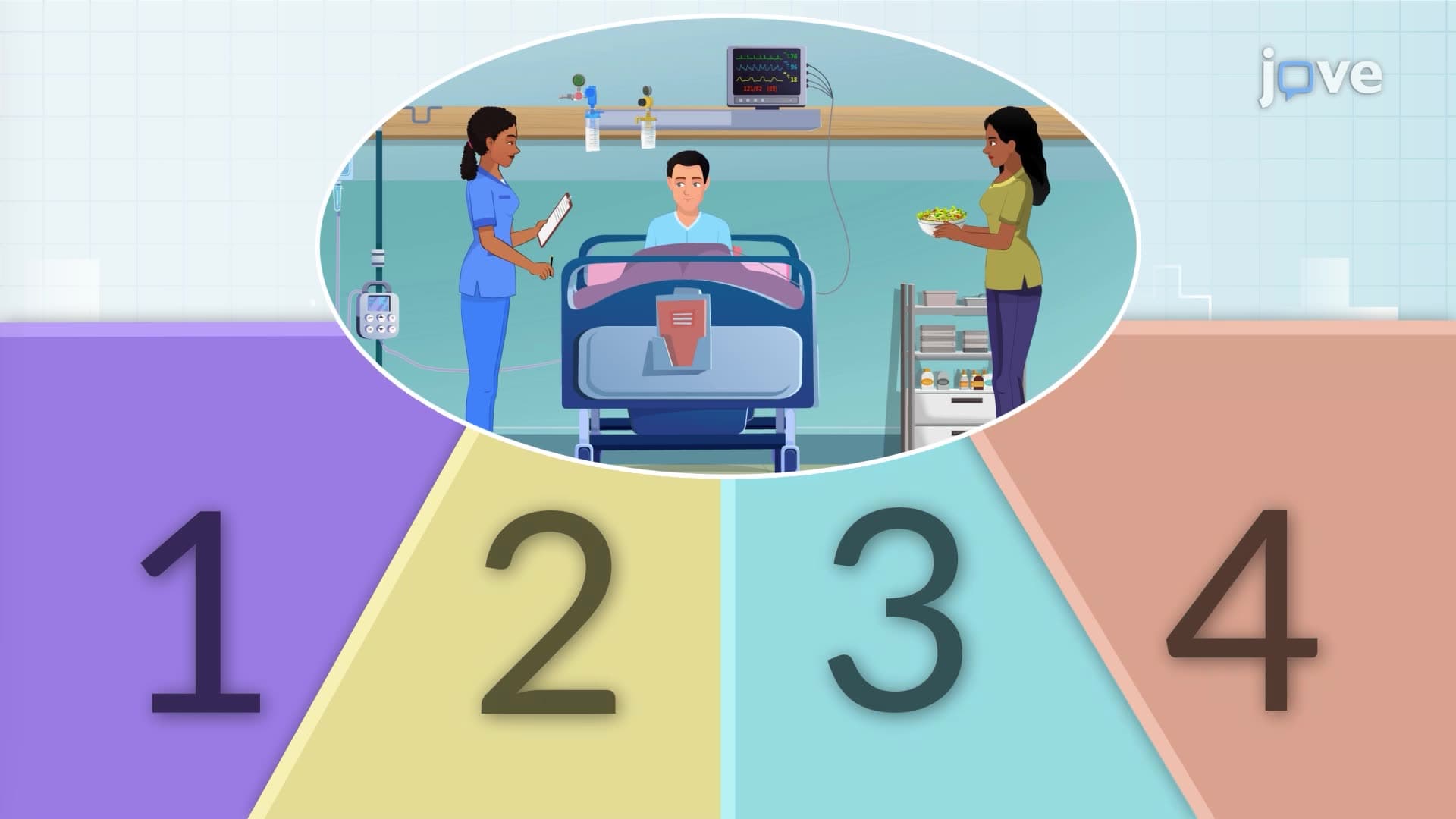
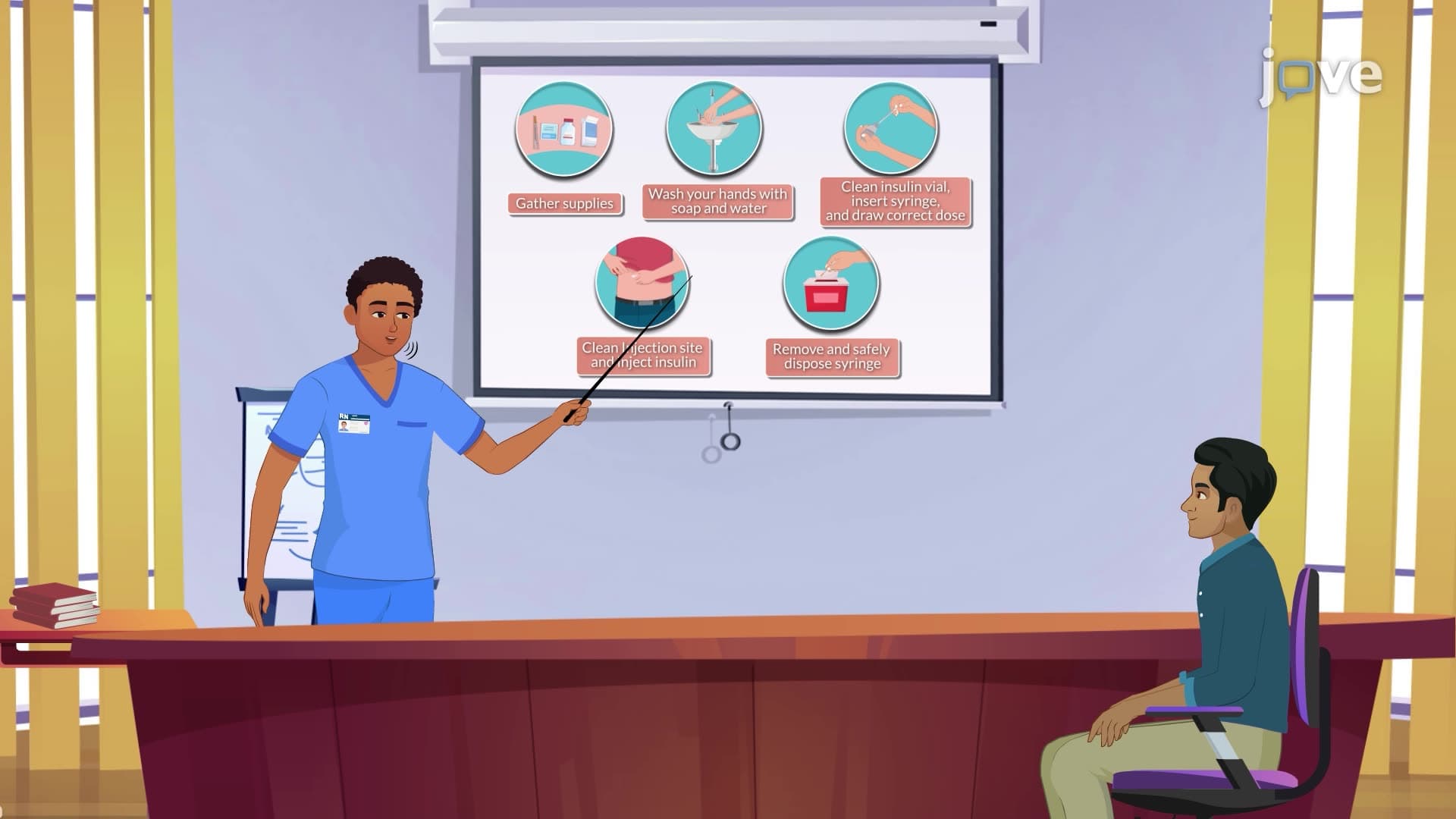
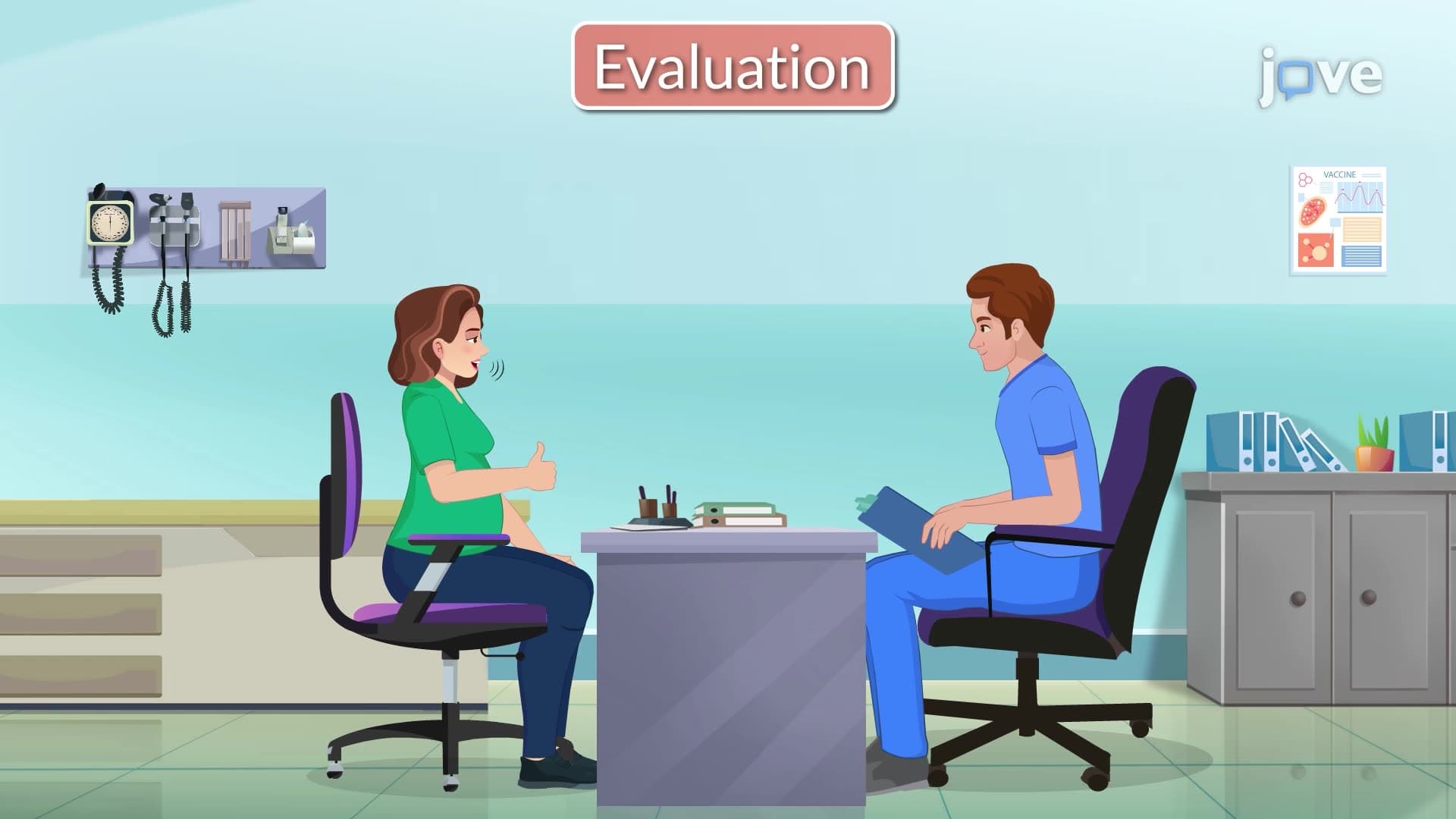
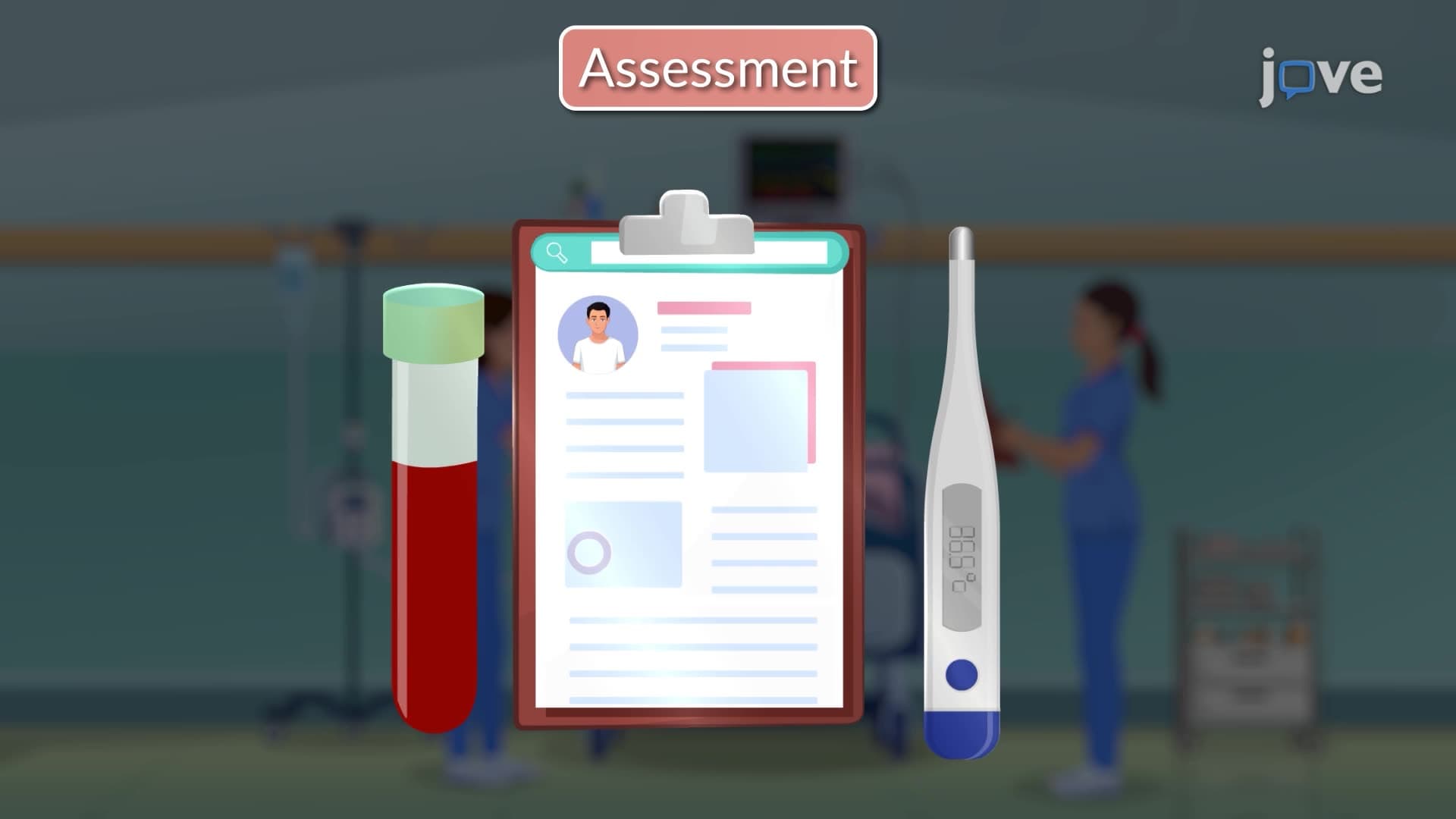
4. Communication in the Nursing Process: The nursing process framework integrates systematic communication strategies throughout all phases of patient care delivery. During assessment, nurses use verbal communication through structured interviews and active listening to gather health history, while nonverbal communication skills enable physical examination and observation of patient responses. The diagnosis phase requires clear communication to analyze and categorize assessment data, formulating nursing diagnoses that guide care planning. Planning involves collaborative communication with patients, families, and healthcare teams to establish realistic goals and select appropriate interventions. Implementation utilizes both verbal and nonverbal communication to deliver nursing interventions, provide patient education, and coordinate care activities. Evaluation requires ongoing communication to assess patient progress, modify care plans, and ensure optimal outcomes through continuous feedback loops.
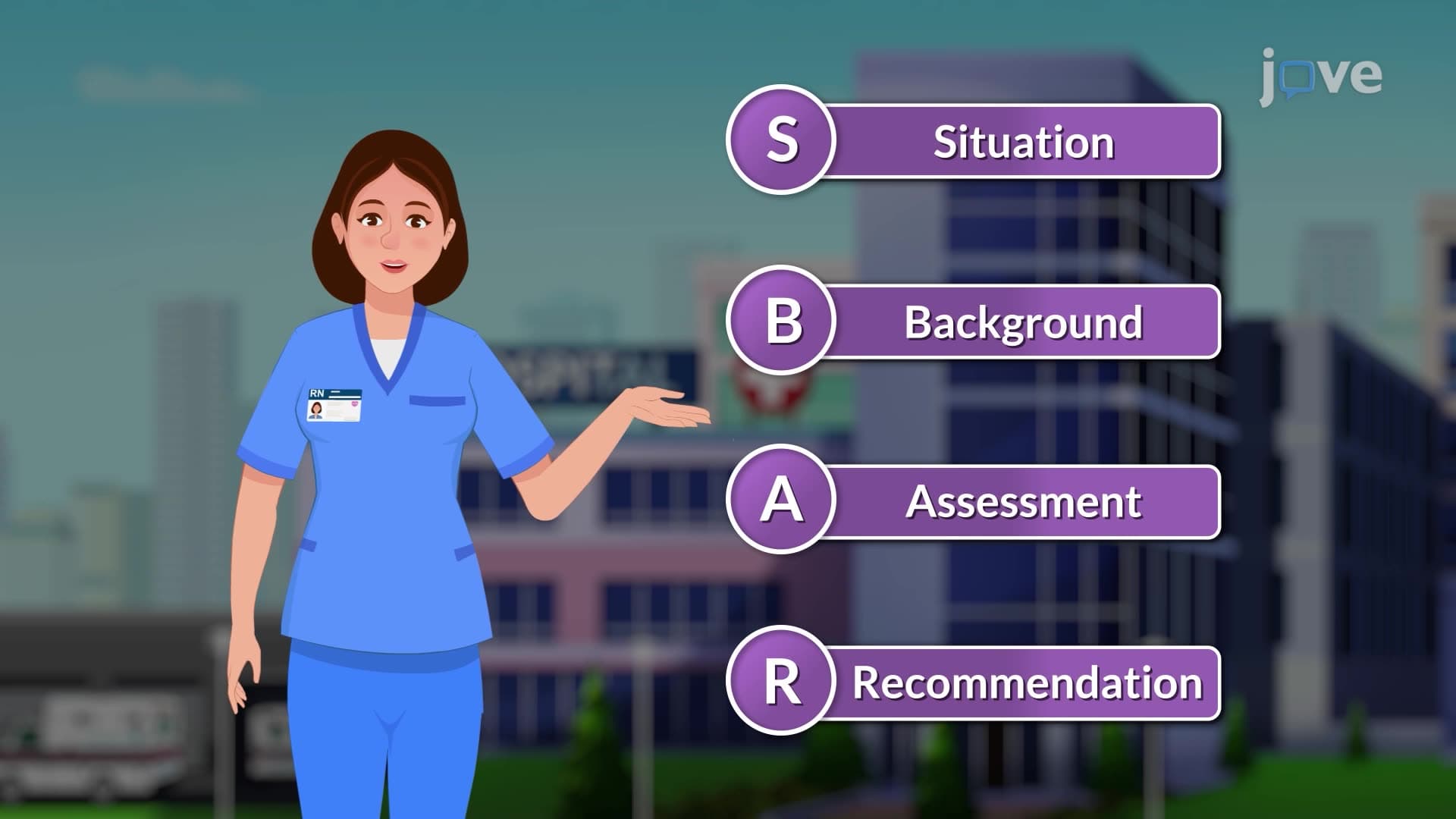
5. SBAR Communication Framework: SBAR (Situation, Background, Assessment, Recommendation) provides a standardized communication tool that enhances patient safety and reduces medical errors during clinical handoffs and interdisciplinary communication. The Situation component includes professional introduction, patient identification, and clear description of the current clinical issue requiring attention. Background covers relevant medical history, admission details, and recent diagnostic results that provide context for the current situation. Assessment presents the nurse's clinical evaluation based on current vital signs, laboratory values, and observed patient responses to interventions. Recommendation involves specific requests for physician orders, consultations, or changes in treatment plans. This structured approach aligns with The Joint Commission's National Patient Safety Goals and is widely implemented across US healthcare systems to improve communication effectiveness and patient outcomes.
6. Barriers to Effective Communication: Multiple factors can impede successful communication in healthcare settings, requiring nurses to develop strategies for overcoming common obstacles. Physiological barriers include sensory impairments, illness effects, or medication-induced changes that affect patients' ability to process information. Psychological barriers encompass emotional states such as anxiety, depression, or cognitive overload that interfere with message reception. Cultural and language barriers arise from differences in values, beliefs, communication styles, and linguistic preferences among diverse patient populations. Environmental barriers include noise, poor lighting, lack of privacy, or technological interruptions that disrupt communication processes. Time constraints, particularly in high-acuity settings, can limit opportunities for thorough communication. Gender, generational, and socioeconomic differences may create additional communication challenges requiring cultural competence and adaptation strategies.
7. Patient and Caregiver Education: Effective patient education requires systematic assessment of learning needs, readiness, and capabilities to develop individualized teaching strategies. Assessment involves evaluating patients' current knowledge, skills, attitudes, and ability to manage healthcare independently, while considering literacy levels, cultural preferences, and previous healthcare experiences. Learning readiness encompasses both emotional preparedness and experiential background that influence receptiveness to new information. Planning establishes specific, measurable learning objectives and selects age-appropriate teaching methods and materials. Implementation creates conducive learning environments and utilizes diverse teaching strategies including demonstration, return demonstration, and multimedia resources. Evaluation employs teach-back methods, observation of skill performance, and ongoing feedback to ensure learning objectives are met and identify areas requiring reinforcement.
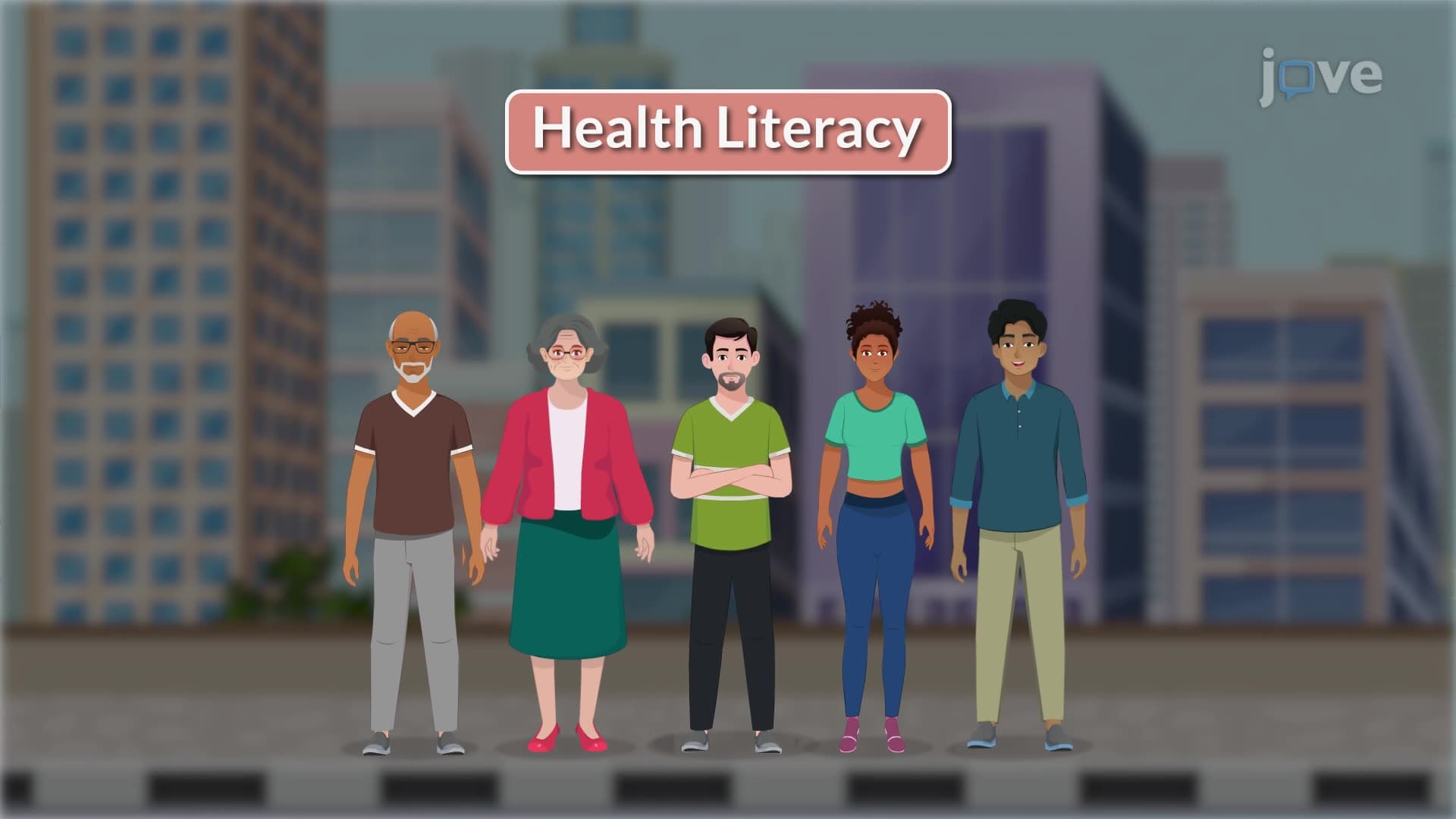
8. Health Literacy and Communication Adaptation: Health literacy represents individuals' capacity to obtain, understand, and utilize healthcare information for informed decision-making and self-care management. Low health literacy affects approximately 36% of US adults and contributes to increased healthcare utilization, medication errors, and poor health outcomes. Healthcare professionals must assess patients' health literacy levels through observation, validated screening tools, and communication patterns rather than making assumptions based on education or socioeconomic status. Adaptation strategies include using plain language, limiting information to essential concepts, providing visual aids and written materials at appropriate reading levels, and employing teach-back methods to confirm understanding. Creating shame-free environments encourages patients to ask questions and admit confusion without embarrassment, supporting improved health outcomes and patient satisfaction.