Loading concepts…


10 Concepts
8 Concepts
19 Concepts
17 Concepts
22 Concepts
7 Concepts
10 Concepts
7 Concepts
25 Concepts
19 Concepts
17 Concepts
12 Concepts
18 Concepts
13 Concepts
 12 Concepts
 21.6K Views
 Popular topics




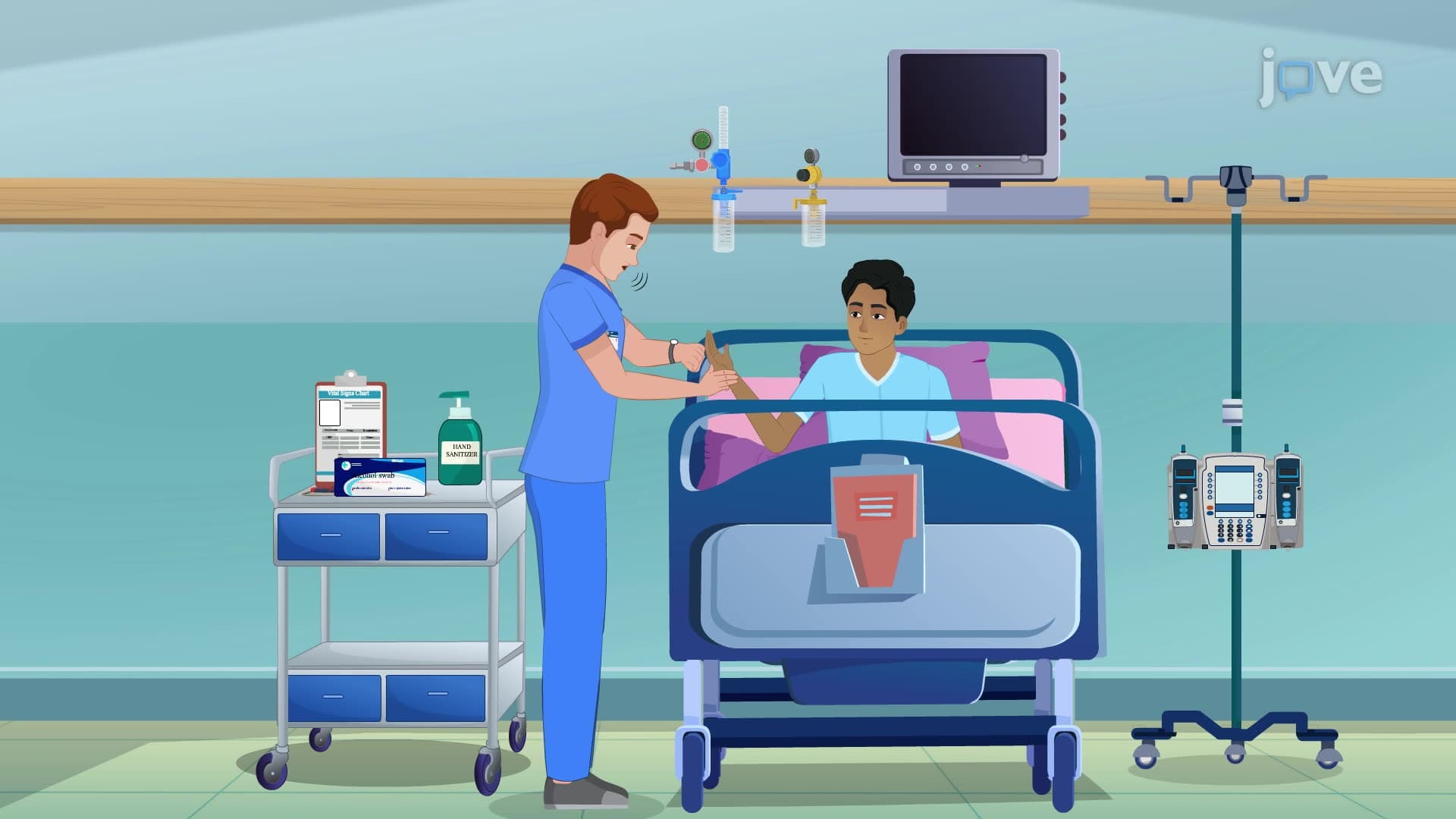

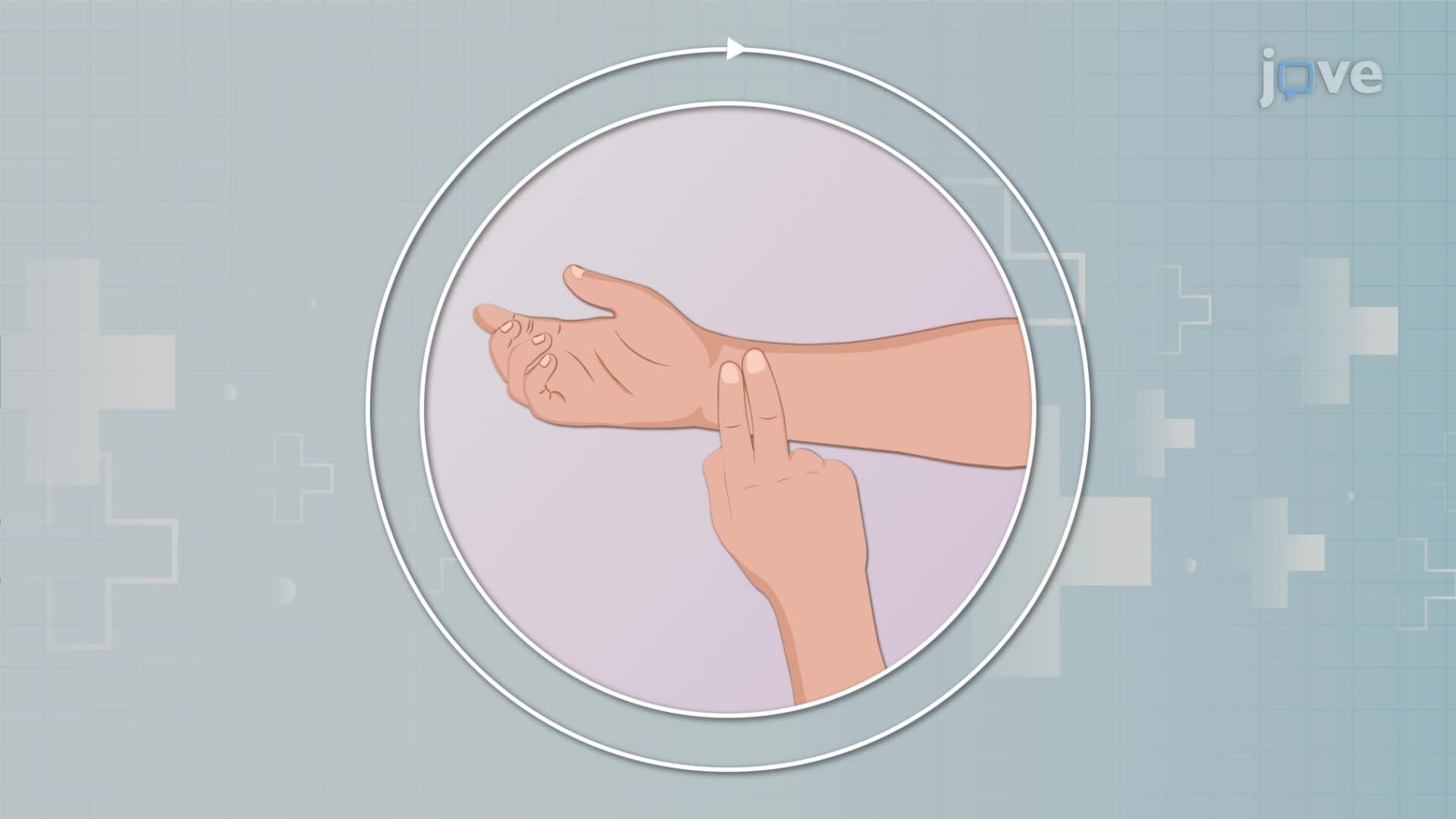
Vital signs: pulse assessment is fundamental to clinical nursing practice and patient care evaluation. This comprehensive course examines pulse physiology, measurement techniques, and interpretation of findings across multiple assessment sites. Students master radial pulse palpation, apical auscultation, and recognize abnormal patterns like tachycardia and bradycardia. Through JoVE Coach's structured approach, learners develop essential clinical skills for accurate pulse assessment nursing documentation and patient monitoring in US healthcare settings.
1. Pulse Physiology and Cardiac Output Calculation Understanding how the sinoatrial node generates electrical impulses leading to ventricular contraction and arterial pulsation. Students learn that cardiac output equals stroke volume multiplied by heart rate, with normal adult pulse rates ranging 60-100 beats per minute. The autonomic nervous system regulates pulse through parasympathetic acetylcholine release (decreasing rate) and sympathetic norepinephrine stimulation (increasing rate). This foundation supports advanced cardiovascular assessment skills essential for US nursing practice and NCLEX success.
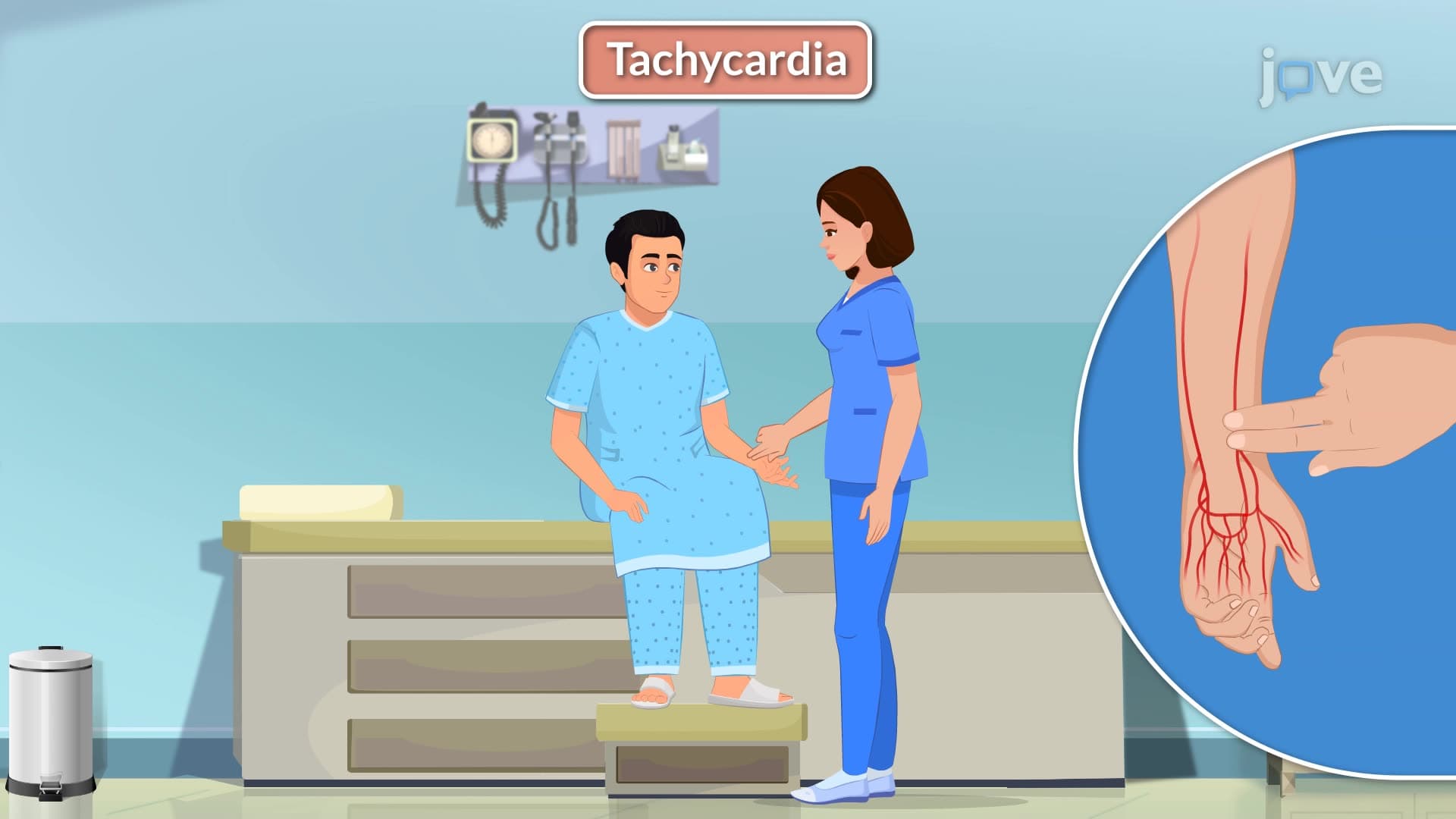
2. Tachycardia Recognition and Clinical Implications Comprehensive examination of elevated heart rates exceeding 100 beats per minute, ranging up to 180 bpm in clinical settings. Students explore underlying arrhythmia mechanisms and risk factors including advanced age, hyperthyroidism, and medication effects like epinephrine administration. Clinical manifestations encompass palpitations, chest pain, syncope, and dyspnea. Understanding tachycardia complications including stroke risk and cardiac failure prepares students for emergency nursing scenarios commonly encountered in US hospitals and tested on NCLEX examinations.
3. Bradycardia Assessment and Management Considerations Detailed analysis of decreased heart rates below 60 beats per minute and associated clinical presentations. Students learn to identify contributing factors including hypothermia, sleep apnea, calcium channel blockers, and thyroid dysfunction. Symptoms range from exercise intolerance to confusion and chest discomfort. Recognition of bradycardia's potential for reduced cerebral perfusion and cardiac output helps students understand when immediate intervention becomes necessary, supporting critical thinking skills emphasized in US nursing education and HESI assessments.
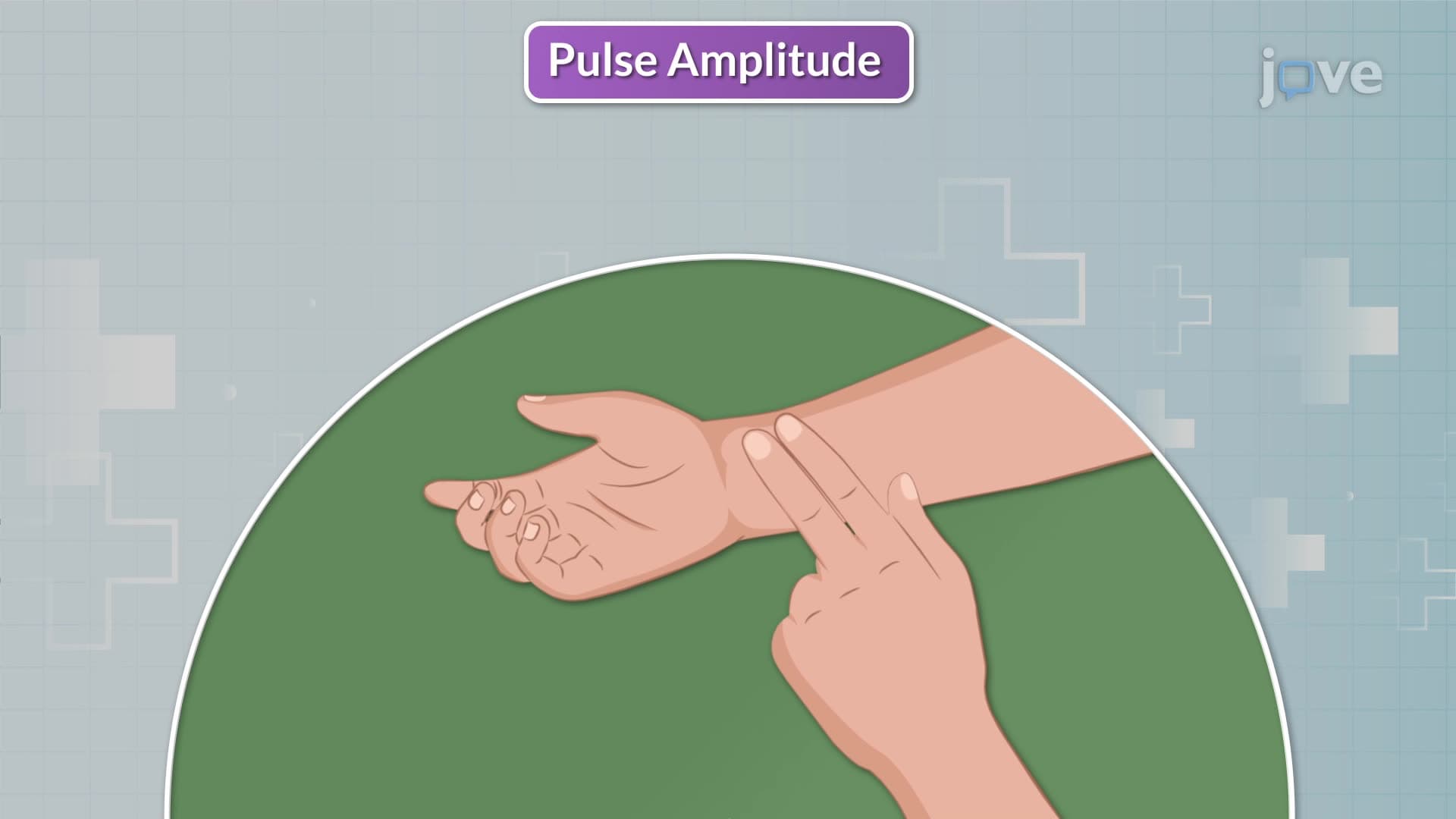
4. Pulse Amplitude Grading and Quality Assessment Systematic approach to evaluating pulse strength using the standardized 0-4+ amplitude scale utilized throughout US healthcare systems. Students master distinguishing absent pulses (0), thready pulses requiring minimal pressure (1+), weak pulses (2+), normal pulses (3+), and bounding pulses persisting under pressure (4+). This grading system reflects left ventricular contractility and peripheral circulation adequacy. Competency in amplitude assessment supports nursing documentation requirements and prepares students for practical examinations in clinical settings.
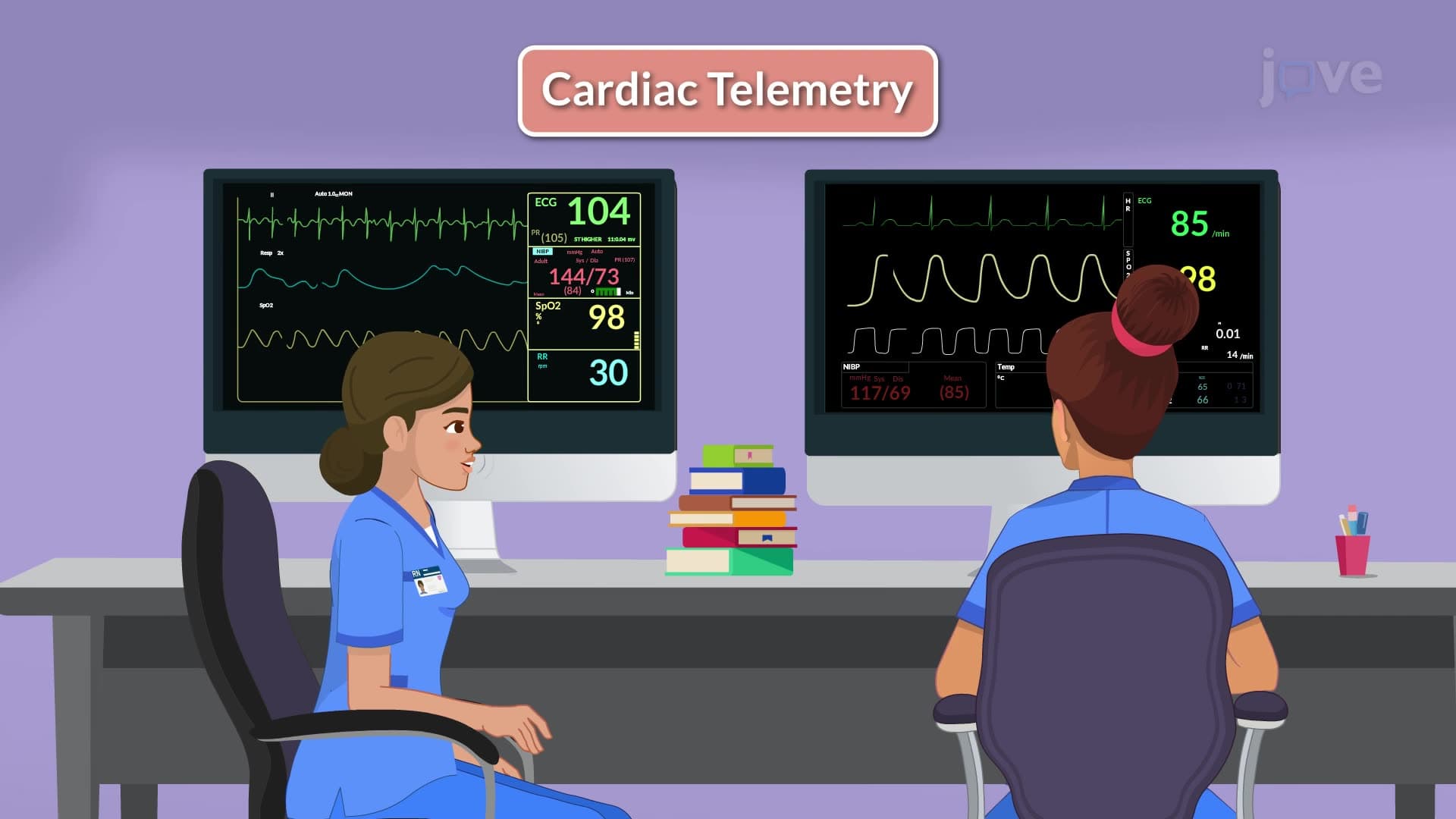
5. Dysrhythmia Recognition and Monitoring Techniques Advanced study of irregular pulse patterns including regularly irregular and irregularly irregular classifications. Students explore conditions like atrial fibrillation, premature ventricular contractions, and bigeminal rhythms commonly encountered in US cardiac care units. Introduction to diagnostic tools including electrocardiograms, Holter monitoring, and cardiac telemetry provides foundation for critical care nursing preparation. Understanding dysrhythmia implications for patient safety and medication administration supports NCLEX preparation and clinical decision-making skills.
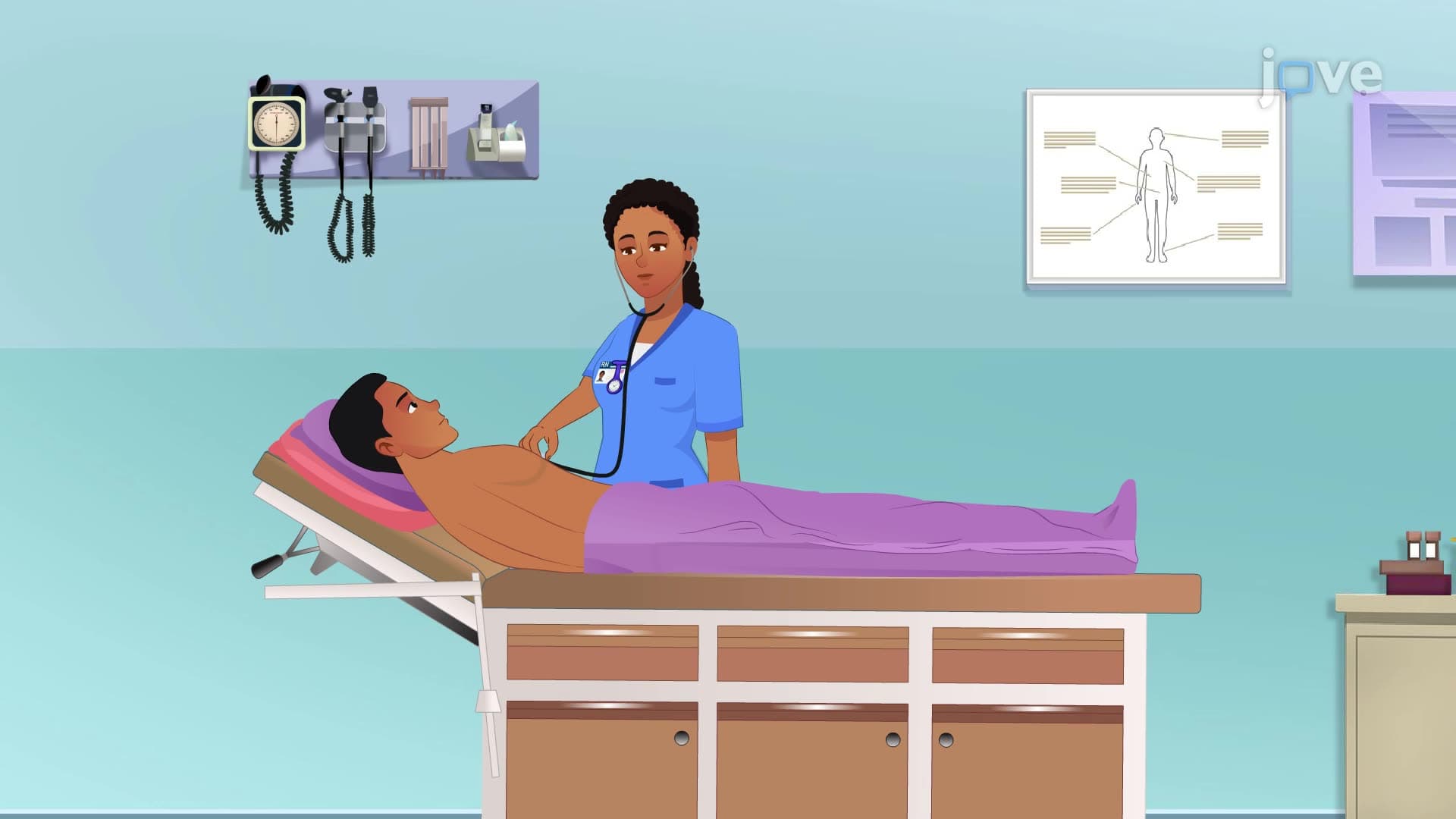
6. Anatomical Pulse Assessment Sites and Techniques Comprehensive mapping of pulse palpation locations from temporal and carotid arteries to peripheral sites including dorsalis pedis and posterior tibial. Students learn precise anatomical landmarks such as the fifth intercostal space for apical assessment and antecubital fossa for brachial evaluation. Mastery of multiple assessment sites enables adaptation to patient conditions and clinical scenarios. This knowledge supports physical examination skills required for nursing fundamentals courses and prepares students for hands-on clinical experiences in US healthcare facilities.