Loading concepts…


10 Concepts
8 Concepts
19 Concepts
17 Concepts
22 Concepts
7 Concepts
10 Concepts
7 Concepts
25 Concepts
19 Concepts
17 Concepts
12 Concepts
18 Concepts
13 Concepts
 17 Concepts
 48.3K Views
 Popular topics









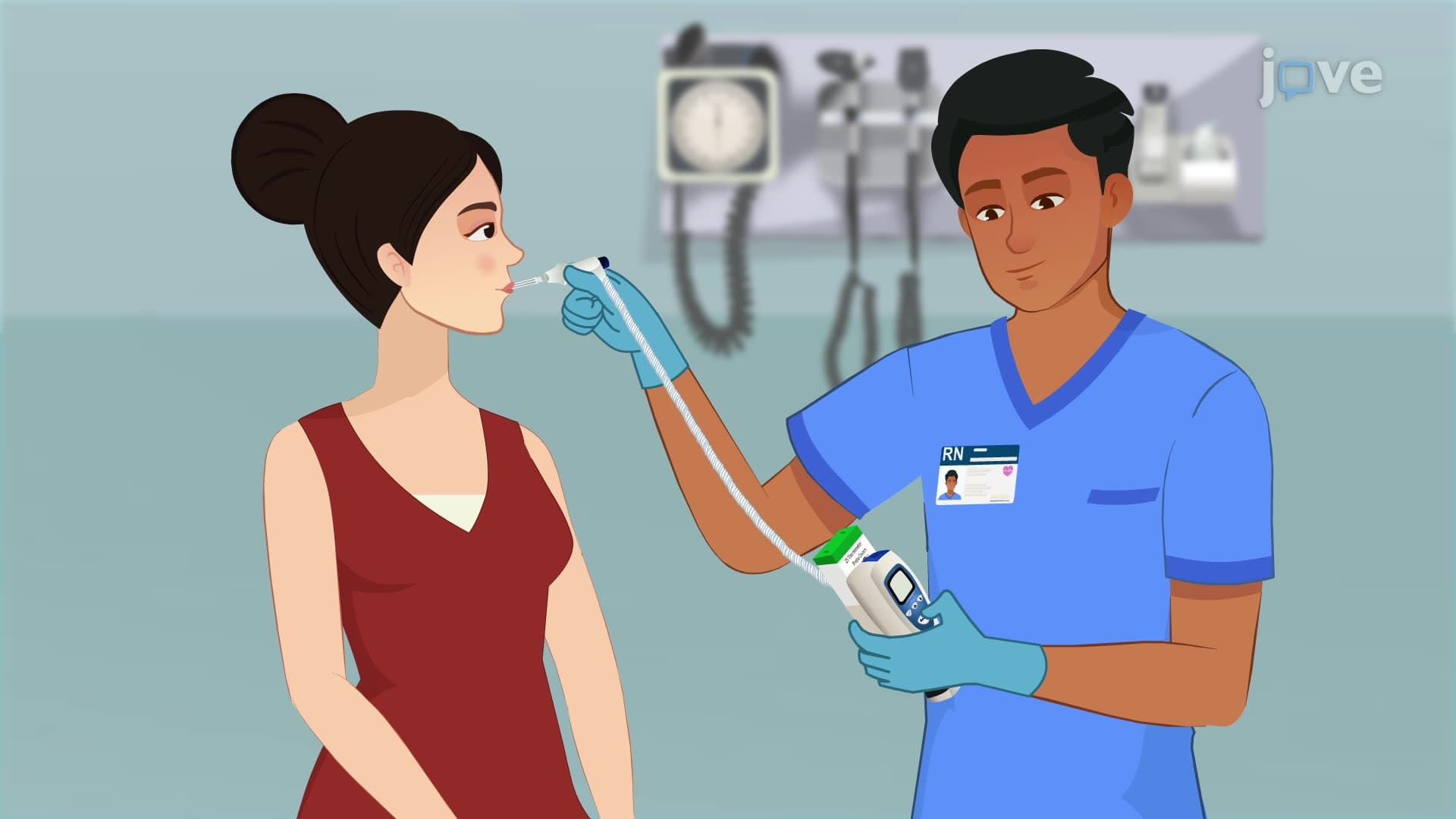



Vital signs: temperature measurement is fundamental to nursing practice and healthcare assessment. This comprehensive course covers body temperature measurement techniques, interpretation of readings, and clinical applications. Learn proper assessment methods across multiple anatomical sites, understand fever and hypothermia mechanisms, and master temperature measurement equipment used in US healthcare settings. JoVE Coach provides essential knowledge for nursing students and healthcare professionals.
1. Thermoregulation and Heat Transfer Mechanisms: The hypothalamus serves as the body's thermostat, maintaining core temperature through complex feedback mechanisms. The anterior hypothalamus controls heat loss through vasodilation and sweating, while the posterior hypothalamus regulates heat production through metabolism and shivering. Heat transfer occurs through four primary mechanisms: conduction (direct contact with objects), convection (air movement), evaporation (sweating), and radiation (heat emission from body surfaces). Understanding these processes is essential for interpreting temperature variations and implementing appropriate nursing interventions in clinical settings.
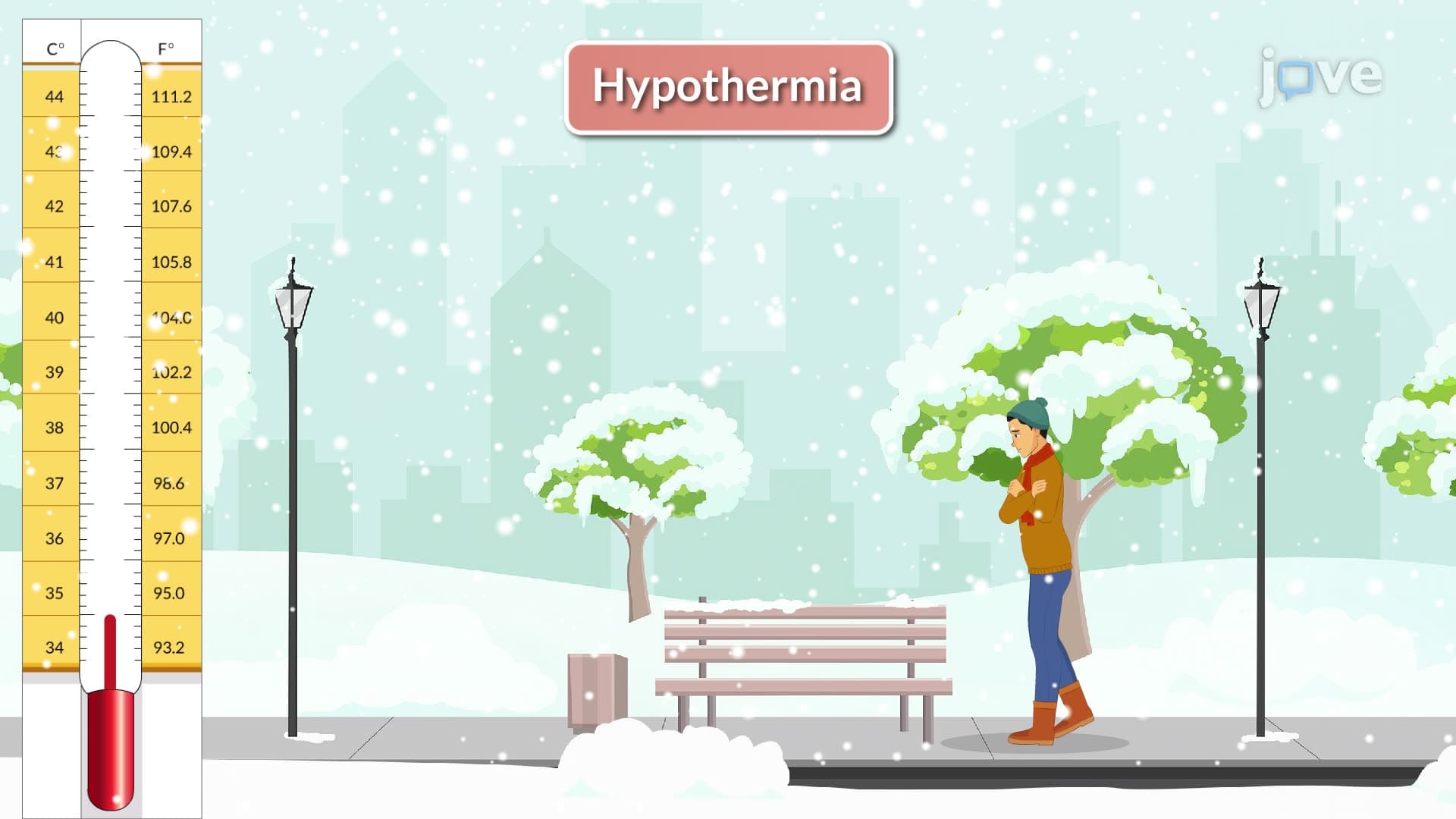
2. Normal Temperature Ranges and Influencing Factors: Adult body temperature typically ranges from 97°F to 99°F (36.1°C to 37.2°C), with variations based on measurement site, age, and individual factors. Age significantly affects thermoregulation, with newborns having immature systems and elderly patients showing decreased temperature sensitivity. Gender influences temperature through hormonal changes, particularly during menstruation and menopause. Circadian rhythms cause natural daily fluctuations, with temperatures lowest in early morning and highest in late afternoon. Exercise, stress, environmental conditions, and certain medications can also alter body temperature readings.
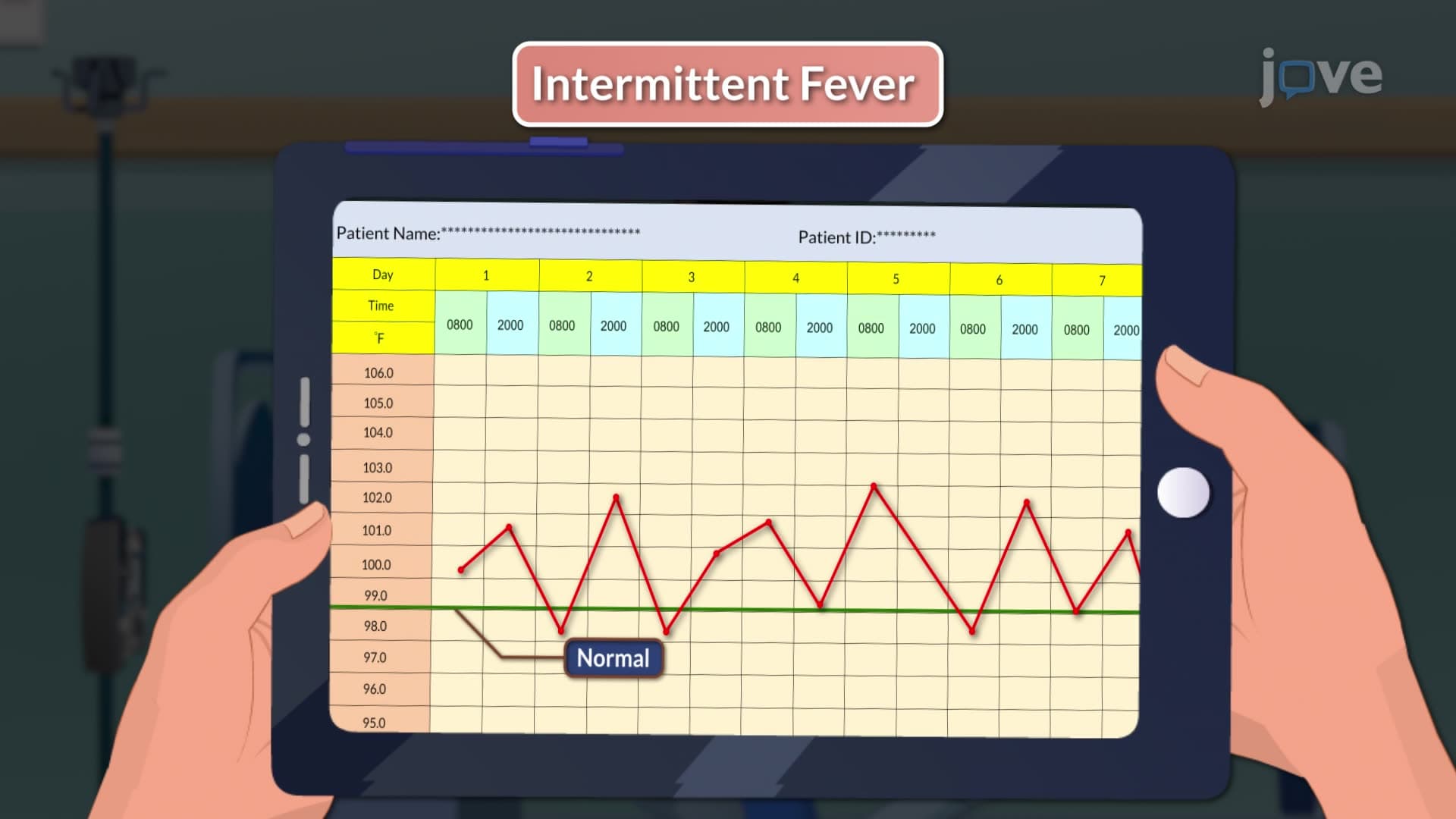
3. Fever Types and Pathophysiology: Pyrexia occurs when body temperature exceeds 100.4°F (38°C), triggered by pyrogens that reset the hypothalamic set-point. Different fever patterns include intermittent (periodic temperature spikes), remittent (consistent elevation with fluctuations), continuous (sustained high temperature), and relapsing (recurring episodes). Hyperthermia represents thermoregulatory failure, while malignant hyperthermia is a life-threatening anesthetic reaction. Neurogenic fever results from hypothalamic damage, and fever of unknown origin persists for weeks without clear etiology. Understanding these classifications helps nurses identify underlying conditions and plan appropriate interventions.
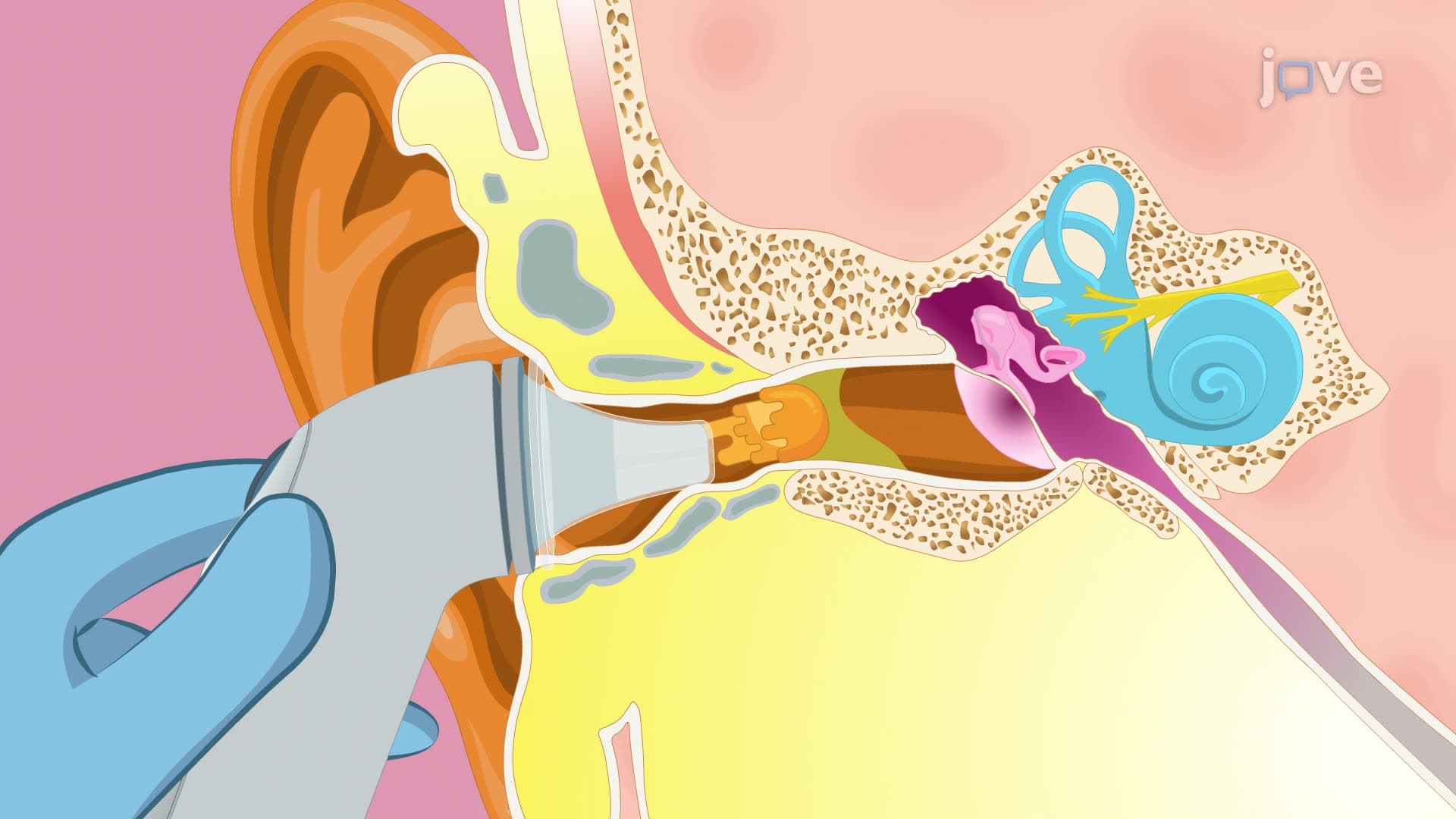
4. Temperature Measurement Sites and Techniques: Core temperature sites (rectal, tympanic membrane) provide more accurate readings than surface sites (oral, axillary, temporal artery). Rectal measurement offers the highest accuracy but requires specific positioning and lubrication techniques. Tympanic membrane thermometry uses infrared sensors and requires proper ear canal positioning. Oral temperature measurement in the sublingual pocket near major arteries provides reliable readings when technique is correct. Axillary measurements are least accurate due to lack of major blood vessels but remain useful for continuous monitoring. Temporal artery scanners offer non-invasive measurement over the superficial temporal artery.
5. Thermometer Types and Equipment Selection: Digital electronic thermometers with disposable probe covers are standard in US healthcare facilities, replacing mercury-containing glass thermometers due to safety concerns. Tympanic membrane thermometers use infrared technology and require proper probe insertion angles. Temporal artery thermometers scan across the forehead and behind the earlobe for comprehensive readings. Disposable chemical-dot thermometers change color based on temperature and serve as single-use alternatives. Equipment selection depends on patient age, condition, infection control requirements, and measurement site accessibility. Proper calibration and maintenance ensure accurate readings.
6. Clinical Assessment and Documentation: Accurate temperature assessment requires proper patient positioning, equipment preparation, and technique execution. Nurses must consider contraindications such as ear infections for tympanic measurement or mouth breathing for oral assessment. Patient comfort and privacy are essential during rectal temperature measurement. Proper documentation includes temperature value, measurement site, time, and any relevant patient factors. Changes from baseline readings require immediate communication to healthcare team members. Integration with other vital signs provides comprehensive patient assessment data for clinical decision-making and care planning.