Loading concepts…


10 Concepts
8 Concepts
19 Concepts
17 Concepts
22 Concepts
7 Concepts
10 Concepts
7 Concepts
25 Concepts
19 Concepts
17 Concepts
12 Concepts
18 Concepts
13 Concepts
 10 Concepts
 53.7K Views
 Popular topics






This introduction to nursing course provides comprehensive coverage of fundamental concepts essential to understanding the nursing profession and practice. Students explore nursing aims, organizational structures, theoretical foundations, professional values, current trends, and ethical principles that define modern healthcare delivery. The content integrates practical applications from US healthcare systems and prepares students for clinical practice through evidence-based learning with JoVE Coach.
1. Core Nursing Aims and Patient Care Models Nursing practice centers on five fundamental aims that define professional responsibilities in healthcare settings. Health promotion involves encouraging patients to adopt healthy lifestyle choices including balanced nutrition, stress management techniques, and regular physical activity to enhance quality of life. Preventive care includes immunization programs, prenatal care services, and community health screenings for conditions like hypertension. Caring for ill patients requires evidence-based assessment, diagnosis, planning, implementation, and evaluation of patient-centered care. Disability support focuses on strengthening patient capabilities through education and community resource connections. Terminal care provides comfort through symptom management, psychological support, and culturally sensitive end-of-life assistance while respecting patient autonomy and family decisions.
2. National Nursing Organizations and Professional Development Major US nursing organizations play crucial roles in advancing the profession through education, research, and policy development. The American Nurses Association (ANA) establishes practice standards, maintains the nursing code of ethics, handles credentialing processes, and advocates for nurse welfare through policies like the Nurses' Bill of Rights. The National League for Nursing (NLN) promotes excellence in nursing education by offering faculty development programs, research grants, and assessment services for students and educators. The American Association of Critical-Care Nurses (AACN) represents acute care professionals and creates standards for healthy work environments including appropriate staffing, collaboration, and effective communication. The Commission on Collegiate Nursing Education (CCNE) serves as an accrediting body ensuring quality standards for baccalaureate, master's, doctoral, and distance education nursing programs through comprehensive evaluation processes.
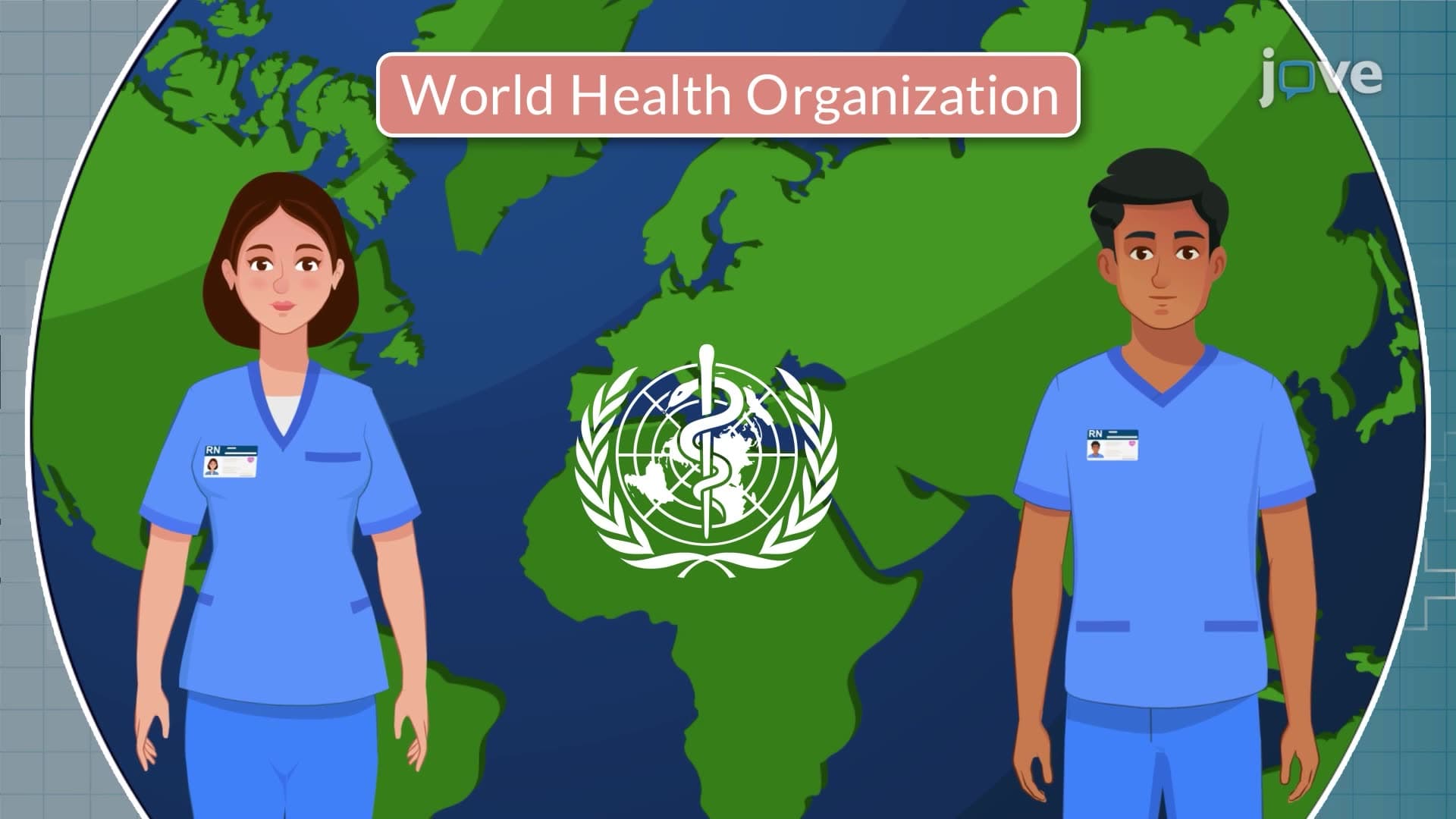
3. International Healthcare Organizations and Global Nursing International organizations significantly impact nursing practice worldwide through policy development and professional support initiatives. The International Council of Nurses (ICN), headquartered in Switzerland, represents national nursing associations globally and advocates for quality care, competent workforce development, and sound health policies. ICN addresses critical issues including counterfeit medication detection through the "Fight the Fakes" campaign and nurse retention strategies focusing on occupational health and safety. The World Health Organization (WHO) influences global public health through science-based policies, healthcare worker training, and emergency coordination efforts. WHO's Global Strategic Directions for Nursing and Midwifery provides policy recommendations helping countries optimize nurse contributions to universal health goals, while their virtual networking platform connects nurses worldwide for professional collaboration and knowledge sharing.
4. Theoretical Foundations and Metaparadigms Nursing theory provides the scientific foundation for clinical practice through testable statements that combine concepts, definitions, and assumptions to predict observable phenomena. The four metaparadigms serve as essential theoretical foci: person (recipients of care including individuals, families, groups, and communities), health (position on the health-illness continuum defined by individual values and lifestyles), environment (patient surroundings including physical, occupational, and social factors influencing wellness), and nursing (professional attributes and application of knowledge and skills during patient care). These interconnected concepts create a comprehensive framework describing nursing practice scope and guiding clinical decision-making processes. Understanding theoretical foundations enables nurses to provide systematic, evidence-based care while maintaining professional accountability and advancing nursing science through research and scholarly inquiry.
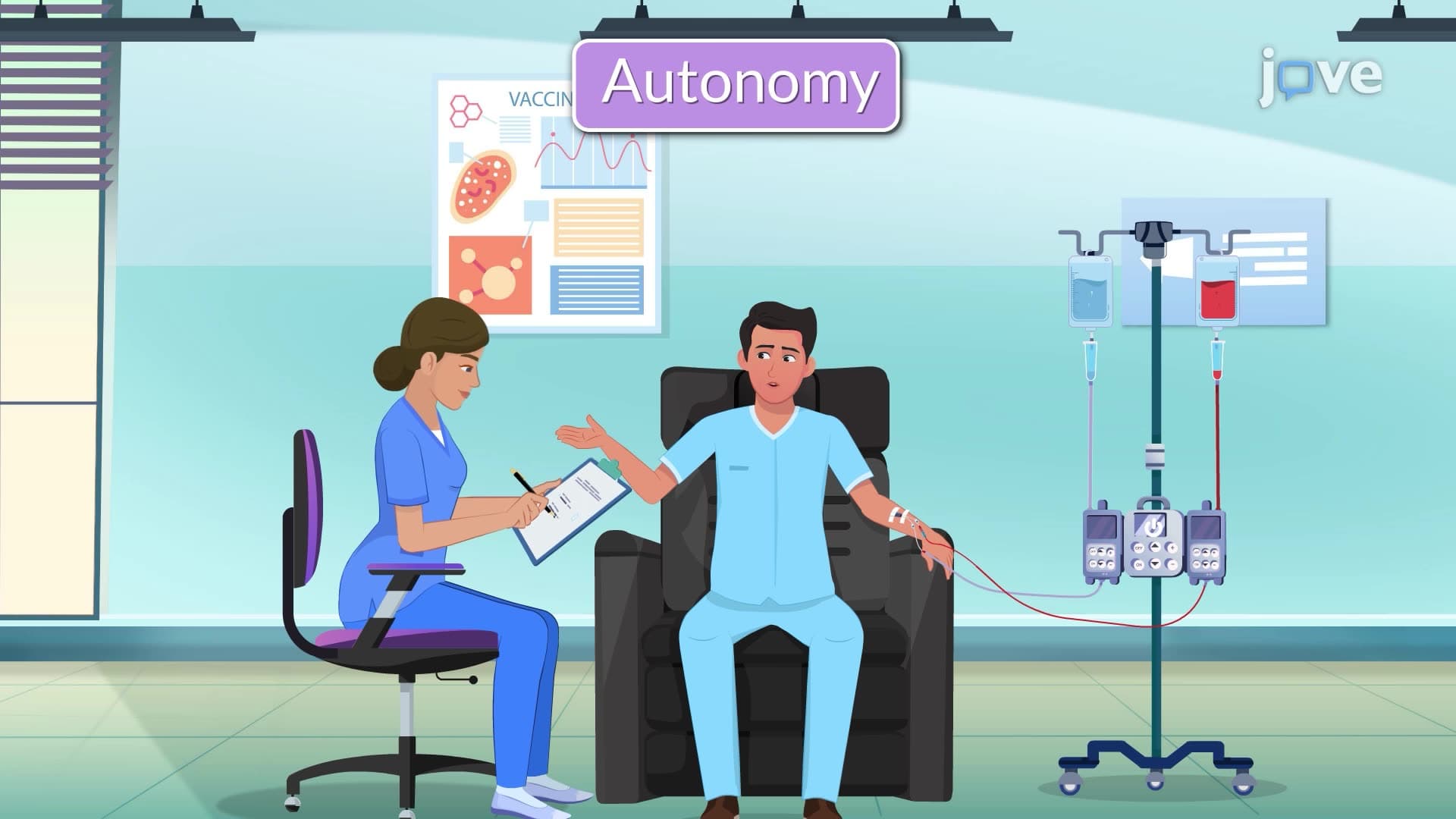
5. Professional Values and Ethical Practice Five core professional values guide nursing practice and decision-making in clinical settings. Altruism demonstrates selfless service prioritizing patient needs over personal interests, exemplified by nurses caring for patients with infectious diseases despite personal risk. Autonomy respects competent adults' rights to make informed healthcare decisions, requiring nurses to plan care collaboratively with patients as partners. Human dignity involves valuing and respecting all individuals equally, ensuring every patient receives the same privacy rights and respectful treatment regardless of background. Integrity promotes honest, fair treatment while adhering to professional ethics and maintaining consistent professionalism in all patient interactions. Social justice ensures equal healthcare access for all individuals regardless of socioeconomic status, ethnicity, or other demographic factors, requiring nurses to advocate for equitable care delivery and address healthcare disparities.
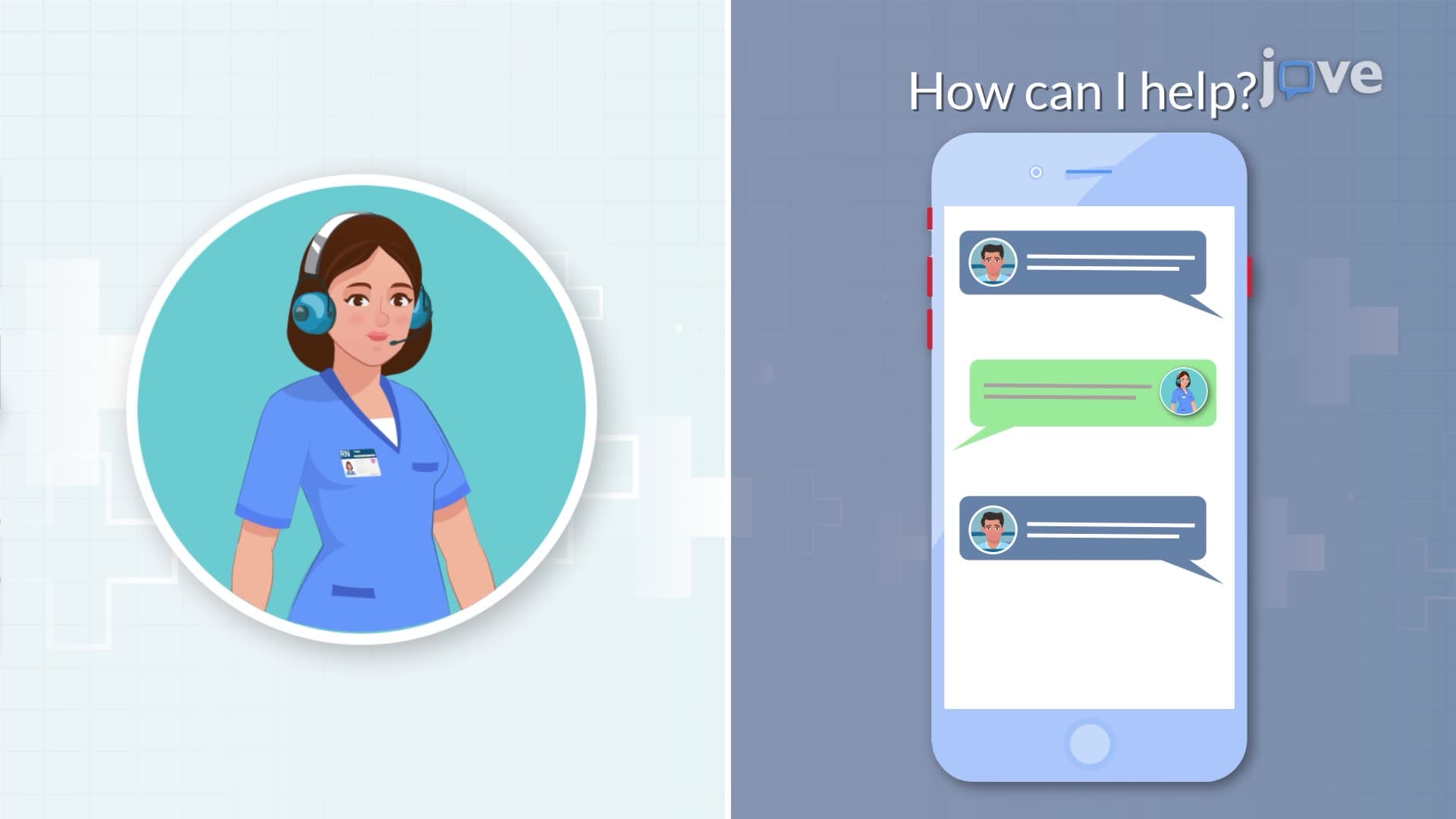
6. Current Trends and Future Directions in Nursing Contemporary nursing trends reflect societal changes, healthcare delivery evolution, and technological advancement integration. The aging population requires specialized geriatric training for nurses across all settings, focusing on independent living support, chronic disease management for conditions like hypertension with ischemic heart disease, and holistic long-term care including dementia and disability support. Telehealth and remote monitoring technologies enable nurses to reach patients, monitor conditions, and communicate securely while addressing nursing shortages and reducing workplace stress. Evidence-based practice evolution requires continuous research integration into clinical guidelines and decision-making processes. Increased internet accessibility creates more informed patients, requiring nurses to understand public healthcare information access and response patterns. Artificial intelligence and automation integration necessitates nurse preparation for technology-assisted clinical decision-making, disease management, and operational improvements across healthcare settings.