Loading video…


 10 Concepts
 53.7K views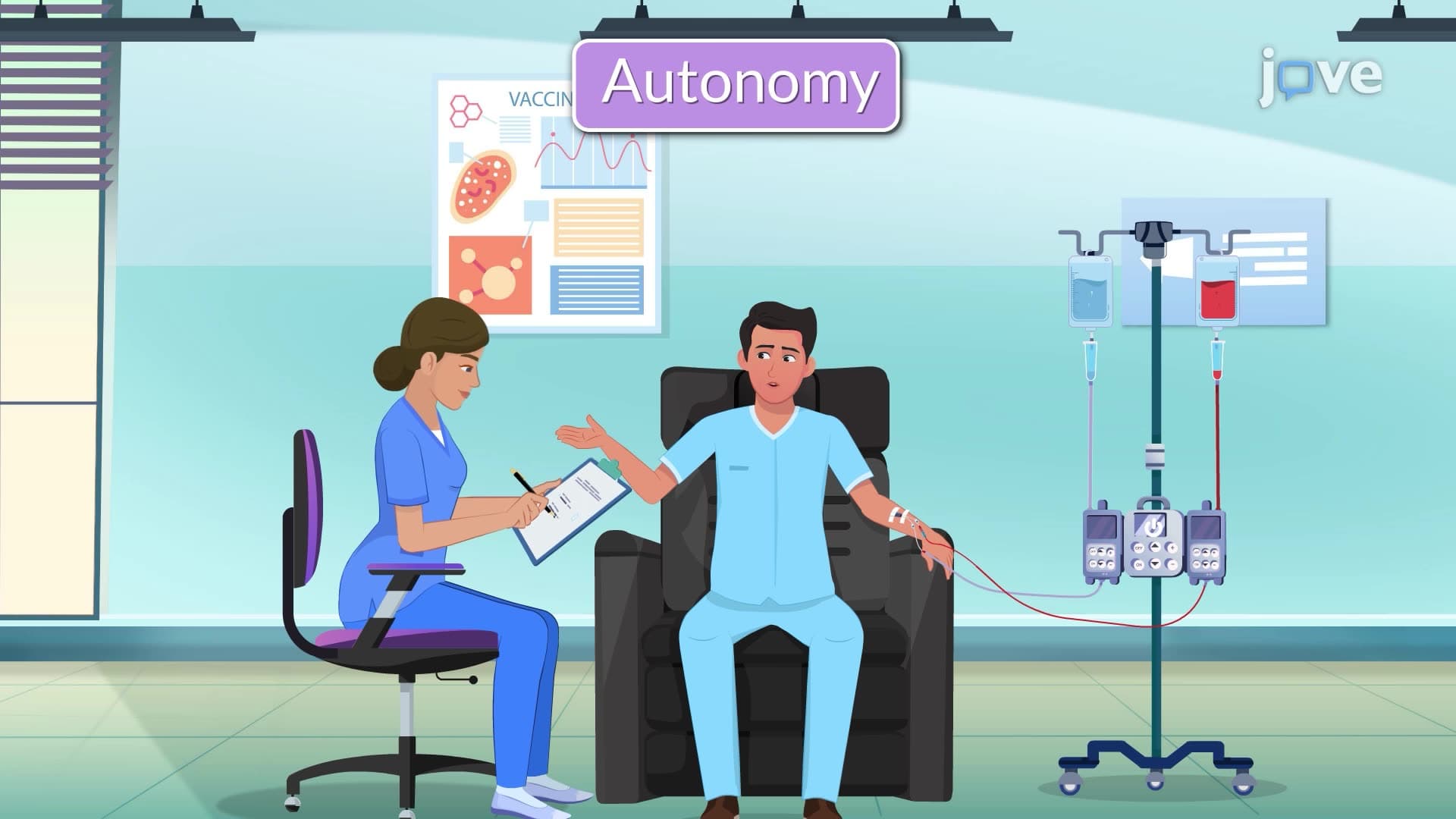

Video Summary: What are Professional Values
Why do some healthcare workers risk their lives treating Ebola patients while others prioritize their own safety? Professional values serve as the moral compass that guides ethical decision-making in careers like nursing, medicine, and social work. These core principles-including altruism, autonomy, human dignity, integrity, and social justice-shape how professionals interact with clients and colleagues. For instance, nurses at Emory University Hospital demonstrated professional values when they volunteered to care for Ebola patients in 2014, putting patient needs above personal risk. Watch the full video on JoVE Coach to master this concept with expert-led visuals and step-by-step explanations.
Professional values represent the fundamental ethical principles that define how individuals should conduct themselves within their chosen careers. These values transcend personal beliefs and cultural differences, creating universal standards that ensure public trust and service excellence. In healthcare professions like nursing, medicine, and physical therapy, professional values form the backbone of patient care and clinical decision-making.
The concept of professional values gained prominence in the United States during the mid-20th century as healthcare became more complex and specialized. Professional organizations like the American Nurses Association (ANA) and American Medical Association (AMA) developed formal codes of ethics that articulate these values, making them essential knowledge for students preparing for licensure exams like the NCLEX-RN or USMLE.
The five core professional values each serve distinct but interconnected purposes. Altruism drives professionals to place others' welfare above their own interests-evident when emergency room nurses work double shifts during staffing shortages or when social workers advocate for vulnerable clients despite bureaucratic obstacles. This value frequently appears on nursing school exams and HESI A2 assessments as scenario-based questions.
Autonomy respects individuals' right to self-determination, particularly crucial in healthcare settings where patients must make informed decisions about treatment options. This principle underlies informed consent procedures and shared decision-making models used throughout US healthcare systems. Students studying for AP Psychology or college ethics courses often encounter autonomy in discussions about medical ethics and patient rights.
Human dignity ensures that all individuals receive respectful, compassionate treatment regardless of their socioeconomic status, race, religion, or lifestyle choices. This value gained particular attention following civil rights movements and now influences diversity training in professional programs nationwide.
Integrity demands honesty, transparency, and adherence to professional standards-qualities assessed through clinical evaluations and professional behavior requirements in programs accredited by bodies like the Commission on Collegiate Nursing Education (CCNE). Students must demonstrate integrity through academic honesty policies and clinical performance standards.
Social justice addresses systemic inequalities and advocates for fair distribution of resources and opportunities. This value has become increasingly important in healthcare policy discussions and community health initiatives. Pre-med students often encounter social justice concepts in MCAT passages about healthcare disparities and public health interventions.
Understanding these professional values proves essential for success in healthcare career pathways and serves as foundational knowledge for advanced coursework in bioethics, healthcare management, and clinical practice.
Related Micro-courses