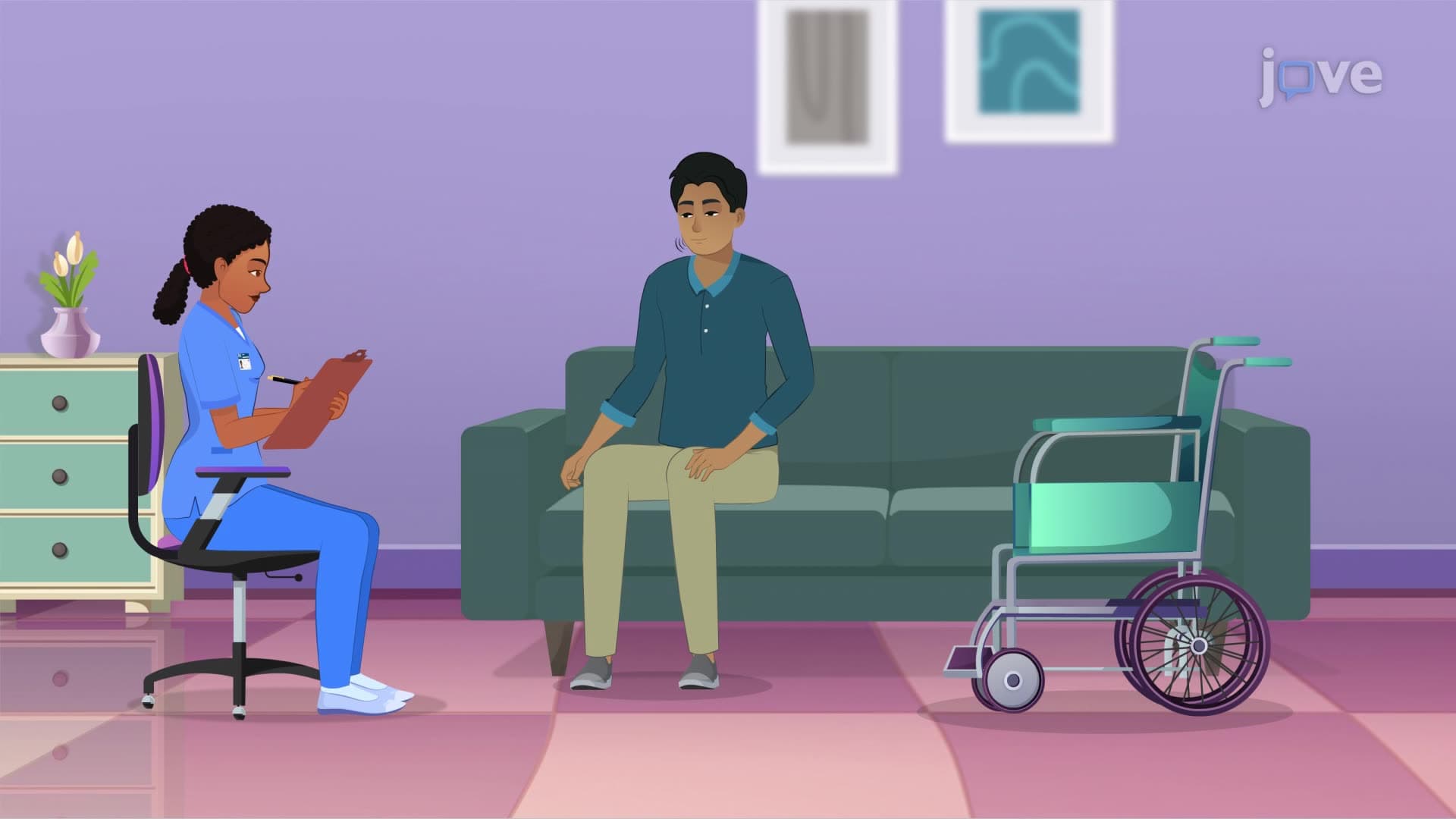
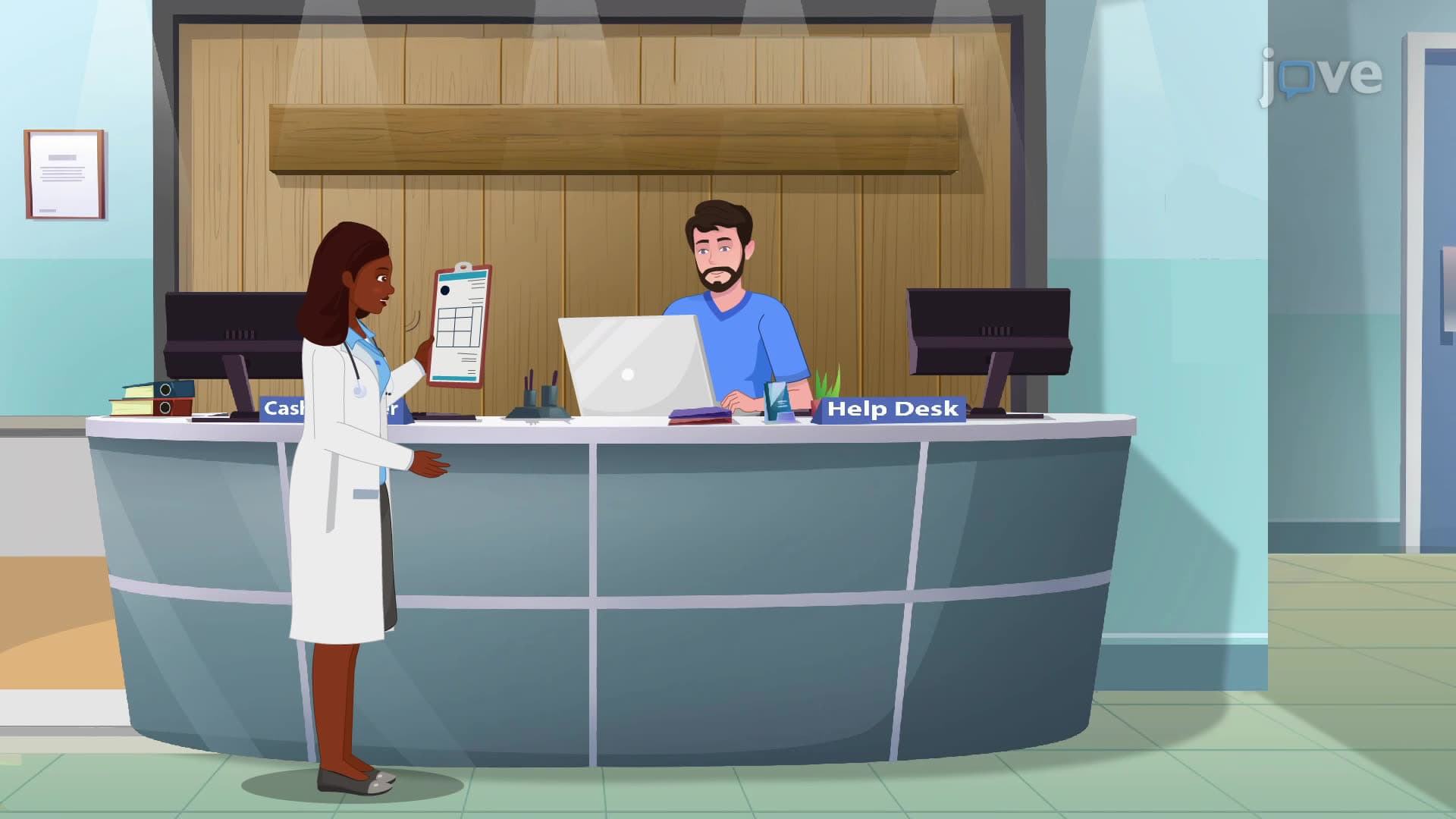
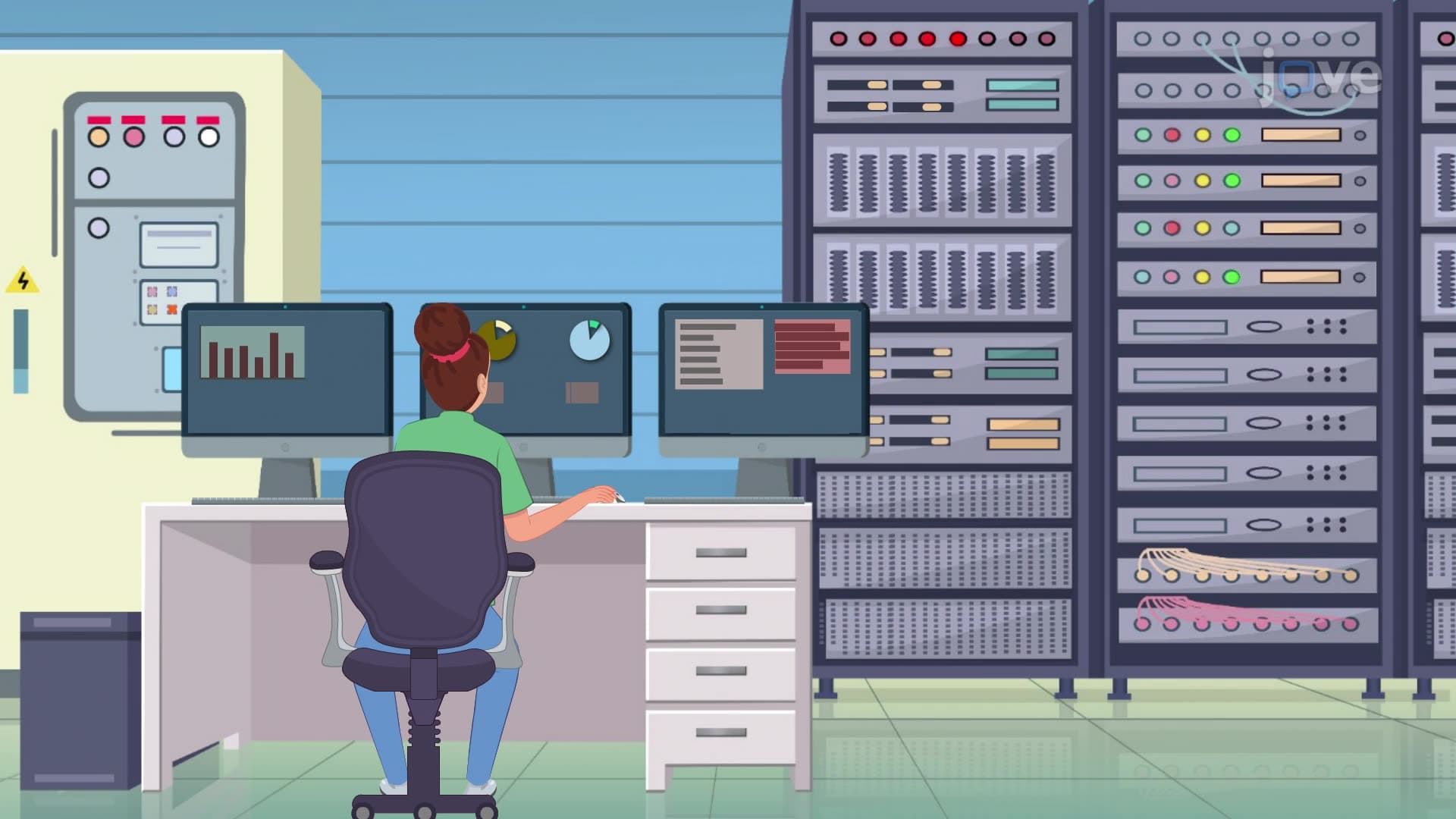
Documentation and reporting form the cornerstone of nursing practice in US healthcare systems. These essential skills encompass creating accurate medical records, implementing various charting methods like SBAR and PIE, and ensuring legal compliance through proper EHR charting and shift reports. JoVE Coach provides comprehensive training on clinical documentation nursing standards that protect patients and healthcare providers.
Understand the fundamental purposes of health records and their role in patient care coordination
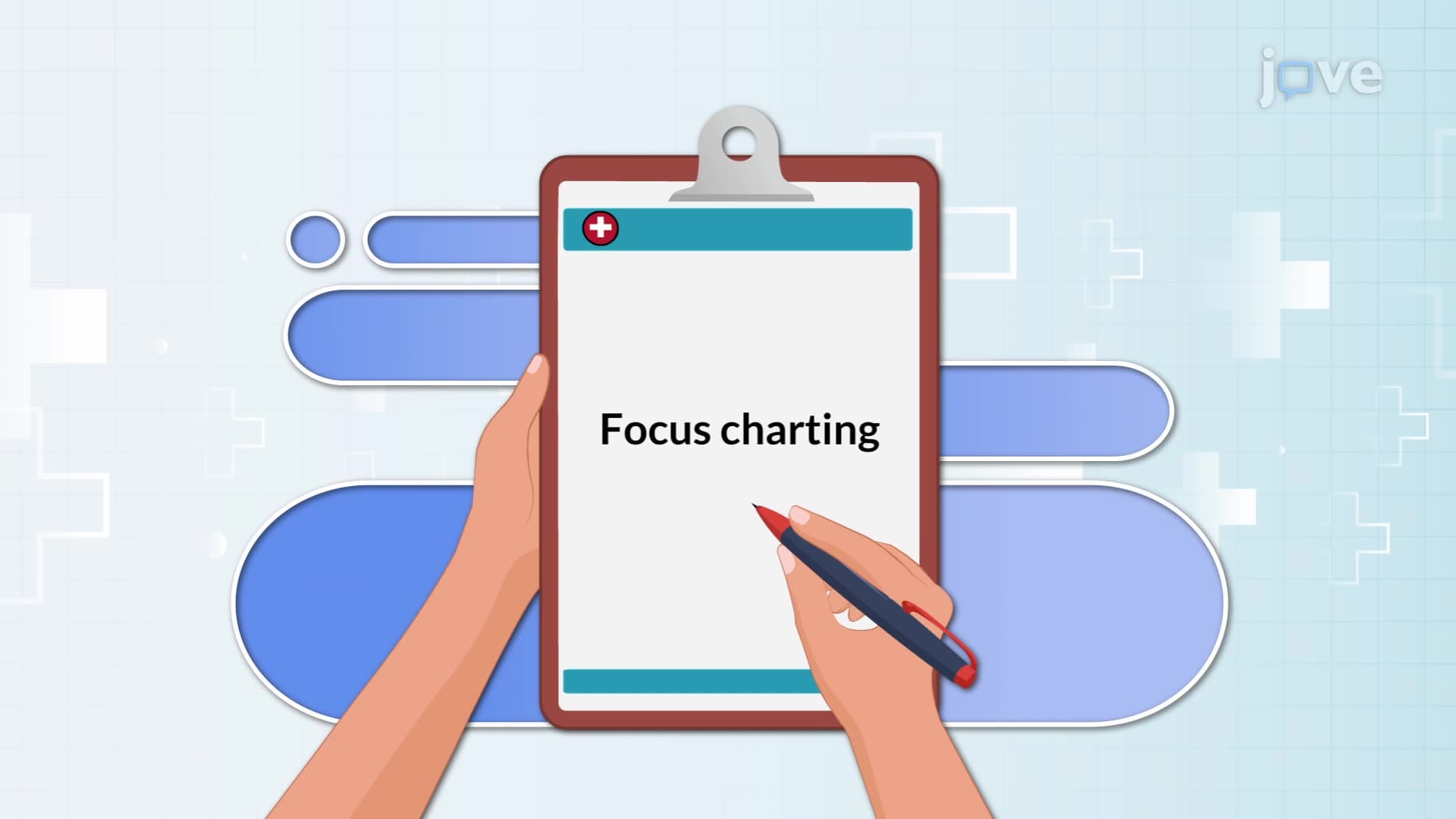
Learn various documentation methods including source-oriented records, POMR, PIE, and focus charting
Identify key components of electronic health records (EHR) and safe computer charting practices
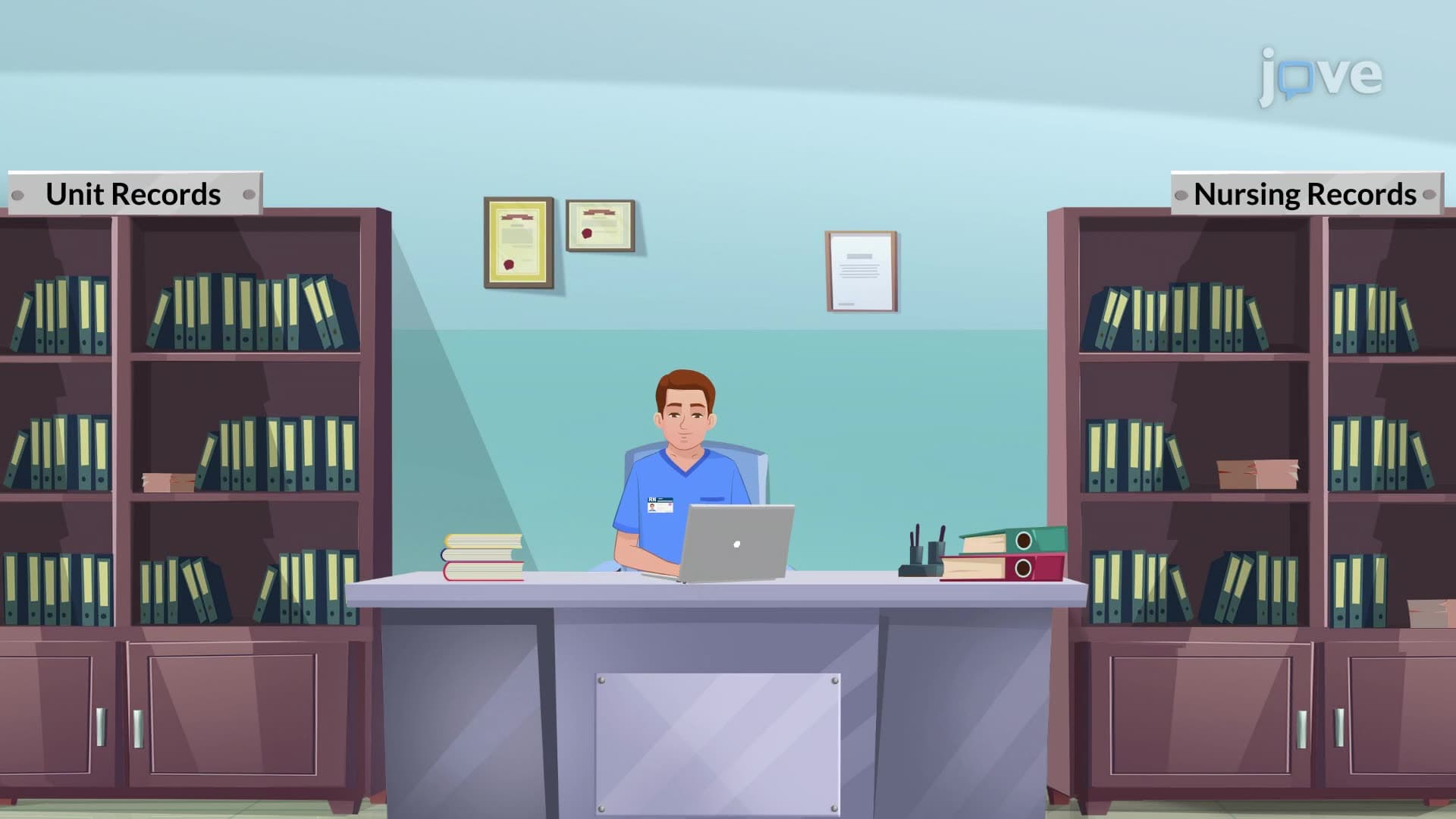
Explore different types of nursing records from unit records to discharge summaries
Analyze legal guidelines for documentation and reporting in nursing practice
Apply SBAR communication techniques for effective shift reports and telephone orders
Understand incident reporting procedures and quality assurance documentation
Master flow sheet documentation and acuity charting systems
1. Health Records and Their Purposes: Medical records serve as vital communication tools among healthcare teams, ensuring continuity of care across departments. In US hospitals like Mayo Clinic or Cleveland Clinic, these records facilitate decision-making, support legal proceedings, enable insurance reimbursement, and provide historical documentation for future reference. They also serve educational purposes for nursing students and support research initiatives that advance healthcare practices nationwide.
2. Documentation Guidelines and Standards: Effective nursing documentation requires factual, timely, and accurate recording using exact measurements and approved abbreviations. US healthcare facilities follow Joint Commission standards, requiring military time notation and complete documentation of patient assessments, interventions, and responses. Nurses must distinguish between subjective data (patient's verbal reports) and objective data (observable measurements like vital signs) while maintaining concise, organized records.
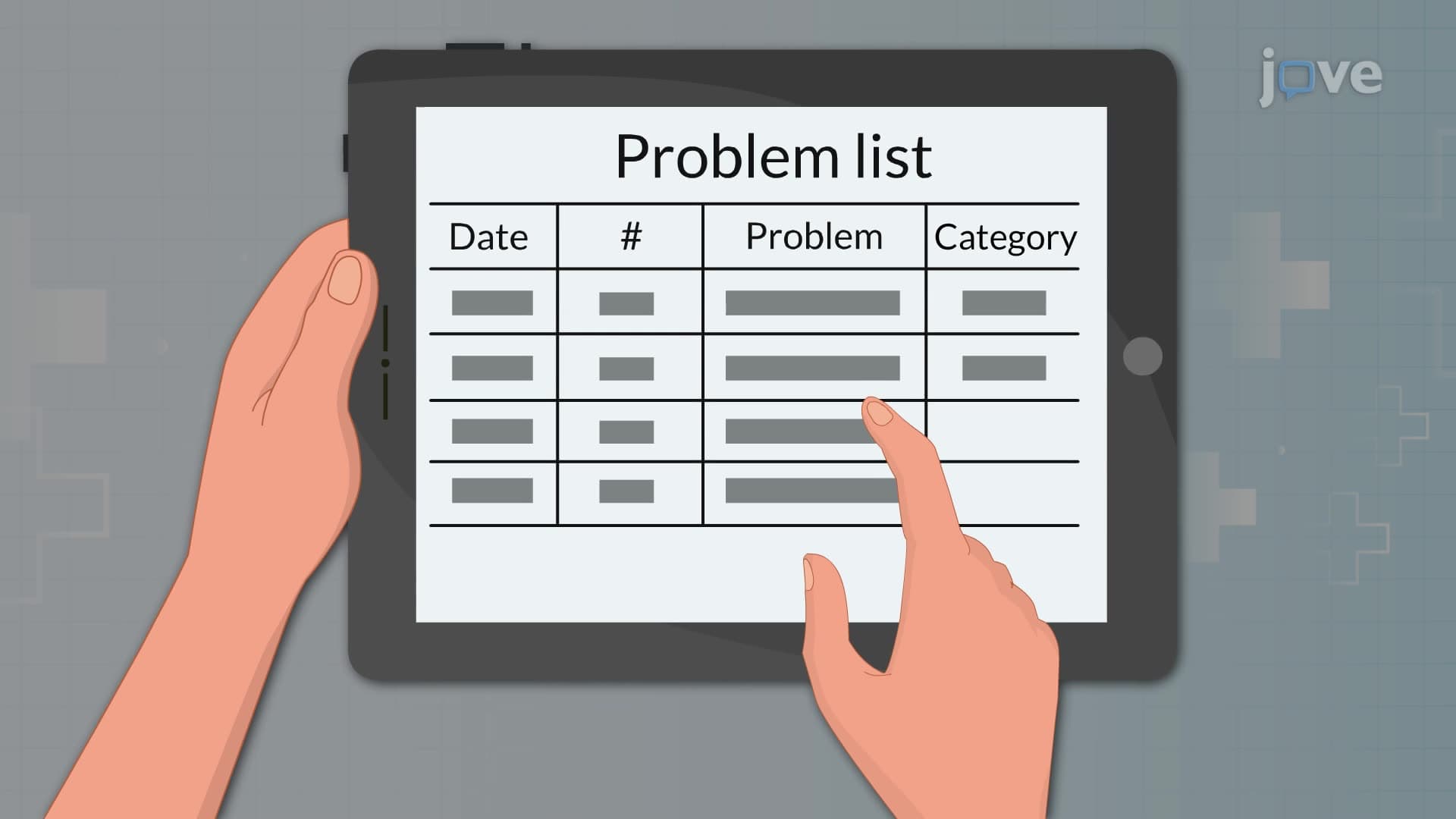
3. Types of Documentation Systems: Healthcare facilities utilize various documentation methods including source-oriented records (SOR), problem-oriented medical records (POMR), and problem-intervention-evaluation (PIE) systems. Each system organizes patient information differently - SOR by healthcare provider specialty, POMR by patient problems, and PIE by nursing diagnoses and interventions. US hospitals select systems based on their specific workflow requirements and patient population needs.
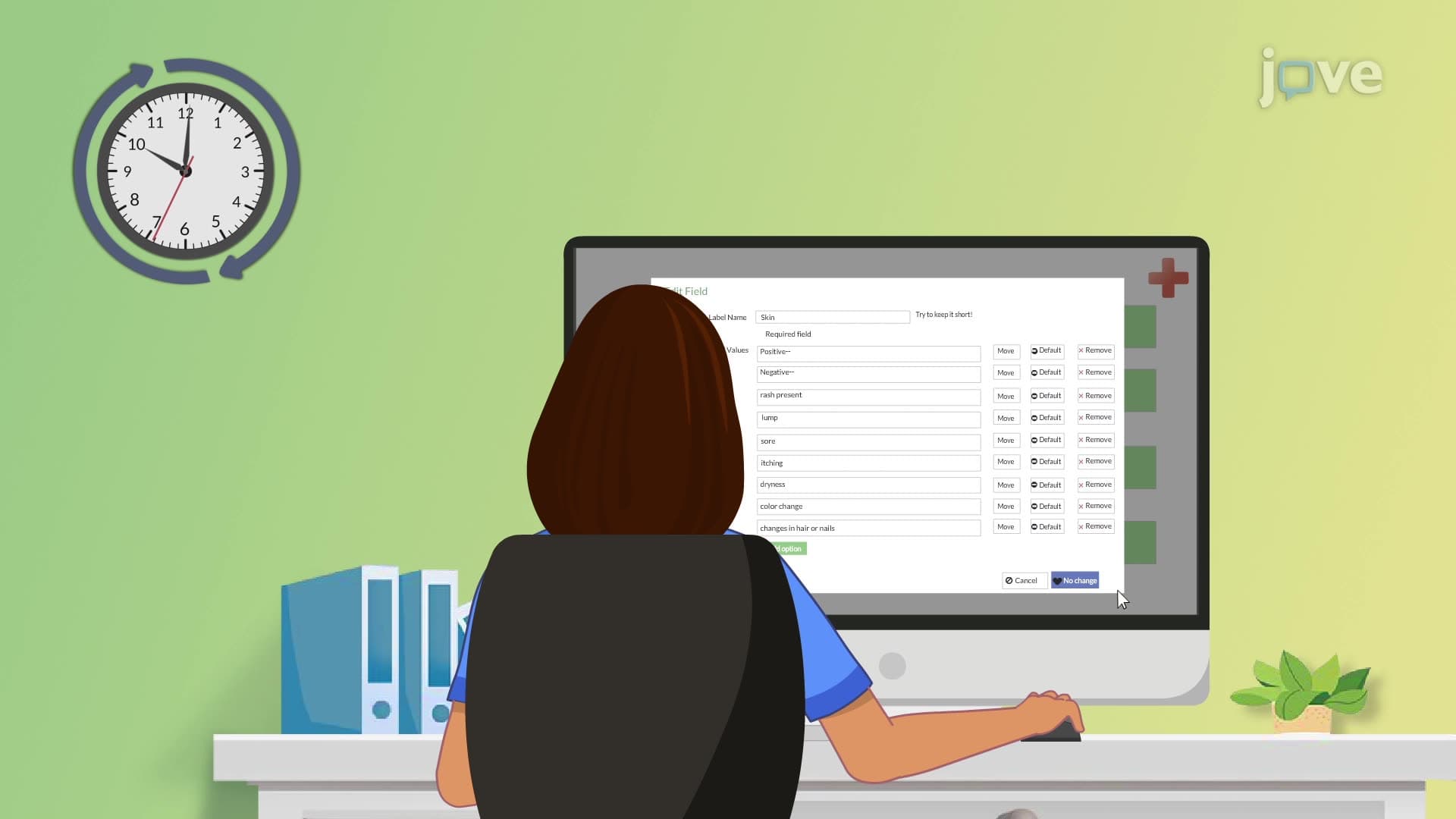
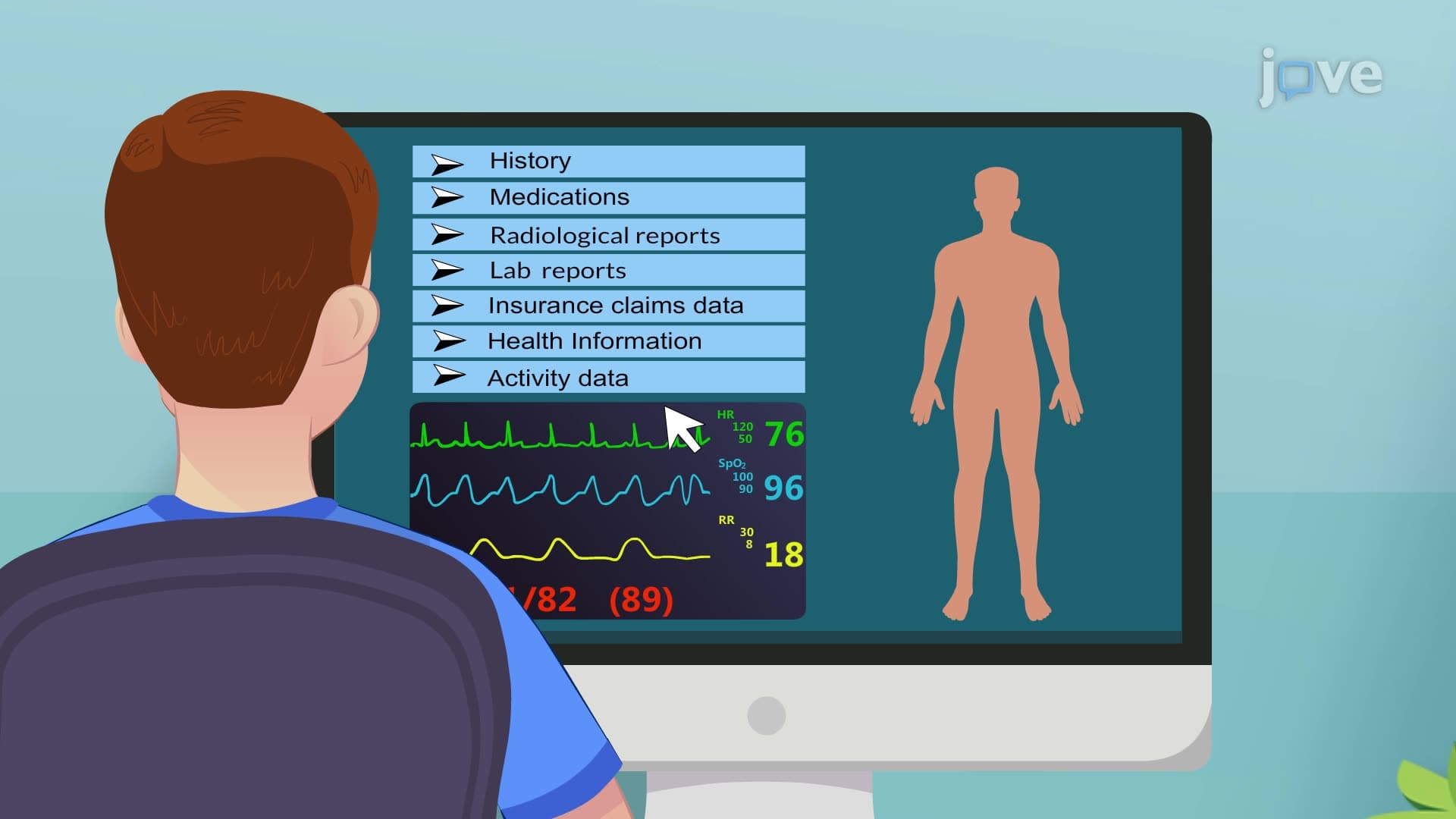
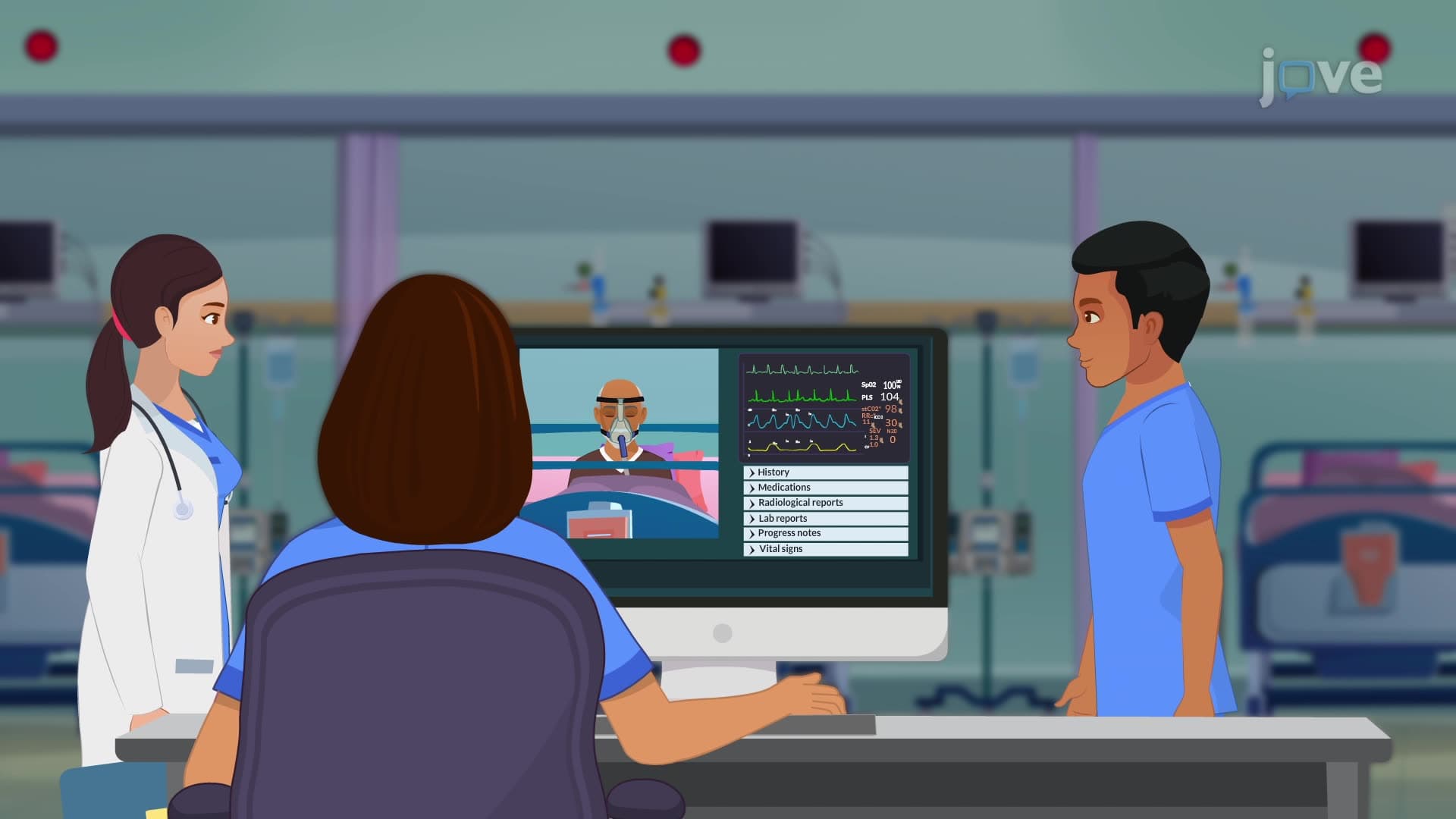
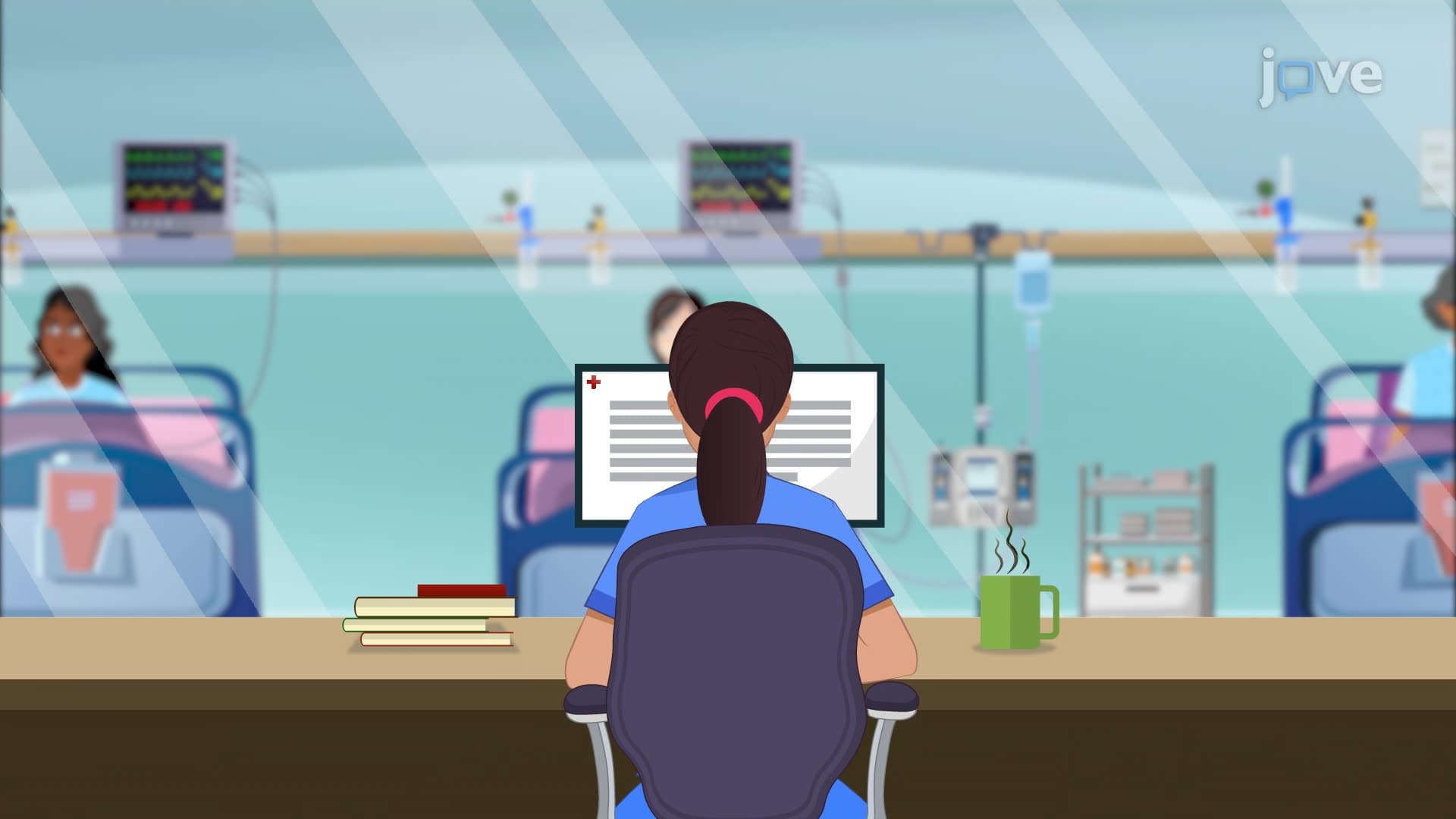
4. Electronic Health Records and Computer Charting: EHR systems have revolutionized documentation in US healthcare, providing instant access to patient data while improving accuracy and reducing errors. Nurses must follow strict security protocols, never sharing passwords, encrypting communications containing protected health information, and maintaining continuous supervision of computer terminals. These systems support clinical decision-making and enhance patient safety through automated alerts and reminders.
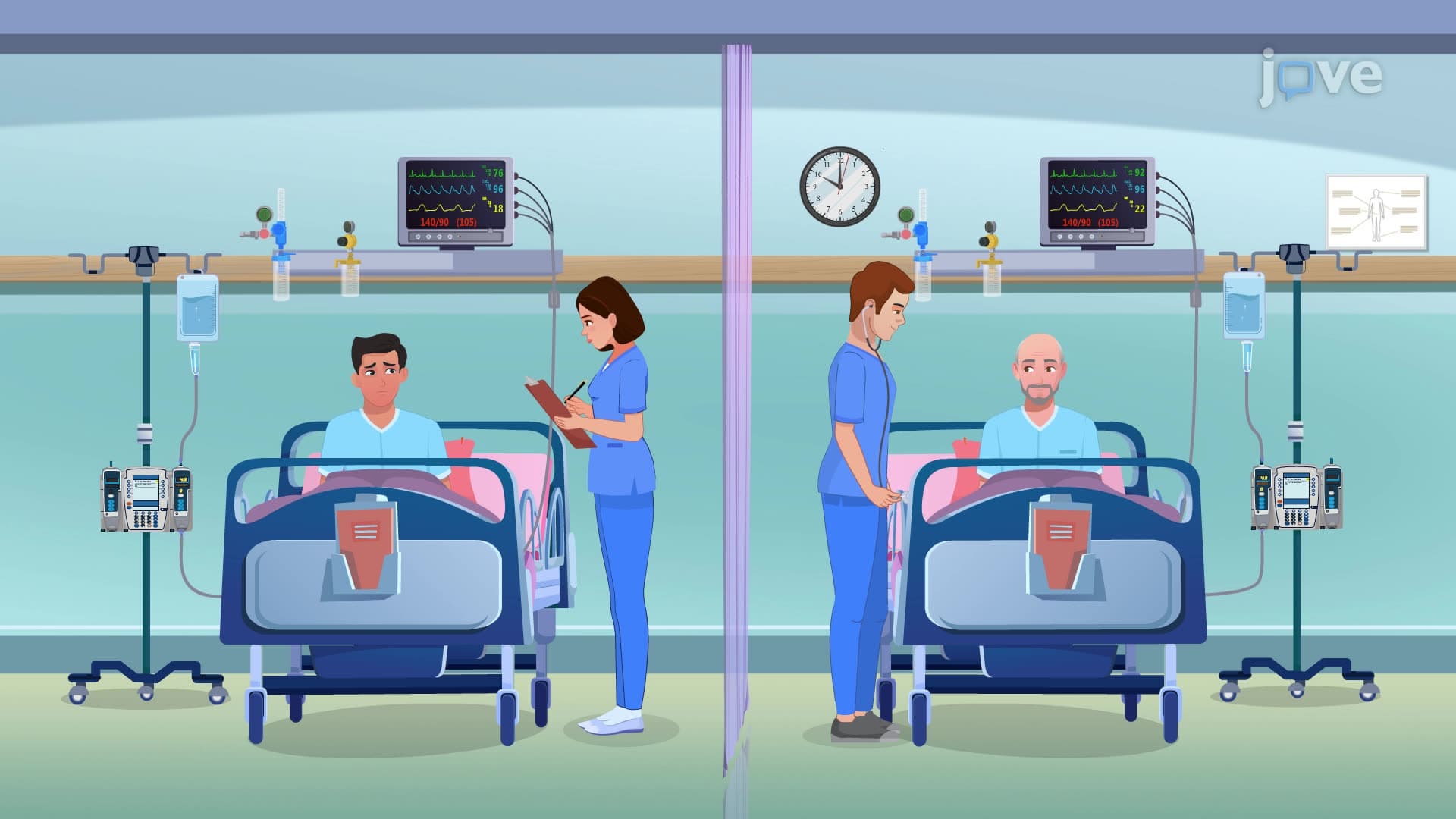
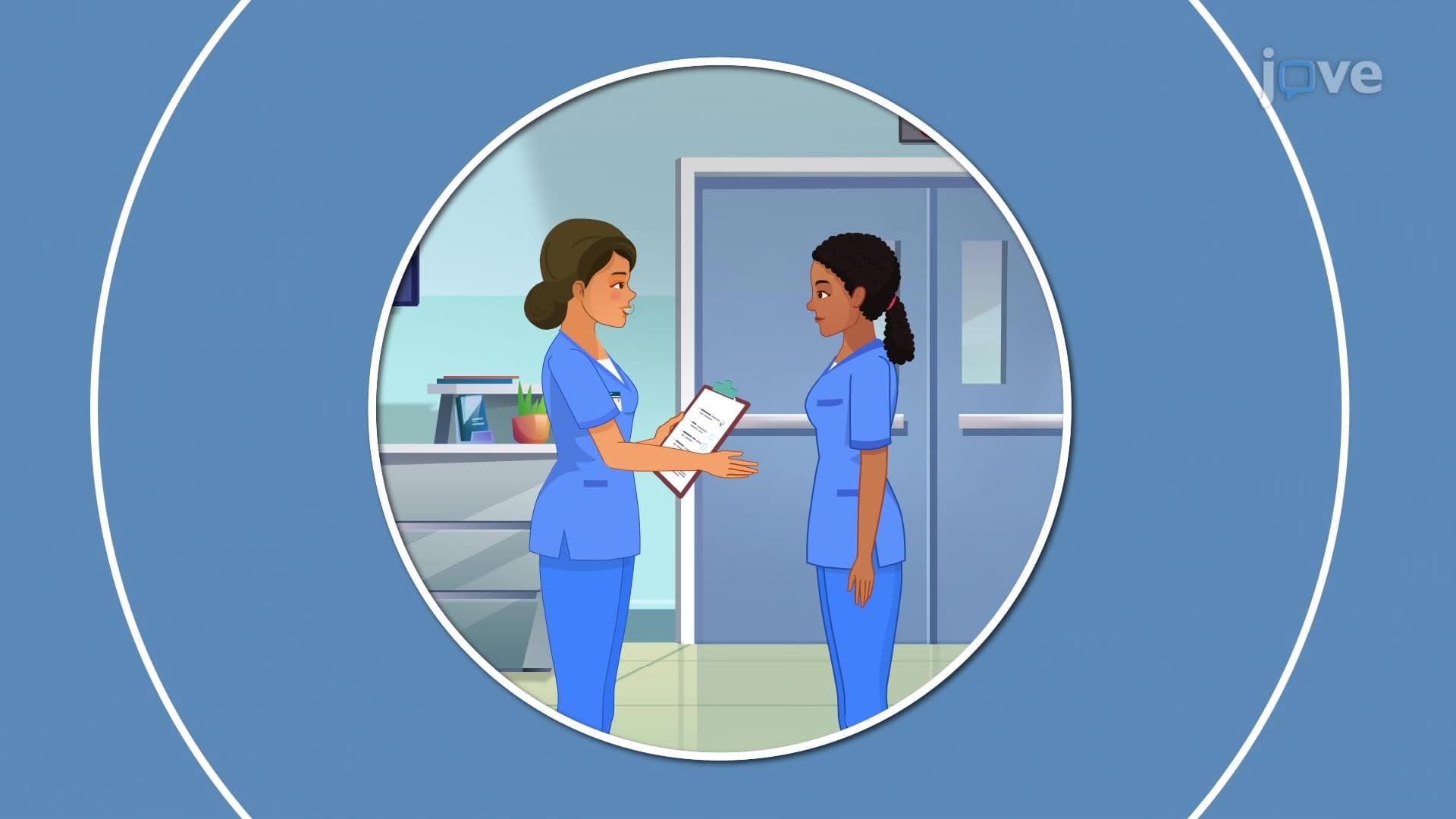
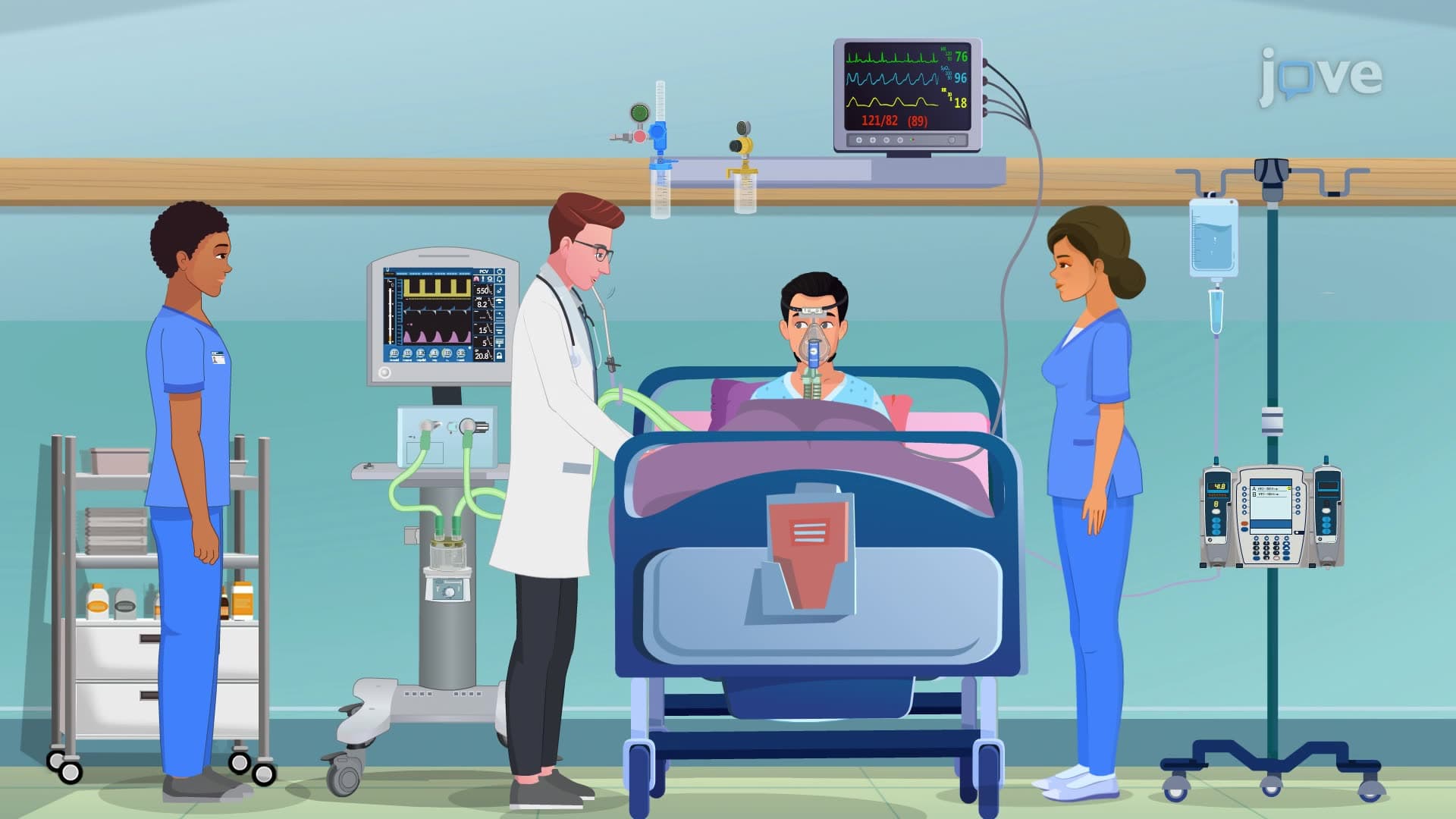
5. Communication and Reporting Methods: Effective reporting includes hand-off reports during shift changes, incident reporting for quality improvement, and telephone/verbal orders from healthcare providers. SBAR (Situation, Background, Assessment, Recommendation) communication format ensures standardized information transfer between nurses and physicians. US healthcare facilities emphasize clear, structured communication to prevent medical errors and maintain patient safety standards.
6. Legal and Regulatory Compliance: Documentation serves as legal evidence in malpractice cases and must comply with HIPAA privacy regulations and state nursing practice acts. Nurses must avoid subjective opinions, use only approved abbreviations, and ensure timely, accurate entries. US courts consider medical records as definitive evidence of care provided, making proper documentation essential for legal protection and professional accountability.
7. Specialized Documentation Applications: Different healthcare settings require specific documentation approaches - acute care hospitals use comprehensive charting systems, while long-term care facilities and home healthcare agencies adapt documentation to their unique patient populations and regulatory requirements. Case management models utilize critical pathways and variance charting to track patient progress against established benchmarks and timeframes.
Frequently Asked Questions
Subjective data represents what the patient tells you, documented in quotation marks using their exact words (like "I feel dizzy"). Objective data includes measurable observations you can see, hear, or feel (like blood pressure 140/90 mmHg or skin appearing pale and cool to touch).
NCLEX-RN frequently tests documentation principles, legal requirements, and communication standards. Understanding charting methods like PIE and focus charting, along with legal guidelines for incident reporting, directly applies to exam questions about nursing responsibilities and patient safety.
Common legal pitfalls include late entries without proper notation, using unapproved abbreviations that cause confusion, documenting opinions rather than facts, failing to report incidents promptly, and inadequate description of patient responses to interventions. These errors can compromise patient safety and create liability issues.
Electronic Health Records (EHR) dominate US healthcare, with most hospitals using hybrid approaches combining elements from different systems. Many facilities integrate focus charting or PIE methods within their EHR platforms, while maintaining compliance with meaningful use requirements and Joint Commission standards.
Start with understanding your state's nursing practice act and facility policies, practice using approved abbreviations and military time, focus on factual observations rather than interpretations, and always document care as soon as possible after providing it. Use simulation lab experiences to practice various charting methods.
Documentation enables healthcare facilities to track patient outcomes, identify trends in complications or errors, support evidence-based practice changes, and demonstrate compliance with safety standards. In US hospitals, documentation data feeds into quality metrics that influence accreditation and reimbursement decisions.
SBAR provides a standardized framework that reduces communication errors during shift reports, physician consultations, and emergency situations. This systematic approach ensures critical information isn't missed and supports clear, professional communication that enhances patient safety outcomes across US healthcare settings.
This microcourse includes 25 concept videos that walk you through the building blocks of Nursing. Each video is short, about 1 minute, so you can cover a full topic during a coffee break or between classes. The full sequence starts with Introduction to Documentation and Reporting and ends with Nursing Clinical Information System.