Loading video…


 25 Concepts
 33.8K views

Video Summary: What Is Legal Guidelines for Documentation
Did you know that improper nursing documentation causes over 70% of malpractice lawsuits in US hospitals? Legal guidelines for documentation establish critical standards that healthcare professionals must follow to protect both patients and themselves from legal consequences. For instance, when a nurse at Johns Hopkins documents patient care without following proper protocols, it can lead to serious liability issues and compromised patient safety. Understanding what is legal guidelines for documentation ensures healthcare workers maintain professional accountability and legal compliance. Watch the full video on JoVE Coach to master this concept with expert-led visuals and step-by-step explanations.
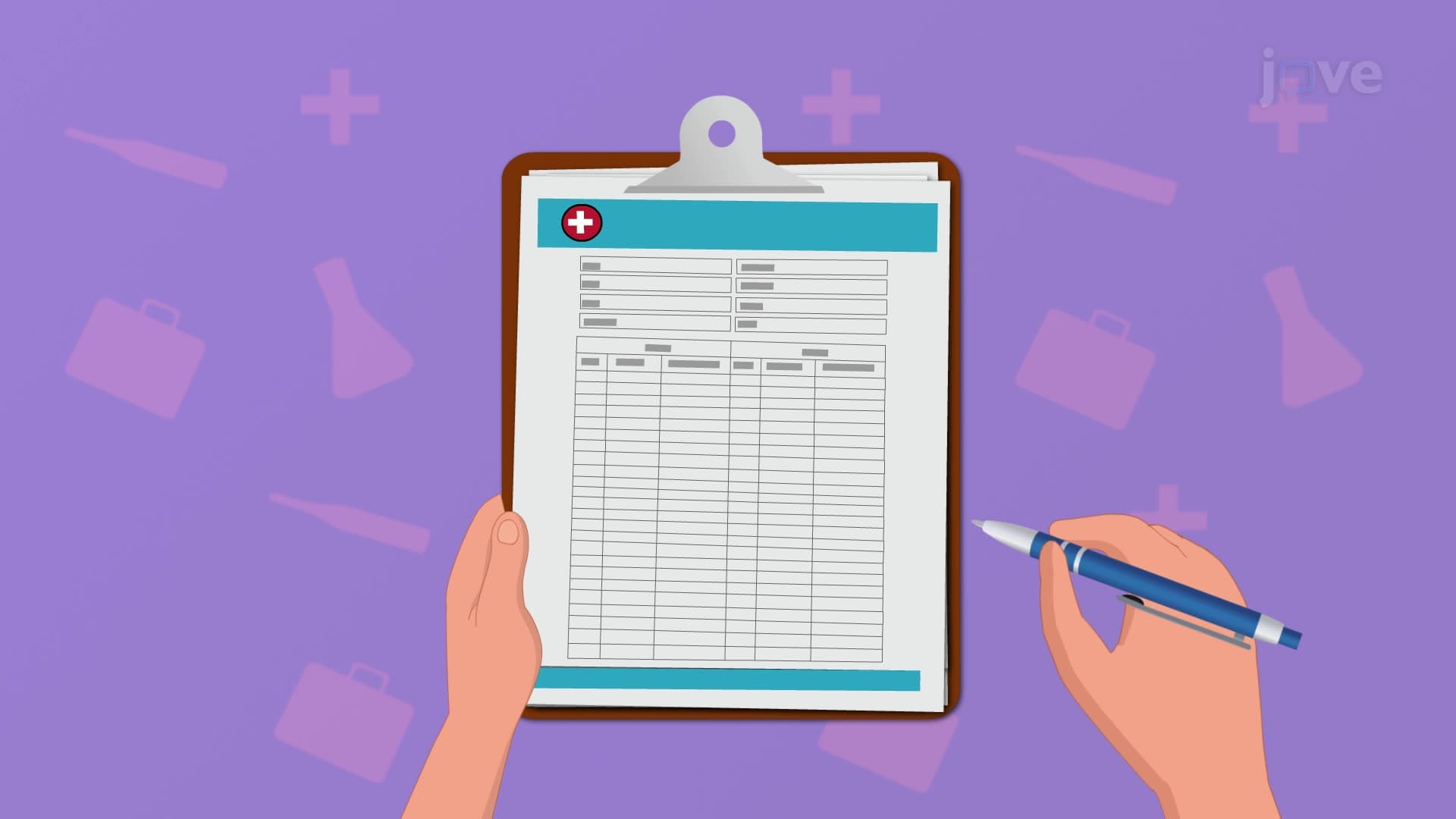
Legal guidelines for documentation represent the comprehensive framework of rules and standards that healthcare professionals must follow when creating, maintaining, and storing patient records. These guidelines serve as both protective measures for healthcare providers and quality assurance mechanisms for patient care. In the United States, these standards are influenced by federal regulations like HIPAA, state licensing board requirements, and institutional policies from organizations such as The Joint Commission.
The foundation of proper medical documentation rests on several critical principles. First, all entries must include accurate date and time stamps to establish a clear chronological sequence of care events. This temporal documentation proves essential in legal proceedings and quality improvement initiatives. Healthcare professionals must conclude each entry with their signature and credentials, establishing clear accountability for the recorded information.
Legibility requirements mandate that all handwritten documentation use black ink, as this color reproduces clearly in photocopying and scanning processes. This standard became particularly important following landmark malpractice cases where illegible records contributed to adverse patient outcomes. For students preparing for the NCLEX-RN or other nursing licensure examinations, understanding these basic requirements forms a foundational knowledge area frequently tested.
Proper error correction procedures represent one of the most legally significant aspects of documentation guidelines. Healthcare professionals must never erase, scratch out, or use correction fluid on medical records, as these practices can be interpreted as attempts to conceal information or alter evidence. Instead, errors should be corrected by drawing a single line through the mistake, writing "error" above it, and initialing with the date and time.
The prohibition against leaving blank spaces in documentation serves to prevent unauthorized additions to patient records. This practice, known as "late entry prevention," protects the integrity of the medical record and maintains the chronological accuracy of patient care documentation. Pre-med students studying for the MCAT should understand these principles as they relate to medical ethics and legal responsibility.
Documentation accountability extends beyond individual entries to encompass broader professional responsibilities. Healthcare workers must never document care provided by others, as this practice creates liability issues and undermines the authenticity of medical records. Each professional remains accountable for their own observations, assessments, and interventions.
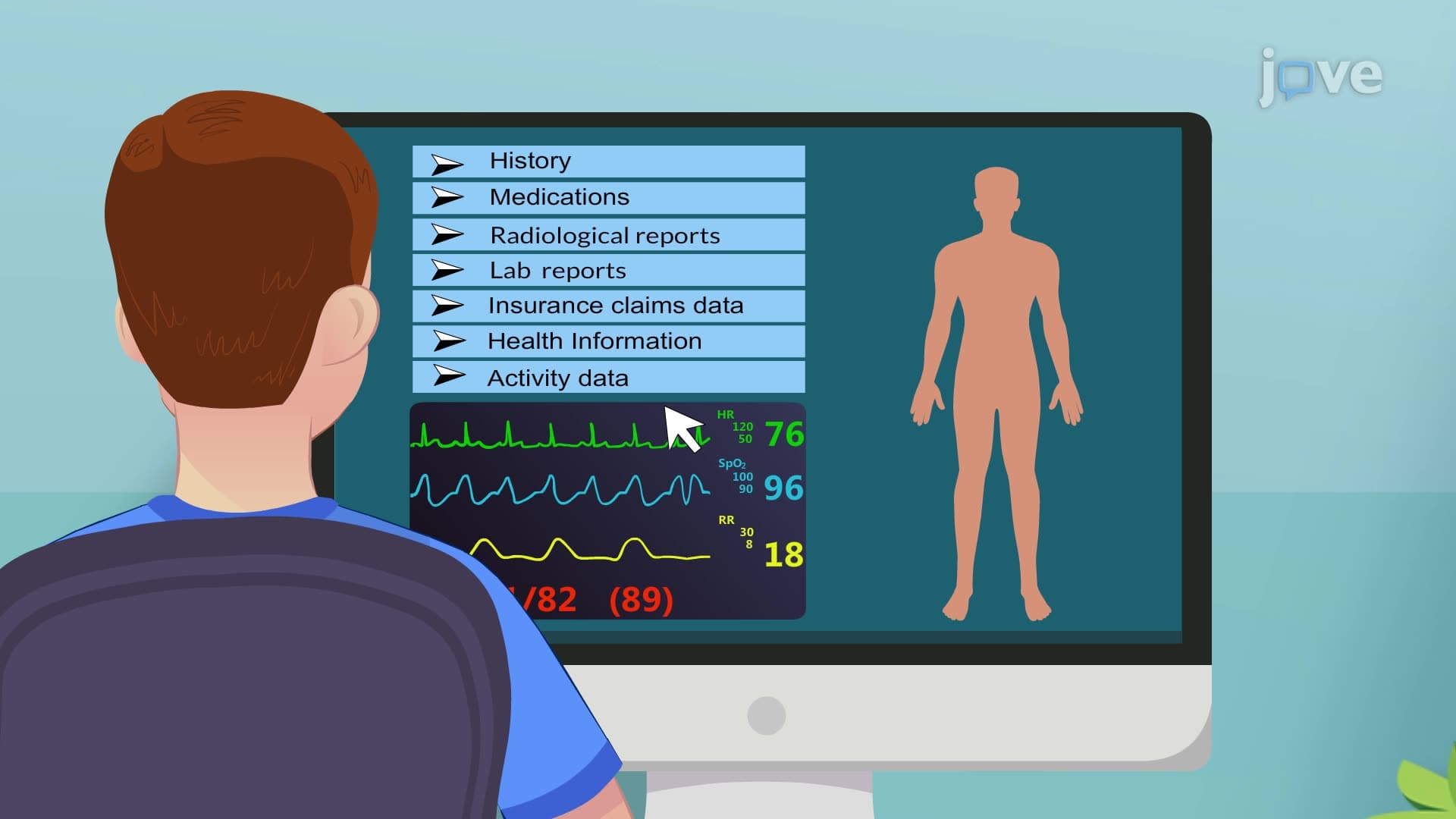
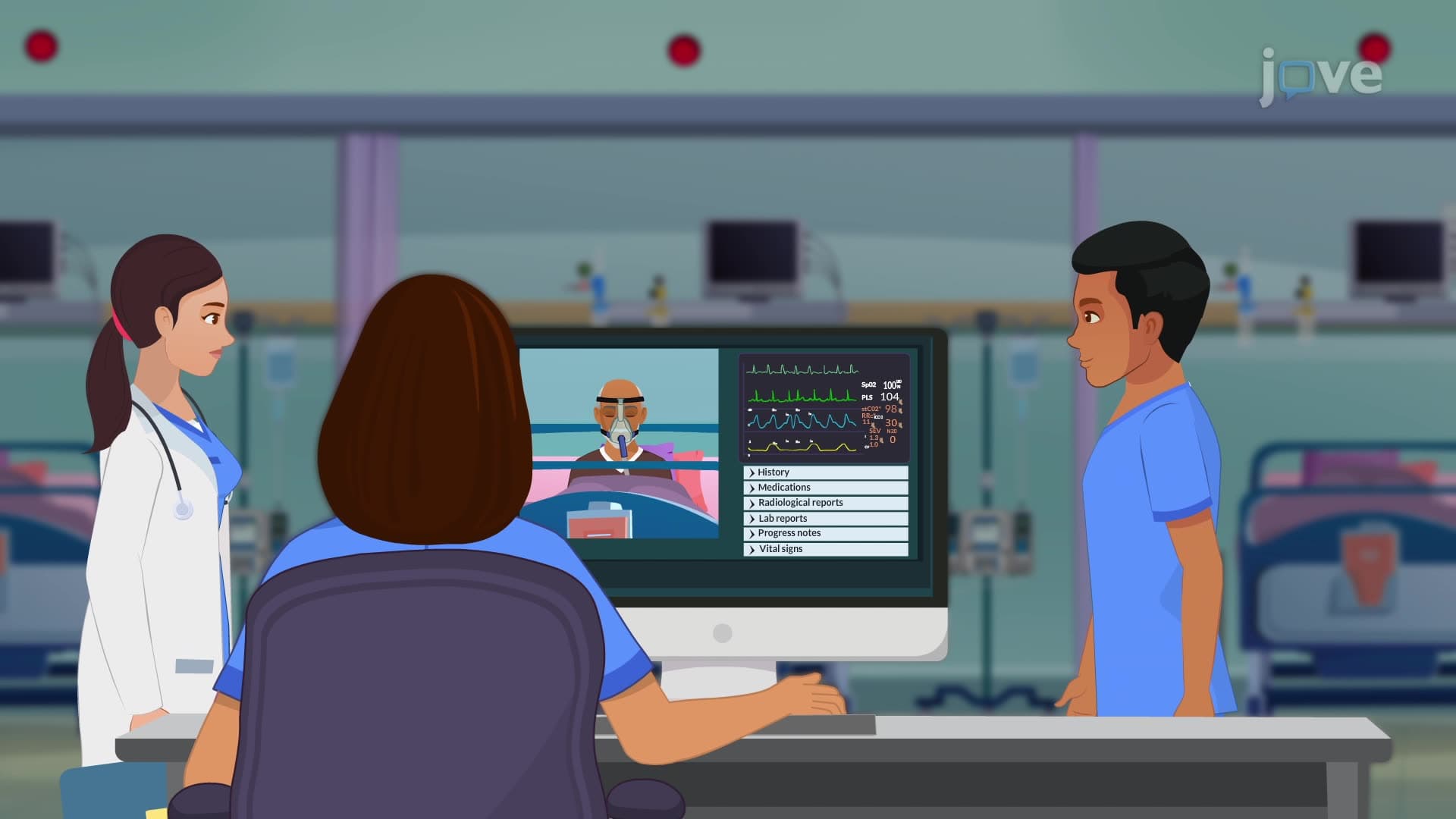
In the digital age, computerized health records require additional security measures including password protection and access controls. These technological safeguards align with HIPAA requirements and institutional security policies, ensuring that patient confidentiality remains protected while maintaining proper documentation standards that meet legal and professional requirements.
Related Micro-courses