Loading video…


 25 Concepts
 33.8K views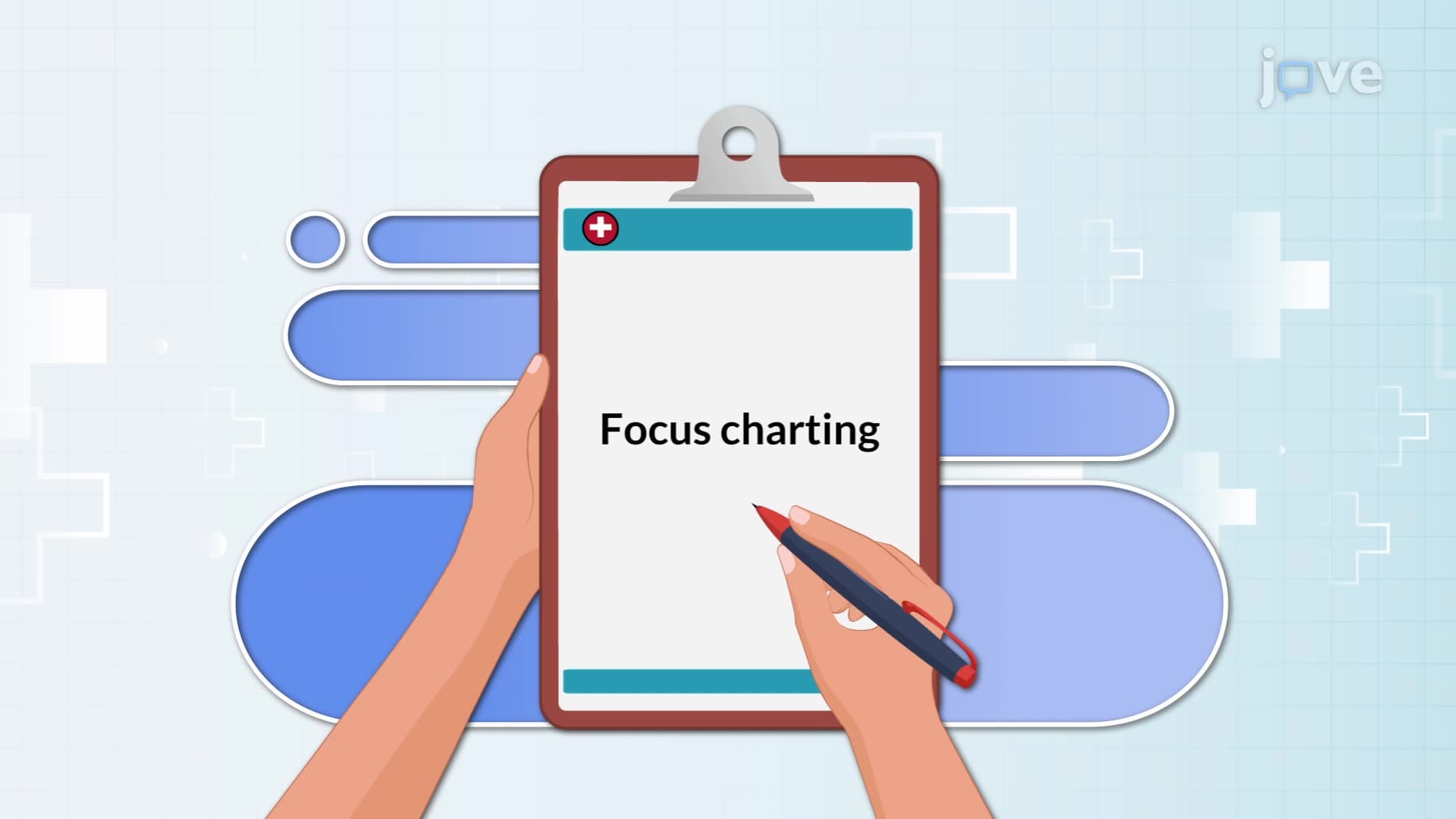

Video Summary: Methods of Documentation Iv Focus Charting Guide
When a patient arrives at Johns Hopkins Hospital with chest pain, nurses must document every detail systematically-but how do they organize complex information efficiently? Methods documentation IV focus charting provides a structured three-column approach that transforms chaotic patient data into clear, actionable records. This systematic method uses date/time, focus areas, and DAR (Data, Action, Response) formatting to ensure critical information never gets lost in busy hospital environments. Watch the full video on JoVE Coach to master this concept with expert-led visuals and step-by-step explanations.
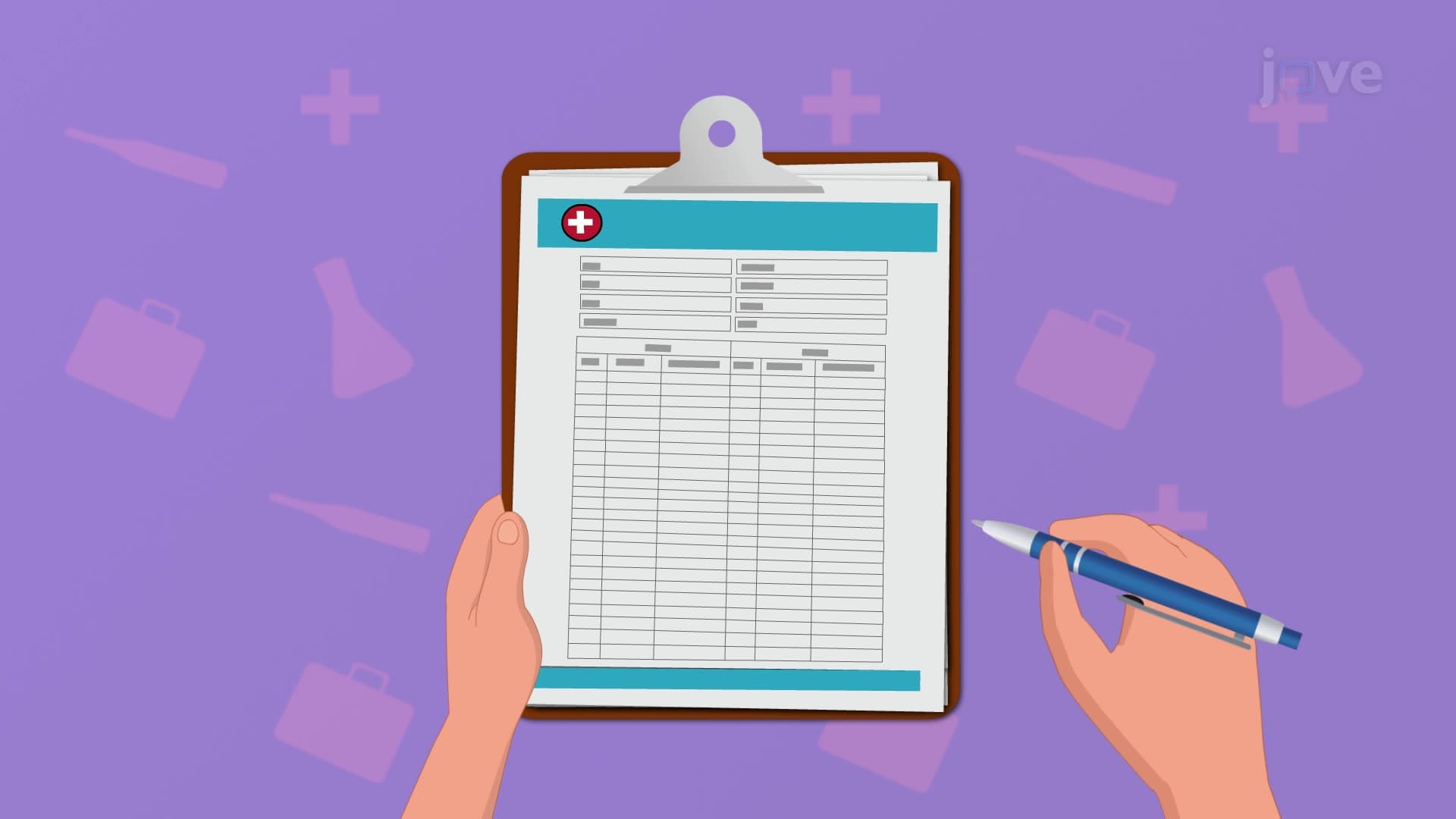
Methods of documentation IV focus charting represents a revolutionary approach to healthcare record-keeping that addresses the complexity of modern patient care. Unlike traditional narrative documentation, this systematic method organizes information into three distinct columns: date/time, focus, and progress notes. This structure eliminates the confusion often found in lengthy paragraph-style documentation, making critical patient information immediately accessible to healthcare teams.
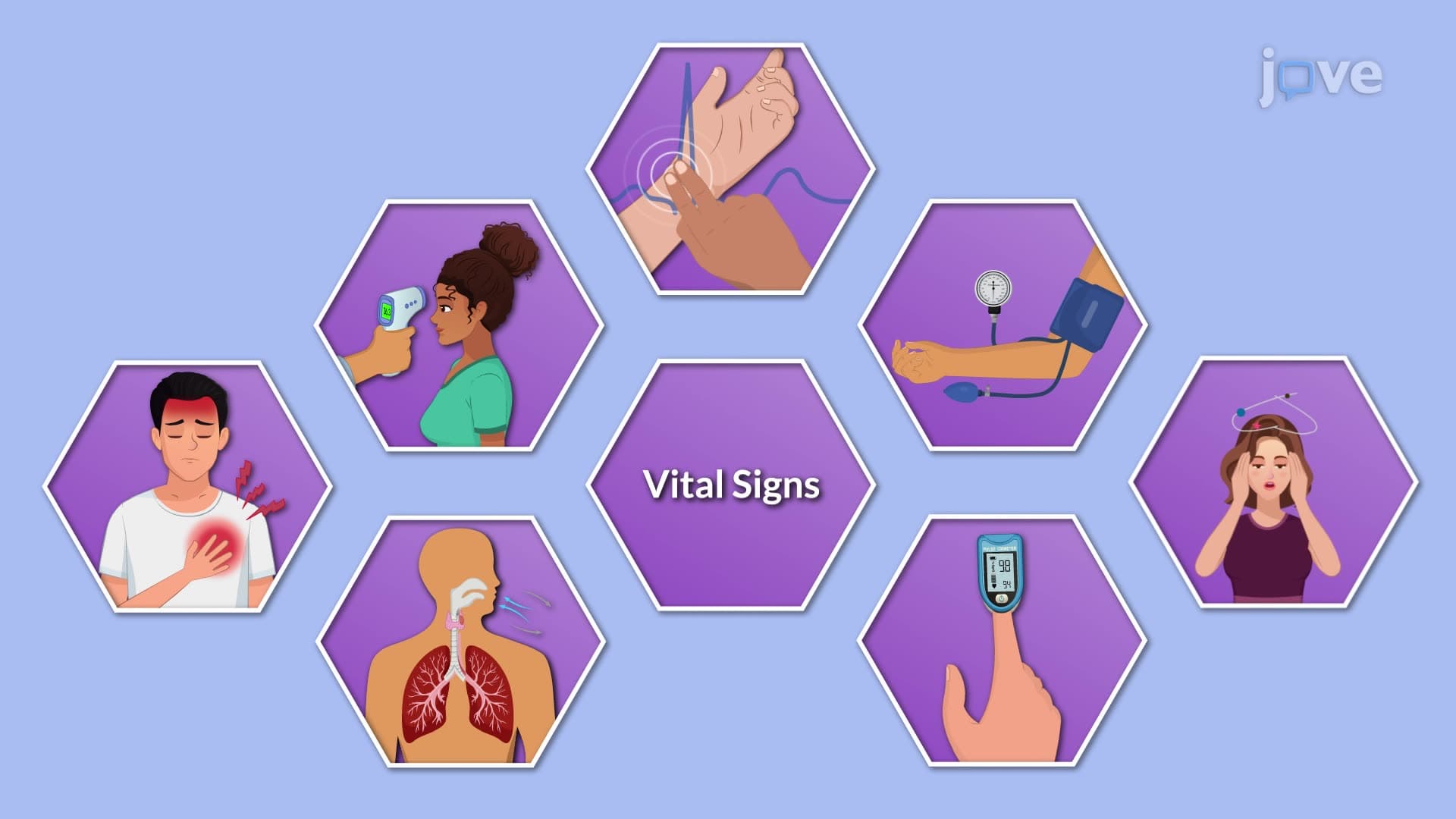
The genius of focus charting lies in its simplicity. The first column captures temporal data-when events occurred or observations were made. The focus column identifies specific areas of concern, ranging from nursing diagnoses like "Risk for Falls" to acute symptoms such as "Severe Abdominal Pain" or behavioral changes like "Increased Agitation." The third column employs DAR formatting, where Data encompasses both subjective patient complaints ("I feel dizzy") and objective measurements (blood pressure 180/95 mmHg), Action details nursing interventions and care plan modifications, and Response documents patient outcomes following interventions.
In major US medical centers like Mayo Clinic and Cleveland Clinic, focus charting proves invaluable during shift changes when nurses must quickly understand patient status. For instance, when documenting a diabetic patient's care, the focus might be "Blood Glucose Management," with Data showing glucose levels and patient symptoms, Action describing insulin administration and dietary modifications, and Response noting improved glucose readings and patient comfort. This method particularly benefits nursing students preparing for NCLEX examinations, as it mirrors the systematic thinking process tested in clinical scenarios.
Students encountering focus charting in health sciences courses should recognize its connection to evidence-based practice principles. AP Biology students studying homeostasis can appreciate how focus charting tracks physiological responses to interventions. College nursing students preparing for HESI A2 or TEAS exams will find focus charting questions testing their ability to organize patient information logically. The method's emphasis on objective data collection aligns with scientific method principles taught across STEM curricula, making it accessible to students from various academic backgrounds.
Related Micro-courses