Loading video…


 25 Concepts
 33.8K views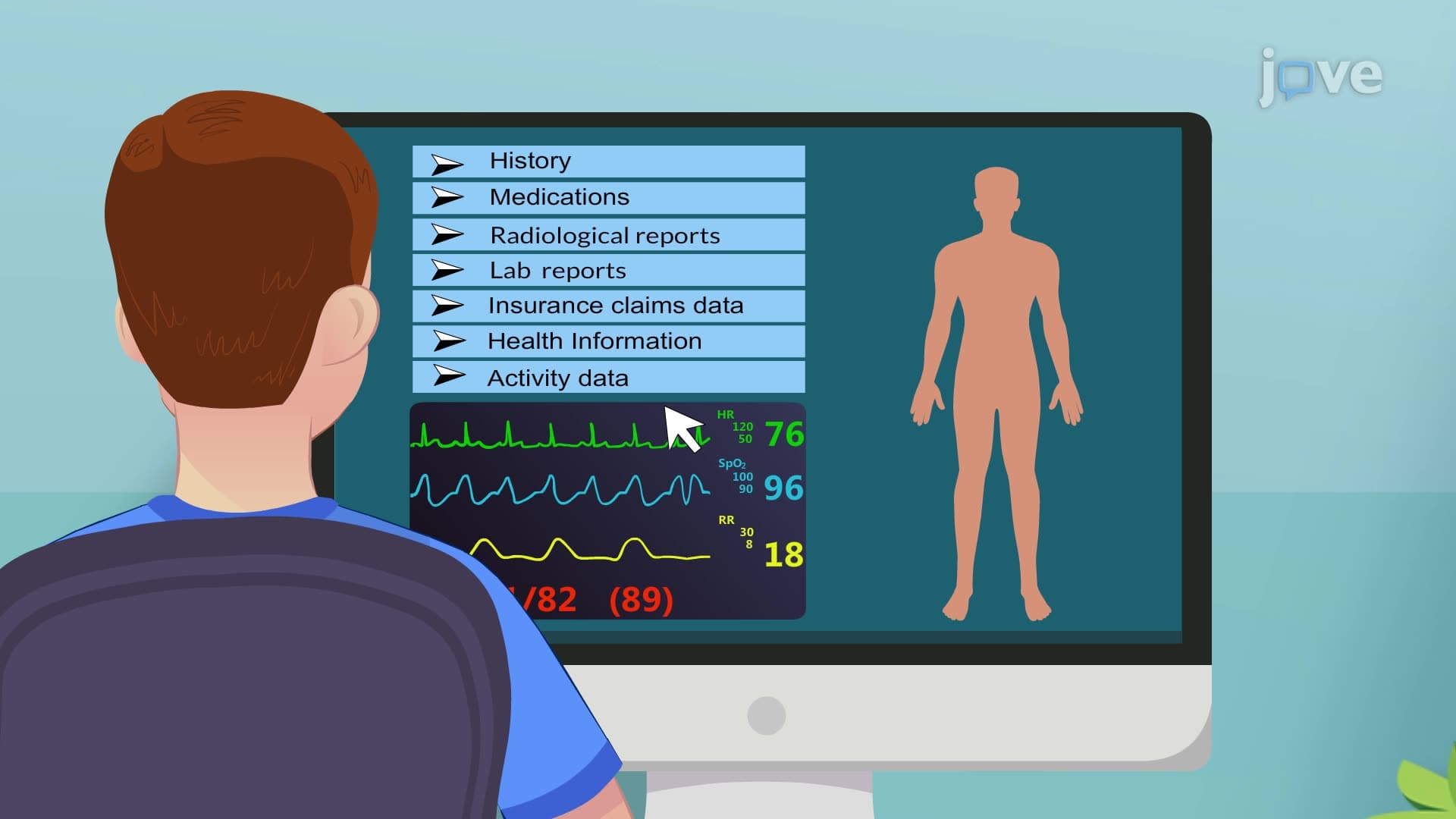

Video Summary: Methods of Documentation Vii Emr Guide
Did you know that a single patient's electronic medical record error costs US hospitals an average of $8,000? Methods documentation vii emr represents a critical healthcare system that distinguishes between Electronic Medical Records (EMRs) and Electronic Health Records (EHRs). While EMRs track patient data during individual visits at facilities like Mayo Clinic, EHRs compile comprehensive health information across multiple providers and devices. This documentation method has revolutionized patient care by eliminating handwriting errors and enabling instant data access. Watch the full video on JoVE Coach to master this concept with expert-led visuals and step-by-step explanations.
Methods documentation vii emr represents a fundamental shift in healthcare record-keeping that every health science student must comprehend. This documentation approach encompasses two primary electronic systems: Electronic Medical Records (EMRs) and Electronic Health Records (EHRs). While these terms are frequently used interchangeably in clinical settings, understanding their distinct characteristics is crucial for students preparing for healthcare careers and standardized exams like the MCAT or NCLEX.
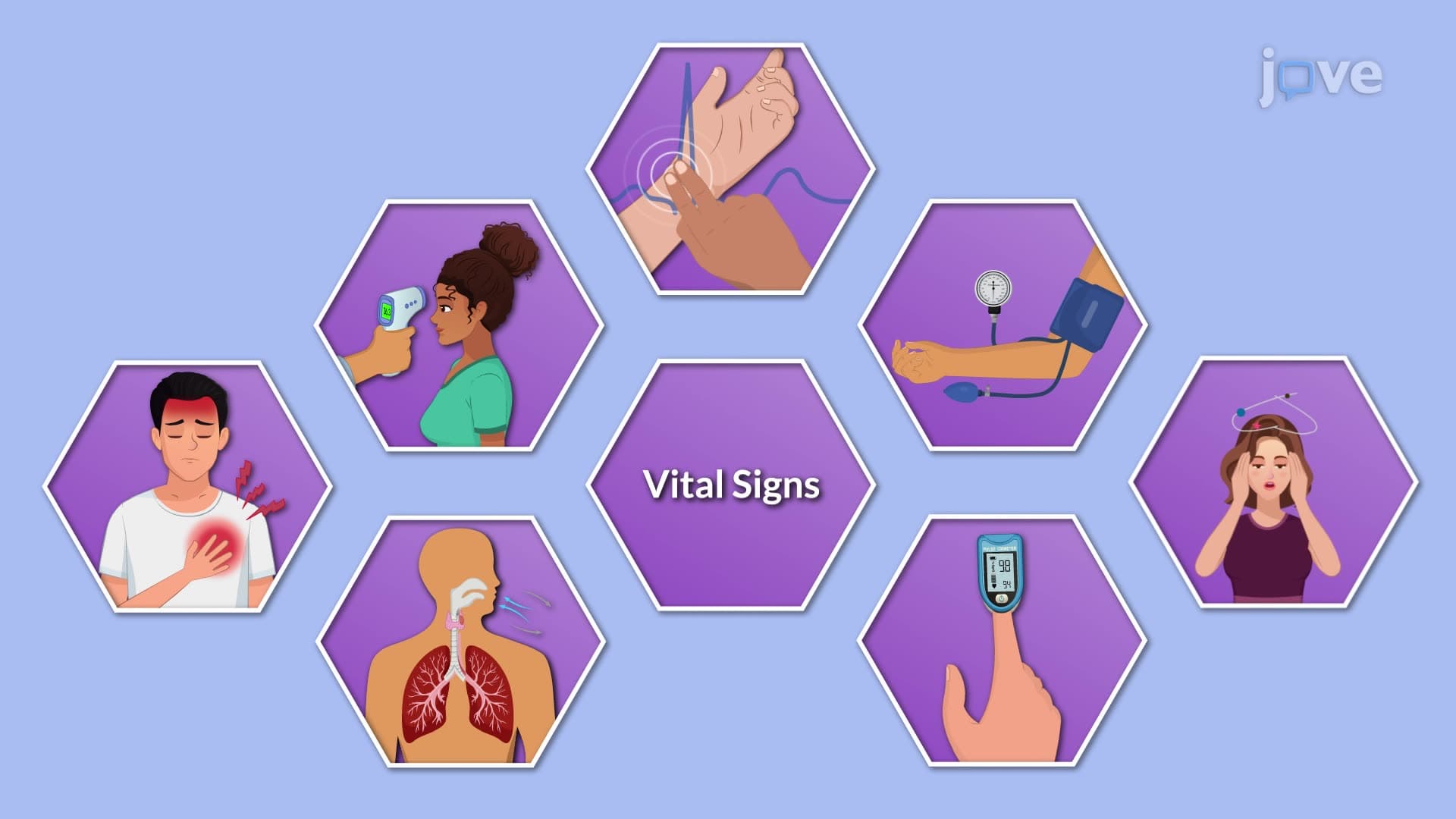
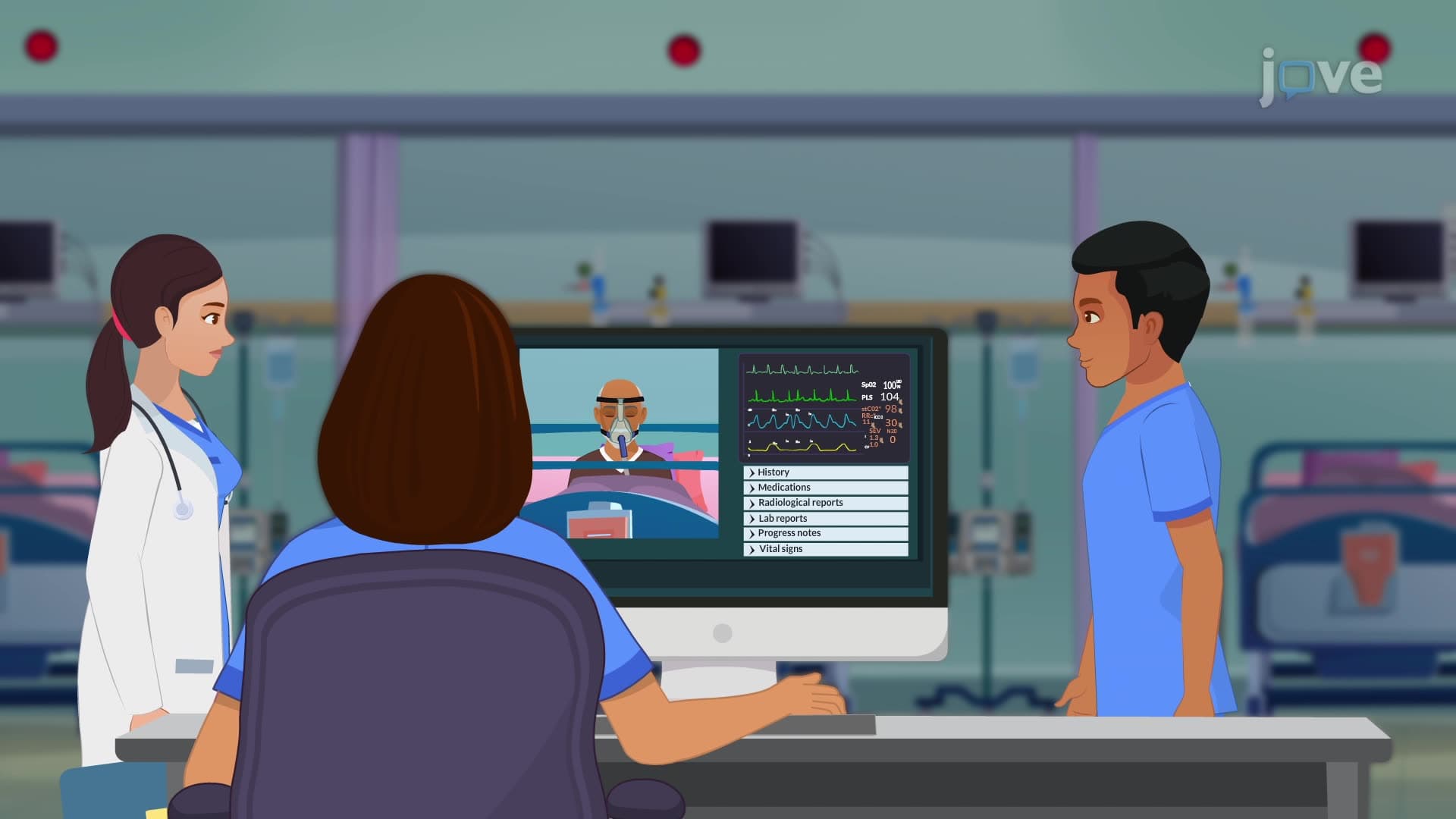
Electronic Medical Records function as digital versions of traditional paper charts within individual healthcare facilities. At institutions like Cleveland Clinic or Johns Hopkins Hospital, EMRs capture patient data during specific encounters-whether an outpatient visit or hospital admission. These systems document essential clinical information including patient medical histories, current medications, vital signs, diagnostic codes, laboratory test results, and imaging studies. EMRs excel at providing healthcare teams with immediate access to patient information within their specific organization, streamlining clinical decision-making and reducing documentation errors.
Electronic Health Records extend far beyond the limitations of EMRs by creating comprehensive, longitudinal patient health profiles. EHR systems integrate data from multiple healthcare providers, specialists, hospitals, and even patient-generated sources. For instance, a patient's EHR might include cardiology notes from Massachusetts General Hospital, orthopedic records from a local sports medicine clinic, prescription data from CVS pharmacy systems, and activity metrics from Apple Watch or Fitbit devices. This holistic approach enables healthcare providers to access complete patient health pictures, regardless of where previous care occurred.
The implementation of electronic documentation systems has revolutionized US healthcare delivery in measurable ways. Studies from the American Medical Association demonstrate that EMRs and EHRs reduce diagnostic errors by up to 27% compared to paper-based systems. These systems eliminate risks associated with illegible handwriting-a problem that previously caused thousands of medication errors annually. Additionally, electronic documentation enhances patient safety through built-in clinical decision support tools that alert providers to potential drug interactions, allergies, or contraindications.
For students preparing for healthcare professions, understanding these documentation methods is essential for success on standardized examinations and future clinical practice. The MCAT includes questions about healthcare informatics, while nursing students encounter EMR/EHR concepts on the NCLEX examination. College courses in health information management, medical administration, and clinical practice heavily emphasize these electronic documentation systems as cornerstones of modern healthcare delivery.
Related Micro-courses