Loading video…


 25 Concepts
 33.8K views

Video Summary: Purpose of Health Records Ii Explained
Did you know that when Johns Hopkins Hospital reviews patient records, they can predict disease outbreaks before they happen? The purpose health records serve extends far beyond just tracking patient visits. From helping medical students at Harvard Medical School learn complex procedures to serving as crucial evidence in malpractice cases across US courts, health records function as powerful tools in healthcare decision-making, education, legal protection, and research advancement. Watch the full video on JoVE Coach to master this concept with expert-led visuals and step-by-step explanations.
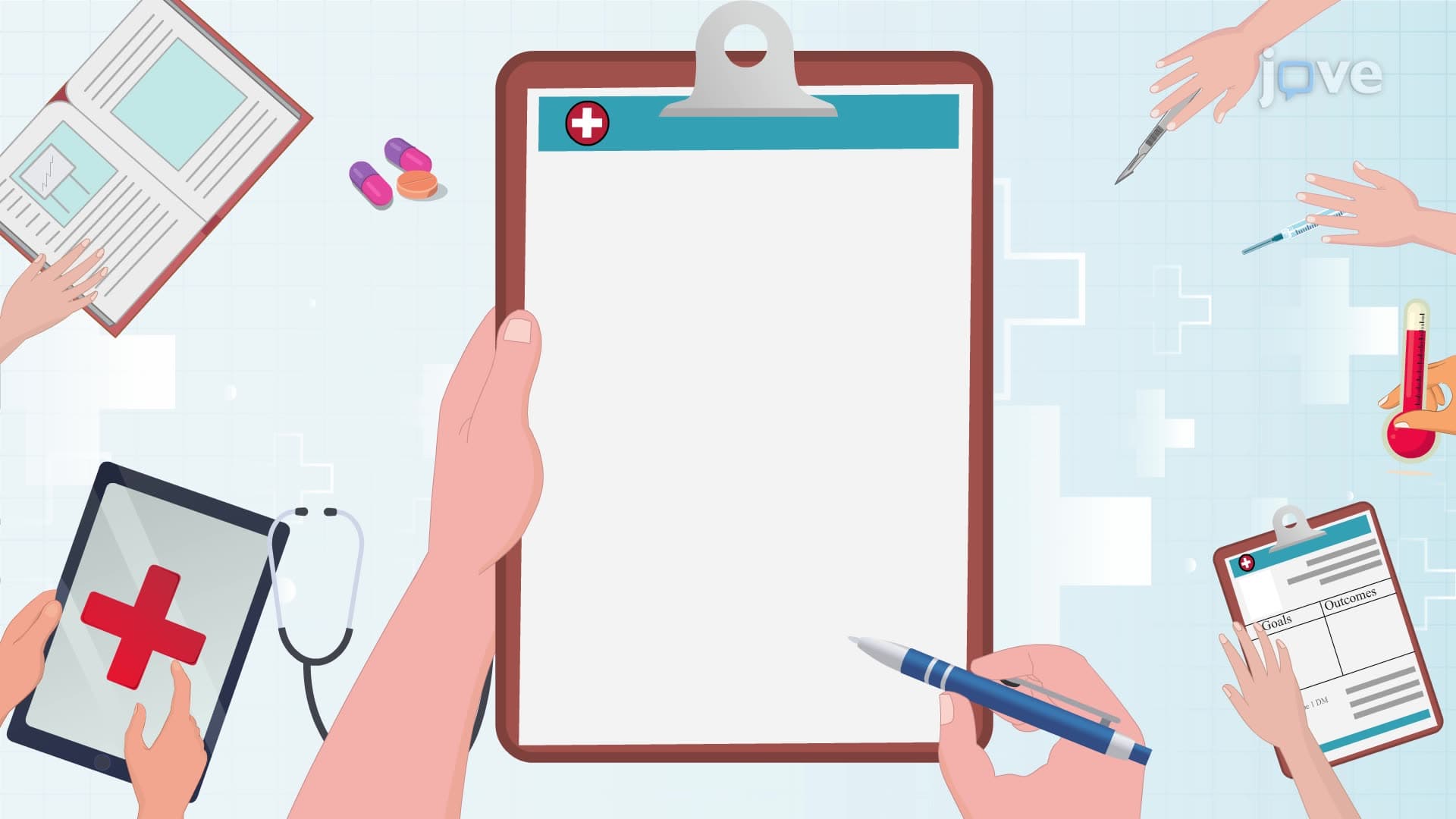
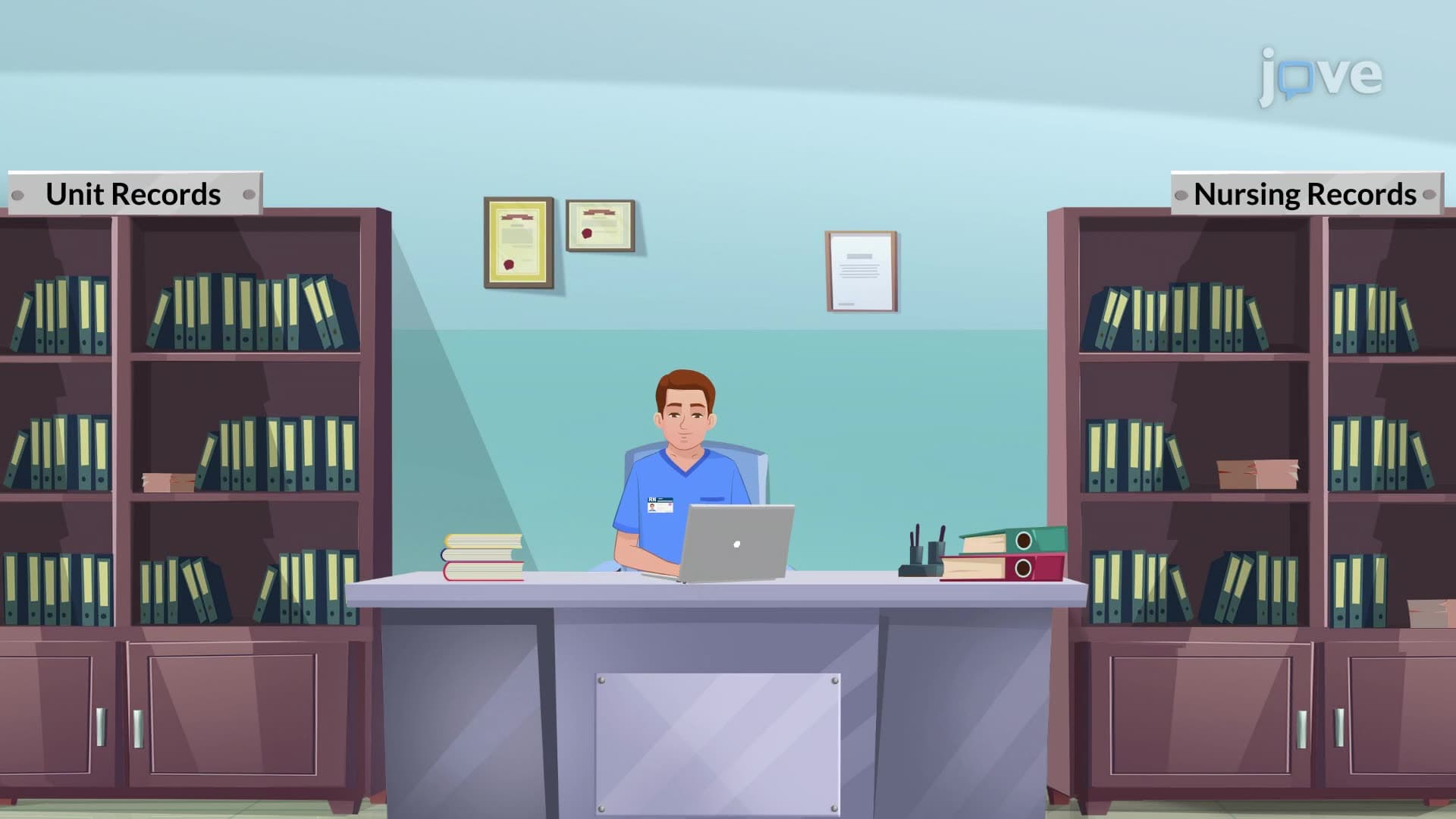
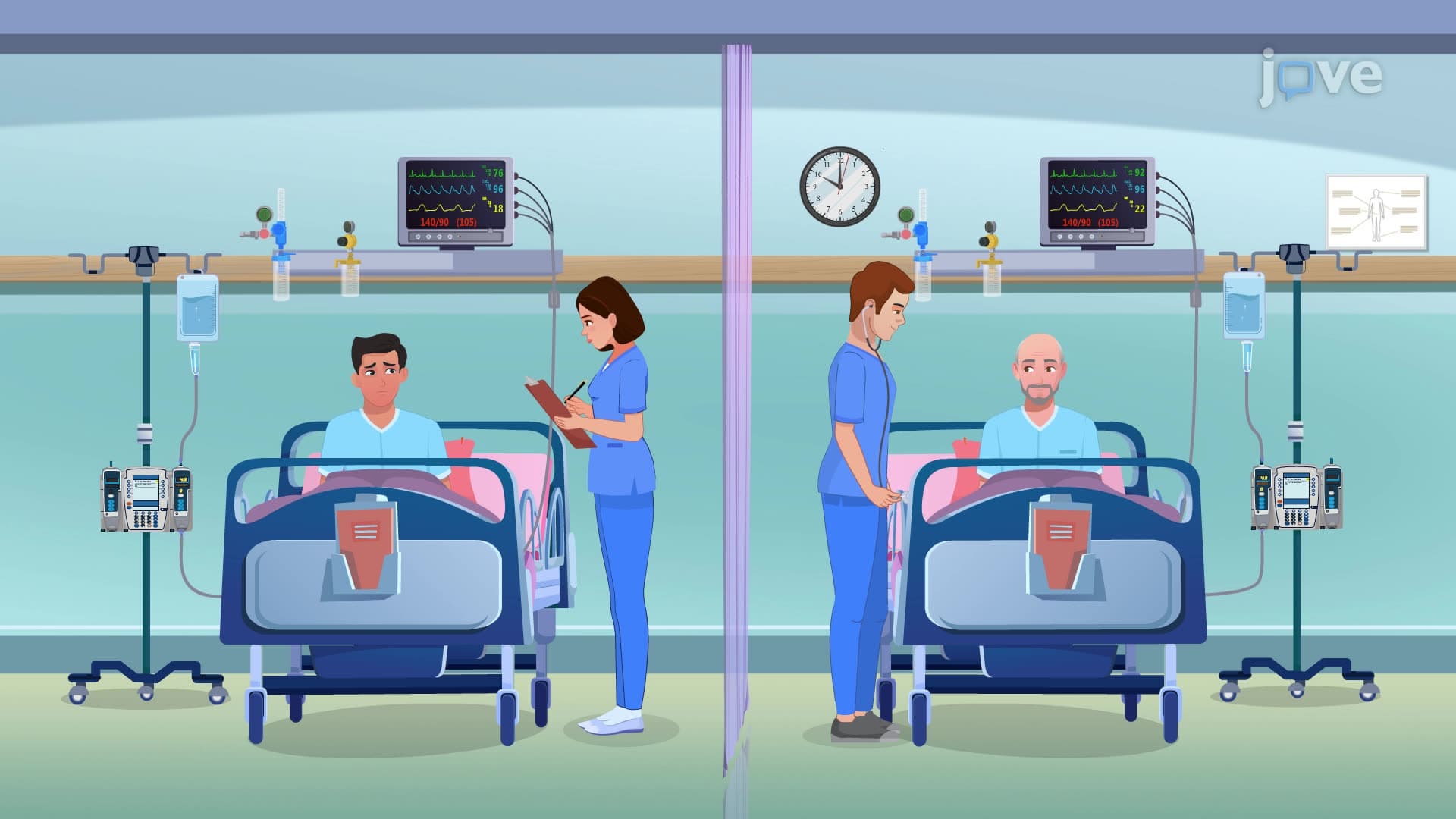
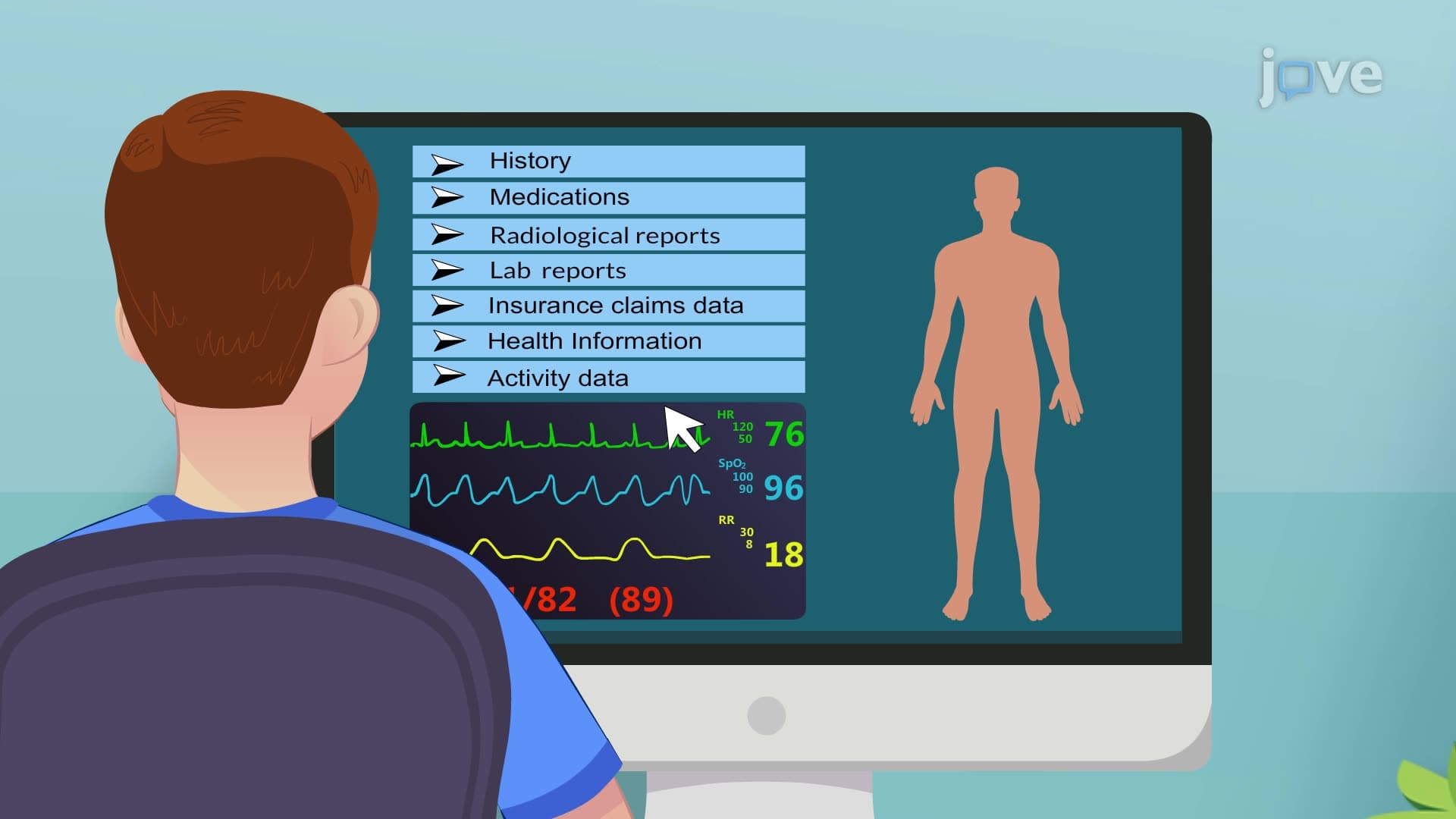
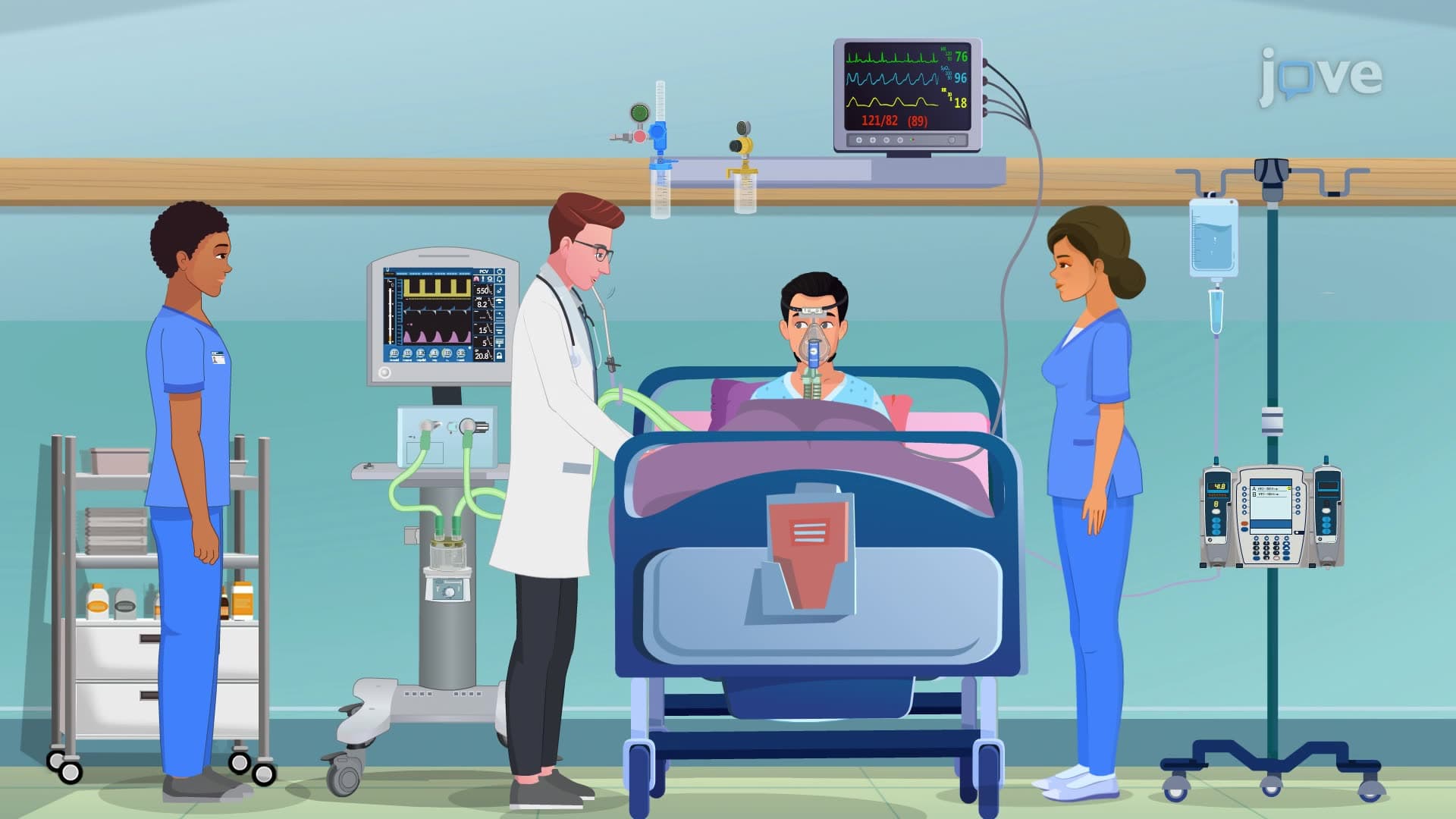
Health records serve as the backbone of modern healthcare delivery, functioning as multifaceted documents that extend far beyond simple patient visit summaries. These comprehensive records create a detailed narrative of patient care while simultaneously supporting healthcare operations, education, legal processes, and scientific advancement.
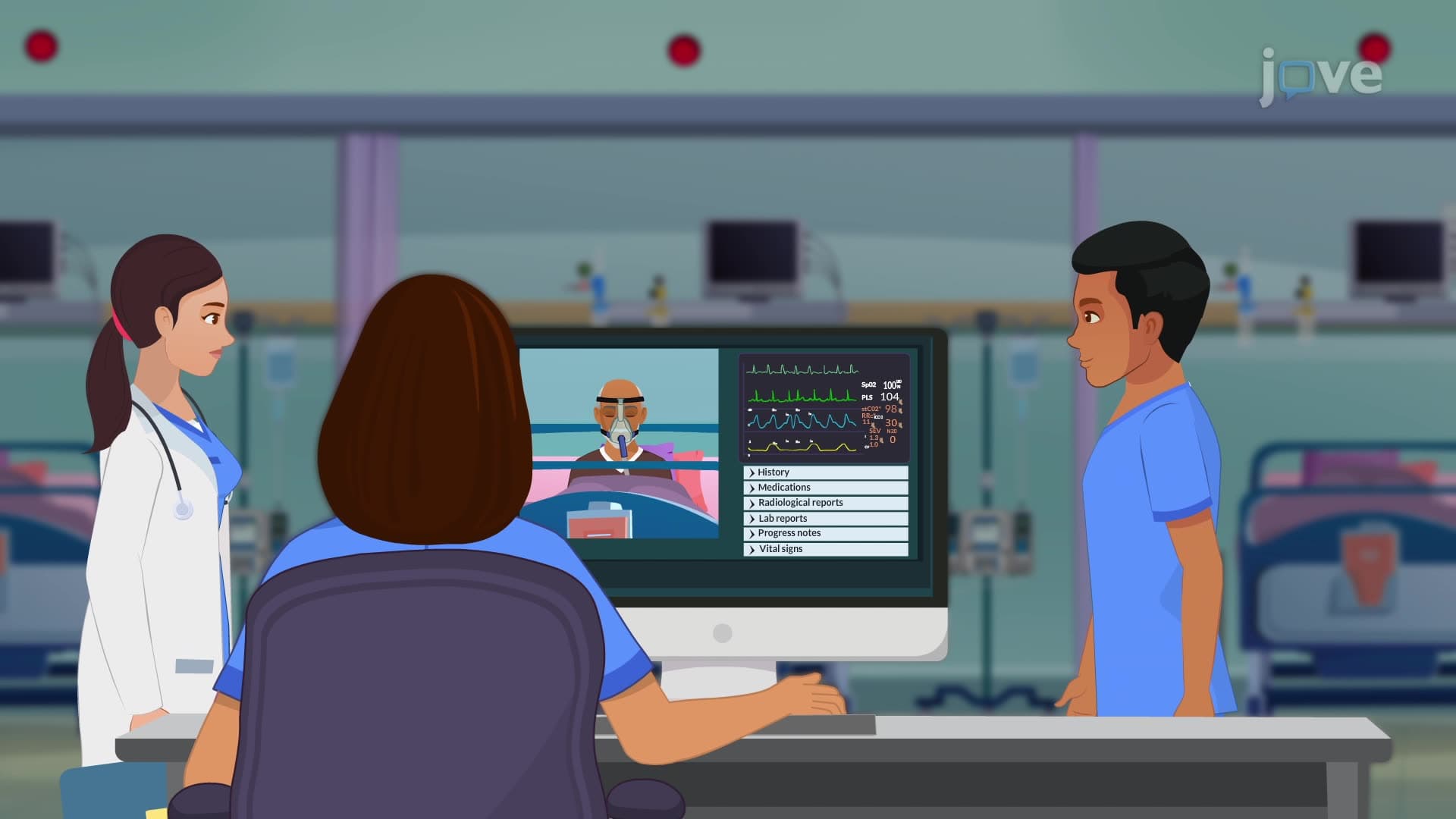
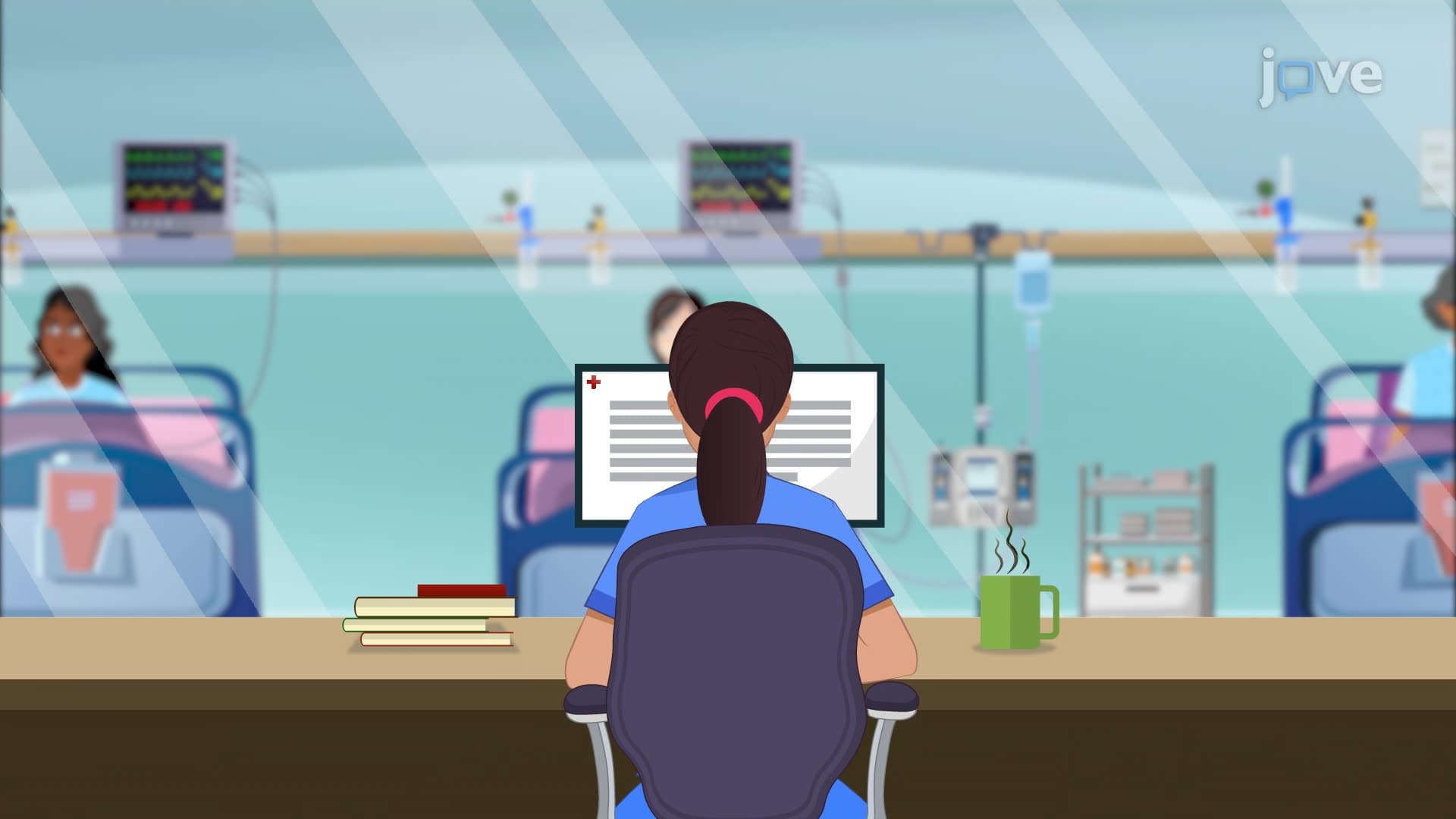
Healthcare organizations like Kaiser Permanente and Cleveland Clinic use systematic record review processes to analyze patient populations and identify emerging health trends. This decision analysis helps administrators allocate resources effectively, plan facility expansions, and develop targeted care programs. For example, when Geisinger Health System analyzed their diabetes patient records, they identified gaps in care coordination that led to the development of their innovative ProvenCare model, improving outcomes while reducing costs.
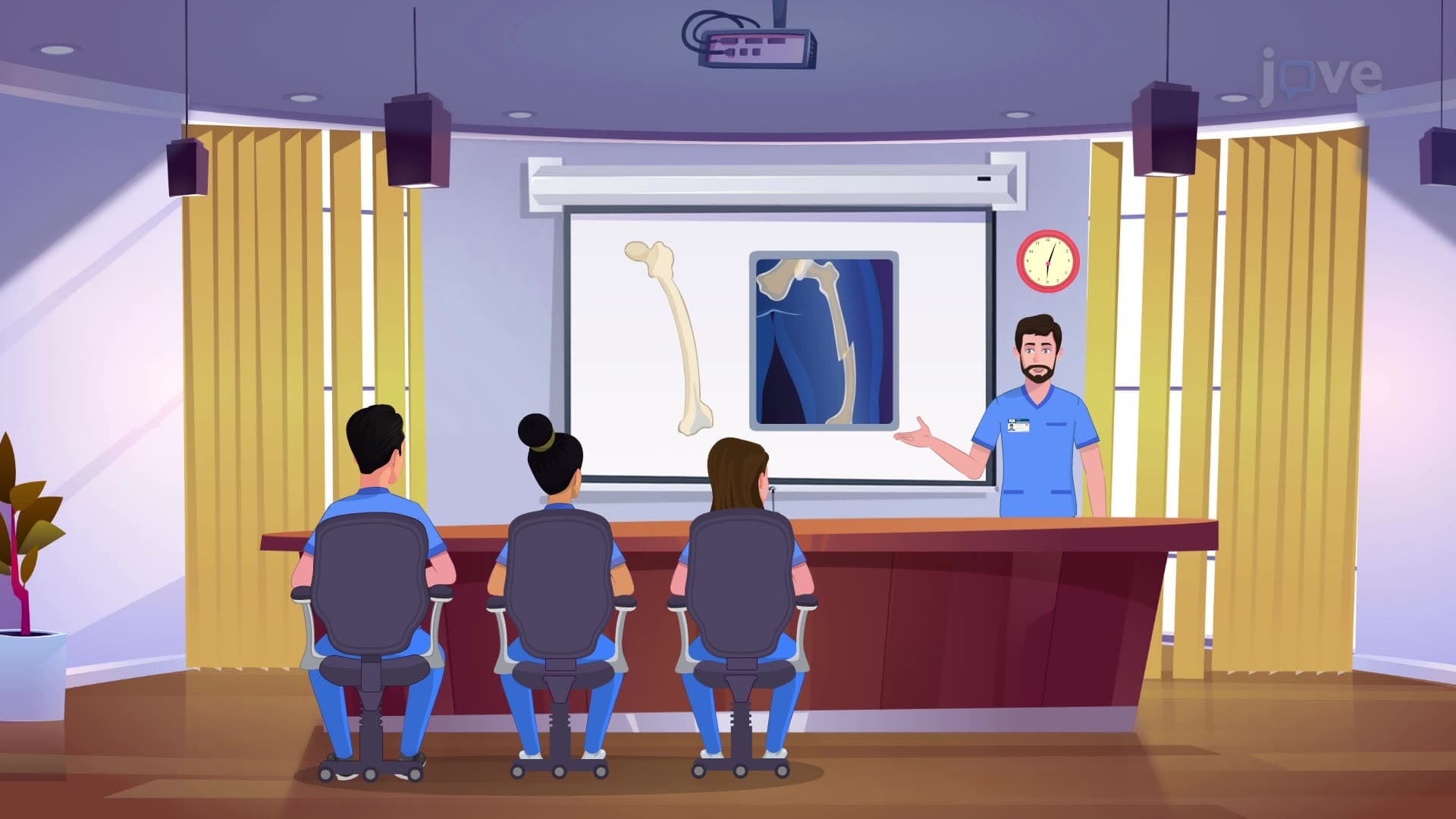
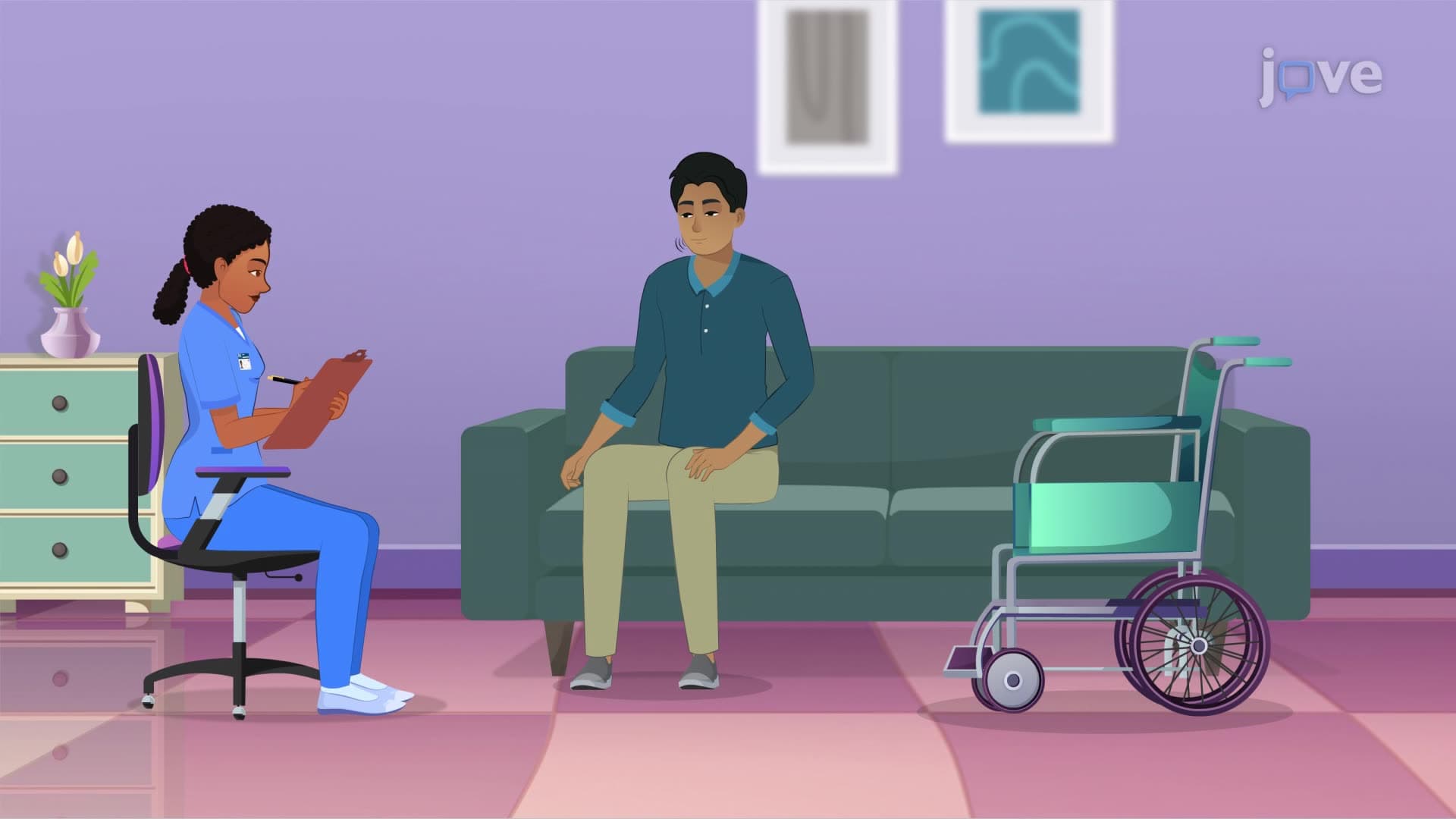
Medical schools across the United States, including those at Stanford University and University of Pennsylvania, utilize de-identified patient records as teaching tools. These records provide real-world case studies that help students understand disease progression, diagnostic reasoning, and treatment responses. Pre-med students preparing for the MCAT benefit from understanding how clinical documentation supports evidence-based medicine, while nursing students studying for the NCLEX learn to interpret documentation patterns that indicate patient deterioration or improvement.
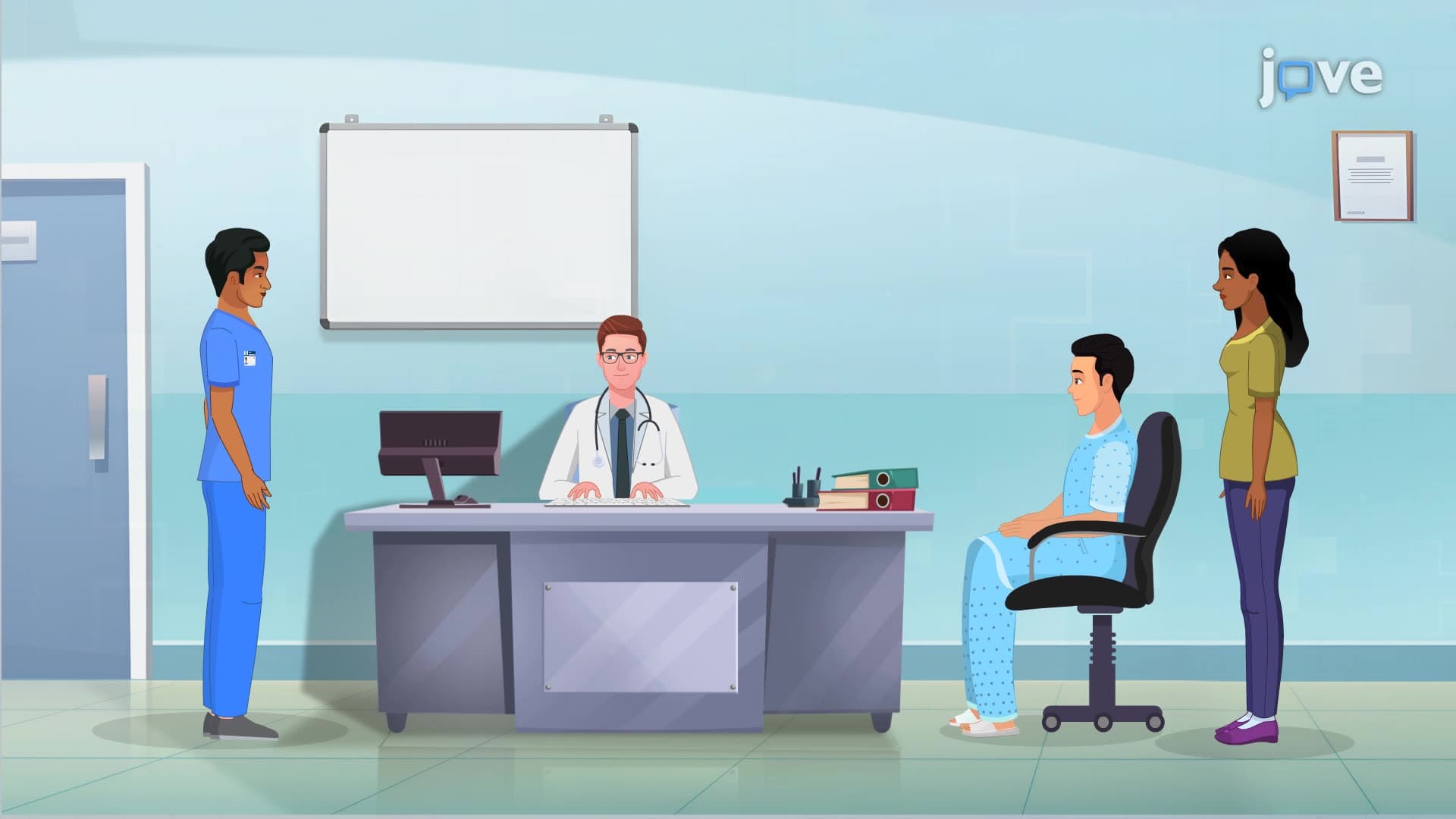
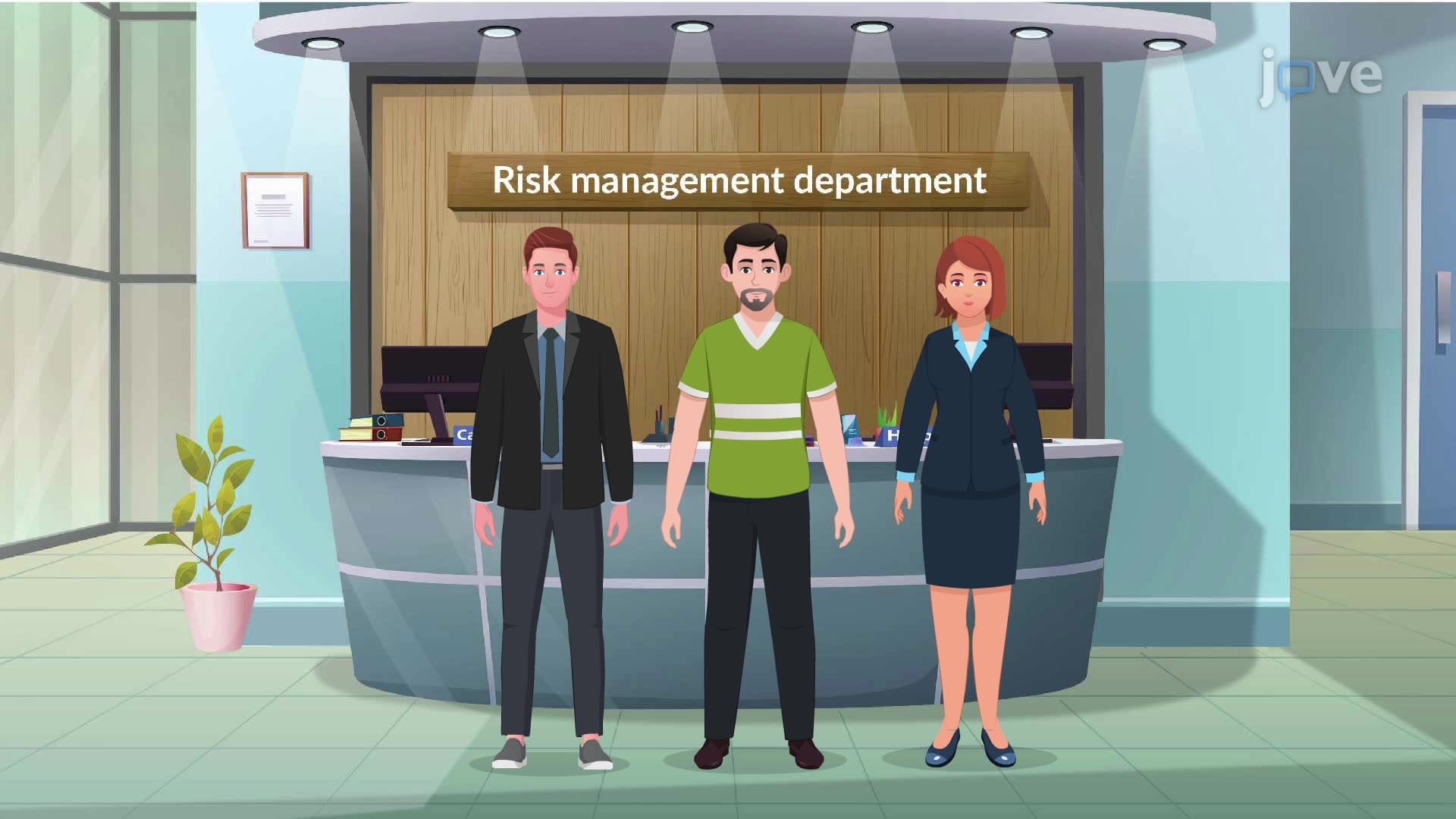
Health records serve as crucial legal documents in US healthcare litigation. In malpractice cases, detailed documentation can either support or challenge claims of medical negligence. The Joint Commission requires specific documentation standards that help protect healthcare providers while ensuring patient safety. For instance, emergency departments at hospitals like Massachusetts General Hospital maintain meticulous records that document decision-making processes, particularly important given the high-risk nature of emergency care.
Insurance reimbursement in the US healthcare system depends entirely on proper documentation. Medicare and Medicaid require specific diagnostic codes (ICD-10) and procedure codes (CPT) that must be supported by detailed clinical documentation. Healthcare economics courses in college curricula often examine how inadequate documentation leads to claim denials, directly impacting hospital revenue and patient access to care.
Related Micro-courses