Loading subject page…


33,807 views
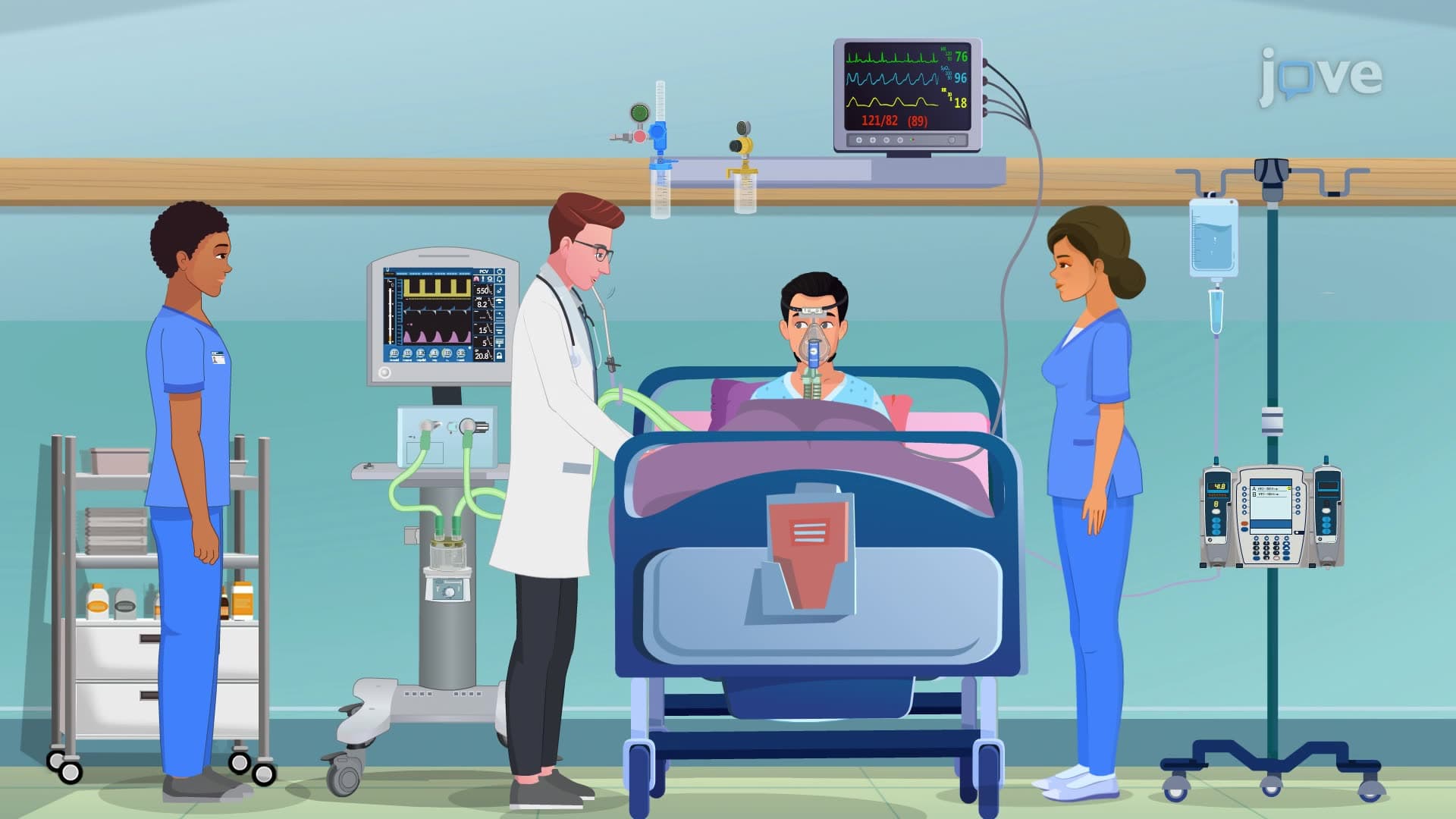

Video Summary: What are Types of Reports Iii
Every day, nurses in US hospitals receive over 2 million telephonic and verbal orders that must be documented with precision to prevent medication errors. Understanding types of reports in healthcare communication becomes critical when a physician at Massachusetts General Hospital calls in emergency instructions at 3 AM. What are Types of Reports III focuses specifically on telephonic order read back (TORB) protocols and verbal order documentation systems that form the backbone of safe patient care. Watch the full video on JoVE Coach to master this concept with expert-led visuals and step-by-step explanations.
Healthcare communication systems represent critical pathways for ensuring patient safety and treatment accuracy. Types of reports in clinical settings encompass various documentation methods, with telephonic and verbal orders forming essential components of daily medical practice. These communication protocols serve as lifelines between physicians, nurses, and other healthcare professionals across US medical institutions.
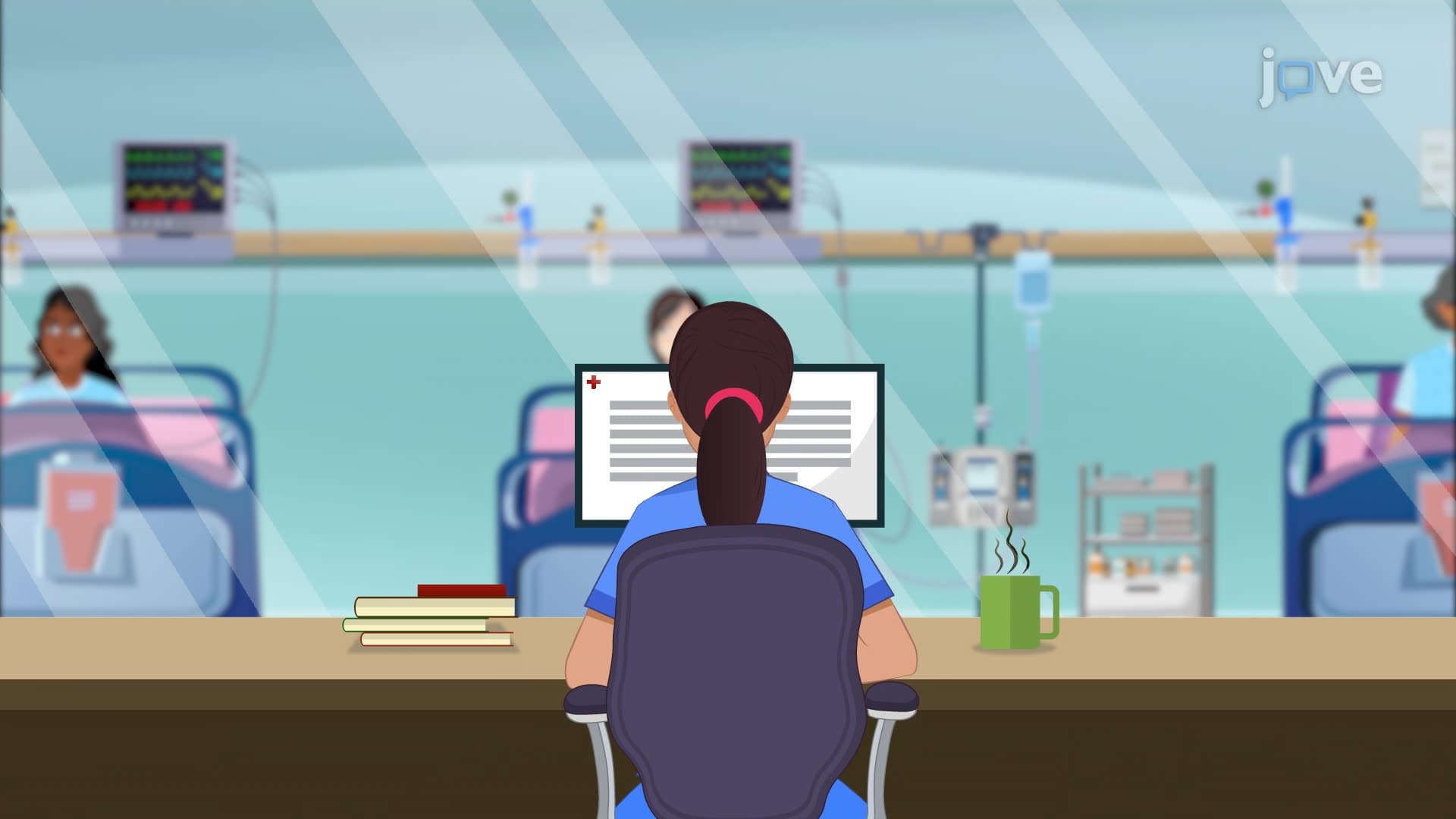
The telephonic order read back system represents a structured approach to remote healthcare communication. When a physician at Cleveland Clinic calls the ICU at 2 AM to modify a patient's medication regimen, the receiving nurse follows strict TORB protocols. This process involves capturing the provider's verbal instructions, documenting timestamp information, recording the healthcare provider's full name and credentials, and implementing a mandatory read-back verification step.
The read-back component serves as a critical safety mechanism. After receiving telephonic instructions, the nurse repeats the entire order verbatim to the calling physician, ensuring accuracy before implementation. This double-verification system significantly reduces medication errors and miscommunications that could potentially harm patients. US healthcare facilities typically maintain recorded lines for these communications, creating permanent documentation trails for quality assurance and legal protection.
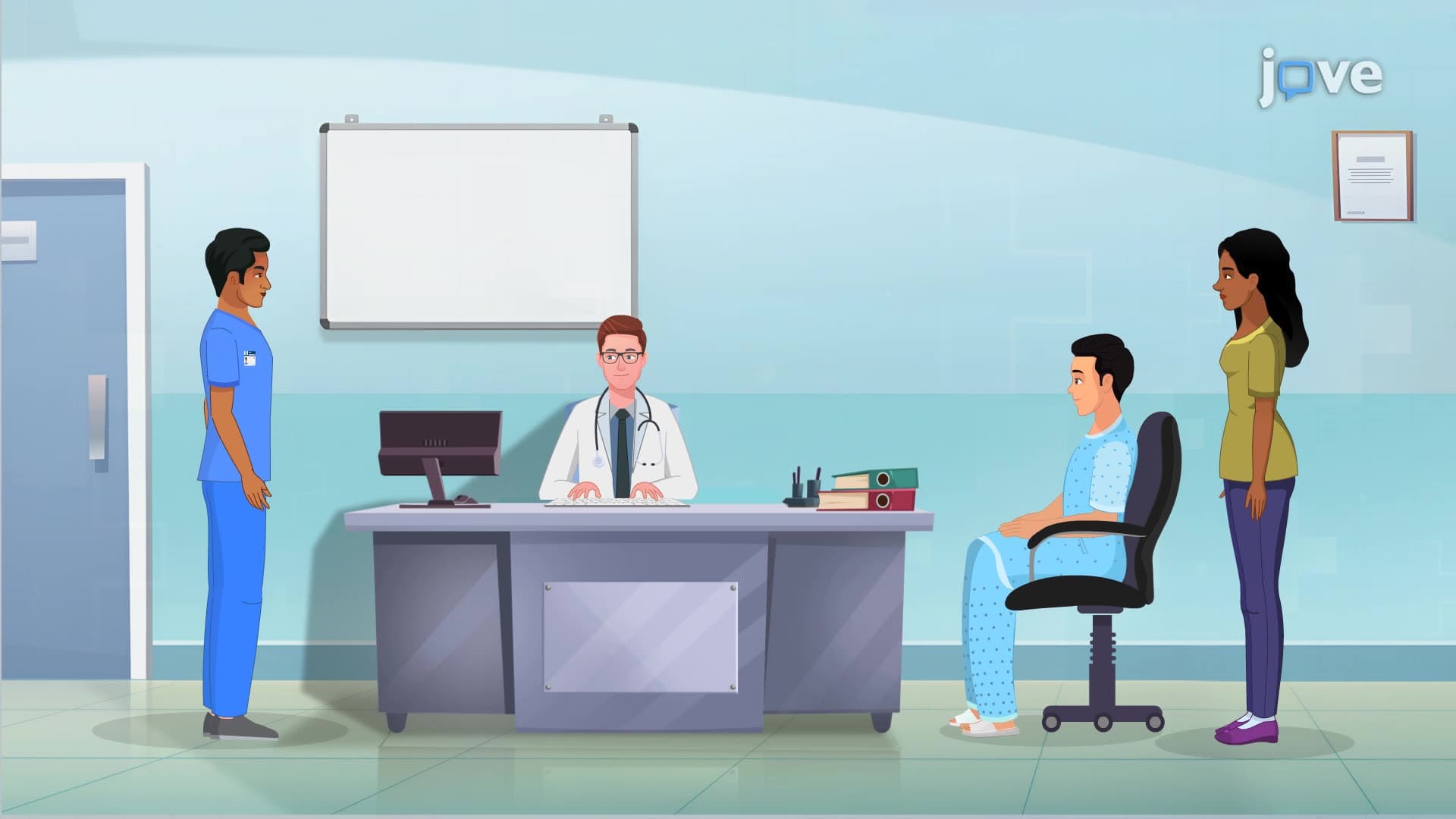
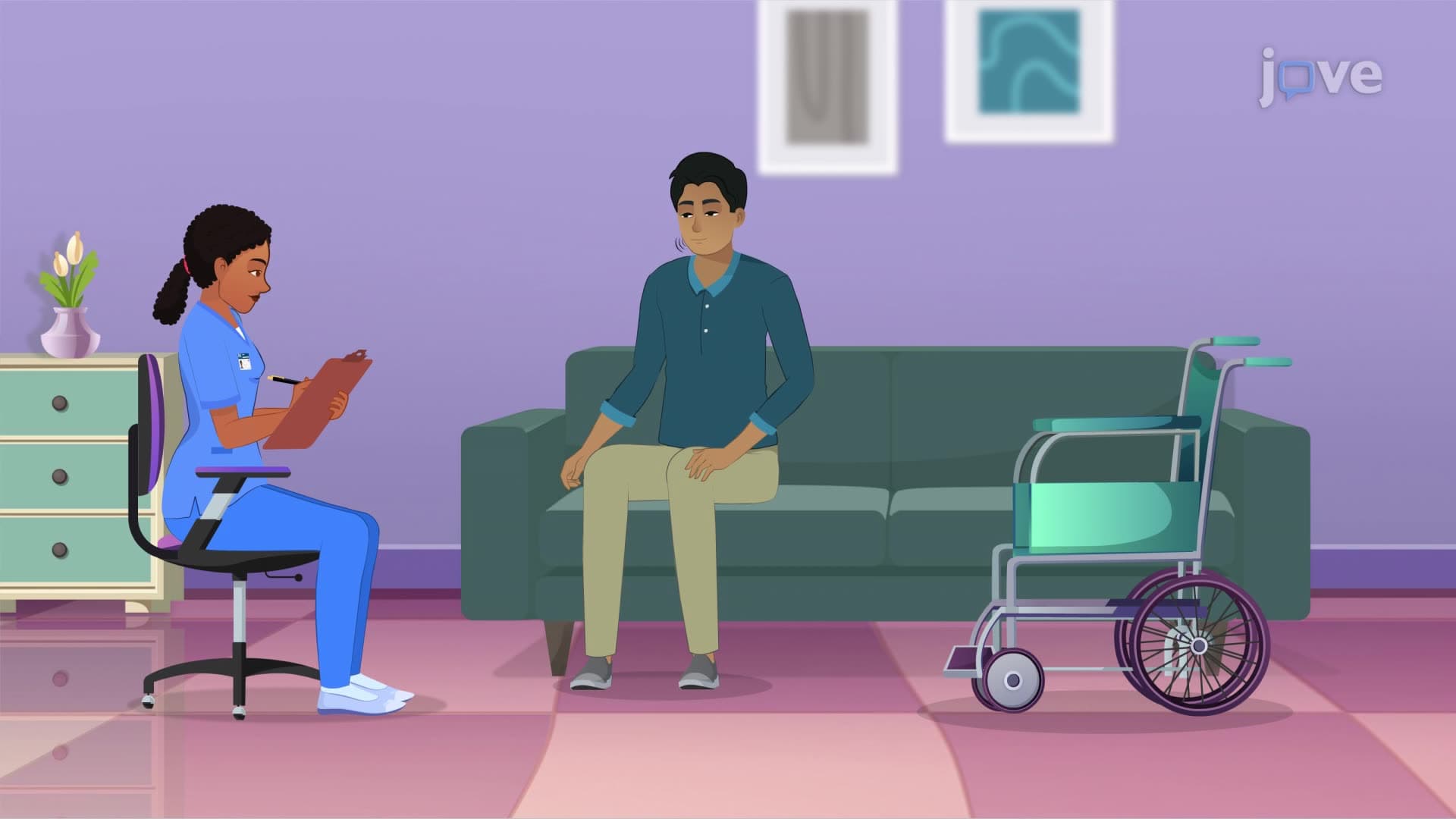
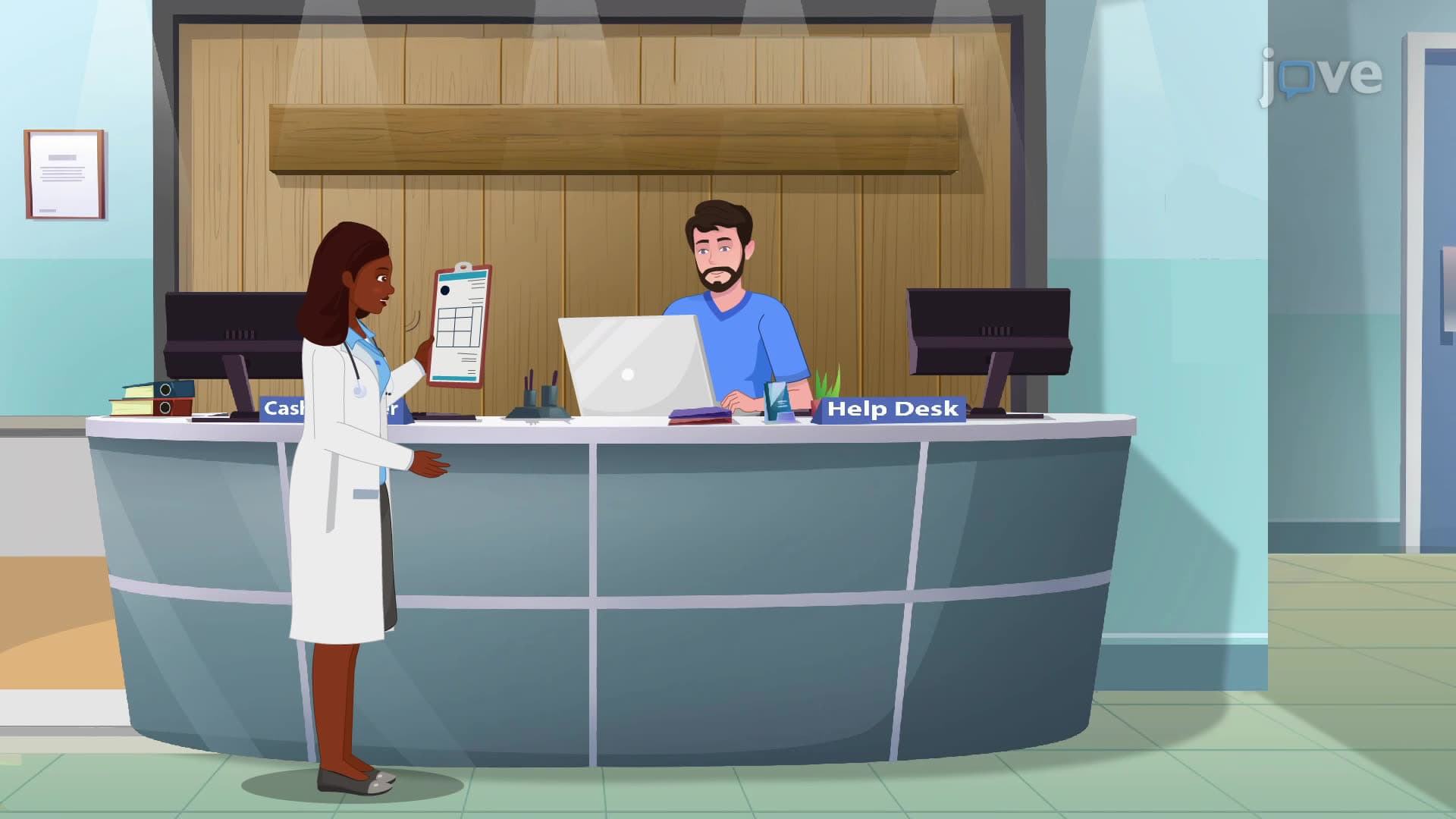
Verbal orders occur during face-to-face interactions between healthcare providers, typically in high-stress situations like emergency departments or operating rooms. At Johns Hopkins Emergency Department, a trauma surgeon might verbally instruct a nurse to administer specific medications while simultaneously performing life-saving procedures. However, verbal orders carry inherent risks that telephonic systems help mitigate.
Communication barriers pose significant challenges in verbal order scenarios. Regional accents, pronunciation variations, and similar-sounding drug names create dangerous opportunities for misunderstandings. Consider the potential confusion between "Celebrex" and "Celexa" or "Zantac" and "Xanax" when communicated verbally in a noisy hospital environment.
Understanding these communication systems proves essential for students preparing for healthcare-related examinations. NCLEX questions frequently test nursing students' knowledge of proper order documentation procedures, while MCAT passages may incorporate communication protocol scenarios within broader healthcare ethics contexts. Pre-med students studying for the MCAT should recognize how communication breakdowns contribute to medical errors, a topic frequently explored in behavioral sciences sections.
College nursing programs emphasize TORB protocols during clinical rotations, where students practice real-world application of these concepts. Understanding the regulatory framework surrounding healthcare communication also prepares students for advanced coursework in healthcare administration and medical law.
Related Micro-courses