Loading video…


 25 Concepts
 33.8K views

Video Summary: Purpose of Health Records I Explained
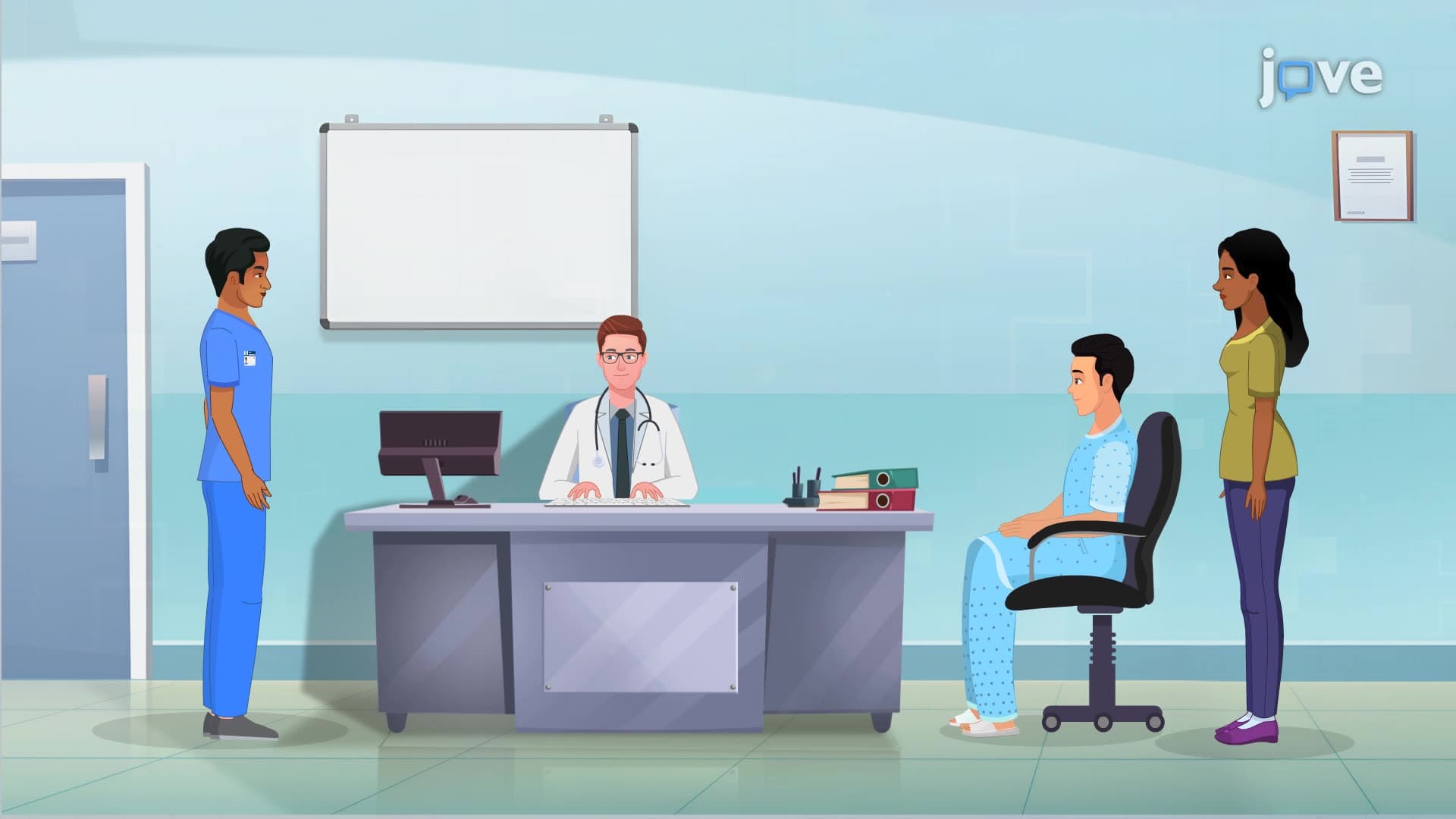
Did you know that a single patient's health record at Mayo Clinic can contain over 2,000 data points during a typical hospital stay? The purpose health records serve extends far beyond simple documentation-they're the backbone of quality patient care in America's healthcare system. From emergency departments at Johns Hopkins to rural clinics in Montana, health records enable seamless communication between doctors, nurses, and specialists while ensuring continuity of care. Watch the full video on JoVE Coach to master this concept with expert-led visuals and step-by-step explanations.
Health records represent the cornerstone of modern healthcare delivery, serving multiple critical functions that extend well beyond simple record-keeping. In the United States healthcare system, from large academic medical centers like Cleveland Clinic to community hospitals, these comprehensive documents ensure that every aspect of patient care is documented, communicated, and continuously improved upon.
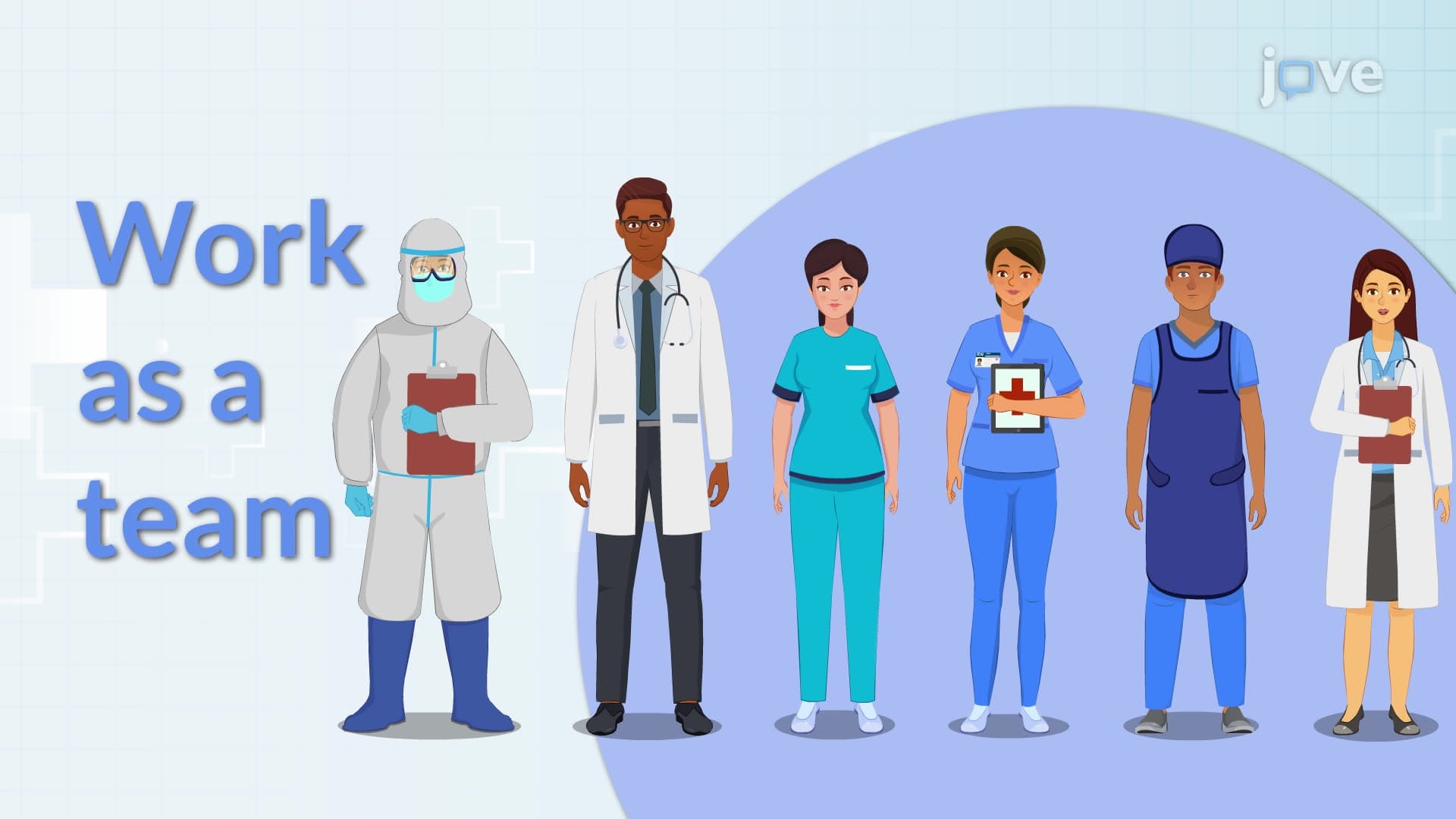
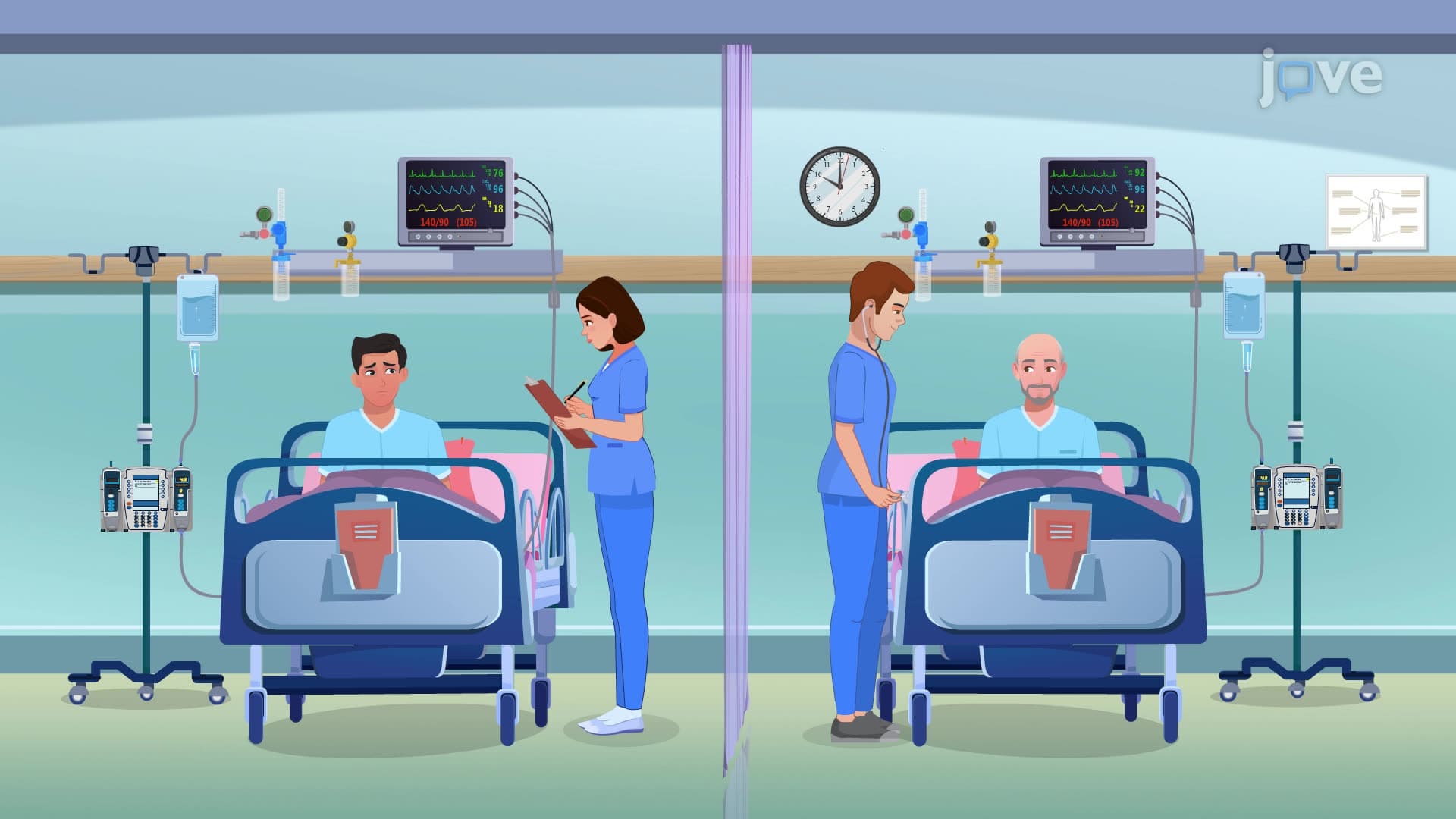
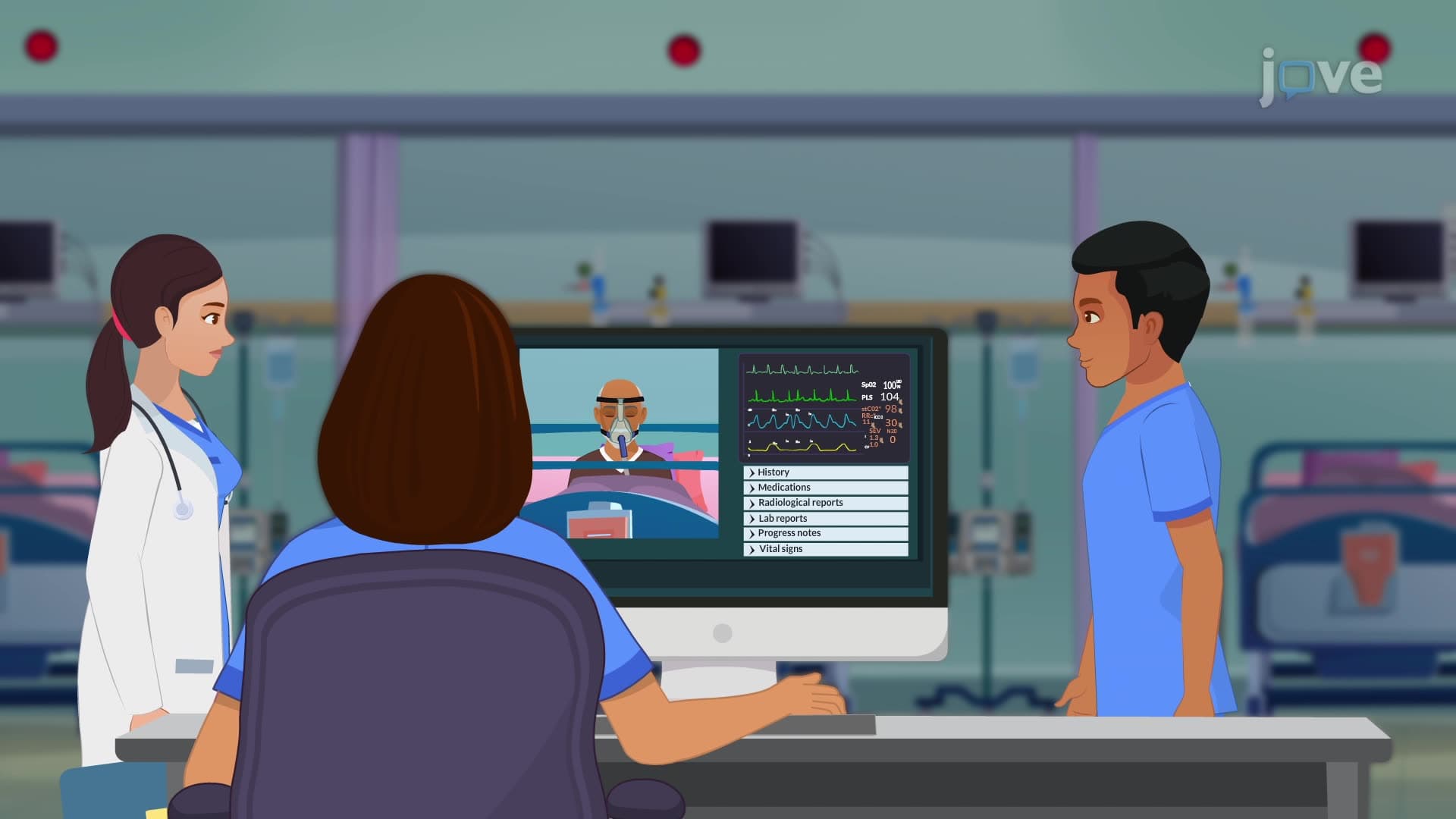
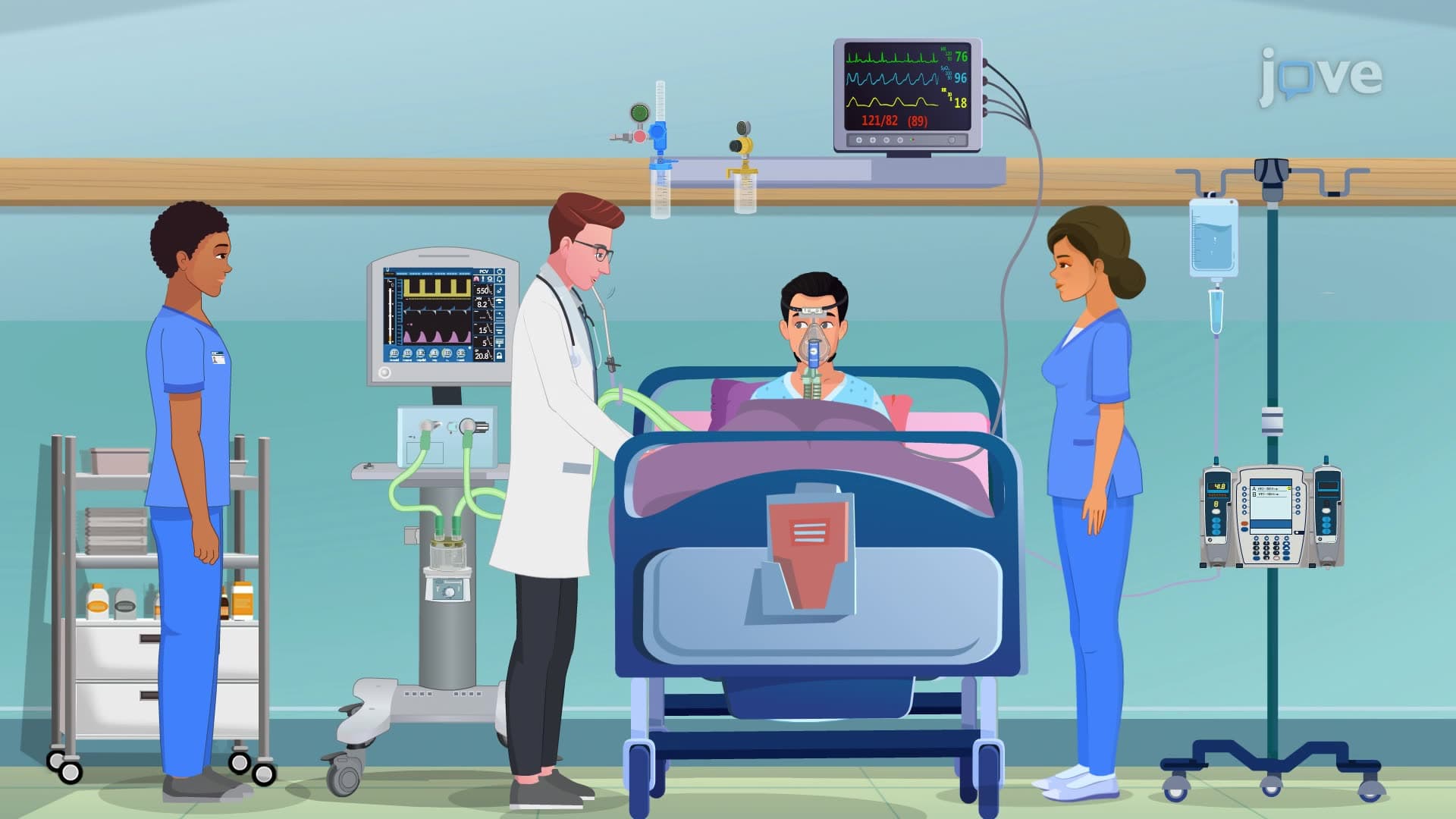
The primary purpose health records serve involves facilitating seamless communication among healthcare team members. When a patient moves from the emergency department to the intensive care unit at a facility like Massachusetts General Hospital, their health record ensures that critical information-medications, allergies, treatment responses, and care plans-travels with them instantly. This communication function prevents medical errors, reduces duplicate testing, and ensures that each provider has access to the complete clinical picture.
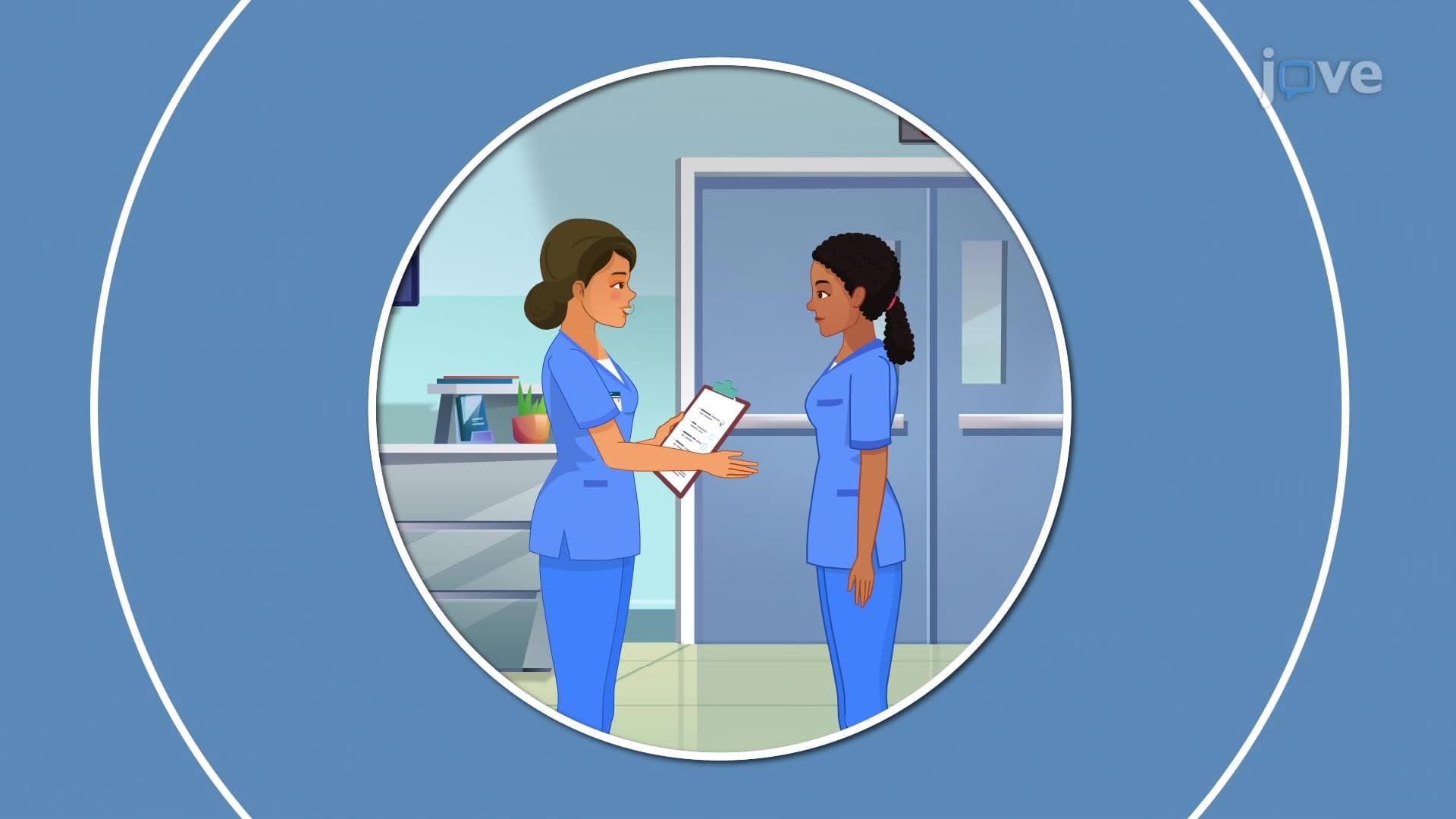
Care continuity becomes particularly crucial during shift changes, department transfers, and multi-specialty consultations. A cardiac patient receiving care from cardiologists, nurses, pharmacists, and respiratory therapists relies on accurate health records to coordinate their complex treatment regimen effectively.
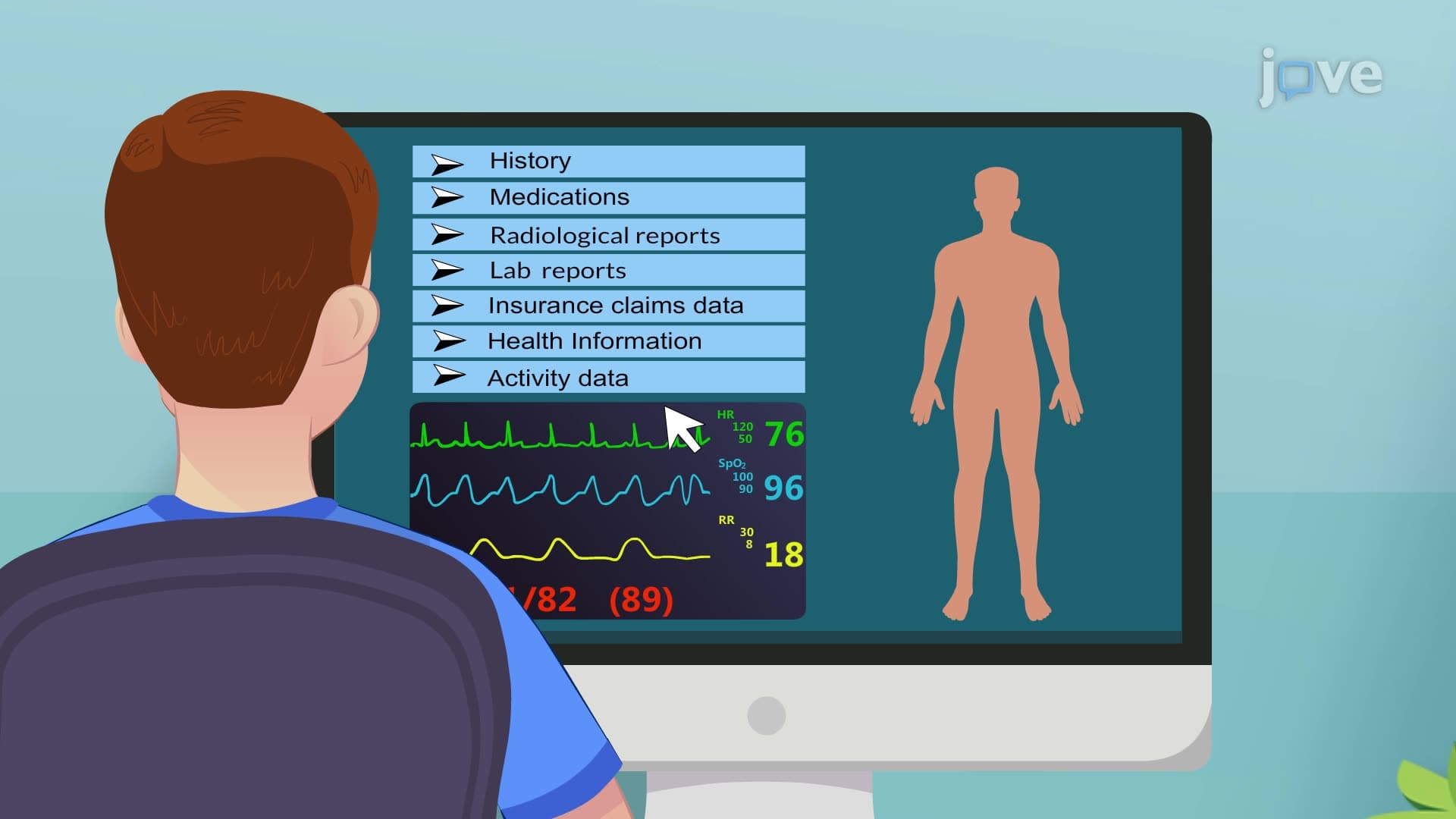
Health records enable healthcare providers to track diagnostic procedures and therapeutic interventions systematically. For instance, when reviewing a patient's laboratory results over time, physicians can identify trends that inform treatment decisions. This diagnostic review function helps prevent unnecessary repeat testing while ensuring that critical follow-up studies aren't overlooked.
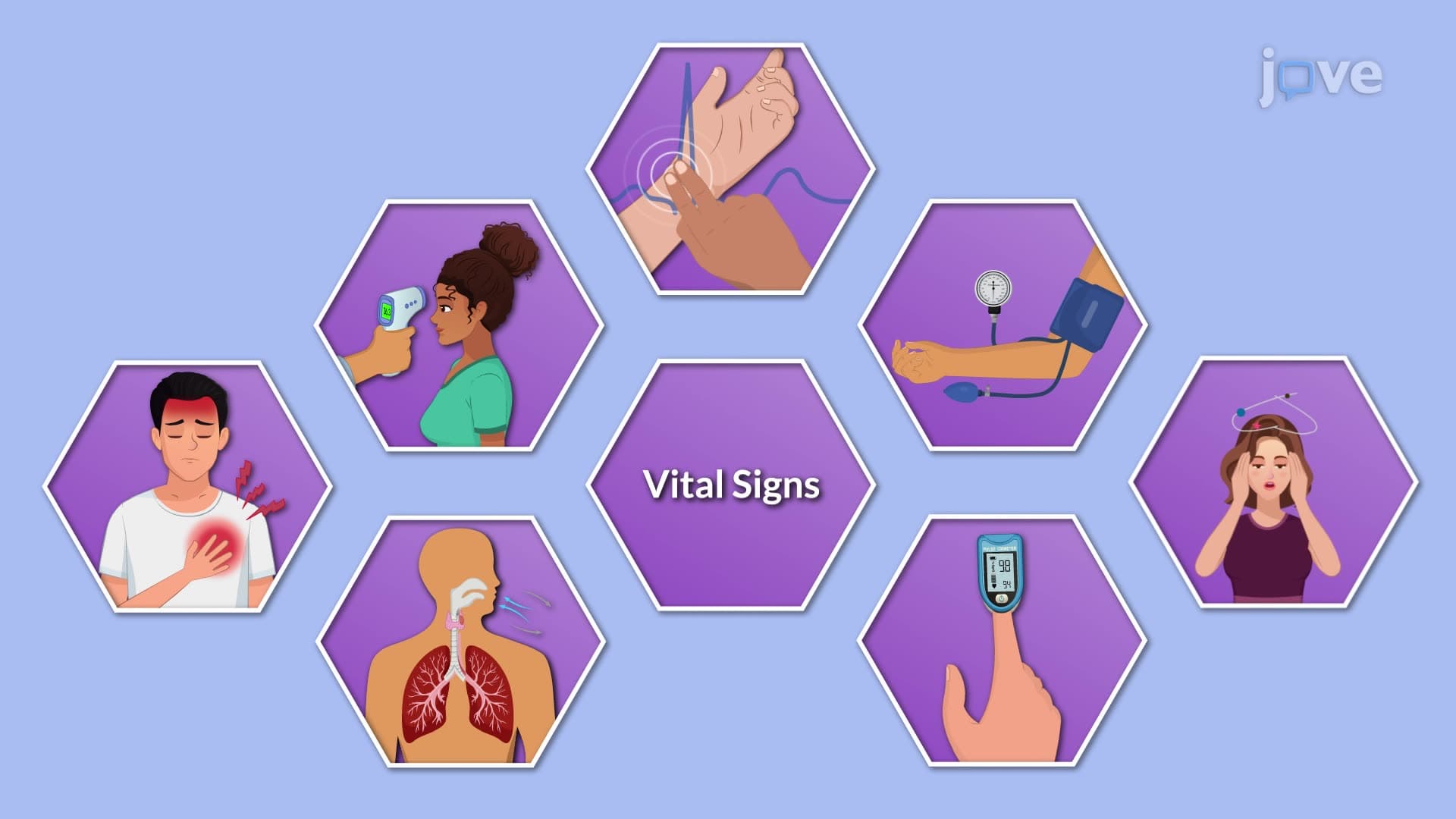
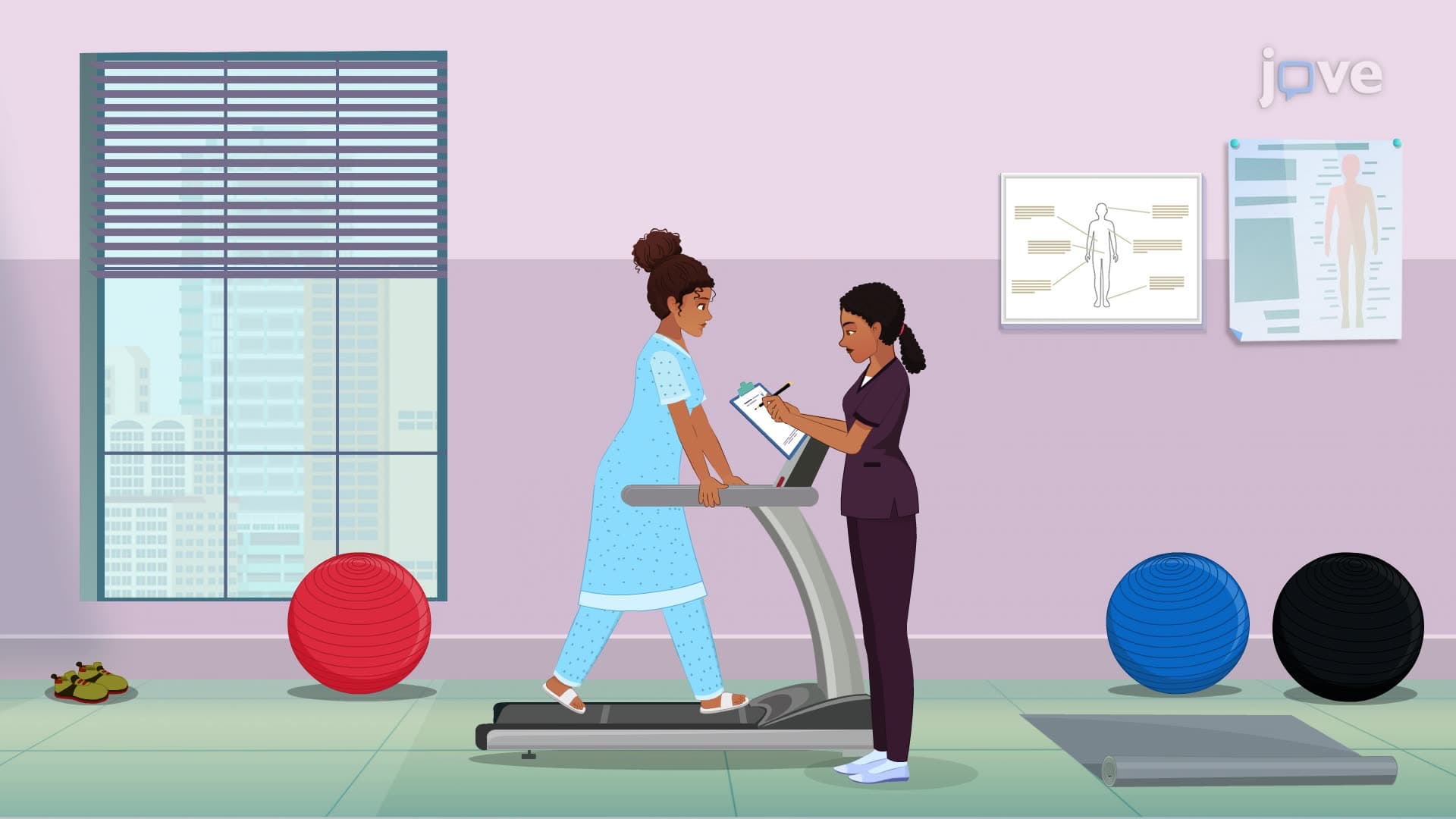
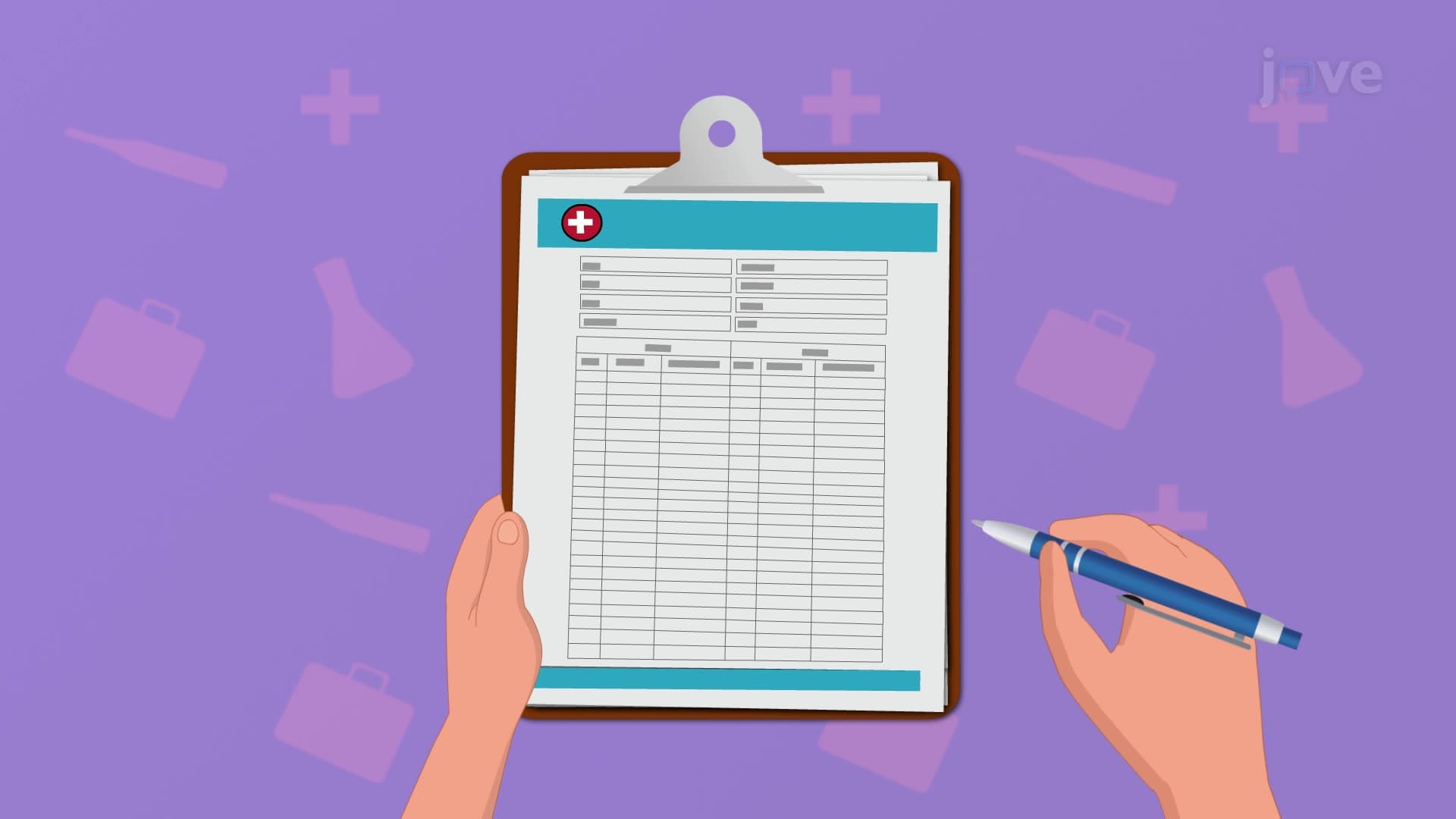
The care planning aspect allows healthcare teams to establish baselines, monitor progress, and adjust treatments based on documented outcomes. Nurses use flowsheets to track vital signs, medication administration, and patient responses, creating a comprehensive picture that guides ongoing care decisions.
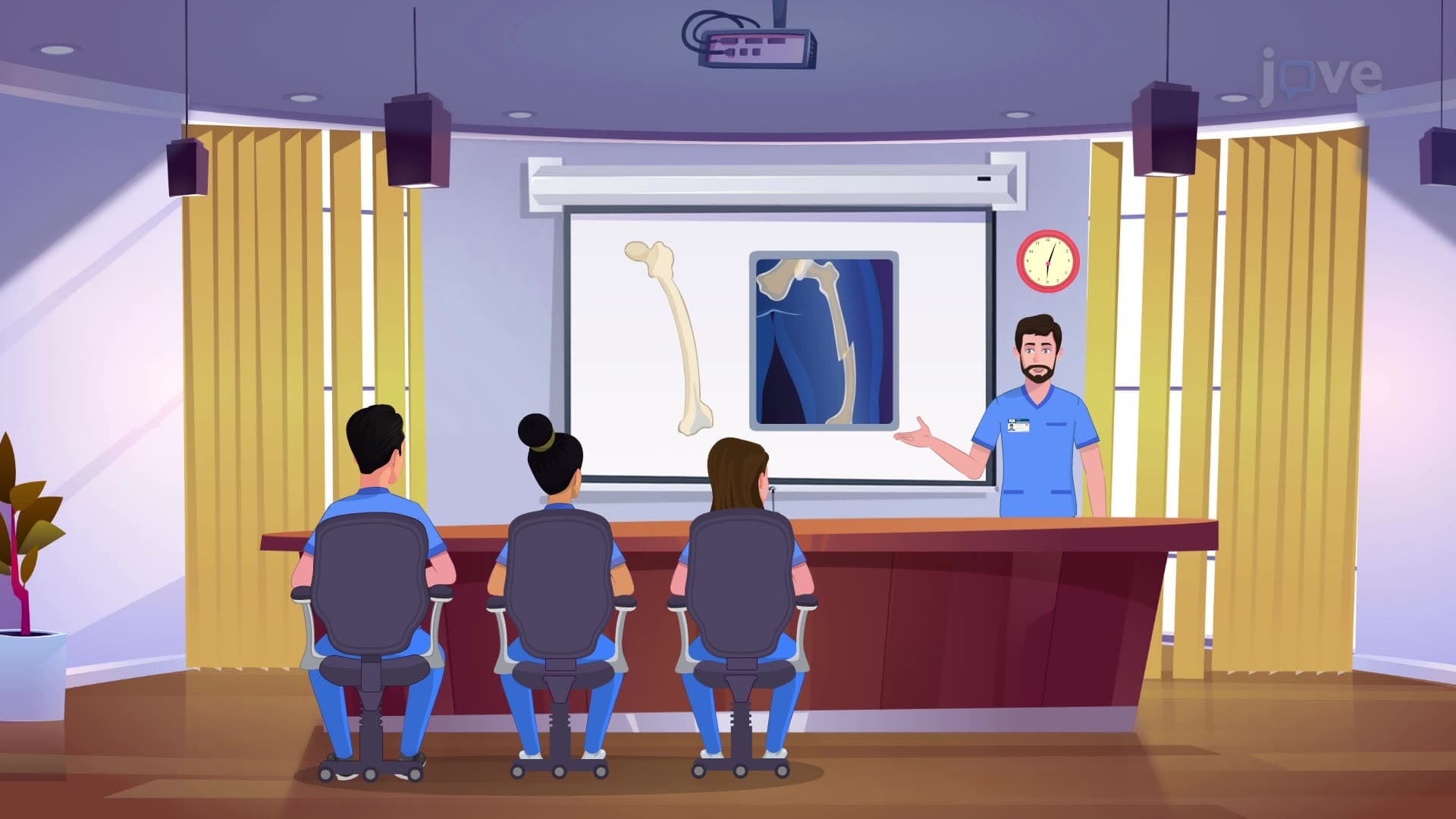
Beyond individual patient care, health records contribute significantly to medical research and quality improvement initiatives. De-identified patient data from health records supports clinical research studies that advance medical knowledge and improve treatment protocols. Major medical centers like Johns Hopkins use aggregated health record data to identify best practices and develop evidence-based care guidelines.
Quality assurance programs, mandated by accreditation bodies like The Joint Commission, rely heavily on health record reviews. These audits help identify areas where healthcare delivery can be improved, leading to targeted staff education and system enhancements that benefit all patients.
For students preparing for healthcare careers, understanding these purposes is essential for exams like the NCLEX-RN, HESI A2, and college-level health information management courses. The concept frequently appears in questions about healthcare quality, patient safety, and interdisciplinary collaboration.
Related Micro-courses