Loading video…


 25 Concepts
 33.8K views

Video Summary: Methods of Documentation V Cbe Guide
Did you know that nurses at Johns Hopkins Hospital can now complete patient documentation 40% faster using a revolutionary charting method? Methods documentation v cbe, or charting by exception, transforms how healthcare professionals record patient information by focusing only on abnormal findings rather than documenting every routine detail. This streamlined approach uses predefined "within defined limits" (WDL) statements for normal findings, allowing nurses at major US medical centers like Mayo Clinic to spend more time providing direct patient care. Watch the full video on JoVE Coach to master this concept with expert-led visuals and step-by-step explanations.
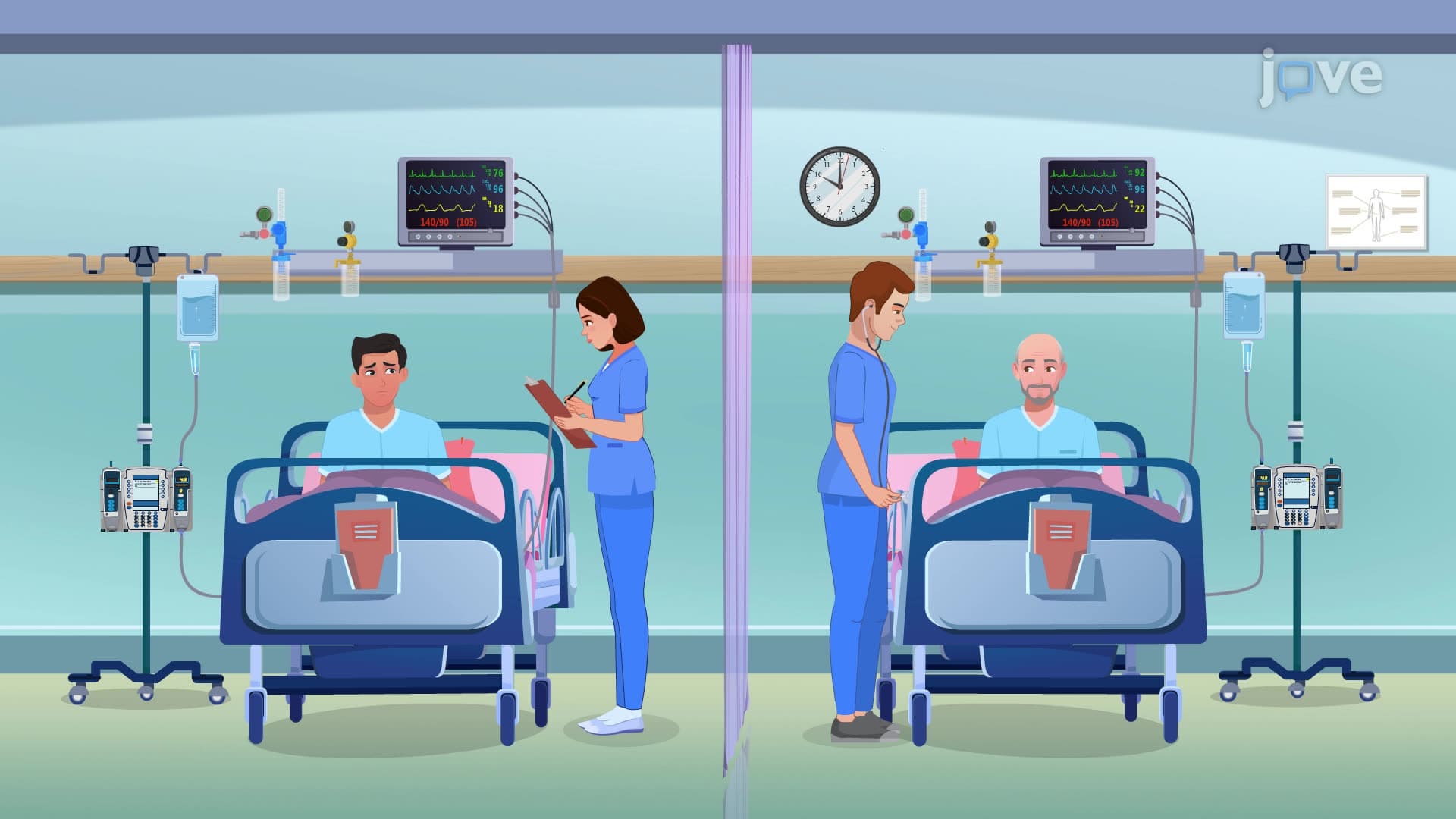
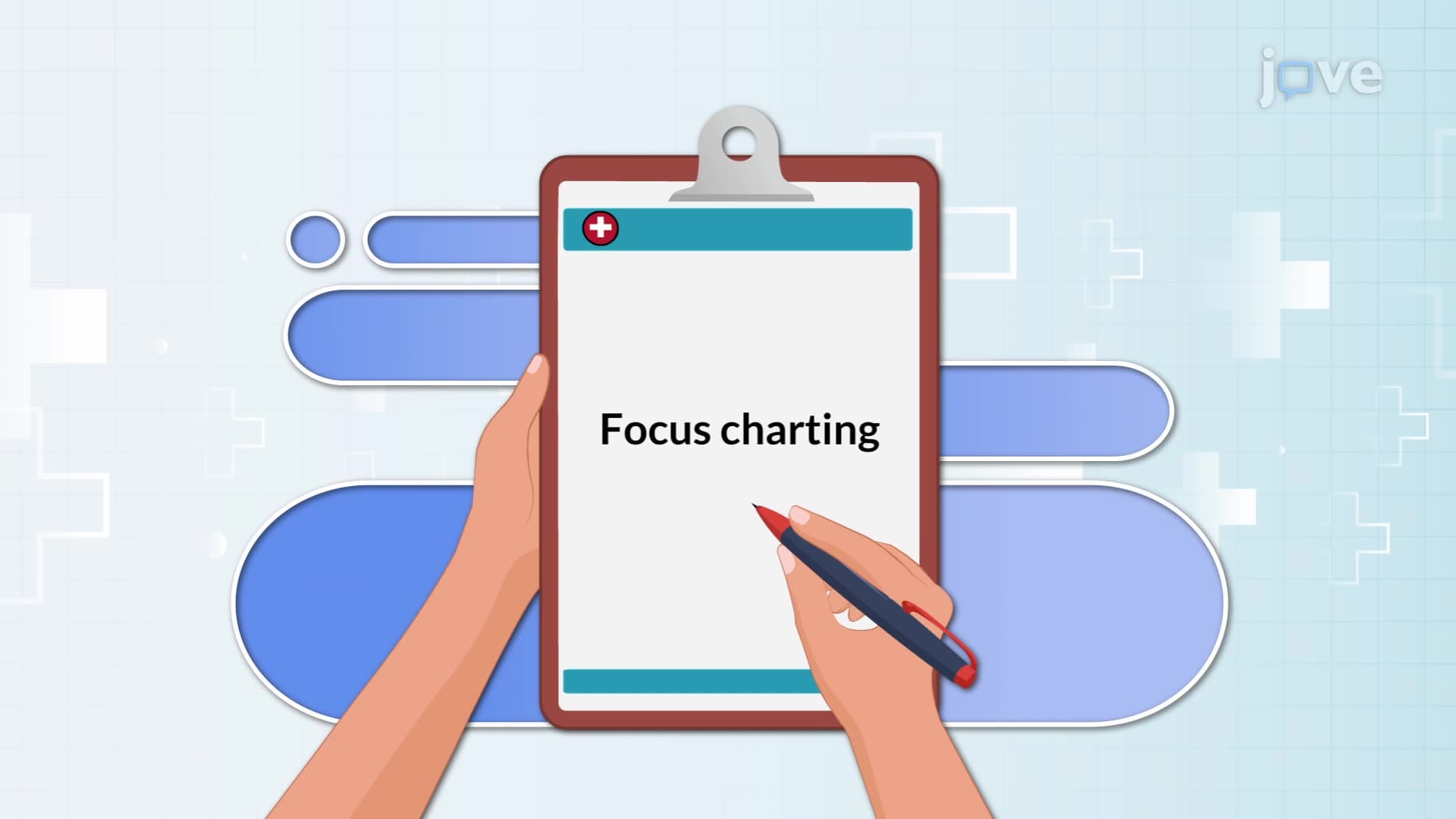
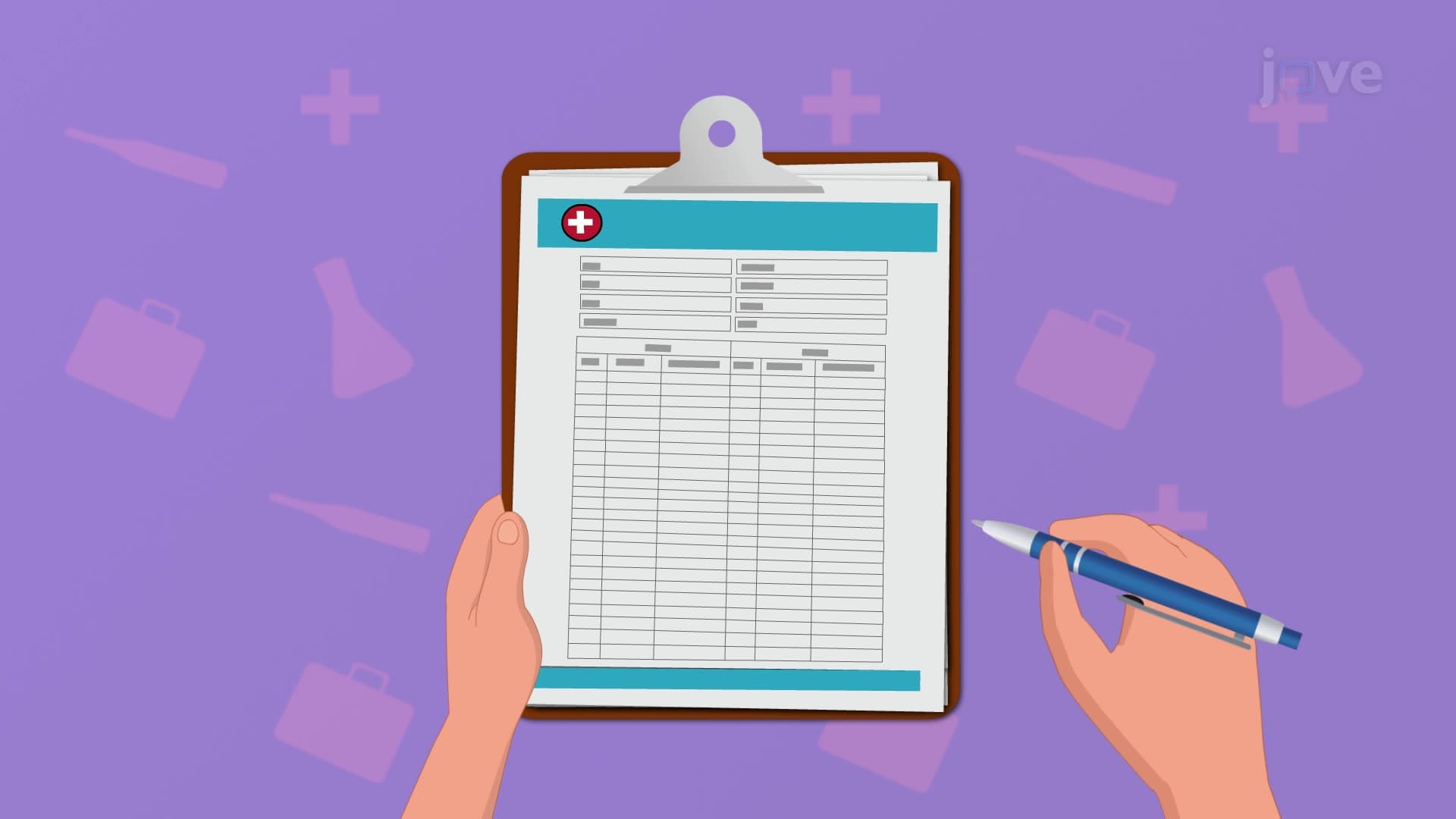
Charting by exception (CBE) represents a paradigm shift in healthcare documentation that challenges the traditional "document everything" approach. Unlike comprehensive charting systems used in many US hospitals throughout the 1980s and 1990s, CBE operates on the principle that normal findings don't require extensive documentation. This method has gained significant traction in major healthcare systems across the United States, including Kaiser Permanente and Cleveland Clinic networks.
The foundation of CBE lies in its "within defined limits" (WDL) statements, which serve as standardized templates for normal assessment findings. For example, a WDL statement for respiratory assessment might include "respirations even and unlabored, rate 12-20/min, lungs clear to auscultation bilaterally." These predetermined statements ensure consistency across nursing staff and eliminate the need for repetitive documentation of routine findings.
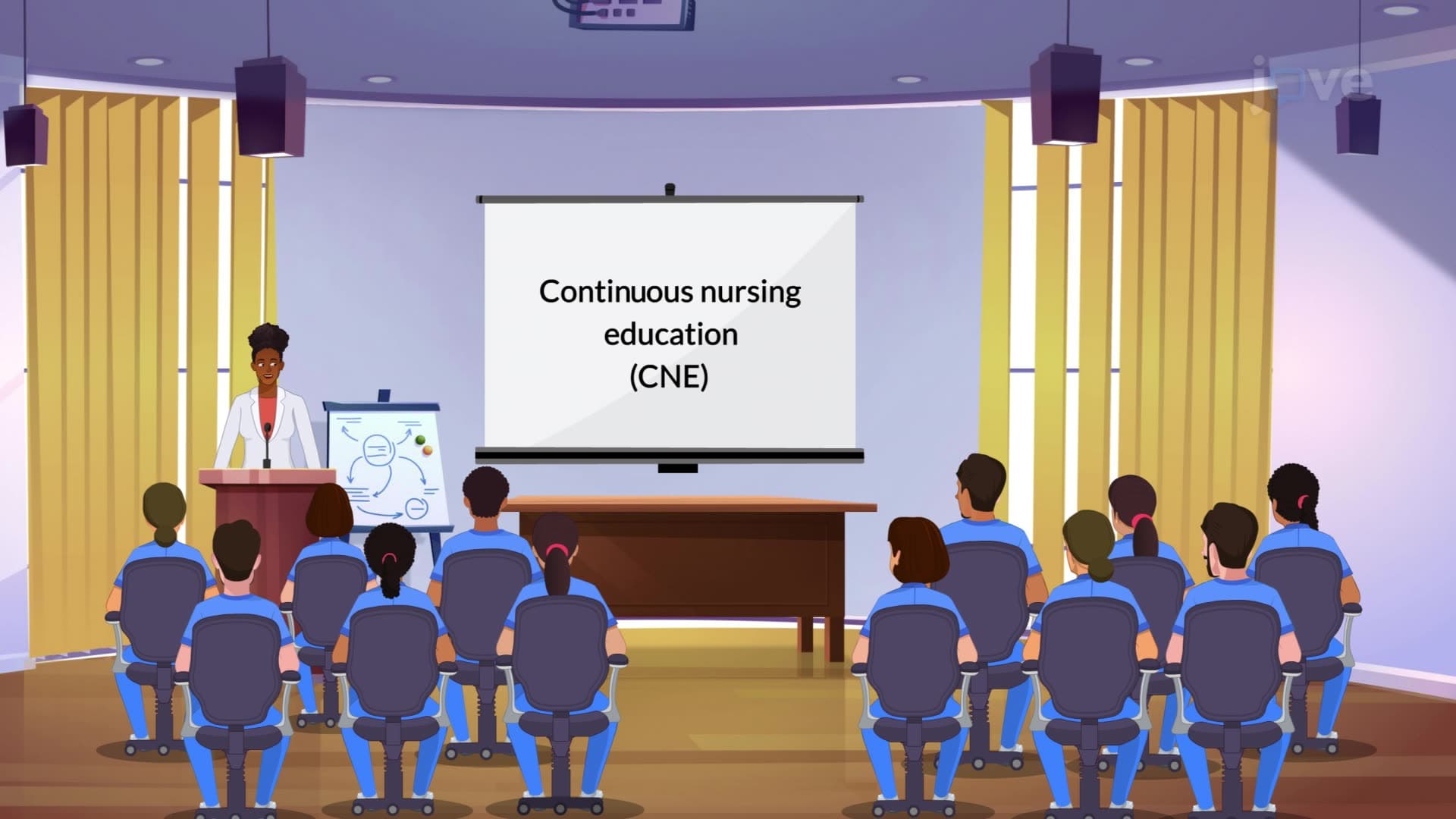
US nursing schools, including those offering NCLEX preparation programs, emphasize the importance of understanding these standardized protocols. Students studying for the NCLEX-RN examination frequently encounter questions about appropriate documentation methods, making CBE knowledge essential for exam success.
Healthcare facilities implementing CBE report substantial improvements in nursing efficiency and patient care quality. Massachusetts General Hospital documented a 35% reduction in documentation time after CBE implementation, allowing nurses to allocate more hours to direct patient interaction. This efficiency gain translates to improved patient satisfaction scores and better clinical outcomes.
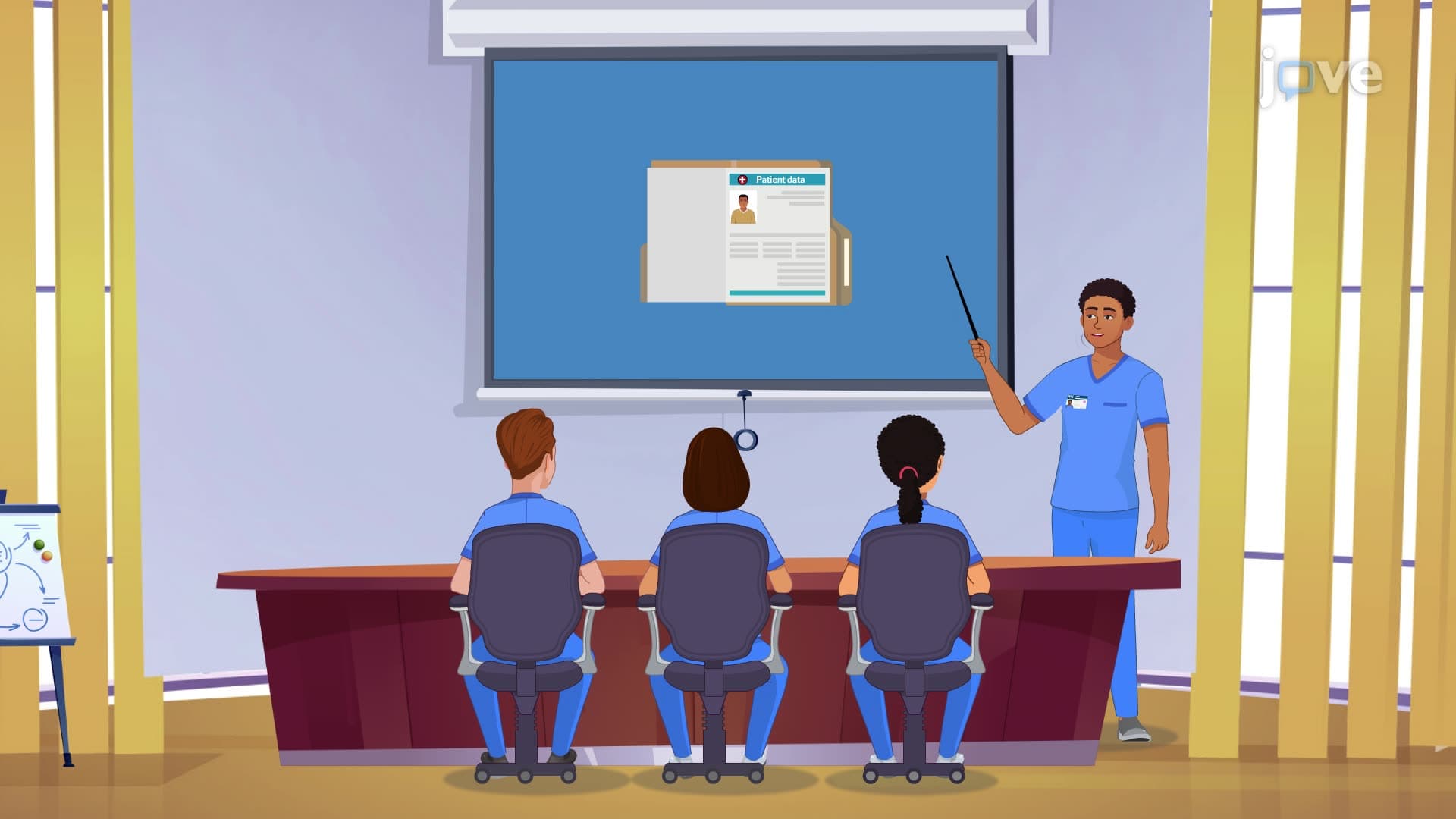
However, successful CBE implementation requires comprehensive staff training and robust protocol development. Nurses transitioning from traditional documentation methods must develop acute assessment skills to distinguish between normal and abnormal findings accurately. Critical thinking becomes paramount, as overlooking significant changes could compromise patient safety.
CBE methodology frequently appears in nursing program curricula and professional examinations. AP Biology students studying homeostasis and normal physiological parameters benefit from understanding how healthcare professionals apply these concepts in clinical documentation. College-level health sciences courses often include CBE as part of healthcare informatics and quality improvement modules.
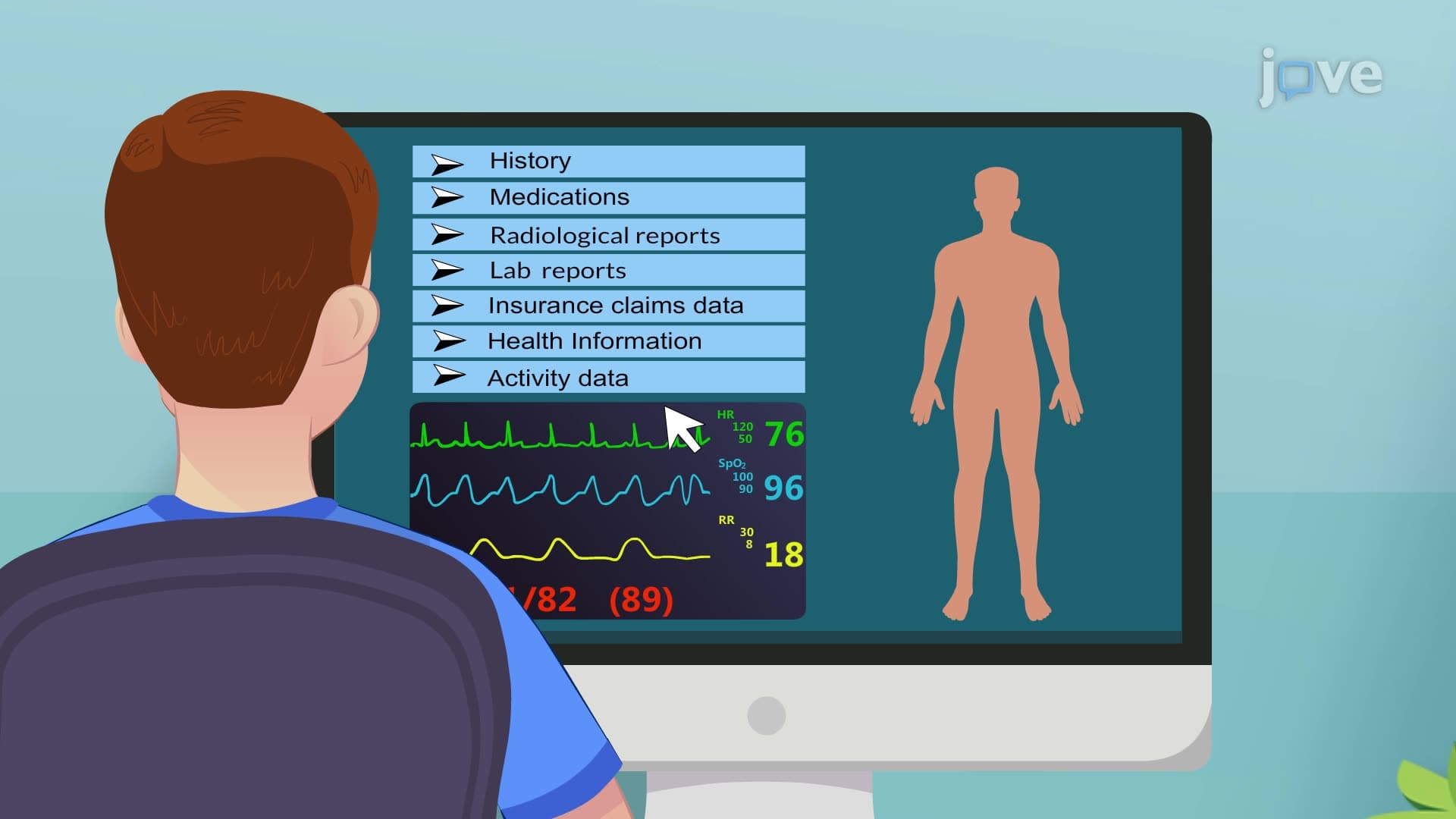
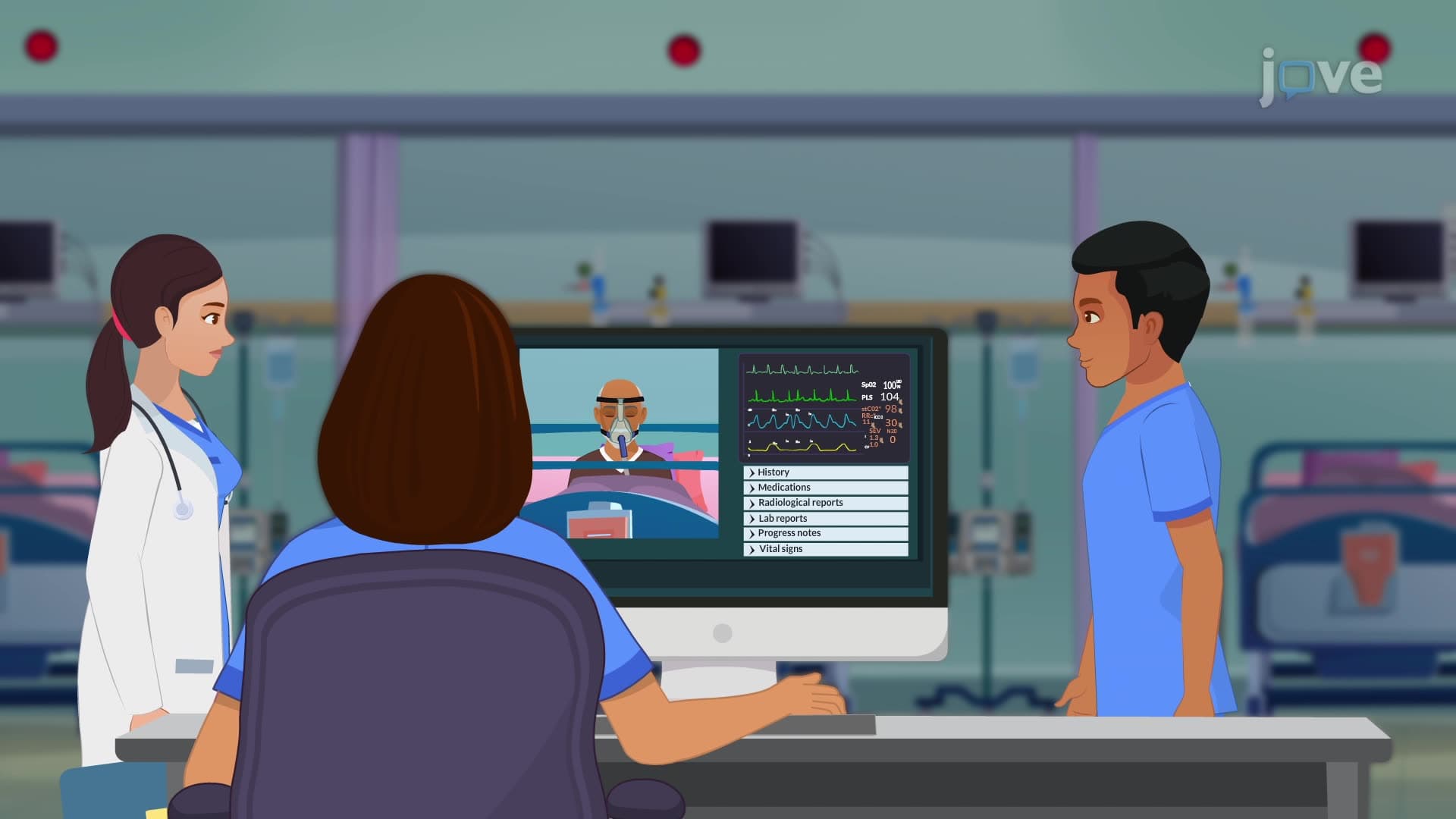
Modern electronic health record systems in US hospitals increasingly incorporate CBE principles, making this knowledge essential for future healthcare professionals entering clinical practice.
Related Micro-courses