Loading video…


 25 Concepts
 33.8K views

Video Summary: Documentation in Long Term and Home Healthcare Settings
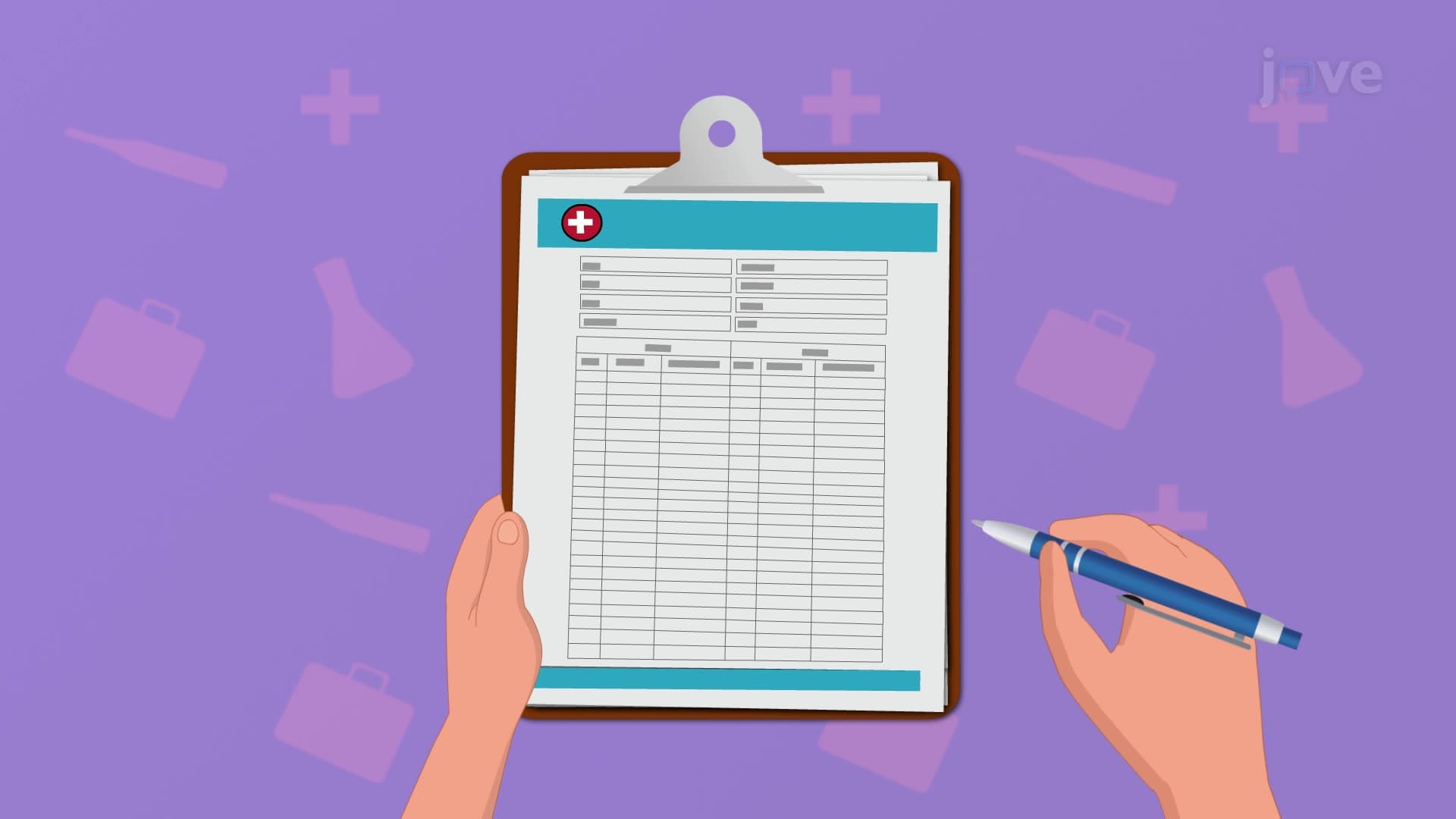
Did you know that a single documentation error in a nursing home can lead to a $10,000 Medicare penalty? Documentation in long-term and home healthcare settings forms the backbone of quality patient care across America's 15,000+ nursing facilities. For instance, when 85-year-old patients at Sunrise Senior Living receive their daily medications, every detail must be recorded using standardized systems like MDS and OASIS. Documentation in Long-Term and Home Healthcare Settings ensures seamless care coordination between nurses, doctors, and therapists while meeting strict federal compliance requirements. Watch the full video on JoVE Coach to master this concept with expert-led visuals and step-by-step explanations.
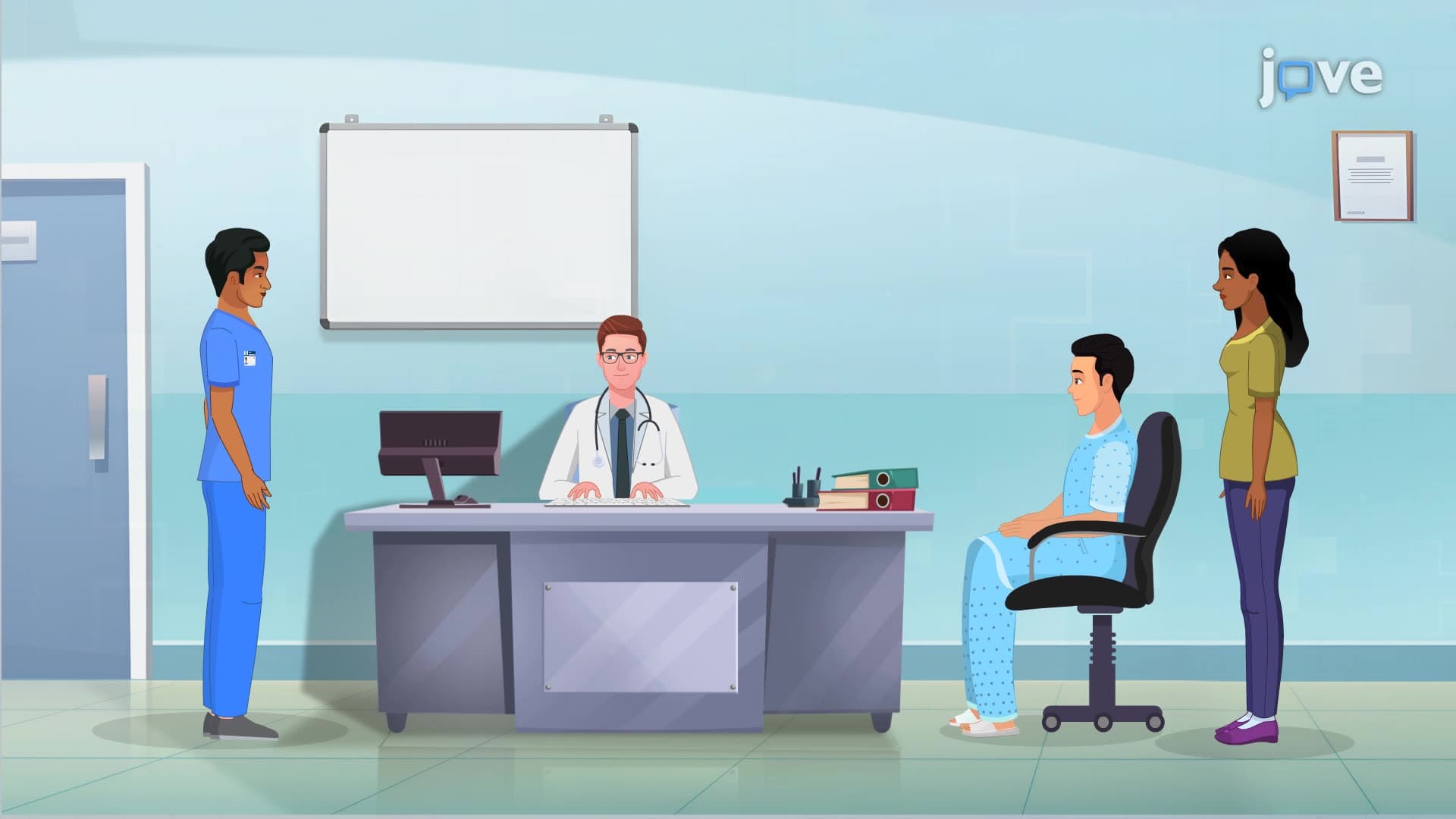
Healthcare documentation serves as the legal foundation for patient care decisions, regulatory compliance, and financial reimbursement across America's continuum of care. In long-term care facilities, which house over 1.3 million residents nationwide, and home healthcare services reaching 5+ million patients annually, precise documentation becomes even more critical due to complex medical conditions and extended care relationships.
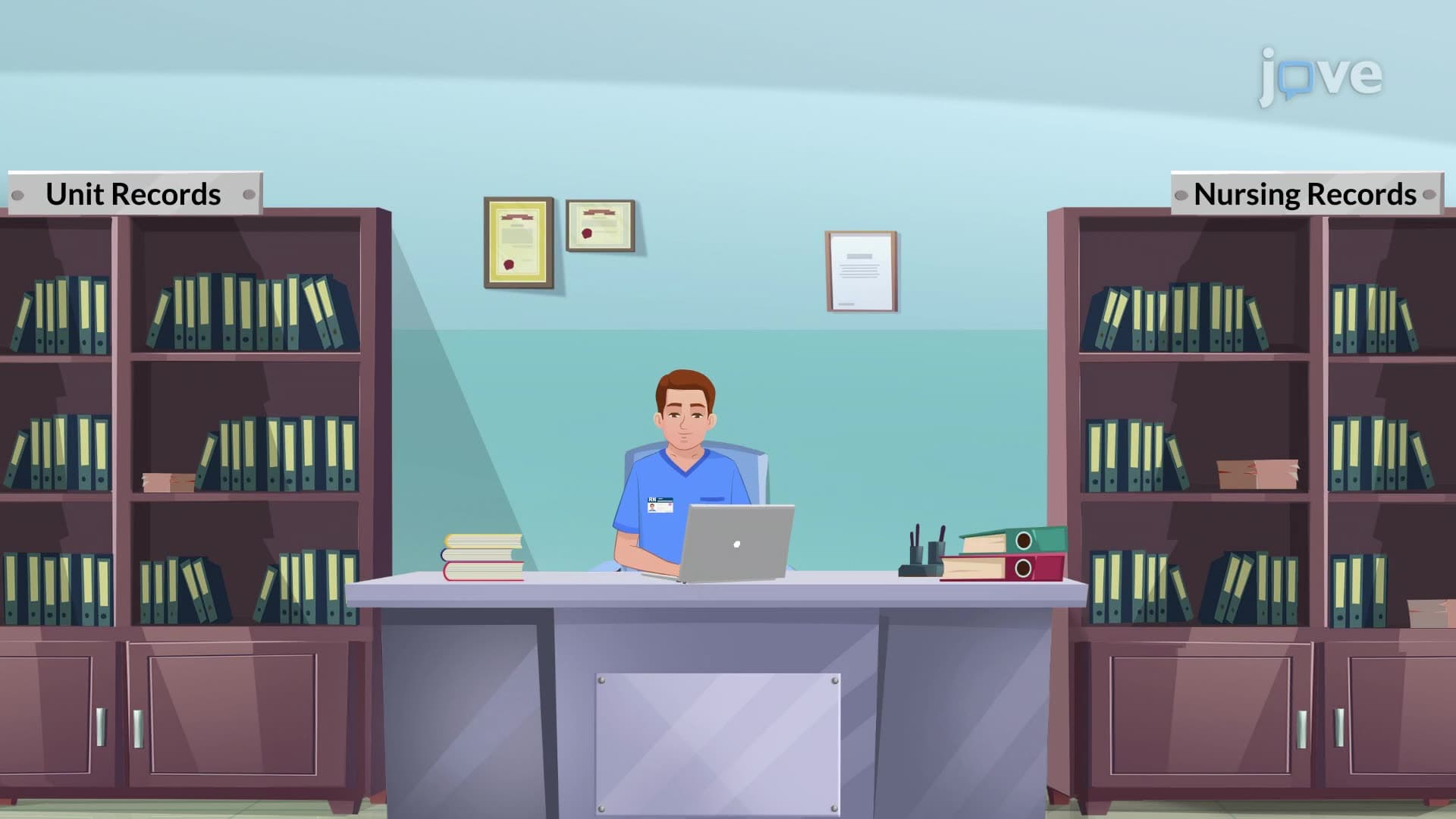
Long-term care facilities rely heavily on the Minimum Data Set (MDS) system, a federally mandated assessment tool used in all Medicare and Medicaid-certified nursing homes. The MDS captures comprehensive resident information across 20+ categories, from cognitive patterns to medication management. For example, when a resident at a skilled nursing facility in Texas experiences a fall, the MDS documentation triggers specific care protocols and quality measures that directly impact the facility's Medicare reimbursement rates.
The Care Area Assessment (CAA) works alongside MDS to identify potential problems and guide care planning. This two-step process ensures that residents like those recovering from hip surgery at rehabilitation centers receive individualized attention based on standardized assessment criteria. Students preparing for the NCLEX-RN examination must understand how these tools integrate with nursing care plans and interdisciplinary team communication.
Home healthcare documentation presents unique challenges as care occurs across multiple locations without immediate supervision. The Outcome and Assessment Information Set (OASIS) serves as the cornerstone for documenting adult patients receiving skilled services through Medicare or Medicaid-funded agencies. OASIS assessments occur at specific intervals-admission, resumption of care, recertification, and discharge-creating a comprehensive picture of patient progress.
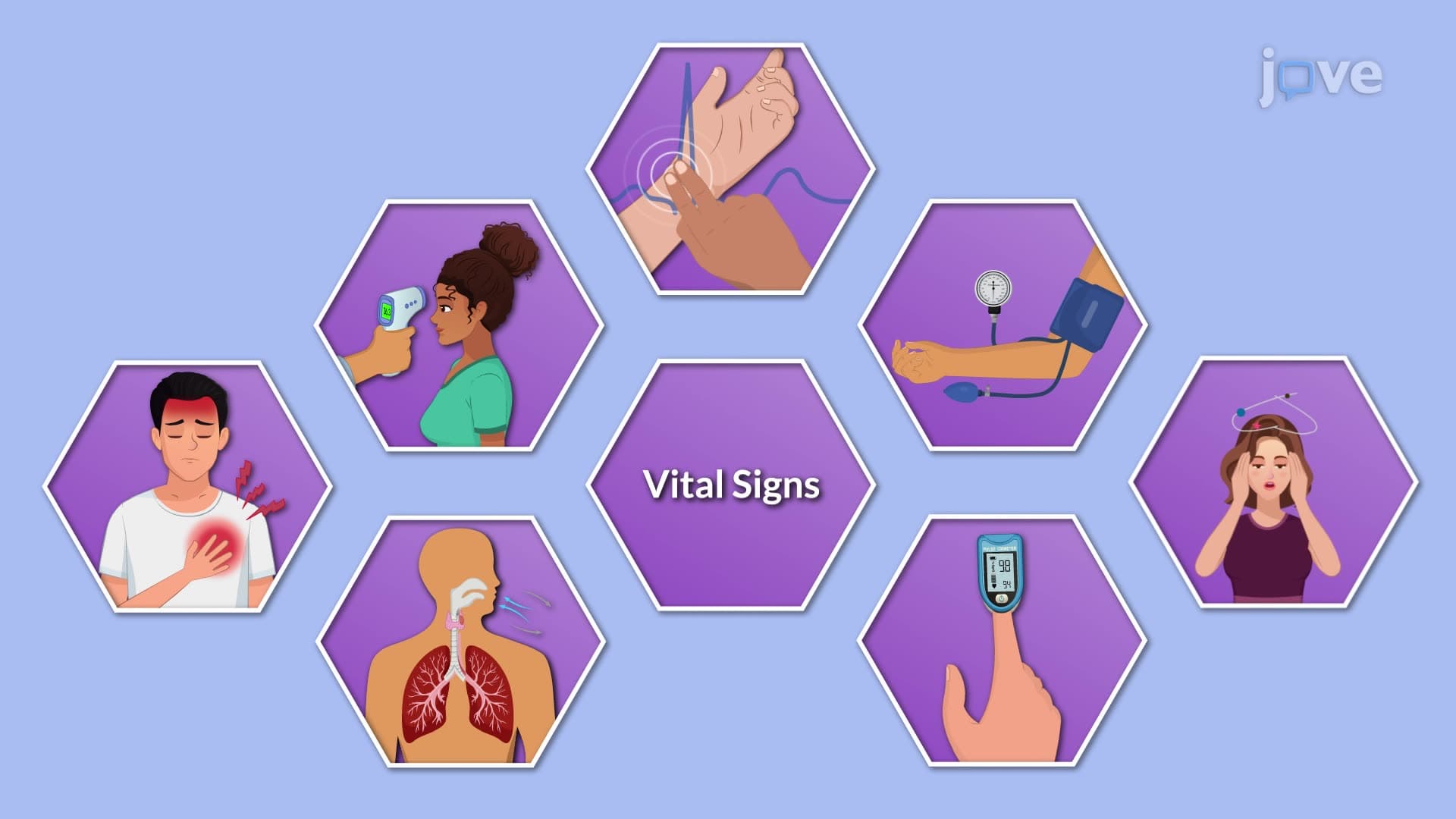
Consider a 72-year-old diabetic patient in California receiving wound care at home: nurses must document vital signs, wound measurements, medication administration, and patient education using OASIS protocols. This information flows directly into Medicare's reimbursement algorithms and quality reporting systems.
The Omaha System provides an additional framework for community health nursing documentation, offering standardized terminology for problems, interventions, and outcomes. Originally developed at the Visiting Nurse Association of Omaha, this research-based system now supports evidence-based practice across diverse home health settings.
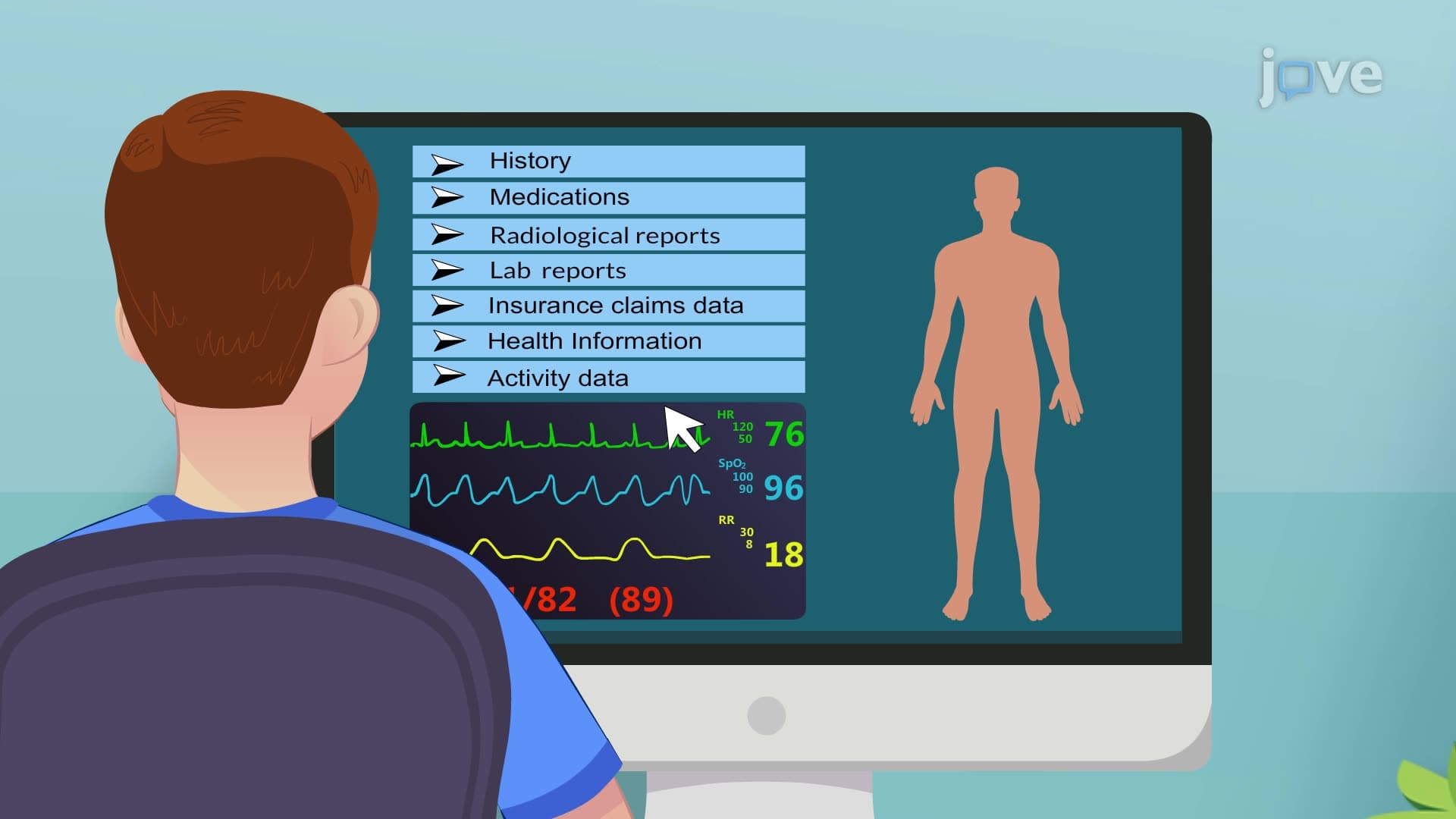
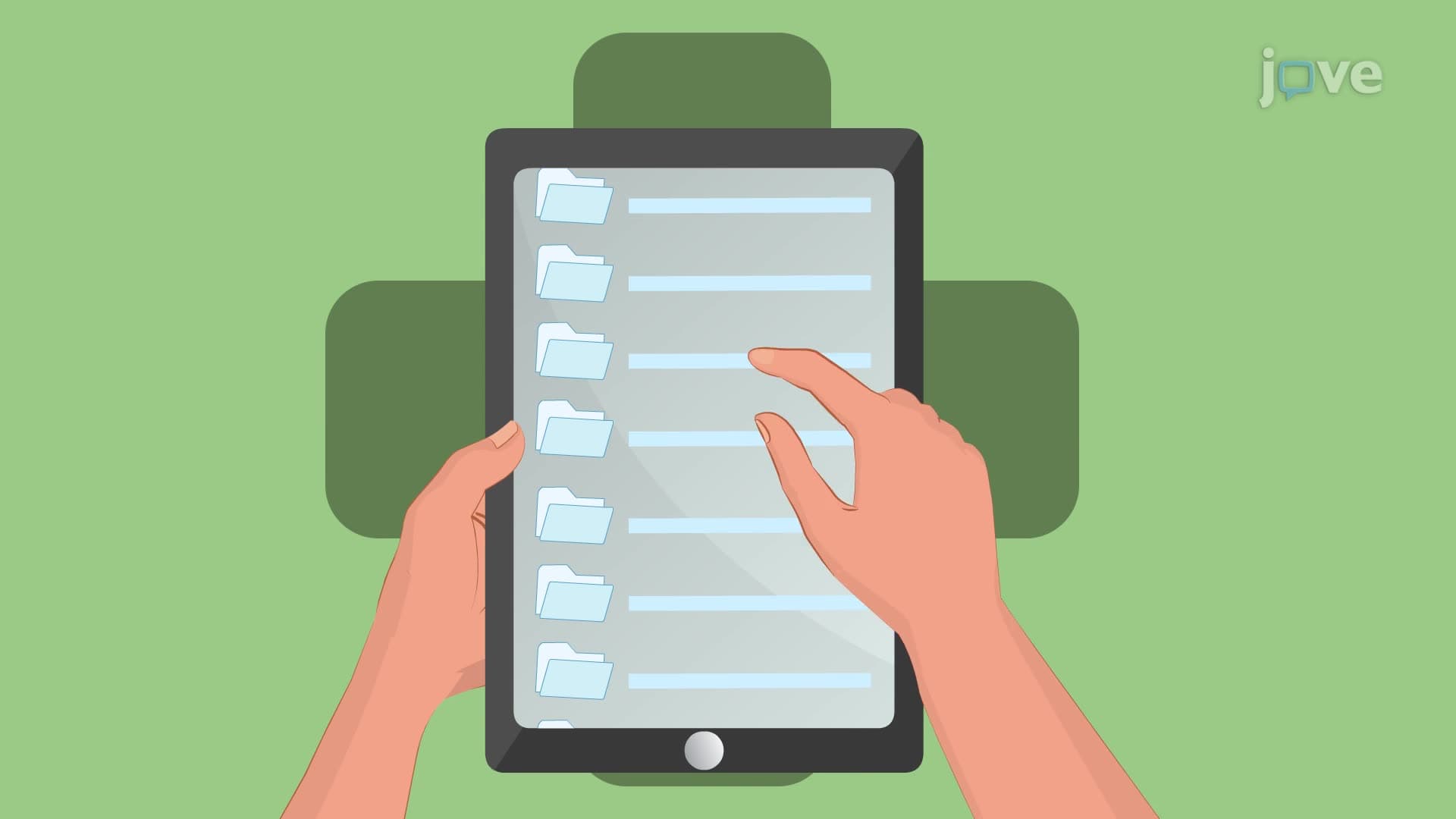
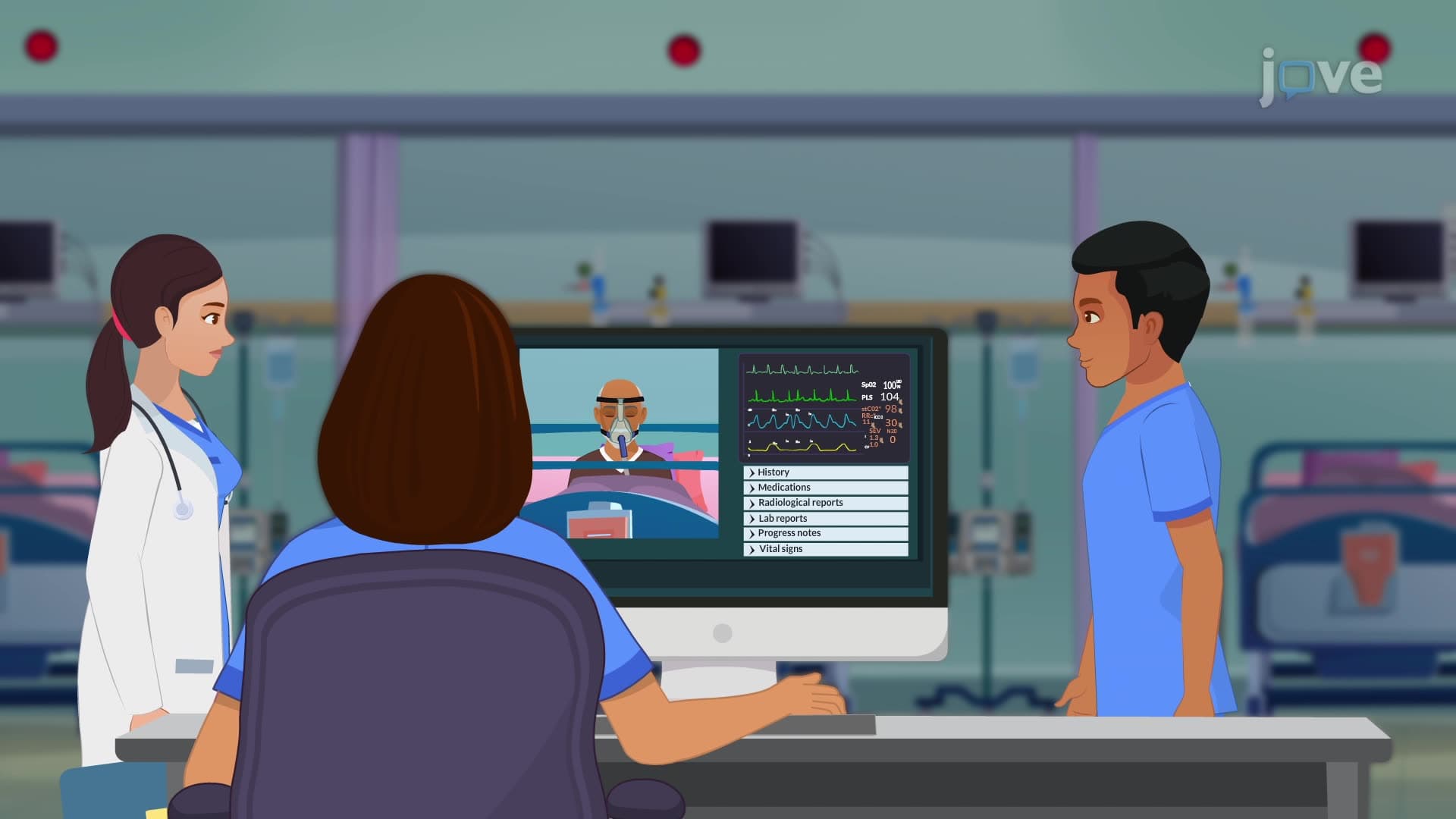
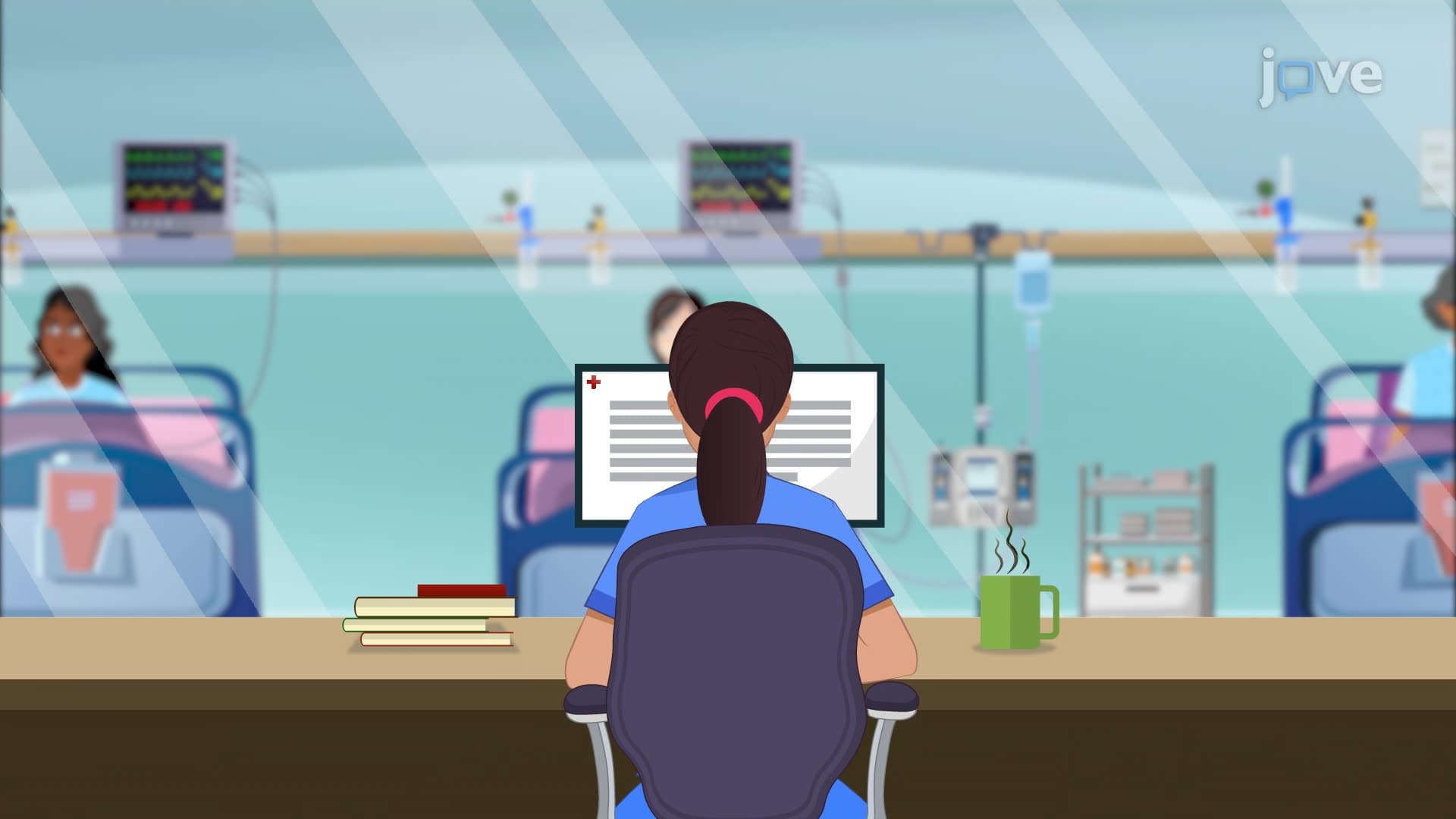
Modern documentation systems leverage electronic health records (EHRs) to enable real-time access and interprofessional collaboration. Home health nurses carry tablets loaded with documentation software, allowing immediate updates from patients' bedrooms to central care coordination teams. This technology integration appears frequently on healthcare administration exams and MCAT sections covering healthcare delivery systems.
For students preparing for AP Psychology or college-level health sciences courses, understanding these documentation systems reveals how healthcare quality measurement connects to patient outcomes and population health trends across different care settings.
Related Micro-courses