Loading video…


 25 Concepts
 33.8K views

Video Summary: What Is Nursing Clinical Information System
Did you know that nurses at Cleveland Clinic document patient care over 300 times per shift using digital systems? A nursing clinical information system revolutionizes how healthcare professionals manage patient data by integrating nursing informatics principles with streamlined documentation processes. These sophisticated systems feature two primary designs-nursing process and critical pathway-that transform routine care activities into organized, evidence-based protocols. Watch the full video on JoVE Coach to master this concept with expert-led visuals and step-by-step explanations.
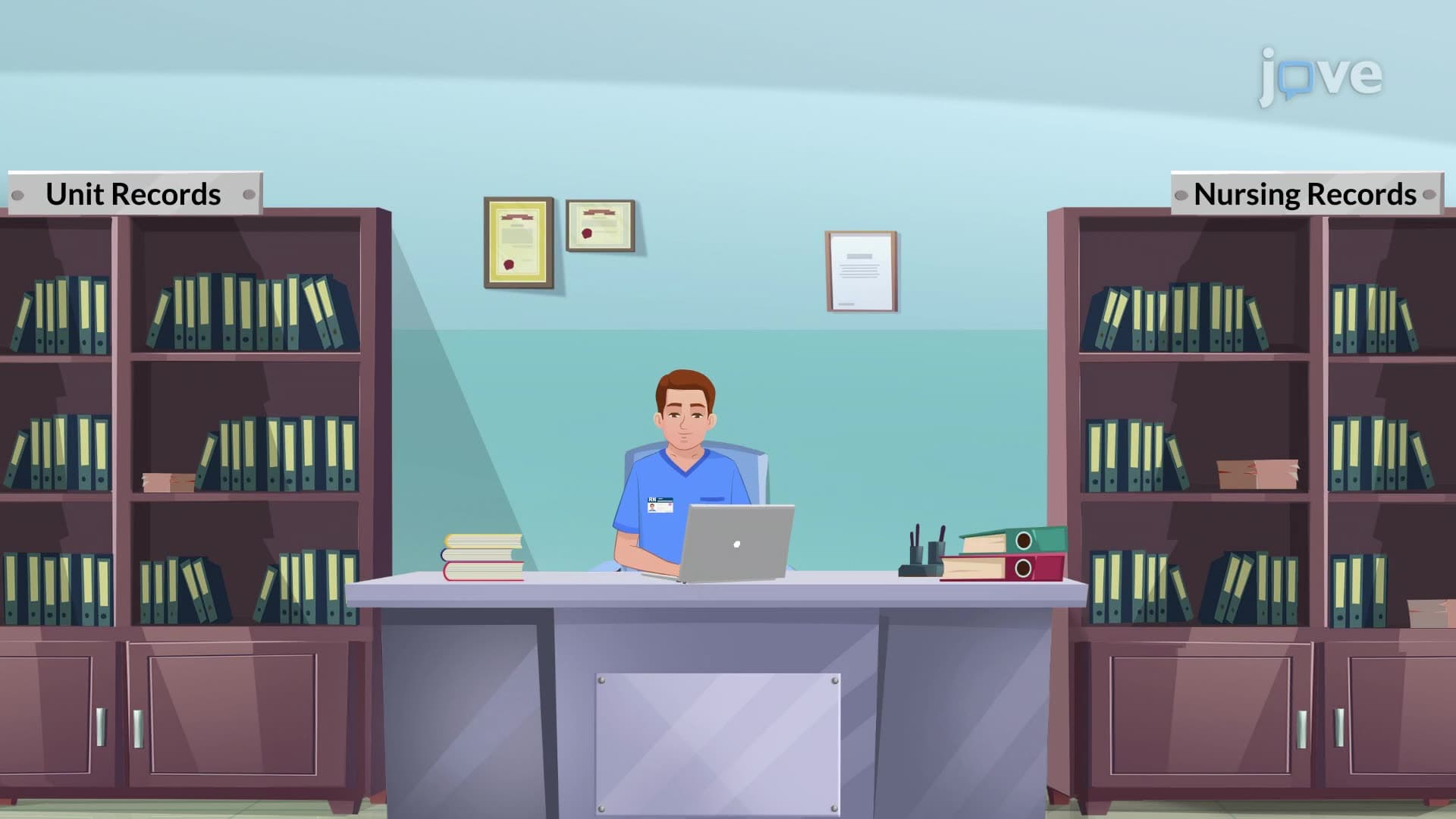
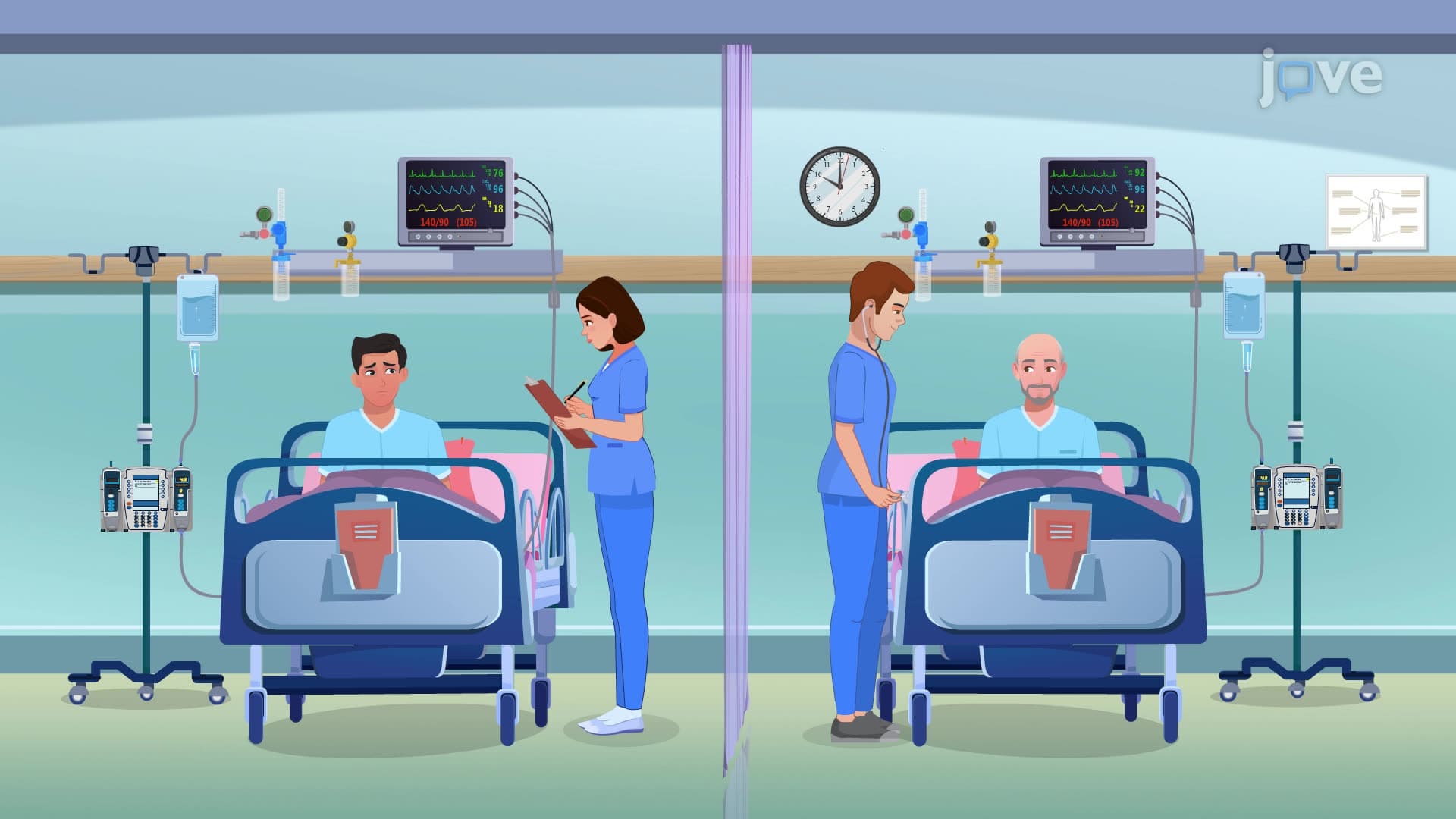
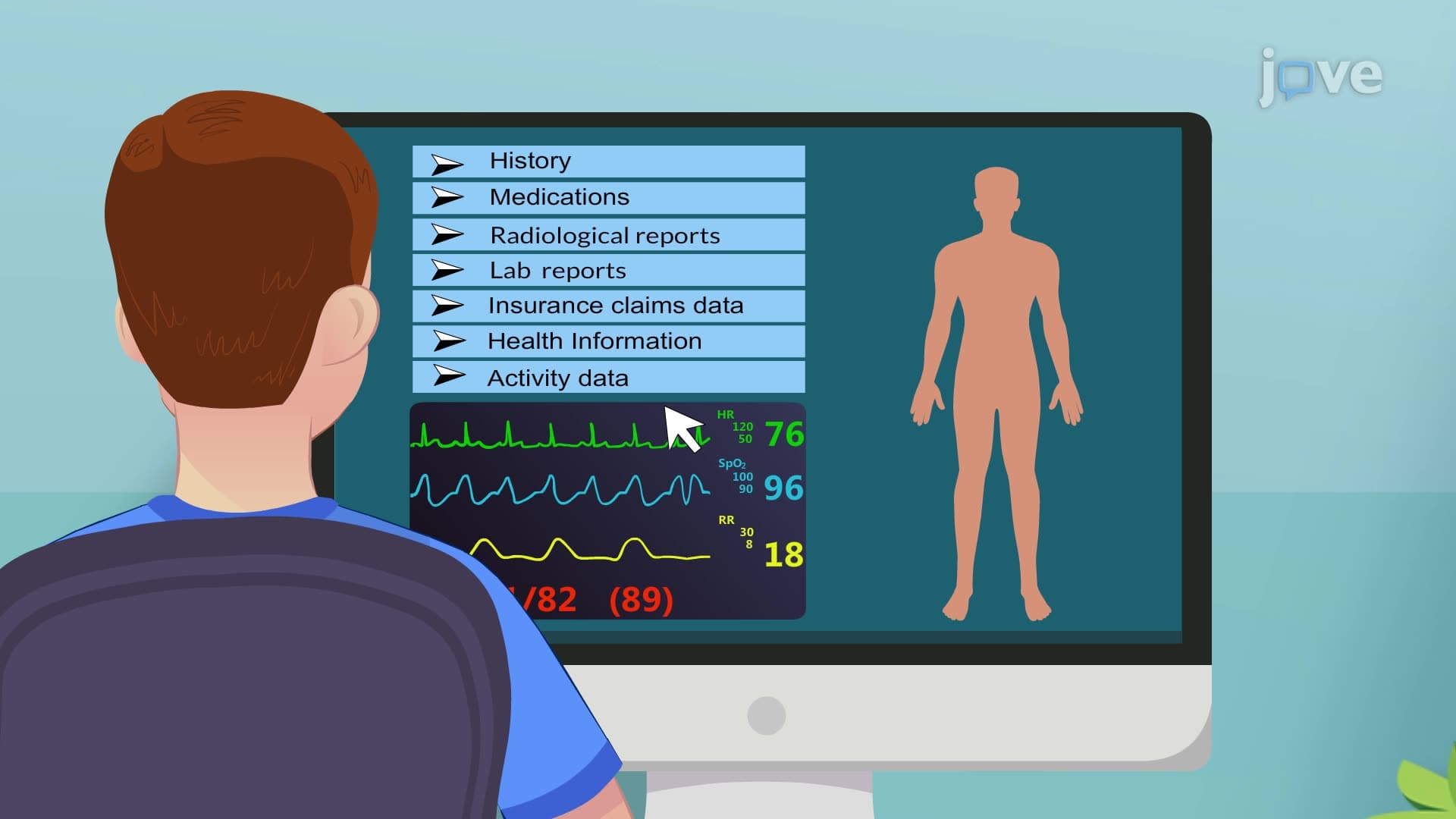
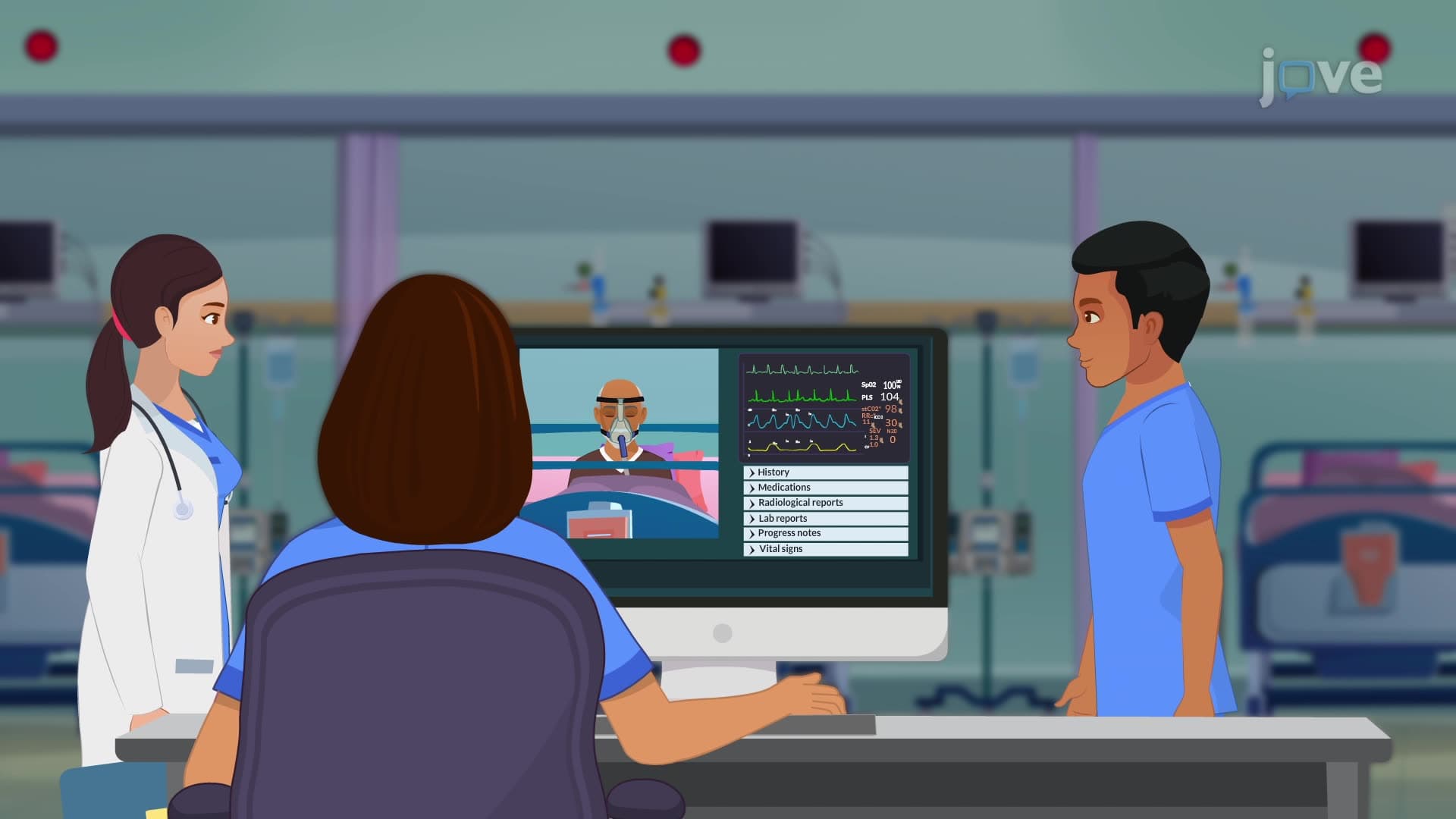
A nursing clinical information system represents a sophisticated technological framework that transforms how healthcare professionals document, access, and manage patient information. Unlike traditional paper-based systems used in hospitals like Massachusetts General Hospital decades ago, modern NCIS platforms integrate seamlessly with electronic health records (EHRs), creating comprehensive digital ecosystems that support evidence-based nursing practice.
These systems serve as the backbone of contemporary healthcare delivery, enabling nurses to make informed decisions quickly while maintaining accurate patient records. For students preparing for nursing entrance exams like the HESI A2 or TEAS, understanding NCIS functionality provides crucial insight into modern healthcare operations and technology integration.
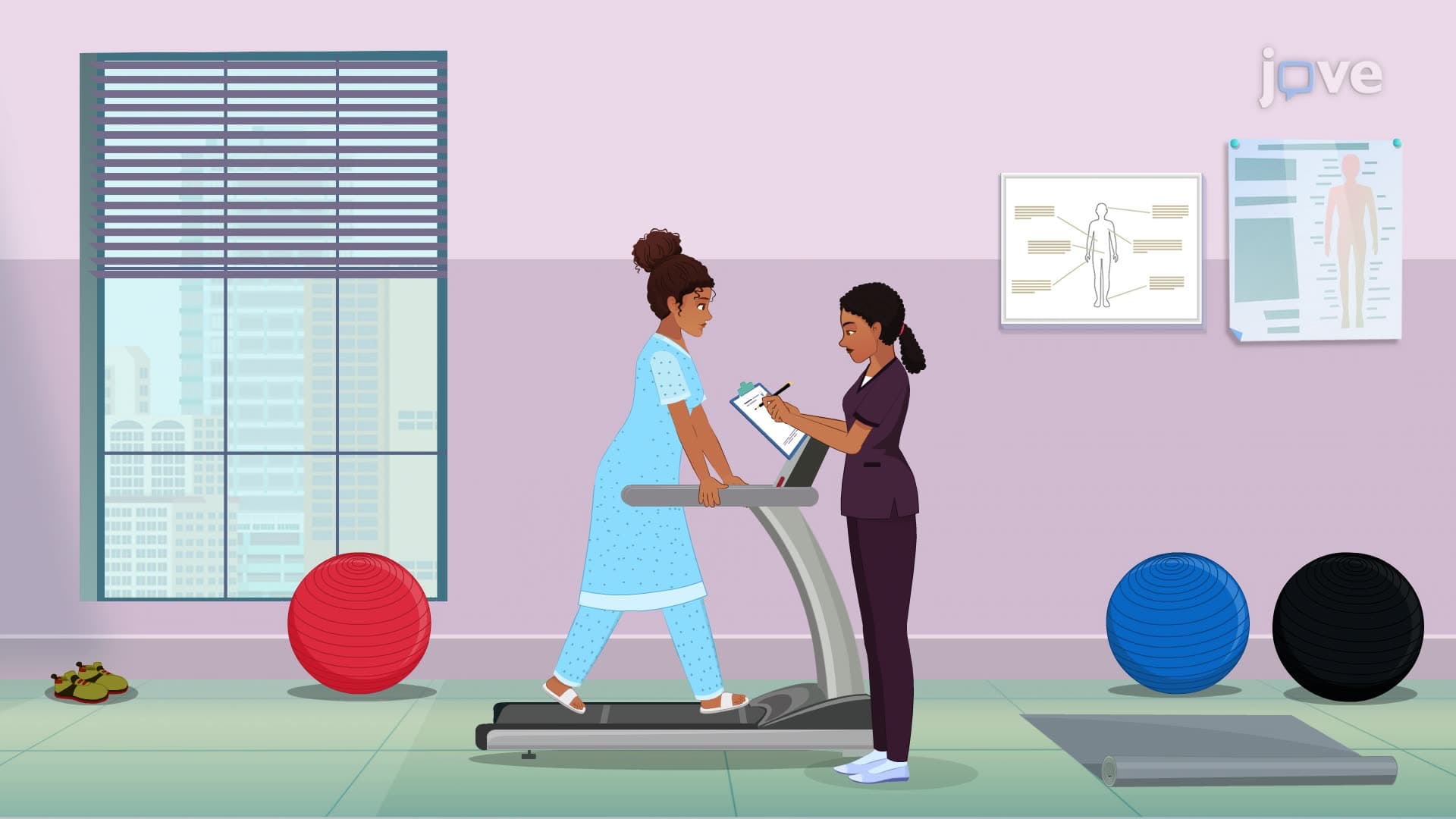
The nursing process design forms the foundational structure of most clinical information systems, following the traditional nursing methodology of assessment, diagnosis, planning, implementation, and evaluation. This systematic approach ensures that every patient interaction follows standardized protocols while allowing for individualized care customization.
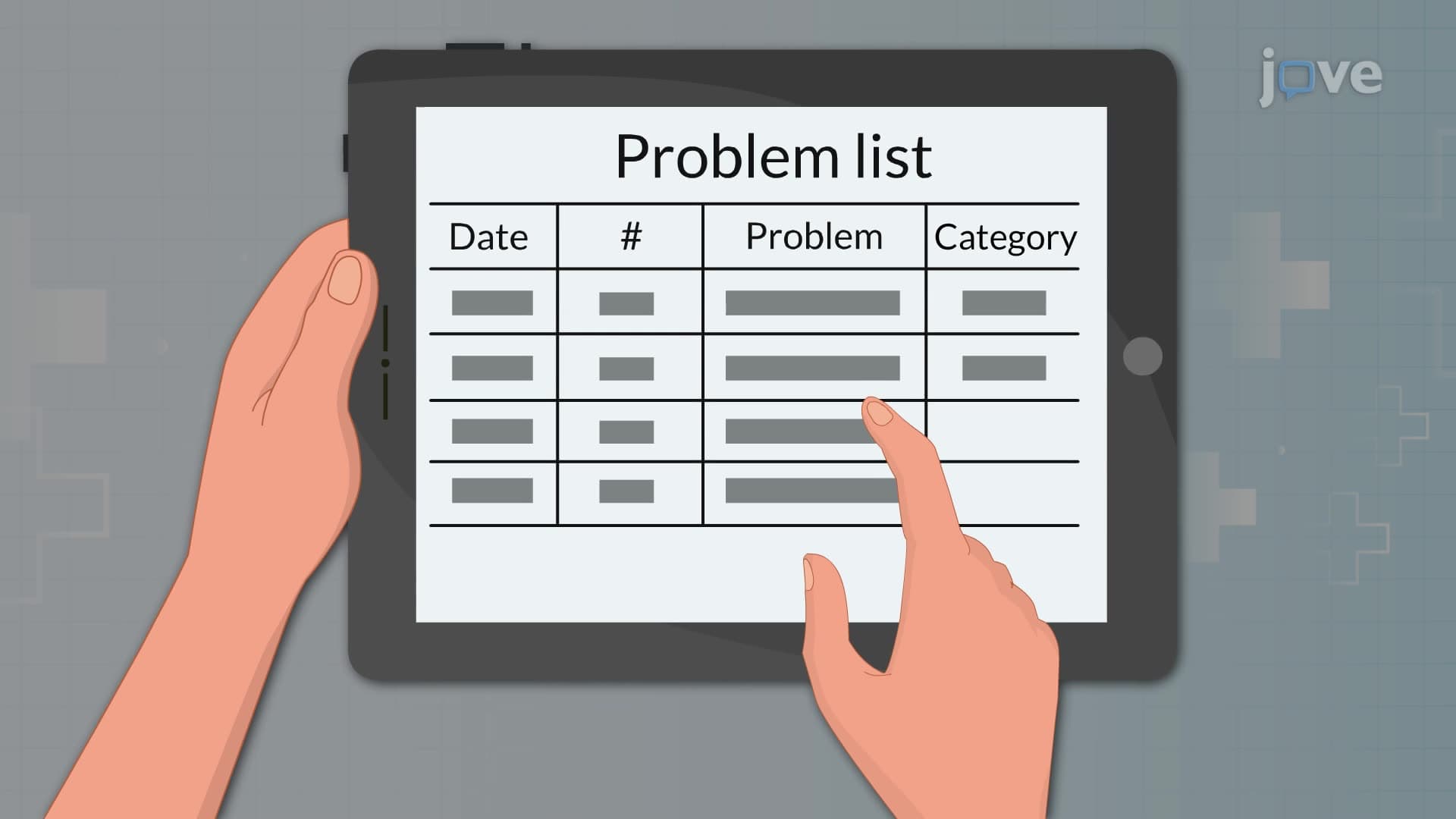
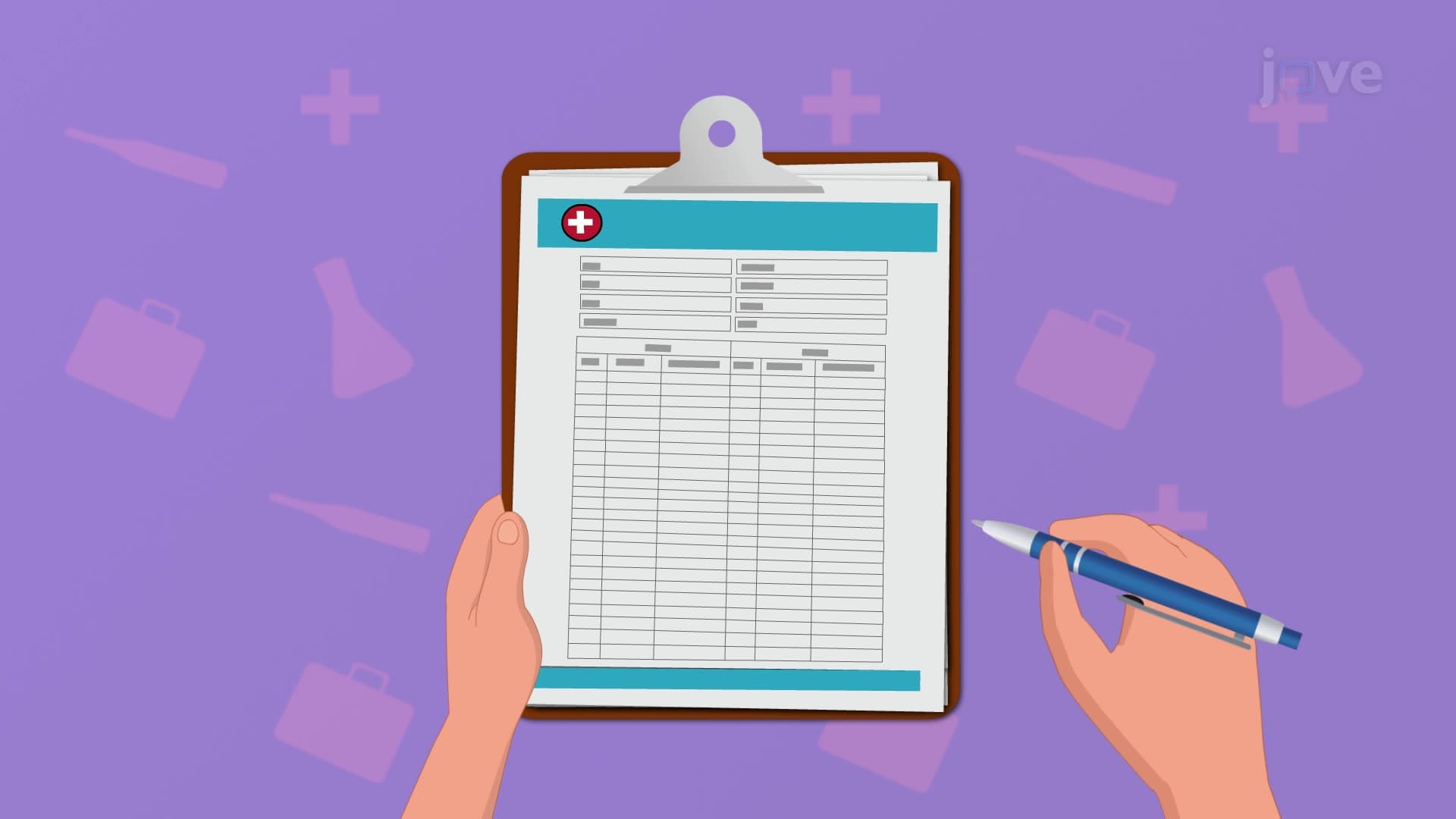
In practice, nurses at facilities like Johns Hopkins Hospital utilize this design to create comprehensive task lists that guide daily patient care activities. The system automatically prompts documentation requirements for medication administration, vital signs monitoring, and patient education, reducing the likelihood of missed interventions. This structured approach proves particularly valuable for nursing students learning clinical documentation standards required for NCLEX-RN examination success.
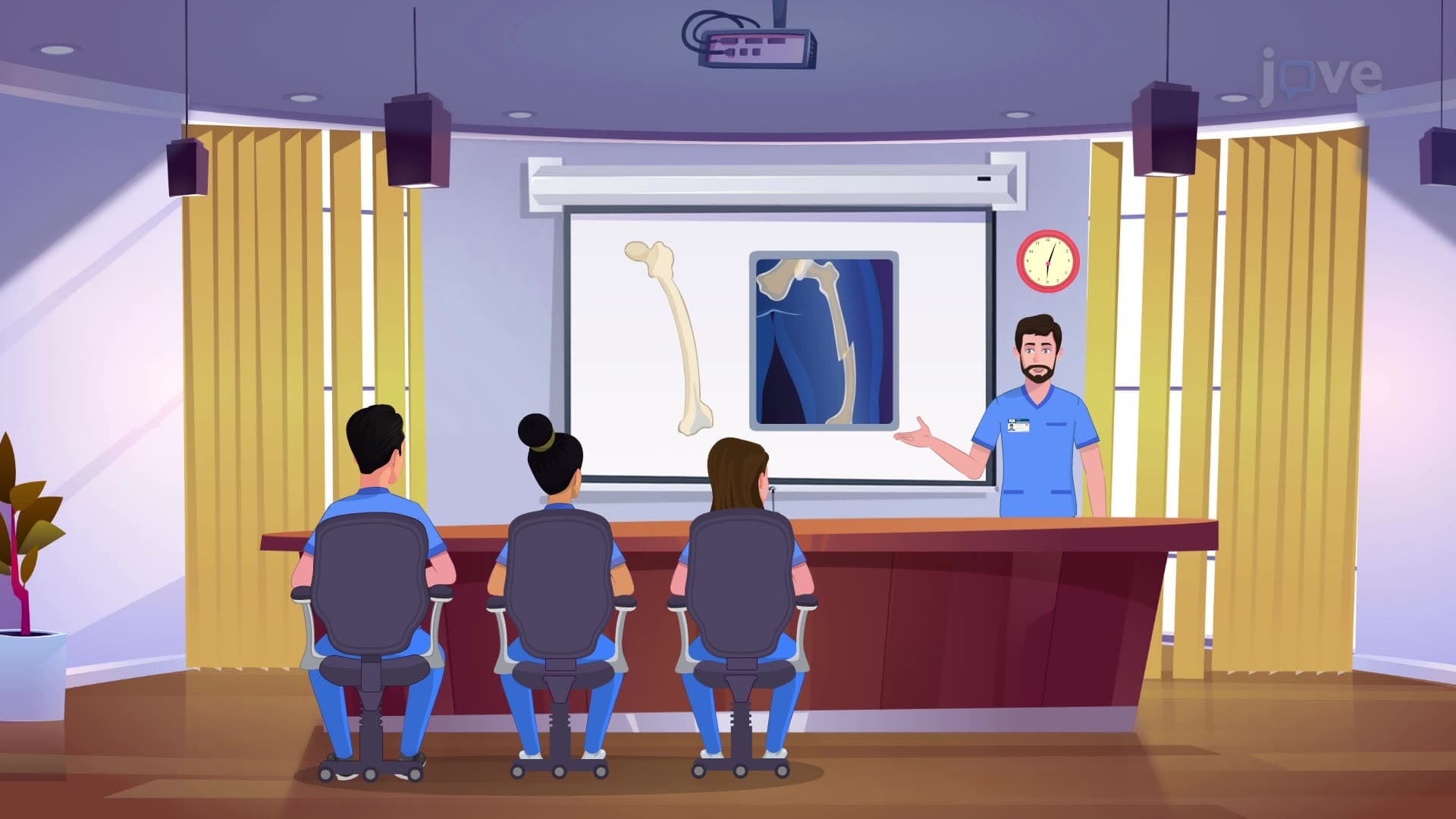
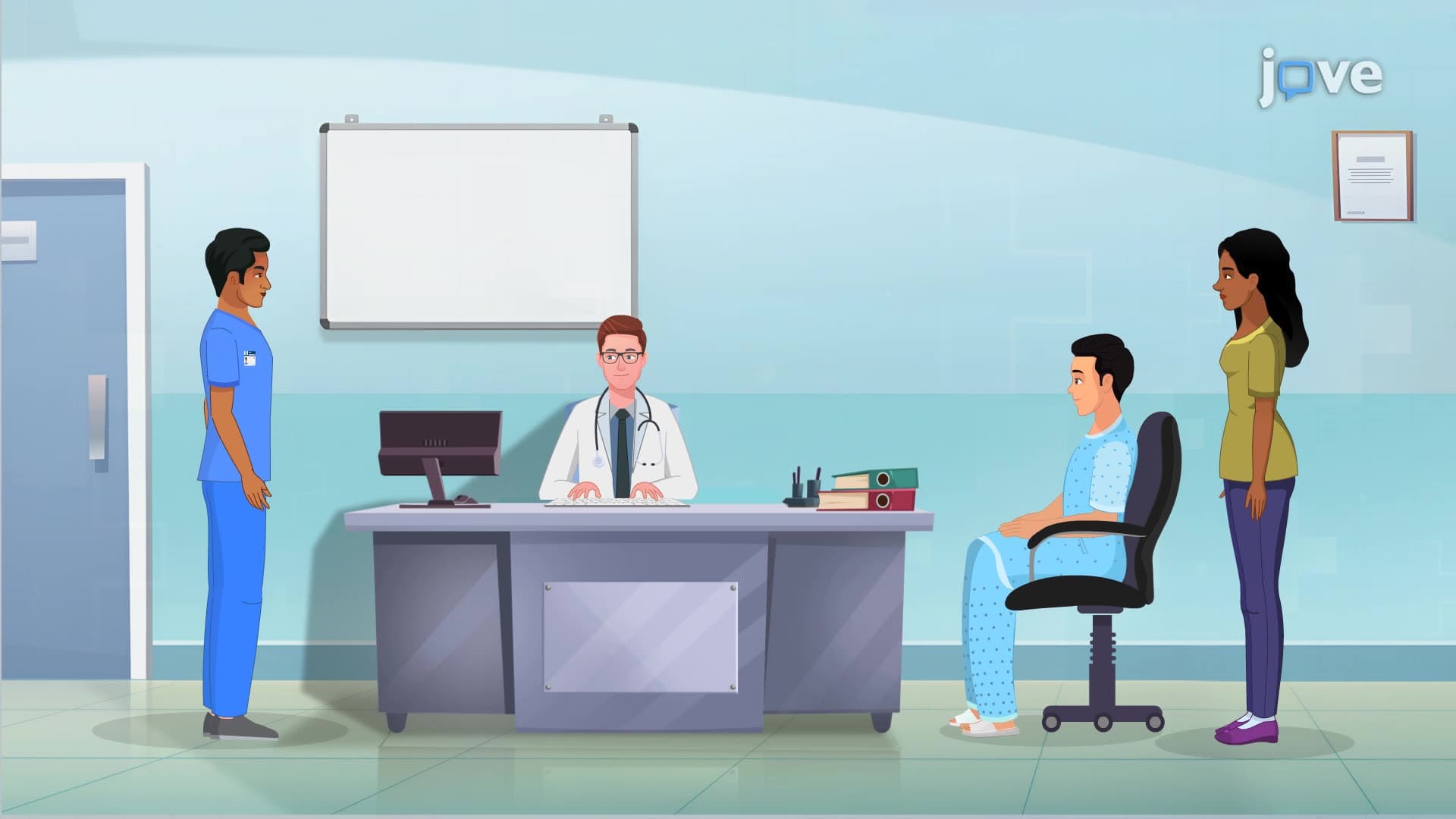
Critical pathway design represents an advanced approach that facilitates interprofessional collaboration by standardizing care protocols across healthcare teams. This evidence-based framework ensures that physicians, nurses, therapists, and other healthcare providers follow consistent treatment pathways for specific medical conditions or procedures.
Mayo Clinic exemplifies successful critical pathway implementation, where standardized protocols for conditions like pneumonia or hip replacement surgery guide care decisions from admission through discharge. The system's master pathway feature integrates multiple protocols, automatically adjusting care plans based on patient-specific factors and clinical indicators.
Modern nursing clinical information systems deliver measurable improvements in patient outcomes and operational efficiency. Studies from healthcare systems like Kaiser Permanente demonstrate reduced medication errors, decreased documentation time, and improved care coordination when NCIS platforms are properly implemented.
For students planning healthcare careers, understanding these systems provides competitive advantages in clinical rotations and job interviews. Knowledge of NCIS functionality also proves valuable for those pursuing health informatics specializations or preparing for graduate programs in nursing administration.
Related Micro-courses