Loading video…


 25 Concepts
 33.8K views

Video Summary: Methods of Documentation Vi Case Guide
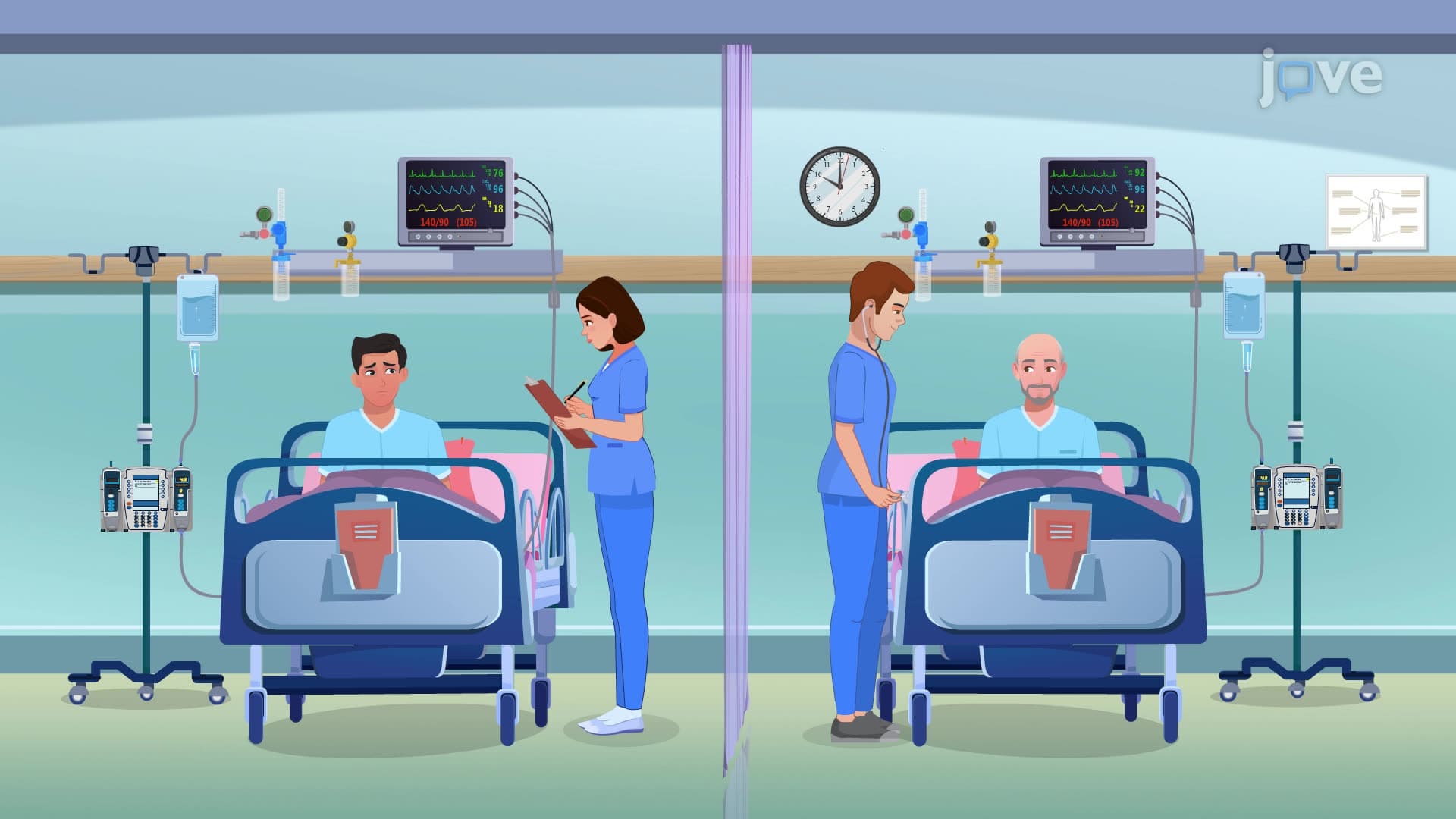
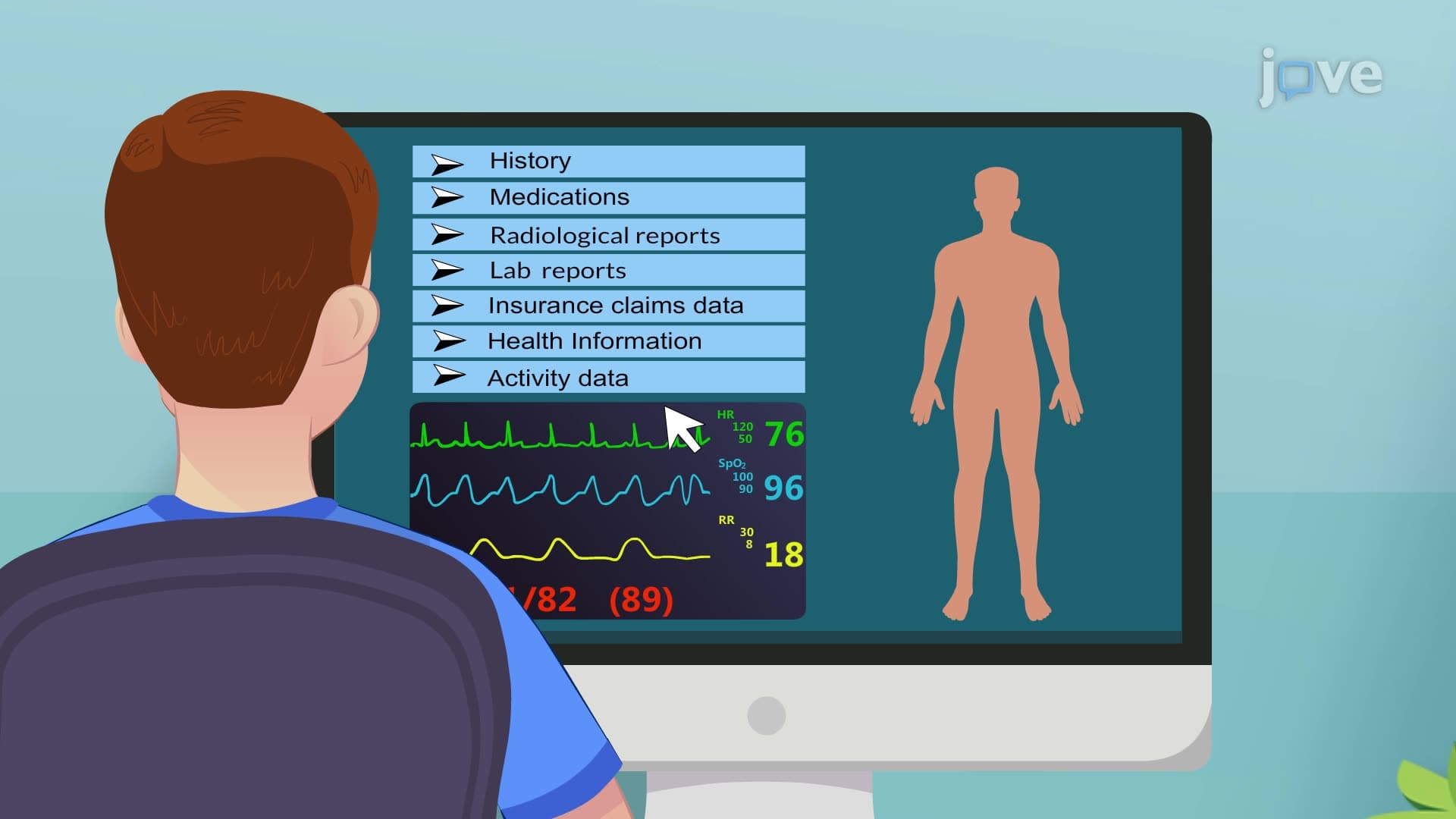
When a patient at Cleveland Clinic doesn't respond to their planned treatment pathway as expected, how do healthcare teams document and adjust their approach? The methods documentation vi case model provides a systematic framework for managing these critical situations through multidisciplinary care coordination. This comprehensive approach uses critical pathways and variance charting to ensure all team members track patient progress consistently. The Methods of Documentation VI Case Guide demonstrates how healthcare professionals document unexpected events, analyze their causes, and implement responsive interventions to maintain quality patient care. Watch the full video on JoVE Coach to master this concept with expert-led visuals and step-by-step explanations.
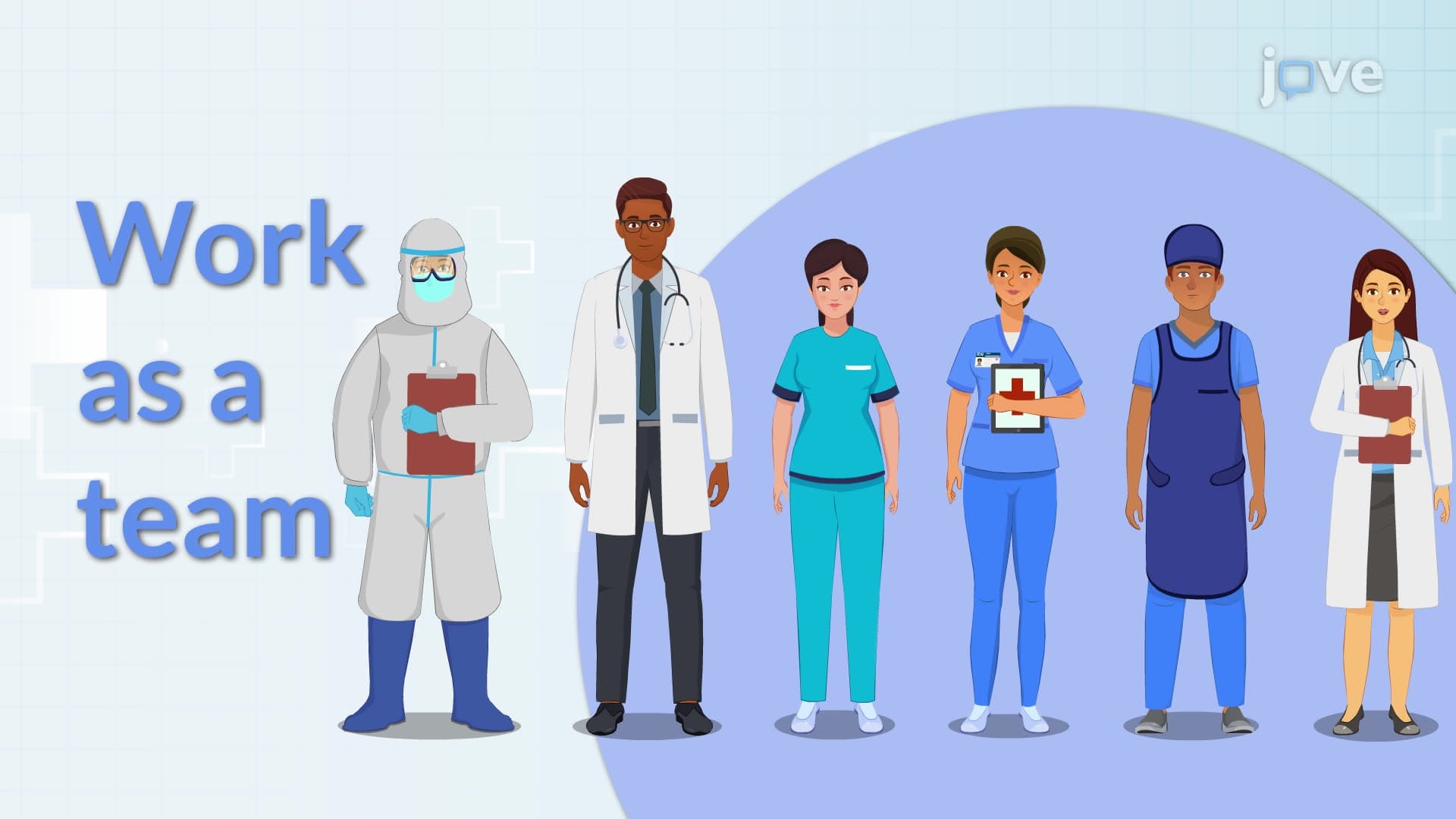
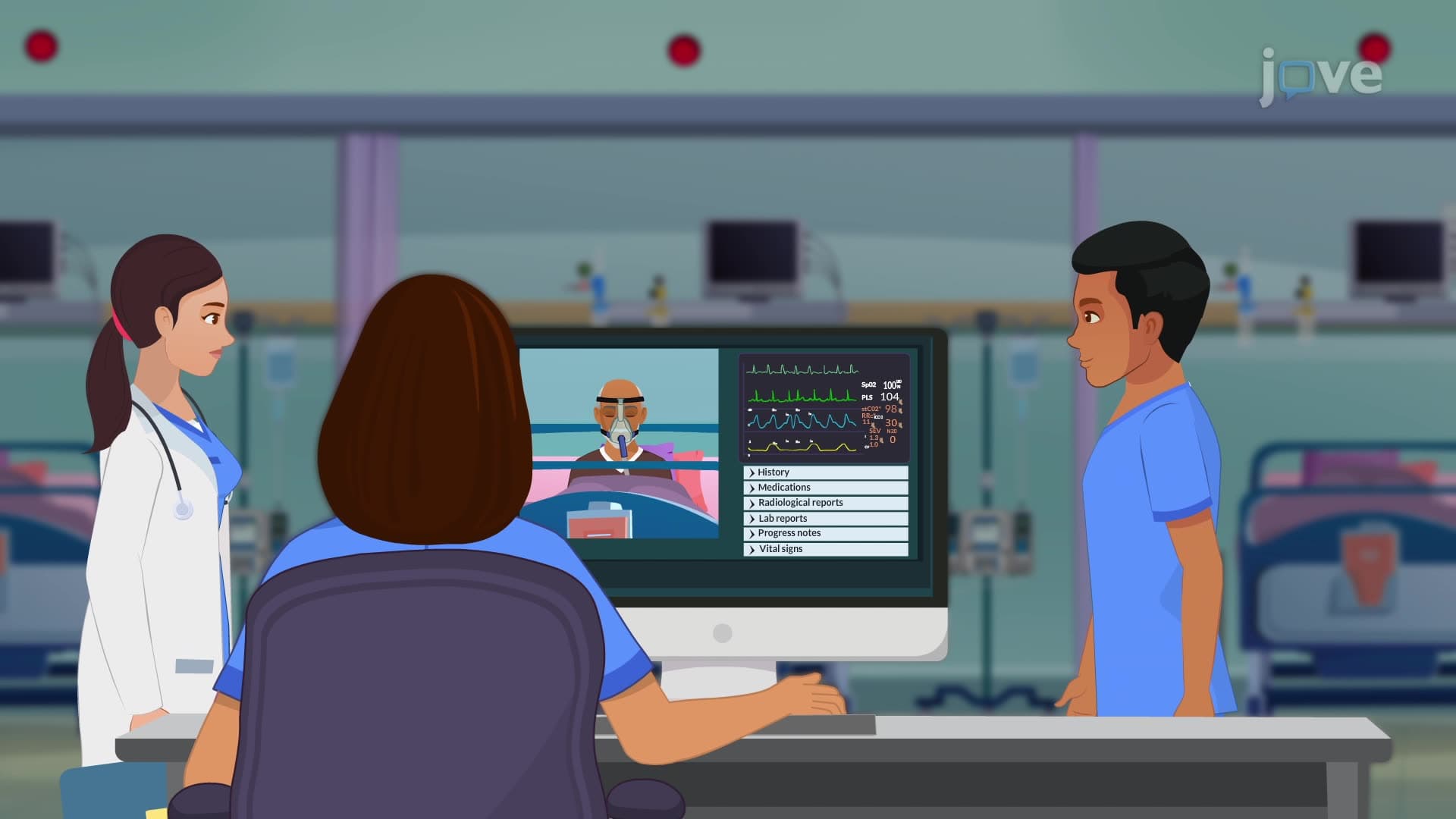
The Methods of Documentation VI Case represents a sophisticated healthcare documentation system that combines case management principles with structured clinical pathways. This model emerged from the need to standardize care delivery across multidisciplinary teams while maintaining detailed records of patient progress and interventions. Unlike traditional documentation methods that often operate in silos, this approach ensures every team member-from physicians and nurses to physical therapists and social workers-follows identical protocols for patient monitoring and documentation.
Critical pathways serve as the cornerstone of this documentation method, functioning as comprehensive roadmaps that outline expected patient trajectories. These pathways incorporate evidence-based practices specific to diagnoses, establishing clear timelines for interventions and anticipated outcomes. For example, a critical pathway for post-surgical cardiac patients at Mayo Clinic might specify day-by-day milestones: day one focuses on pain management and initial mobility, day two emphasizes respiratory exercises and dietary progression, and day three targets discharge planning and medication education. This systematic approach enables healthcare teams to identify deviations quickly and respond appropriately.
When patients deviate from their expected critical pathway progression, variance charting becomes essential. This documentation method requires healthcare professionals to record not just what happened, but why it occurred, how the team responded, and what adjustments were made to the care plan. Consider a scenario at Johns Hopkins Hospital where a pneumonia patient develops unexpected complications: the variance chart would document the specific complication, identify contributing factors (perhaps medication allergies or comorbidities), detail the immediate interventions taken, and outline modified discharge planning. This comprehensive approach ensures continuity of care and provides valuable data for improving future patient outcomes.
Students preparing for healthcare careers encounter these documentation methods in various academic contexts. NCLEX exam questions frequently test understanding of critical pathways and variance documentation, while MCAT passages may explore case management effectiveness in healthcare delivery systems. College nursing programs emphasize these concepts in clinical rotations, where students learn to navigate electronic health records and contribute to multidisciplinary care planning. Understanding these methods proves invaluable for students pursuing careers in nursing, healthcare administration, or clinical research, as these documentation systems form the backbone of modern healthcare quality assurance and patient safety initiatives.
Related Micro-courses