Loading video…


 25 Concepts
 33.8K views

Video Summary: Guidelines and Strategies for Safe Explained
Every year, data breaches at US hospitals like those affecting Anthem and Kaiser Permanente expose millions of patient records due to unsafe digital practices. Guidelines strategies safe protocols form the foundation of secure healthcare documentation, protecting both patients and healthcare providers from devastating legal and privacy violations. The Guidelines And Strategies For Safe Explained framework encompasses password security, error correction procedures, and encrypted communication standards that every nursing professional must master. Watch the full video on JoVE Coach to master this concept with expert-led visuals and step-by-step explanations.
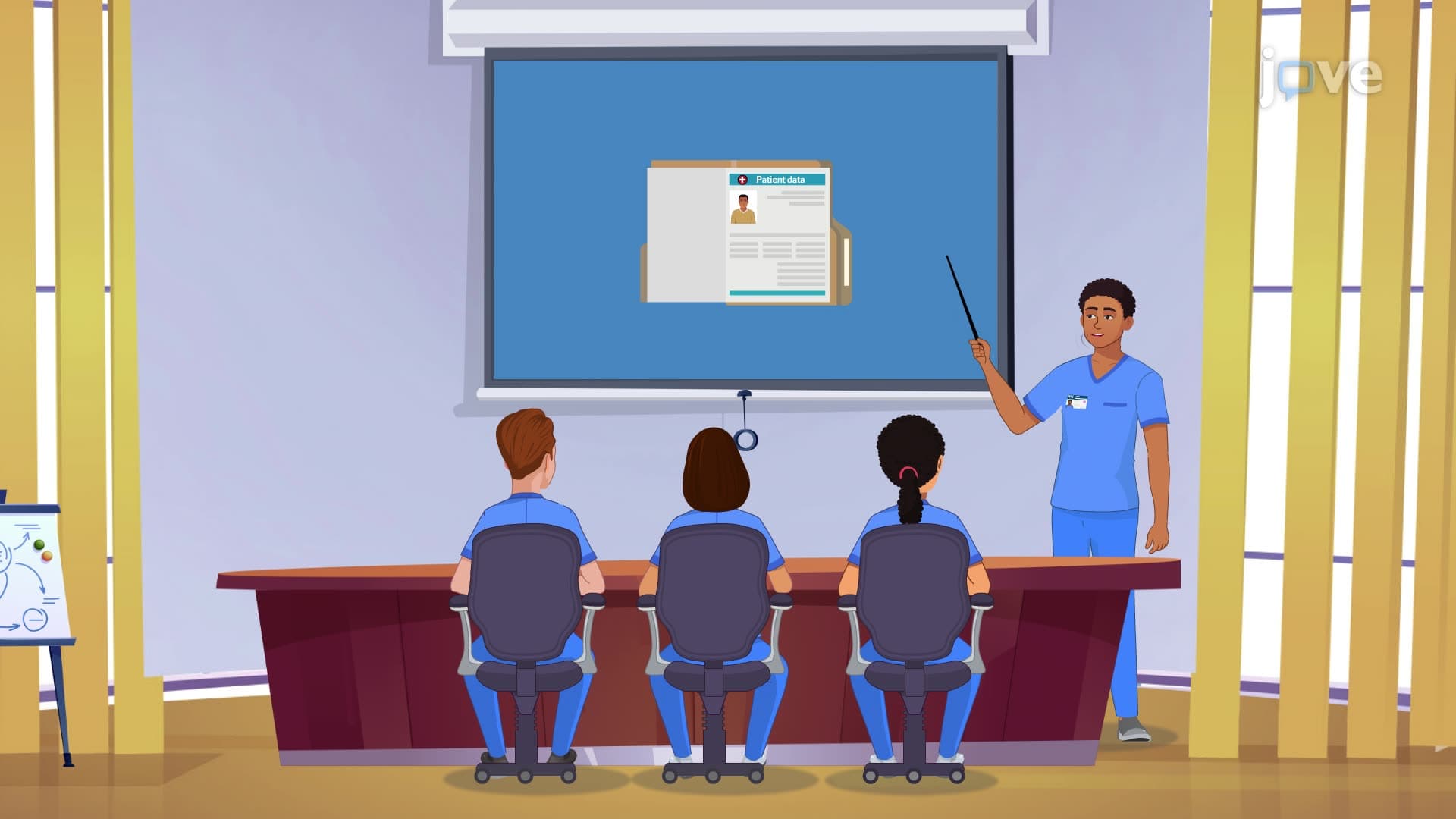
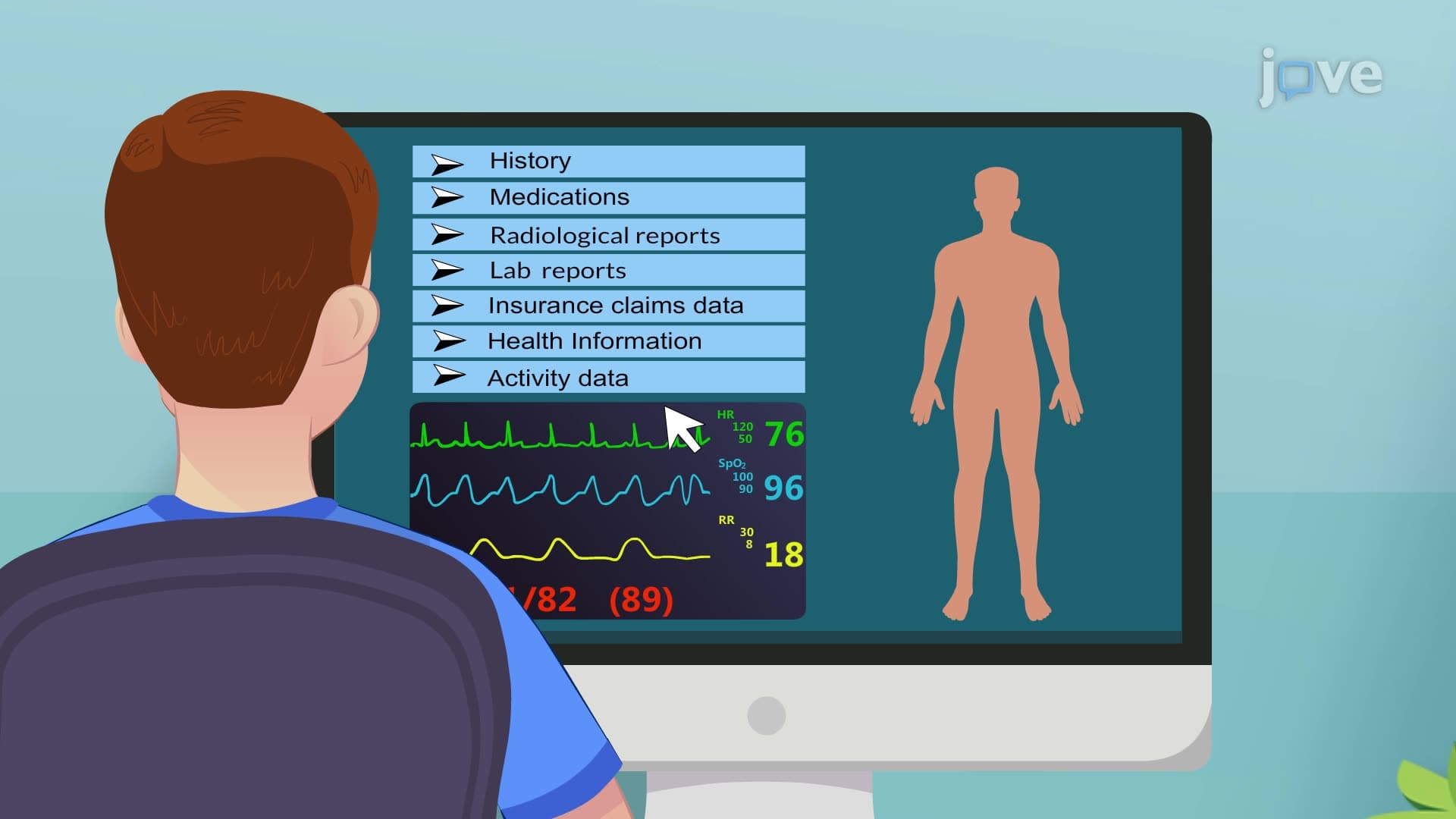
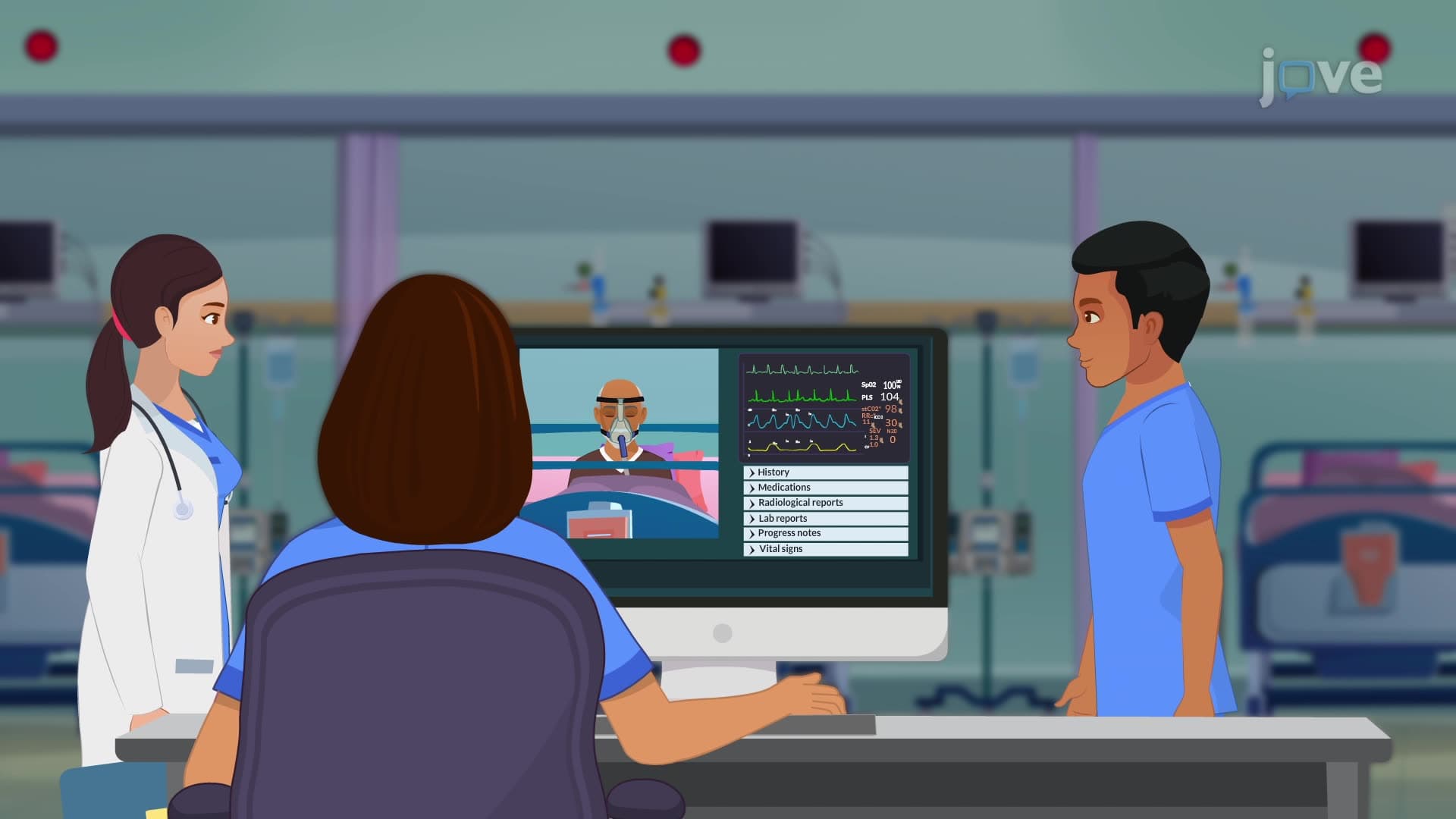
Safe computer charting represents the intersection of healthcare delivery and cybersecurity, where patient lives depend on both accurate documentation and robust data protection. In today's interconnected healthcare environment, a single security breach can compromise thousands of patient records, leading to identity theft, insurance fraud, and severe legal consequences for healthcare institutions.
The foundation of safe charting begins with individual accountability. Healthcare professionals must treat their login credentials as sacred trust-never sharing passwords with float nurses, attending physicians, or even supervisors requesting "quick access." This principle mirrors banking security protocols where account holders bear ultimate responsibility for transactions made under their credentials.
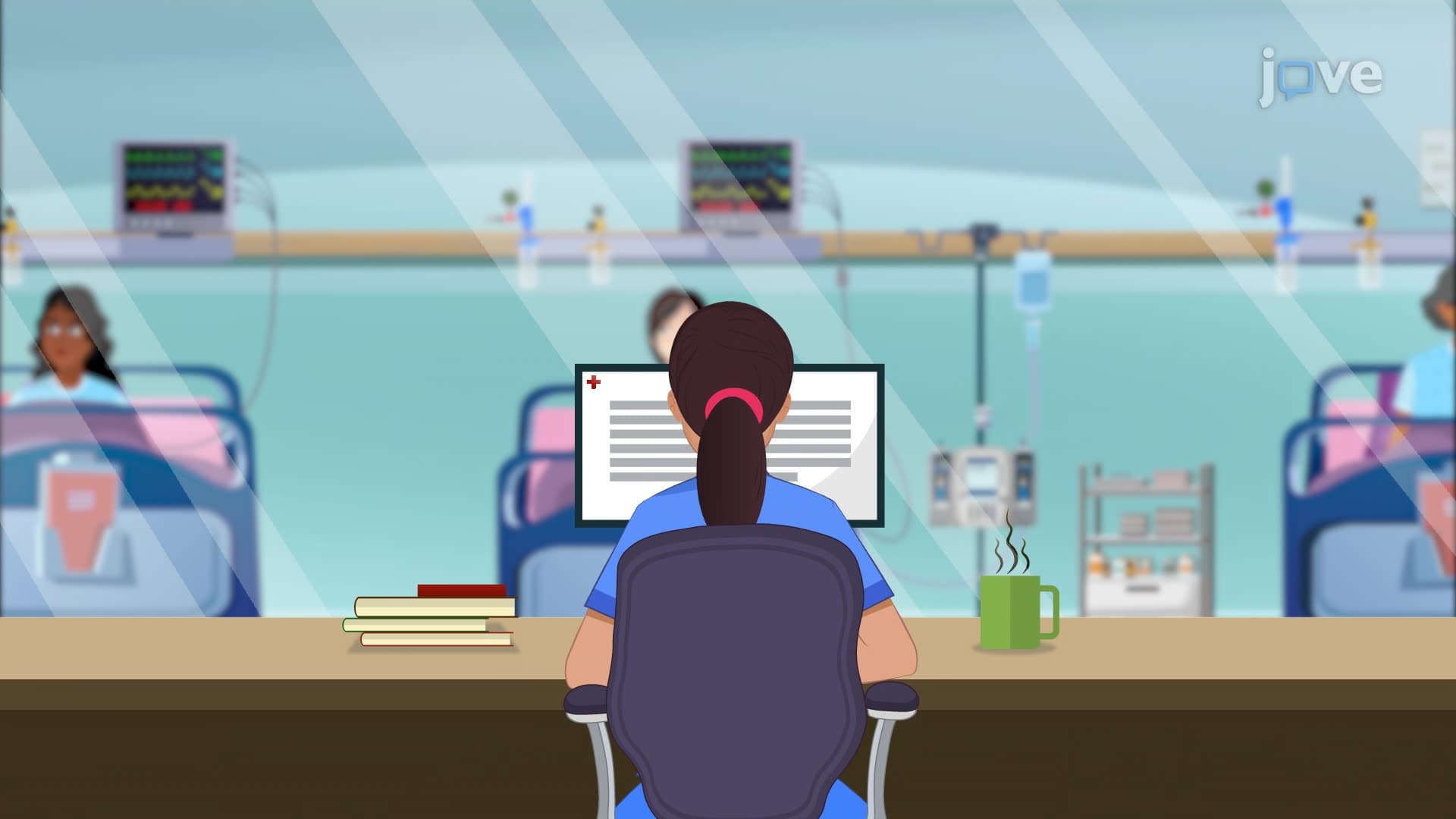
Effective password management extends beyond simple non-disclosure. Healthcare workers must implement multi-layered security practices including regular password updates, complex character combinations, and immediate logout procedures when stepping away from workstations. The "continuous supervision" requirement means maintaining visual contact with the screen during active documentation sessions, similar to how pharmacists monitor controlled substance dispensing.
For students preparing for NCLEX or HESI A2 exams, understanding these protocols proves essential as questions frequently test knowledge of proper documentation procedures and patient privacy protection. The legal ramifications of security violations can include criminal charges, professional license suspension, and civil liability-making this knowledge crucial for career protection.
When documentation errors occur, proper correction procedures follow strict legal standards. The "mistaken entry-wrong chart" protocol requires specific labeling, followed by accurate information, date, and signature. This process creates an audit trail protecting both patient safety and legal liability. Unlike simple word processing, healthcare documentation cannot use deletion or correction features that eliminate error traces.
Record modification authority rests exclusively with authorized personnel following institutional policies. Accidental deletions require comprehensive incident reporting including written explanations, timestamps, initials, and managerial notification. These procedures parallel legal document standards where every change must be traceable and justified.
Modern healthcare communication increasingly relies on encrypted digital channels for PHI transmission. Email encryption requirements follow HIPAA mandates, ensuring that sensitive patient information remains protected during electronic communication. Healthcare institutions typically provide secure messaging platforms rather than relying on standard email services.
Backup systems and duplicate file tracking represent critical safeguards against data loss. These protocols ensure continuity of care even during system failures while maintaining comprehensive audit trails for regulatory compliance and quality assurance purposes.
Related Micro-courses