Loading subject page…


33,807 views

Video Summary: Health Information Technology and Healthcare Explained
Did you know that Epic Systems, used by Mayo Clinic and Johns Hopkins, processes over 315 million patient records daily? Health information technology healthcare systems revolutionize how hospitals manage patient data, from electronic health records to automated pharmacy orders. Understanding health information technology and healthcare explained concepts is crucial as these digital systems now handle everything from lab results at Cleveland Clinic to billing processes at Kaiser Permanente. Watch the full video on JoVE Coach to master this concept with expert-led visuals and step-by-step explanations.
Health information technology and healthcare represents a fundamental shift in how medical professionals deliver patient care and manage healthcare operations. Unlike traditional paper-based systems, modern HIT employs sophisticated digital infrastructure to create seamless workflows that enhance both clinical outcomes and operational efficiency. This integration has become essential for meeting healthcare quality standards and regulatory requirements across US healthcare institutions.
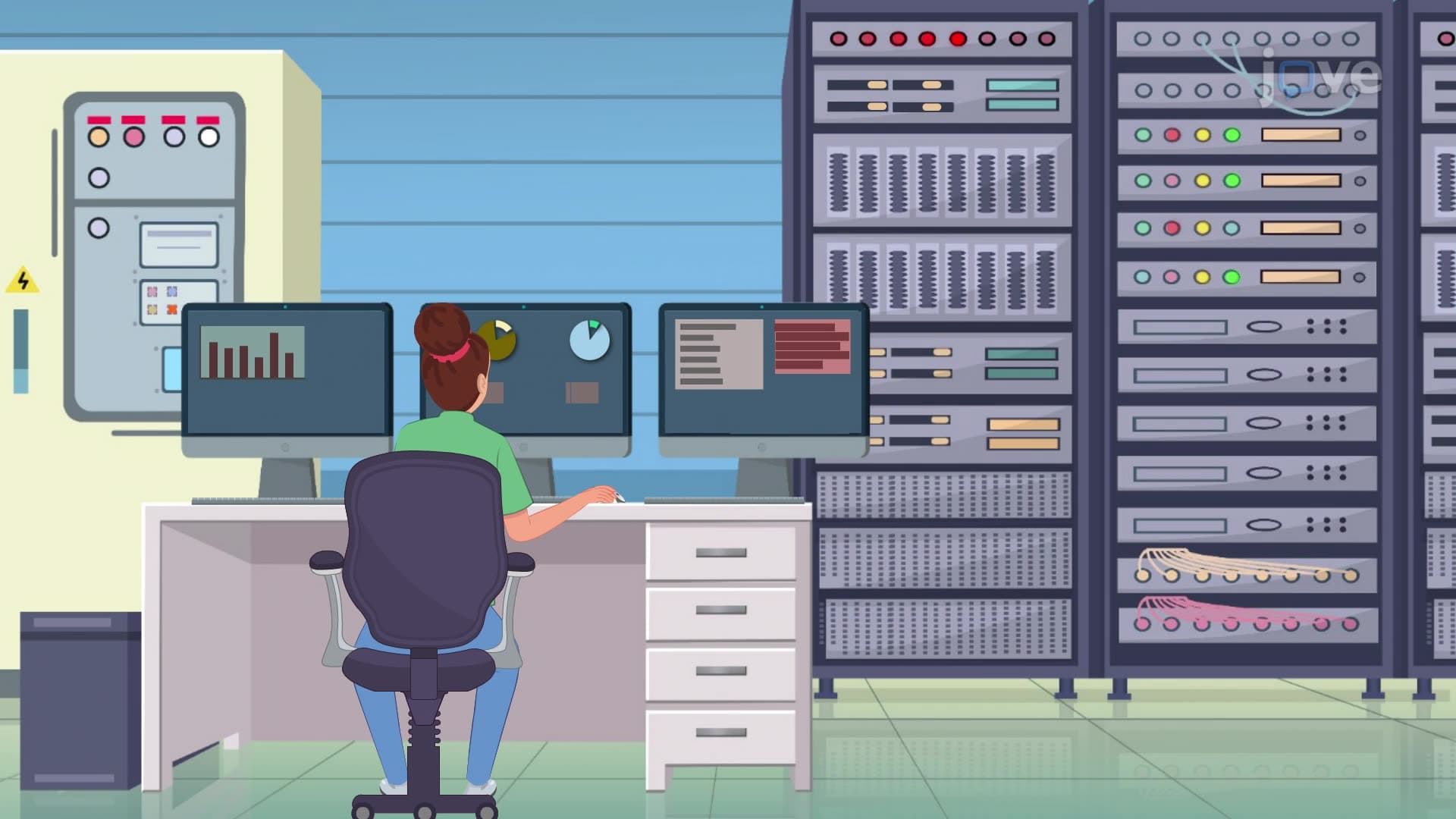
Health Information Technology (HIT) encompasses comprehensive digital solutions designed to document, monitor, and deliver patient care while supporting essential organizational functions. The primary objective focuses on elevating patient care standards through technology-driven processes that prioritize patient safety and care coordination. For students preparing for the MCAT or pursuing pre-health tracks, understanding these systems provides crucial insight into modern healthcare delivery models.
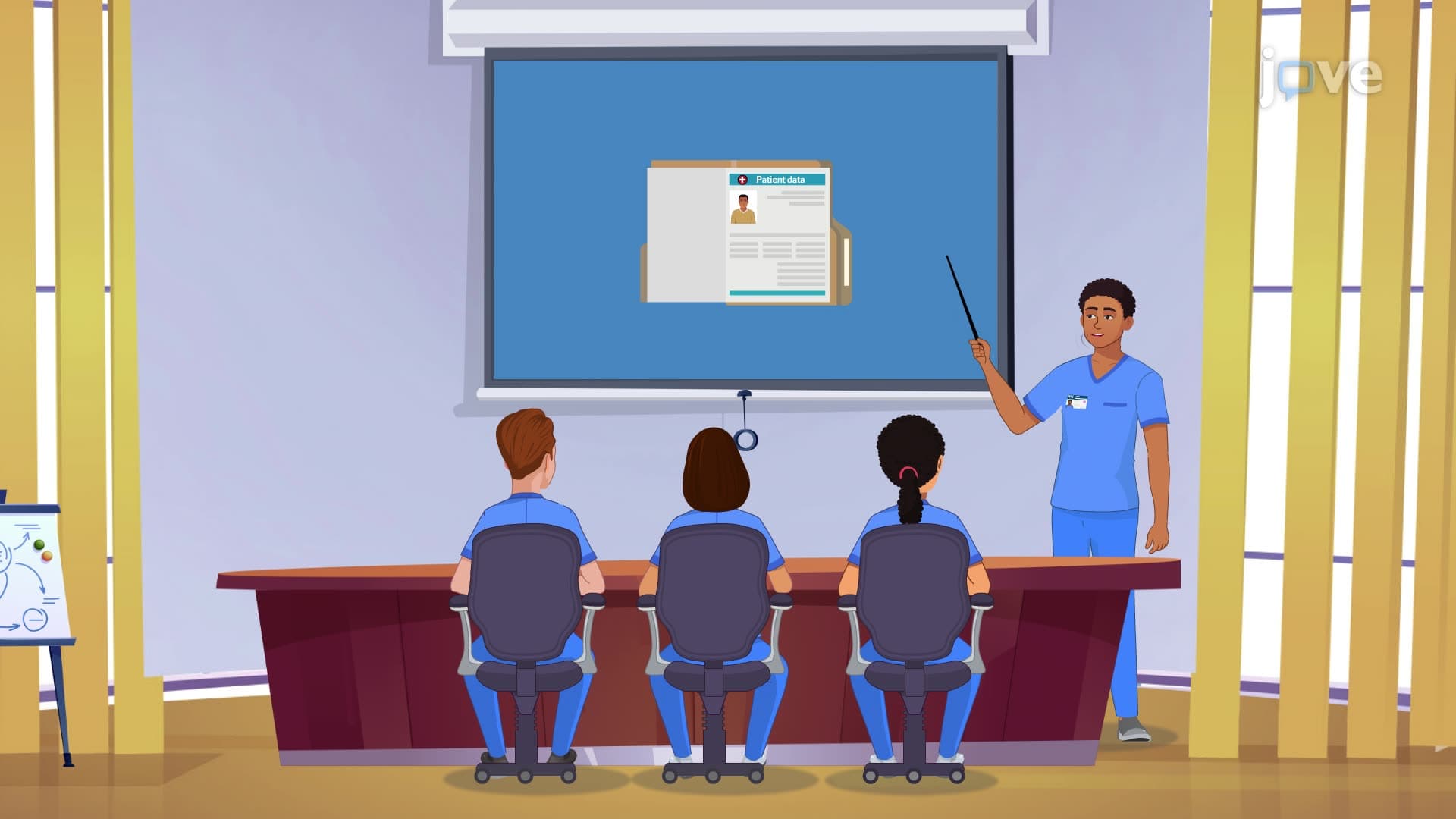
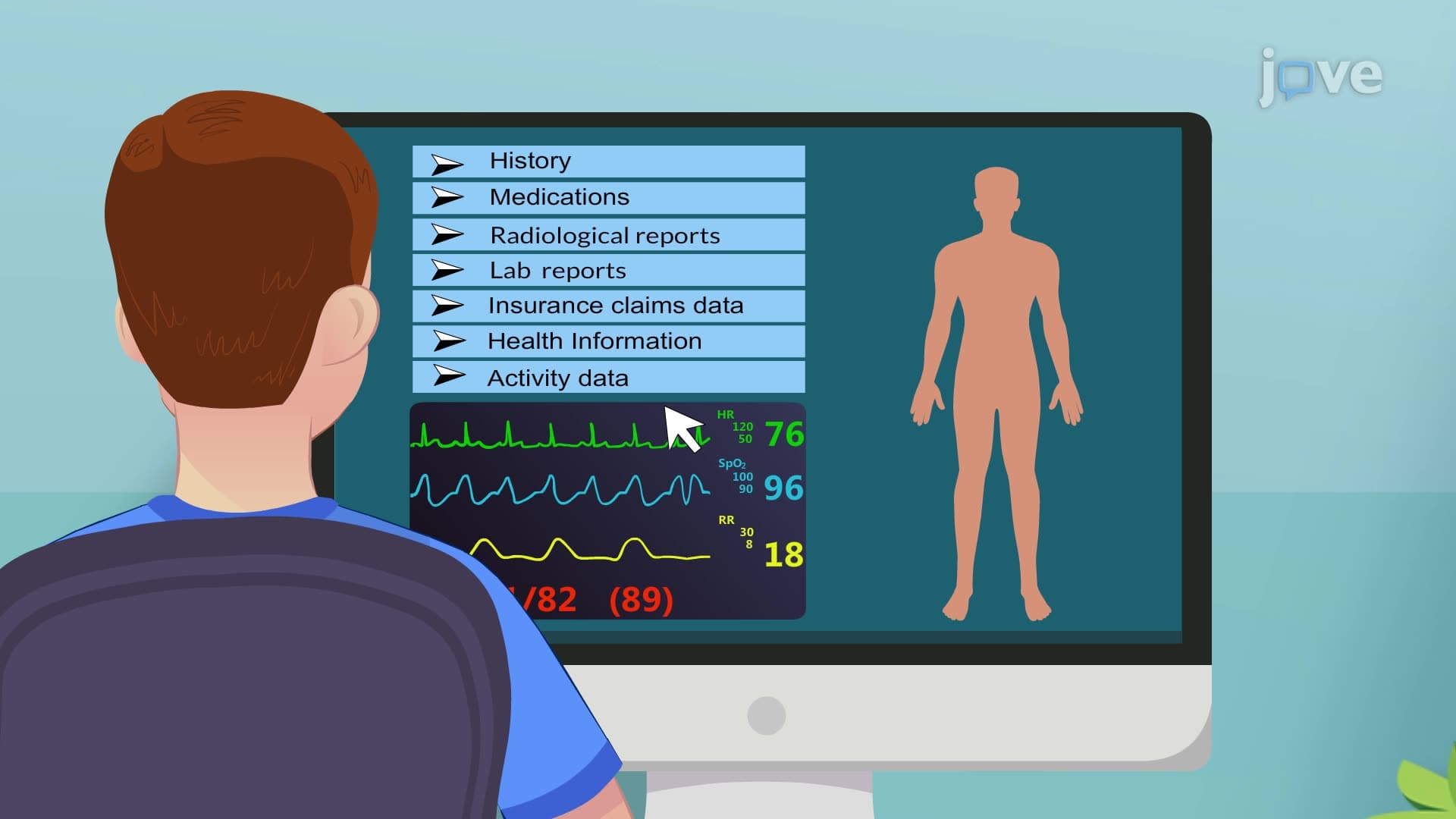
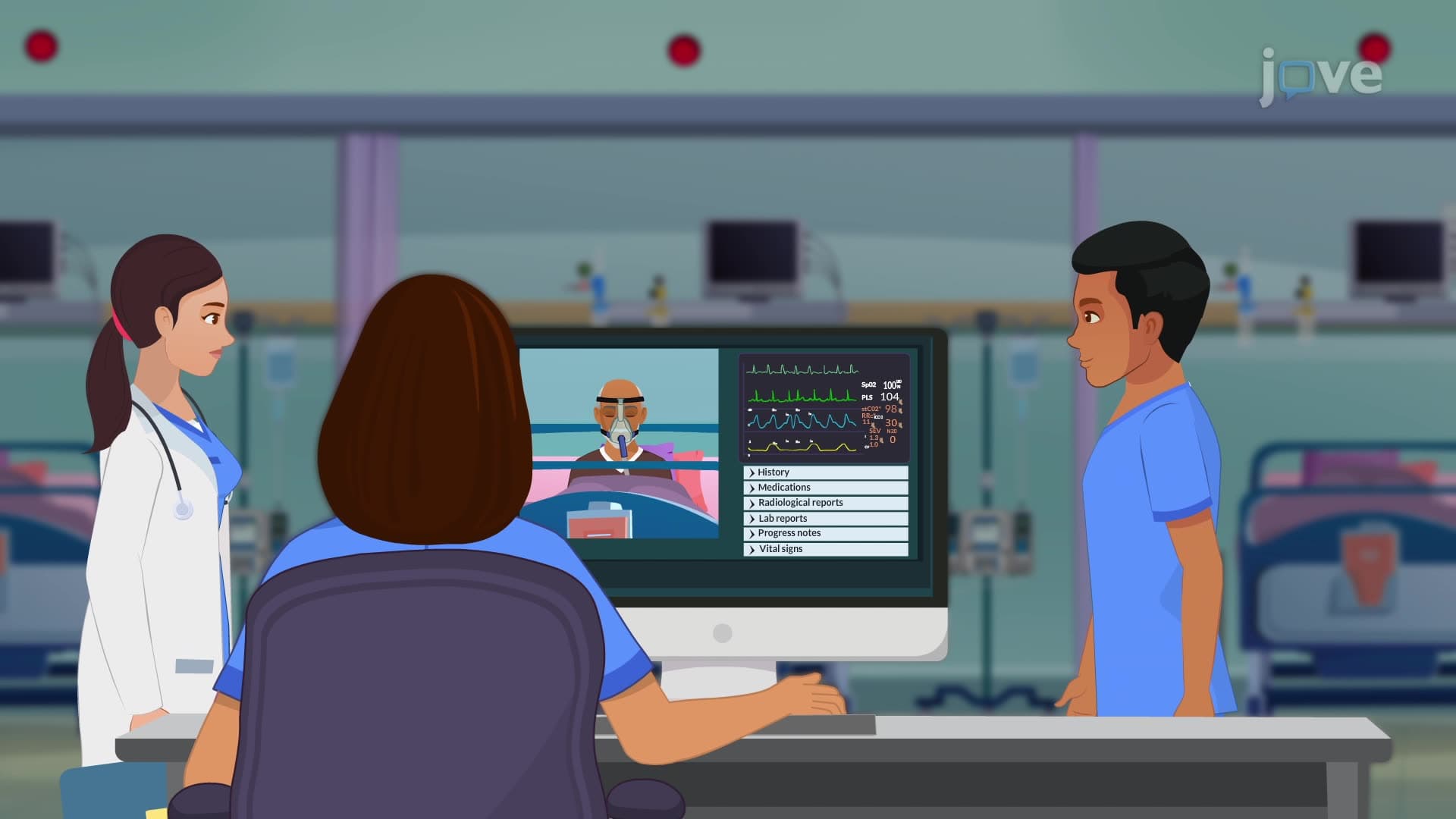
Electronic Health Records (EHRs) serve as the foundation of HIT systems, providing secure storage and real-time access to patient information across healthcare teams. These systems track patient health status longitudinally, enabling healthcare providers to make informed decisions based on comprehensive medical histories. Major US healthcare systems like Kaiser Permanente and Veterans Affairs utilize advanced EHR platforms that demonstrate the practical application of these concepts.
Healthcare Information Systems (HIS) represent specialized computer hardware and software designed for collecting, storing, processing, and communicating patient care information. Students studying for AP Biology or introductory health sciences courses should recognize the distinction between Clinical Information Systems (CIS) and Administrative Information Systems.
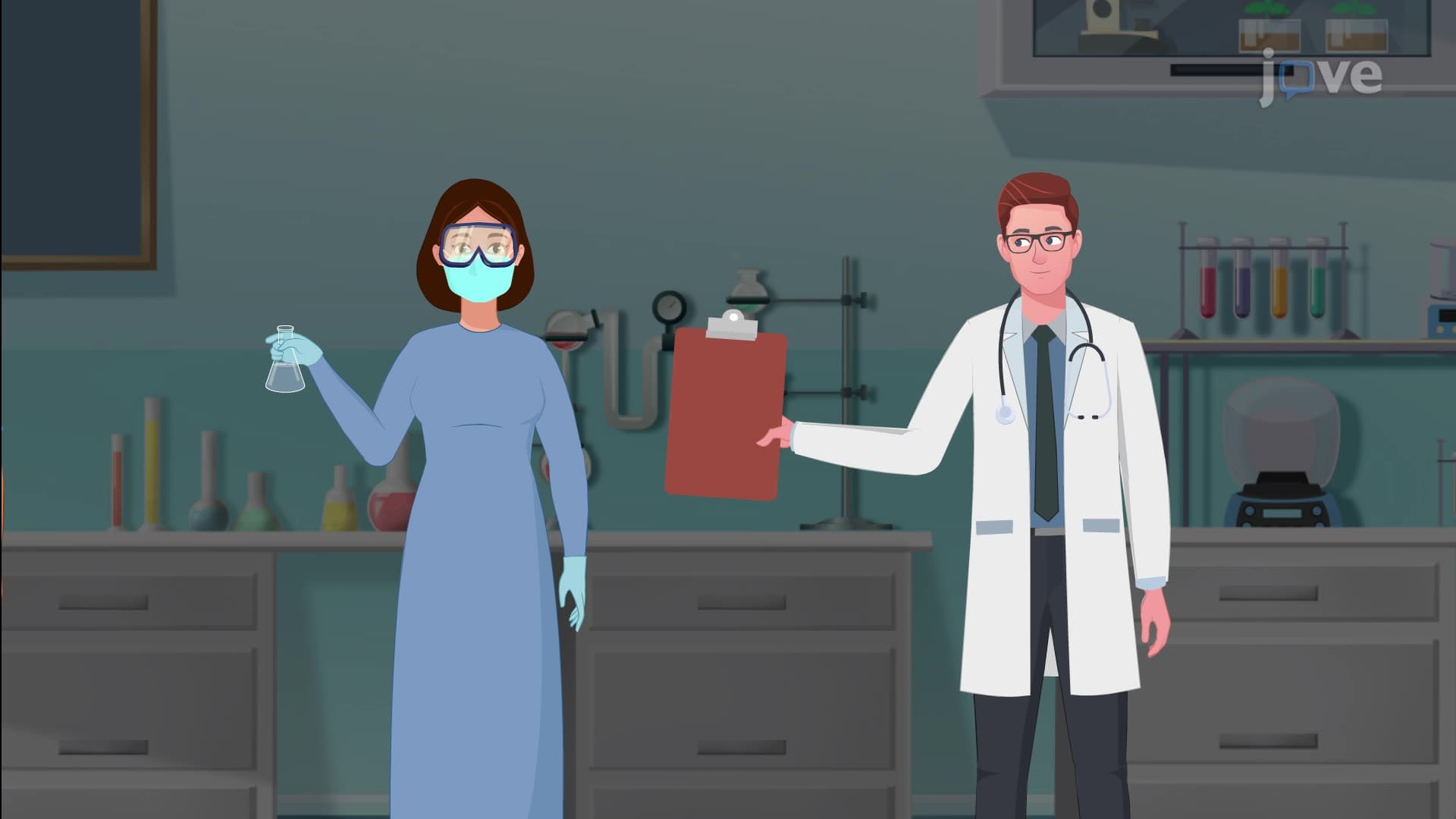
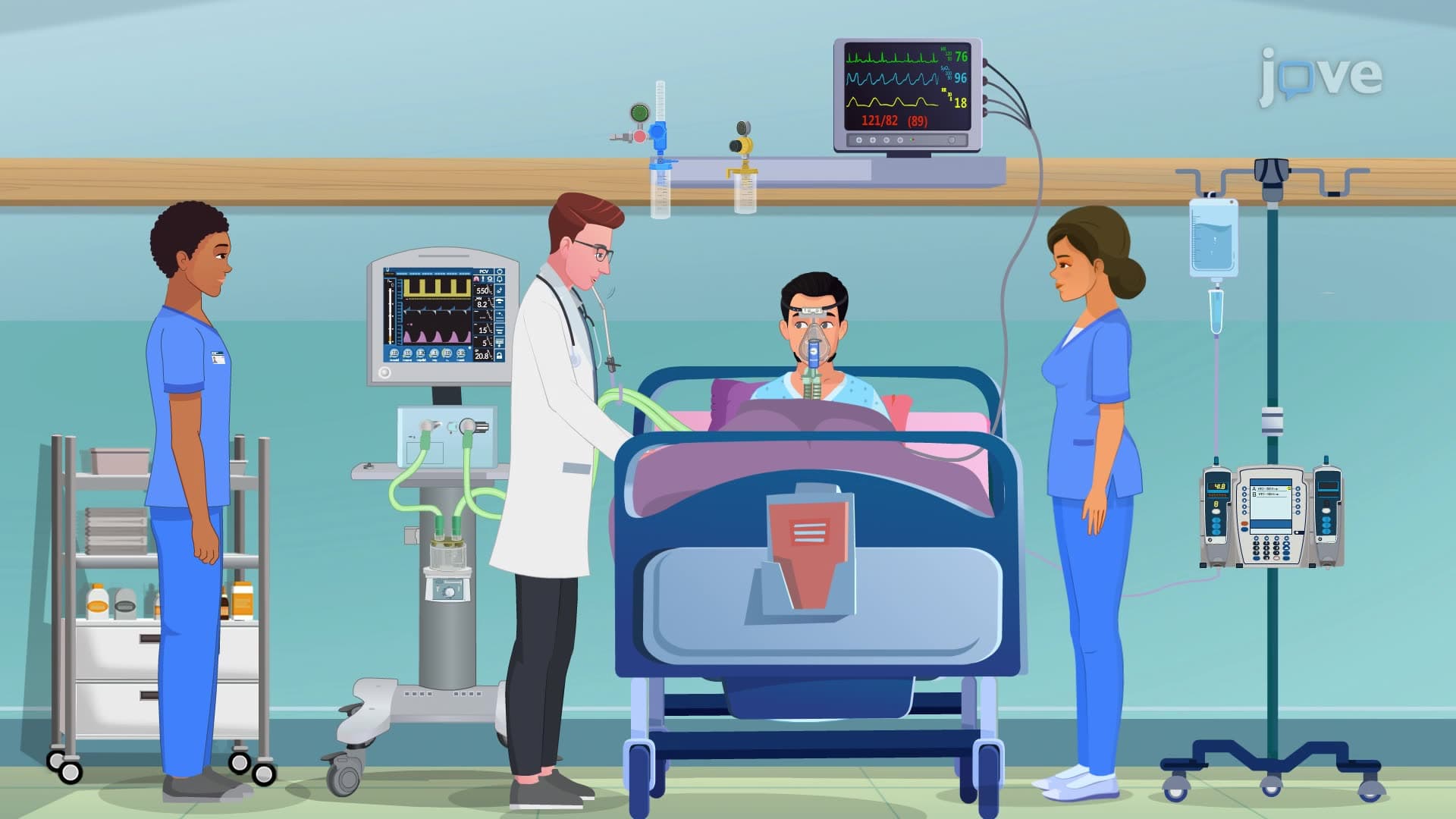
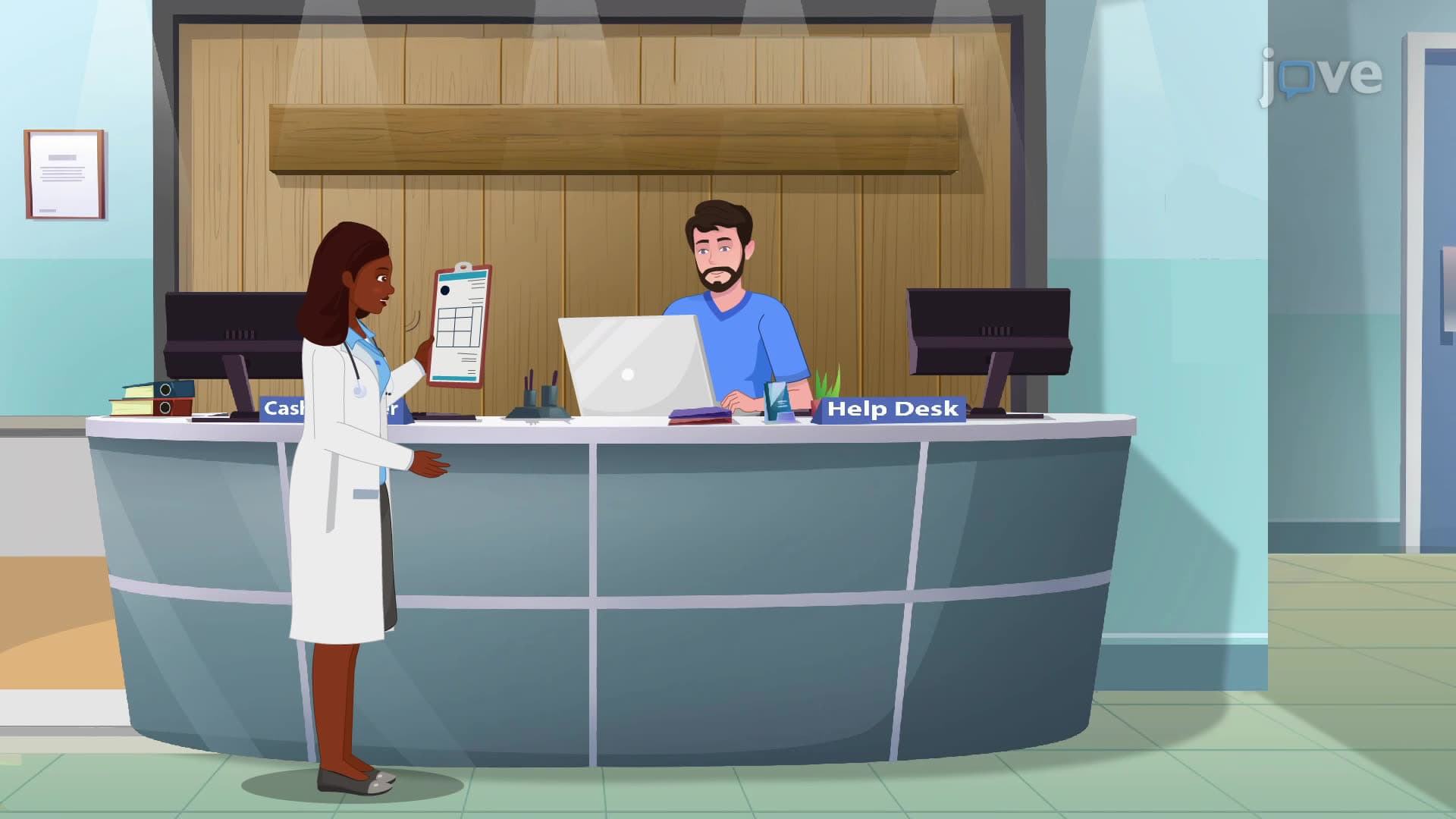
Clinical Information Systems function as comprehensive computerized database management platforms that support direct patient care activities. These systems facilitate order entry processes, laboratory result management, radiology imaging coordination, and pharmacy system integration. For example, when a physician at Johns Hopkins orders a blood test, the CIS automatically routes the request to the laboratory, tracks sample processing, and delivers results directly to the patient's electronic chart.
Administrative Information Systems handle organizational functions including payroll management, financial operations, and quality improvement databases. These systems ensure healthcare organizations maintain operational efficiency while supporting clinical care delivery. Understanding this distinction proves valuable for students considering healthcare administration or health informatics career paths.
For college students preparing for health professions entrance exams like the MCAT or nursing school prerequisites, health information technology healthcare concepts frequently appear in passages related to healthcare systems and technology integration. The NCLEX-RN examination often includes questions about electronic documentation requirements and patient data security protocols. AP Biology courses may address these systems when discussing human body systems and healthcare applications, making this knowledge valuable for standardized test preparation and college coursework success.
Related Micro-courses