Loading video…


 25 Concepts
 33.8K views

Video Summary: Methods of Documentation Iii Pie Guide
Ever wonder how nurses at Johns Hopkins Hospital ensure every patient receives consistent care across three 8-hour shifts? The methods documentation iii pie system transforms chaotic patient information into organized, actionable care plans. This Problem-Intervention-Evaluation framework revolutionizes how healthcare teams track patient progress, from initial assessment through discharge at major US medical centers. Watch the full video on JoVE Coach to master this concept with expert-led visuals and step-by-step explanations.
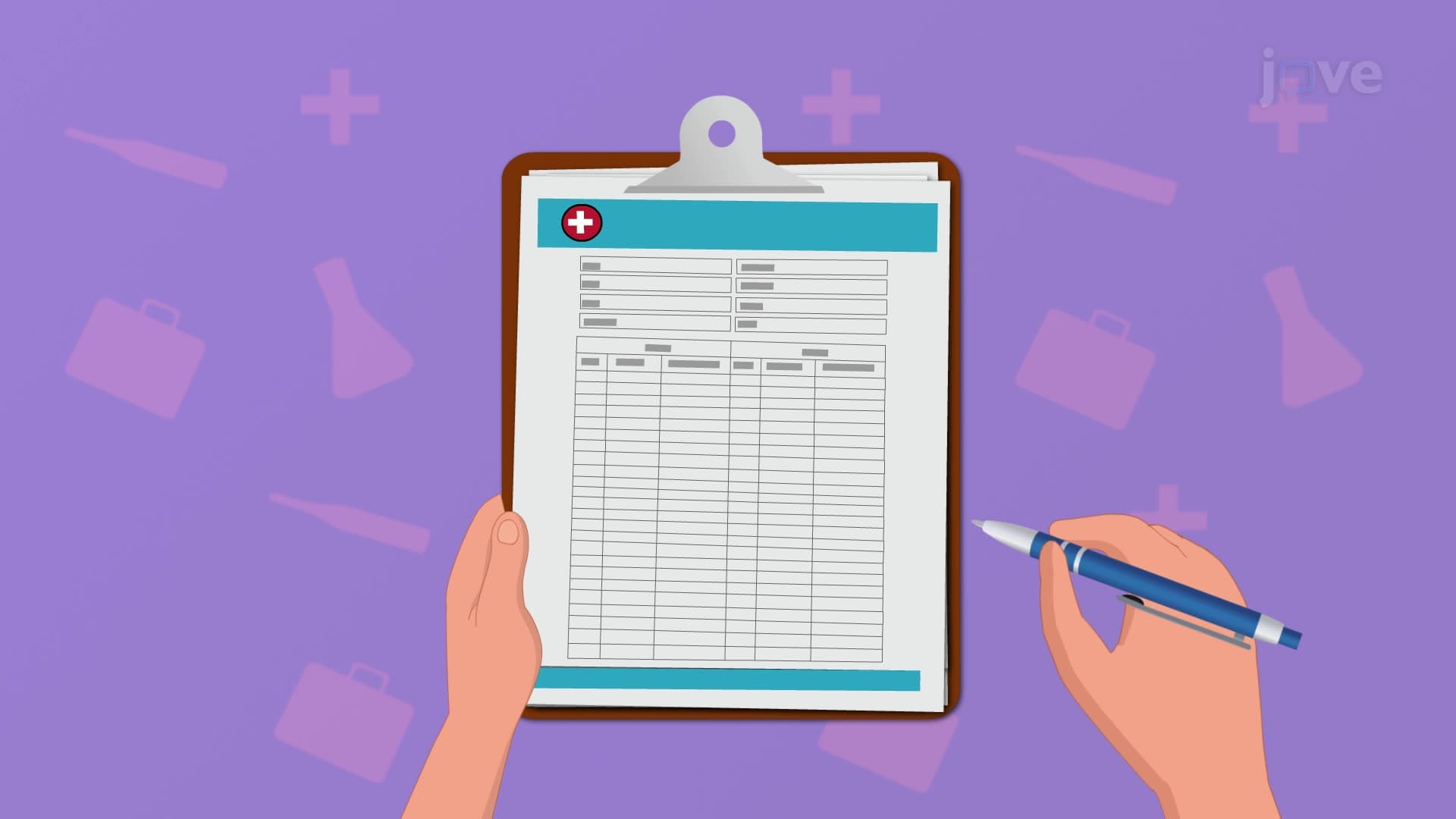
The Methods of Documentation III Pie Guide represents a systematic approach to nursing documentation that has transformed patient care coordination across US healthcare facilities. Unlike narrative charting that relies on lengthy paragraphs, the PIE system creates structured, easily accessible patient records that support evidence-based care decisions.
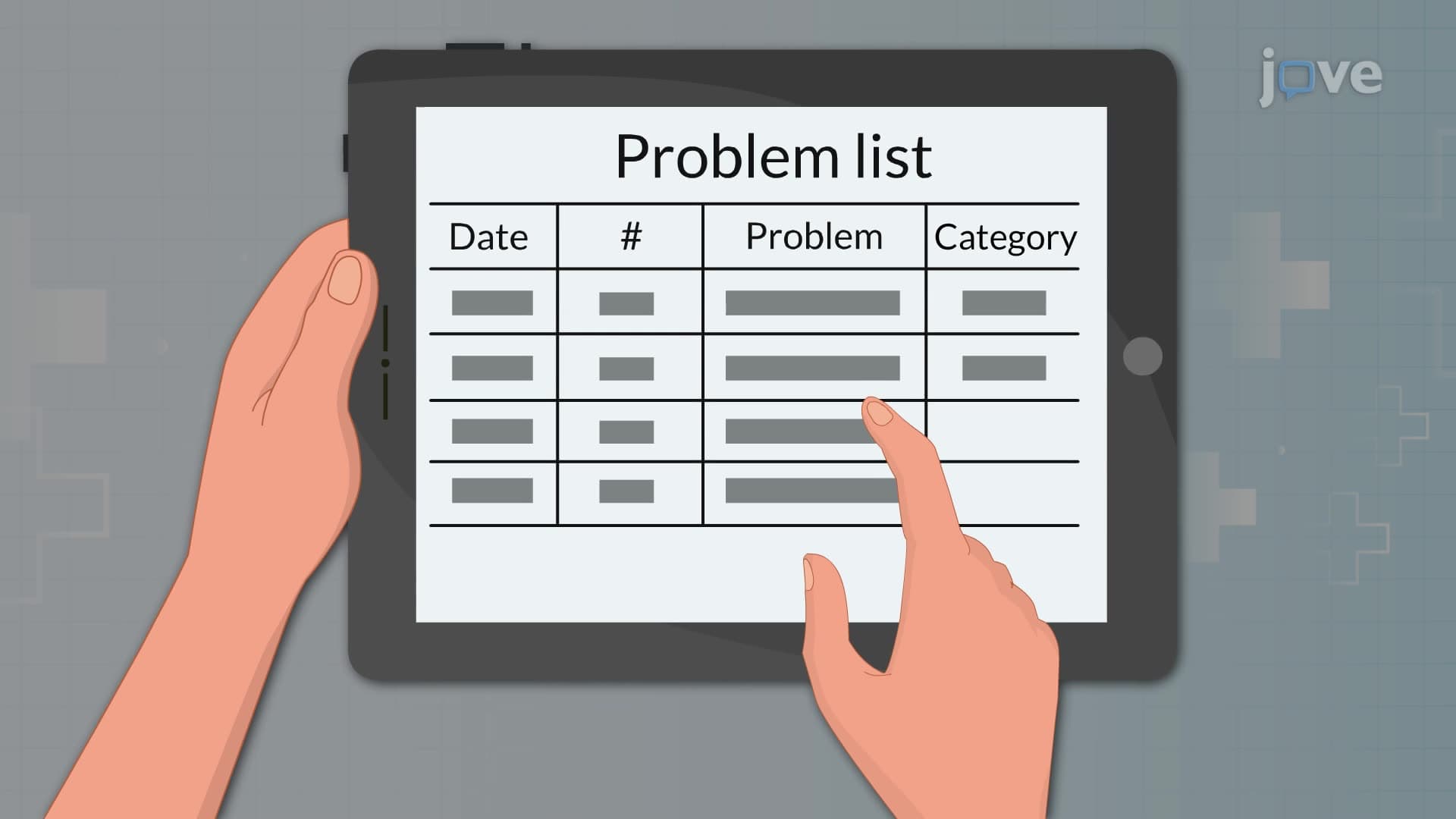
The "Problem" component forms the foundation of PIE documentation. Nurses conduct comprehensive assessments using standardized tools approved by organizations like the American Nurses Association. Each identified problem receives a unique number (P1, P2, P3) and corresponds to specific nursing diagnoses from NANDA International's approved list. For example, a post-surgical patient at Mayo Clinic might have P1 labeled as "Acute Pain related to surgical incision" and P2 as "Risk for Infection related to invasive procedures."
This systematic numbering prevents confusion when multiple nurses care for the same patient. Students preparing for the NCLEX-RN examination must understand how nursing diagnoses translate into numbered problems within PIE documentation, as this concept frequently appears in test scenarios about care planning and documentation.
The "Intervention" section documents specific nursing actions taken to address each identified problem. These interventions link directly to problems using the format "I-P1" or "I-P2." Evidence-based interventions might include medication administration, patient education, or environmental modifications. At Cleveland Clinic, nurses document interventions like "I-P1: Administered prescribed analgesic per protocol" or "I-P2: Performed sterile dressing change using aseptic technique."
Pre-health students studying for the MCAT should recognize how PIE documentation supports clinical reasoning by connecting specific interventions to identified problems. This systematic approach ensures accountability and provides clear audit trails for quality improvement initiatives.
The "Evaluation" component measures patient responses to interventions, completing the nursing process cycle. Evaluations use objective and subjective data to determine intervention effectiveness. Documentation follows the "E-P1" or "E-P2" format, such as "E-P1: Patient reports pain decreased from 8/10 to 4/10 thirty minutes post-medication administration."
This evaluation process supports continuous quality improvement and helps nurses modify care plans based on patient responses. Students preparing for HESI A2 or TEAS examinations should understand how evaluation data influences subsequent nursing interventions and care plan modifications.
Related Micro-courses