Loading video…


 25 Concepts
 33.8K views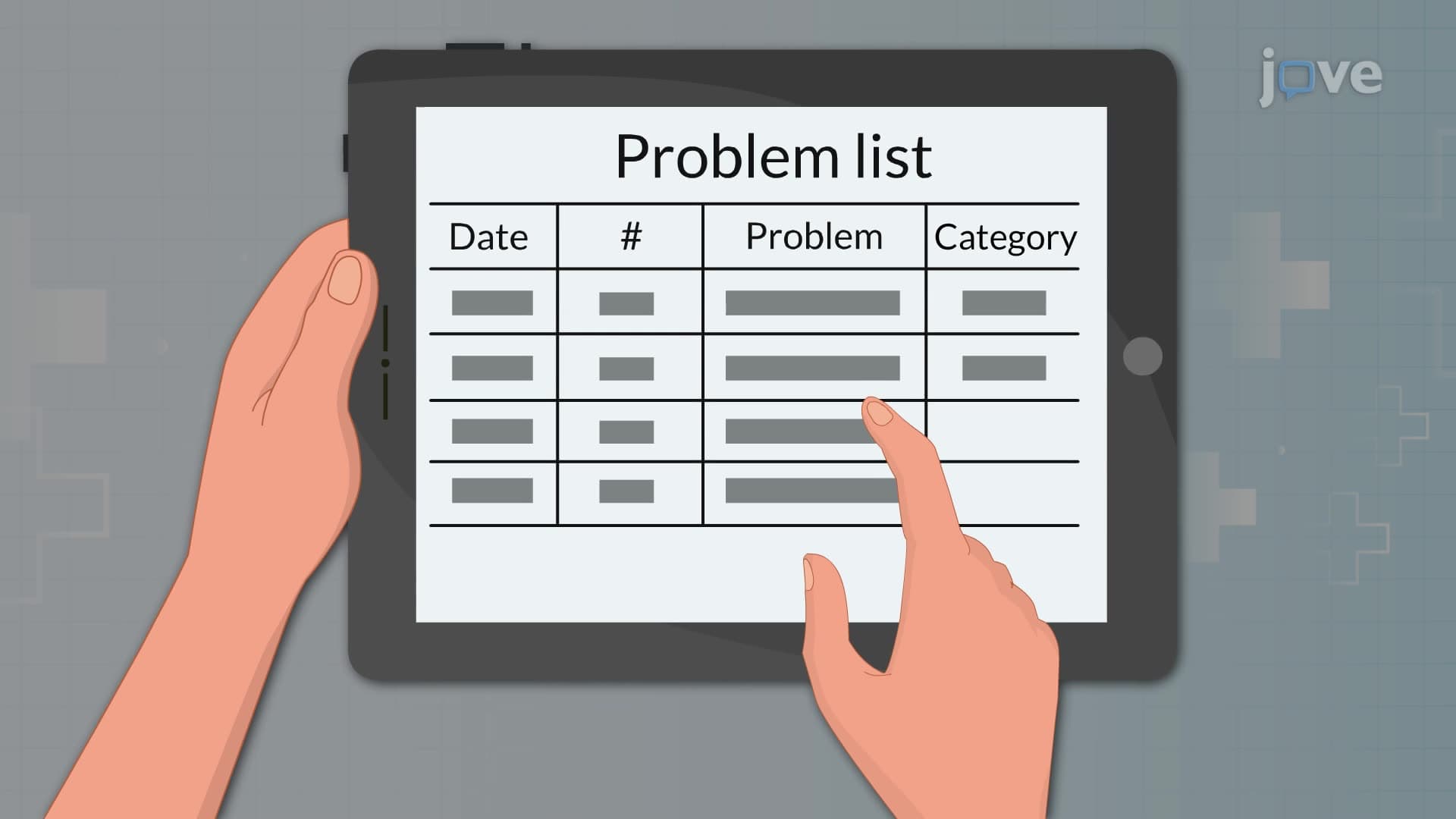

Video Summary: Methods of Documentation Ii Pomr Guide
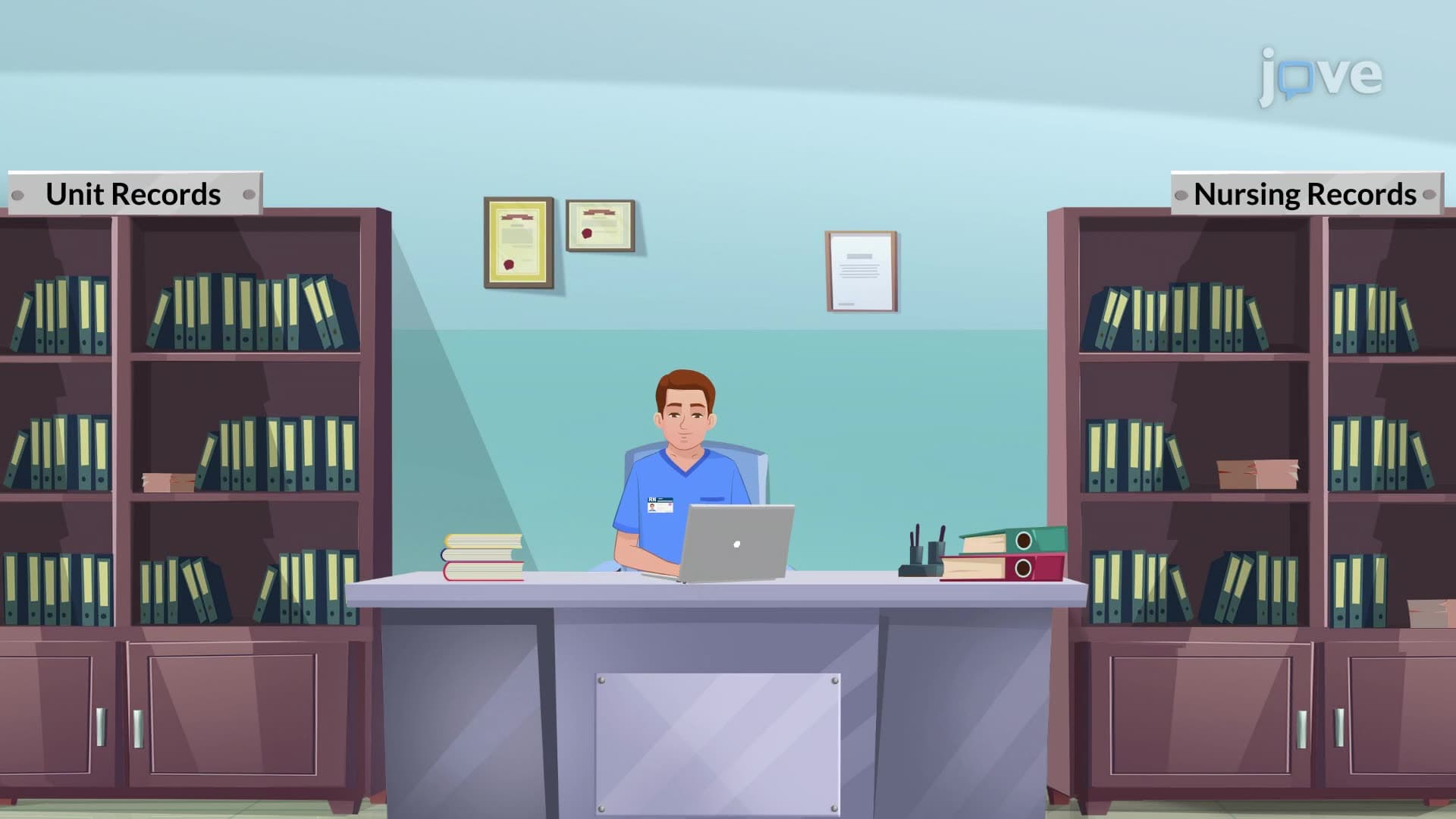
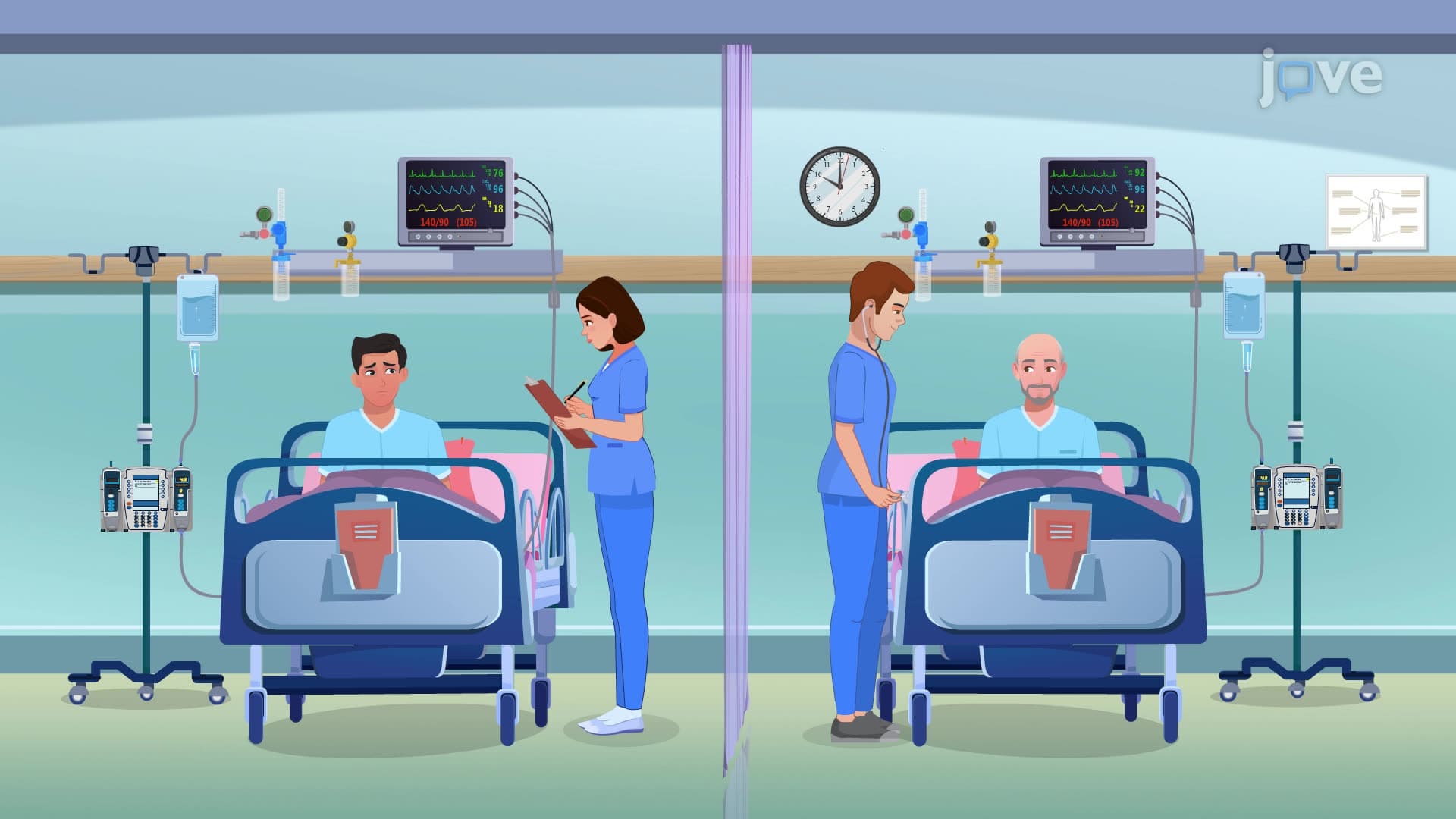
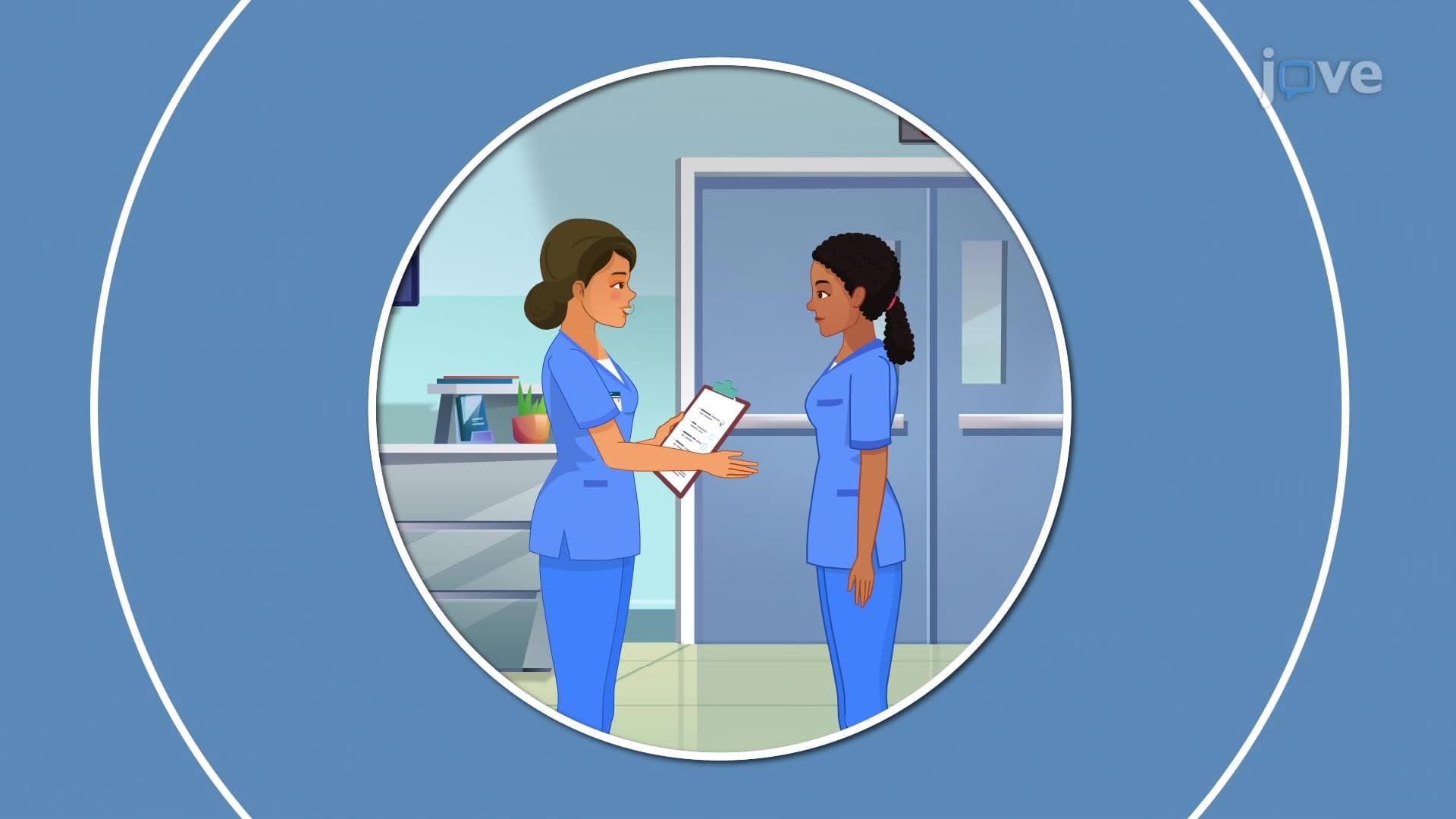
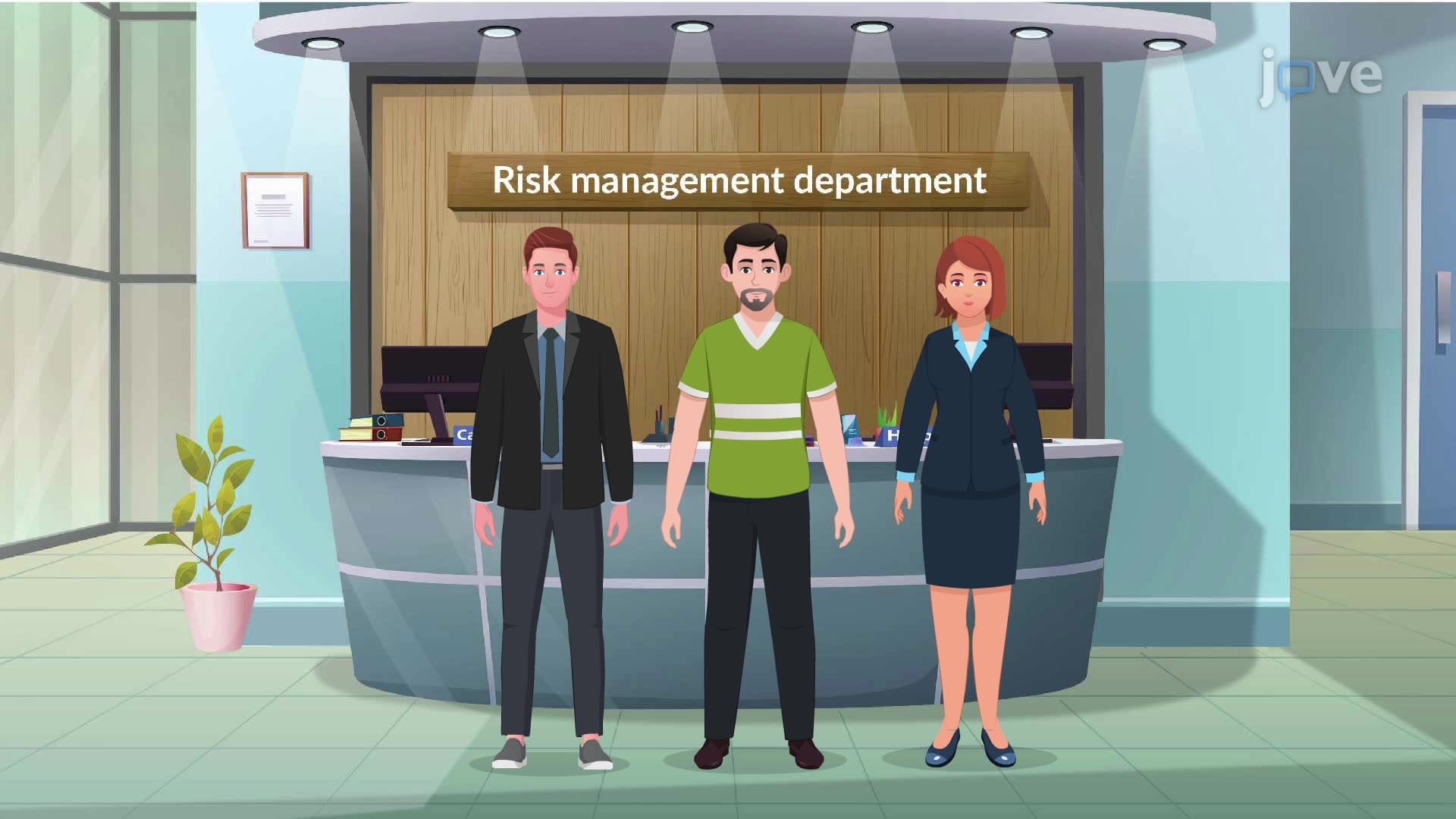
Did you know that miscommunication between healthcare providers contributes to over 80% of medical errors in US hospitals? The Methods of Documentation II Pomr Guide addresses this critical challenge by establishing a standardized approach to patient record-keeping. At Mayo Clinic, nurses, physicians, and specialists all use the Problem-Oriented Medical Record (POMR) system to ensure every team member accesses the same comprehensive patient information. This systematic documentation method transforms how healthcare teams collaborate and deliver patient care. Watch the full video on JoVE Coach to master this concept with expert-led visuals and step-by-step explanations.
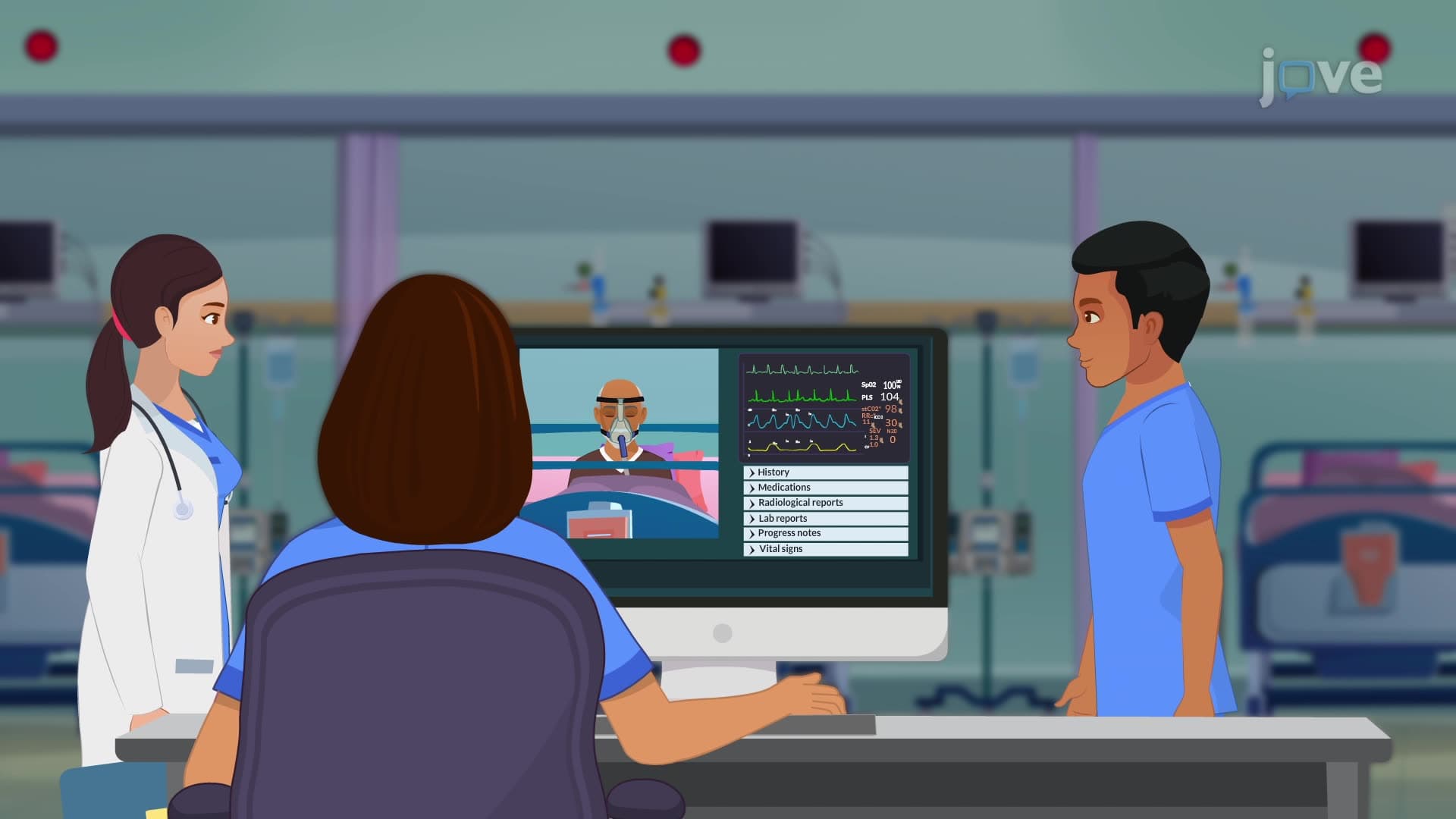
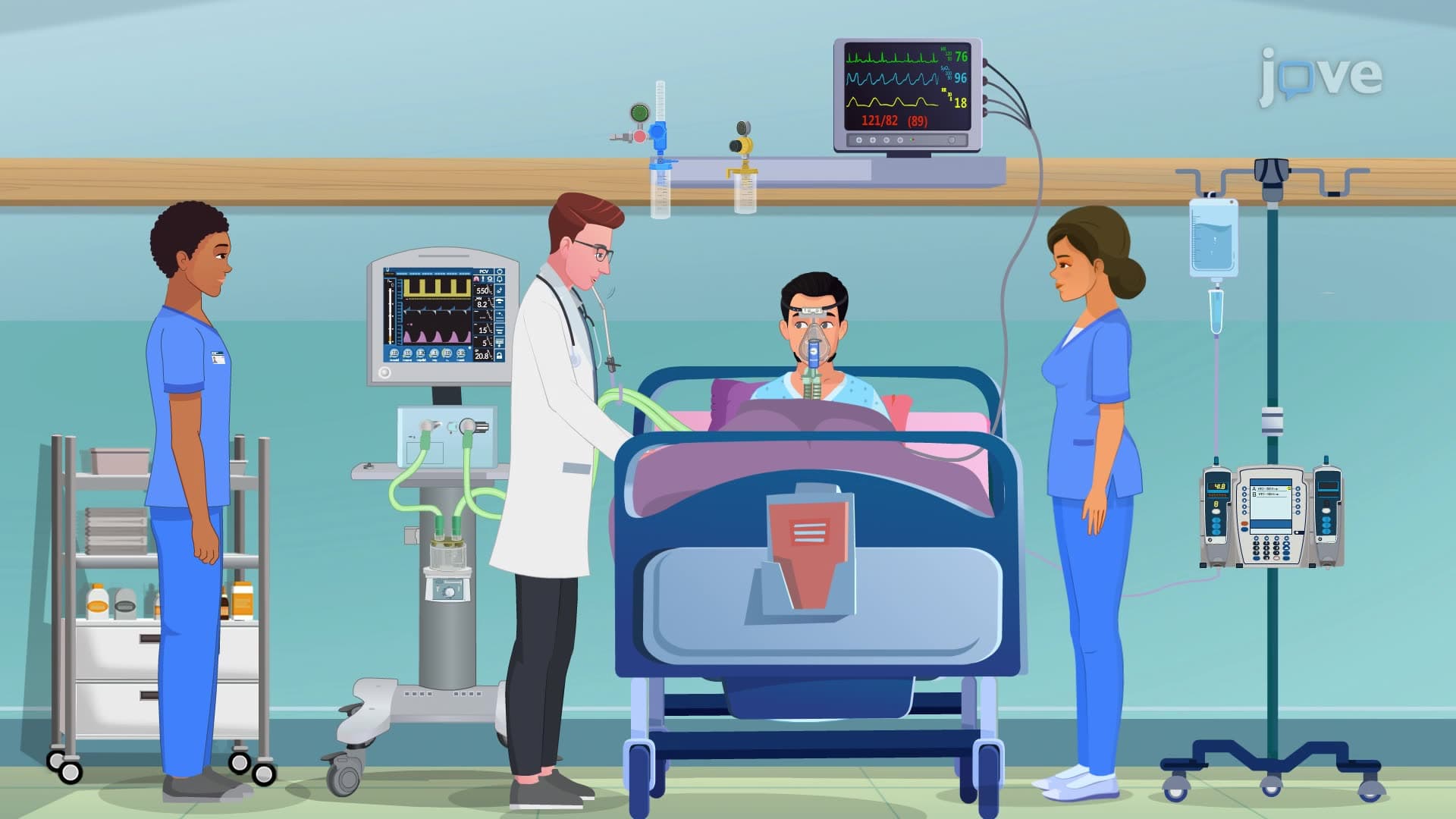
The Problem-Oriented Medical Record (POMR) represents a revolutionary approach to healthcare documentation that emerged from the need for systematic, coordinated patient care. Unlike traditional narrative charting, POMR creates a structured framework where every healthcare professional-from registered nurses to attending physicians-contributes to a unified patient record. This standardization proves essential in complex US healthcare systems like Kaiser Permanente or Cleveland Clinic, where multiple specialists may treat a single patient.
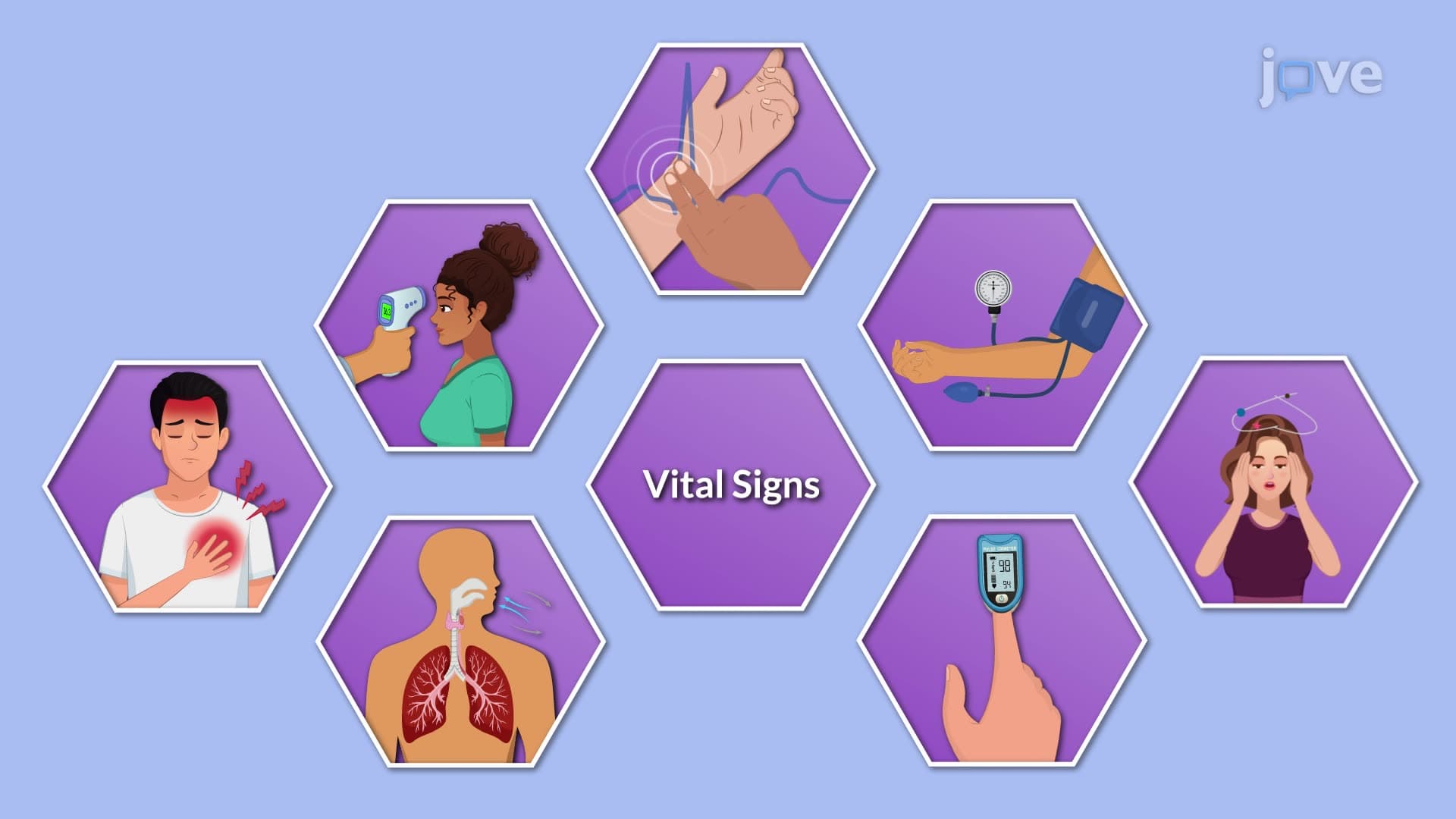
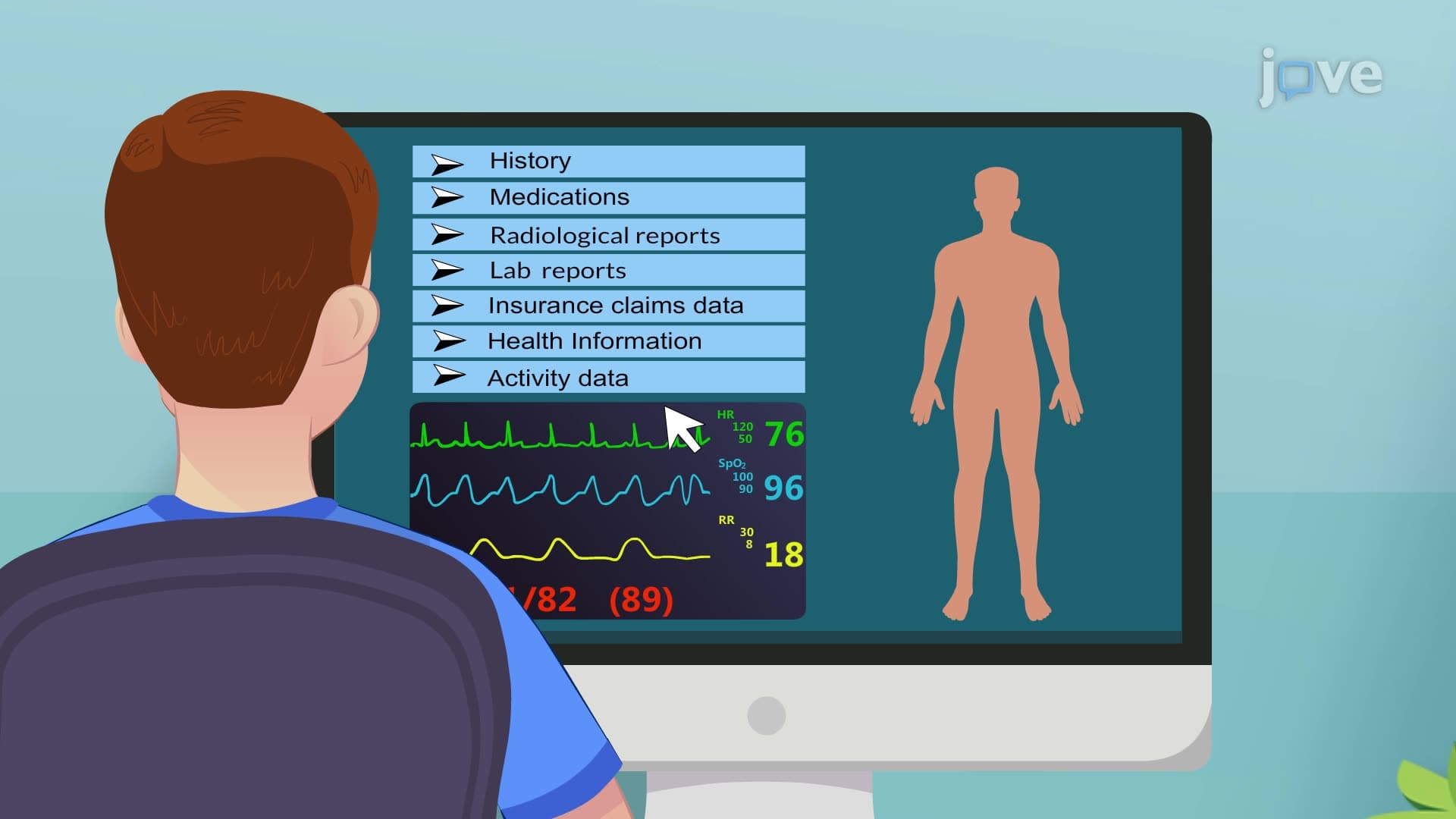
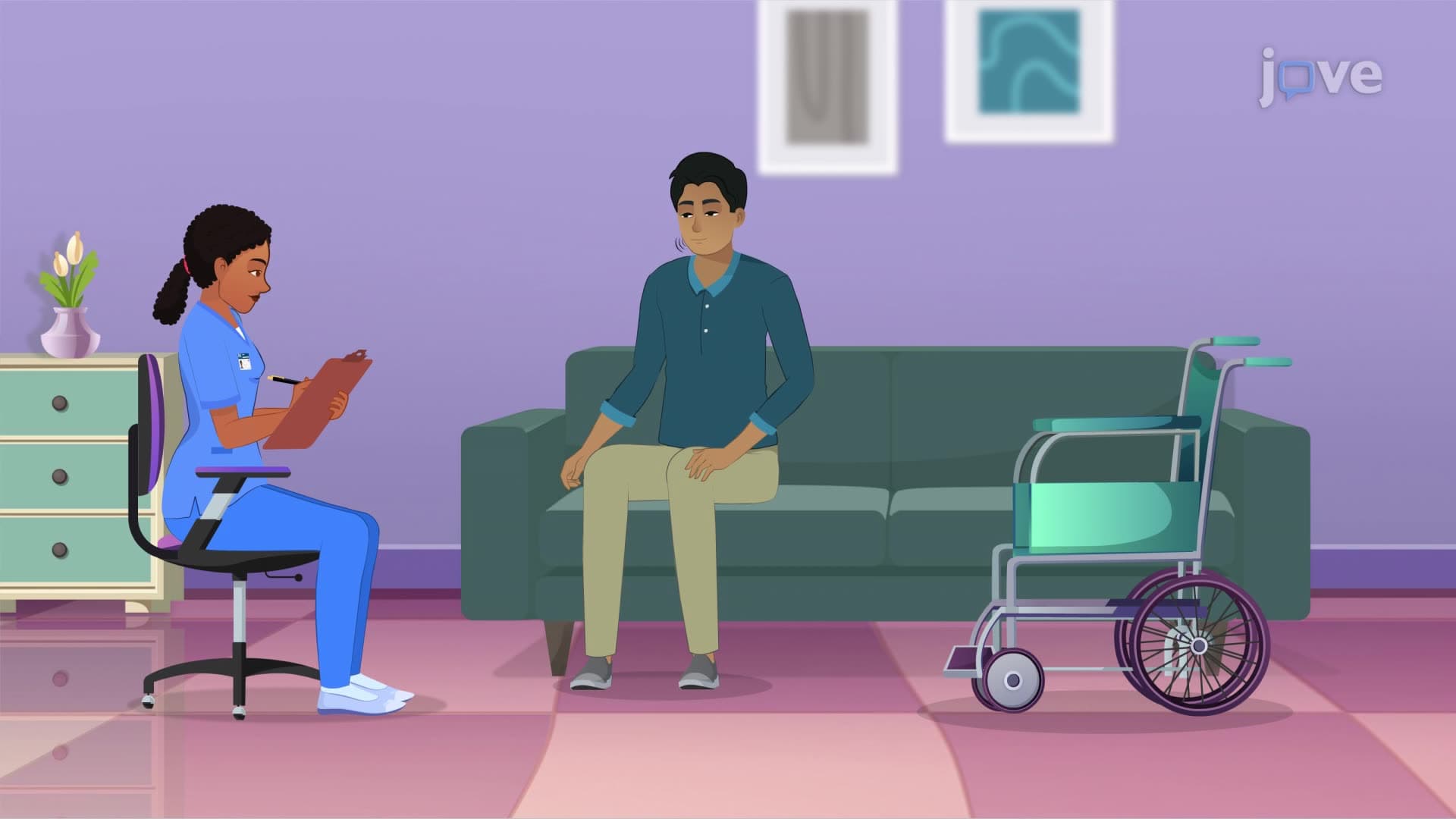
The database serves as the foundation, containing comprehensive patient information including medical history, current medications, known allergies, and physical examination results. This component also captures social determinants of health-factors increasingly recognized in US healthcare policy-such as housing stability, employment status, and insurance coverage. For students preparing for the MCAT or nursing entrance exams like HESI A2, understanding database completeness directly relates to patient safety questions.
The problem list functions as the central organizing principle, transforming scattered symptoms and diagnoses into numbered, prioritized concerns. Each problem receives both active or inactive status, allowing healthcare teams to focus resources appropriately. For instance, a patient at Johns Hopkins might have "Active Problem #1: Acute myocardial infarction" and "Inactive Problem #3: Appendectomy, 2019."
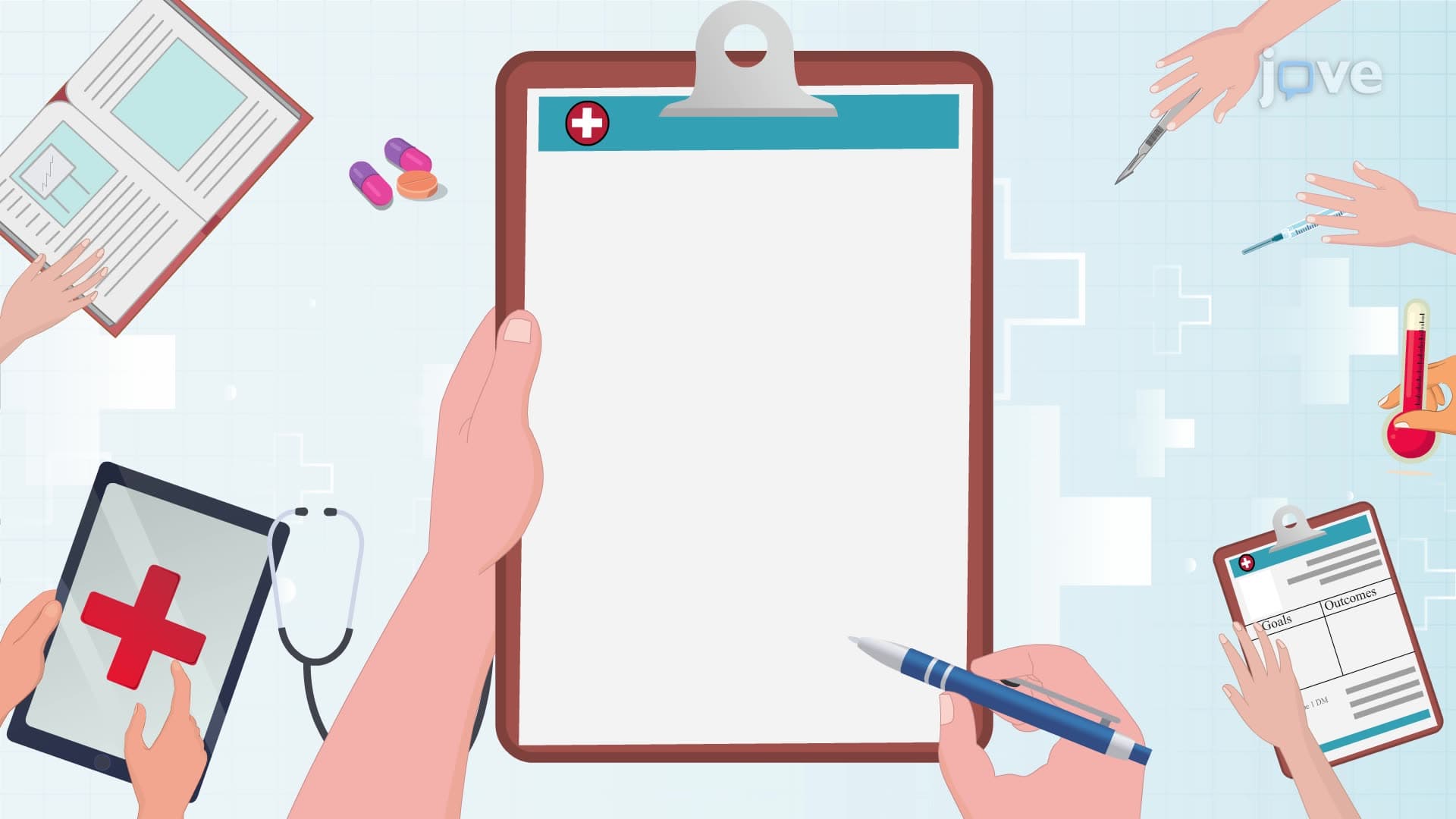
Care planning within POMR connects directly to evidence-based practice, a cornerstone of modern US healthcare education. Each identified problem requires specific interventions, measurable outcomes, and timeline expectations. Progress notes then document patient responses, treatment modifications, and emerging concerns. This systematic approach appears frequently in NCLEX-RN questions and college-level health sciences coursework.
The POMR system's emphasis on collaborative documentation prepares students for interprofessional healthcare teams common in US medical centers. However, critics argue that problem-focused documentation may fragment care, potentially missing the patient's overall wellness picture-a concept particularly relevant for AP Psychology students studying holistic health approaches.
Related Micro-courses