Loading video…


 17 Concepts
 93.9K views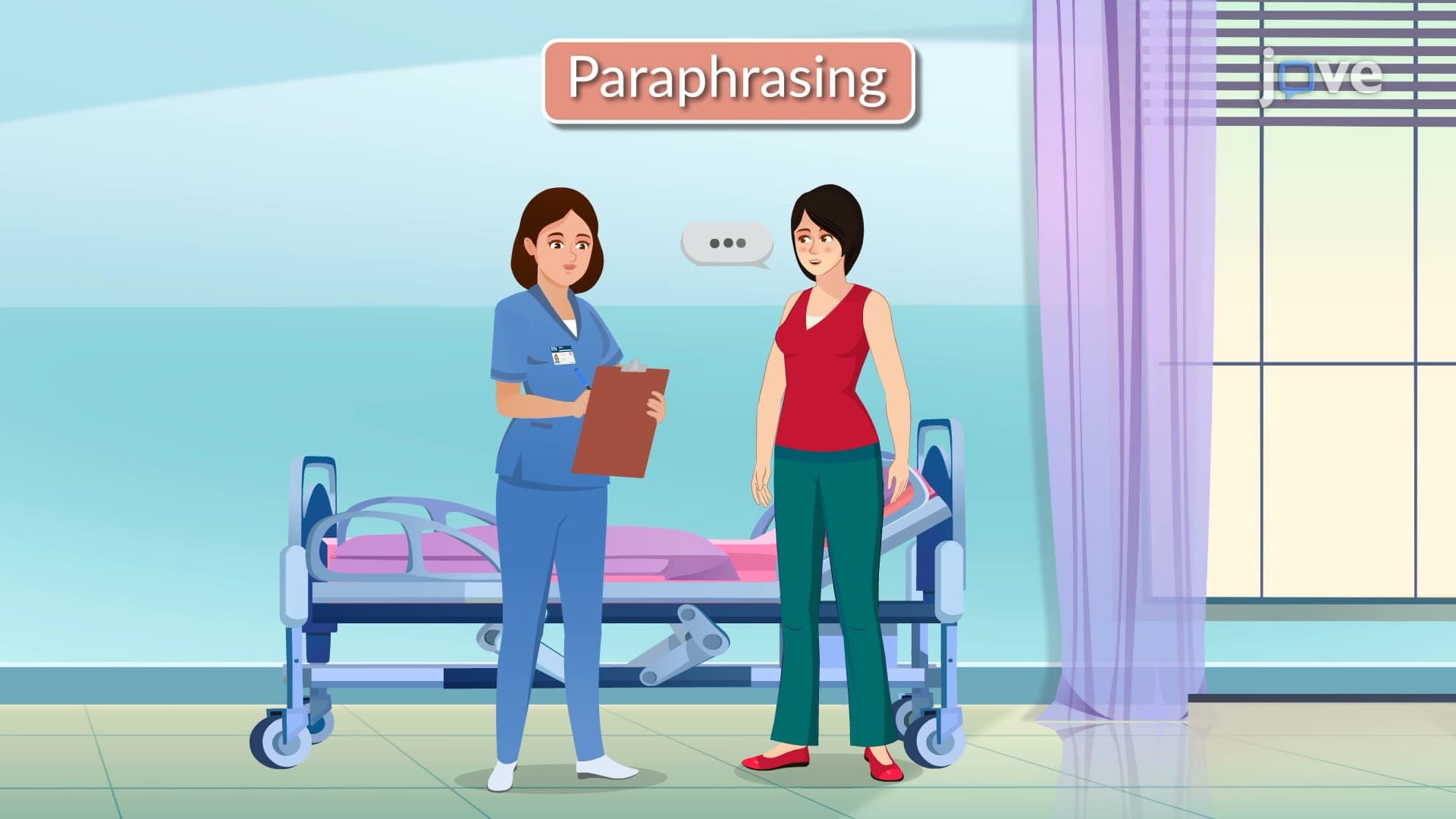

Video Summary: Techniques of Therapeutic Communication Ii Guide
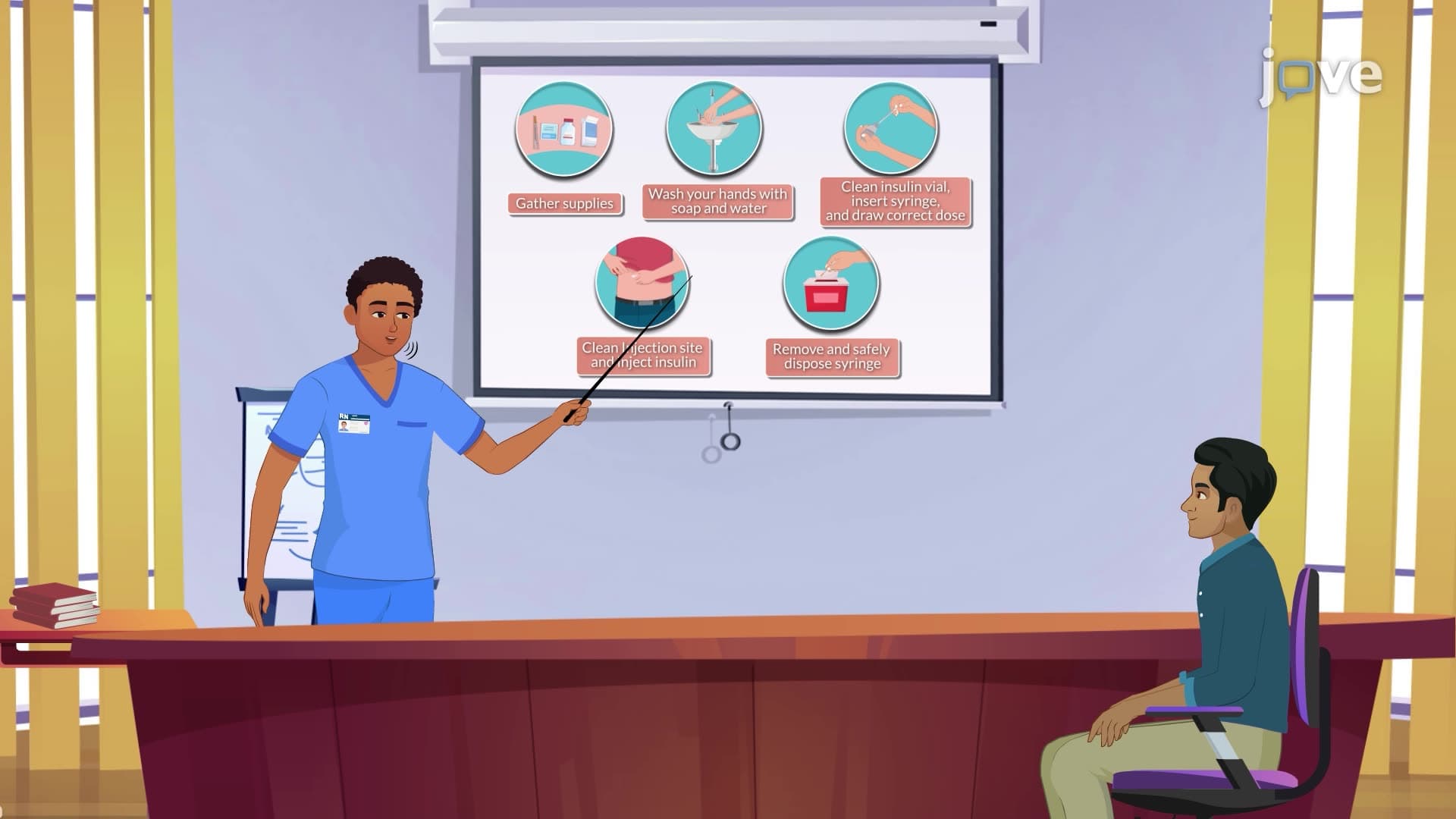
Did you know that miscommunication contributes to nearly 70% of medical errors in US hospitals? Techniques therapeutic communication skills can literally save lives by ensuring accurate patient understanding. Consider a scenario at Johns Hopkins Hospital where a nurse uses paraphrasing to confirm a diabetic patient's understanding of insulin administration, preventing a potentially dangerous medication error. The Techniques of Therapeutic Communication II Guide explores advanced methods like focusing, paraphrasing, and summarizing that transform routine patient interactions into therapeutic healing moments. Watch the full video on JoVE Coach to master this concept with expert-led visuals and step-by-step explanations.
Techniques therapeutic communication represent the cornerstone of effective nursing practice, directly impacting patient outcomes and satisfaction scores across US healthcare systems. These advanced methods go beyond basic listening skills to create structured, purposeful interactions that promote healing and understanding.
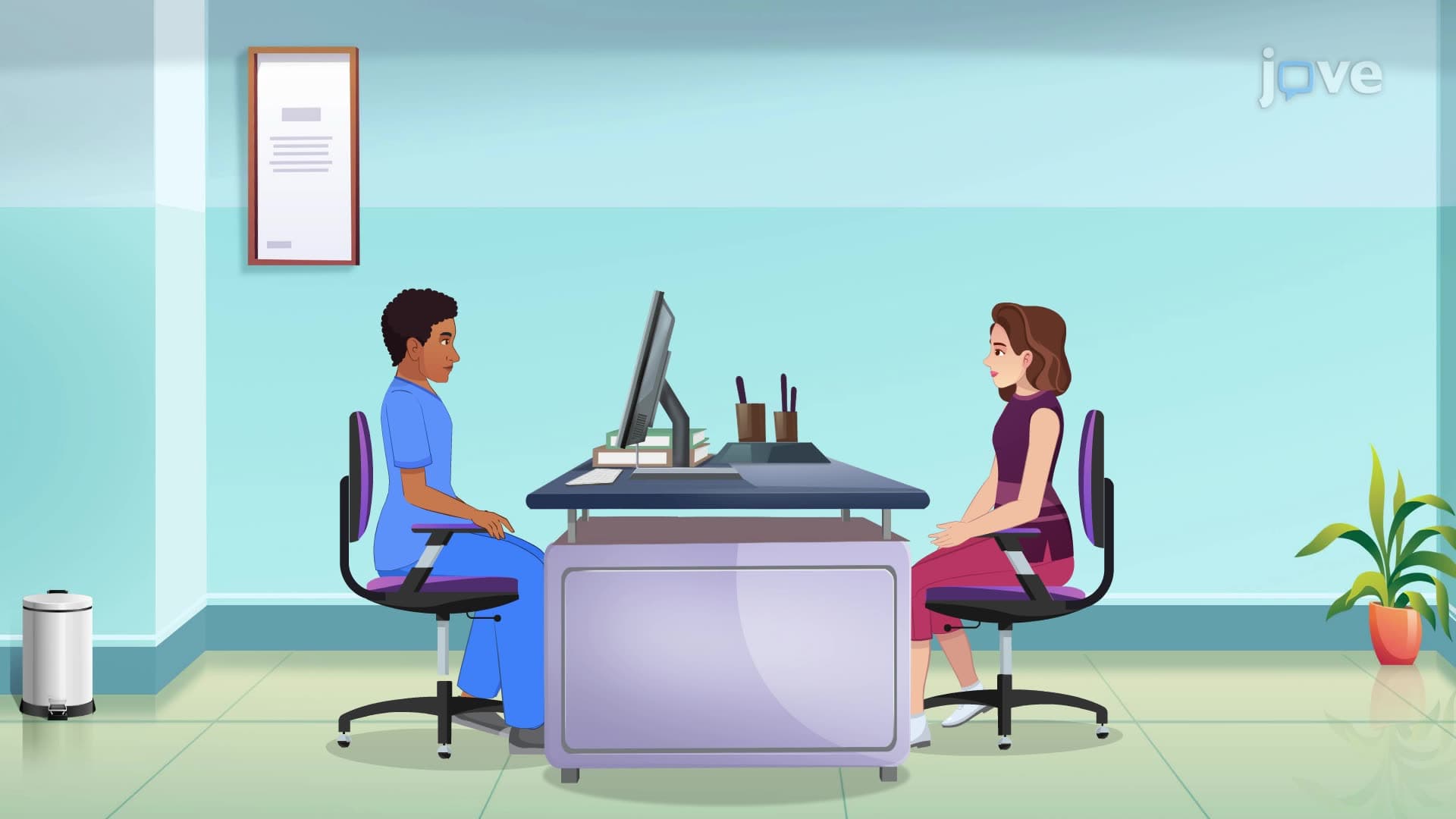
The focusing technique involves steering patient conversations toward essential health management topics while acknowledging peripheral concerns. In practice, a nurse at Cleveland Clinic might encounter a diabetic patient discussing family stress during an insulin education session. Rather than dismissing these concerns, the nurse acknowledges them and redirects: "I understand your family situation is stressful, and we'll address how diabetes management fits into that. Right now, let's ensure you're confident with insulin injection techniques."
This technique proves invaluable for NCLEX-RN candidates, as the exam frequently tests prioritization skills. Students preparing for nursing school entrance exams like the HESI A2 should understand that focusing demonstrates clinical judgment-a core competency evaluated throughout nursing education.
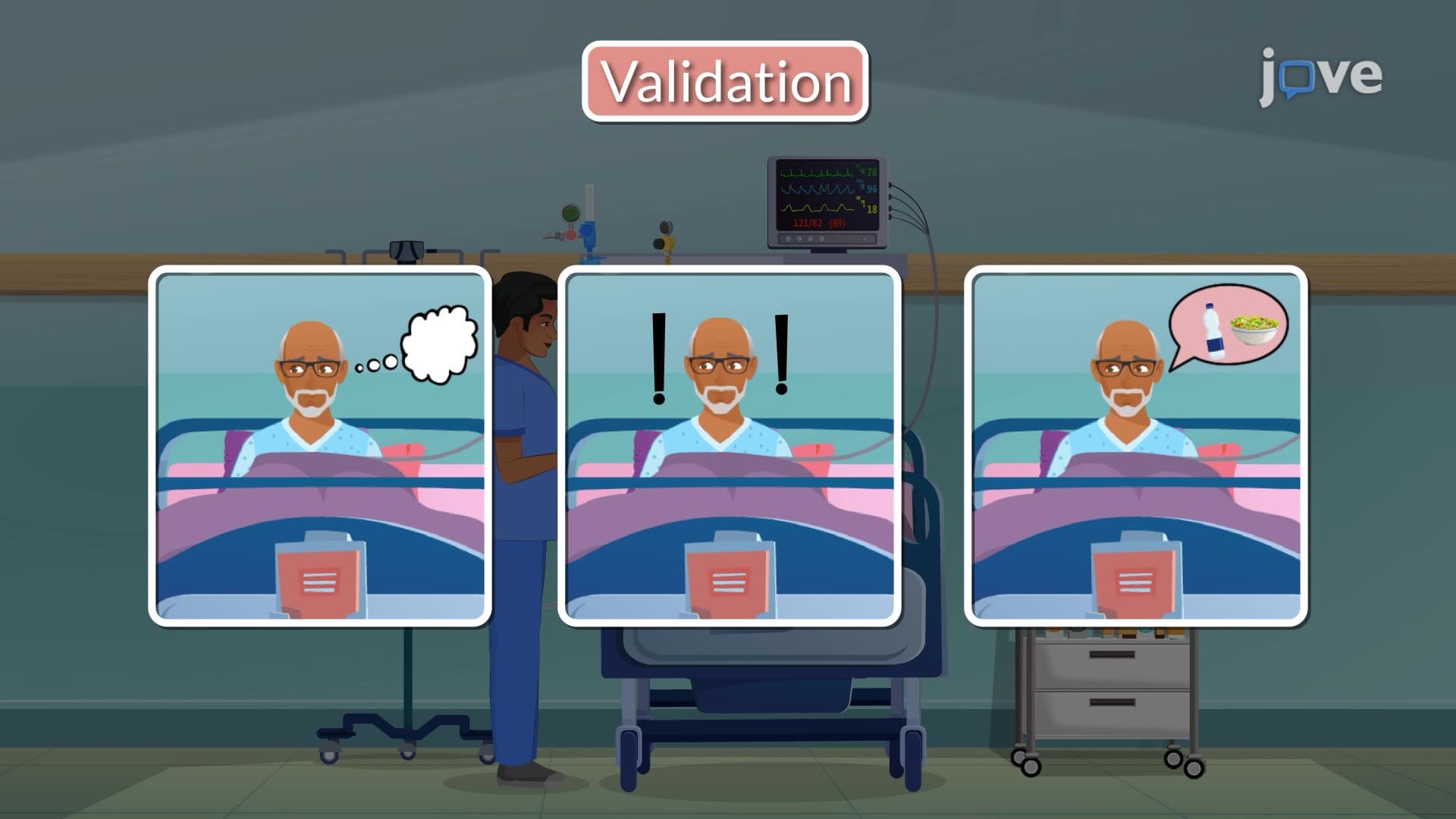
Paraphrasing involves restating patient communications in the nurse's own words to confirm understanding and prevent dangerous misinterpretations. When a patient at Mayo Clinic states, "I feel confused all the time," a skilled nurse paraphrases: "Are you experiencing difficulty thinking clearly or remembering things?" This clarification could reveal cognitive changes requiring immediate medical attention versus general anxiety.
For pre-med students preparing for the MCAT, understanding paraphrasing demonstrates emotional intelligence and communication competencies increasingly valued in medical school admissions. The technique also appears in AP Psychology curricula when studying therapeutic communication models.
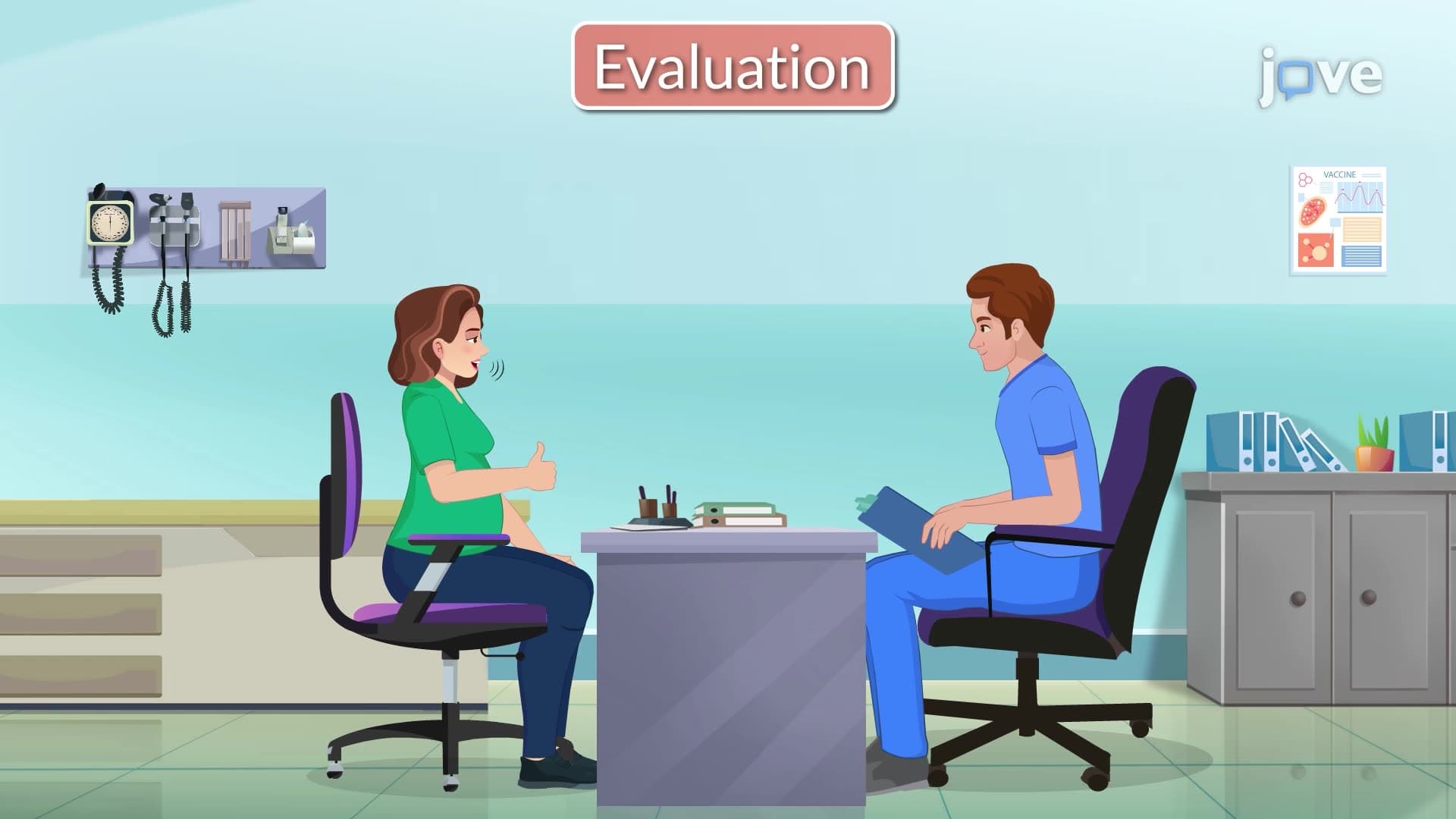
Effective summarization synthesizes key discussion points while verifying patient comprehension. A nurse at Johns Hopkins might conclude a diabetes education session by stating: "Today we covered your morning insulin routine, carbohydrate counting for meals, and blood sugar monitoring schedule. Can you walk me through tomorrow morning's routine?" This approach ensures patients leave with clear, actionable understanding rather than information overload.
College nursing students studying for pharmacology exams benefit from understanding how summarization prevents medication errors-a critical patient safety concern addressed in USMLE Step 1 examinations and NCLEX preparation materials.
Related Micro-courses