Loading video…


 17 Concepts
 93.9K views

Video Summary: What Is Therapeutic Communication
Ever wonder how nurses build trust with anxious patients in just minutes? Therapeutic communication transforms ordinary conversations into healing tools through deliberate verbal and nonverbal techniques. For instance, when a Johns Hopkins nurse maintains eye contact while explaining a procedure, they're using therapeutic communication to reduce patient anxiety and build rapport. This foundational nursing skill combines intentional word choice, tone management, and body language to meet patients' emotional and informational needs. Watch the full video on JoVE Coach to master this concept with expert-led visuals and step-by-step explanations.
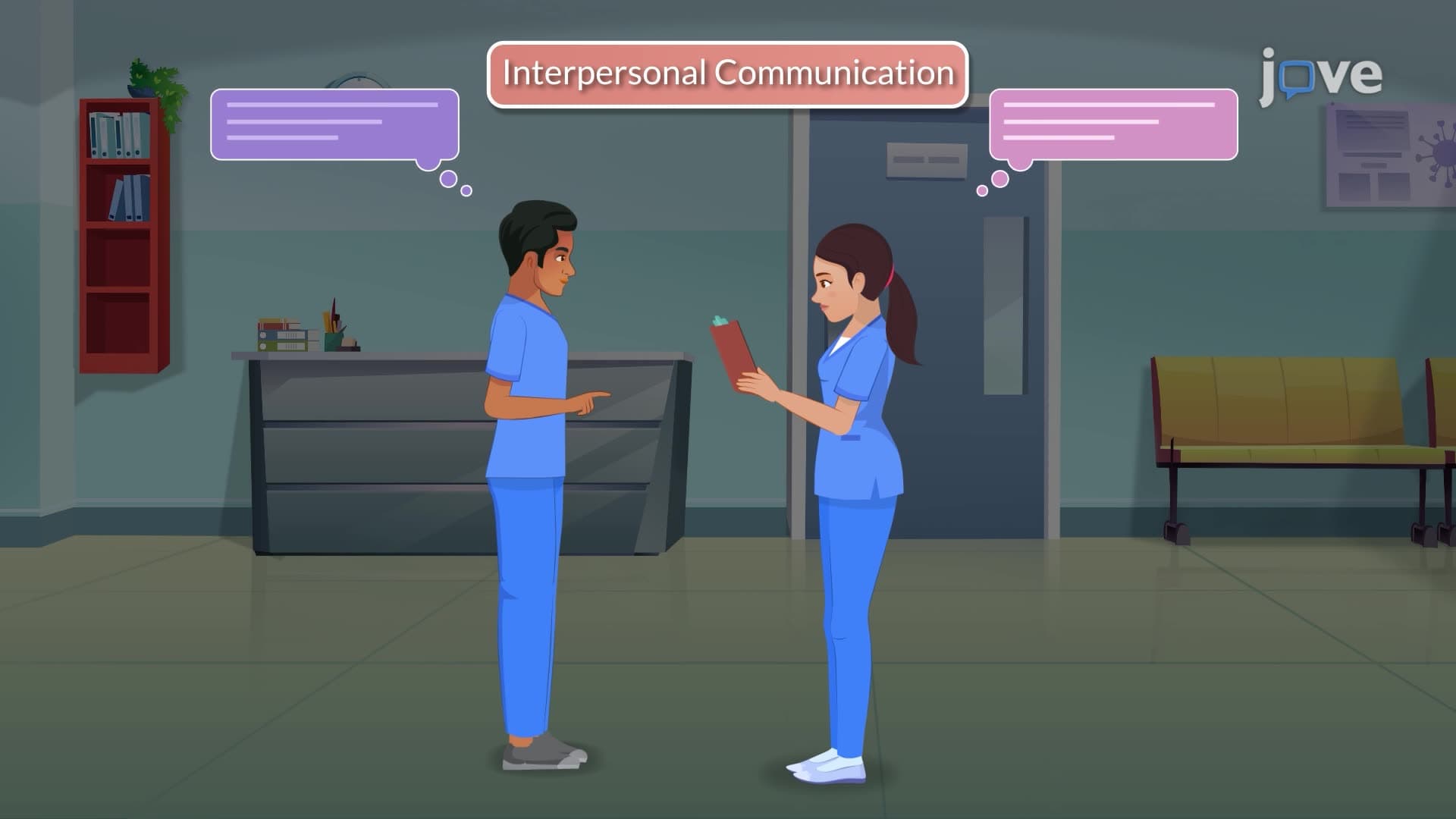
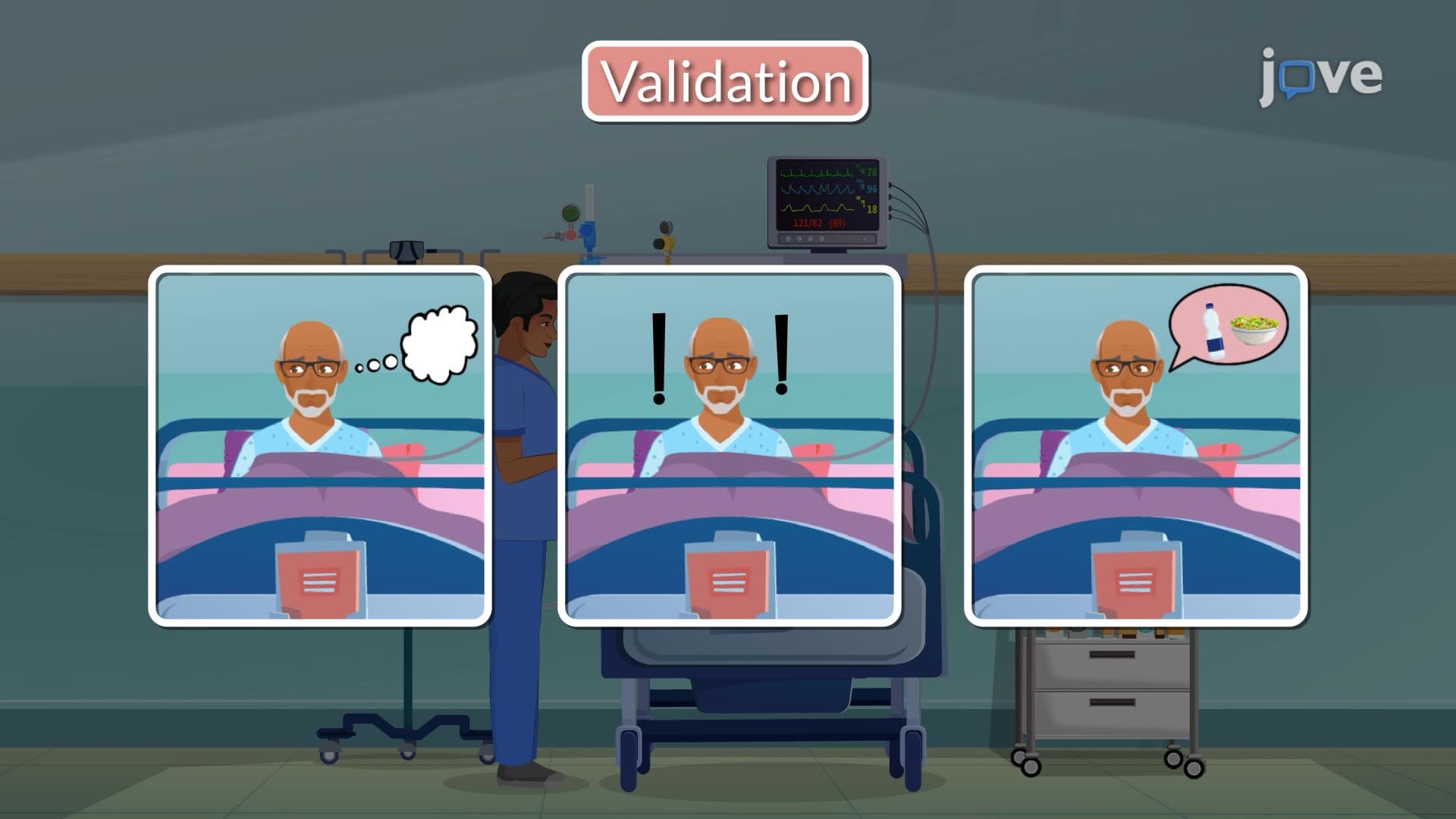
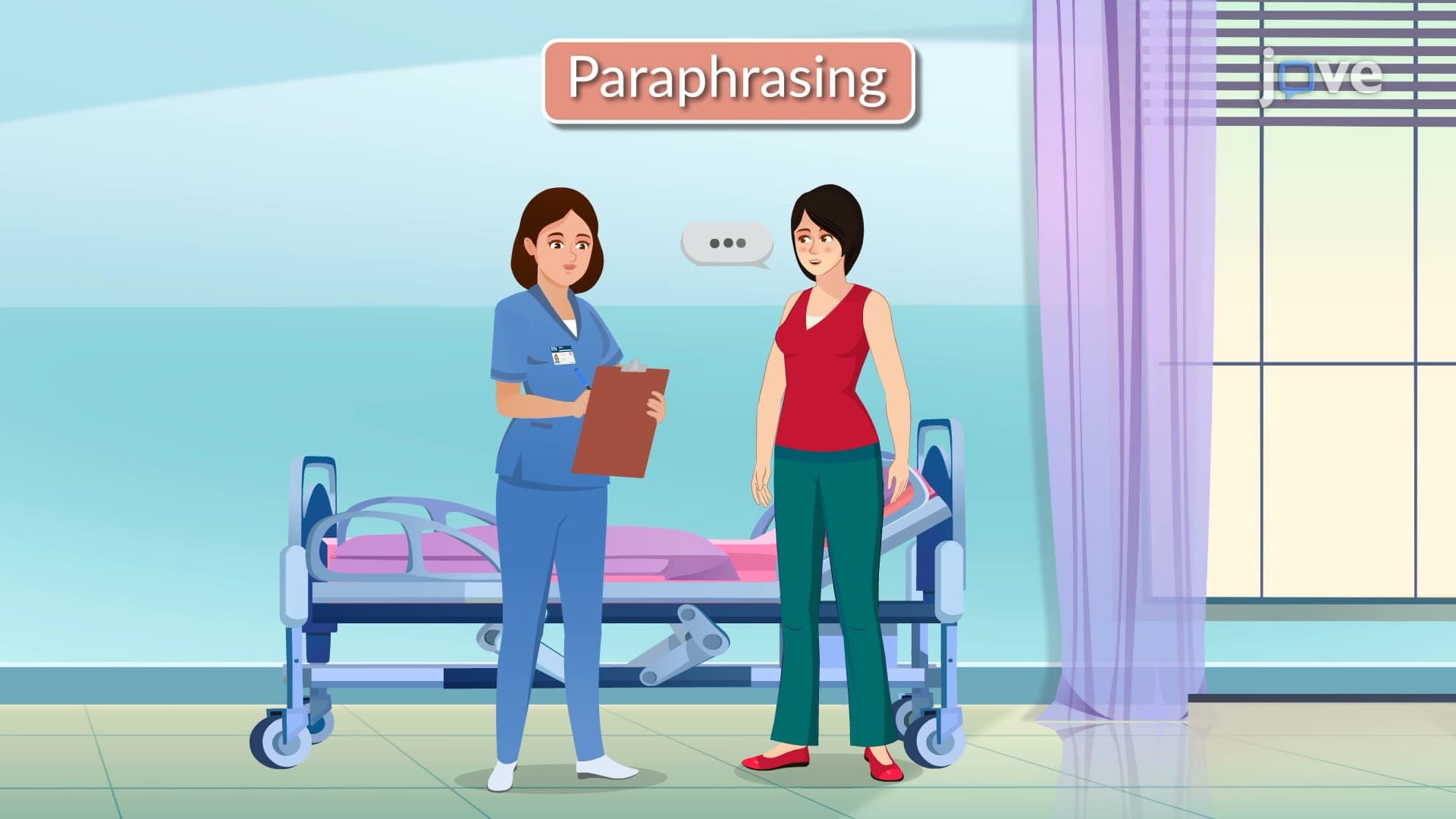
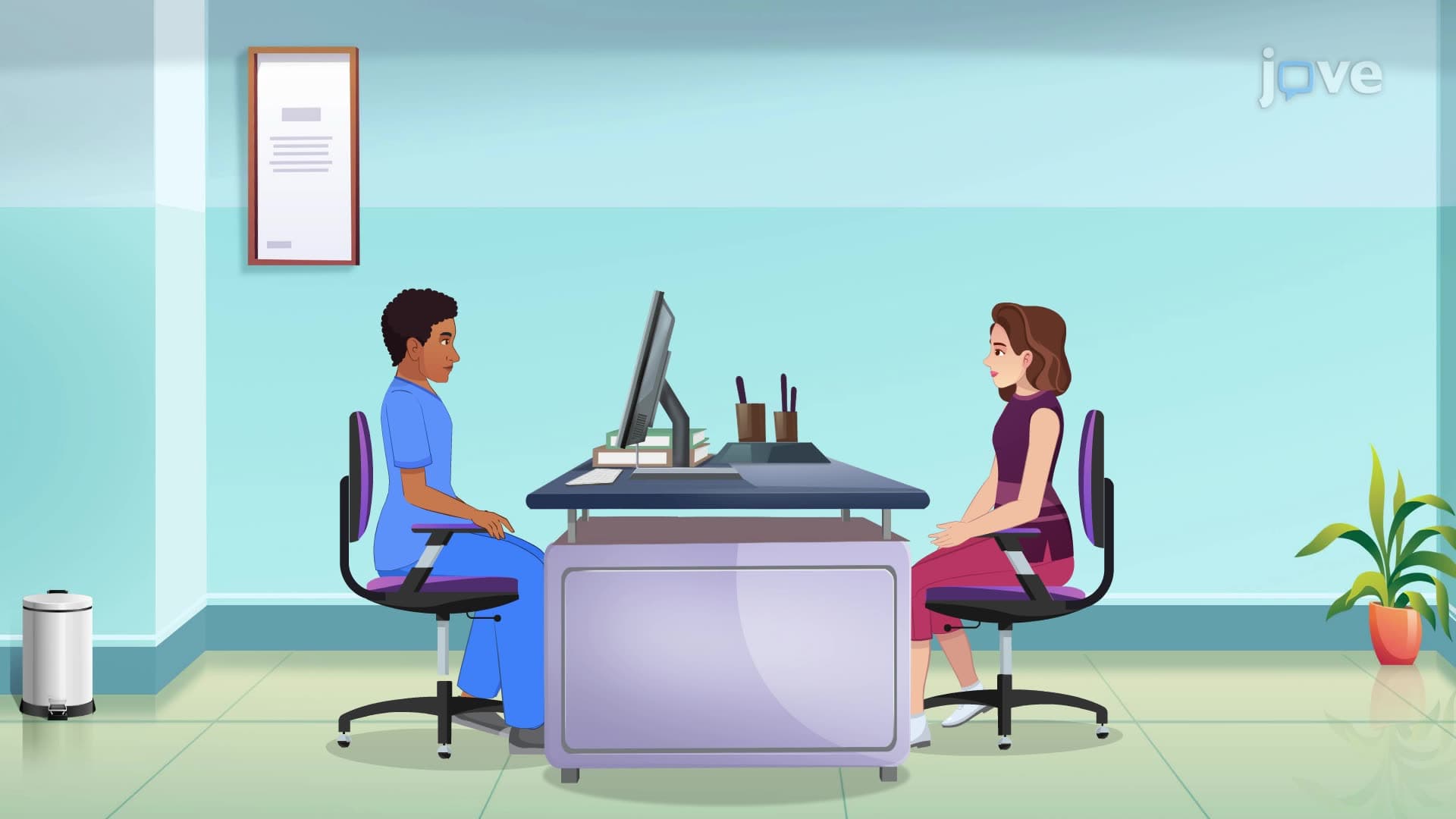
Therapeutic communication represents a cornerstone skill in healthcare that distinguishes professional nursing practice from casual conversation. Unlike everyday social interaction, therapeutic communication involves conscious, purposeful dialogue designed to promote healing, reduce anxiety, and facilitate better health outcomes. This evidence-based approach requires nurses to carefully consider every aspect of their communication-from word selection to body positioning-to create an environment where patients feel heard, understood, and supported.
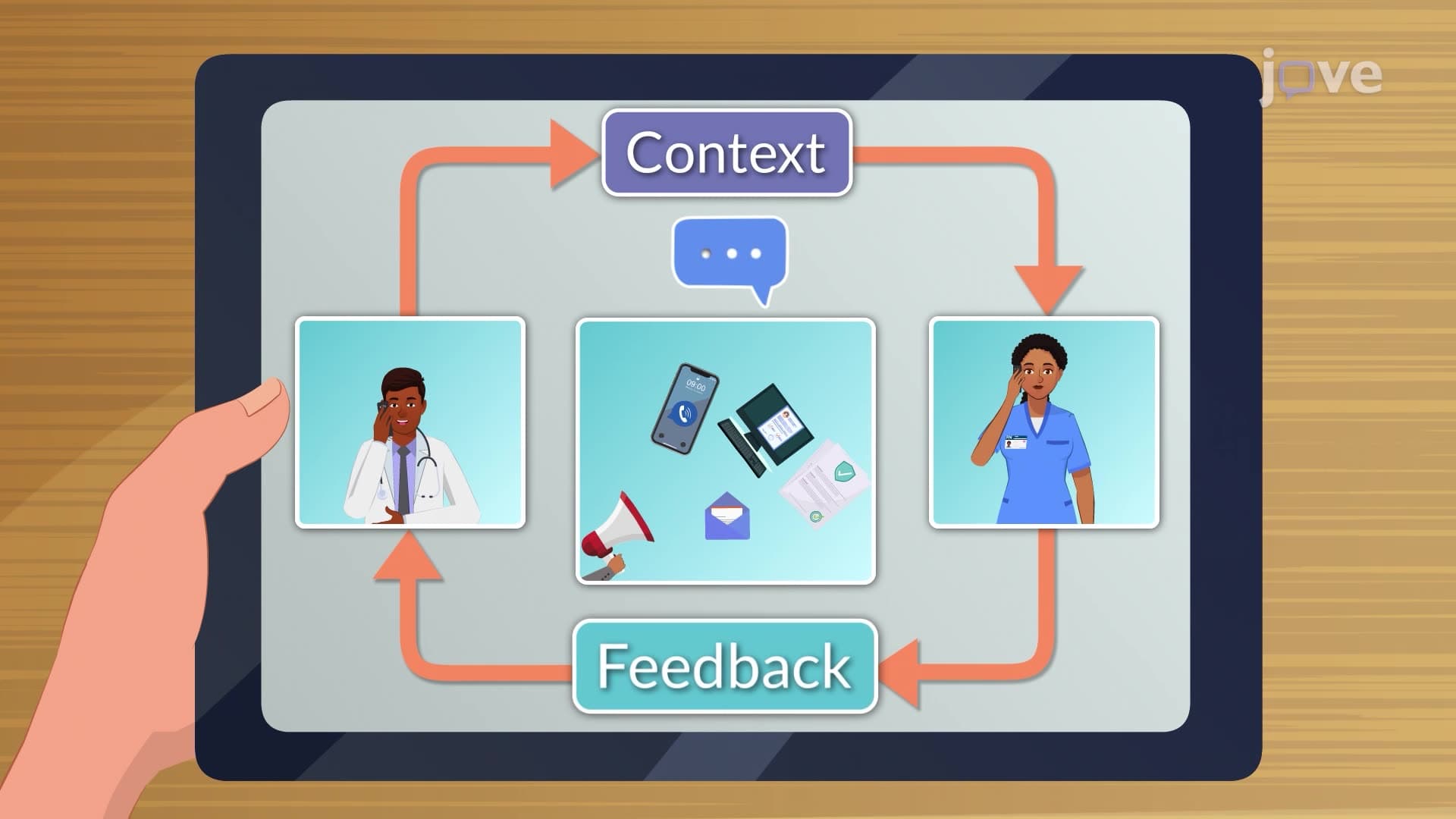
Verbal therapeutic communication encompasses far more than simply speaking clearly to patients. Effective practitioners must master seven critical elements: vocabulary appropriateness, tone modulation, speaking pace, message clarity, conciseness, timing, and relevance to patient needs. For example, when explaining a cardiac catheterization procedure at Mayo Clinic, a nurse might use simple, non-medical terms while maintaining a calm, reassuring tone. The pace should allow for patient questions, and the timing should occur when the patient is most receptive to learning. Written verbal communication through patient education materials, discharge instructions, and interdisciplinary team notes requires equal attention to clarity and completeness.
Research consistently demonstrates that nonverbal communication accounts for 55% of all human communication, making it especially crucial in healthcare settings. Therapeutic nonverbal communication includes maintaining appropriate eye contact to convey attention and respect, using open body postures to appear approachable, employing gentle touch when culturally appropriate, and matching facial expressions to the emotional tone of the interaction. Consider how a nurse at Cleveland Clinic might use a gentle hand on a patient's shoulder while delivering difficult news-this touch communicates support and presence beyond what words alone could achieve.
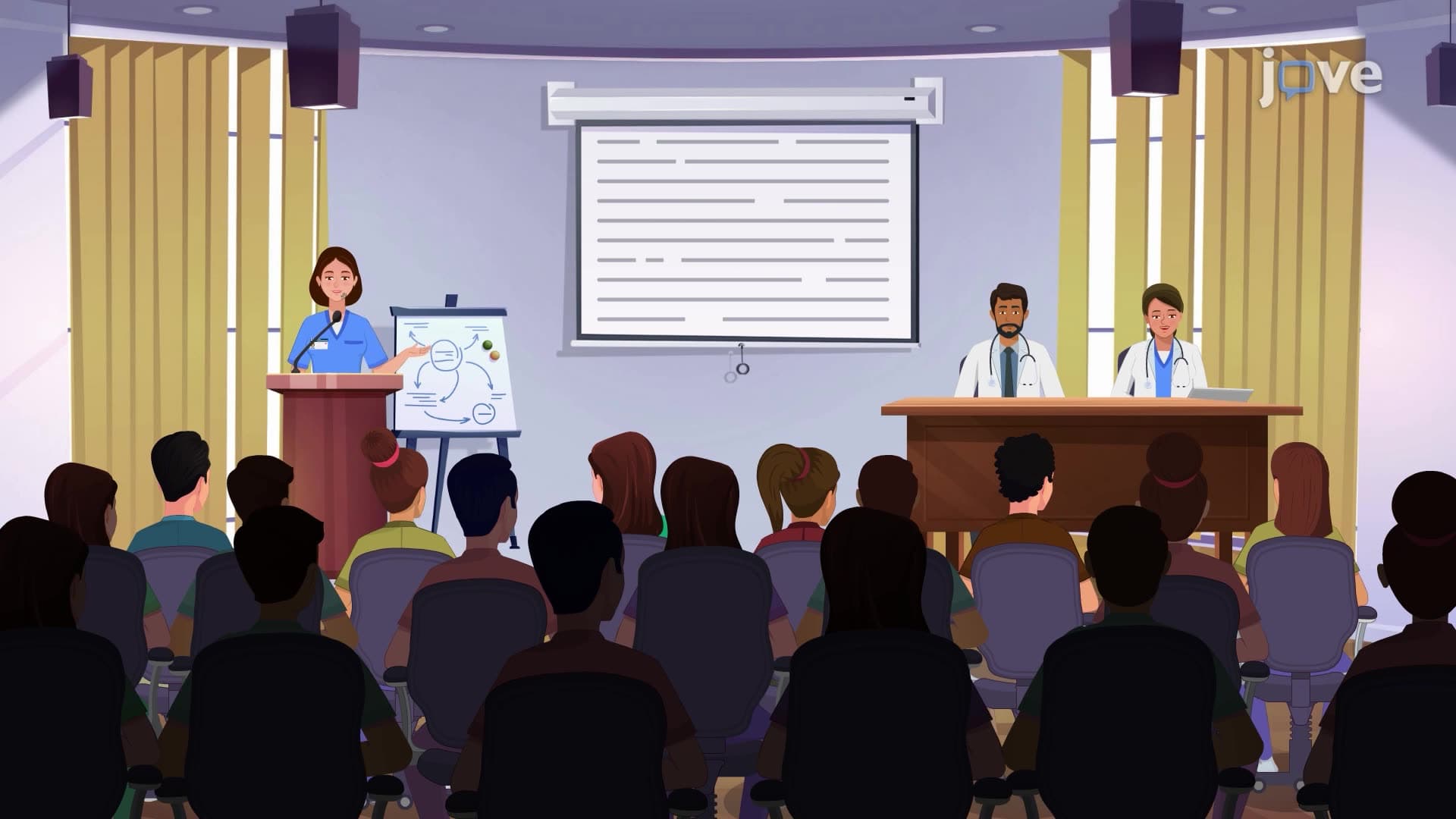
Students preparing for the NCLEX-RN examination will encounter multiple questions testing therapeutic communication principles, particularly scenarios requiring identification of appropriate responses to patient concerns. Advanced Placement Psychology courses frequently examine communication theory, while pre-nursing students in college anatomy and physiology classes benefit from understanding how effective communication impacts patient compliance and health outcomes. Medical school applicants preparing for MCAT interviews should demonstrate understanding of therapeutic communication as evidence of their commitment to patient-centered care.
Related Micro-courses