Loading subject page…


93,900 views

Video Summary: Levels of Communication I Intrapersonal Explained
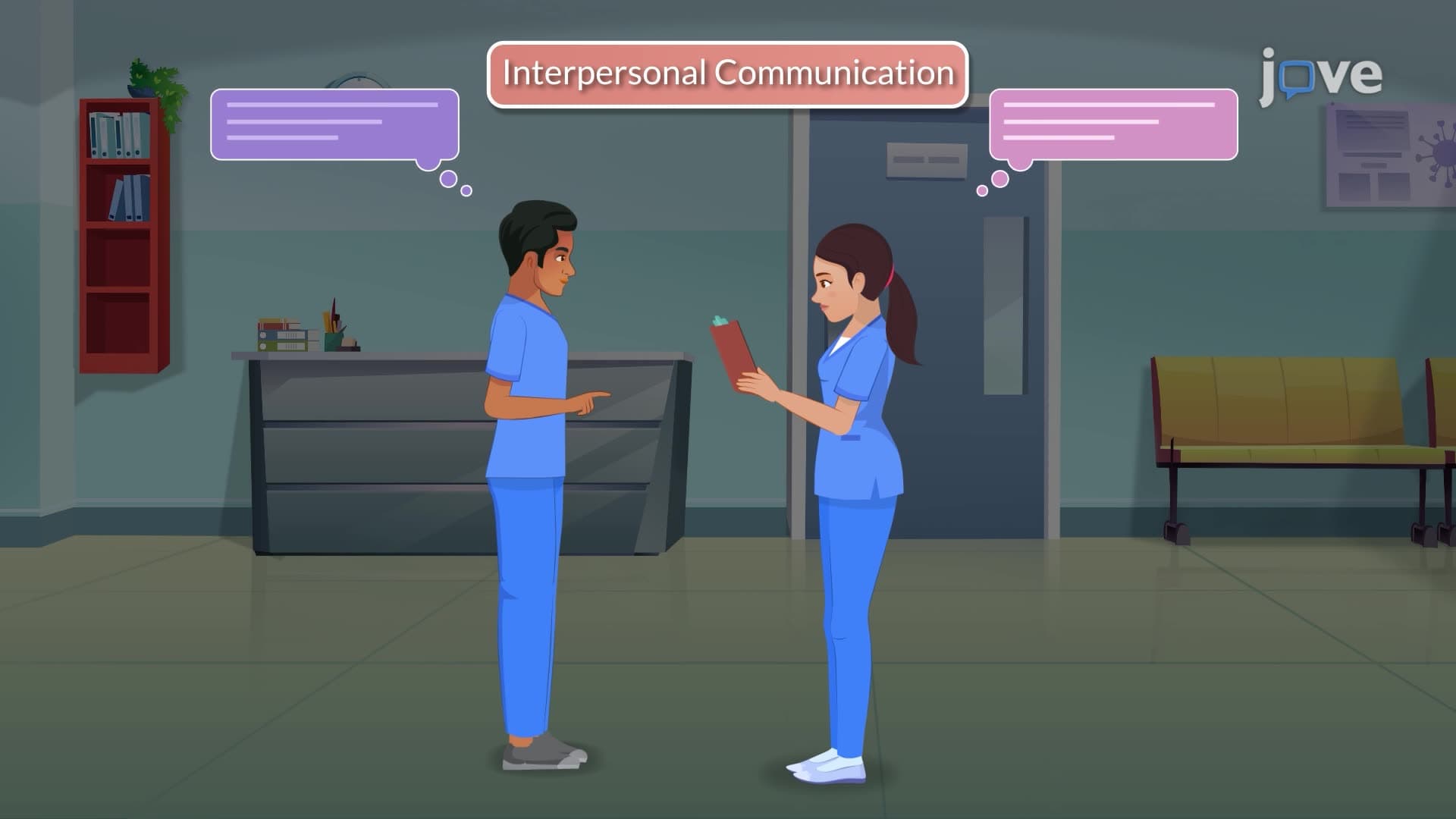
Did you know that healthcare professionals make over 300 critical decisions daily through internal dialogue? The levels communication i intrapersonal process involves how nurses and other healthcare workers communicate within themselves using self-talk, imagination, and reflection to build confidence and make crucial patient care decisions. For example, an ICU nurse at Johns Hopkins might use intrapersonal communication to mentally rehearse a complex procedure before administering medication. Understanding levels of communication i intrapersonal explained helps students master foundational communication theory essential for healthcare careers. Watch the full video on JoVE Coach to master this concept with expert-led visuals and step-by-step explanations.
Intrapersonal communication represents the most fundamental level of human interaction-the ongoing conversation we have with ourselves. This internal dialogue shapes every external communication we engage in, making it particularly crucial for healthcare professionals who must make split-second decisions affecting patient lives. The levels communication i definition encompasses this self-directed process that occurs entirely within an individual's mind through conscious thought, mental imagery, and reflective analysis.
Self-Talk and Internal Dialogue Self-talk involves the continuous stream of thoughts, evaluations, and mental conversations individuals conduct internally. For nursing students preparing for the NCLEX-RN exam, positive self-talk might include affirmations like "I have studied thoroughly and understand pharmacology principles." Research from the American Nurses Association shows that healthcare professionals who engage in constructive self-talk demonstrate 23% better performance under pressure compared to those with negative internal dialogue.
Imagination and Mental Rehearsal Mental imagery allows healthcare professionals to visualize scenarios before they occur. Emergency room nurses at Mass General Hospital, for example, often mentally rehearse trauma protocols, visualizing each step of patient assessment and intervention. This imaginative process enhances preparedness and reduces errors during actual emergencies.
Reflection and Self-Assessment Reflective thinking involves analyzing past experiences to inform future decisions. After completing patient rounds, nurses might reflect on their communication effectiveness, identifying areas for improvement. This metacognitive process directly impacts patient satisfaction scores and clinical outcomes.
Students encountering this concept in AP Psychology or college-level communication courses should understand its practical applications. The levels of communication i intrapersonal study guide material frequently appears on HESI A2 exams, where students must demonstrate understanding of therapeutic communication principles. Healthcare administration programs at universities like Duke and Vanderbilt emphasize intrapersonal communication as essential for leadership development.
In clinical settings, effective intrapersonal communication helps nurses manage stress, make ethical decisions, and maintain professional boundaries. For instance, when facing a difficult patient interaction, a nurse might use internal dialogue to remain calm: "This patient is in pain and scared. I will respond with empathy while maintaining professional composure."
Related Micro-courses