Loading subject page…


93,900 views

Video Summary: Nursing Process for Patient and Caregiver Teaching Evaluation and Documentation
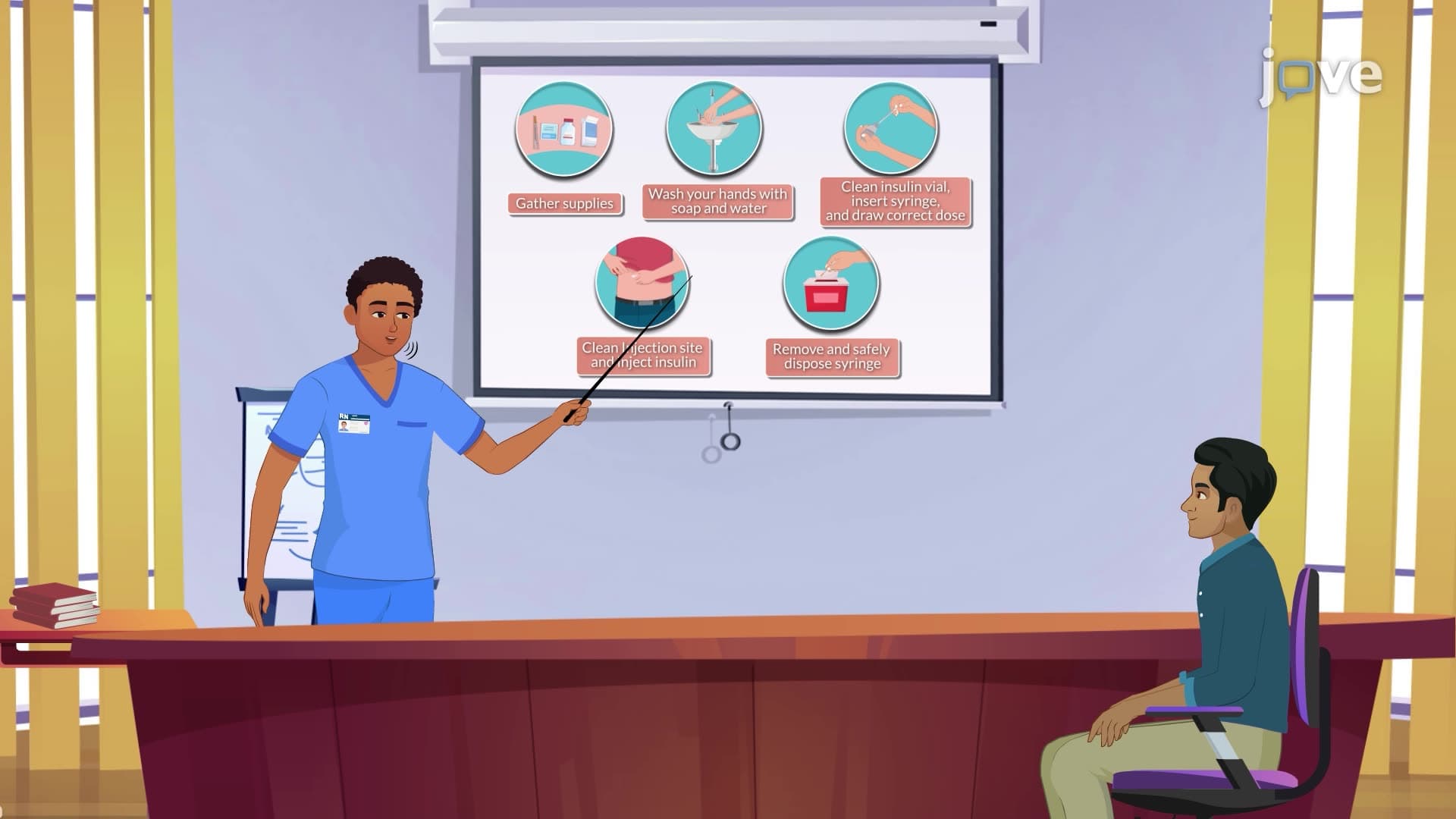
What happens when a nurse teaches a diabetic patient to check their blood sugar, but never verifies they actually understood? The nursing process patient caregiver teaching approach prevents this critical gap through systematic evaluation and documentation. For instance, at Houston Methodist Hospital, nurses use teach-back methods to ensure patients can properly demonstrate insulin injection techniques before discharge. The Nursing Process for Patient and Caregiver Teaching: Evaluation and Documentation represents the final, legally-required steps that transform patient education from simple instruction into measurable learning outcomes. Watch the full video on JoVE Coach to master this concept with expert-led visuals and step-by-step explanations.
The evaluation and documentation phases represent the culmination of effective patient education, transforming theoretical nursing knowledge into measurable, legally-defensible outcomes. This systematic approach ensures that patient learning extends beyond mere information delivery to genuine comprehension and skill acquisition. In US healthcare settings, from major medical centers like Mayo Clinic to community hospitals, these processes serve as both quality assurance measures and legal protection for healthcare providers.
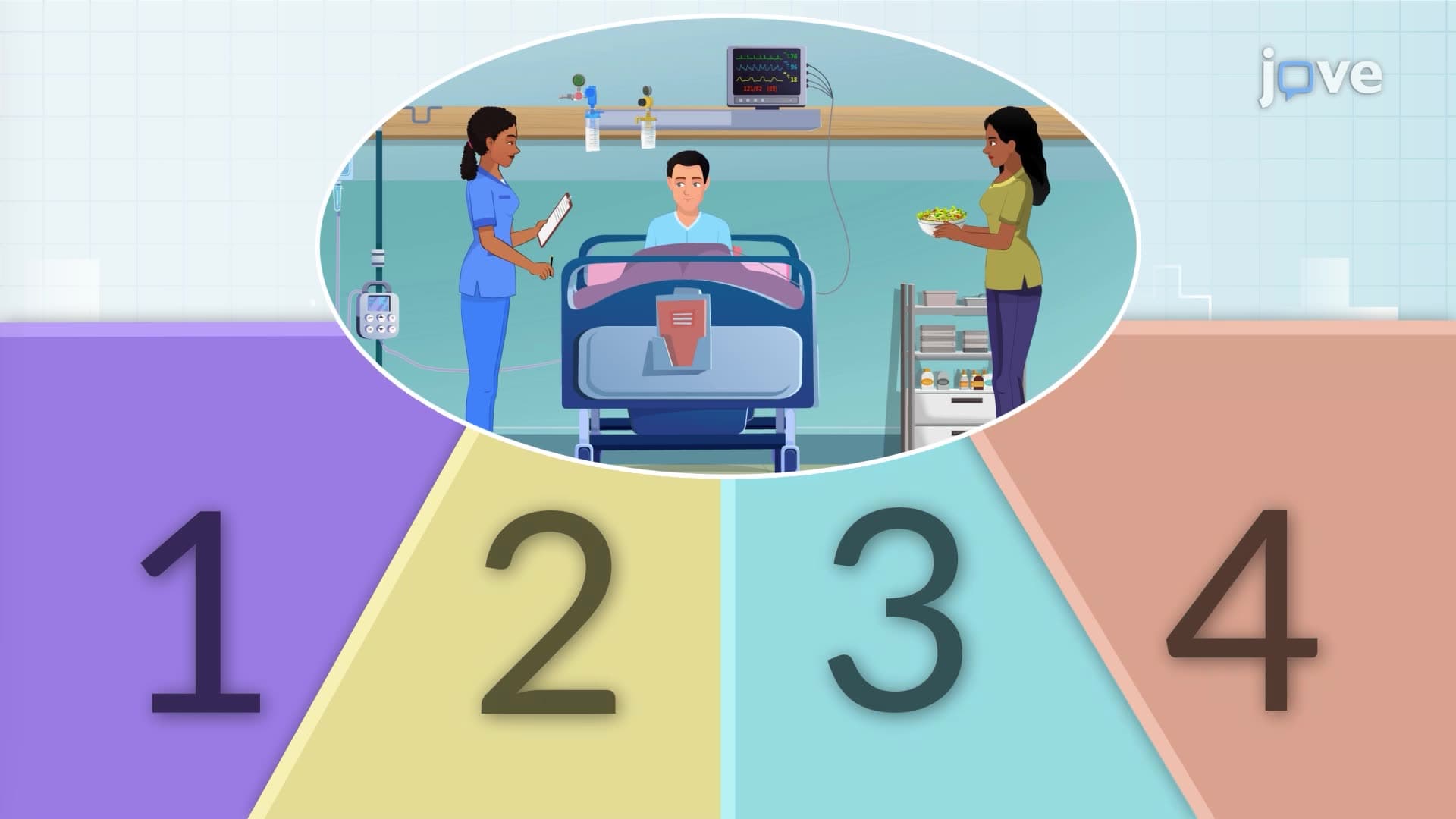
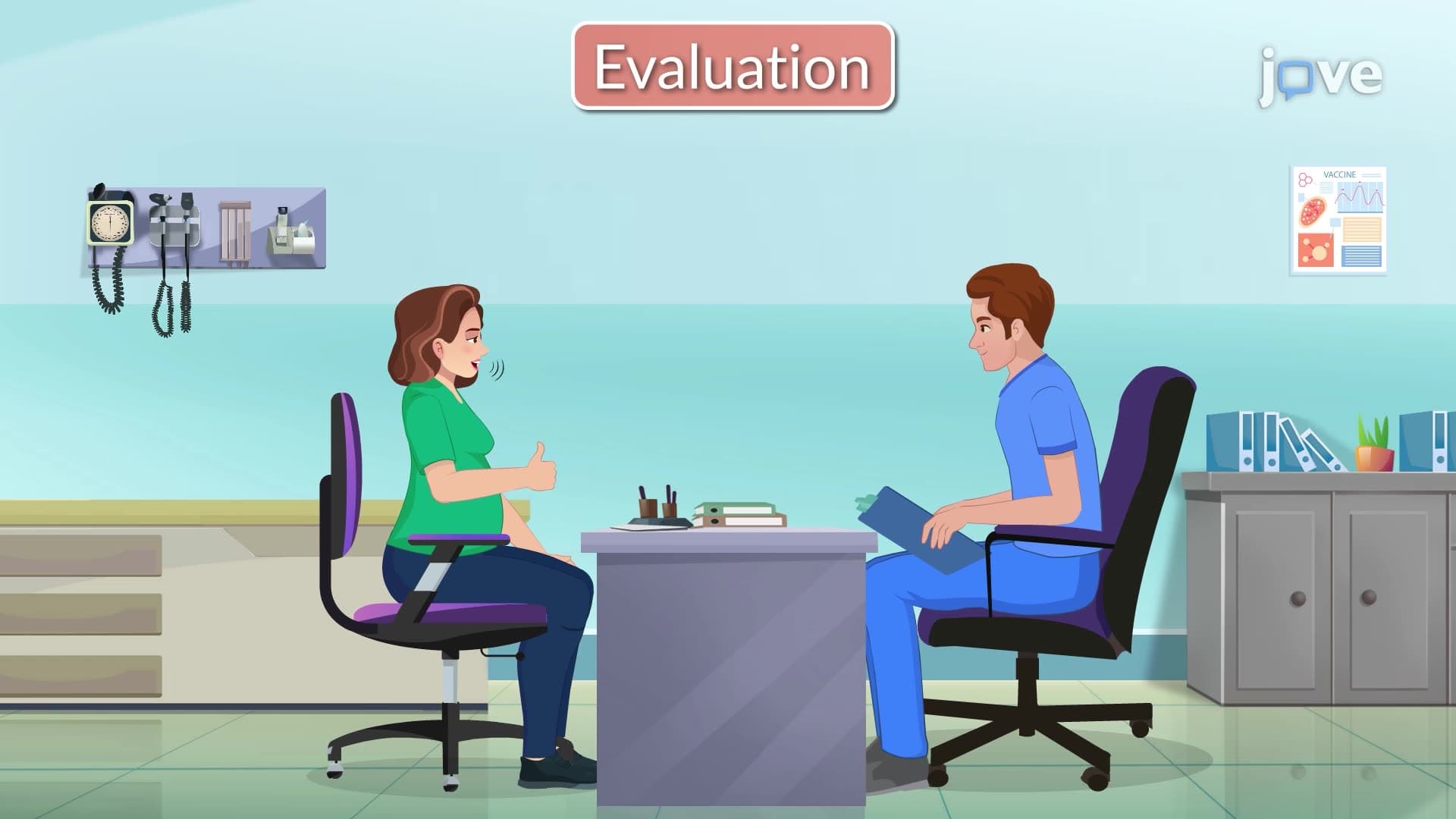
Modern nursing evaluation encompasses four evidence-based assessment techniques. The teach-back method stands as the gold standard, requiring patients to restate information in their own words-a technique now mandated by The Joint Commission for discharge instructions. For example, a cardiac patient at Cleveland Clinic might explain their medication schedule and warning signs, demonstrating true understanding beyond rote memorization.
Direct observation provides real-time assessment of skill application. Nurses monitor patients performing tasks like wound care or medication administration, identifying knowledge gaps immediately. Patient feedback collection through structured interviews or surveys reveals emotional barriers and comprehension challenges that might otherwise remain hidden. Finally, return demonstrations offer concrete proof of competency, particularly valuable for complex procedures like diabetes management or respiratory treatments.
Documentation serves dual purposes: continuity of care and legal protection. US healthcare regulations require comprehensive records including identified learning needs, educational interventions implemented, evaluation outcomes, and remedial actions for inadequate learning. This documentation proves especially critical during Joint Commission surveys or malpractice proceedings.
Effective documentation follows the ADPIE framework (Assessment, Diagnosis, Planning, Implementation, Evaluation), creating clear care progression records. Nurses must document both successful learning outcomes and instances where patients struggle, along with specific interventions planned to address deficiencies. This transparency ensures that subsequent caregivers understand patient education status and can build upon previous teaching efforts.
These concepts directly impact NCLEX-RN examination success, where patient education questions frequently test evaluation and documentation knowledge. Students preparing for nursing programs through prerequisite courses like anatomy, psychology, and sociology benefit from understanding how these subjects integrate into real-world patient care scenarios.
In clinical rotations at institutions like Johns Hopkins or University of California medical centers, nursing students practice these evaluation techniques under supervision, building competency before independent practice. The systematic approach also applies to caregiver education, ensuring family members can provide safe, effective home care support.
Related Micro-courses