Loading subject page…


93,900 views

Video Summary: Levels of Communication Ii Organizational Explained
Did you know that a single miscommunication at Cleveland Clinic can affect thousands of patients across their healthcare network? Understanding levels communication ii organizational becomes crucial when you realize that effective organizational communication can literally save lives in healthcare settings. When nurses at Johns Hopkins Hospital coordinate with interdisciplinary teams during emergency responses, they're applying these exact communication principles. Watch the full video on JoVE Coach to master this concept with expert-led visuals and step-by-step explanations.
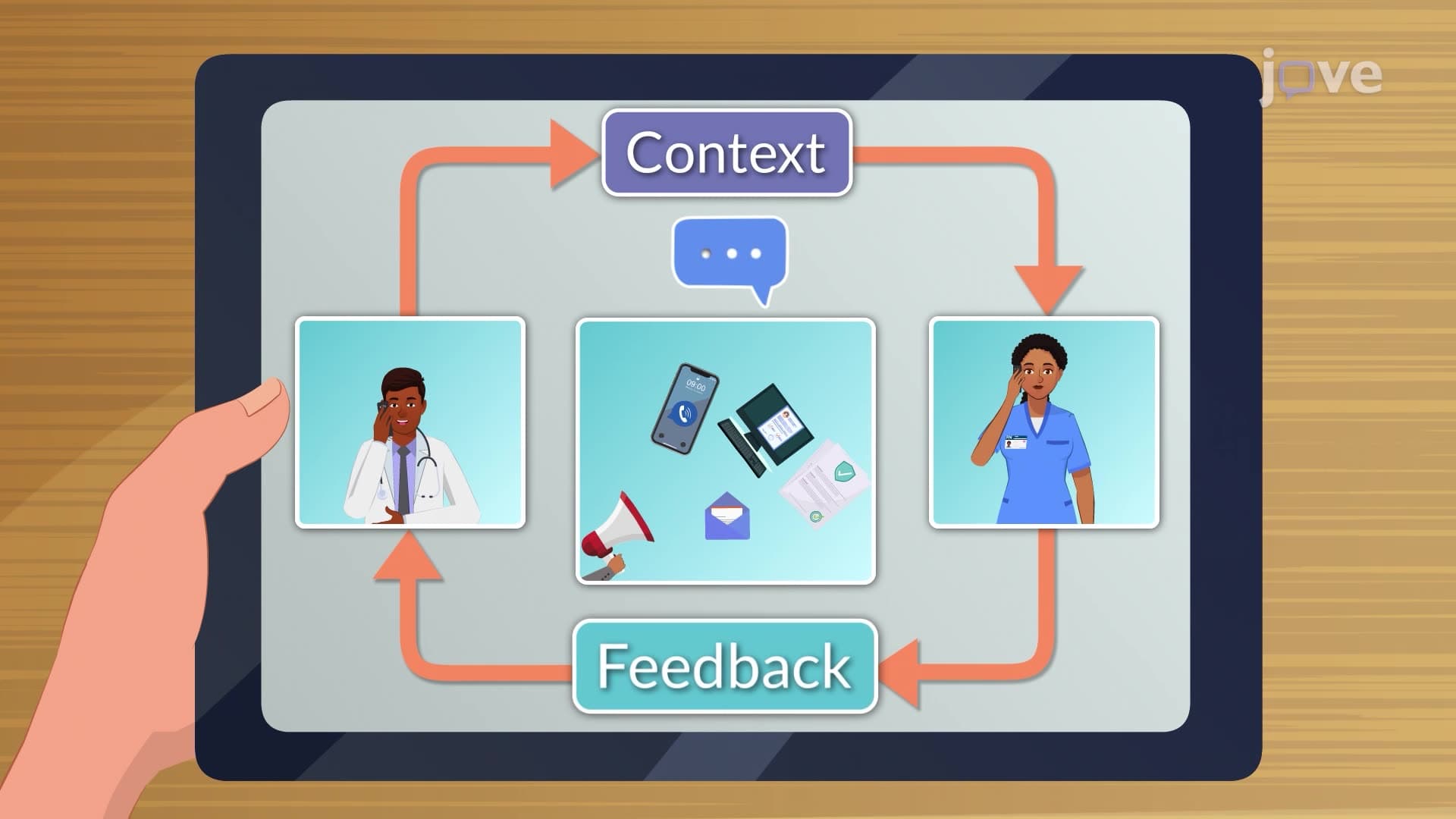
The levels communication ii organizational framework represents a sophisticated system of information exchange that occurs both within healthcare organizations and between these organizations and external stakeholders. This communication model is particularly critical in healthcare environments where coordination between multiple departments, specialties, and external partners directly impacts patient outcomes and organizational effectiveness.
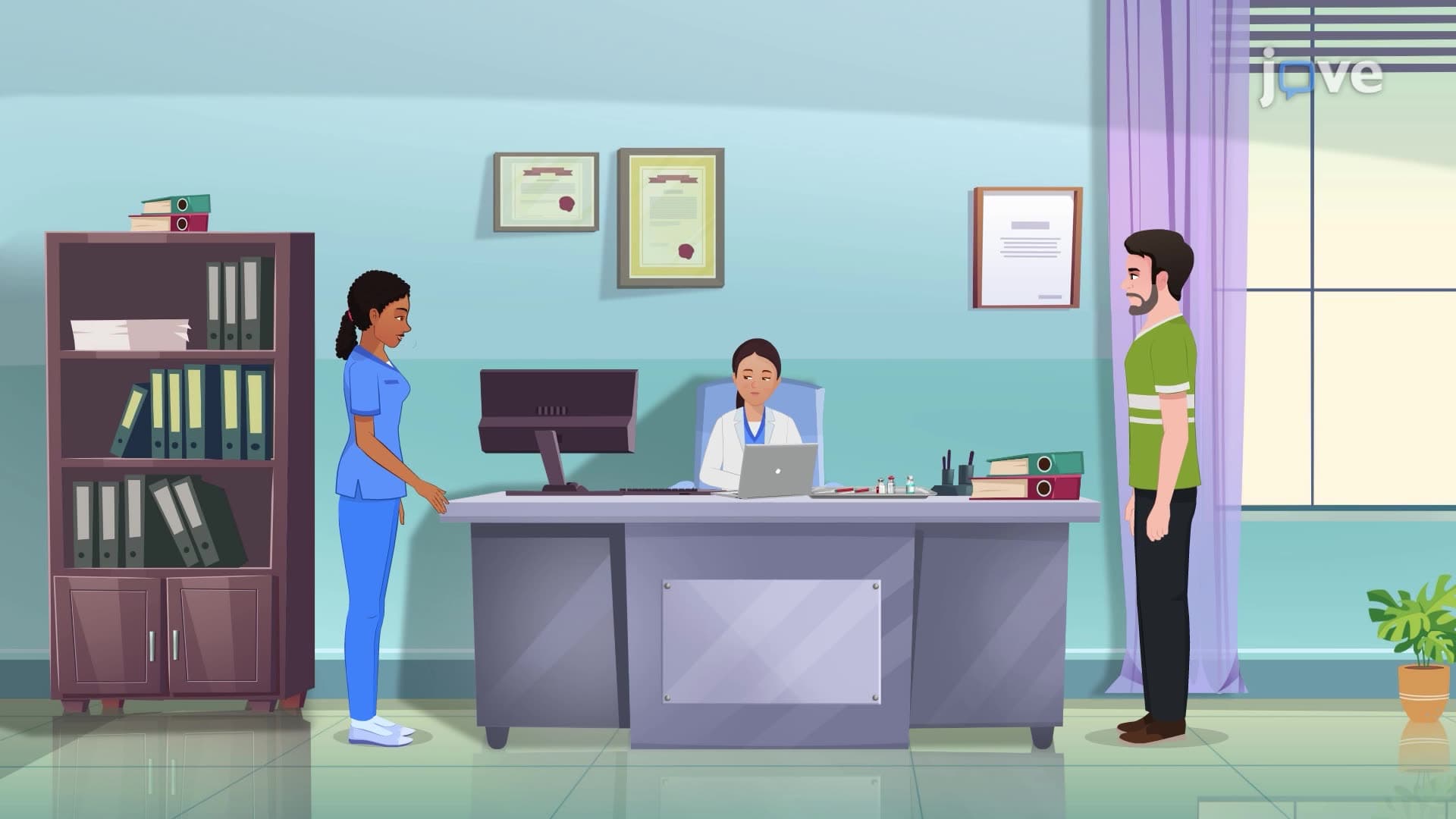
Internal communication within healthcare organizations follows distinct hierarchical and lateral patterns. Top-down communication typically involves the transmission of policies, procedures, and strategic directives from executive leadership to department heads, and subsequently to frontline healthcare workers. For example, when the Centers for Disease Control and Prevention issues new infection control guidelines, a hospital's administration must effectively communicate these changes through their organizational structure to ensure compliance at every level.
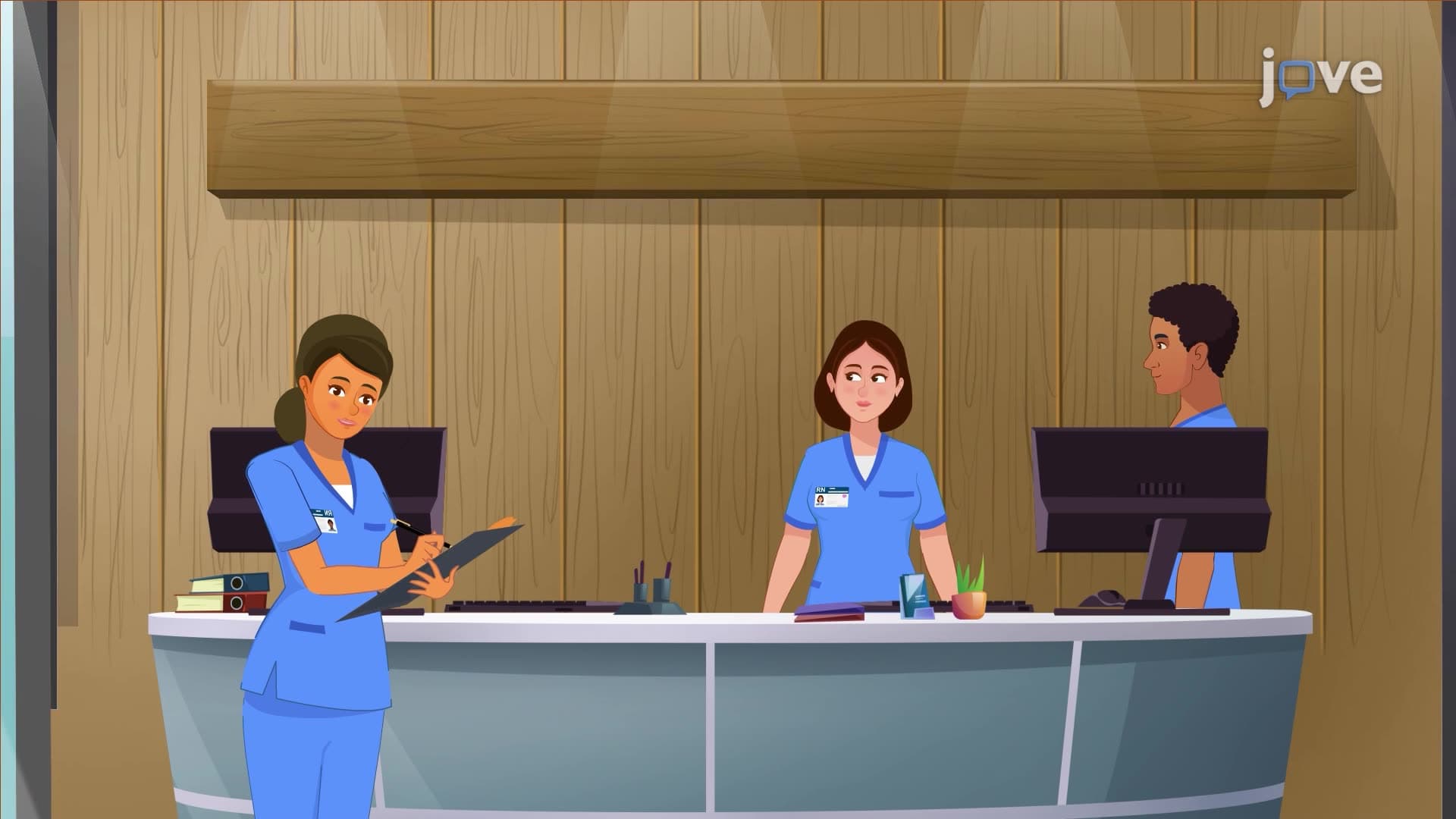
Lateral communication occurs across departments and specialties, enabling coordination between nursing units, pharmacy, laboratory services, and physician teams. This horizontal flow of information is essential for patient care coordination and is frequently tested on exams like the NCLEX-RN, where students must demonstrate understanding of interdisciplinary collaboration principles.
External organizational communication extends beyond the immediate healthcare facility to engage with patients, families, regulatory bodies, and the broader community. Modern healthcare organizations utilize multiple channels including patient portals, social media platforms, and traditional media outlets to communicate with external stakeholders. During the COVID-19 pandemic, institutions like Mayo Clinic demonstrated effective external communication by providing regular updates to the public while maintaining transparent communication with regulatory agencies.
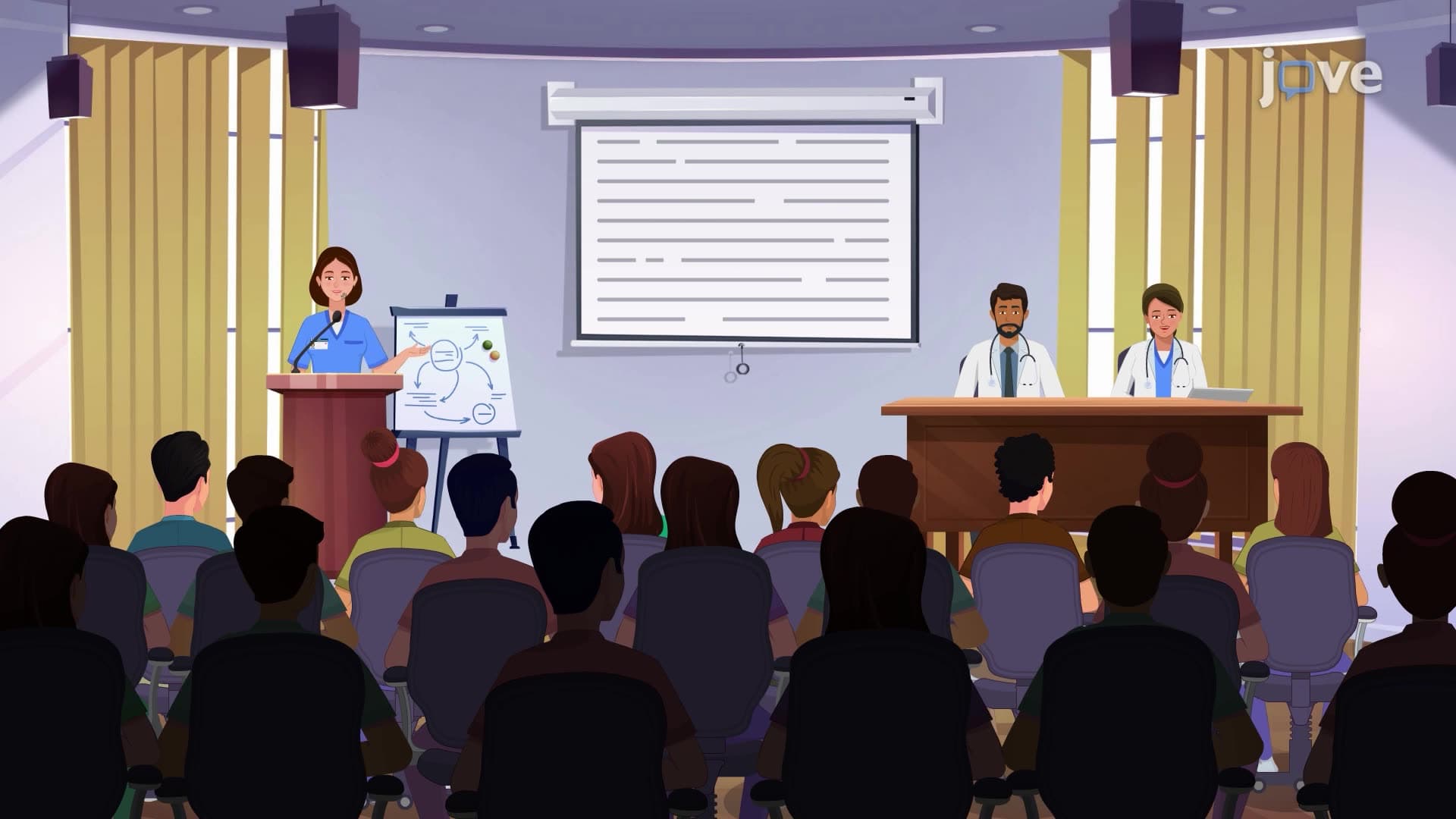
Group dynamics significantly influence the effectiveness of organizational communication, particularly in healthcare settings where diverse teams must collaborate under high-pressure conditions. Research conducted at institutions like Massachusetts General Hospital has shown that factors such as team composition, cultural diversity, and professional hierarchy directly impact communication effectiveness and patient outcomes. Understanding these dynamics is crucial for nursing students preparing for the HESI A2 or TEAS exams, which often include questions about team-based care and communication strategies.
Related Micro-courses