Loading video…


 17 Concepts
 93.9K views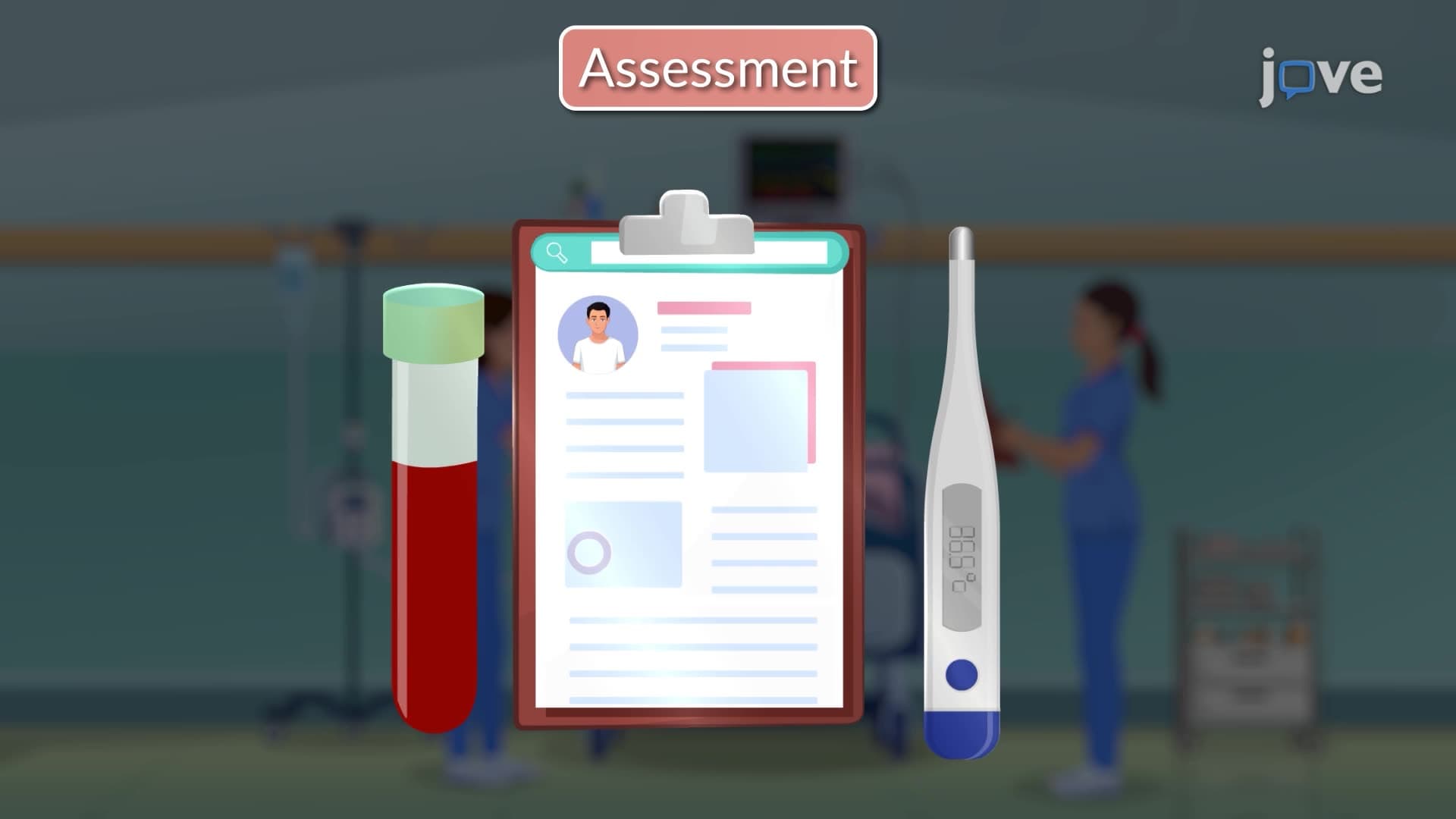

Video Summary: Sbar I Understanding the Concept Explained
Did you know that poor communication during nursing shift changes contributes to 80% of serious medical errors in US hospitals? SBAR I Understanding The Concept Explained provides a structured framework that transforms chaotic patient handoffs into clear, systematic exchanges. For instance, when a nurse at Johns Hopkins transfers a cardiac patient from the ICU to the medical floor, SBAR ensures critical details like medication changes and vital sign trends aren't lost in translation. Watch the full video on JoVE Coach to master this concept with expert-led visuals and step-by-step explanations.
SBAR I Understanding The Concept Explained represents a critical communication methodology that addresses one of healthcare's most persistent challenges: ensuring accurate information transfer between providers. Developed initially for high-stakes aviation environments, SBAR was adapted for healthcare by the Institute for Healthcare Improvement to create a standardized approach that reduces ambiguity and prevents critical information loss.
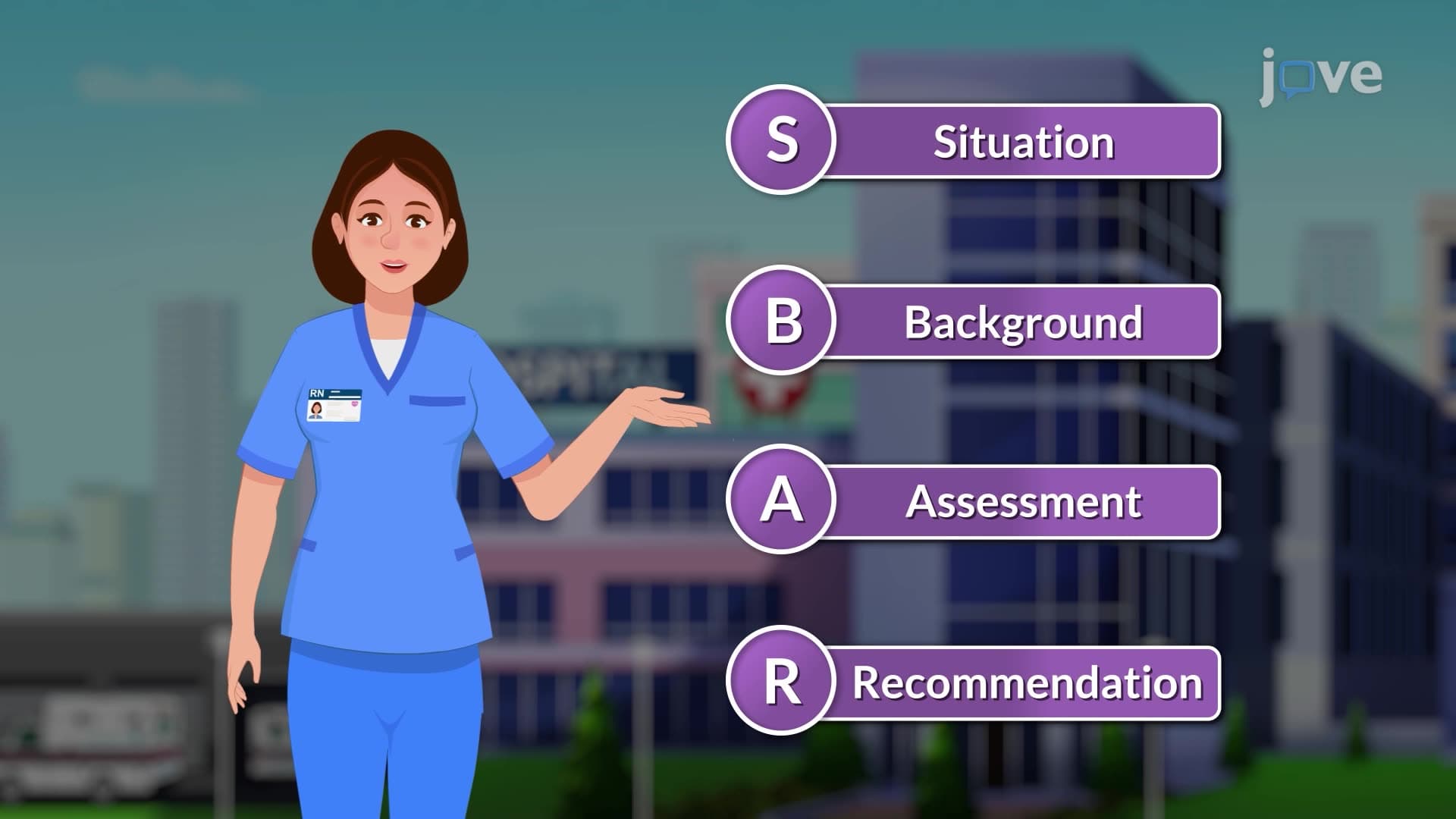
The SBAR framework operates through four distinct phases, each serving a specific purpose in comprehensive patient information transfer. The Situation phase establishes context by requiring caregivers to identify themselves, provide patient demographics, and clearly describe the current issue's location, timing, and severity. This initial step prevents the confusion that often occurs when multiple patients with similar conditions are discussed simultaneously.
The Background section delves into historical context, encompassing admission diagnoses, relevant medical history, and recent laboratory or diagnostic results. This component proves particularly valuable in academic medical centers like Mayo Clinic, where residents and attending physicians must quickly understand complex patient histories during rounds.
The Assessment phase requires healthcare providers to synthesize current patient data, including vital signs, physical examination findings, and recent interventions. This critical thinking component aligns closely with nursing education standards tested on NCLEX examinations and reinforced throughout BSN programs at institutions like Duke University School of Nursing.
The final Recommendation phase transforms passive reporting into active problem-solving, requiring caregivers to propose specific interventions, request necessary tests, or suggest treatment modifications. This element directly correlates with competencies assessed in MCAT scenarios and advanced practice nursing examinations.
SBAR implementation extends far beyond basic patient handoffs, finding application in emergency department triage communications, surgical team briefings, and interprofessional consultations. Pre-med students encounter SBAR principles in healthcare communication courses, while nursing students practice these frameworks extensively during clinical rotations at teaching hospitals like Cleveland Clinic and Massachusetts General Hospital.
Related Micro-courses