Loading subject page…


93,900 views

Video Summary: Techniques of Therapeutic Communication I Guide
Did you know that 70% of patient satisfaction scores in US hospitals directly correlate with the quality of nurse-patient communication? Techniques therapeutic communication form the foundation of effective healthcare delivery, enabling nurses to build trust and promote healing through purposeful interactions. The Techniques of Therapeutic Communication I Guide covers four essential methods: active listening, sharing observations, validation, and professional touch. For example, when a nurse at Johns Hopkins Hospital uses active listening during patient rounds, they demonstrate genuine concern that can reduce patient anxiety by up to 40%. Watch the full video on JoVE Coach to master this concept with expert-led visuals and step-by-step explanations.
Techniques therapeutic communication represent a cornerstone of professional nursing practice, combining scientific principles with compassionate care delivery. These evidence-based approaches have been refined through decades of research in US medical institutions and are now standard components of nursing curricula from community colleges to prestigious programs at Duke University and the University of Pennsylvania.
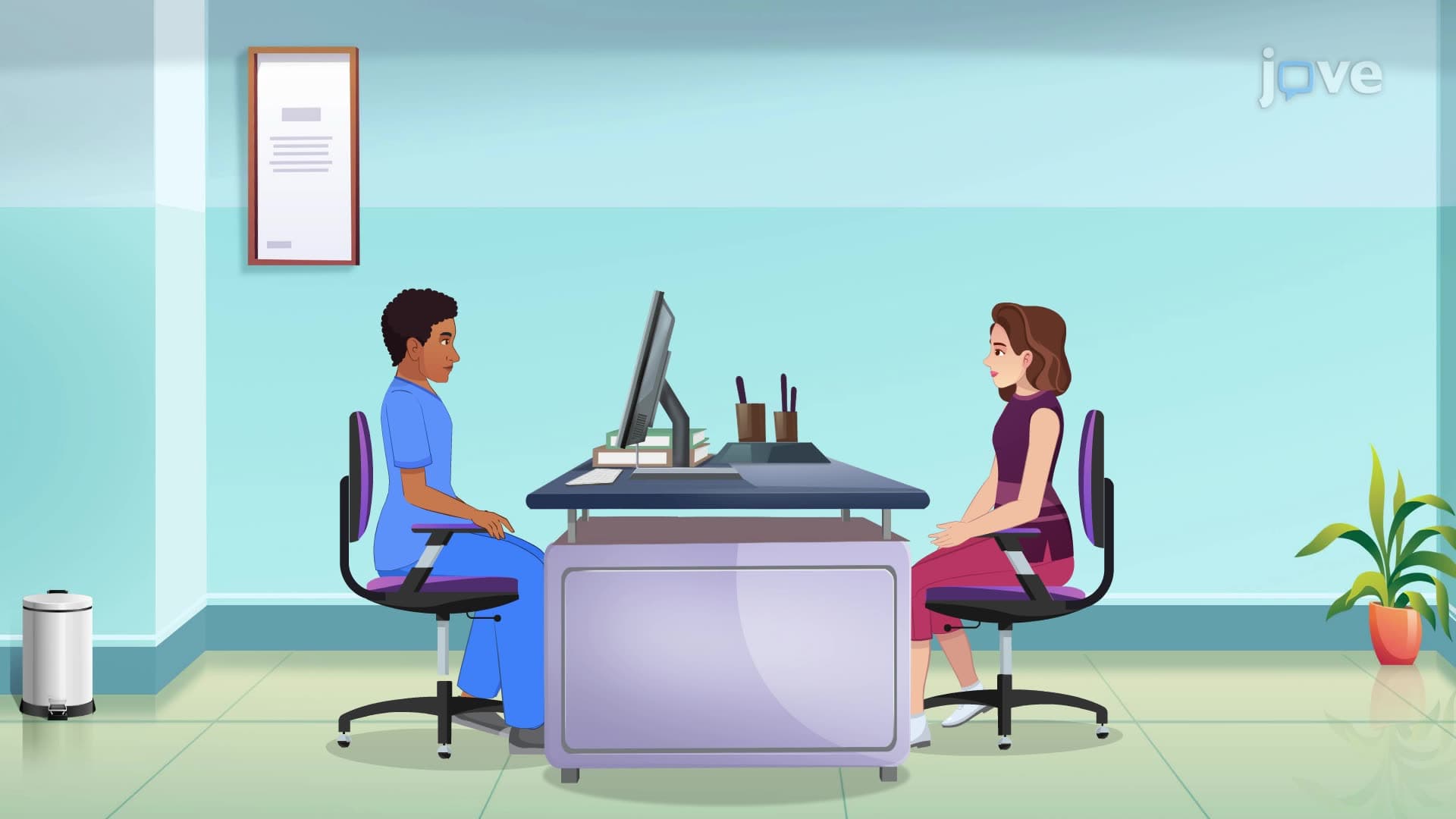
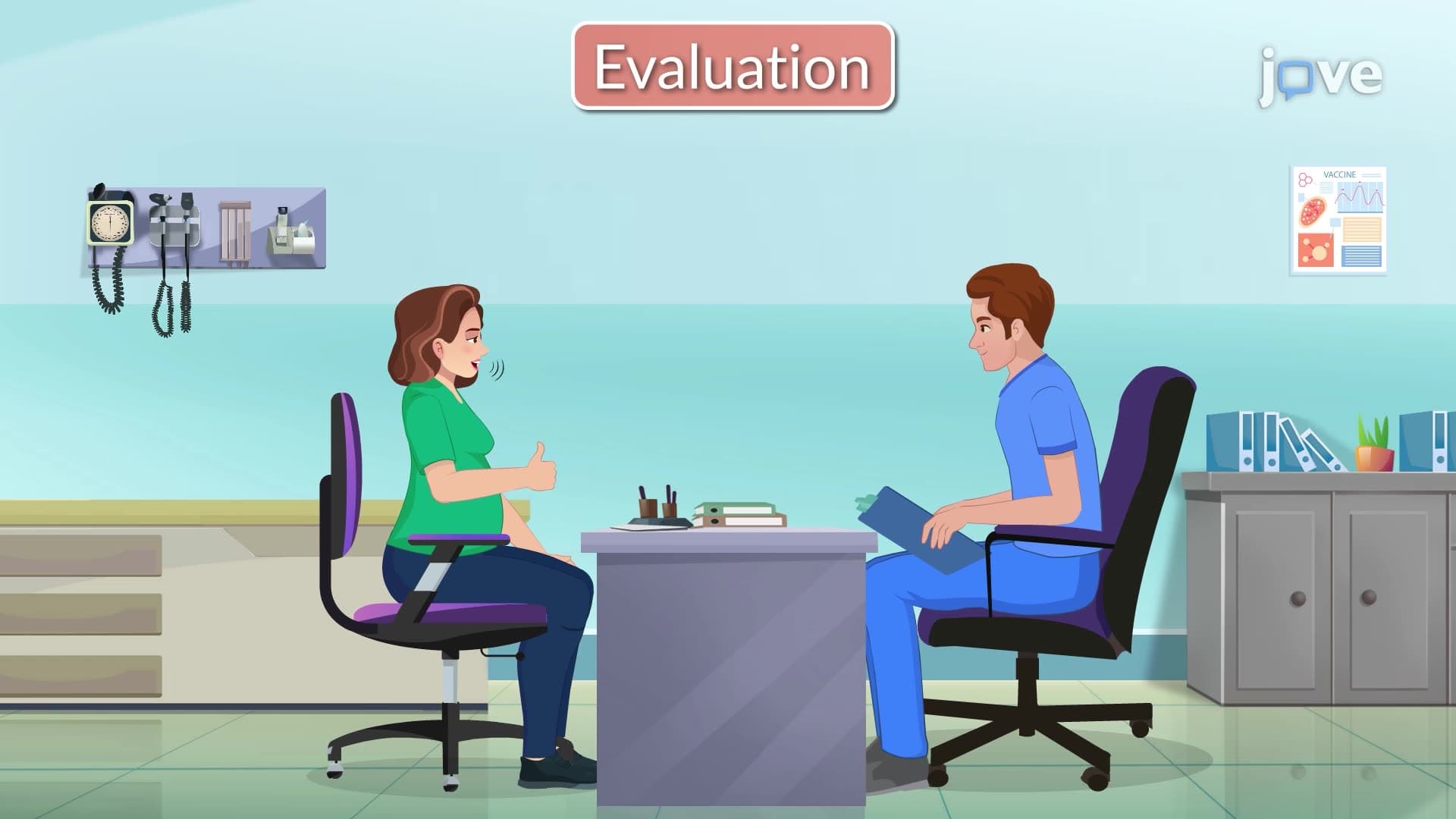
Active listening transcends simply hearing words-it involves complete engagement with patients' verbal and nonverbal messages. Research from the American Nurses Association demonstrates that nurses who master active listening techniques see 35% fewer patient complaints and significantly higher satisfaction scores. This technique requires specific positioning: maintaining open body language, establishing appropriate eye contact, and providing verbal and nonverbal feedback. During NCLEX preparation, students often encounter scenarios testing their understanding of active listening components, making this concept crucial for exam success.
In clinical practice, active listening might involve a nurse at Mayo Clinic leaning forward while a patient describes post-surgical pain, nodding to show understanding, and reflecting back what they've heard: "It sounds like the pain is worse in the morning and affects your sleep quality."
Techniques of therapeutic communication explained include the critical skill of observation sharing, where nurses verbalize what they notice about patients' physical appearance, behavior, or emotional state. This technique serves dual purposes: it demonstrates attentiveness and helps patients become more self-aware. For example, a nurse might say, "I notice you seem restless today" rather than making assumptions about the patient's internal experience.
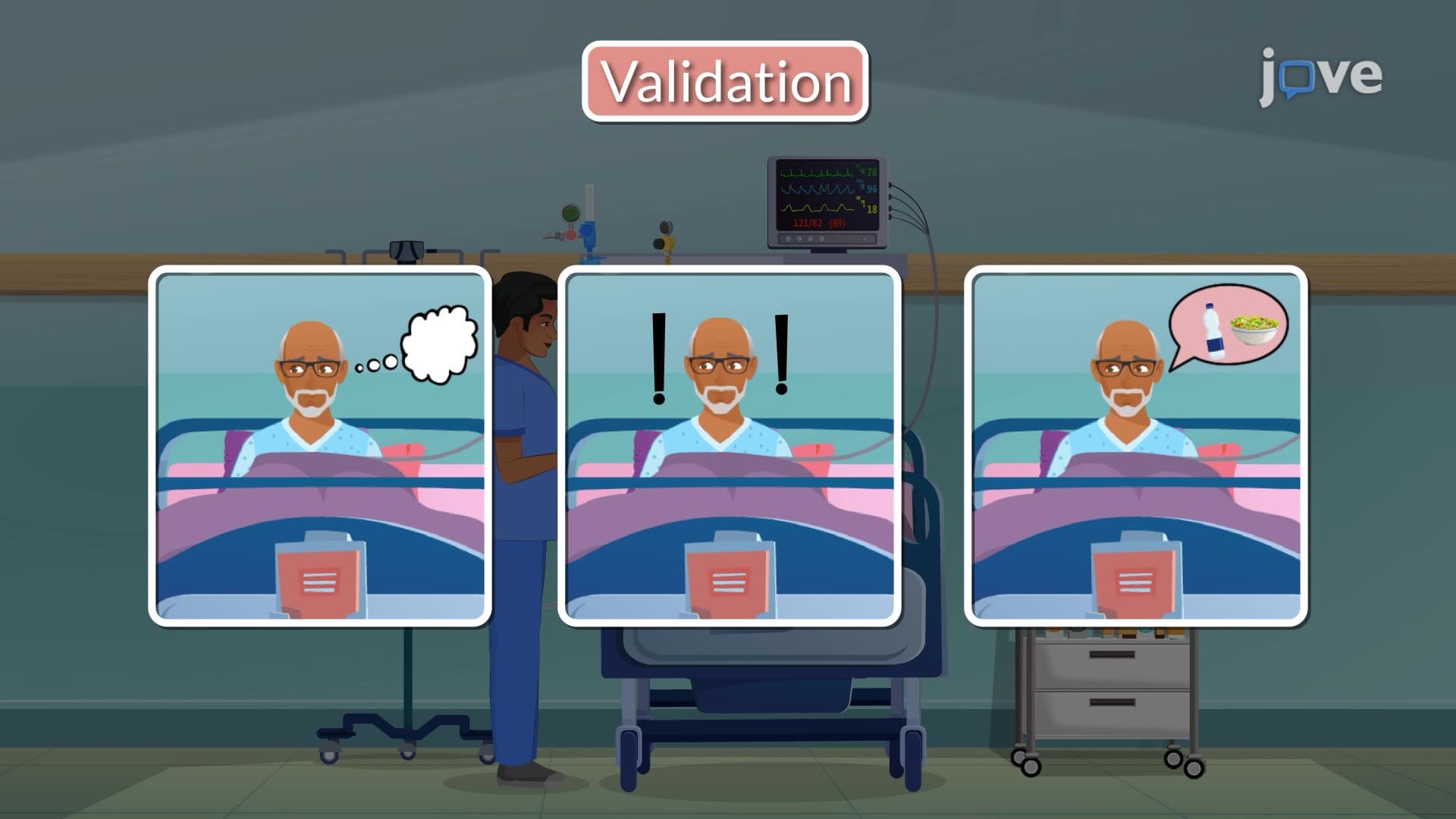
Validation techniques, frequently tested on the HESI A2 exam, involve acknowledging patients' feelings and experiences as legitimate and understandable. This doesn't mean agreeing with everything patients say, but rather recognizing their right to feel certain ways given their circumstances. A stroke patient worried about independence might hear, "Your concerns about managing daily activities are completely understandable given this new diagnosis."
Professional touch represents the most nuanced aspect of what is techniques of therapeutic communication. US healthcare regulations and nursing practice standards emphasize the importance of appropriate, consensual touch that serves therapeutic purposes. Research from Johns Hopkins School of Nursing shows that appropriate therapeutic touch can reduce patient anxiety by up to 25% during procedures.
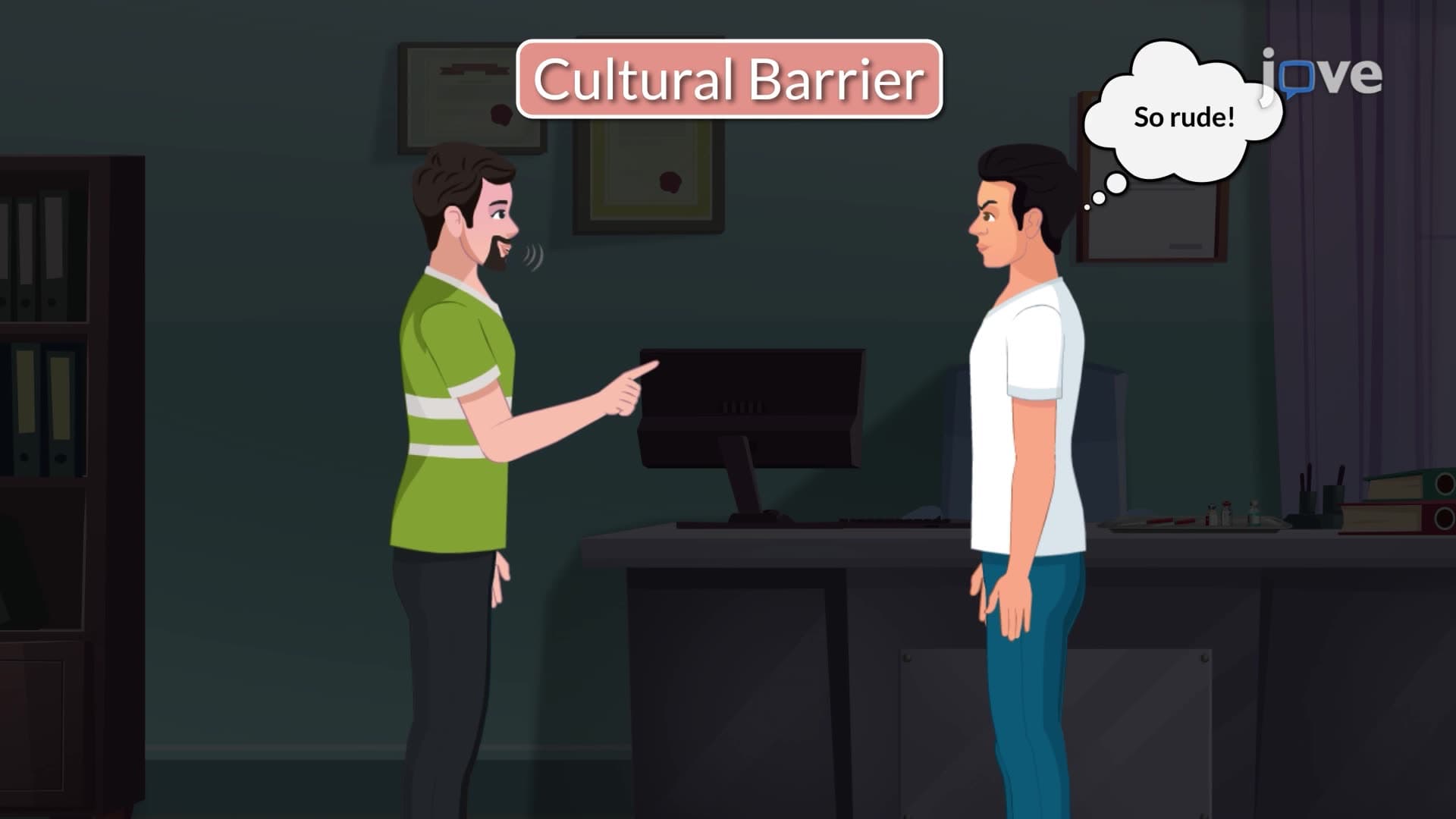
However, this technique requires careful consideration of cultural differences, patient preferences, and institutional policies. During clinical rotations, nursing students learn to assess when touch might be welcome versus when it could be perceived as invasive or inappropriate.
Related Micro-courses