Loading video…


 17 Concepts
 93.9K views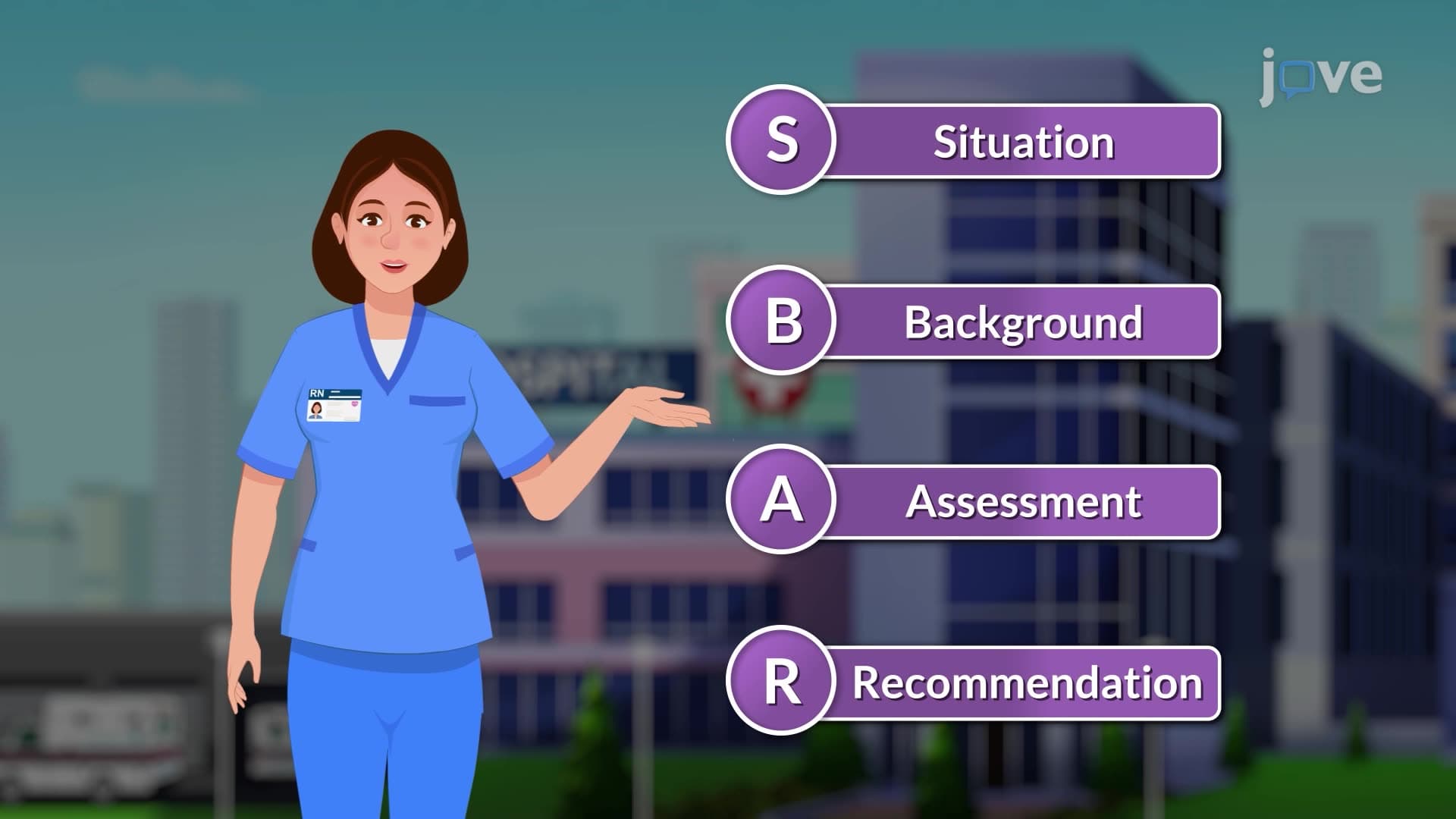

Video Summary: Sbar Ii Application of Sbar Explained
When a patient's blood sugar drops dangerously low at 2 AM, how does a nurse communicate this emergency to the doctor on call? The SBAR II application of SBAR provides a structured framework that ensures critical patient information is communicated clearly and completely. This systematic approach transforms potentially chaotic emergency communications into organized, professional exchanges-like when a nurse at Johns Hopkins Hospital reports a hypoglycemic patient with a blood glucose of 50 mg/dL. Watch the full video on JoVE Coach to master this concept with expert-led visuals and step-by-step explanations.
The SBAR II application of SBAR represents a critical communication tool that has revolutionized healthcare interactions across American hospitals and clinical settings. This structured approach addresses a fundamental challenge in medical care: ensuring that vital patient information is communicated accurately, completely, and efficiently between healthcare team members.
Situation forms the foundation of any SBAR communication. Healthcare providers begin by clearly stating who they are, identifying the patient through multiple identifiers (name, room number, medical record number), and describing the immediate concern. For instance, a nurse might say, "This is Sarah Johnson, RN, calling about Mr. Rodriguez in room 312A regarding his sudden onset of chest pain."
Background provides essential context that helps the receiving healthcare provider understand the patient's current medical situation. This includes admission diagnosis, relevant medical history, current treatments, and recent changes in condition. A thorough background might include information like "Mr. Rodriguez was admitted yesterday with acute myocardial infarction, is currently on cardiac monitoring, and received his last dose of metoprolol two hours ago."
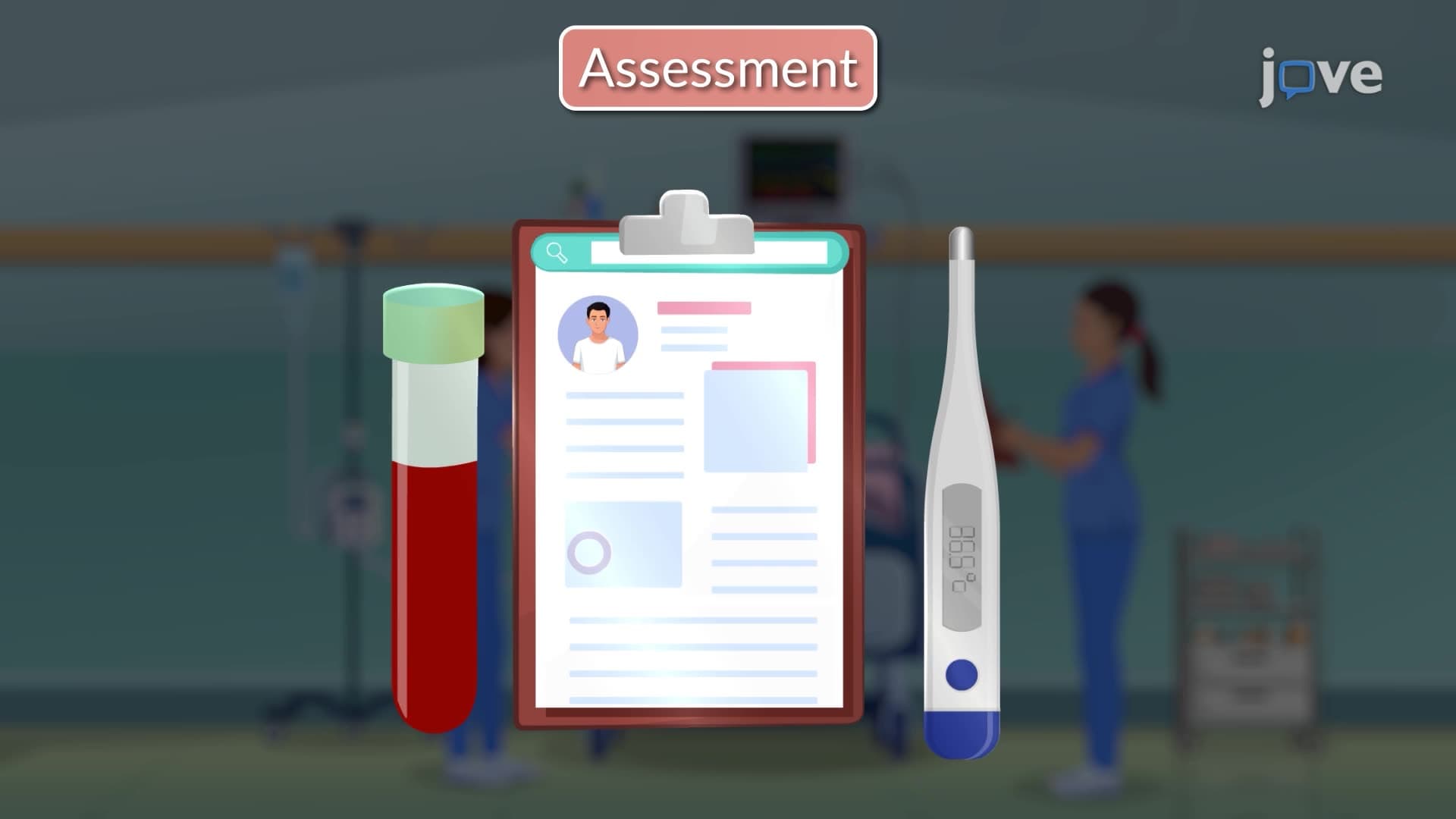
Assessment presents the healthcare provider's clinical evaluation and objective findings. This section includes vital signs, physical assessment findings, and any diagnostic test results. Nurses demonstrate their clinical judgment by stating observations like "His blood pressure has dropped to 90/60, heart rate is irregular at 45 bpm, and he's reporting 8/10 chest pain radiating to his left arm."
Recommendation completes the SBAR framework by clearly stating what action the healthcare provider believes is needed and any specific requests for orders or interventions. This might include "I recommend immediate cardiology consultation and request orders for a 12-lead EKG and cardiac enzymes."
The SBAR methodology proves particularly valuable in high-stakes environments like emergency departments at major medical centers such as Mayo Clinic or Cleveland Clinic, where clear communication can literally save lives. Nursing students preparing for the NCLEX-RN examination frequently encounter SBAR-based questions that test their ability to prioritize information and communicate effectively with physicians.
Healthcare administration programs at universities like Johns Hopkins and Duke University emphasize SBAR training as part of quality improvement initiatives. The Joint Commission, which accredits US healthcare organizations, specifically recognizes SBAR as an evidence-based practice for improving communication and reducing sentinel events.
Related Micro-courses