Loading video…


 13 Concepts
 34.4K views

Video Summary: Special Considerations While Measuring Blood Pressure Explained
Did you know that a simple arm position error can make your blood pressure reading dangerously inaccurate? Understanding special considerations while measuring blood pressure is critical for healthcare professionals, as incorrect technique can lead to misdiagnosis affecting millions of Americans annually. At Johns Hopkins Hospital, nurses follow strict protocols to ensure accurate readings across different patient populations. Special Considerations While Measuring Blood Pressure Explained covers essential techniques for proper assessment, troubleshooting methods, and patient-specific adaptations. Watch the full video on JoVE Coach to master this concept with expert-led visuals and step-by-step explanations.
Blood pressure measurement appears straightforward, yet numerous variables can compromise accuracy and lead to clinical errors. Healthcare professionals must master these special considerations while measuring blood pressure to ensure patient safety and appropriate treatment decisions. The Joint Commission reports that measurement errors contribute to over 30% of hypertension misdiagnoses in US hospitals, making proper technique essential for quality care.
During first-time blood pressure assessment, healthcare providers must measure both arms to establish baseline readings. The American Heart Association guidelines specify that systolic pressure differences up to 10mmHg between arms are considered normal, but larger disparities may indicate vascular disease or coarctation of the aorta. For example, patients at Cleveland Clinic with suspected peripheral artery disease routinely receive bilateral measurements to detect significant pressure gradients. After initial assessment, subsequent measurements should use the arm with higher readings to avoid underestimating true blood pressure values.
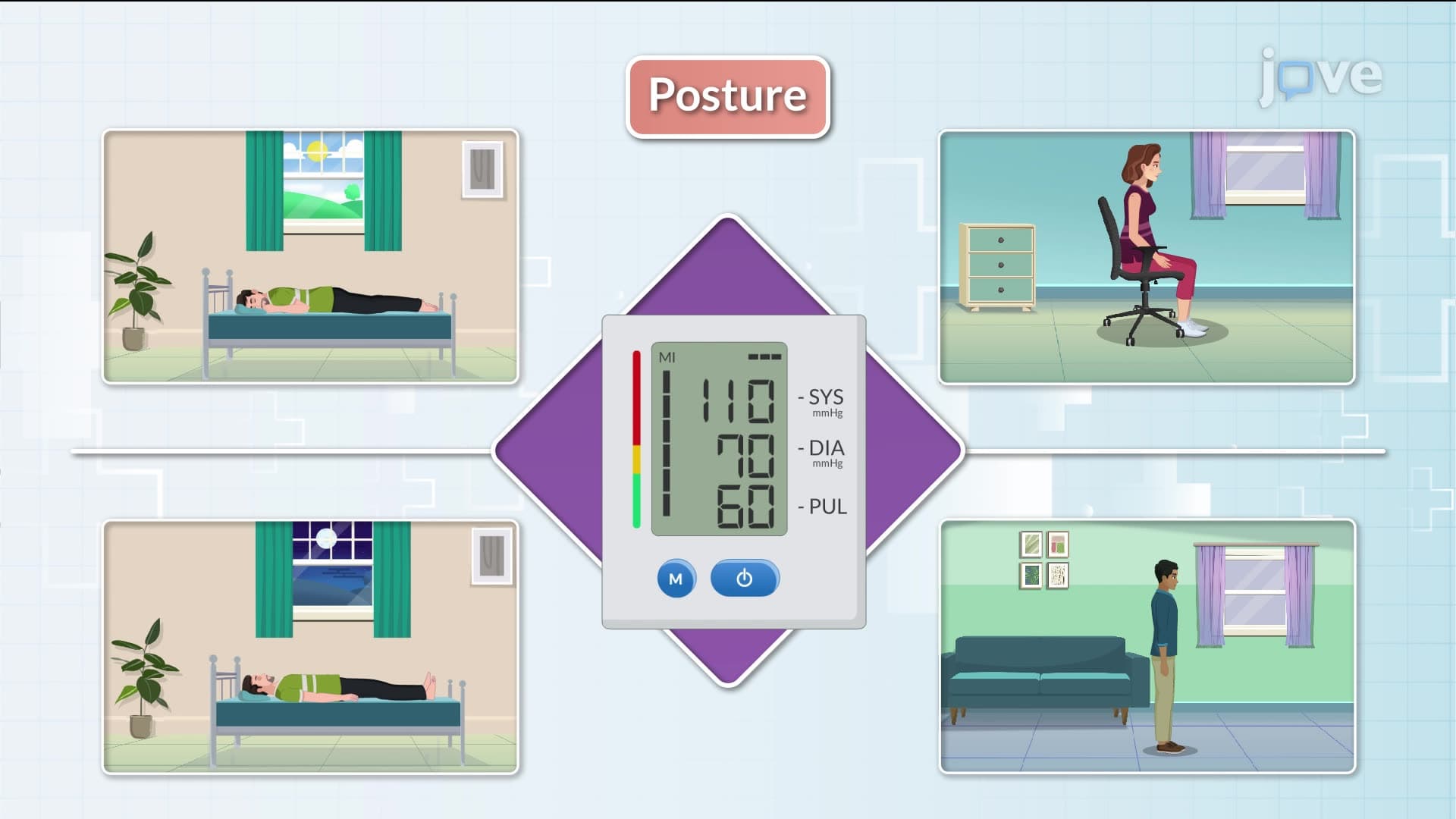
Patient positioning dramatically affects blood pressure accuracy. The special considerations while measuring blood pressure study guide emphasizes that arm position relative to heart level can alter readings by 6-10mmHg per inch of vertical displacement. For hypertensive patients showing readings above 140/90mmHg, reassessment in different extremities helps confirm elevated values and rule out measurement artifacts. Healthcare providers must also verify proper cuff size - using adult cuffs on pediatric patients or standard cuffs on obese patients can produce falsely elevated readings.
When conventional auscultation fails, alternative methods become necessary. Doppler ultrasound provides accurate systolic readings in patients with weak pulses, while palpation offers a backup when sounds are inaudible. The technique of raising the cuffed arm overhead for 30 seconds before measurement helps redistribute blood flow and may improve detection of Korotkoff sounds in difficult cases. These methods prove particularly valuable in emergency departments where rapid, accurate assessment is critical for patient triage and treatment decisions.
Related Micro-courses