Loading subject page…


34,394 views


Video Summary: What are Errors Occurring
Did you know that up to 40% of blood pressure readings in US emergency departments contain measurement errors? Understanding errors occurring in blood pressure monitoring is crucial for accurate diagnosis and patient safety. For instance, using an incorrectly sized cuff at Houston Methodist Hospital could lead to misdiagnosis of hypertension in thousands of patients annually. What are Errors Occurring encompasses the systematic mistakes that compromise measurement accuracy in clinical settings. Watch the full video on JoVE Coach to master this concept with expert-led visuals and step-by-step explanations.
Errors occurring in blood pressure monitoring represent systematic deviations from accurate measurements that can significantly impact patient diagnosis and treatment decisions. In US healthcare systems, these measurement errors contribute to both over-diagnosis and under-diagnosis of hypertension, affecting millions of Americans annually. The errors occurring definition encompasses any factor that causes blood pressure readings to deviate from a patient's true physiological values.
Patient behaviors and physiological states create substantial measurement variability. Recent meal consumption elevates systolic pressure by 10-15 mmHg for up to two hours, while caffeine intake from a standard Starbucks coffee can increase readings by 8-12 mmHg. Smoking cigarettes within 30 minutes of measurement typically raises both systolic and diastolic pressures. Physical stress from rushing to appointments or emotional anxiety about medical procedures - known as "white coat syndrome" - affects approximately 15-30% of US patients, particularly in hospital emergency departments.
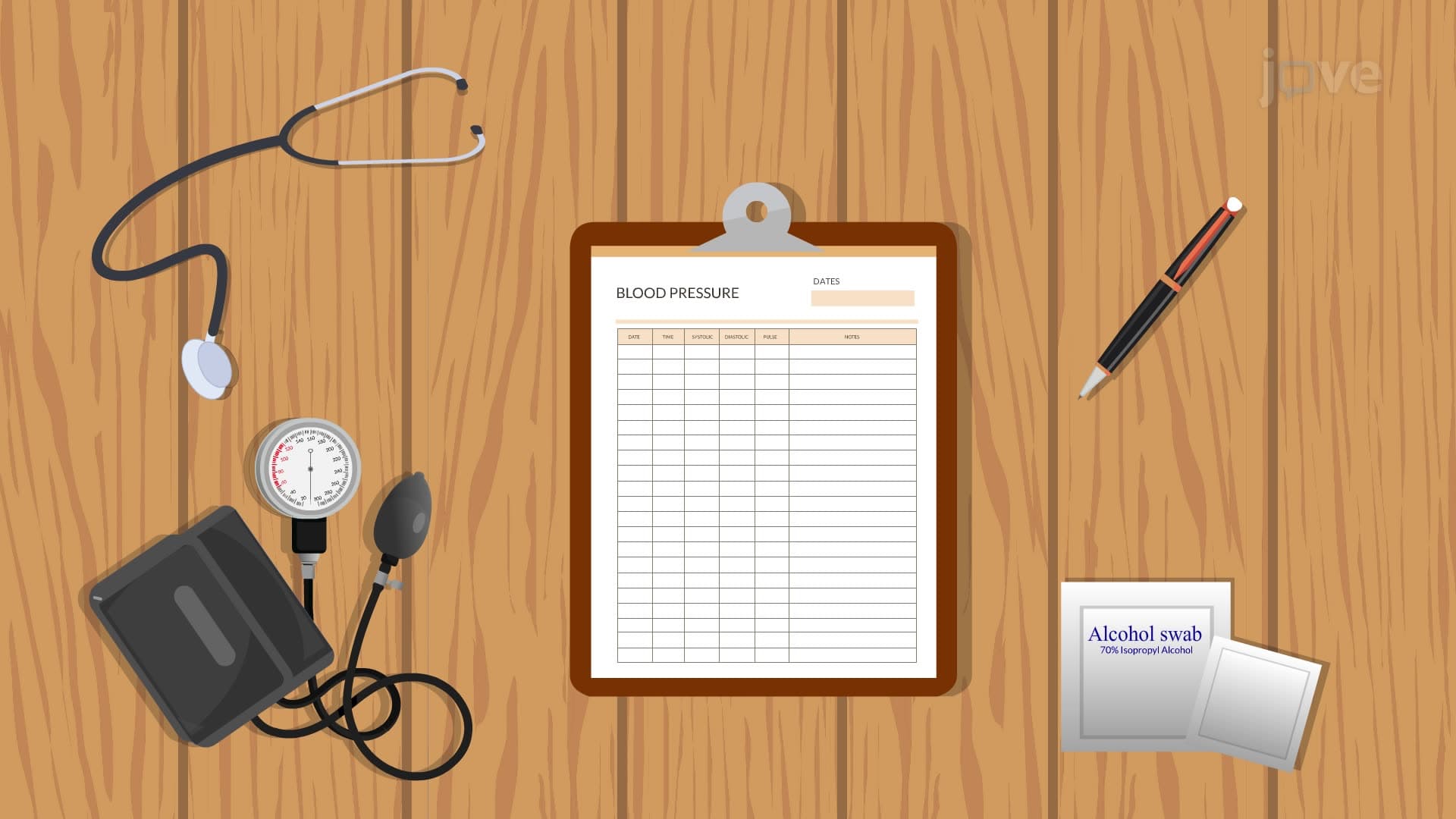
Healthcare provider errors stem from inadequate training, hearing impairments affecting auscultation, or rushed procedures during busy clinic schedules. Equipment-related errors occurring include using sphygmomanometers with damaged tubing, incorrect cuff sizing, or uncalibrated devices. Adult arm cuffs that are too wide produce falsely low readings, while pediatric cuffs used on adult patients create falsely elevated measurements. Major US hospital systems like Mayo Clinic and Cleveland Clinic have implemented standardized equipment protocols to minimize these technical errors.
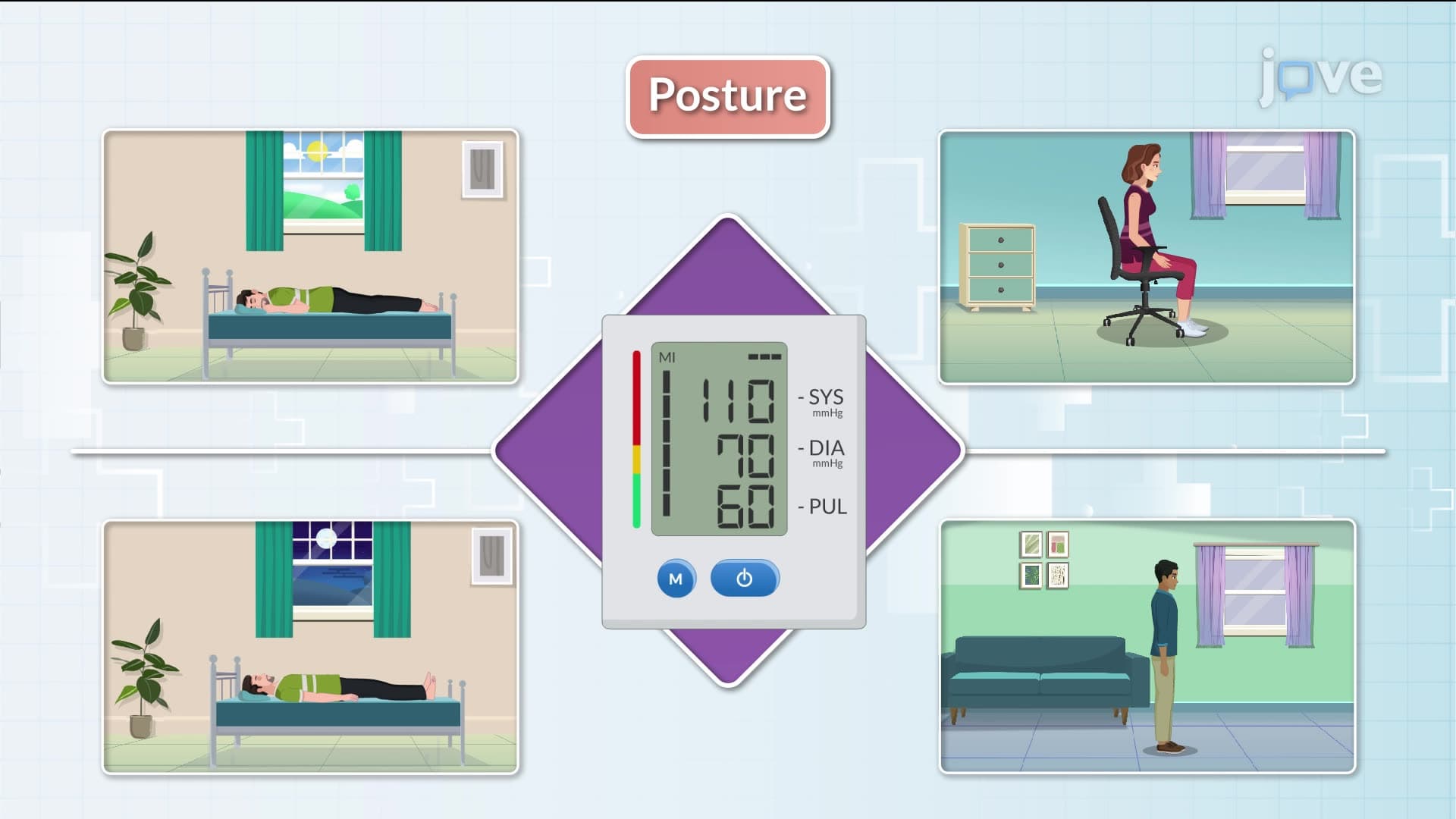
Proper positioning requires the patient's arm at heart level with adequate support. Arms positioned below heart level increase readings by approximately 6-10 mmHg, while unsupported arms can elevate measurements due to isometric muscle contraction. Deflation rate significantly affects accuracy - releasing air too rapidly (>3 mmHg per second) causes underestimation, while excessive slow deflation (>2 mmHg per second) leads to venous congestion and overestimation. These procedural errors occurring are particularly relevant for students preparing for NCLEX examinations or clinical rotations in nursing programs.
Related Micro-courses