Loading video…


 40 Concepts
 156.8K views

Video Summary: C C Bond Formation Aldol Condensation Explained
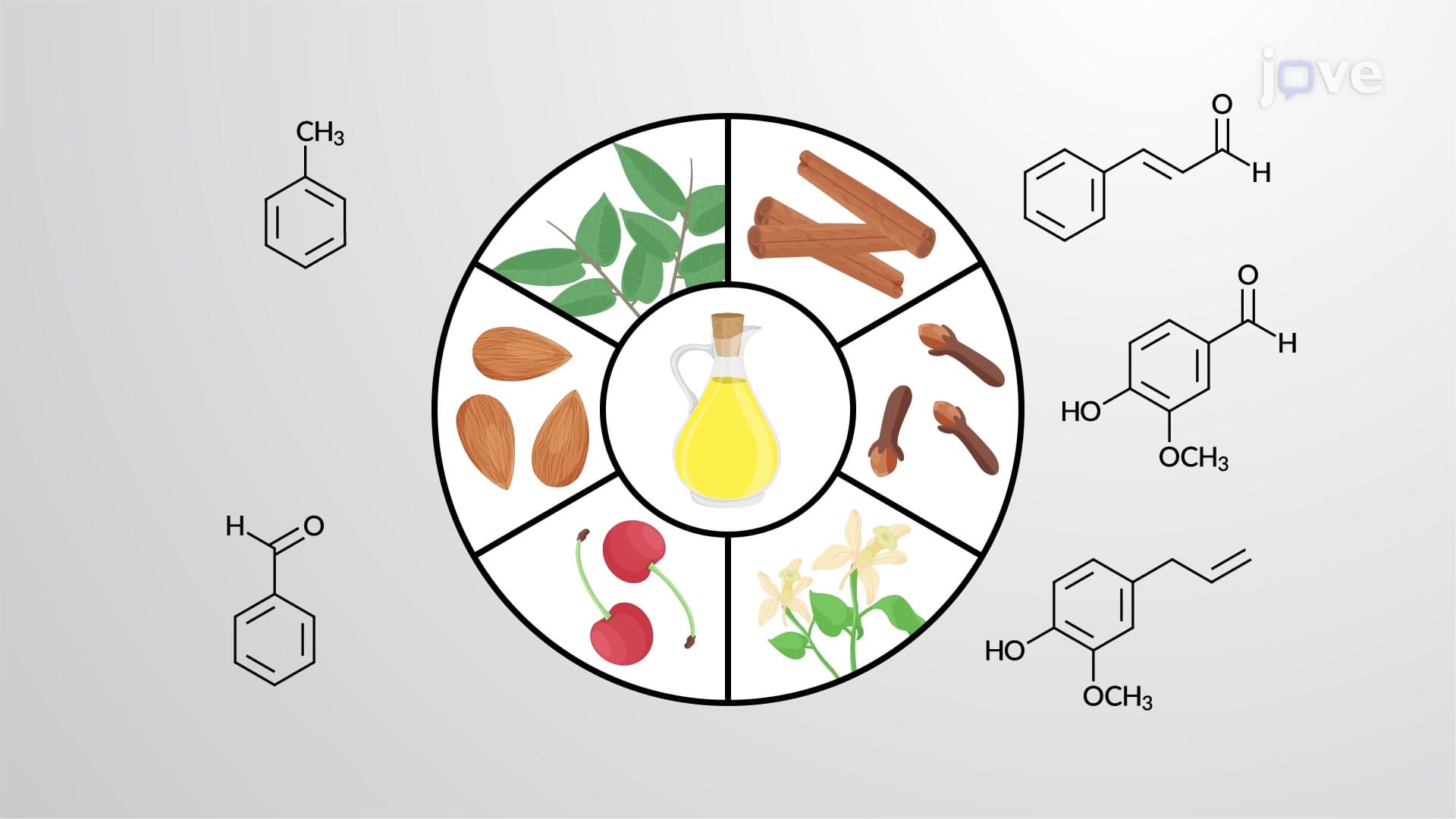
Did you know that the vanilla flavor in your morning coffee comes from C C bond formation reactions similar to those found in laboratories? C C bond formation through aldol condensation is a fundamental organic chemistry mechanism where aldehydes or ketones create new carbon-carbon bonds under acidic or basic conditions. For example, pharmaceutical companies use aldol condensation to synthesize cholesterol-lowering statins like Lipitor. Watch the full video on JoVE Coach to master this concept with expert-led visuals and step-by-step explanations.
C C bond formation through aldol condensation represents one of the most powerful tools in organic synthesis for creating carbon-carbon bonds. This reaction sequence combines two distinct steps: an initial aldol addition followed by elimination of water (dehydration). The process enables chemists to build complex molecular frameworks from simple starting materials, making it indispensable in pharmaceutical manufacturing and natural product synthesis.
The aldol addition mechanism begins when one carbonyl compound acts as a nucleophile through its enolate ion formation, while another serves as the electrophile. Under basic conditions, hydroxide ion abstracts an α-hydrogen from the first carbonyl compound, generating a resonance-stabilized enolate anion. This nucleophile then attacks the carbonyl carbon of the second molecule, forming a new C-C bond and producing a β-hydroxy carbonyl compound-the "aldol" product containing both alcohol (ol) and aldehyde (ald) functional groups.
Students preparing for AP Chemistry or college organic chemistry courses should focus on identifying the α-carbon positions and understanding enolate formation patterns. The MCAT frequently tests this mechanism, particularly in biological contexts where aldolase enzymes catalyze similar reactions during glycolysis.
The β-hydroxy carbonyl products from aldol addition readily undergo dehydration under appropriate conditions, eliminating water to form α,β-unsaturated carbonyl compounds. Aldehydes yield enals, while ketones produce enones. This dehydration step is typically acid-catalyzed and proceeds through an E1cB mechanism, where the β-hydroxyl group provides an excellent leaving group due to resonance stabilization in the resulting conjugated system.
Crossed aldol reactions between different carbonyl compounds offer expanded synthetic possibilities but present selectivity challenges. When two different aldehydes react, four possible products can form, creating complex mixtures. However, strategic choice of reaction partners-such as using aromatic aldehydes (which cannot form enolates) with aliphatic ketones-enables selective product formation.
Major pharmaceutical companies utilize aldol condensation in manufacturing processes. For instance, the synthesis of rosuvastatin (Crestor) employs aldol methodology to construct the statin backbone. Similarly, industrial production of citral, a key component in lemon-scented products, relies on aldol condensation between acetaldehyde derivatives.
Related Micro-courses