Reactions of aromatic compounds encompass a diverse range of transformations that modify benzene rings and their derivatives. From electrophilic aromatic substitution introducing functional groups like nitro and halogen substituents, to nucleophilic substitutions and benzylic position reactions, these processes are fundamental to pharmaceutical synthesis and materials chemistry. Master these mechanisms with JoVE Coach to understand how directing effects control regioselectivity in aromatic chemistry.
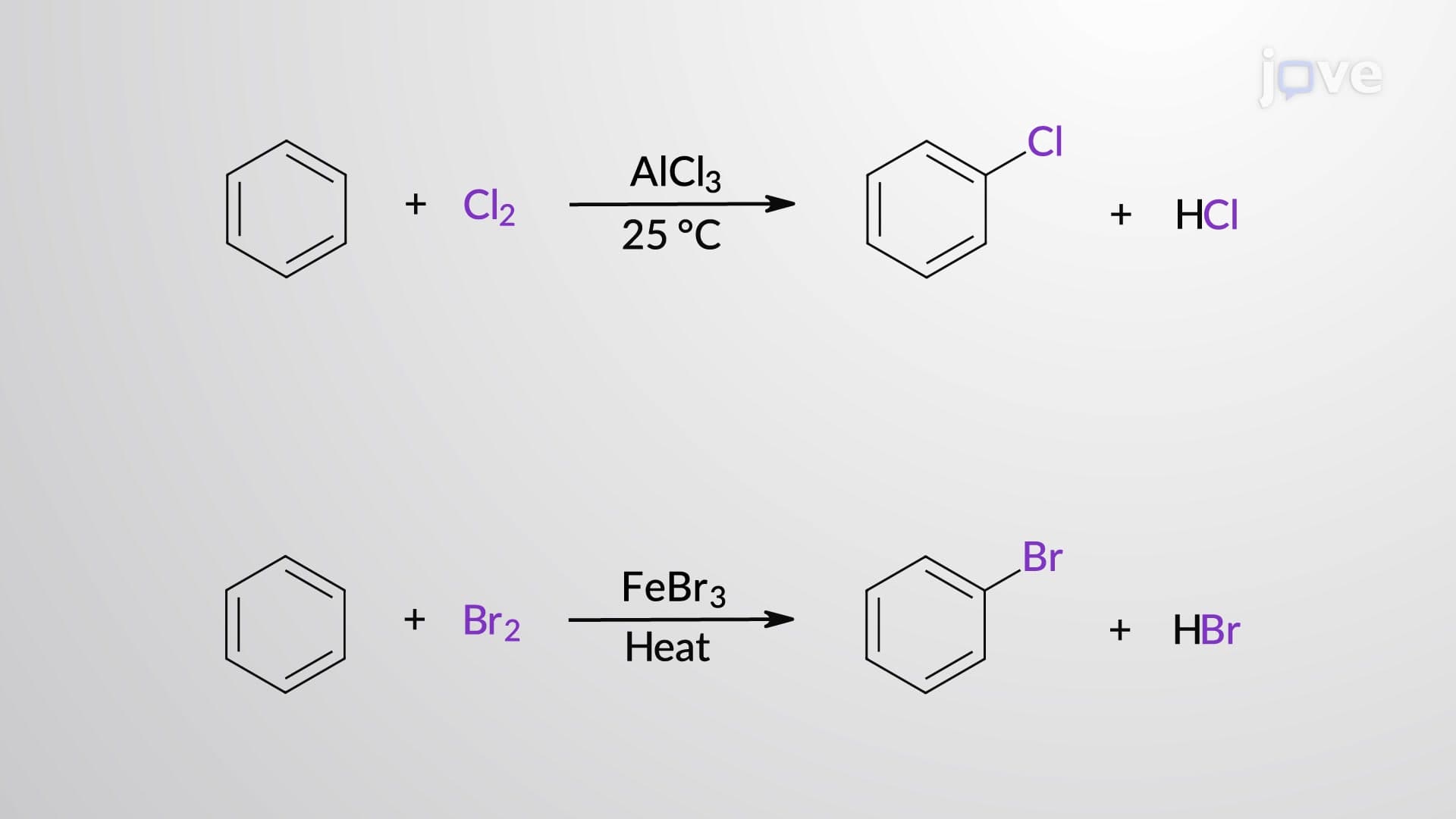
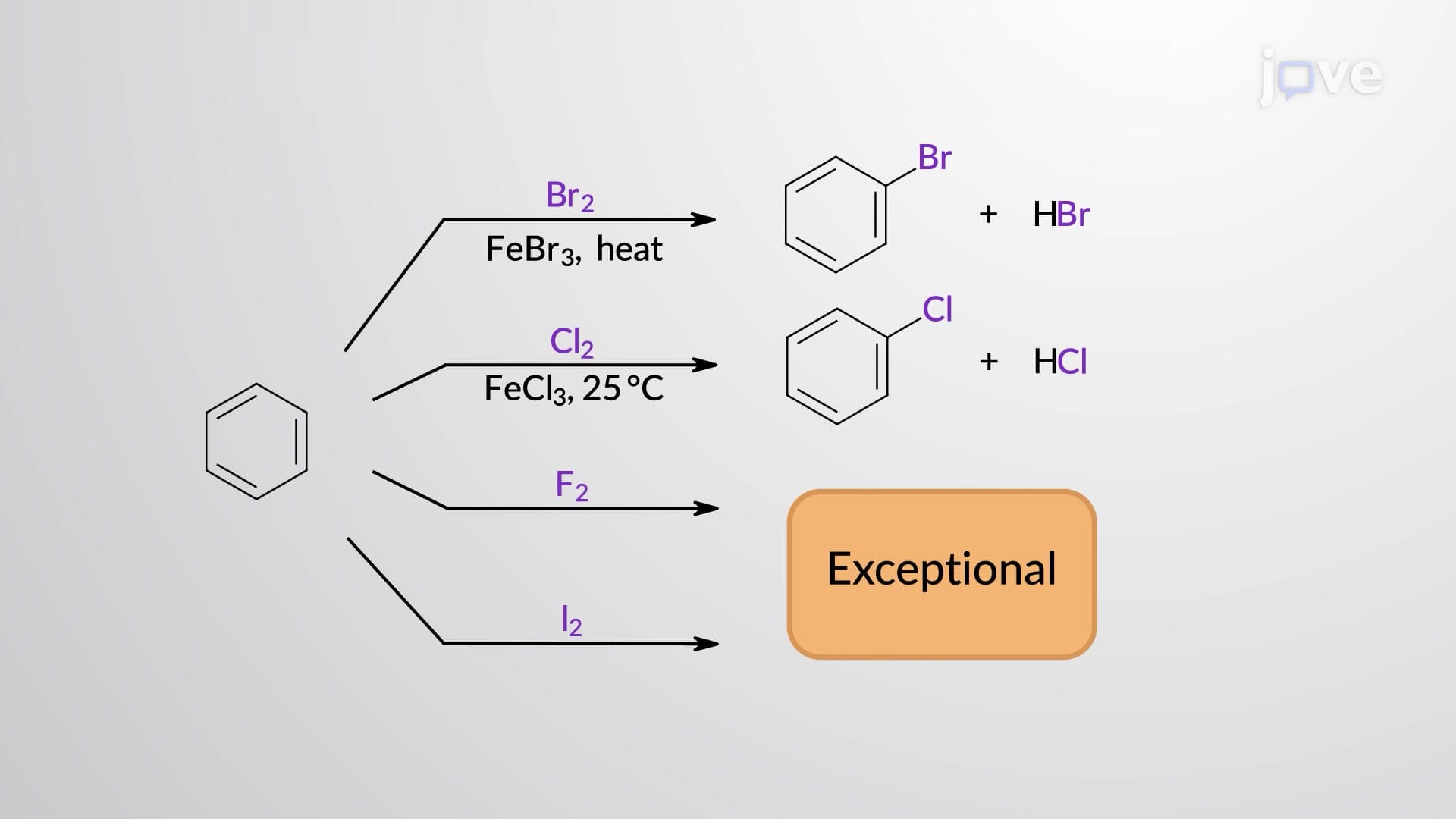
Understand the mechanism of electrophilic aromatic substitution and its applications in halogenation, nitration, and sulfonation
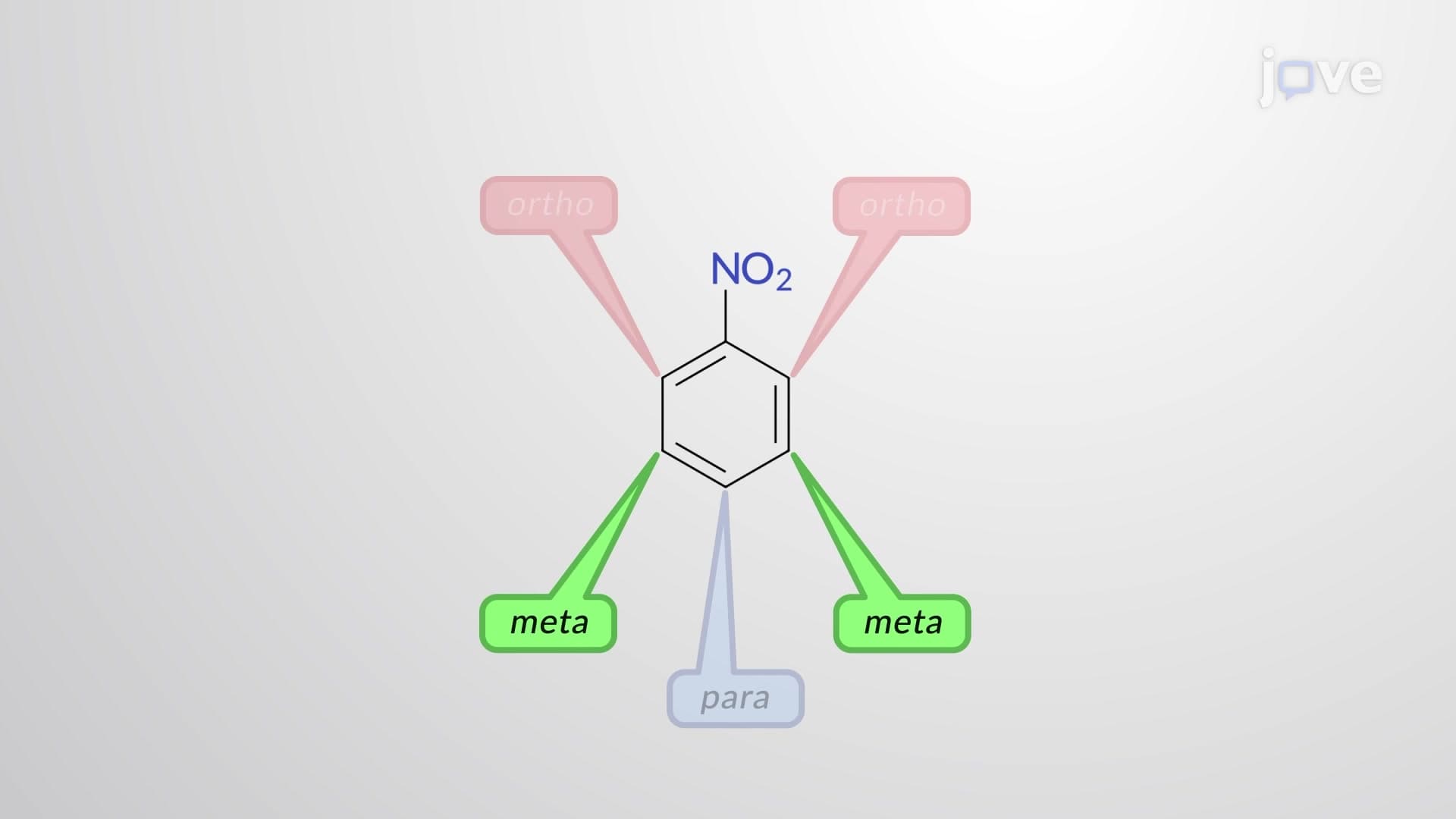
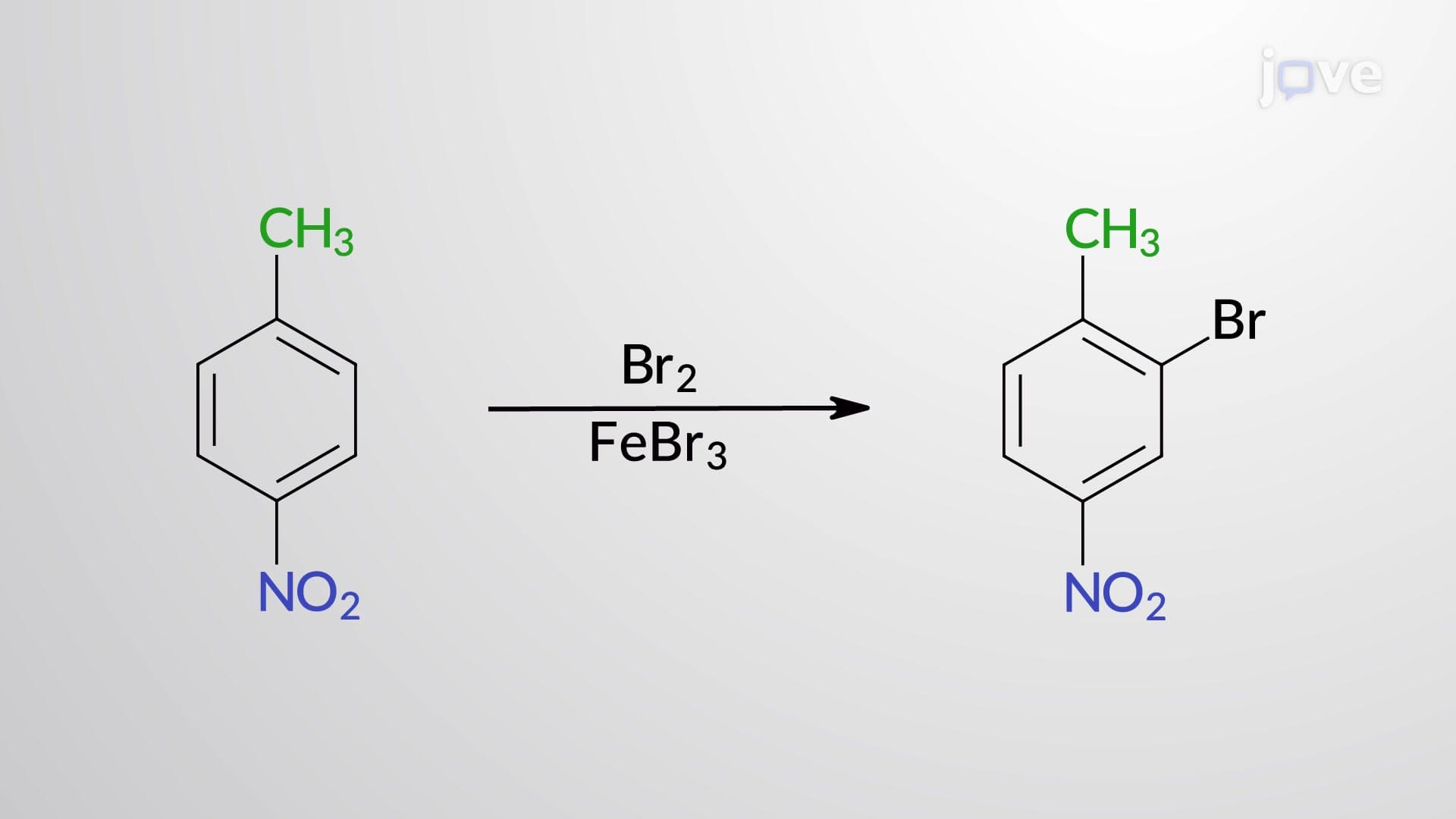
Learn how directing groups influence regioselectivity in ortho, meta, and para substitution patterns
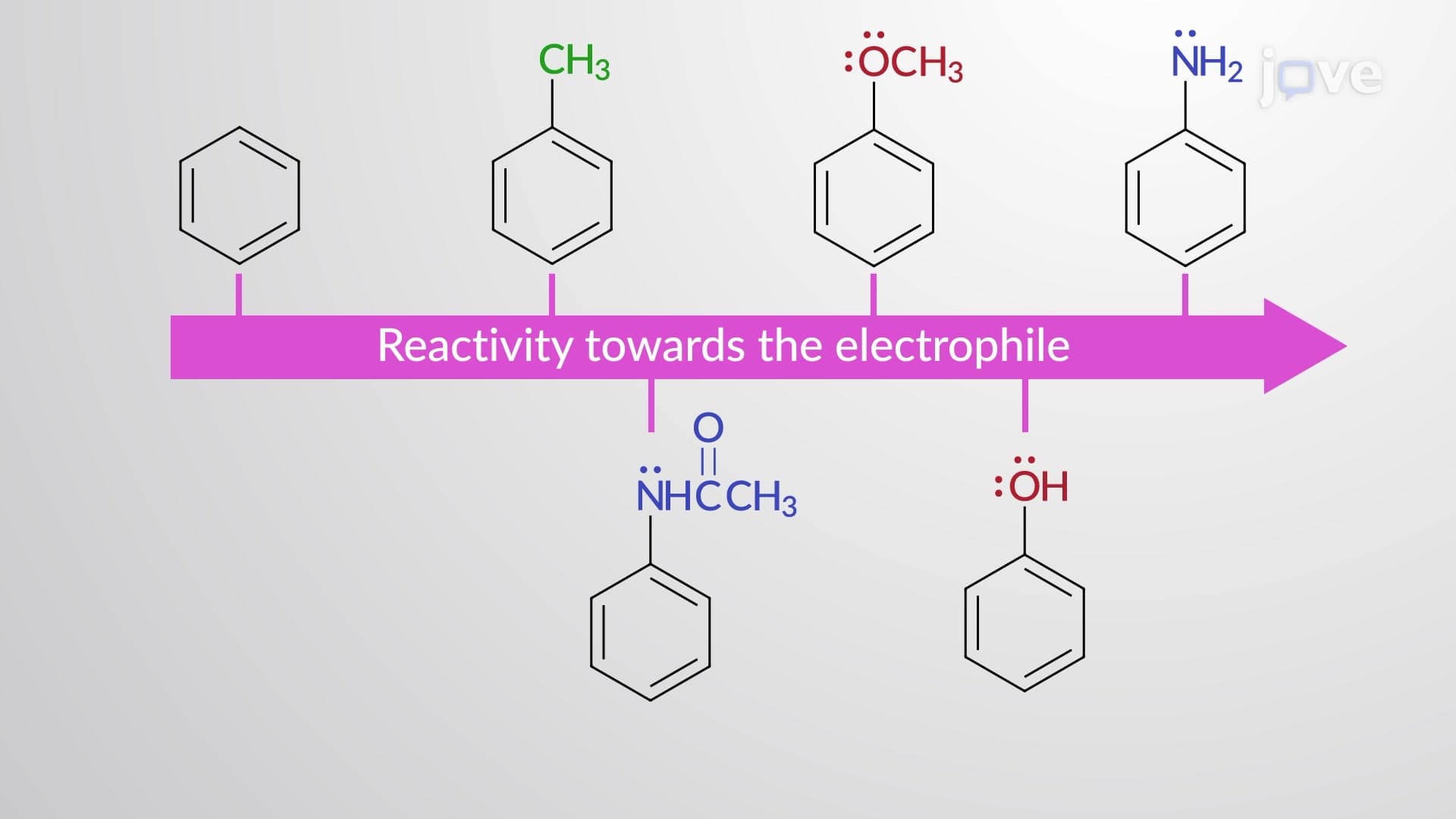
Identify the differences between activating and deactivating substituents on benzene rings
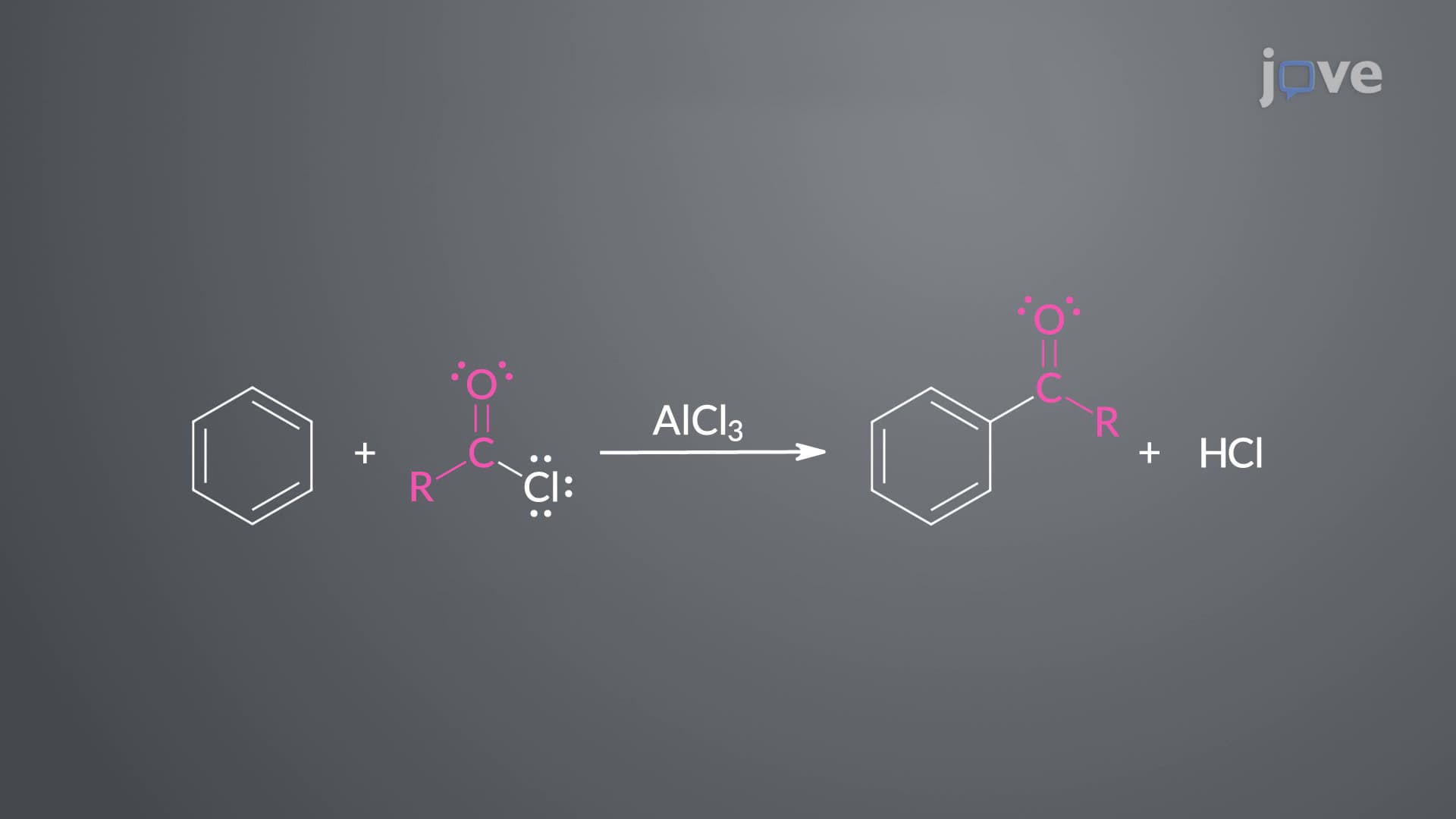
Explore Friedel-Crafts alkylation and acylation reactions for carbon-carbon bond formation
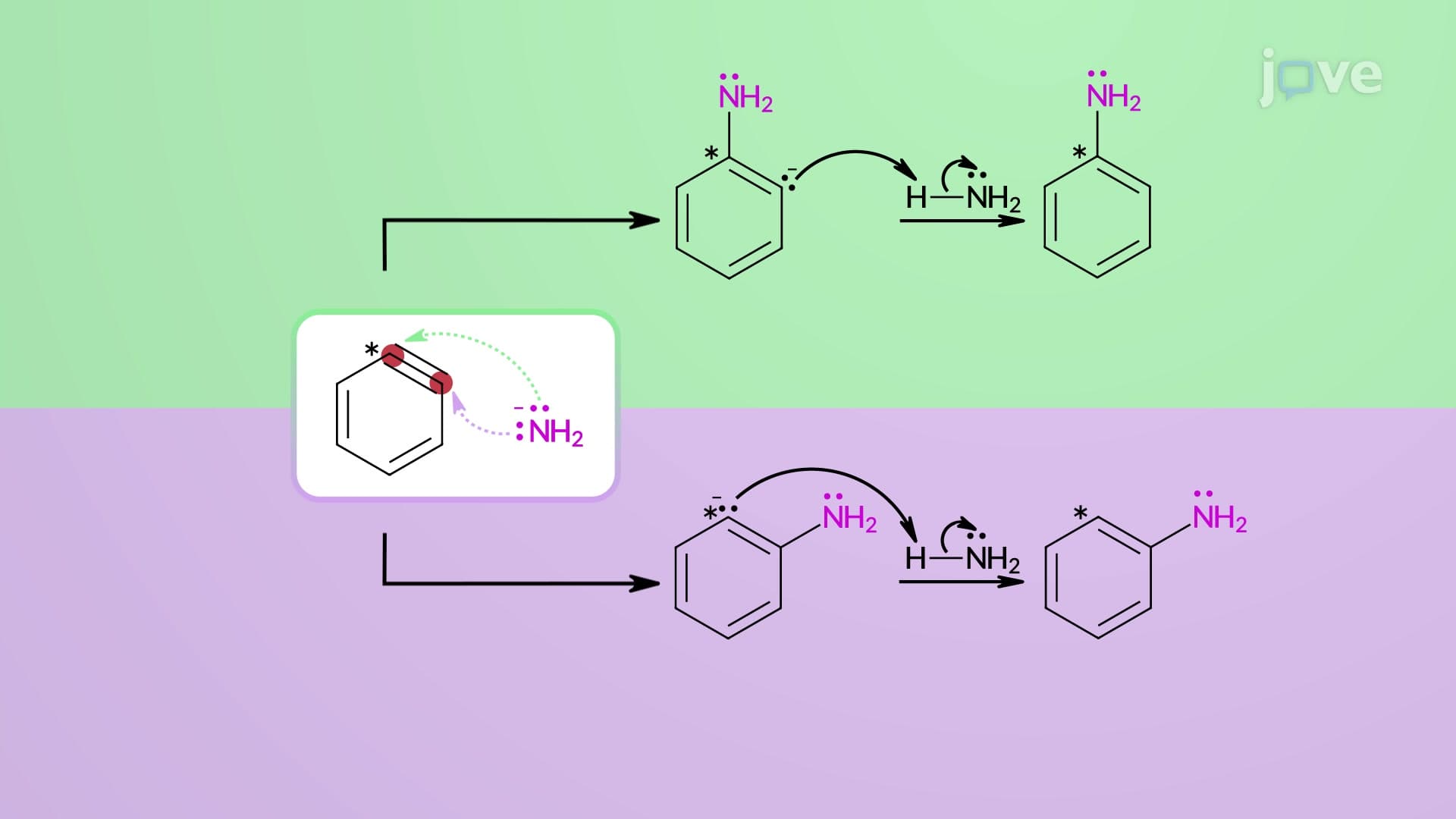
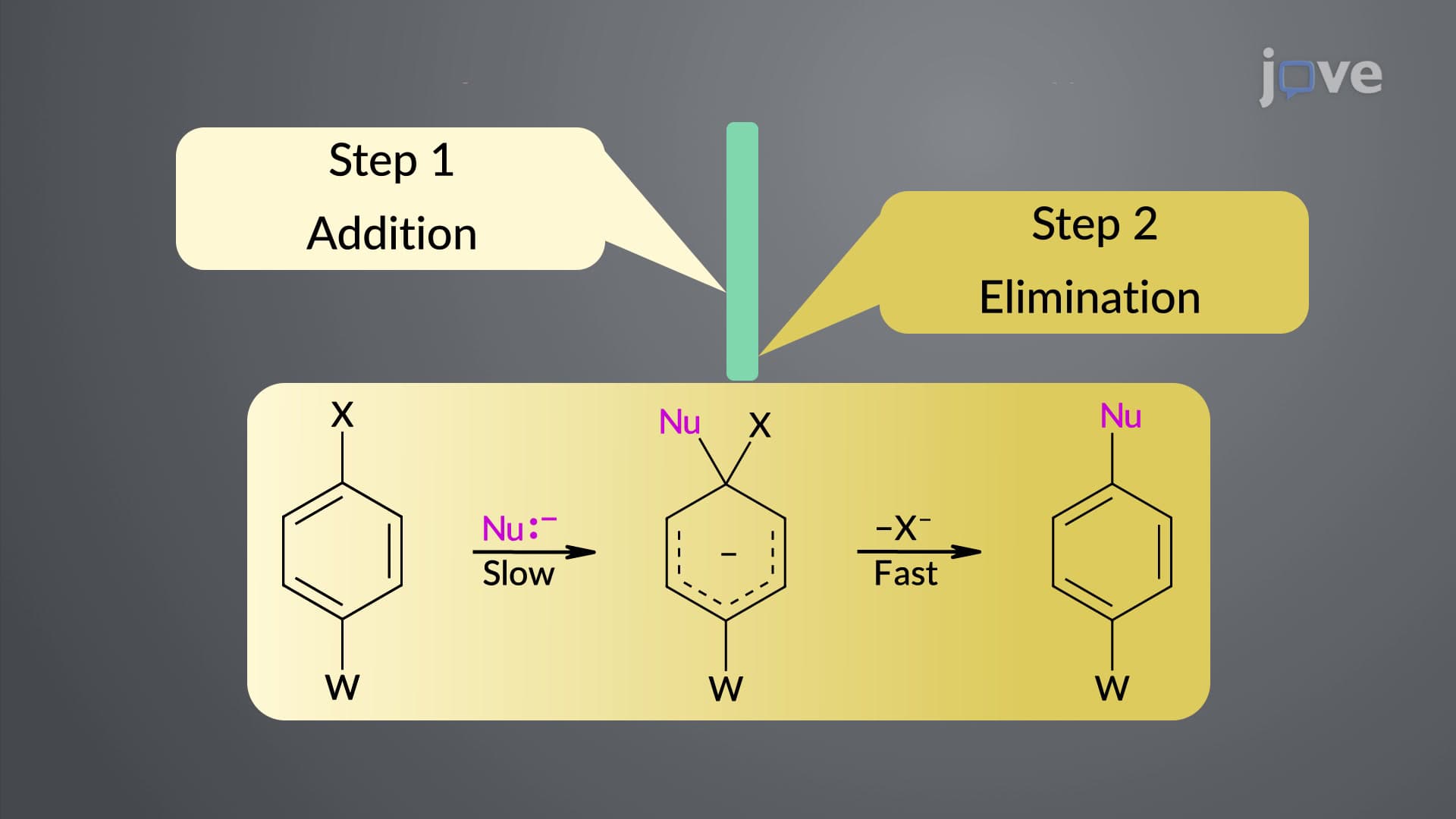
Analyze nucleophilic aromatic substitution mechanisms including addition-elimination and benzyne pathways
Apply benzylic position chemistry for oxidation, reduction, and halogenation reactions
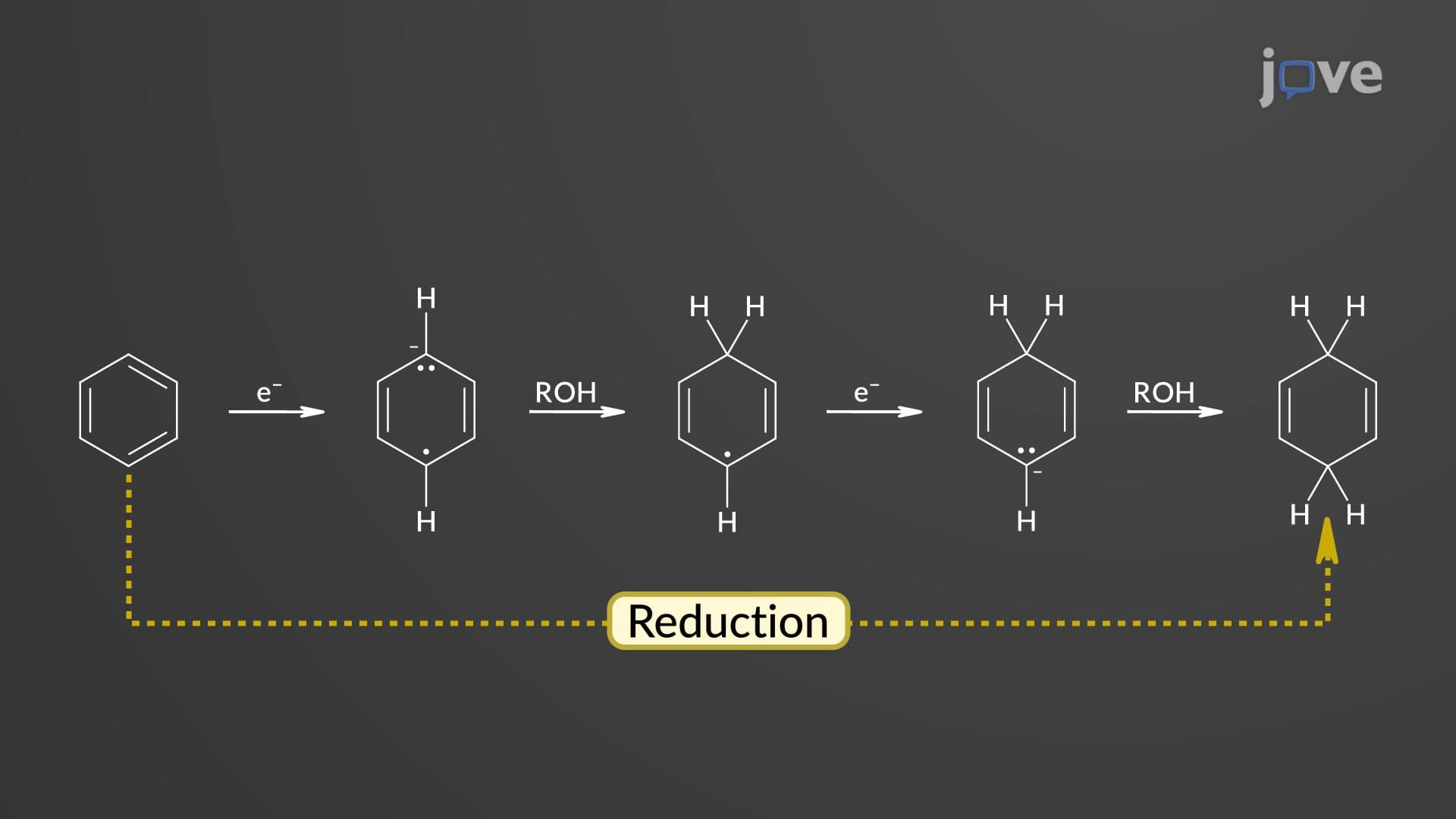
Understand specialized reactions like Birch reduction and catalytic hydrogenation of aromatic systems
Learn NMR spectroscopy techniques for characterizing substituted benzene derivatives
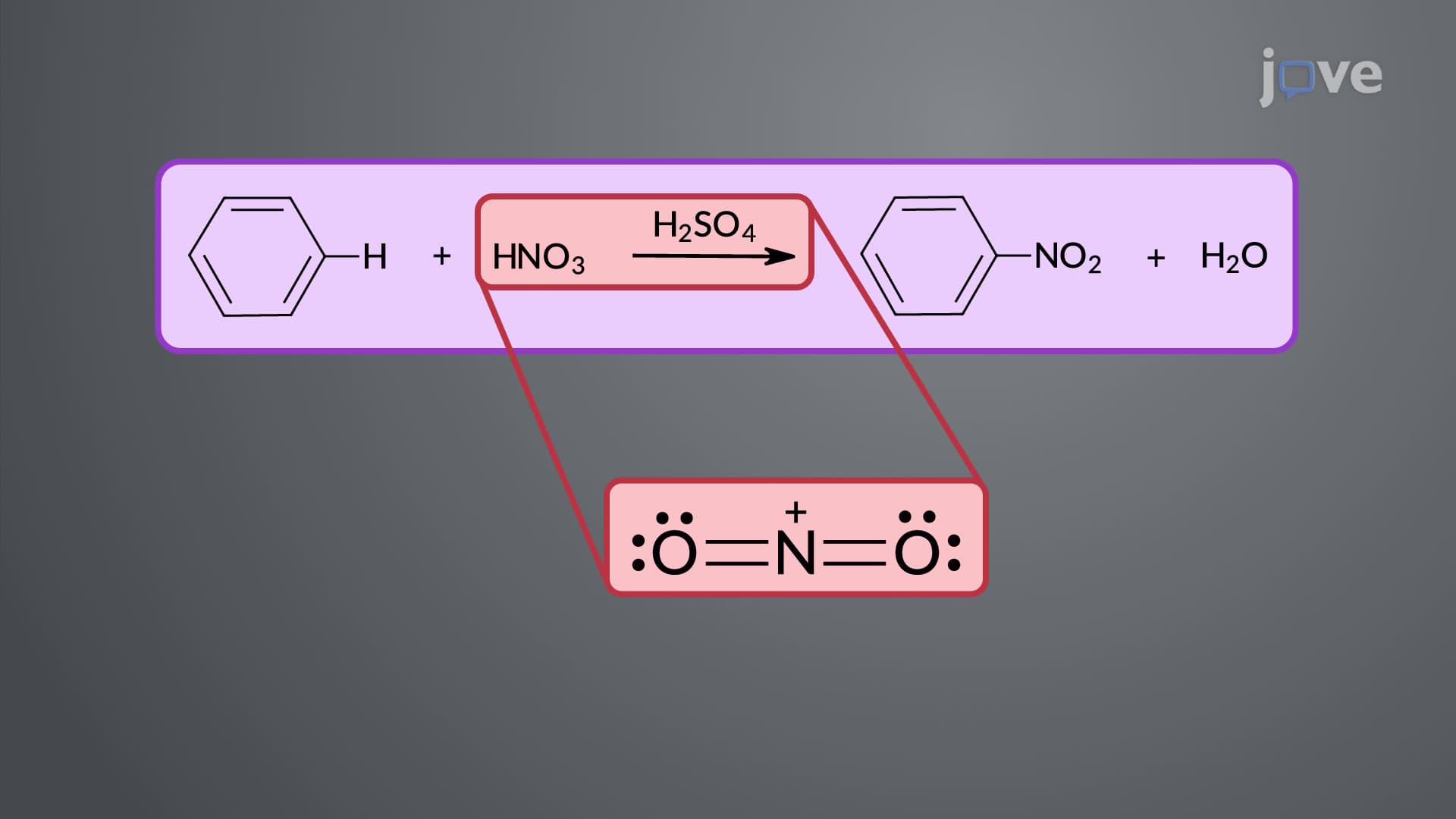
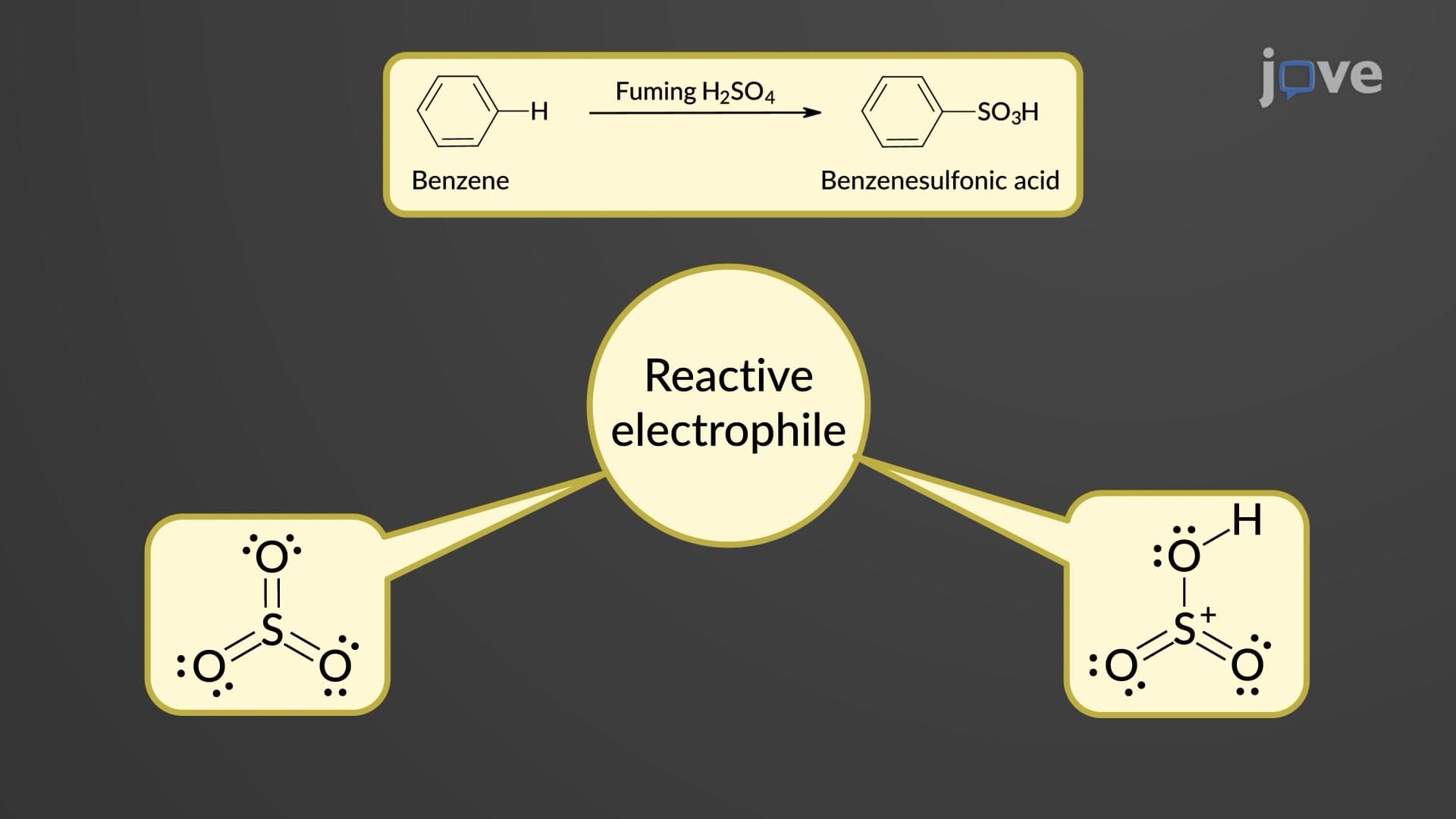
1. Electrophilic Aromatic Substitution Mechanism: The fundamental two-step process where electrophiles attack the aromatic π-system to form resonance-stabilized arenium ion intermediates, followed by deprotonation to restore aromaticity. This mechanism governs halogenation, nitration, sulfonation, and Friedel-Crafts reactions. Understanding the energy profile explains why the first step is rate-determining and requires Lewis acid catalysts. Applications include synthesizing pharmaceuticals like aspirin precursors and industrial chemicals used in dye manufacturing across the United States.
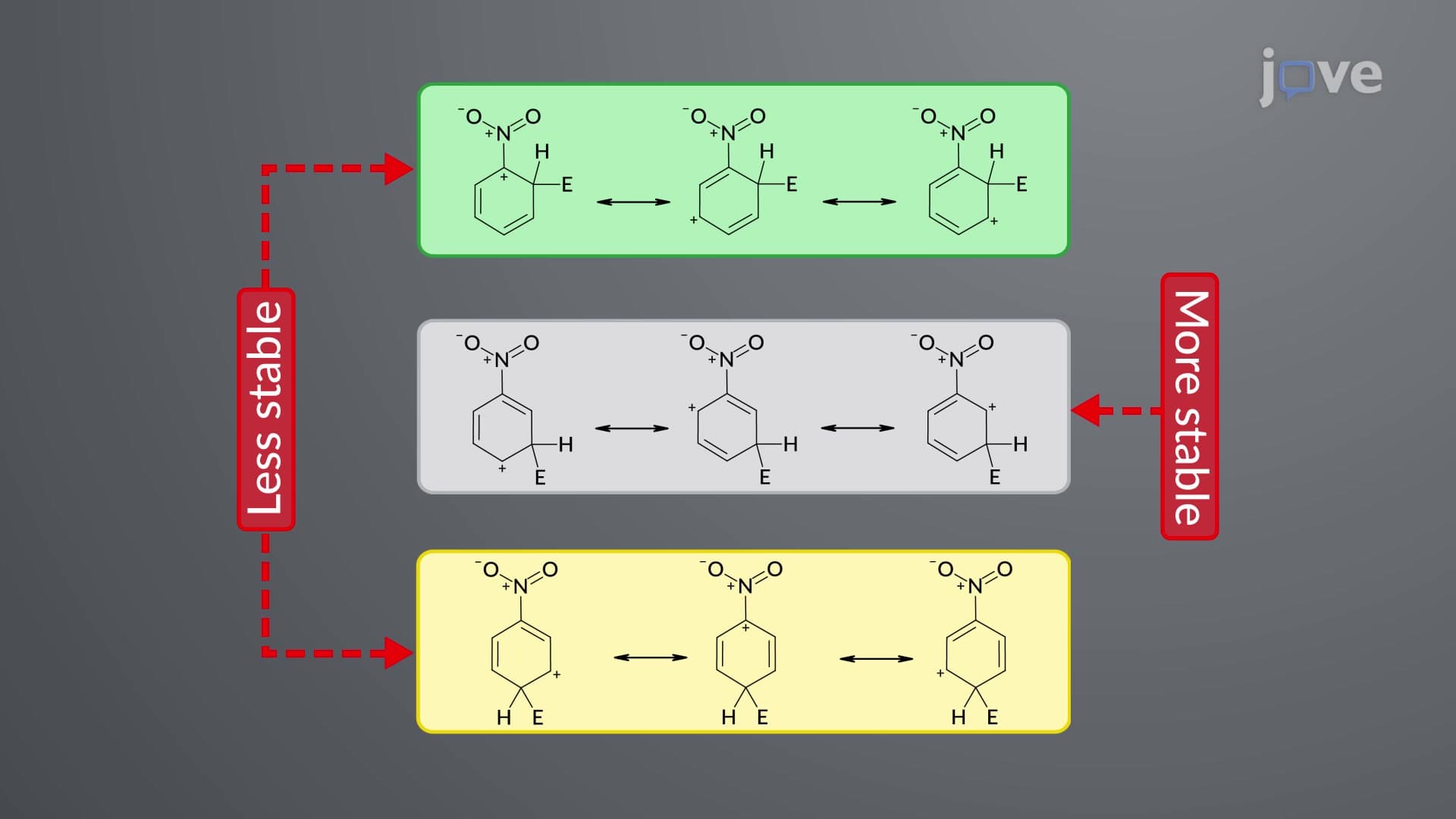
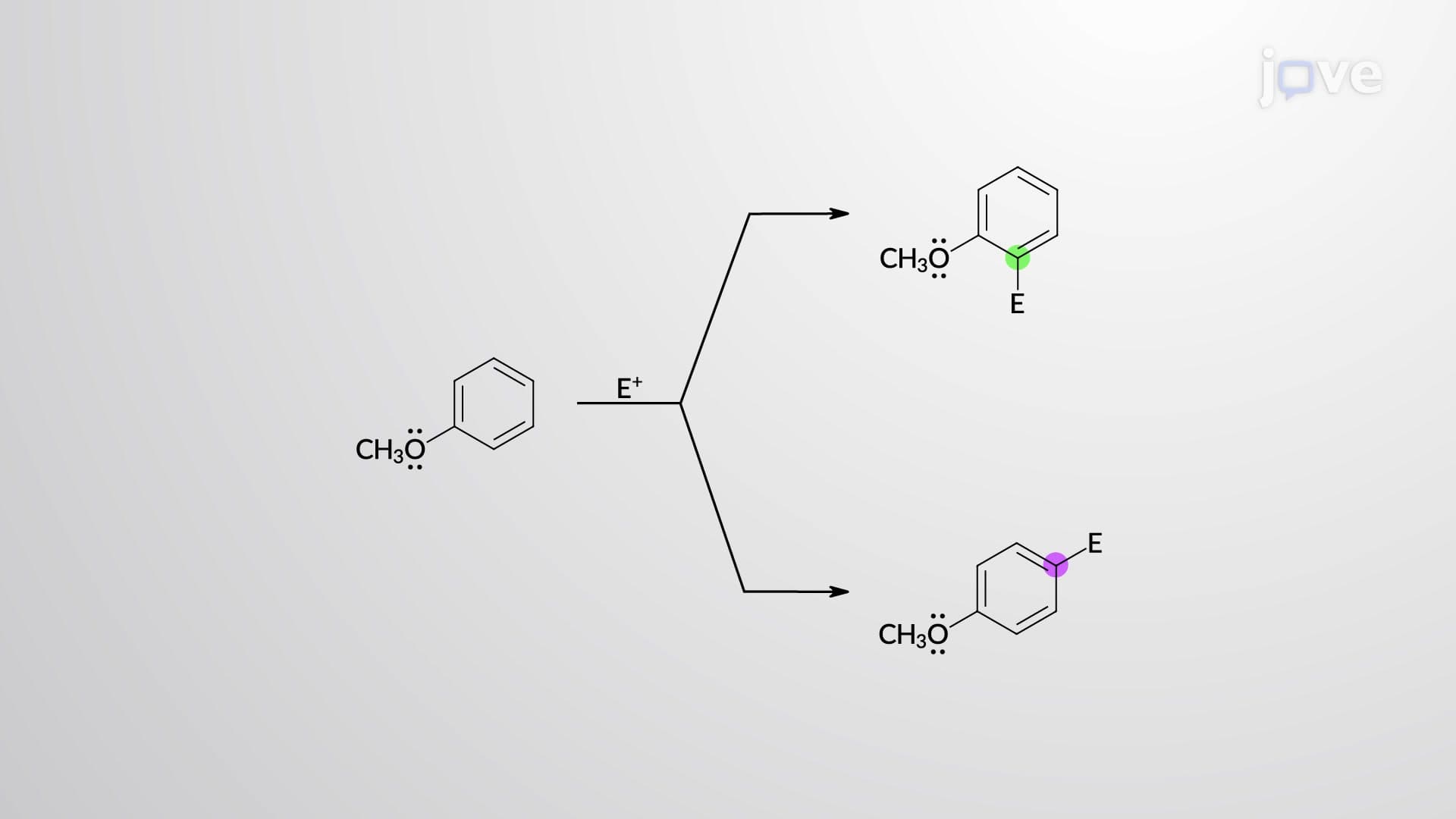
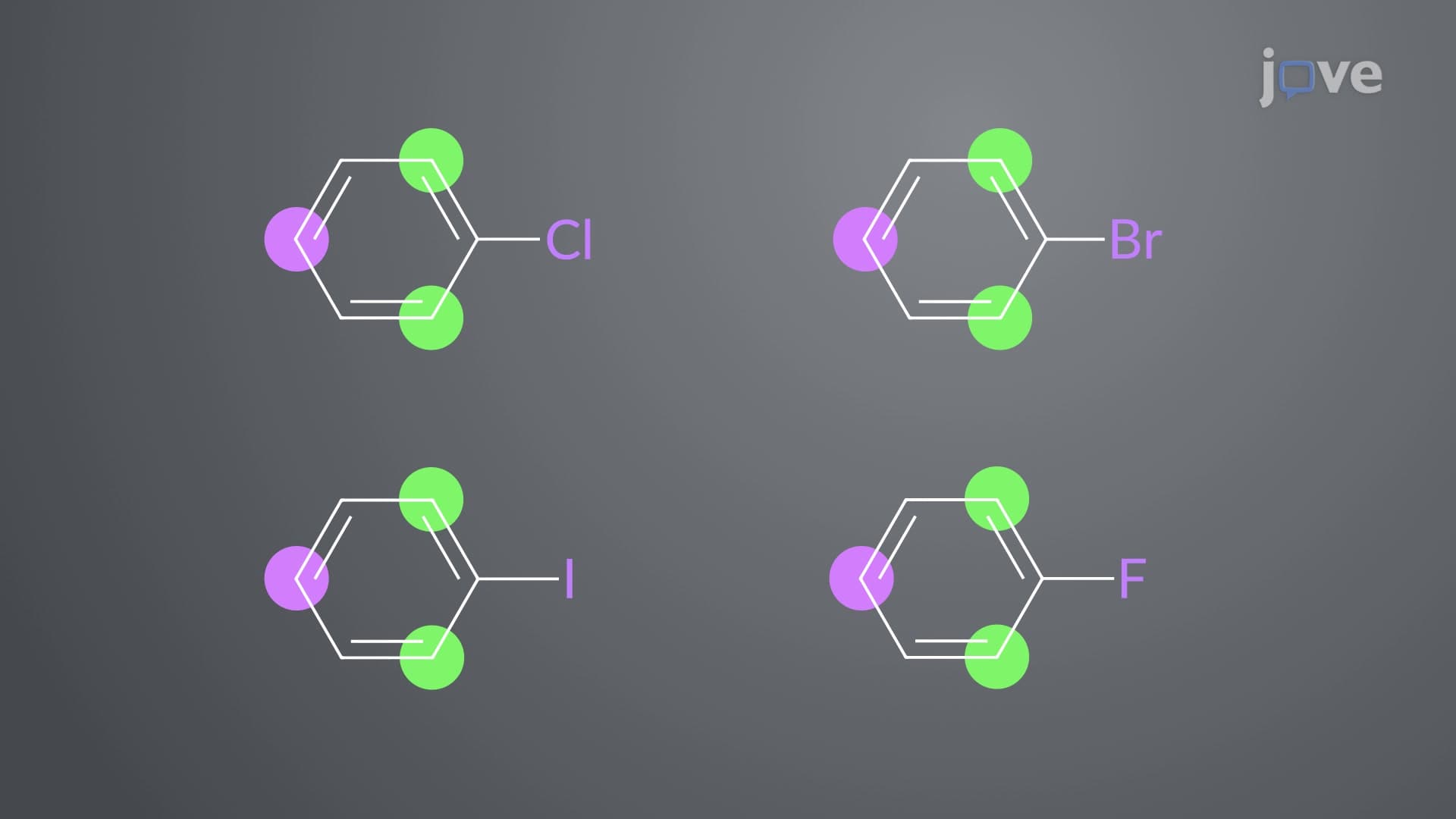
2. Directing Effects and Regioselectivity: Substituents on benzene rings control where new electrophiles attack through electronic and steric effects. Electron-donating groups (OH, NH₂, alkyl) are ortho/para-directing activators, while electron-withdrawing groups (NO₂, CN, carbonyl) are meta-directing deactivators. Halogens uniquely act as ortho/para-directing deactivators due to competing inductive and resonance effects. These principles guide synthetic strategies in pharmaceutical companies like Pfizer and Merck for developing targeted drug molecules.
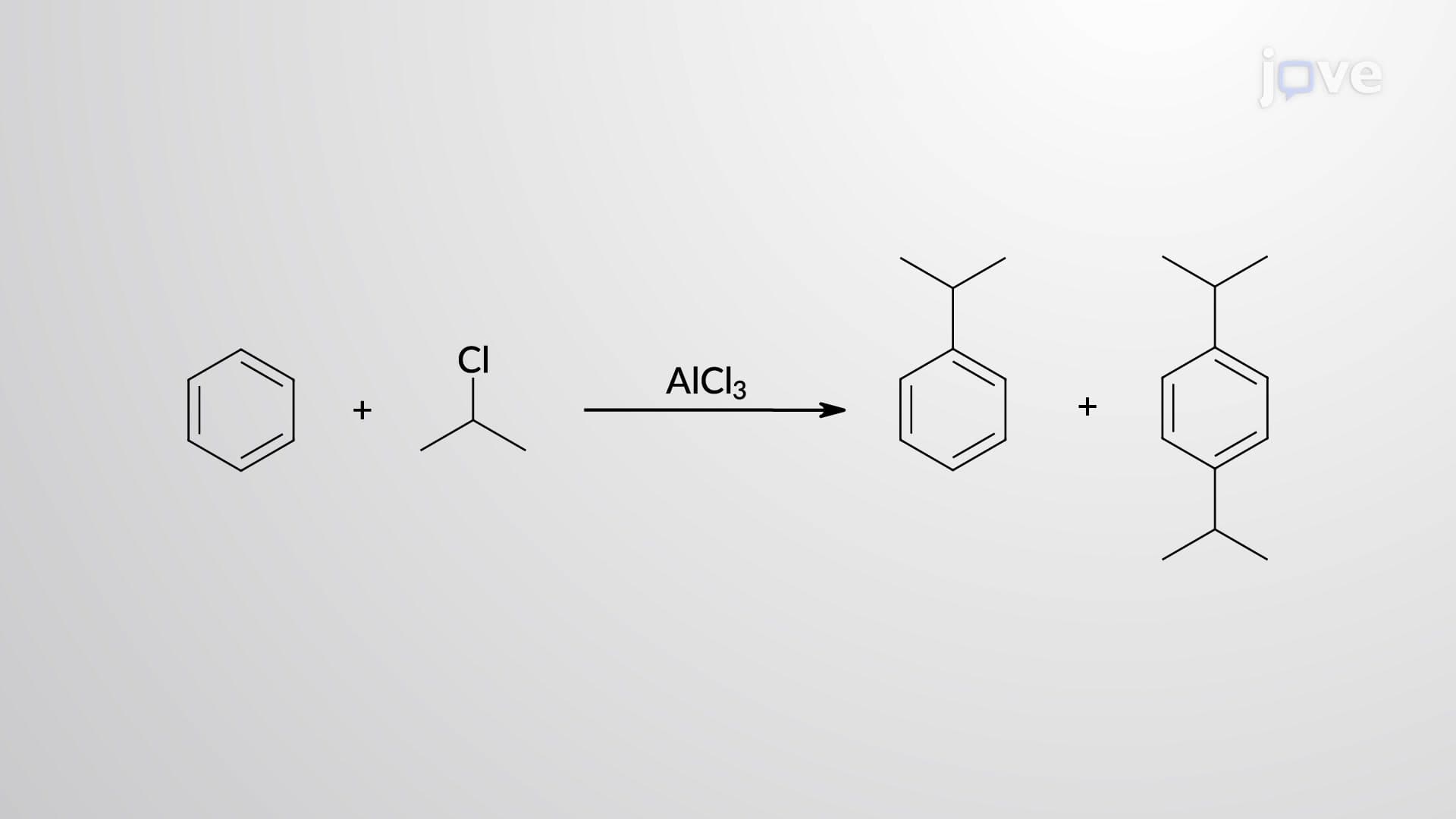
3. Friedel-Crafts Reactions and Limitations: Alkylation and acylation reactions introduce carbon substituents using carbocation and acylium ion electrophiles with AlCl₃ catalysis. Alkylations suffer from carbocation rearrangements and polyalkylation, while acylations avoid these issues due to resonance-stabilized acylium ions. These reactions fail with strongly deactivated rings or basic substituents. Industrial applications include producing detergent precursors and polymer monomers used by companies like DuPont and Dow Chemical.
4. Nucleophilic Aromatic Substitution: Unlike electrophilic substitution, nucleophiles attack electron-deficient aromatic rings through addition-elimination (SNAr) or elimination-addition (benzyne) mechanisms. SNAr requires strong electron-withdrawing groups ortho/para to leaving groups, forming Meisenheimer complex intermediates. Benzyne pathways involve highly strained triple-bond intermediates under harsh conditions. These reactions enable synthesis of pharmaceuticals like antibiotics and agrochemicals used throughout American agriculture.
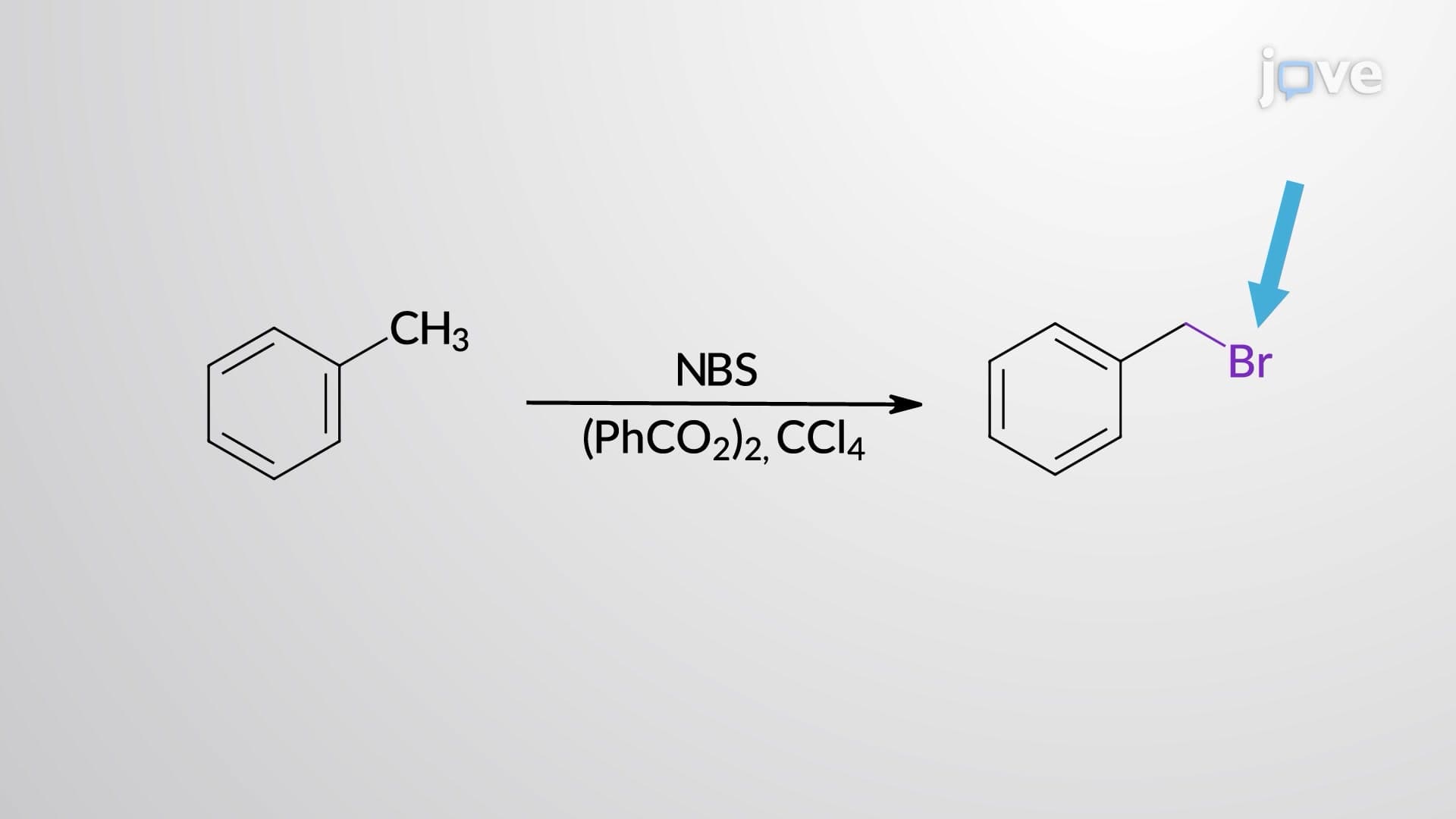
5. Benzylic Position Chemistry: Carbons adjacent to benzene rings exhibit unique reactivity in oxidation, reduction, and halogenation reactions. Benzylic oxidation converts alkyl chains to carboxylic acids using strong oxidants, while selective reduction affects only benzylic positions. Radical halogenation occurs preferentially at benzylic positions due to resonance stabilization. These transformations are crucial for pharmaceutical modifications and metabolite synthesis in drug development laboratories across the United States.
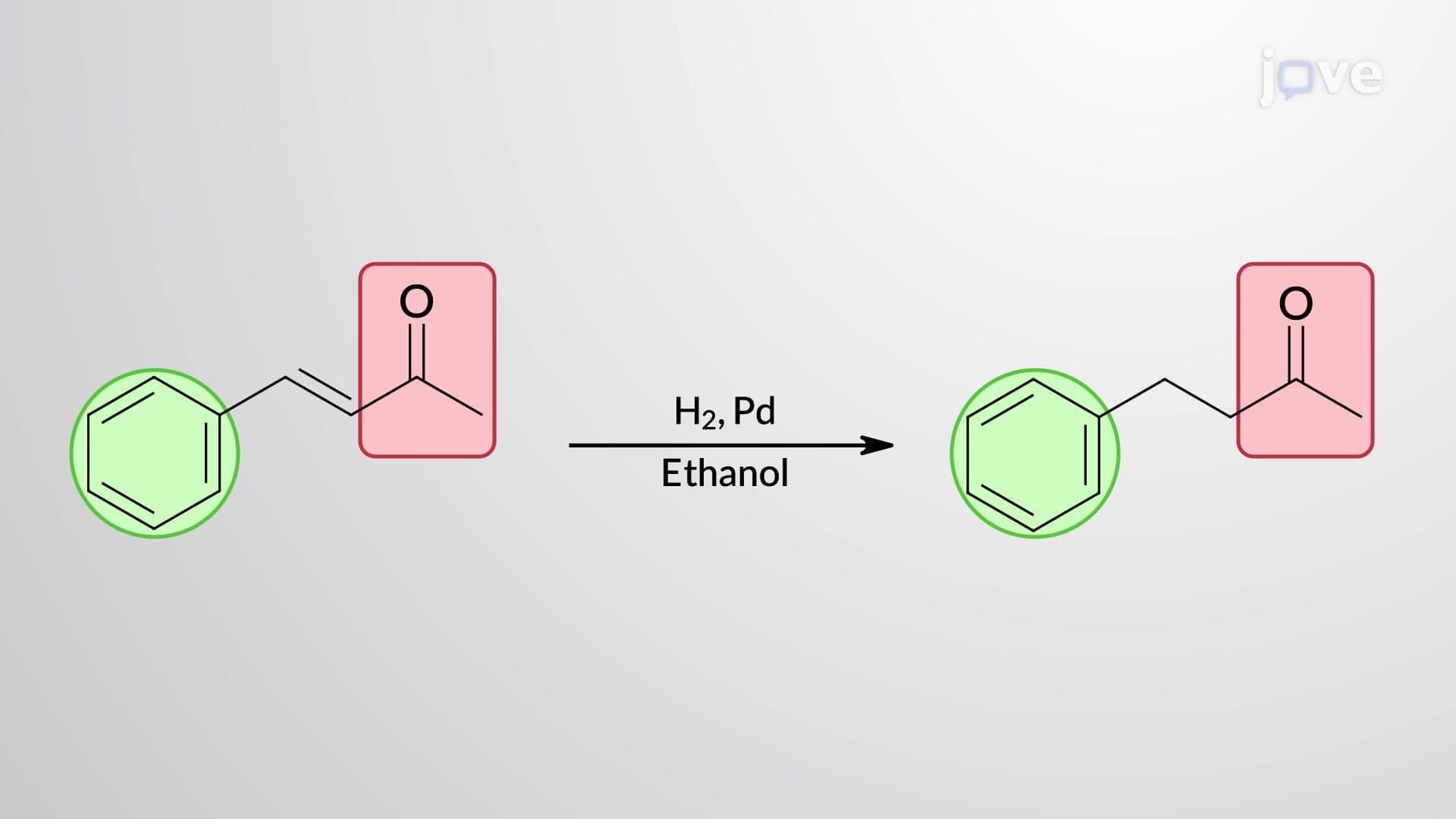
6. Specialized Reduction Reactions: Benzene rings resist normal hydrogenation but undergo reduction under extreme conditions (high pressure, temperature) to form cyclohexane, or under dissolving metal conditions (Birch reduction) to yield 1,4-cyclohexadiene. These reactions require specific catalysts and conditions due to aromatic stability. Applications include producing cyclohexane for nylon manufacturing and creating synthetic intermediates for pharmaceutical research in American chemical industries.
Frequently Asked Questions
Electrophilic aromatic substitution maintains the aromatic ring's stability through a two-step mechanism involving arenium ion intermediates, unlike simple substitutions that break and form bonds simultaneously. The aromatic π-electrons attack electrophiles, temporarily disrupting aromaticity before deprotonation restores the stable benzene structure.
Use the directing effects of existing substituents. Electron-donating groups (OH, NH₂, alkyl) direct to ortho/para positions and activate the ring. Electron-withdrawing groups (NO₂, CN, carbonyl) direct to meta positions and deactivate the ring. Halogens are unique ortho/para directors but deactivate the ring.
Yes, the MCAT Organic Chemistry section frequently tests electrophilic aromatic substitution mechanisms, directing effects, and reaction predictions. You'll need to identify products, predict regioselectivity, and understand how substituents affect reactivity for passage-based questions and discrete problems.
Alkylation adds alkyl groups using carbocations but suffers from rearrangements and multiple substitutions. Acylation adds acyl groups using stable acylium ions, avoiding rearrangements and stopping after one substitution due to ring deactivation. AP exams often test these mechanistic differences and synthetic applications.
Nucleophilic aromatic substitution allows introduction of nitrogen-containing groups (amines) and oxygen nucleophiles under milder conditions when electron-withdrawing groups activate the ring. This selectivity is crucial for synthesizing drugs like antibiotics and antihypertensives where specific substitution patterns determine biological activity.
Aromatic compounds require understanding resonance stabilization, electronic effects of substituents, and how these factors influence reactivity and regioselectivity. Unlike simple alkenes with predictable addition reactions, aromatic systems maintain their ring structure through complex mechanisms involving charged intermediates and competing electronic effects.
Focus on understanding mechanisms rather than memorizing individual reactions. Group reactions by type (electrophilic vs. nucleophilic substitution), learn the electronic principles governing directing effects, and practice predicting products using substituent effects. Use concept maps connecting reaction types to their mechanisms and applications.
Consider studying multi-step synthesis involving aromatic intermediates, organometallic coupling reactions (Suzuki, Heck), and aromatic heterocycles like pyridine and furan. These topics bridge organic chemistry with medicinal chemistry and materials science, providing deeper insights into pharmaceutical and polymer synthesis.
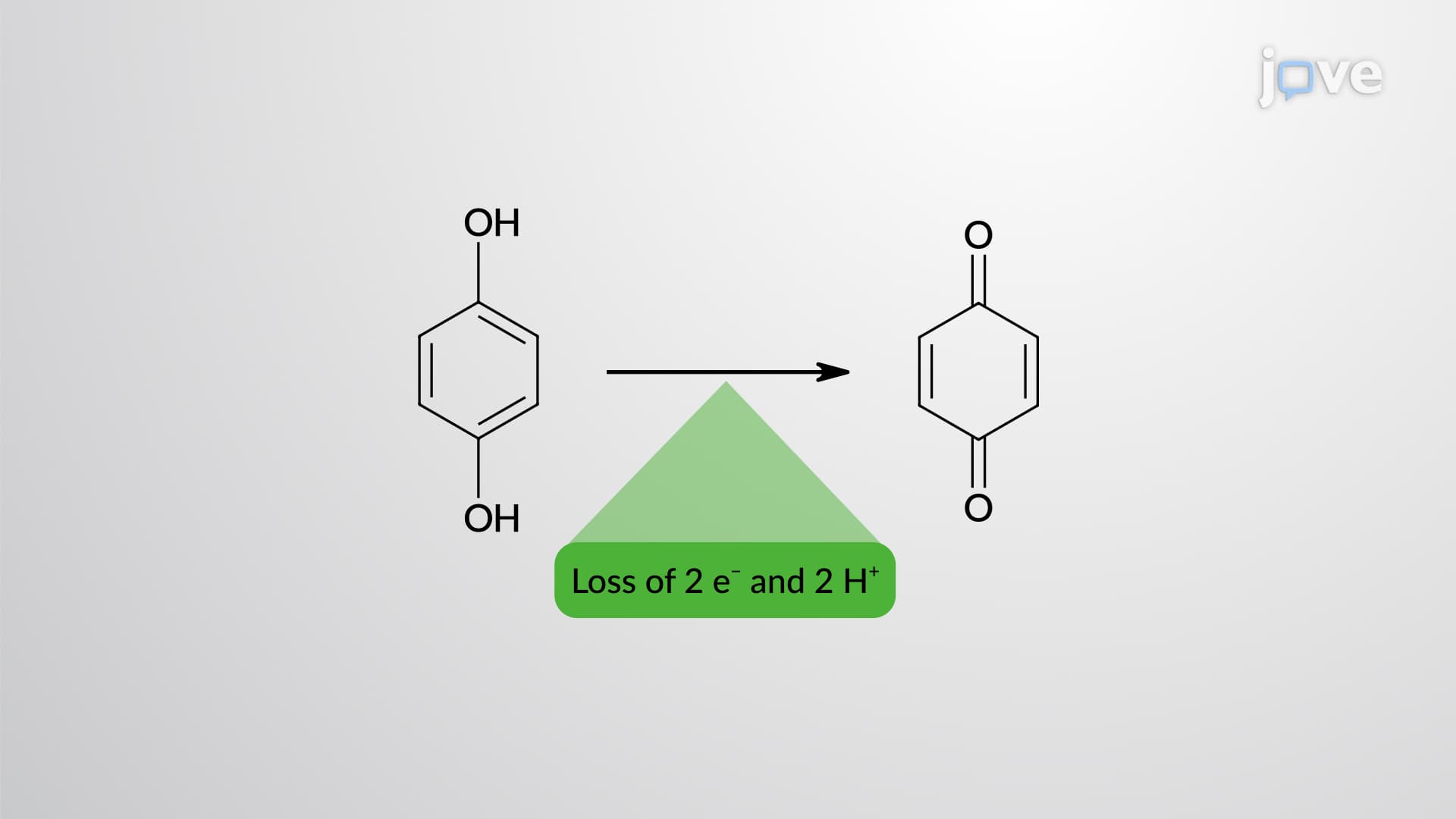
This microcourse includes 25 concept videos that walk you through the building blocks of Organic Chemistry. Each video is short, about 1 minute, so you can cover a full topic during a coffee break or between classes. The full sequence starts with NMR Spectroscopy of Benzene Derivatives and ends with Oxidation of Phenols to Quinones.
The natural next step is Amines. From there, you can move to Radical Chemistry and Synthetic Polymers. Once you finish those, the full Organic Chemistry curriculum of 21 microcourses on JoVE Coach opens up, taking you from foundational concepts to advanced systems.