Loading concepts…


15 Concepts
12 Concepts
14 Concepts
12 Concepts
7 Concepts
20 Concepts
7 Concepts
15 Concepts
12 Concepts
12 Concepts
15 Concepts
25 Concepts
17 Concepts
28 Concepts
40 Concepts
27 Concepts
12 Concepts
25 Concepts
29 Concepts
27 Concepts
20 Concepts
 12 Concepts
 195K Views
 Popular topics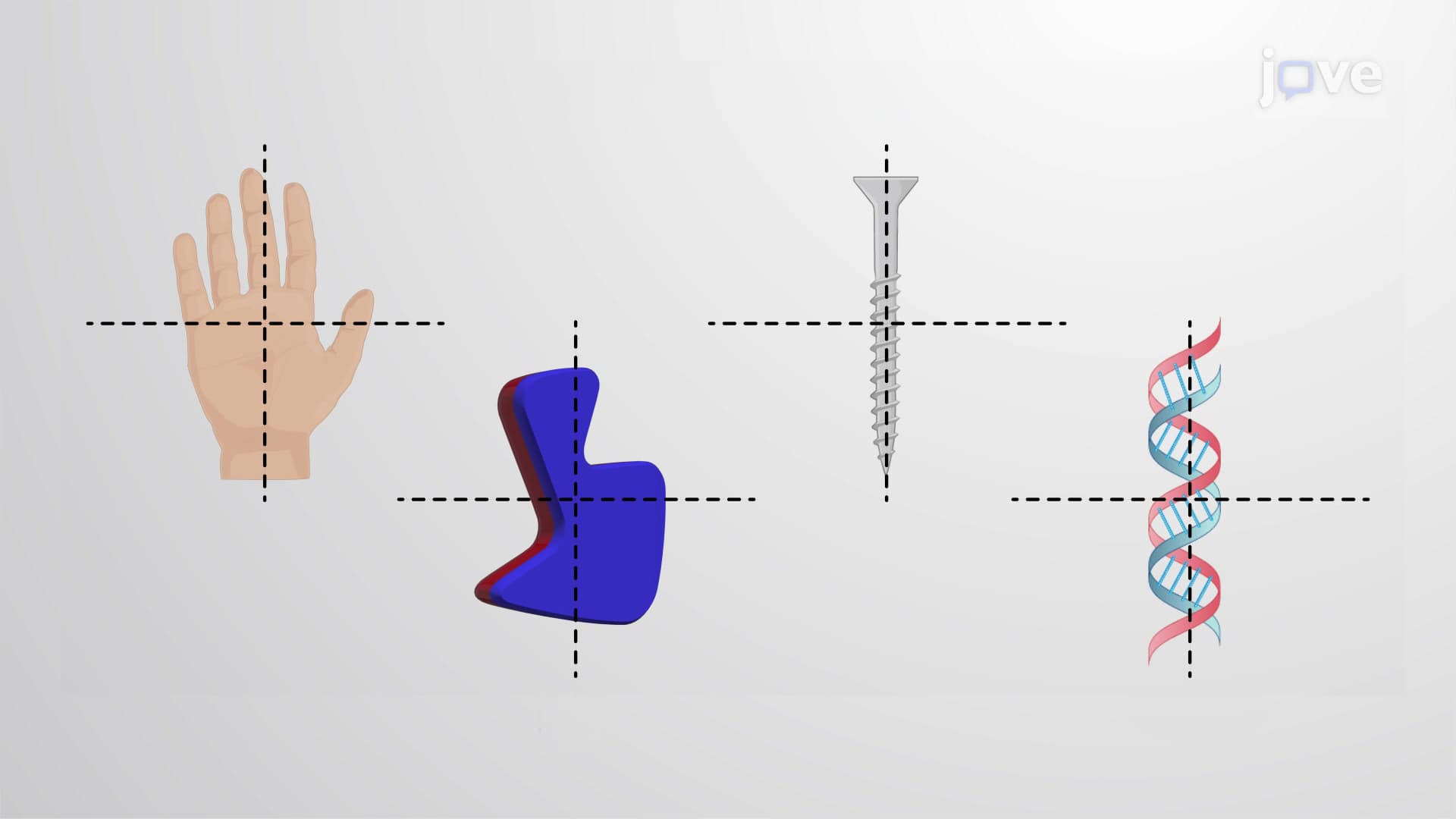
Stereoisomerism is a fundamental concept in organic chemistry where molecules share the same molecular formula and connectivity but differ in their three-dimensional spatial arrangements. This comprehensive course explores chirality, enantiomers, diastereomers, and their critical applications in pharmaceuticals and biological systems. Master stereochemistry principles essential for AP Chemistry, MCAT preparation, and advanced organic chemistry coursework with JoVE Coach.
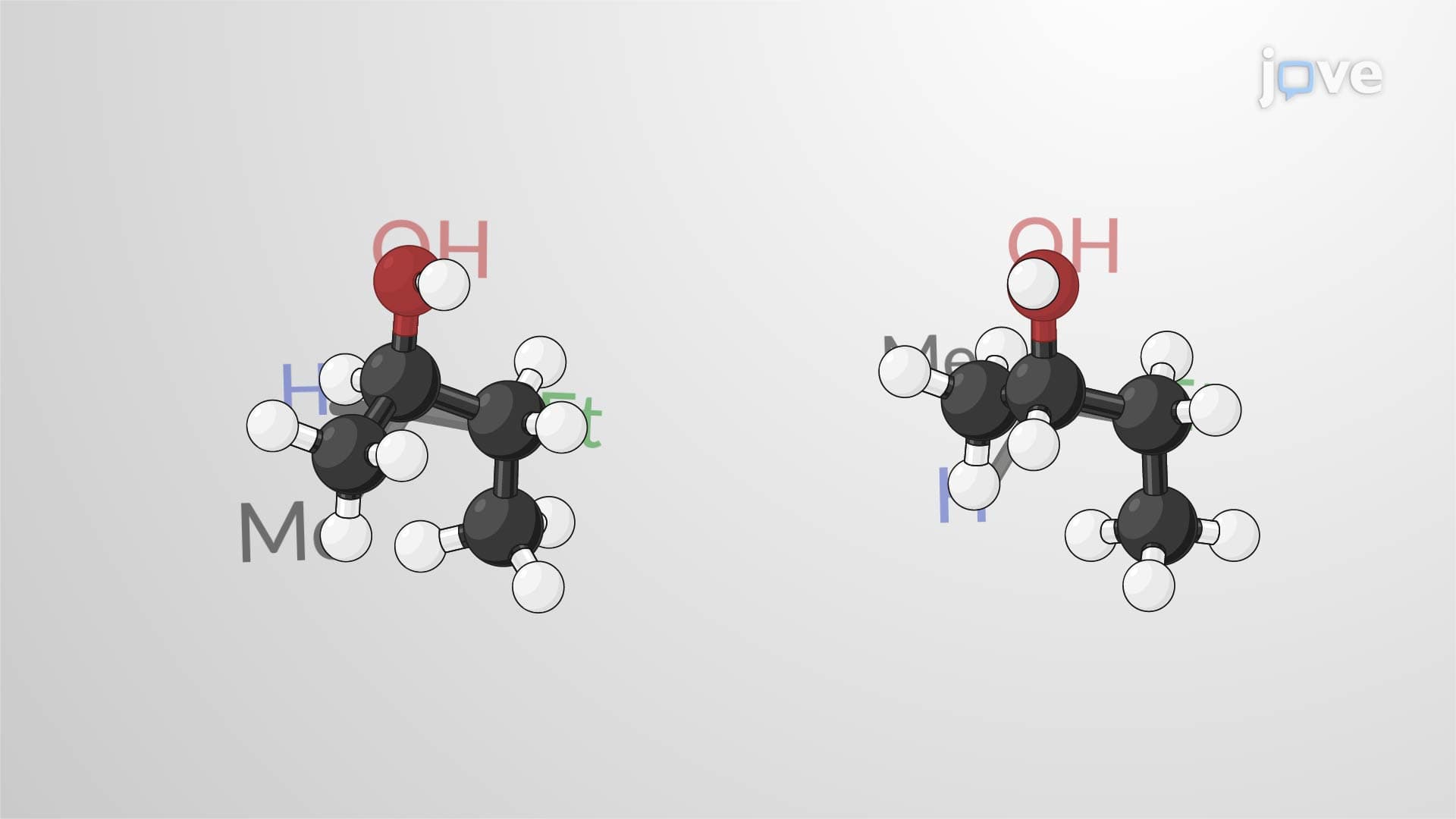
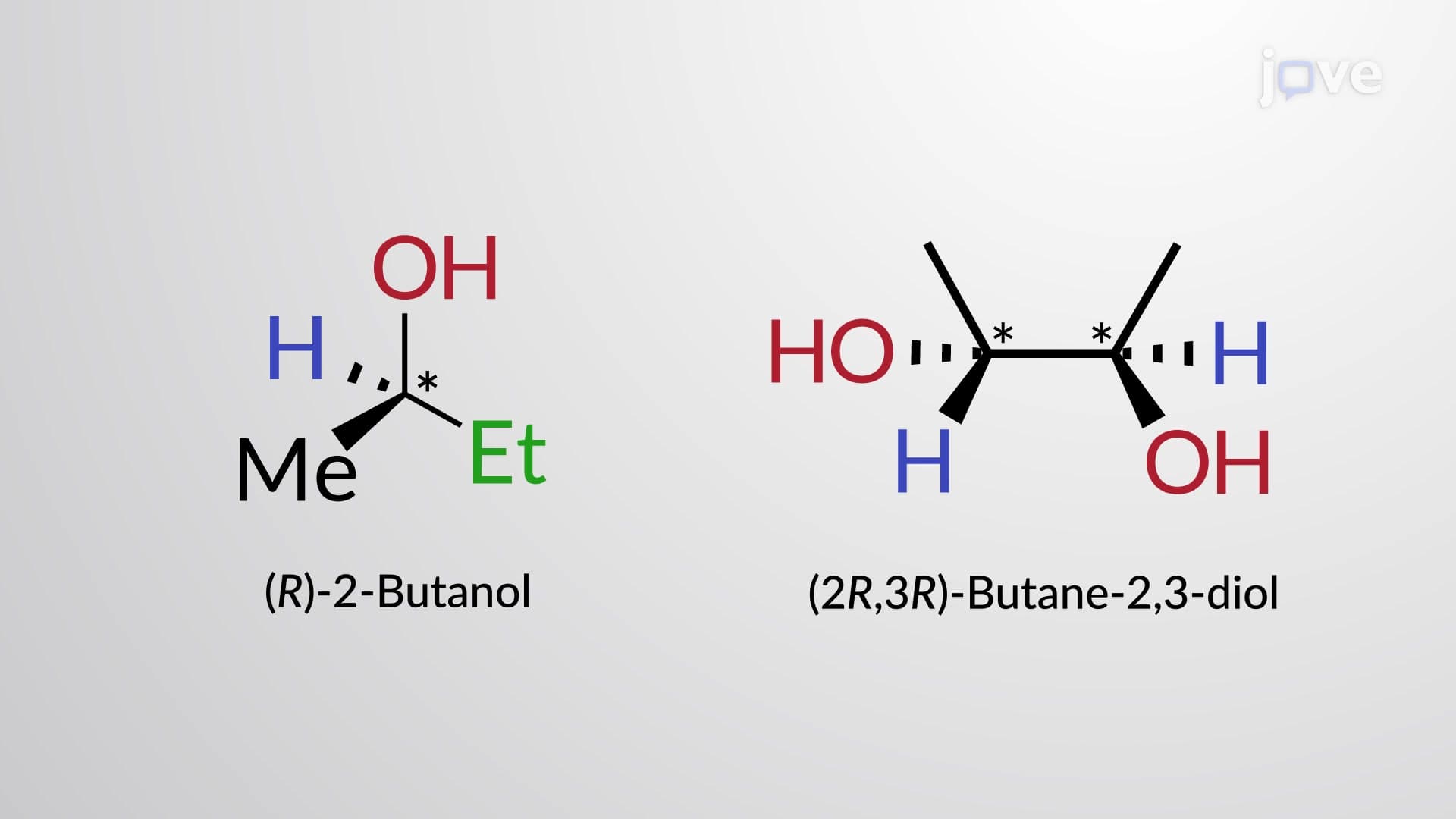
1. Chirality and Molecular Asymmetry: Chirality represents a fundamental type of molecular asymmetry where an object and its mirror image cannot be superimposed. Like your left and right hands, chiral molecules exist as non-superimposable mirror images. The key to identifying chirality lies in recognizing tetrahedral carbon atoms bonded to four different substituents, called chiral centers. For example, 2-butanol contains a chiral center at C-2, making it chiral, while ethanol lacks this asymmetry and remains achiral. Molecules lacking both planes of symmetry and centers of symmetry typically exhibit chirality, making this concept crucial for understanding drug interactions and biological processes.
2. Constitutional Isomers vs. Stereoisomers: Isomers represent compounds sharing identical molecular formulas but different structural arrangements. Constitutional isomers, such as 1-methoxypropane and diethyl ether (both C₄H₁₀O), differ in atomic connectivity patterns. Stereoisomers maintain the same connectivity but exhibit different spatial arrangements of atoms. Classic examples include cis-2-butene and trans-2-butene, where methyl groups occupy different relative positions around the double bond. Understanding this distinction helps predict molecular properties and reactivity patterns essential for pharmaceutical development and metabolic processes.
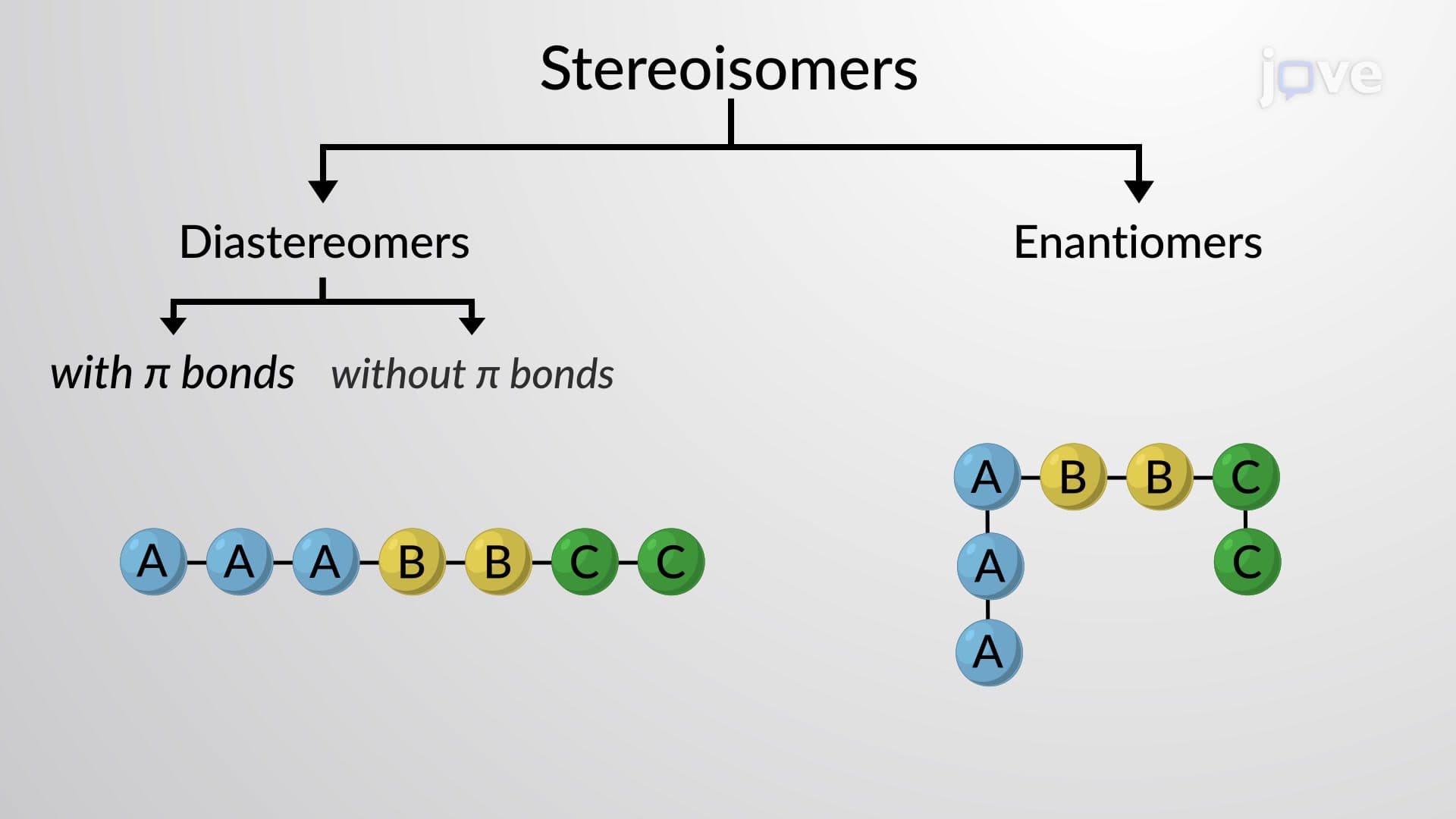
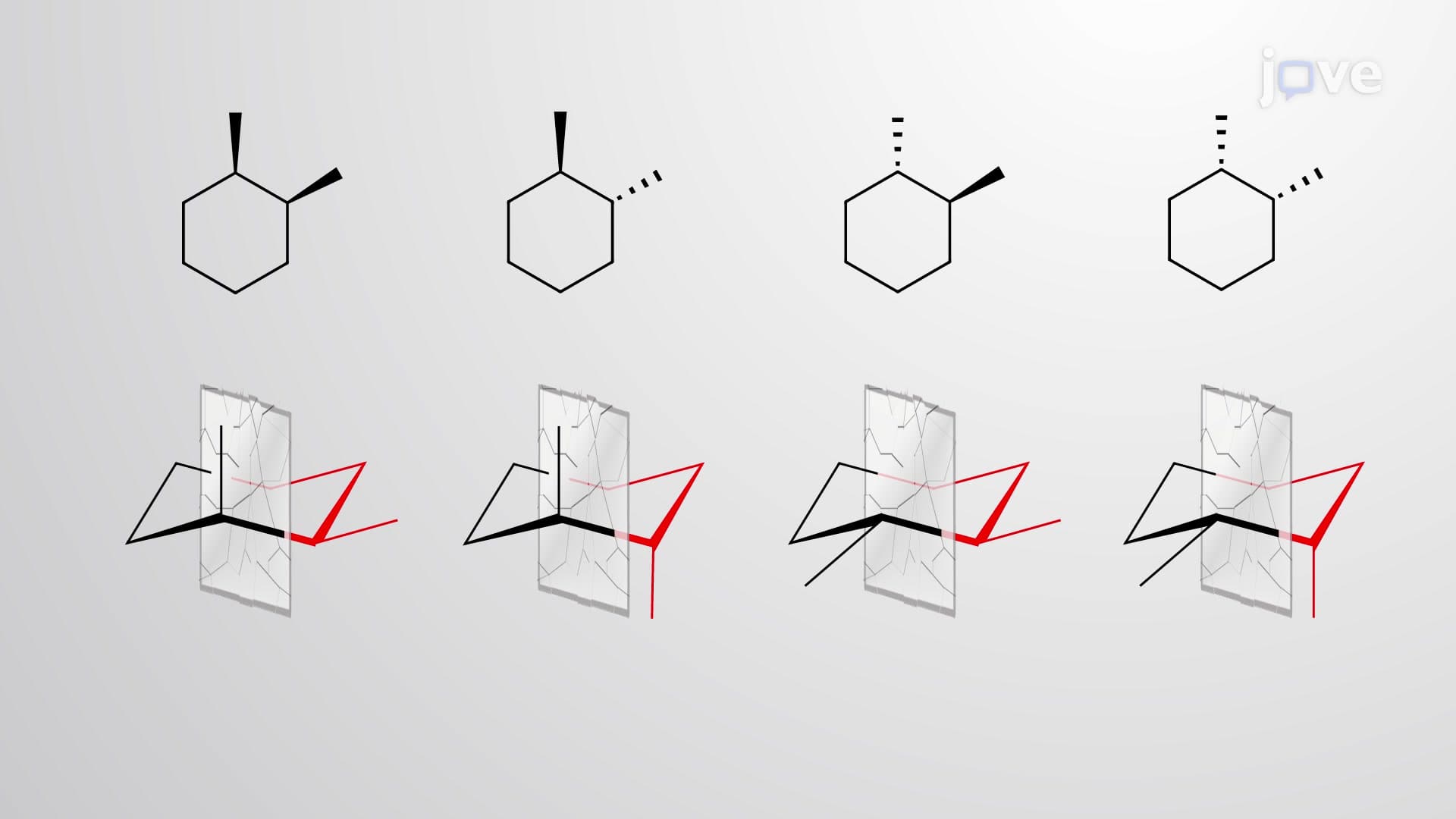
3. Enantiomers and Diastereomers Classification: Stereoisomers divide into two major categories based on their mirror image relationships. Enantiomers are chiral molecules that serve as non-superimposable mirror images of each other, like the two forms of 2-butanol. Diastereomers are stereoisomers that are not mirror images, exemplified by cis- and trans-1,2-dimethylcyclohexane. This classification system proves essential for understanding drug efficacy, as enantiomers often exhibit dramatically different biological activities. For instance, one enantiomer might provide therapeutic benefits while its mirror image could prove toxic or inactive.
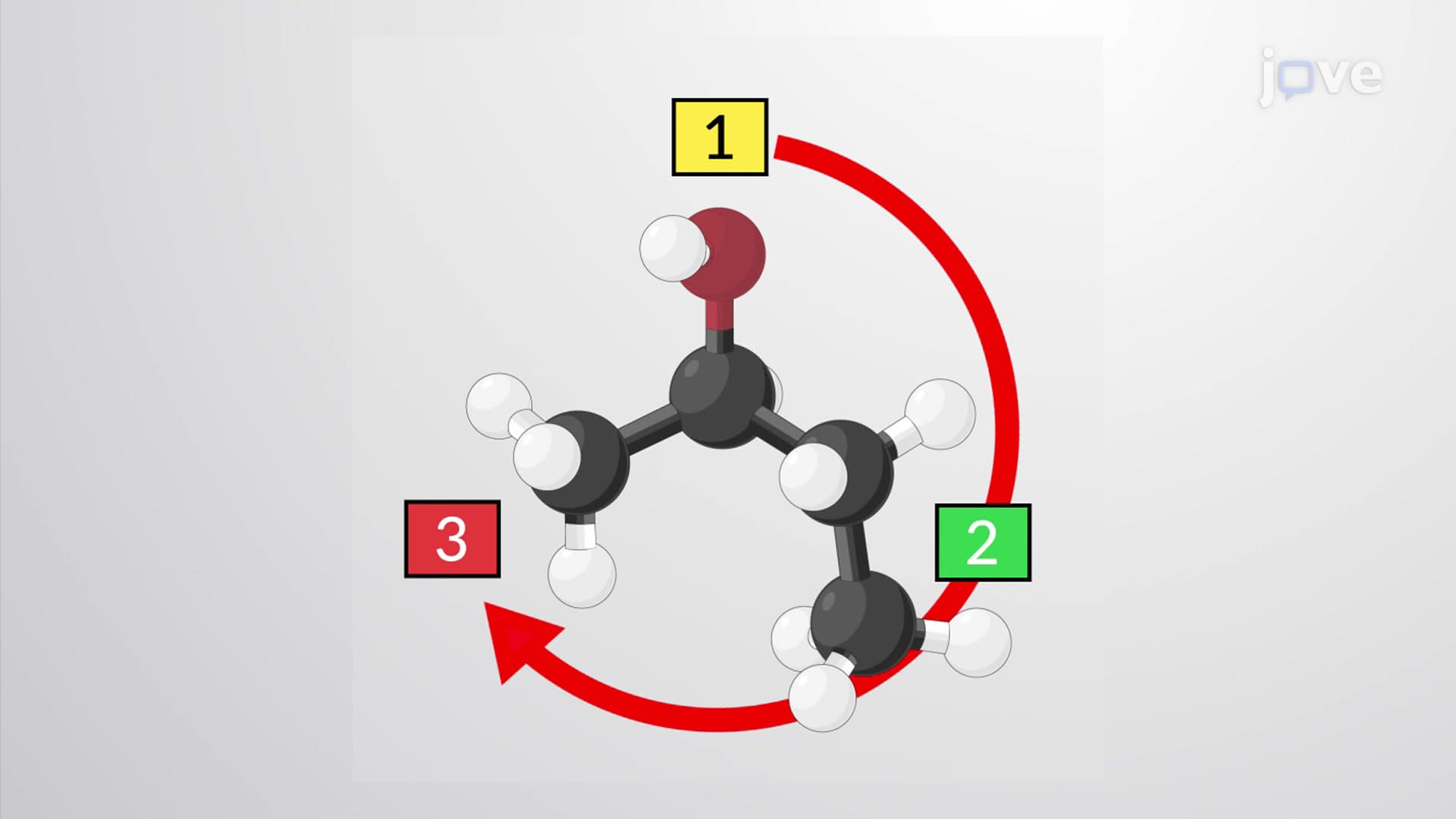
4. R/S Nomenclature System: The Cahn-Ingold-Prelog system provides systematic naming for enantiomers using R (clockwise) and S (counterclockwise) designations. This three-step process involves: assigning priorities to substituents based on atomic numbers, orienting the molecule with the lowest priority group pointing away, and determining the clockwise or counterclockwise sequence of the remaining groups. For 2-butanol, the hydroxyl group receives highest priority (oxygen), followed by ethyl, methyl, and hydrogen. Proper application of this system ensures consistent communication in pharmaceutical research and clinical applications.
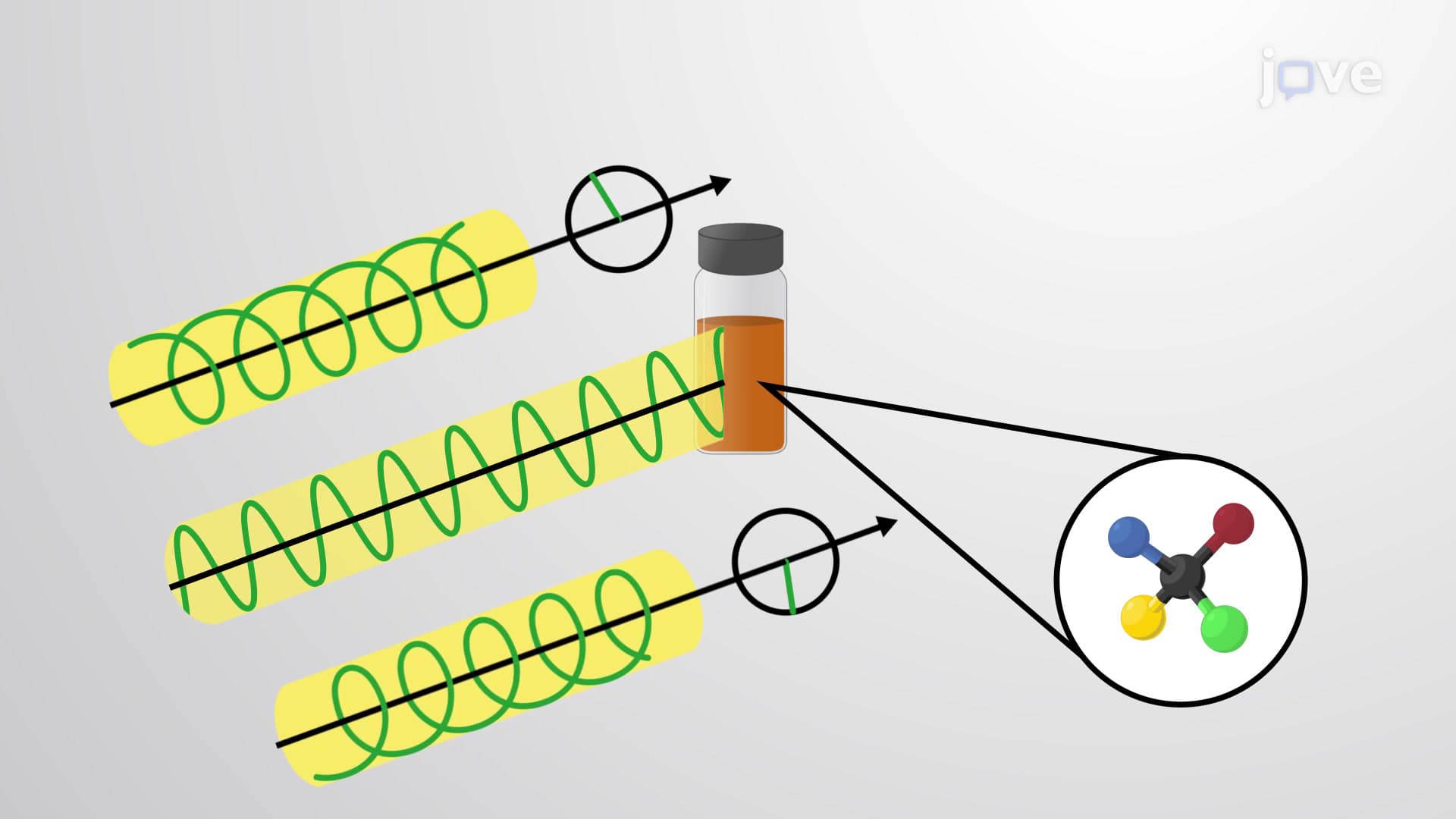
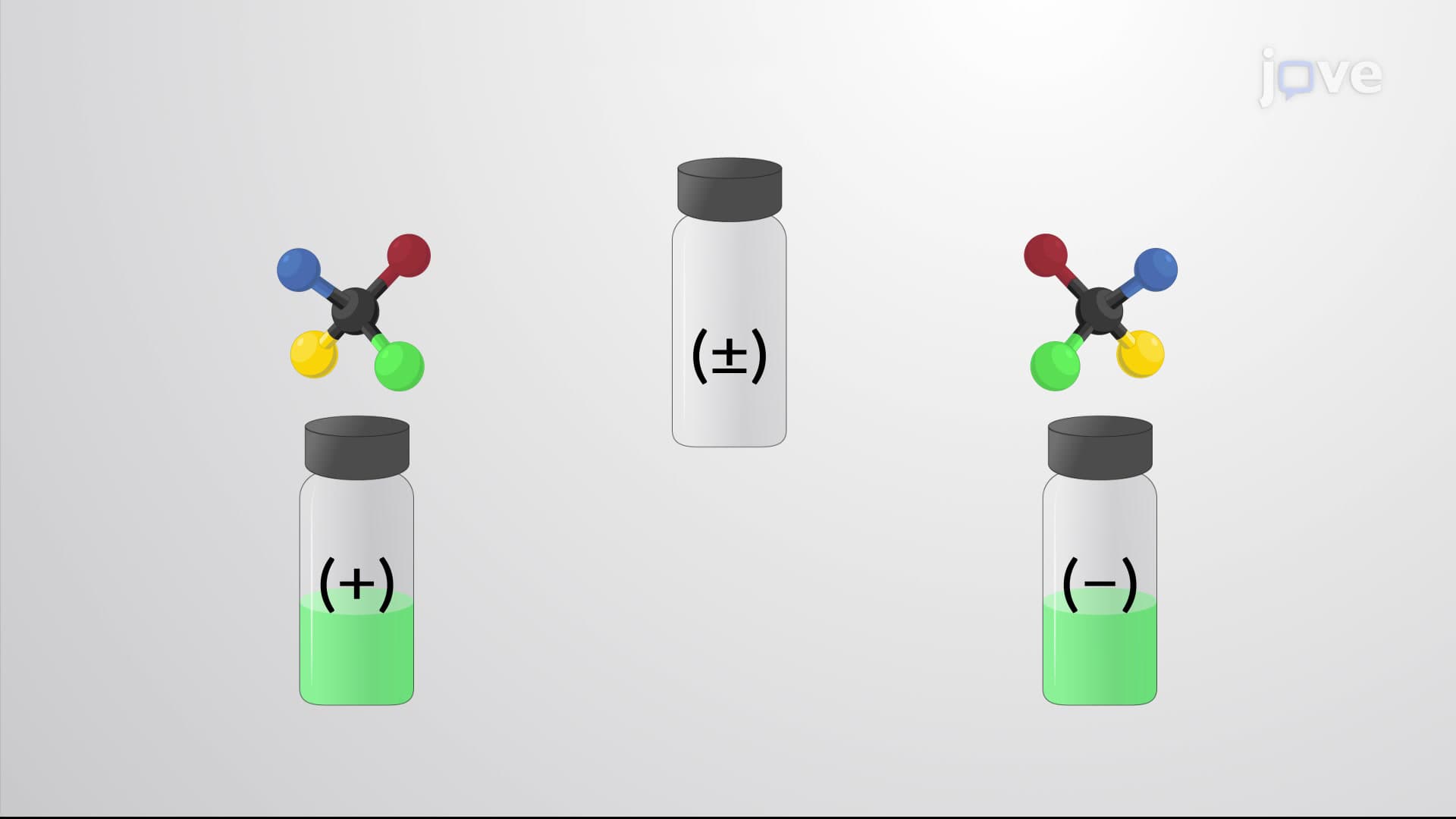
5. Optical Activity and Polarized Light: Enantiomers exhibit optical activity by rotating plane-polarized light in opposite directions, providing a measurable physical property for identification. Dextrorotatory compounds rotate light clockwise, while levorotatory compounds rotate counterclockwise. The degree of rotation depends on concentration, path length, and the compound's specific rotation value. Racemic mixtures, containing equal amounts of both enantiomers, show no net rotation because the effects cancel out. This principle enables pharmaceutical quality control and purity analysis in drug manufacturing processes.
6. Multiple Chiral Centers and Meso Compounds: Molecules containing multiple chiral centers follow the 2ⁿ rule, where n represents the number of chiral centers. Butane-2,3-diol, with two chiral centers, theoretically produces four stereoisomers. However, the RS and SR configurations prove identical after rotation, reducing the count to three distinct compounds. The remaining achiral stereoisomer, called a meso compound, contains internal symmetry despite having chiral centers. Understanding these relationships proves crucial for predicting drug metabolism pathways and designing enantioselective synthesis routes.
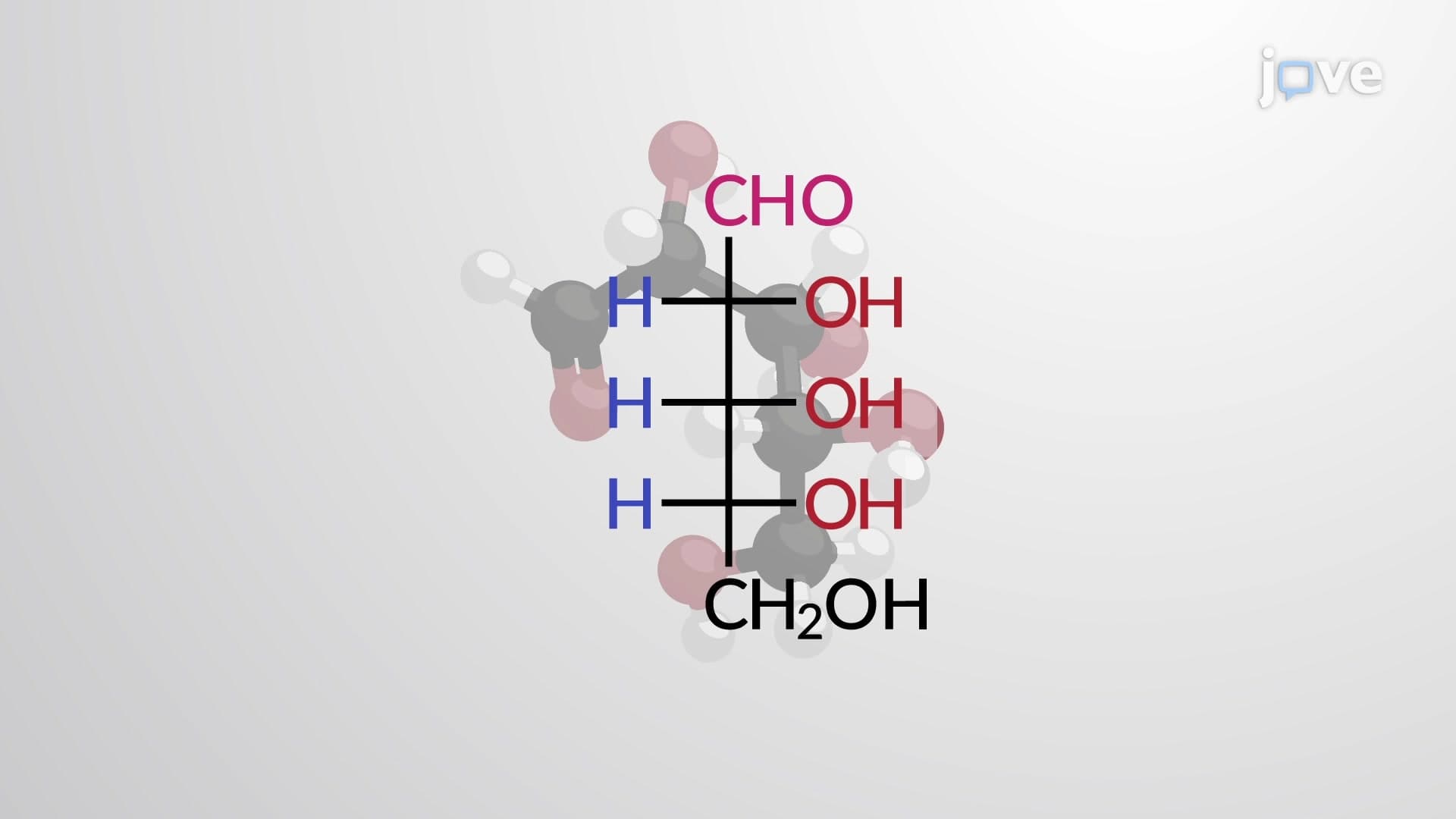
7. Fischer Projections for Complex Molecules: Fischer projections simplify the representation of molecules with multiple chiral centers using two-dimensional drawings where horizontal lines project toward the viewer and vertical lines project away. For ribose and other complex carbohydrates, this system enables clear visualization of stereochemical relationships. The carbon chain runs vertically with C-1 at the top by convention. Rotating Fischer projections 180° in the plane maintains the same molecule, while out-of-plane rotations generate the enantiomer. This representation system proves indispensable for carbohydrate chemistry and biochemical pathway analysis.
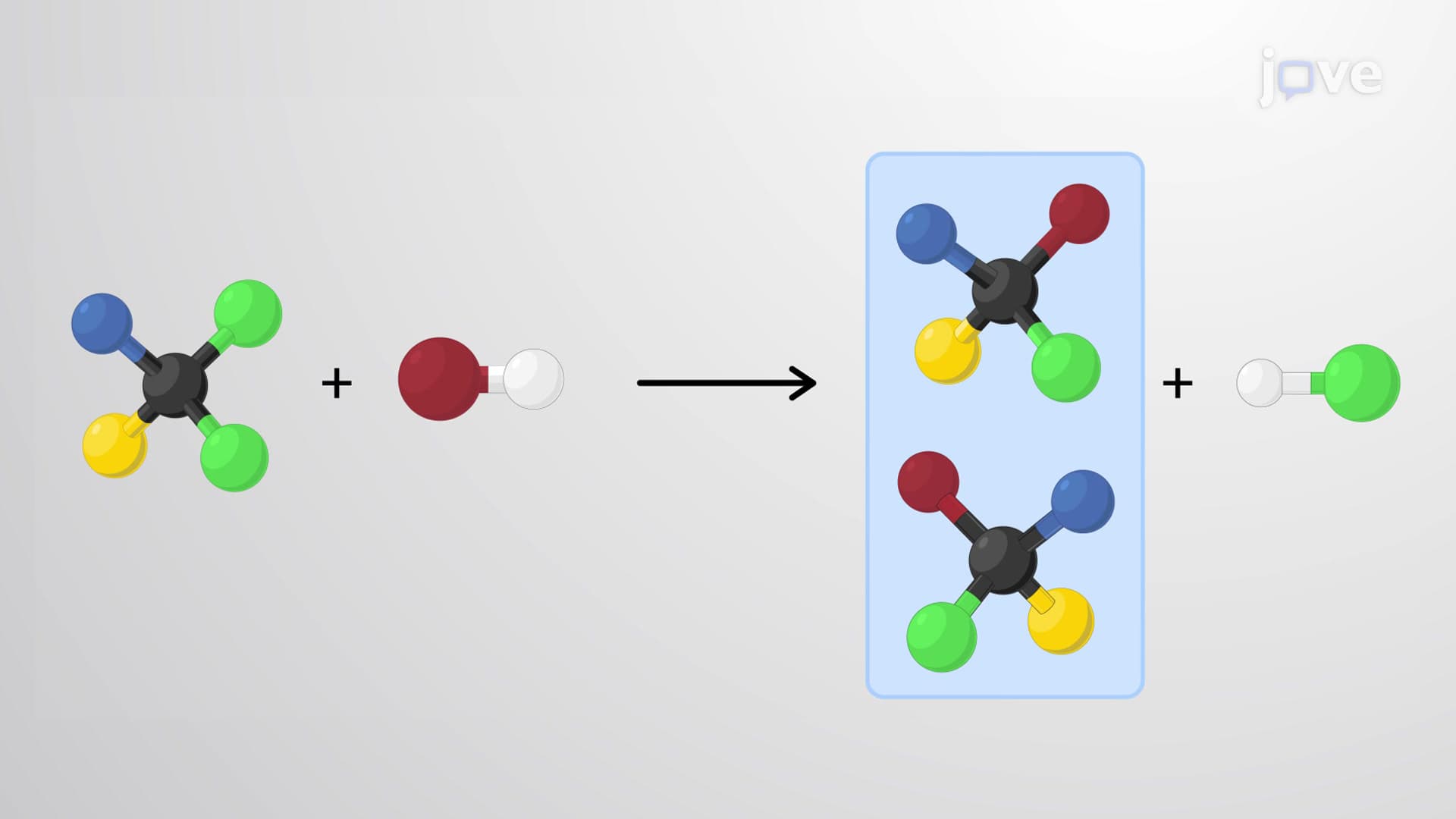
8. Racemic Mixtures and Resolution Techniques: Racemic mixtures contain equal amounts of both enantiomers and require specialized separation techniques called enantiomeric resolution. The pharmaceutical industry commonly uses chiral resolving agents that react differently with each enantiomer, forming diastereomeric salts with different physical properties. For naproxen separation, N-propylglucosamine creates distinct salts where the S-enantiomer crystallizes while the R-enantiomer remains dissolved. Some compounds like tartaric acid undergo spontaneous resolution through selective crystallization. Modern techniques include chiral chromatography for efficient enantiomer separation.
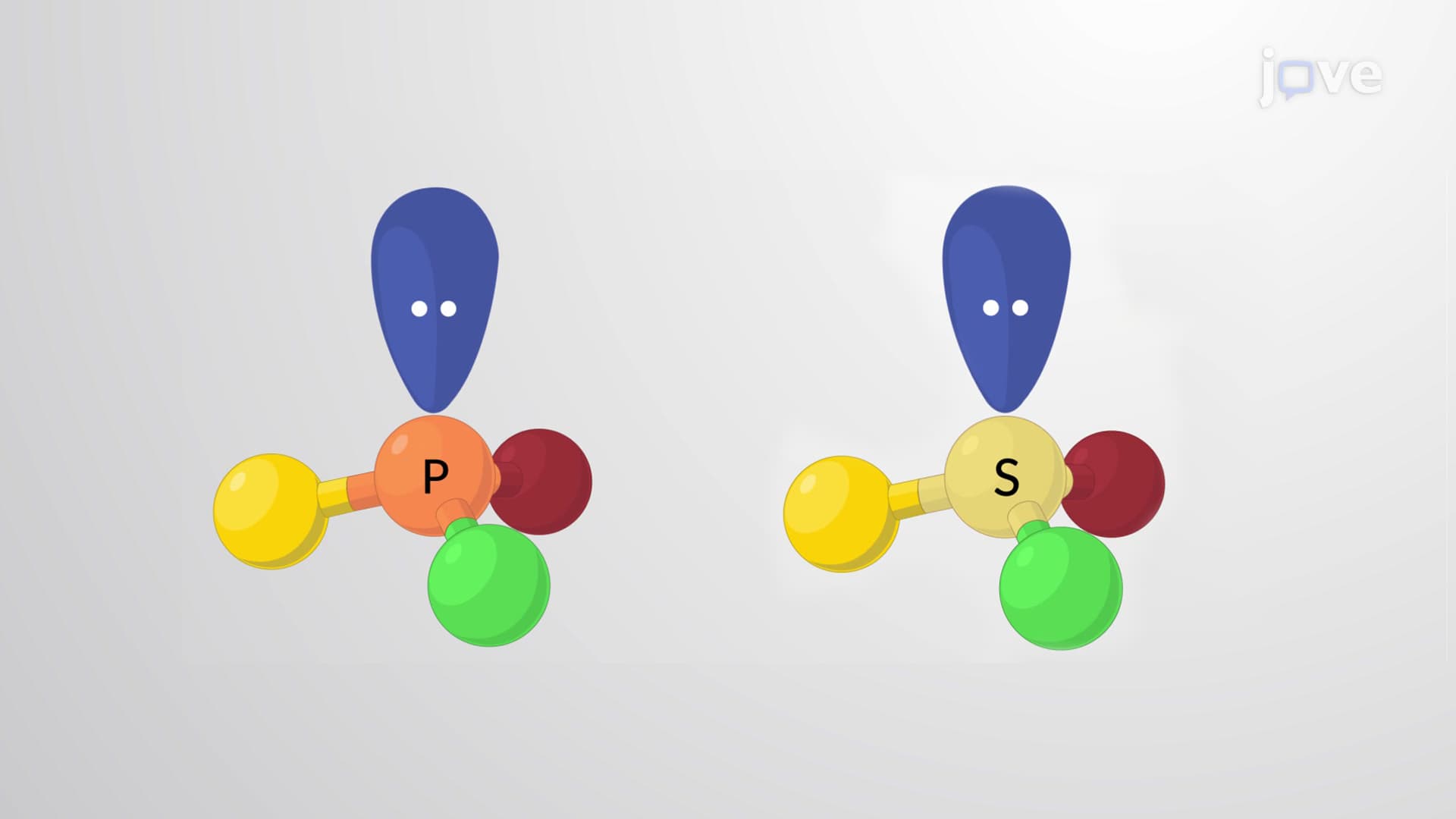
9. Chirality Beyond Carbon Centers: Nitrogen, phosphorus, and sulfur atoms can serve as chiral centers when bonded to four different substituents, including lone electron pairs. Ethylmethylamine contains a chiral nitrogen center, though rapid pyramidal inversion prevents enantiomer separation at room temperature. Quaternary ammonium salts resist this inversion, enabling successful resolution. Phosphorus and sulfur compounds undergo pyramidal inversion less readily, making their enantiomers more easily separable. The same R/S naming rules apply, treating lone pairs as the lowest priority substituent for practical nomenclature applications.