Radical chemistry involves highly reactive species with unpaired electrons that drive essential reactions in organic and biochemical systems. This comprehensive course explores free radical reactions from electronic structure to complex mechanisms, covering halogenation, polymerization, and biological processes. Master the fundamental principles and applications that appear on standardized exams and support pharmaceutical development, polymer science, and atmospheric chemistry research across American universities and industries.
Understand radical electronic structure, geometry, and detection using EPR spectroscopy
Learn radical formation mechanisms including homolysis, abstraction, addition, and elimination
Identify factors controlling radical reactivity including steric effects and concentration dependencies
Explore electrophilic and nucleophilic radical behavior in organic synthesis
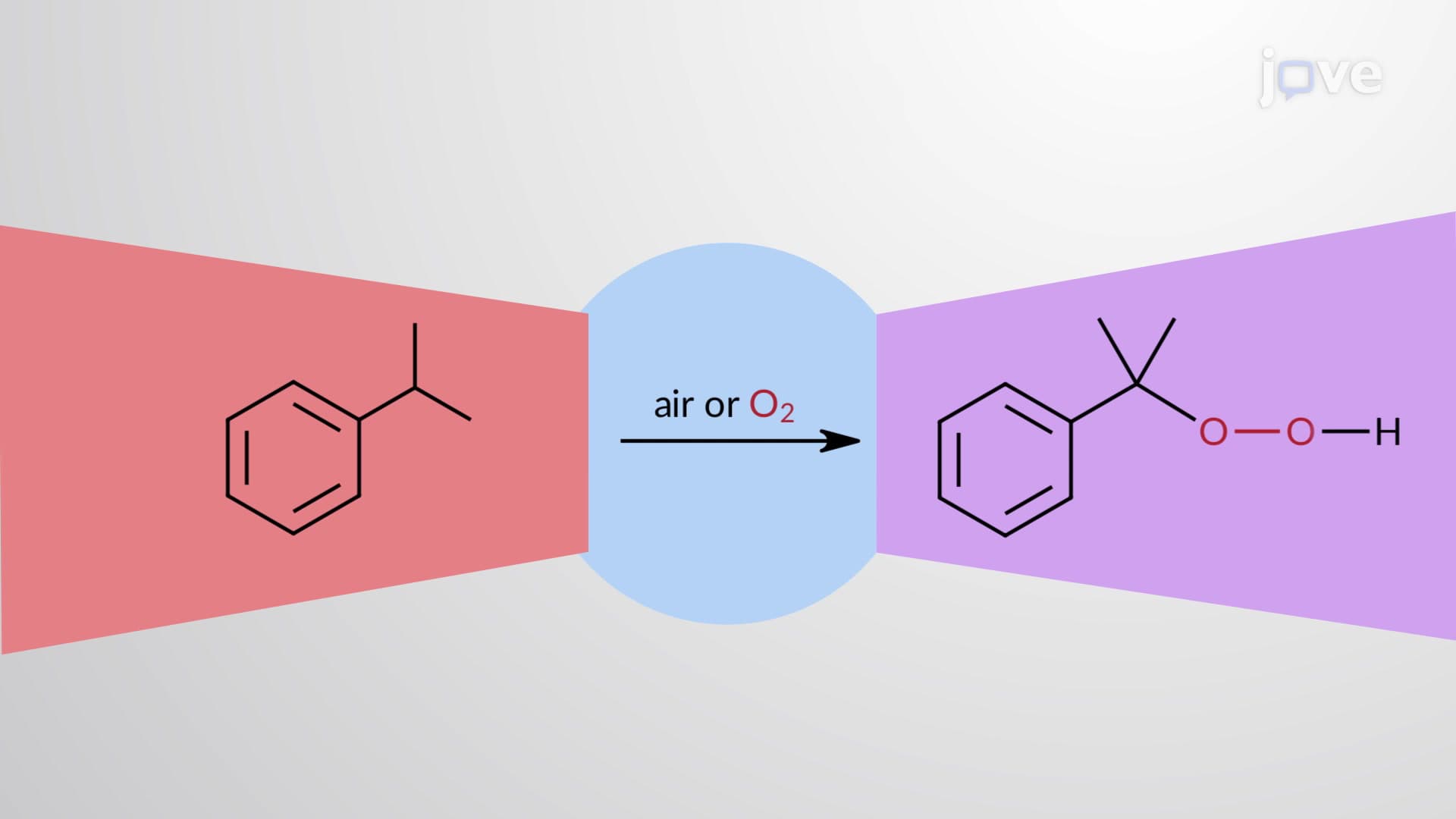
Analyze radical chain reactions in autoxidation and atmospheric chemistry
Apply radical halogenation principles to predict stereochemistry and regioselectivity
Understand anti-Markovnikov additions and their thermodynamic basis
Master radical coupling reactions for carbon-carbon bond formation
1. Radical Structure and Detection
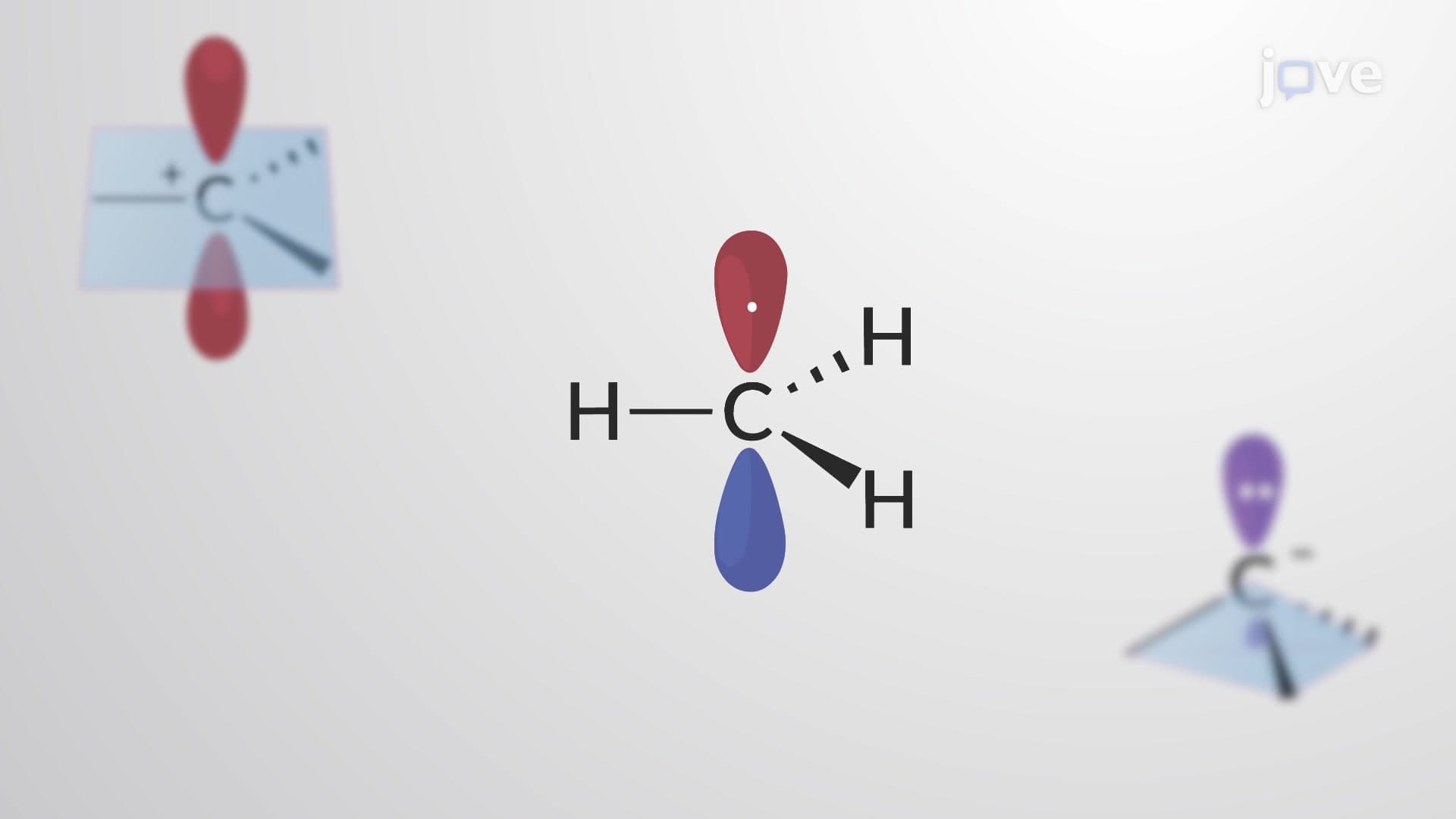
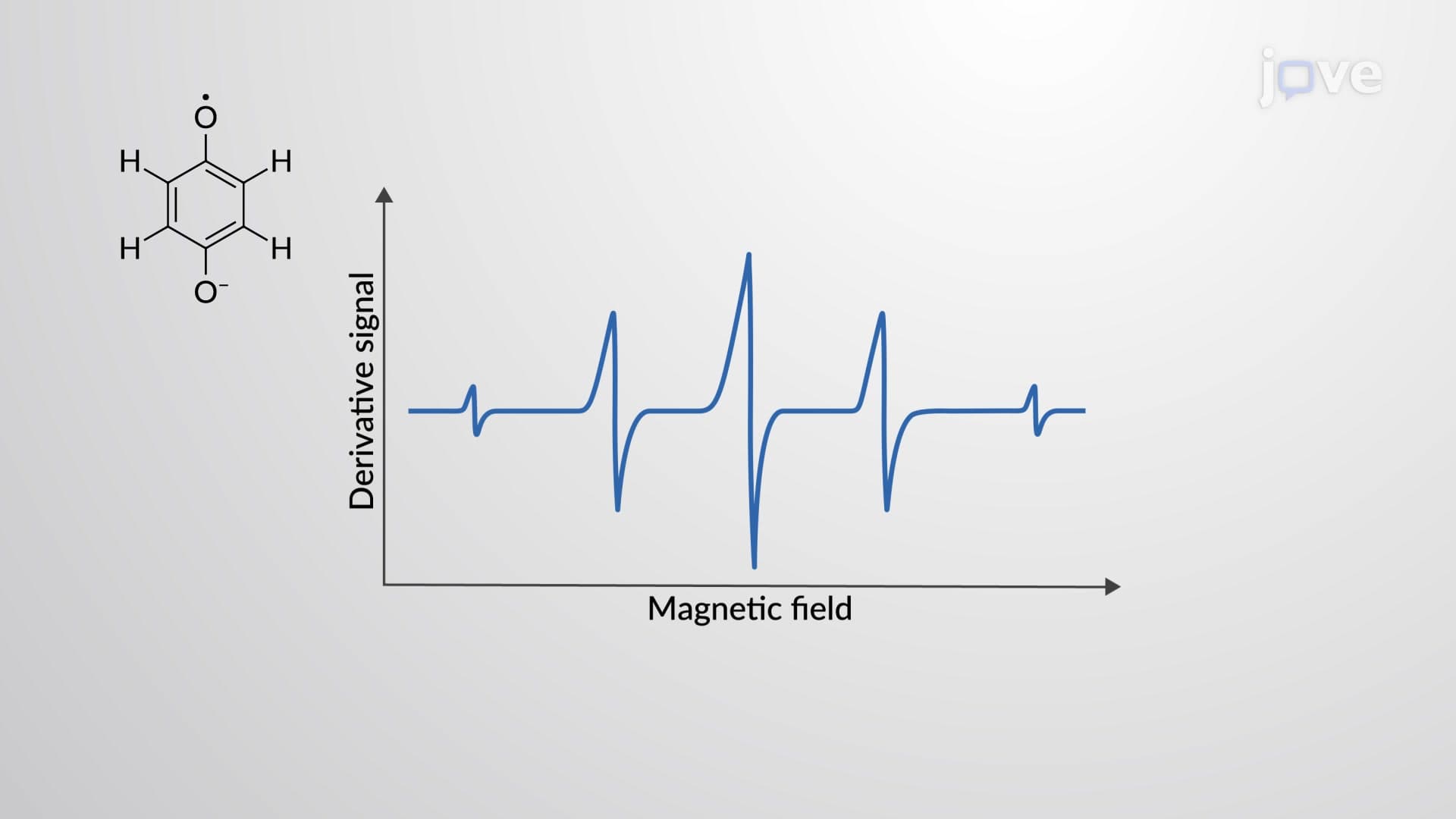
Carbon-centered radicals adopt geometries between carbocations and carbanions, with methyl radicals being planar while others show pyramidal character. The unpaired electron makes these species achiral due to rapid pyramidal inversion. Electron Paramagnetic Resonance (EPR) spectroscopy detects radicals through hyperfine splitting patterns, where coupling with neighboring nuclei creates characteristic peak multiplicities. For example, methyl radicals show quartet patterns (1:3:3:1 intensity) due to coupling with three equivalent protons, while benzosemiquinone radicals display five peaks from delocalization across aromatic systems.
2. Radical Formation Mechanisms
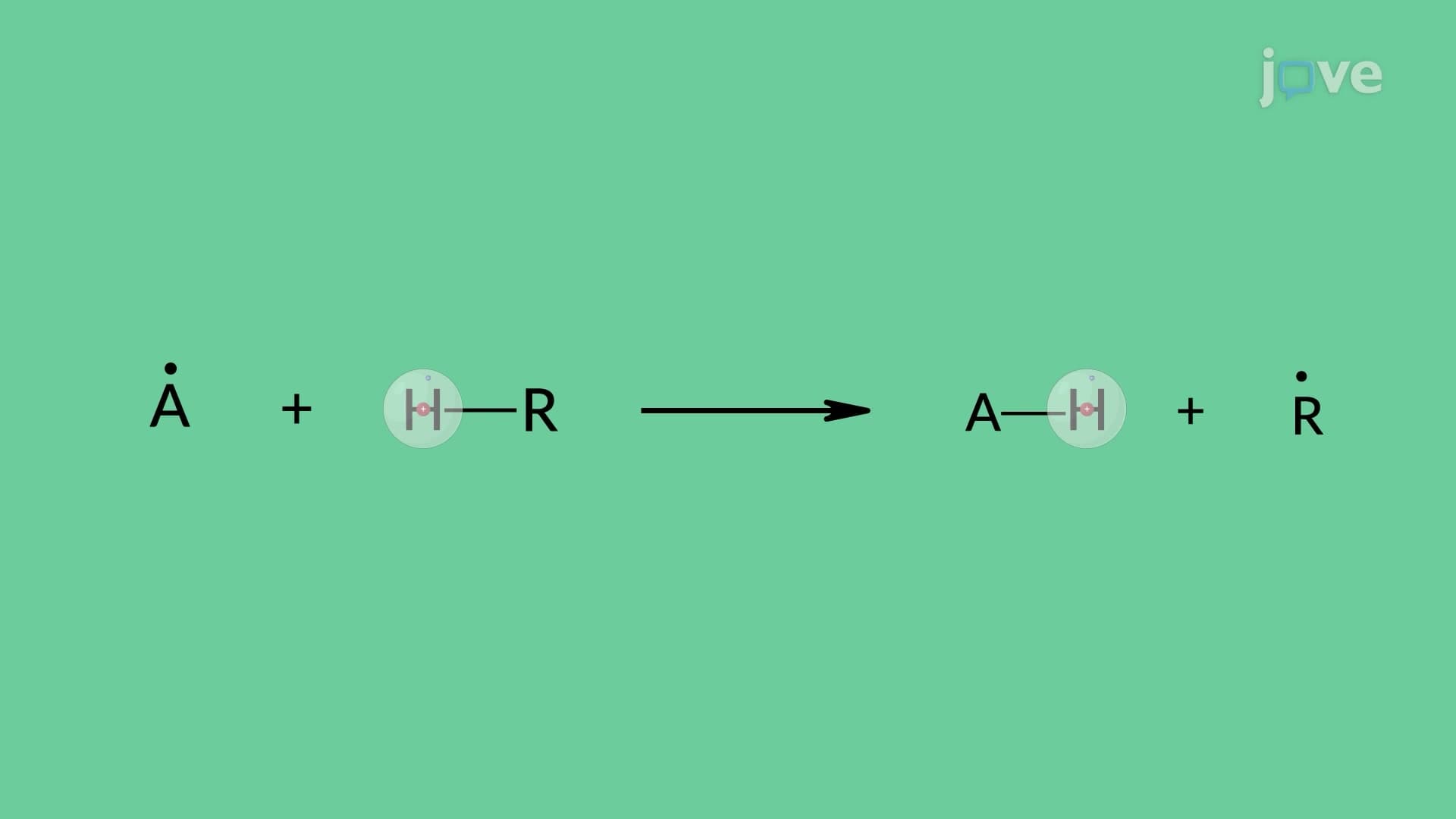
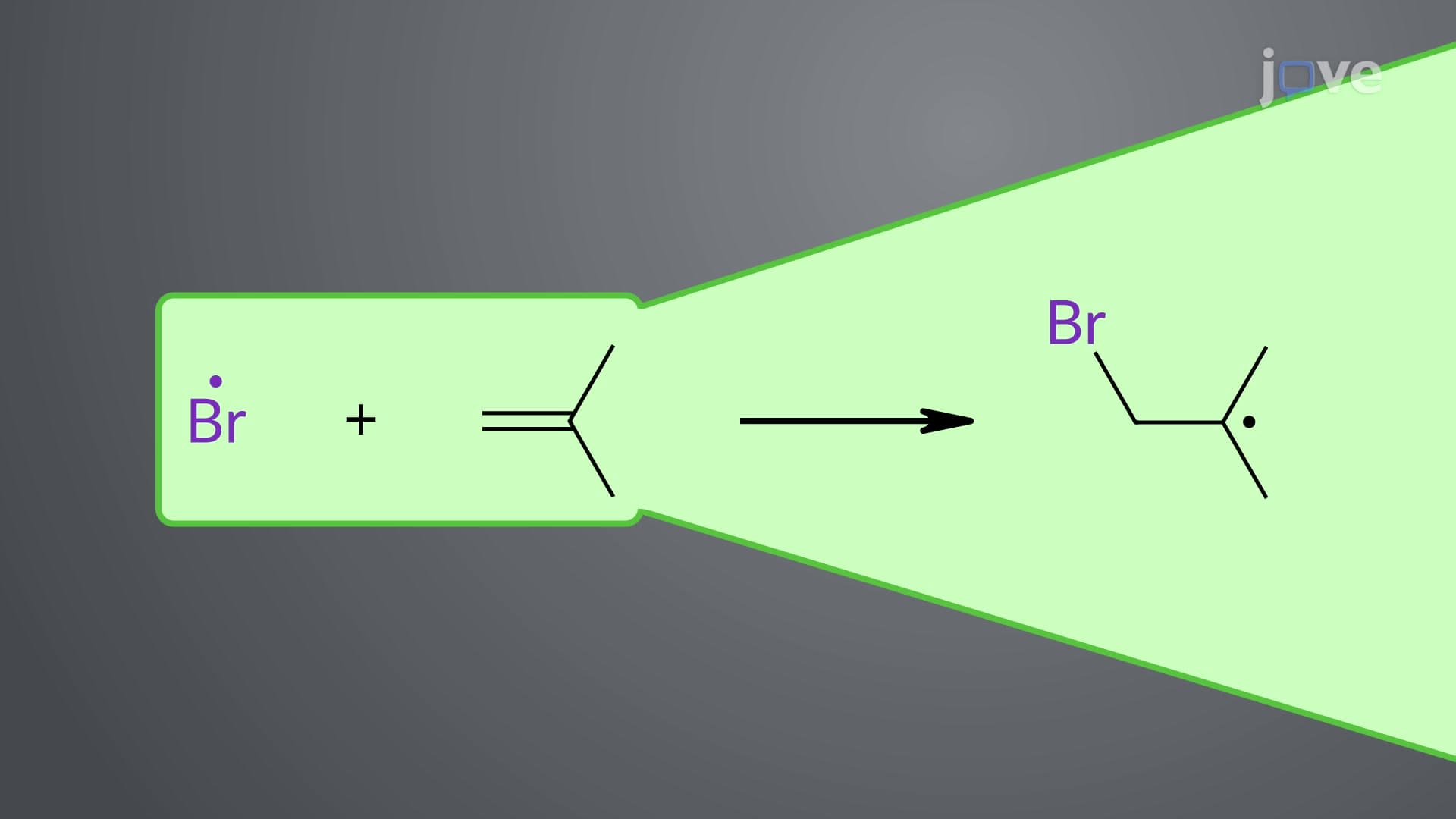
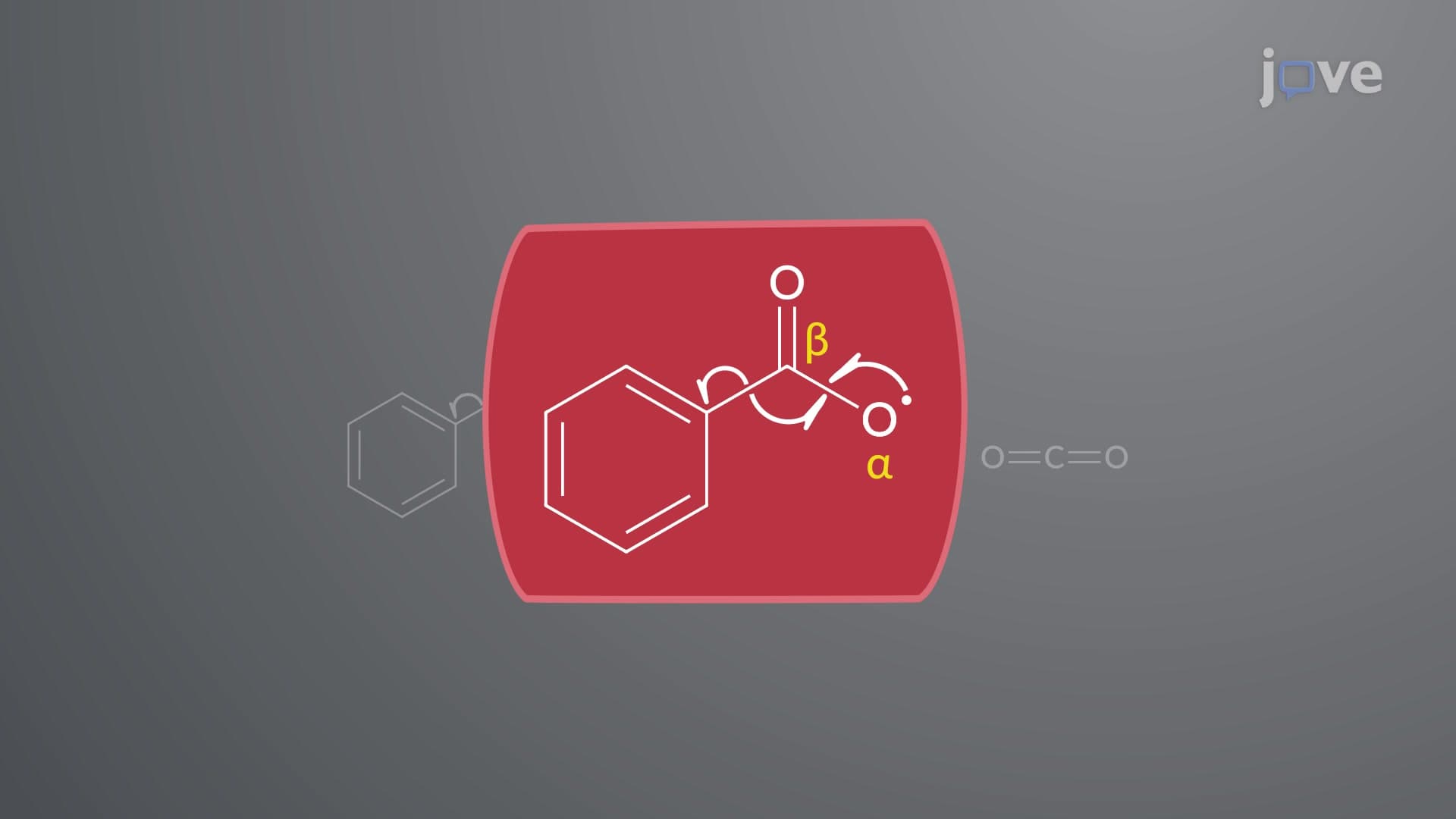
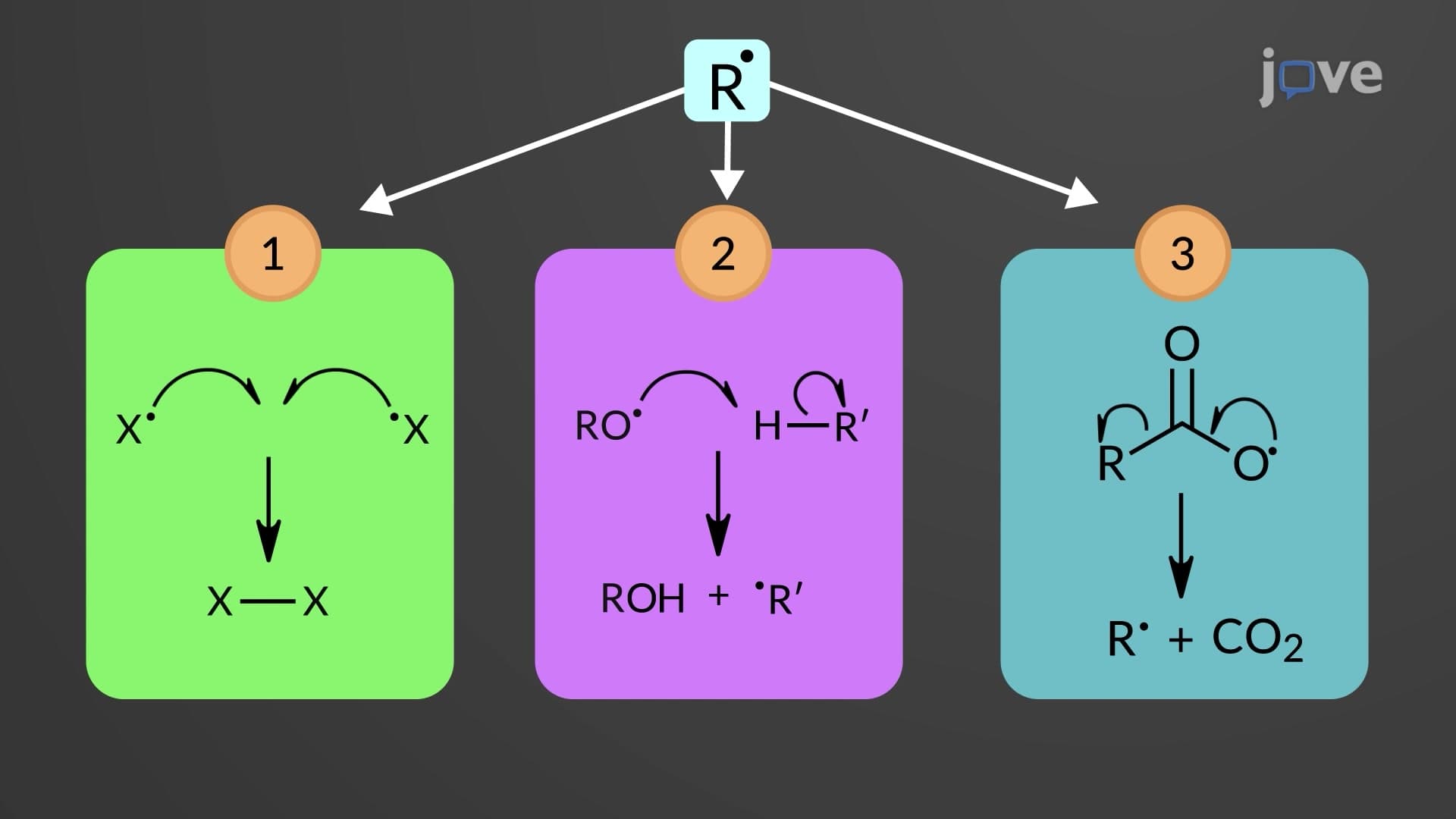
Radicals form through homolytic cleavage where bond electrons distribute equally between fragments, contrasting with ionic heterolysis. Thermal energy breaks weak bonds like peroxide O-O linkages, while photolysis cleaves halogen molecules using appropriate wavelengths. Abstraction reactions transfer entire atoms (hydrogen or halogen) between species, differing from ionic proton transfers. Addition reactions conserve spin as radicals add across double bonds, while elimination processes generate radicals from unstable intermediates, such as benzoyl radicals decomposing to form phenyl radicals and carbon dioxide.
3. Radical Reactivity and Stability
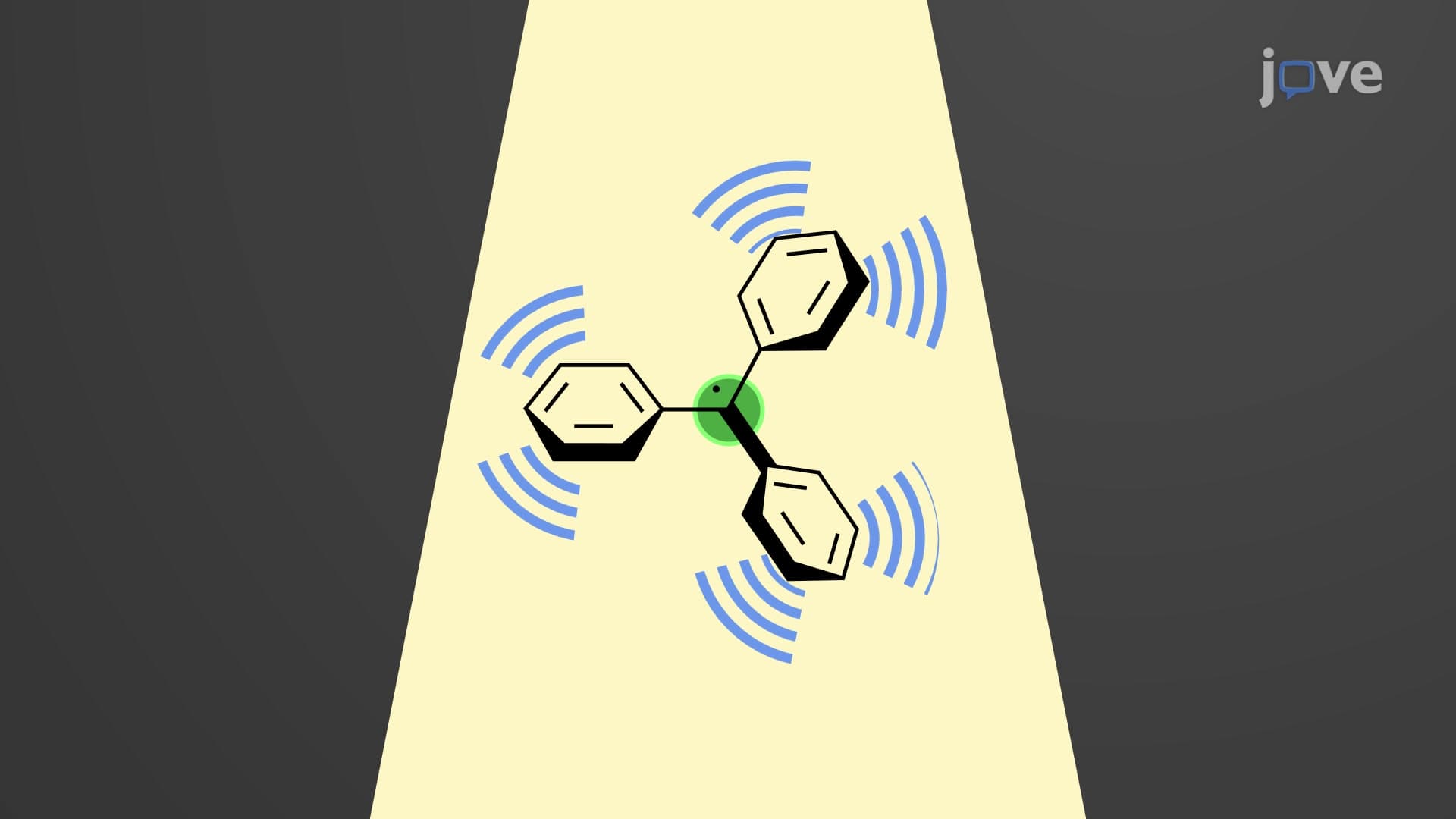
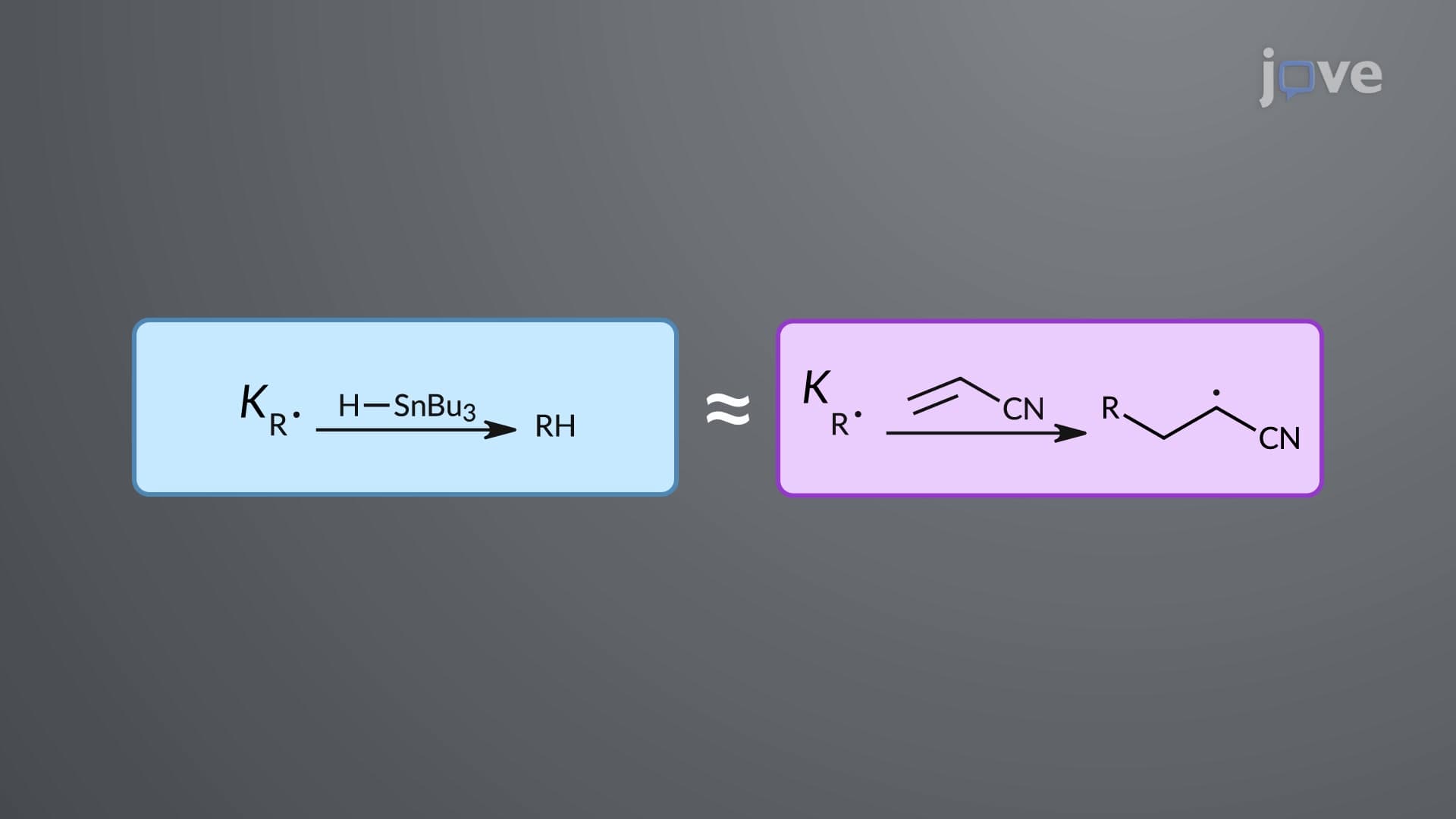
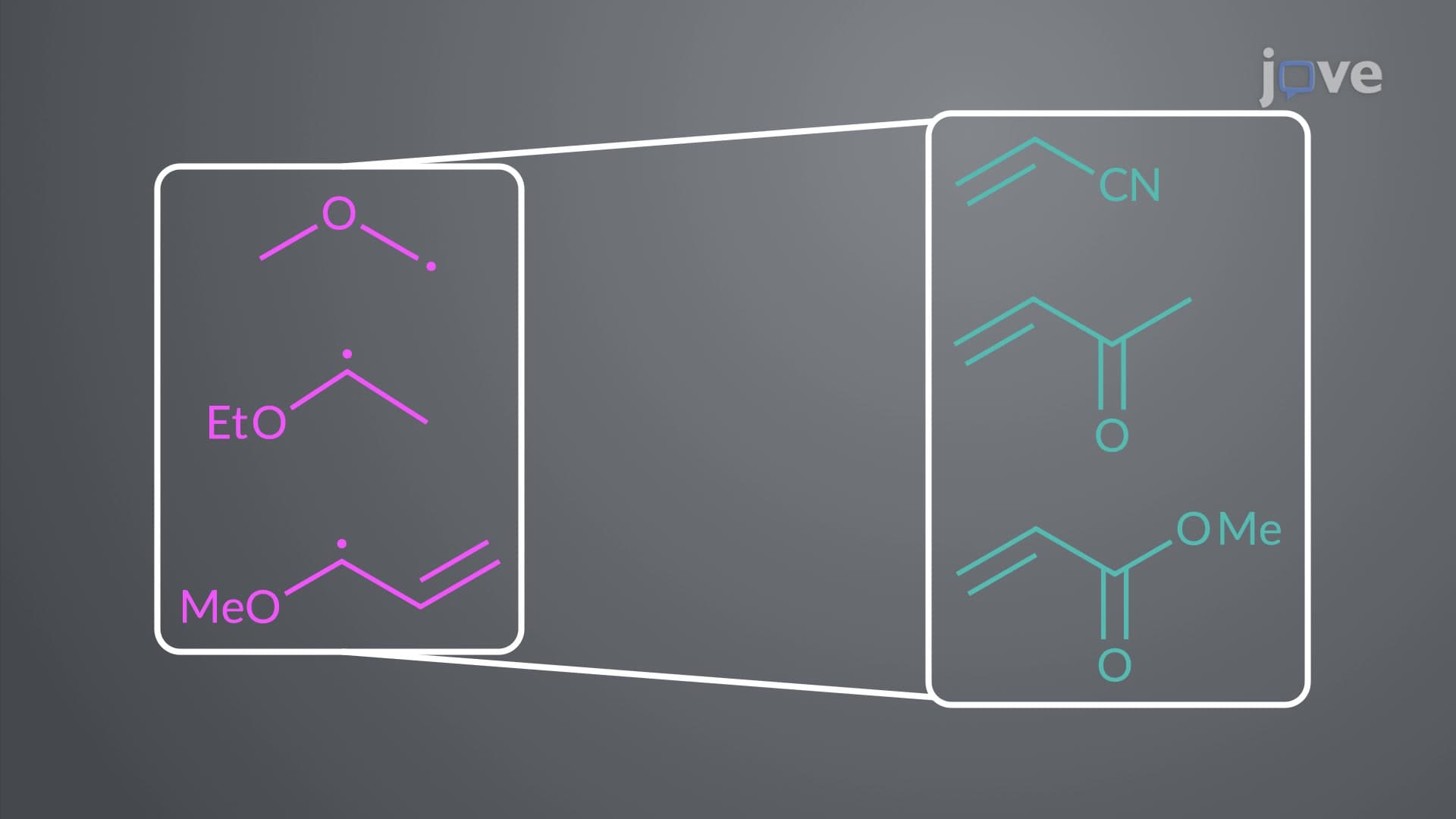
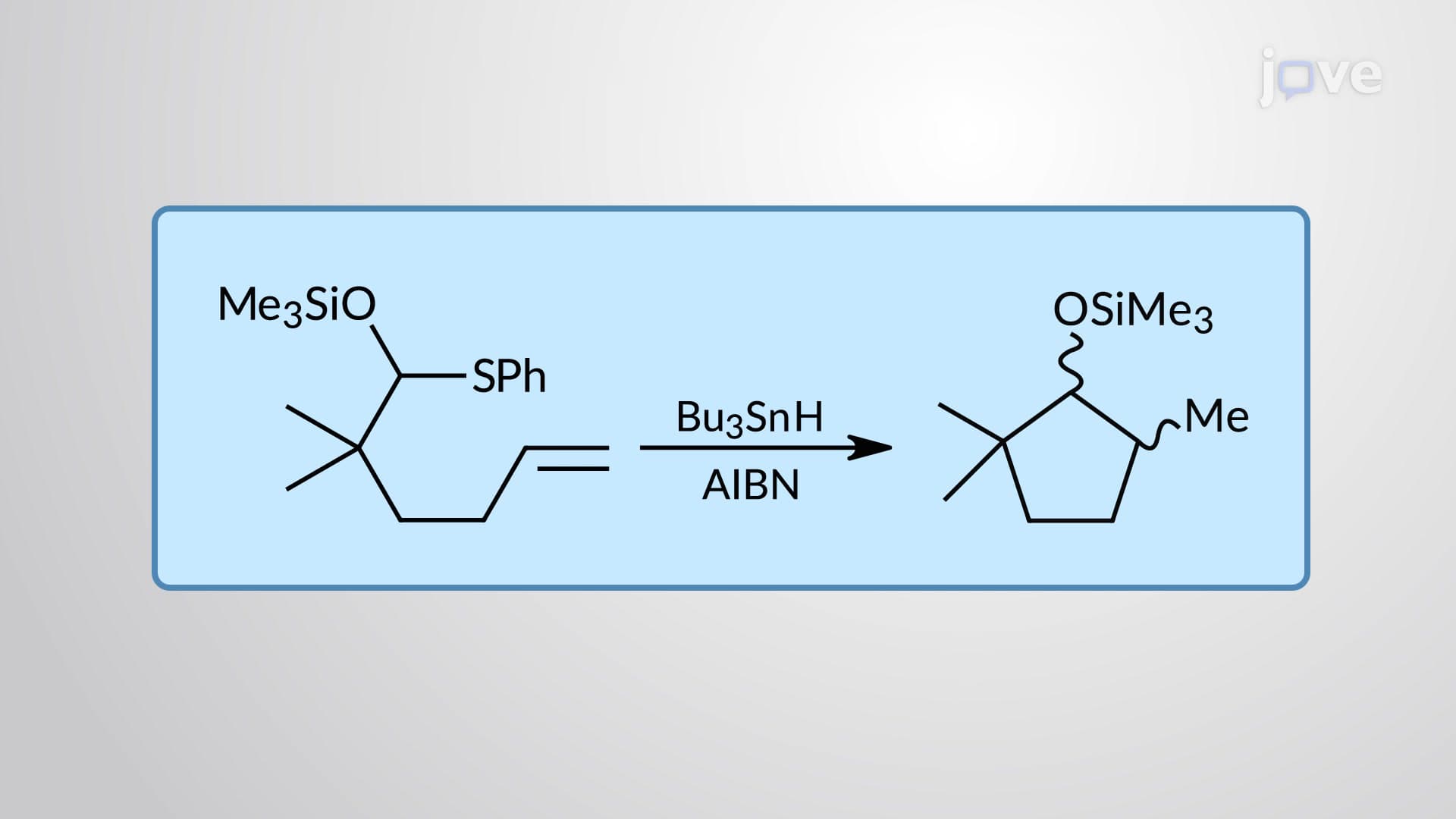
Electronic and steric factors control radical stability and reactivity patterns. Electron-donating groups create nucleophilic radicals with high-energy SOMOs, while electron-withdrawing substituents form electrophilic radicals with low-energy SOMOs. Persistent radicals like triphenylmethyl achieve exceptional stability through both resonance stabilization and steric shielding from bulky substituents. Concentration effects dramatically influence reaction selectivity, as seen in tributyltin hydride reactions where alkene concentrations must exceed hydride levels by ten-fold to favor addition over hydrogen abstraction.
4. Radical Chain Reactions
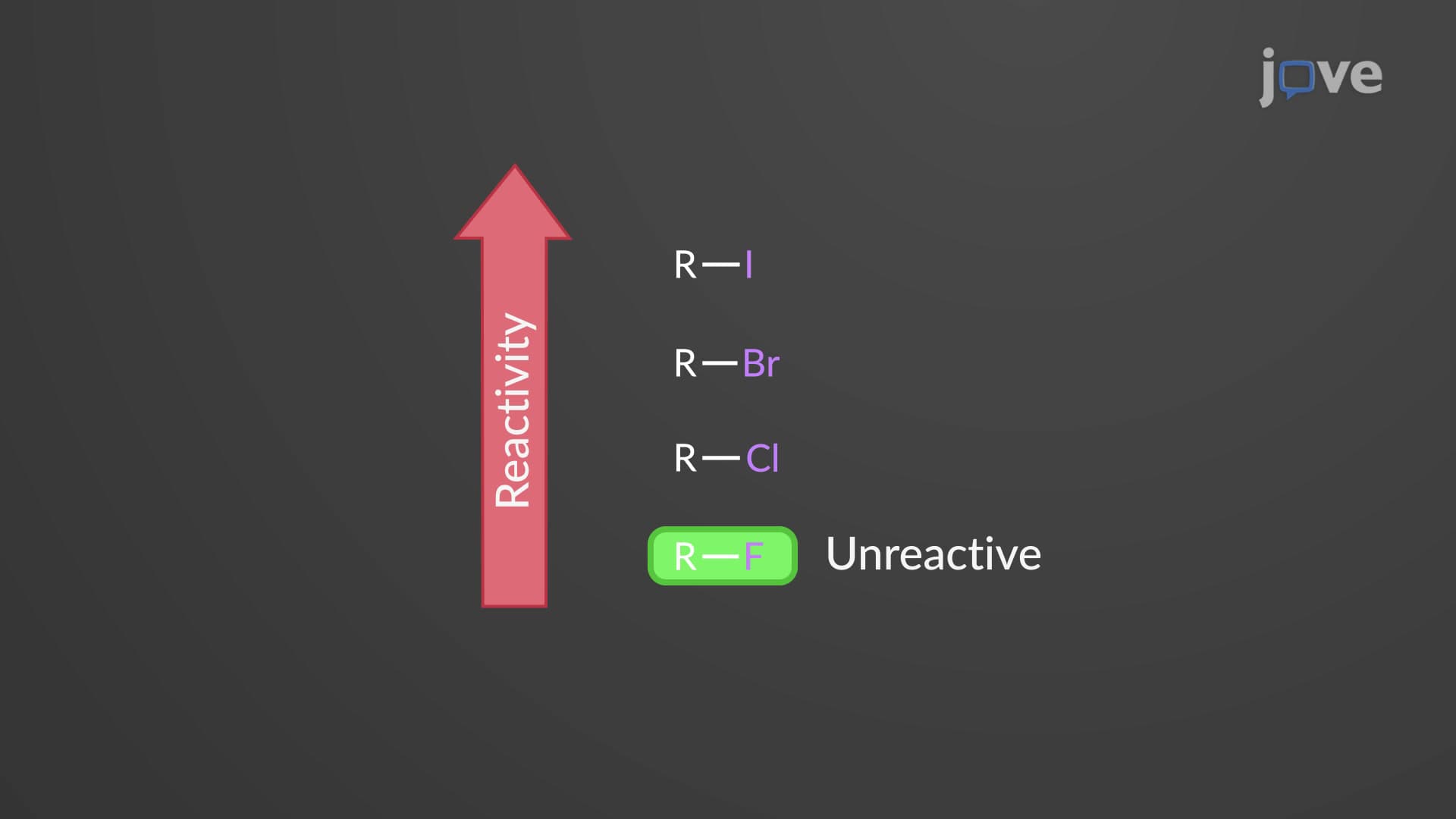
Classical radical mechanisms proceed through initiation, propagation, and termination stages. Alkane halogenation exemplifies these processes, beginning with halogen homolysis, followed by hydrogen abstraction and halogen transfer steps that regenerate reactive intermediates. Thermodynamic analysis reveals why only chlorination and bromination succeed with alkanes - fluorination proves too exothermic and explosive, while iodination remains endothermic and unfavorable. Bromination proceeds more slowly than chlorination due to the endothermic first propagation step, despite overall exothermicity.
5. Stereochemical Outcomes
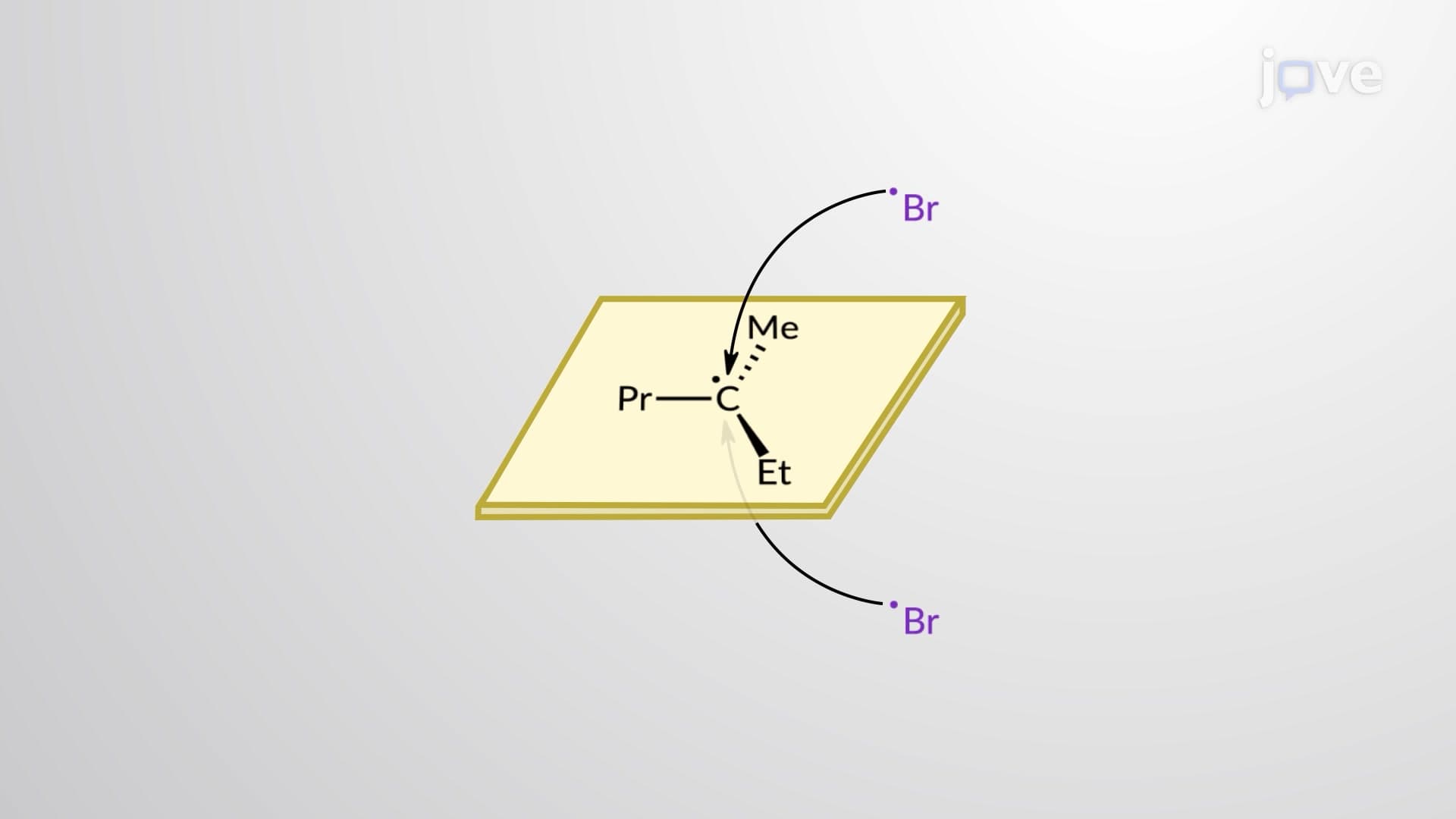
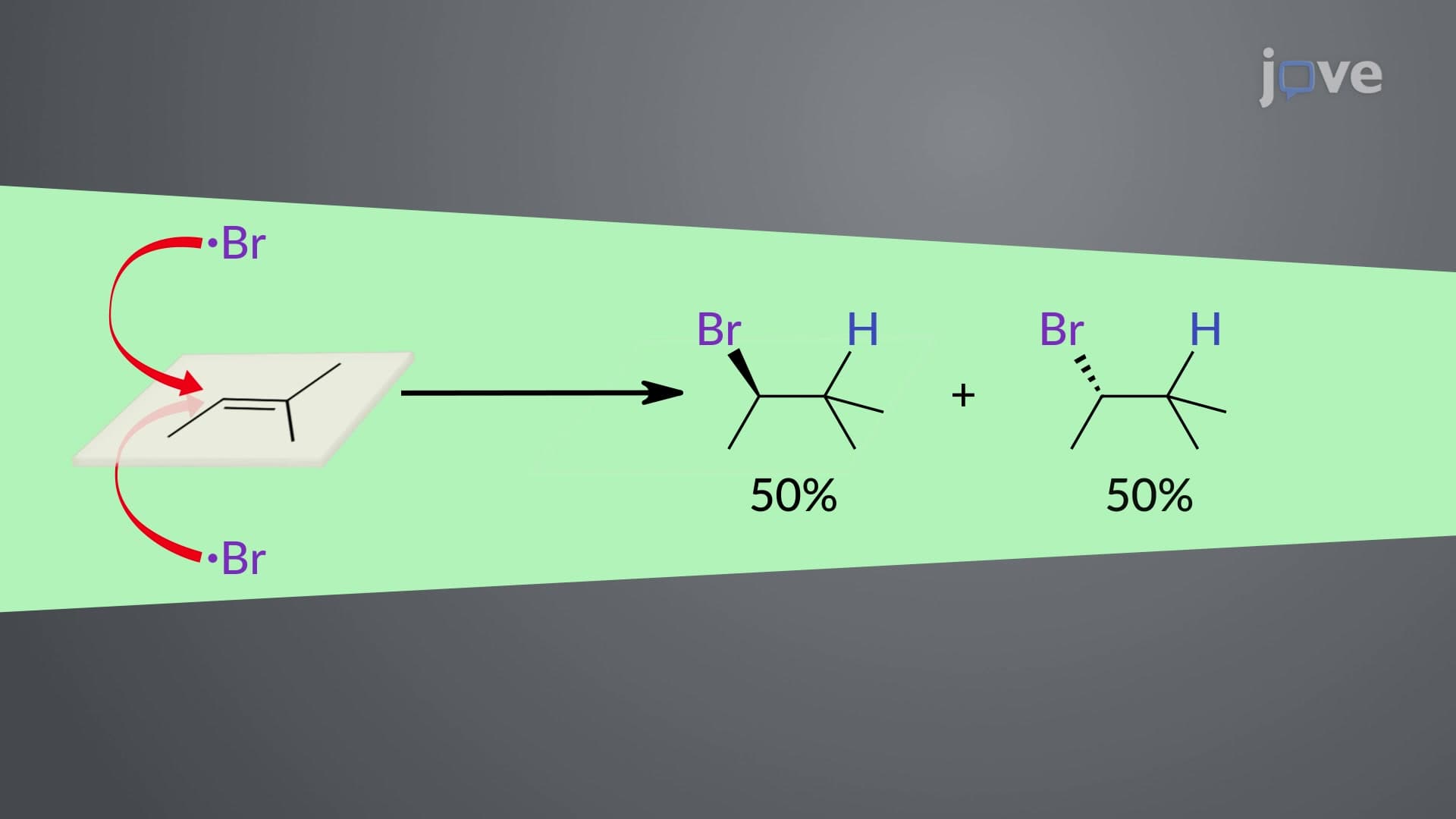
Radical reactions at chiral centers typically produce racemic mixtures because planar radical intermediates allow equal access to both faces. Halogenation of achiral compounds introduces new stereocenters as racemic products, while reactions at existing chiral centers scramble configuration. However, when chiral centers remote from the radical site remain intact, diastereomeric products form in unequal ratios due to facial selectivity imposed by existing stereochemistry. This principle explains product distributions in complex molecular frameworks encountered in pharmaceutical synthesis.
6. Specialized Radical Reactions
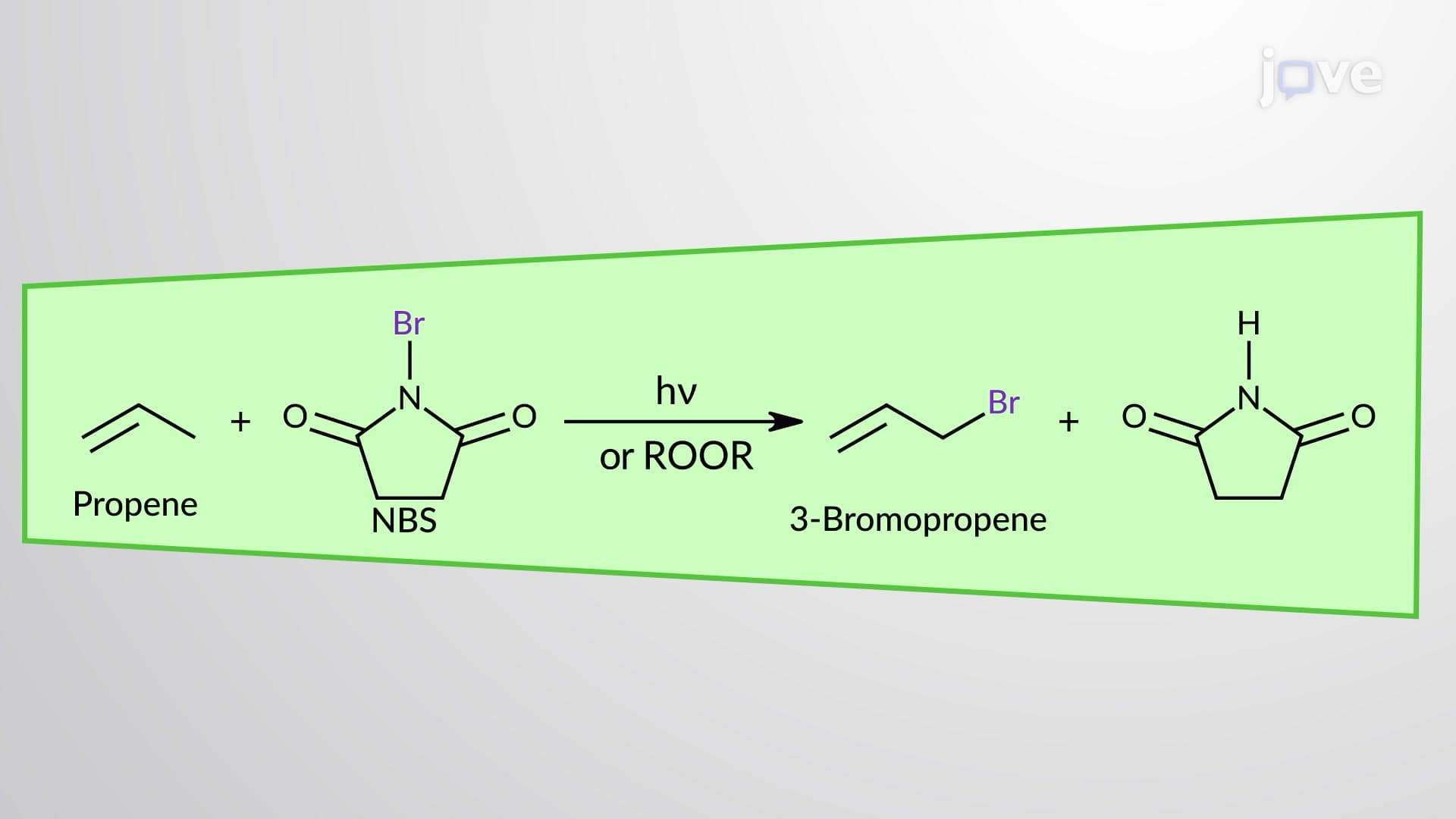
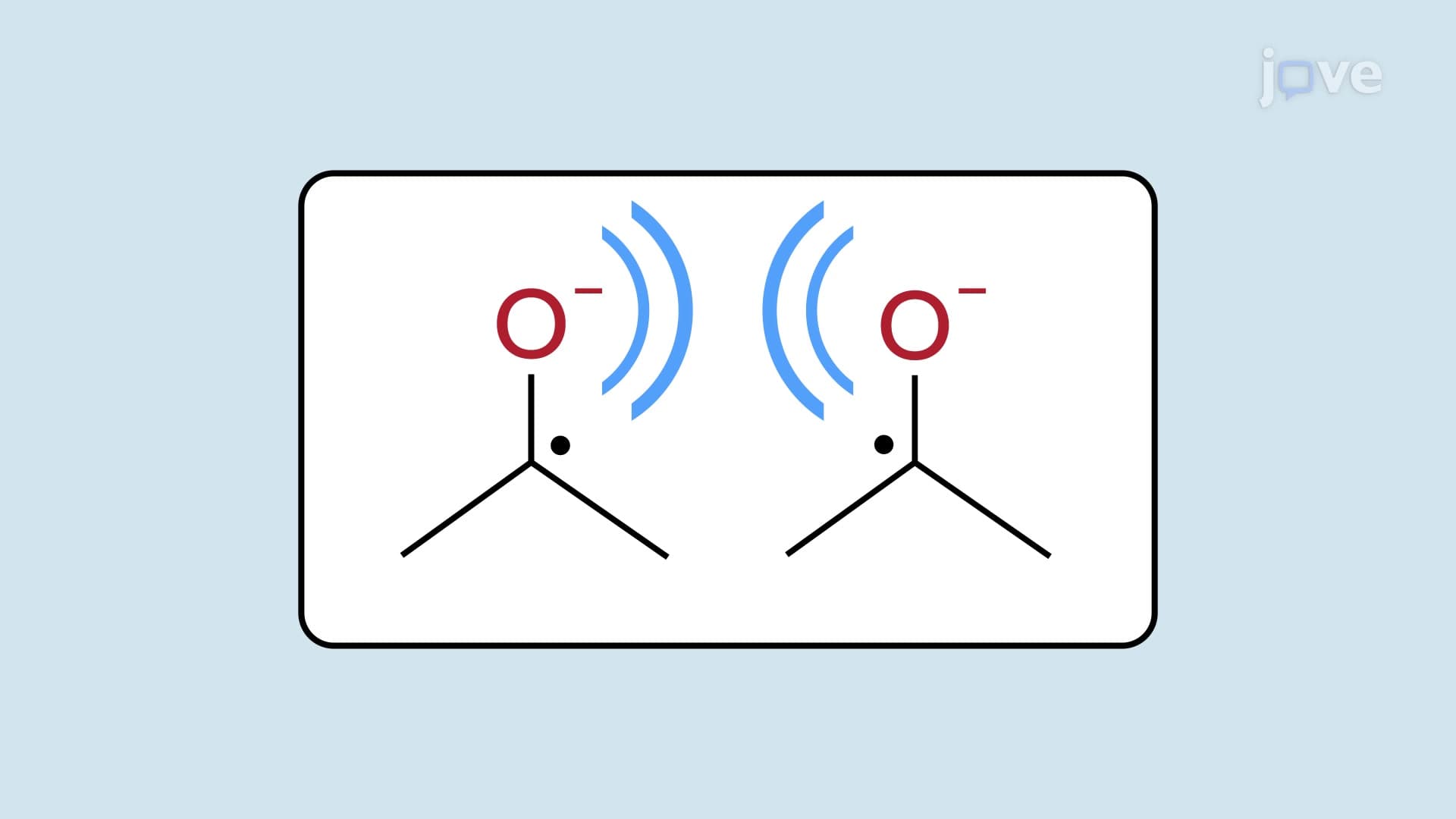
Anti-Markovnikov addition of HBr to alkenes occurs uniquely under radical conditions with peroxide initiators, directing bromine to less-substituted carbons through thermodynamically favorable propagation steps. Allylic halogenation using NBS maintains low halogen concentrations essential for selective substitution over addition. Pinacol coupling reduces carbonyls to vicinal diols through ketyl radical intermediates, while McMurry reactions create alkenes from aldehydes or ketones. These transformations illustrate radical chemistry's synthetic versatility in creating carbon-carbon bonds and functional group interconversions.
Frequently Asked Questions
Look for reaction conditions and intermediates - radical mechanisms require initiators (heat, light, peroxides), proceed through chain processes with propagation steps, and involve species with unpaired electrons. Ionic mechanisms typically occur in polar solvents with charged intermediates and don't require radical initiators.
Radical selectivity depends on radical stability (tertiary > secondary > primary) and thermodynamic factors, while ionic selectivity follows carbocation stability and leaving group ability. This explains why radical bromination shows high selectivity for tertiary positions, while radical chlorination is less selective due to early transition states.
Focus on identifying reaction conditions (presence of initiators, heat, or light), predicting major products based on radical stability, and understanding stereochemical outcomes. Practice recognizing radical chain mechanisms and their biological relevance, particularly in lipid peroxidation and antioxidant chemistry.
Connect stability to electron delocalization - allylic and benzylic radicals are stabilized by resonance, while tertiary radicals benefit from hyperconjugation. Use the mnemonic "All Brilliant Tertiary Students" (Allylic, Benzylic, Tertiary, Secondary) for decreasing stability order.
NBS maintains optimal reaction conditions by providing low, steady concentrations of reactive species. High halogen concentrations favor addition reactions over substitution, while NBS releases bromine slowly through equilibrium processes, enabling selective allylic substitution at manageable temperatures.
Radical chemistry explains vitamin E antioxidant activity, DNA damage from hydroxyl radicals, and prostaglandin biosynthesis. Understanding radical chain reactions helps explain how antioxidants break oxidative damage cycles and why certain dietary compounds protect against cellular aging.
Radical reactions follow predictable patterns once you understand stability trends and thermodynamic principles. The key is recognizing that radicals seek stability through delocalization and prefer pathways with favorable enthalpy changes. Start with simpler examples like methyl radical reactions before tackling complex multi-step mechanisms.
Balance both aspects - understand mechanisms to predict products reliably. Exams often test your ability to identify major products based on selectivity principles, but mechanistic understanding helps you avoid common pitfalls like confusing radical and ionic pathways or misassigning stereochemistry.
The natural next step is Synthetic Polymers. Once you finish those, the full Organic Chemistry curriculum of 21 microcourses on JoVE Coach opens up, taking you from foundational concepts to advanced systems.