Loading subject page…


15 Concepts
12 Concepts
14 Concepts
12 Concepts
7 Concepts
20 Concepts
7 Concepts
15 Concepts
12 Concepts
12 Concepts
15 Concepts
25 Concepts
17 Concepts
28 Concepts
40 Concepts
27 Concepts
12 Concepts
25 Concepts
29 Concepts
27 Concepts
20 Concepts
 7 Concepts
 94.4K Views
 Popular topics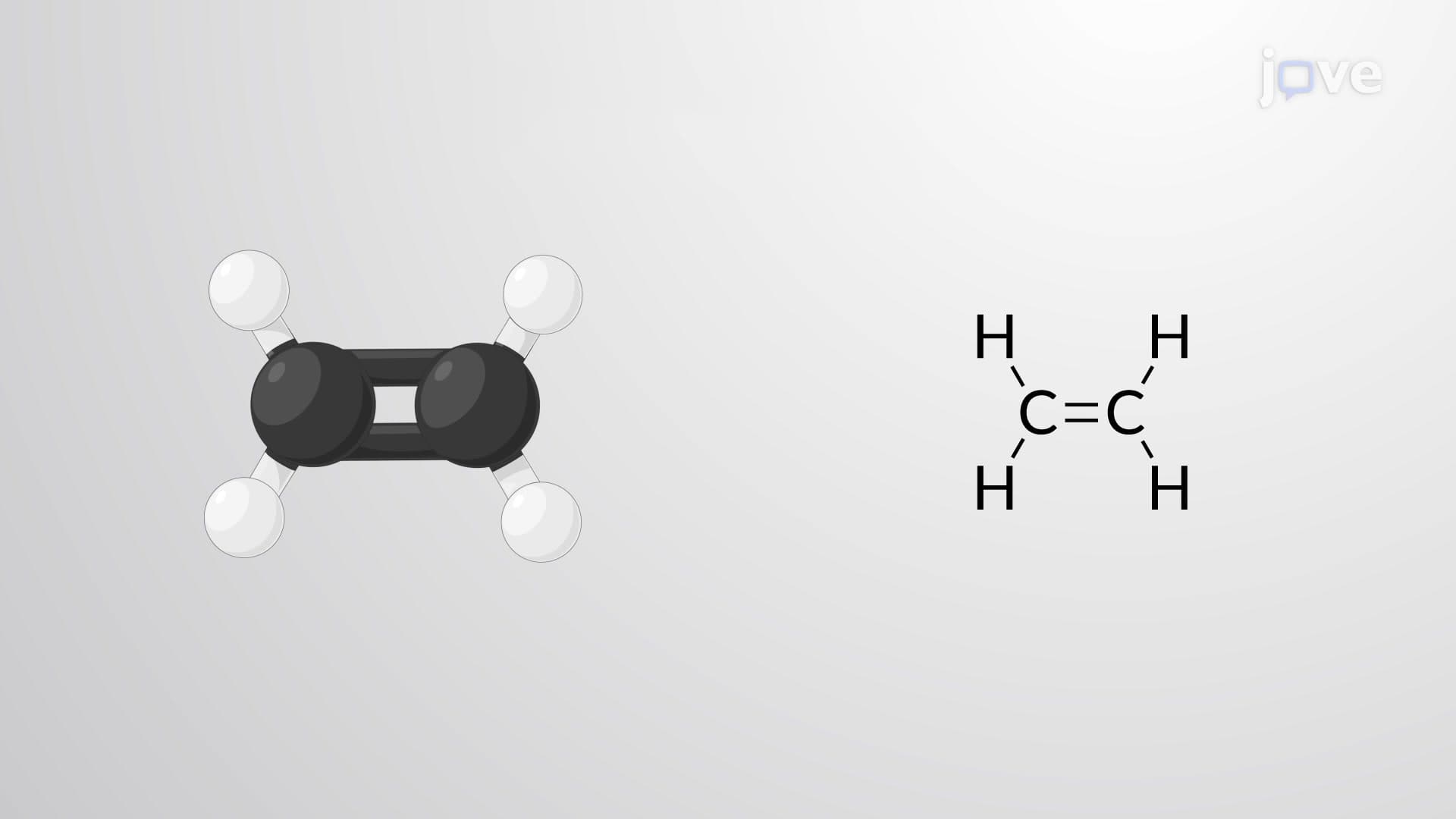

Alkene structure forms the foundation for understanding organic chemistry's most versatile compounds. This comprehensive course explores alkene bonding reactivity through detailed examination of double bond geometry, molecular stability, and characteristic reaction patterns. Students master nomenclature systems, stereochemistry principles, and electrophilic addition mechanisms essential for success in advanced chemistry coursework and standardized testing.
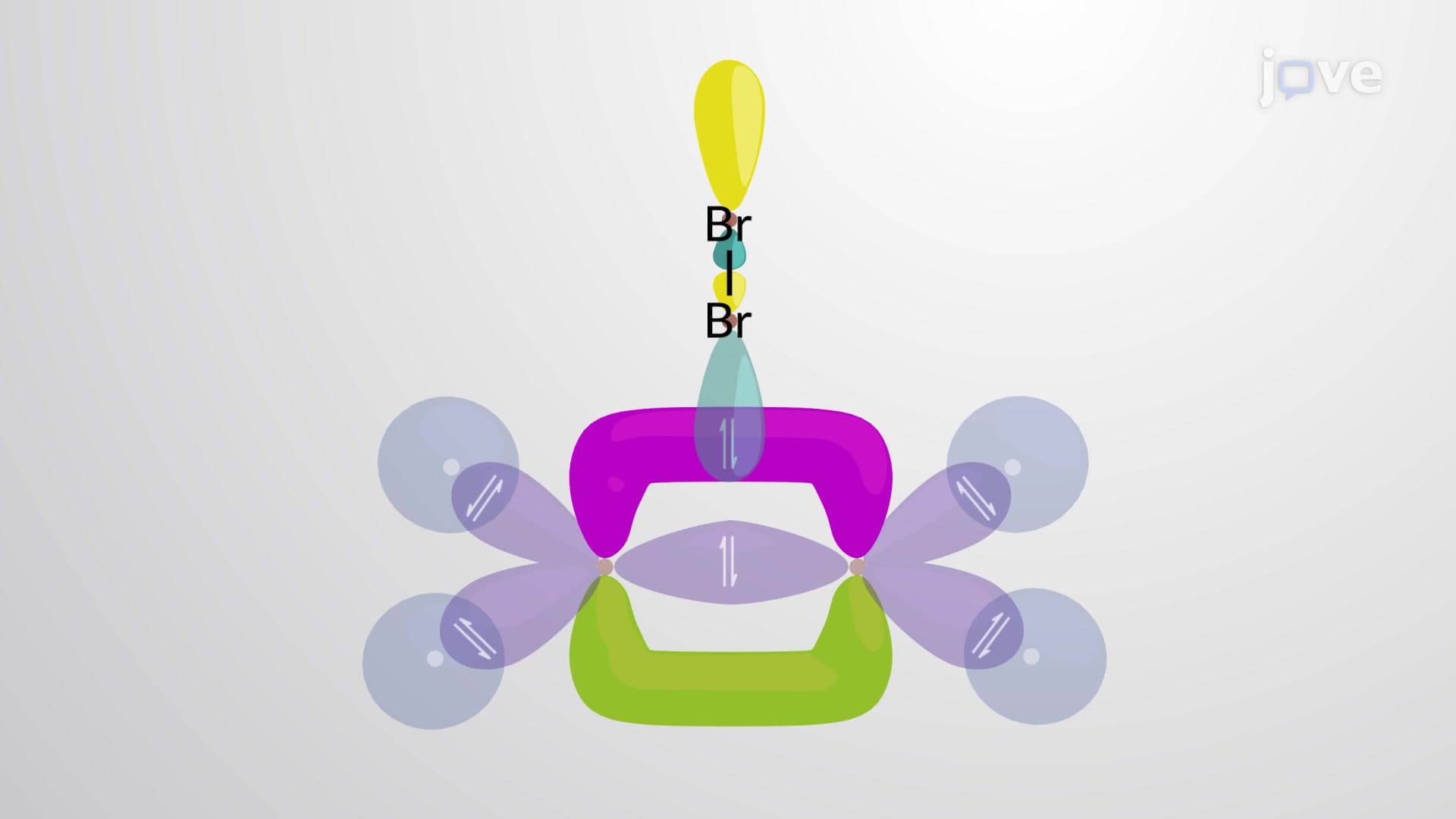
1. Alkene Structure and Bonding Fundamentals Alkenes contain carbon-carbon double bonds formed by sp² hybridized carbons connected through σ and π bonds. The π bond results from sideways overlap of unhybridized p orbitals, creating electron density above and below the molecular plane. This bonding arrangement makes alkenes shorter and stronger than single bonds but leaves the π electrons more exposed and reactive. Understanding this structural foundation explains alkenes' characteristic reactivity patterns and their role as electron-rich nucleophiles in organic reactions.
2. IUPAC Nomenclature and Structural Identification Systematic naming of alkenes follows specific IUPAC rules replacing the -ane suffix with -ene while numbering from the end nearest the double bond. Complex molecules require identifying the longest carbon chain containing the double bond as the parent structure. Multiple double bonds use prefixes like -diene and -triene with numerical positions indicated. Cycloalkenes follow similar principles but prioritize ring numbering. Mastering these naming conventions enables clear communication of molecular structures in academic and professional chemistry contexts.
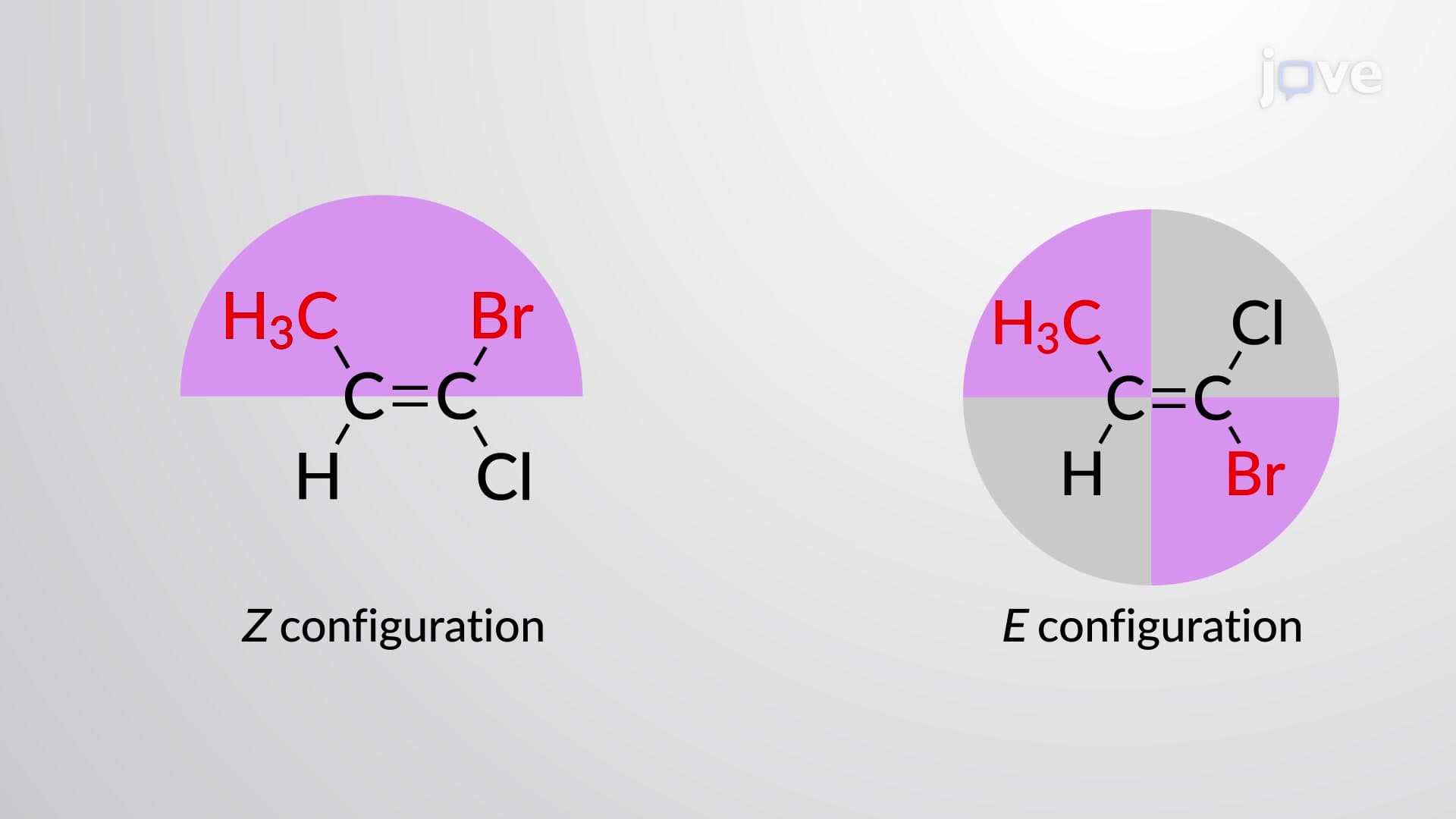
3. Stereoisomerism and Molecular Geometry Alkenes exhibit cis-trans isomerism when different substituents attach to double bond carbons, creating distinct spatial arrangements that cannot interconvert without breaking the π bond. The E-Z naming system using Cahn-Ingold-Prelog priority rules provides unambiguous identification of stereoisomers. These geometric differences significantly impact physical properties, biological activity, and chemical reactivity. Understanding stereochemistry proves essential for pharmaceutical chemistry and advanced organic synthesis applications.
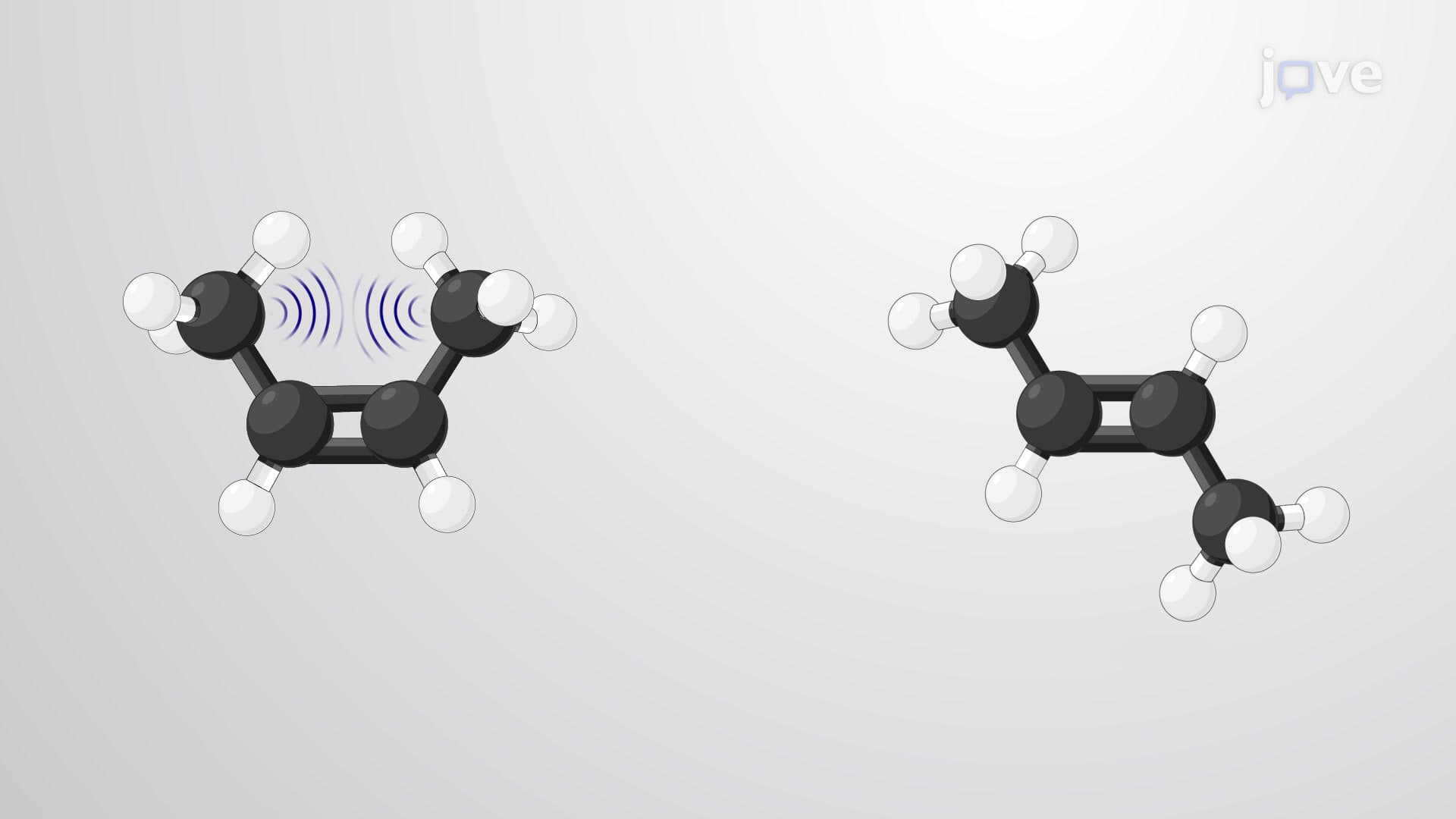
4. Alkene Stability and Thermodynamic Considerations Alkene stability increases with substitution around the double bond due to hyperconjugation between π electrons and adjacent C-H σ bonds. Tetrasubstituted alkenes show greater stability than tri-, di-, or monosubstituted variants. Trans isomers typically exceed cis isomers in stability due to reduced steric strain. Heat of hydrogenation measurements quantify these stability differences, providing experimental evidence for theoretical predictions. These principles guide synthetic strategies and help predict product distributions in equilibrium reactions.
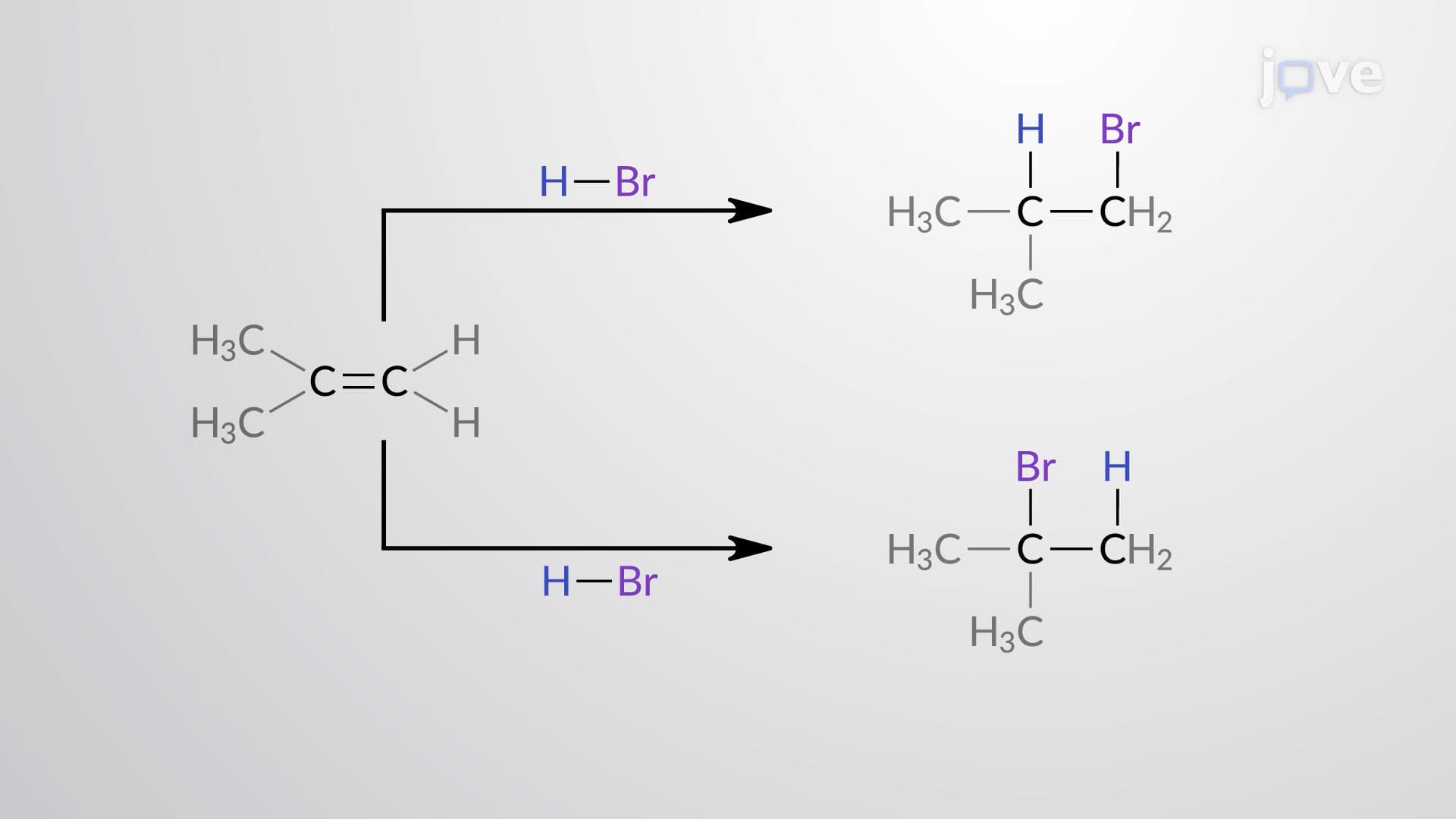
5. Electrophilic Addition Mechanisms and Markovnikov's Rule Alkenes undergo electrophilic addition reactions where π electrons attack electron-deficient species, forming carbocation intermediates that react with nucleophiles. Markovnikov's rule predicts regioselectivity by stating that hydrogen adds to the carbon bearing more hydrogens, directing the electrophile to the more substituted position. This selectivity reflects the greater stability of more substituted carbocations. Understanding these mechanistic principles enables prediction of major products in hydrohalogenation, hydration, and related addition reactions crucial for synthetic organic chemistry.