Loading concepts…


15 Concepts
12 Concepts
14 Concepts
12 Concepts
7 Concepts
20 Concepts
7 Concepts
15 Concepts
12 Concepts
12 Concepts
15 Concepts
25 Concepts
17 Concepts
28 Concepts
40 Concepts
27 Concepts
12 Concepts
25 Concepts
29 Concepts
27 Concepts
20 Concepts
 15 Concepts
 392.7K Views
 Popular topics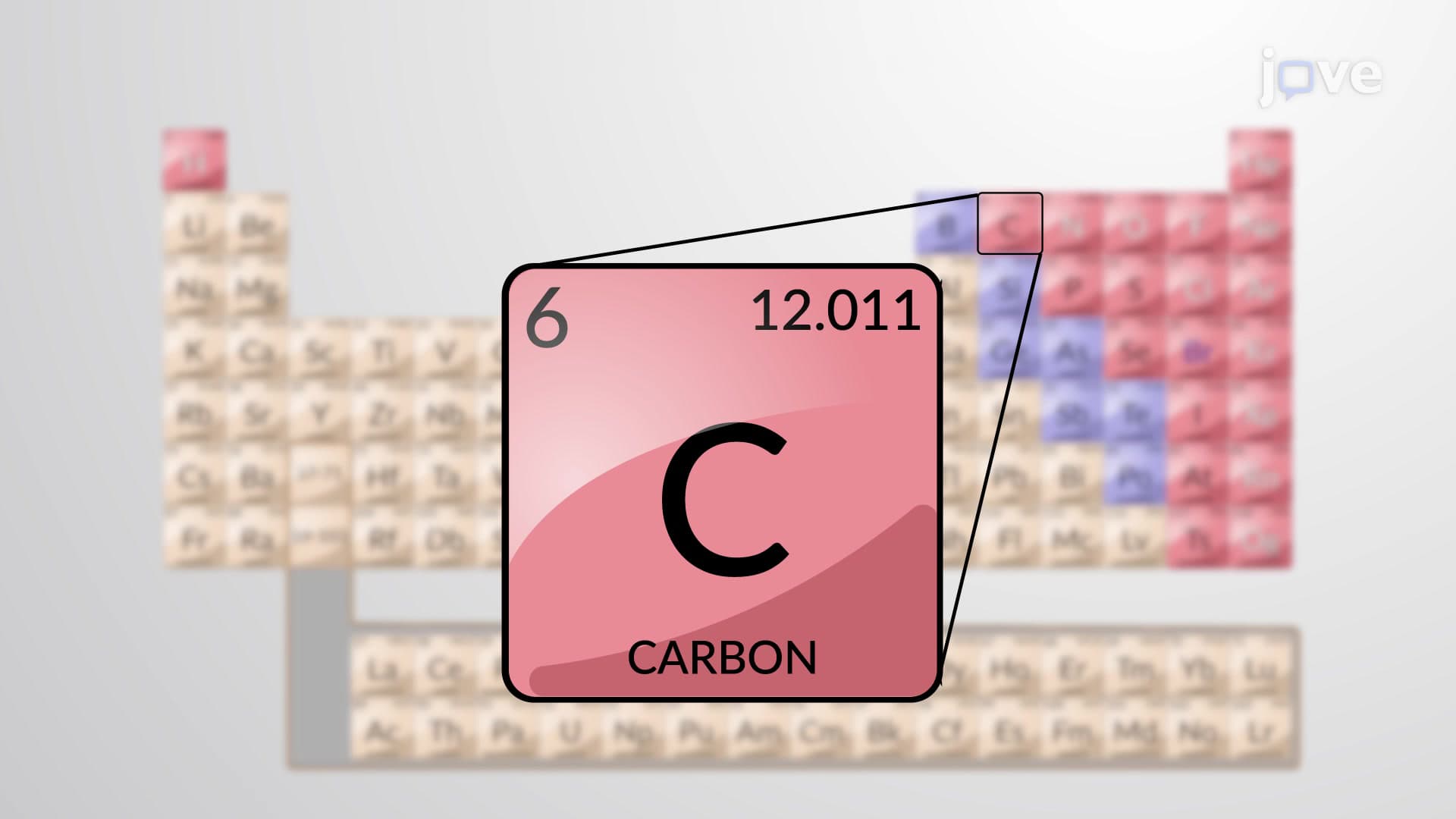
Covalent bonding forms the foundation of organic chemistry, where atoms share electrons to create stable molecular structures. This comprehensive course explores how carbon-based compounds achieve stability through various bonding patterns, from simple sigma bonds to complex resonance structures. Through JoVE Coach, students master essential concepts including molecular geometry, polarity, and intermolecular forces that determine the physical and chemical properties of organic compounds in biological systems and industrial applications.
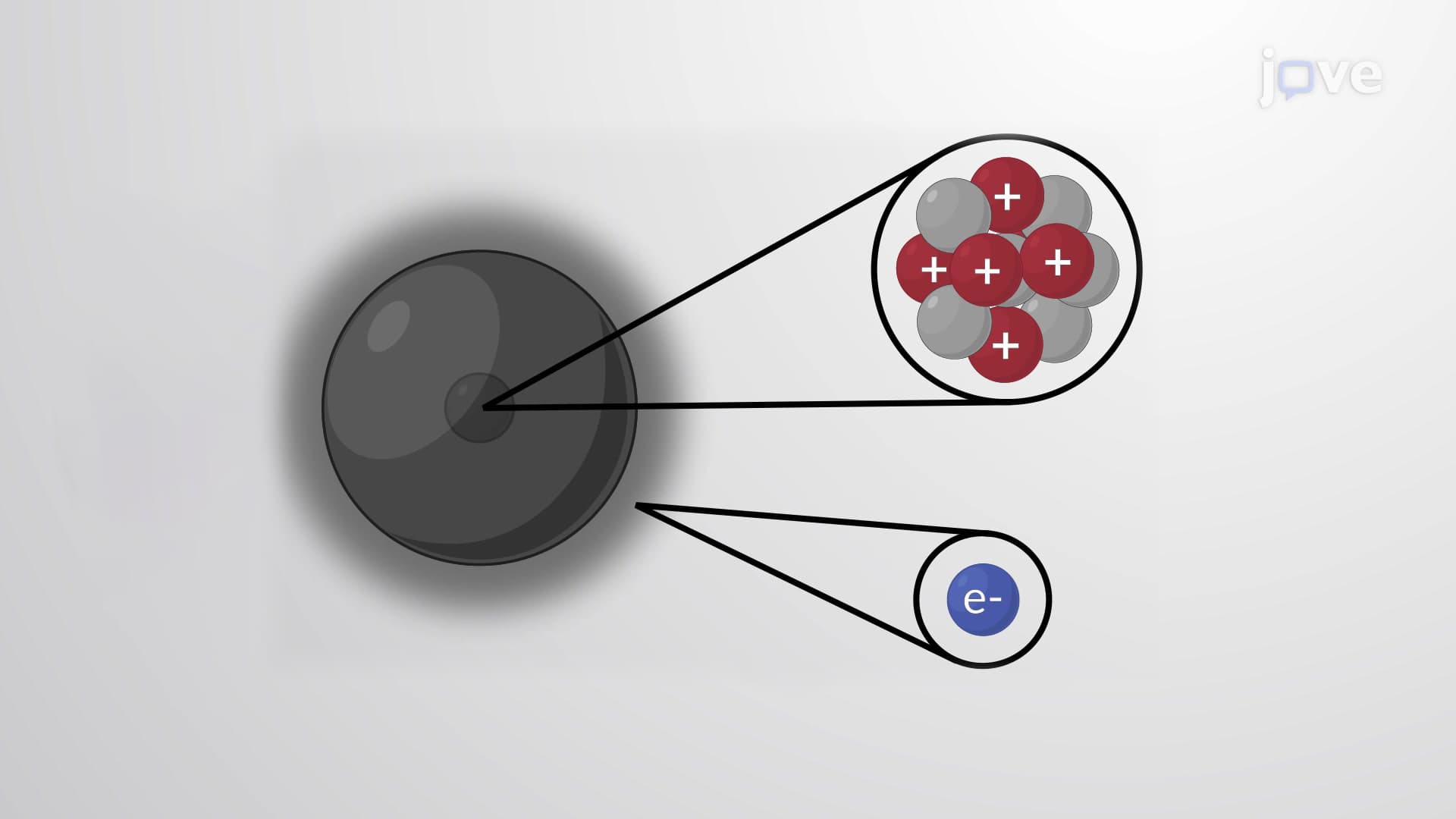
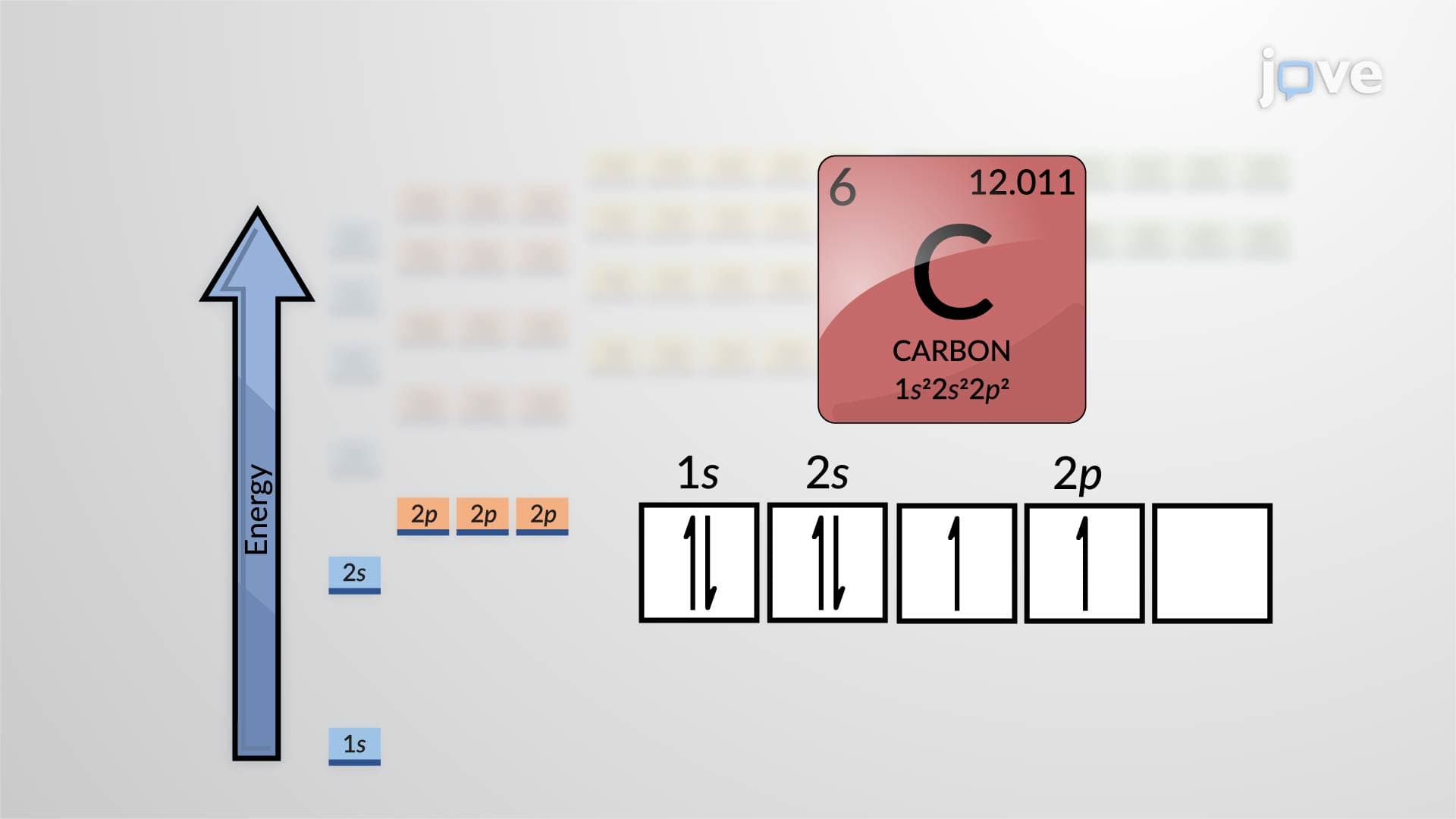
1. Atomic Structure and Electron Configuration in Bonding Understanding how electrons occupy atomic orbitals provides the foundation for predicting bonding behavior. Carbon atoms, with their four valence electrons in the second shell, can form four covalent bonds through electron sharing. The electron configuration determines whether atoms like oxygen (six valence electrons) or nitrogen (five valence electrons) will form multiple bonds to achieve stable octets. This concept explains why carbon serves as the backbone of all organic molecules, from simple methane to complex biomolecules like glucose and DNA nucleotides.
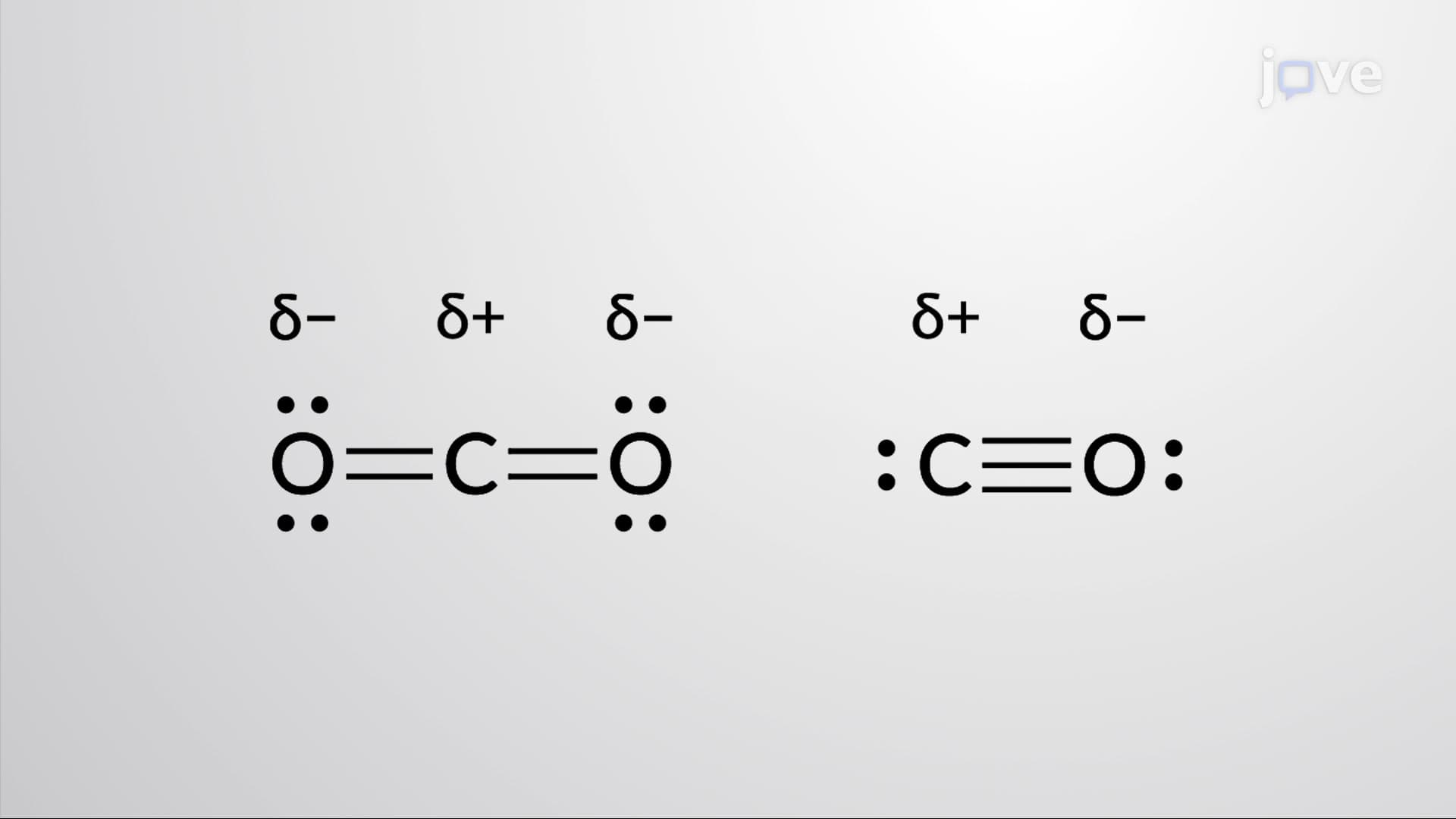
2. Formation and Characteristics of Covalent Bonds Covalent bonds form when atoms share electron pairs to achieve stable electron configurations. Unlike ionic bonds found in compounds like sodium chloride, covalent bonds involve shared electrons that belong to both atoms simultaneously. Bond strength increases with the number of shared electron pairs: single bonds (like C-H) are weaker than double bonds (like C=O in carbon dioxide), which are weaker than triple bonds (like C≡N in acetonitrile). Understanding these principles helps explain why gasoline burns readily while diamond remains stable at high temperatures.
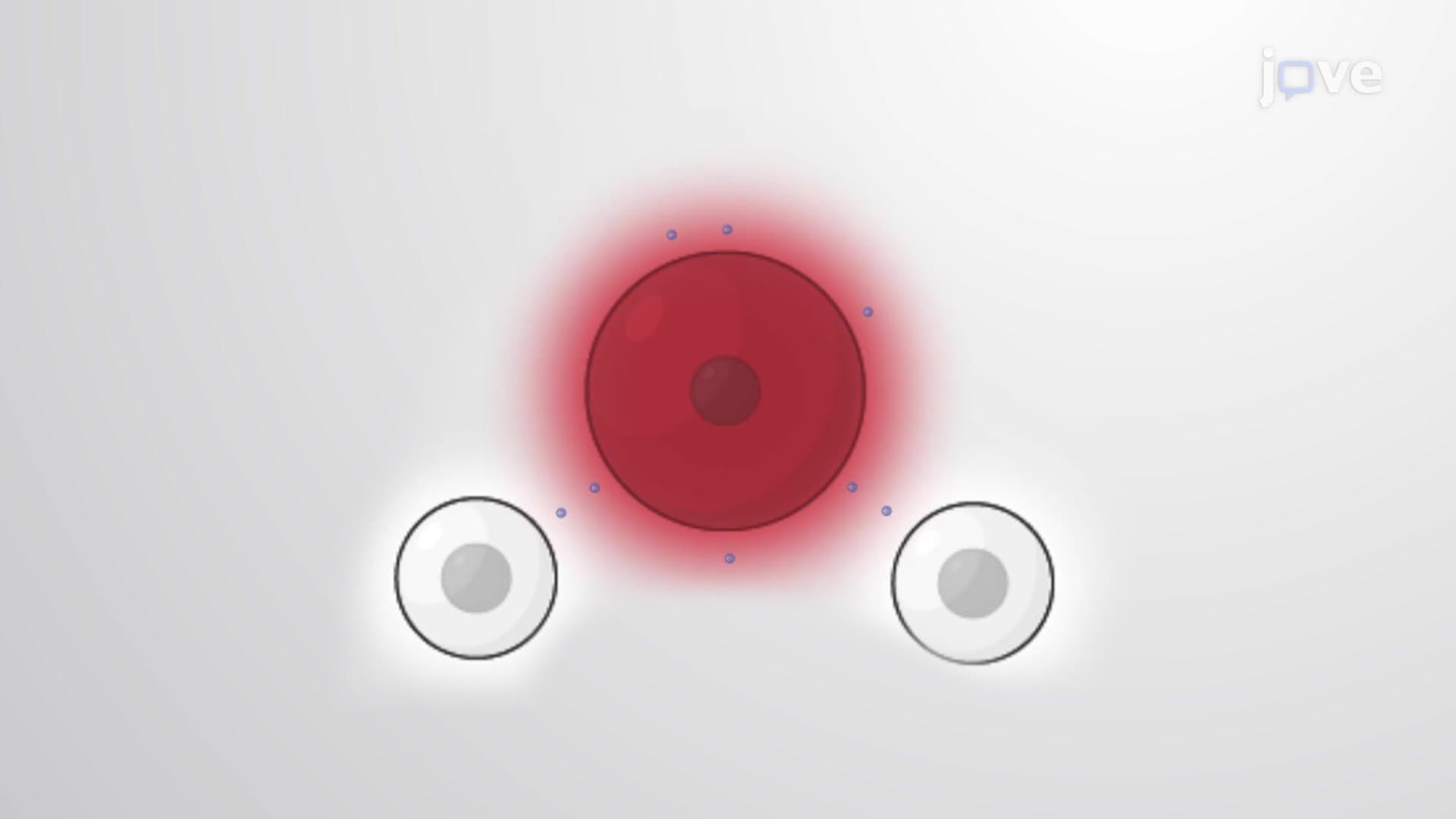
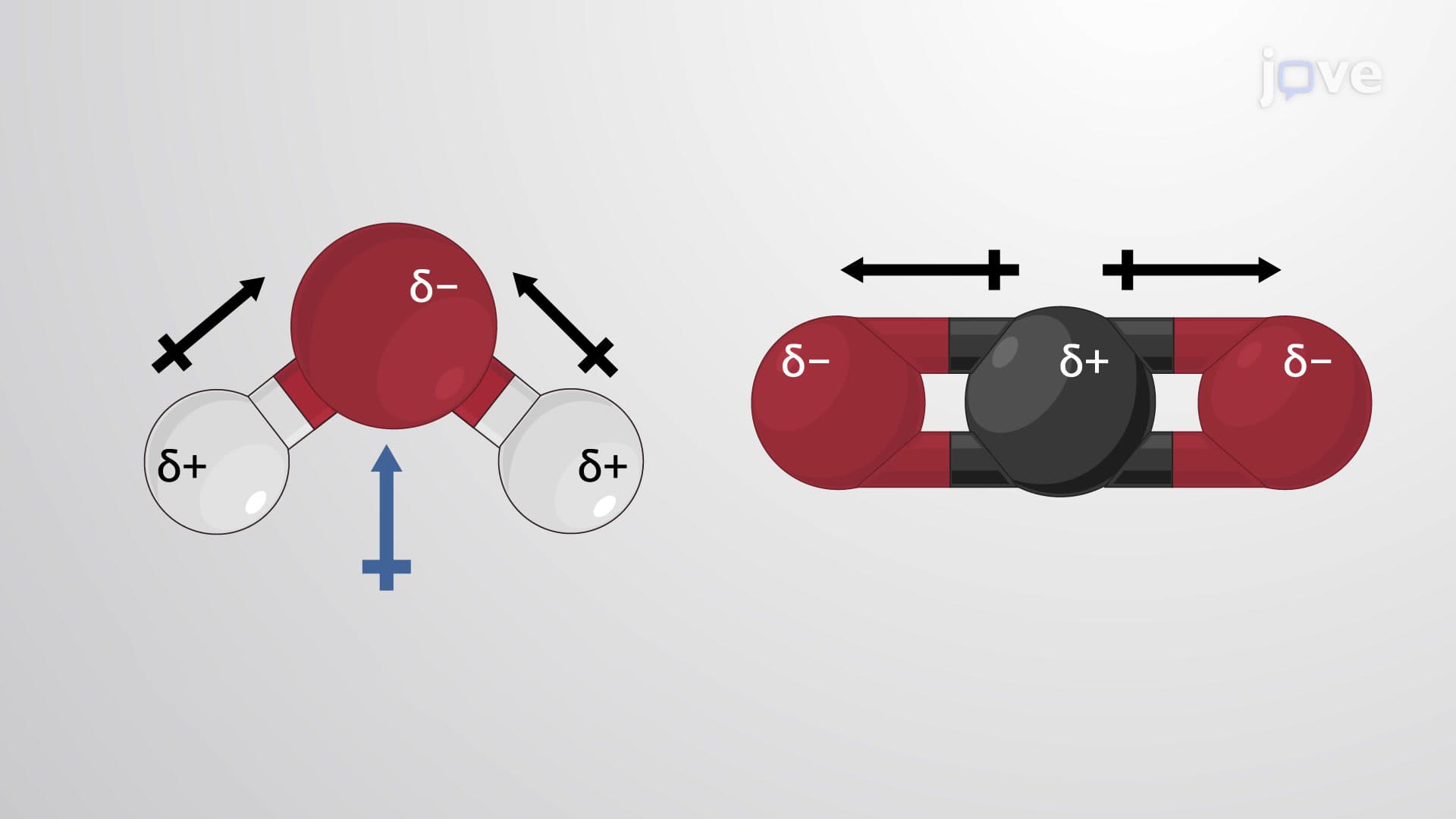
3. Polar Covalent Bonds and Electronegativity When covalent bonds form between atoms with different electronegativities, the shared electrons spend more time near the more electronegative atom, creating partial charges. For example, in water molecules, oxygen's higher electronegativity creates partial negative charges on oxygen and partial positive charges on hydrogen atoms. This polarity explains water's unique properties as a universal solvent and its ability to dissolve ionic compounds like table salt while remaining immiscible with nonpolar substances like oil.
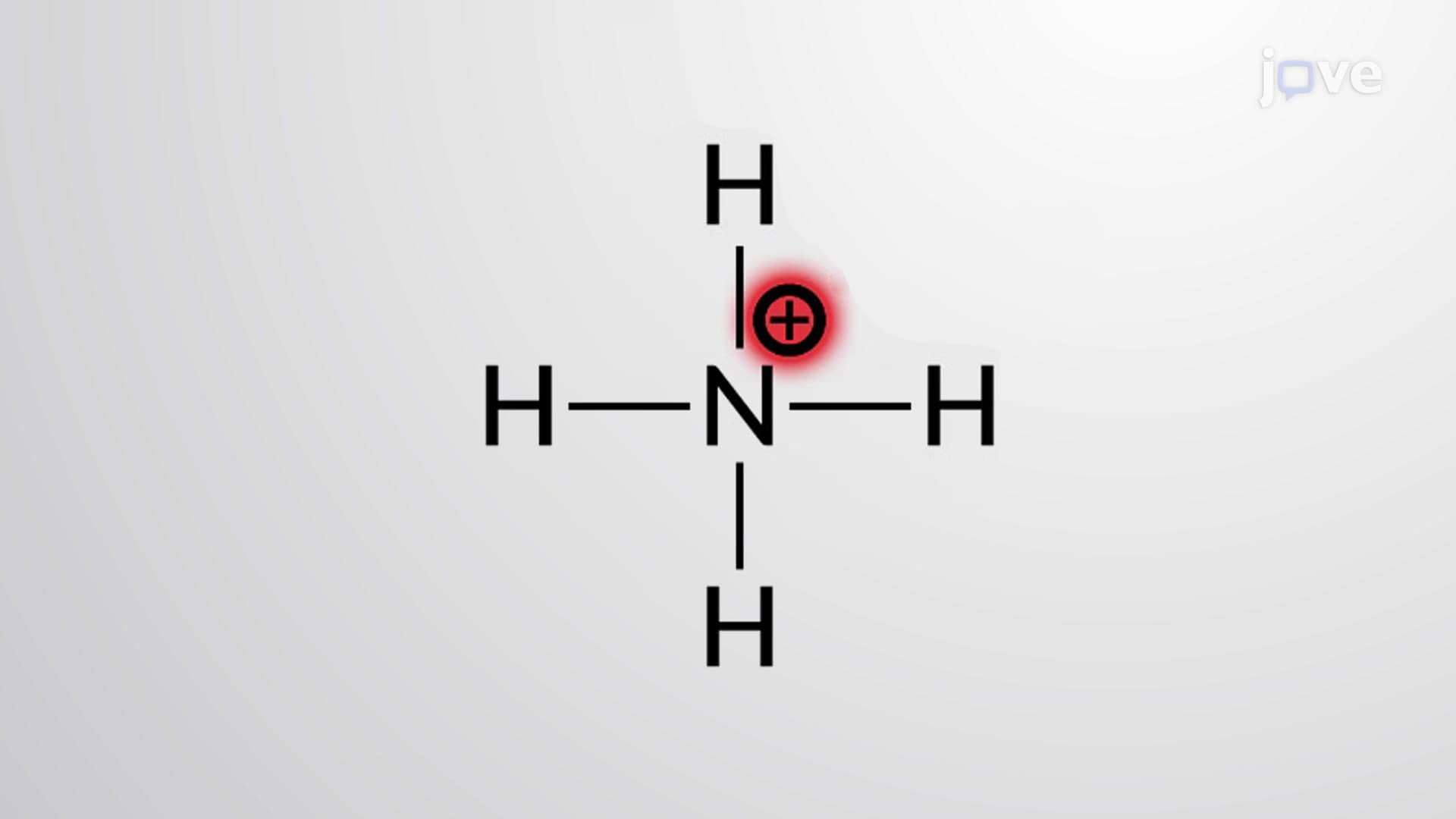
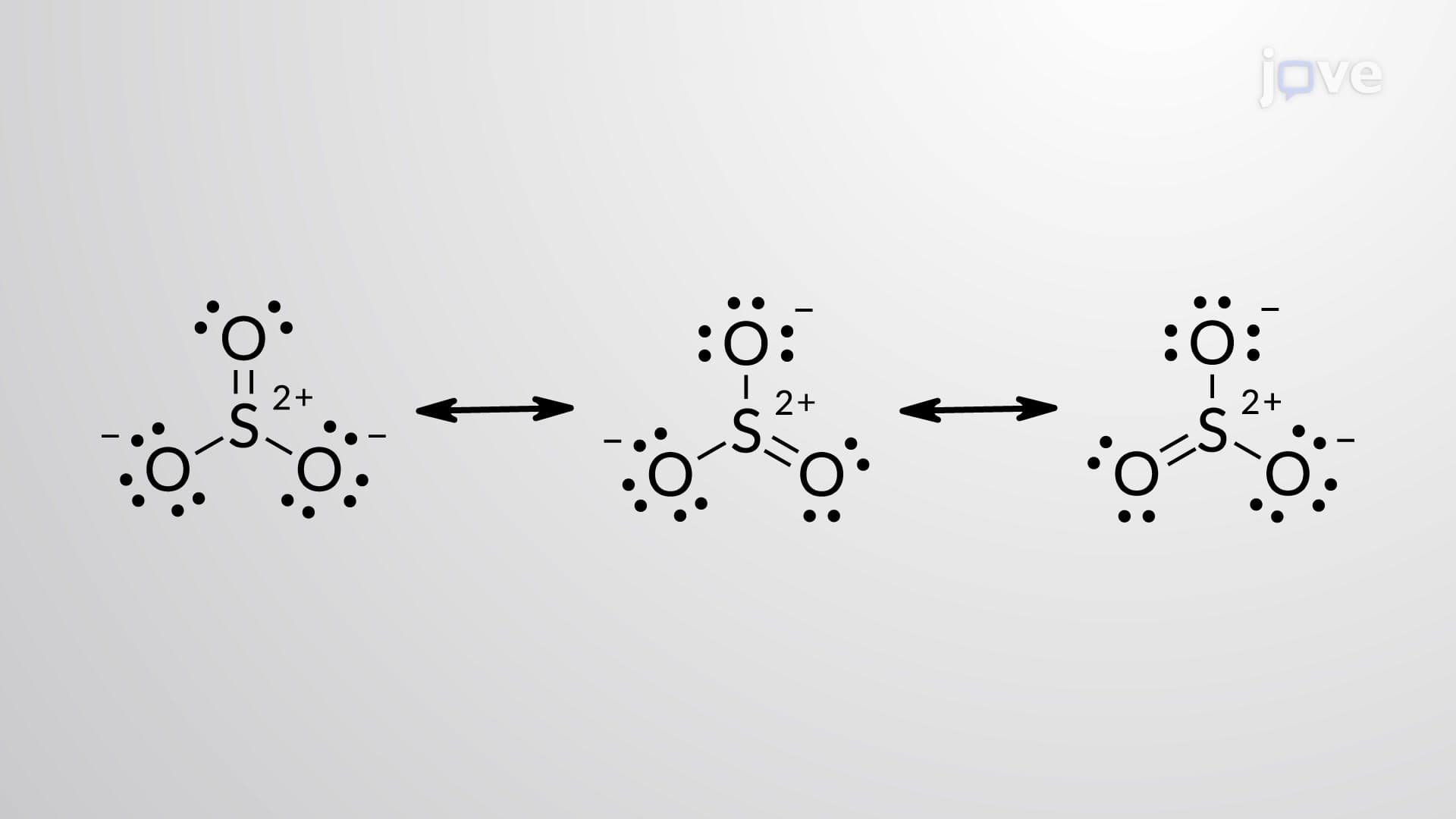
4. Lewis Structures and Formal Charge Calculations Lewis structures provide visual representations of electron distribution in molecules, showing both bonding and lone electron pairs. Formal charge calculations help determine the most stable electron arrangements, particularly important for molecules like sulfate ions or phosphoric acid where multiple valid structures exist. These skills prove essential for understanding drug molecule structures, enzyme active sites, and metabolic pathways studied in biochemistry and pharmacology courses.
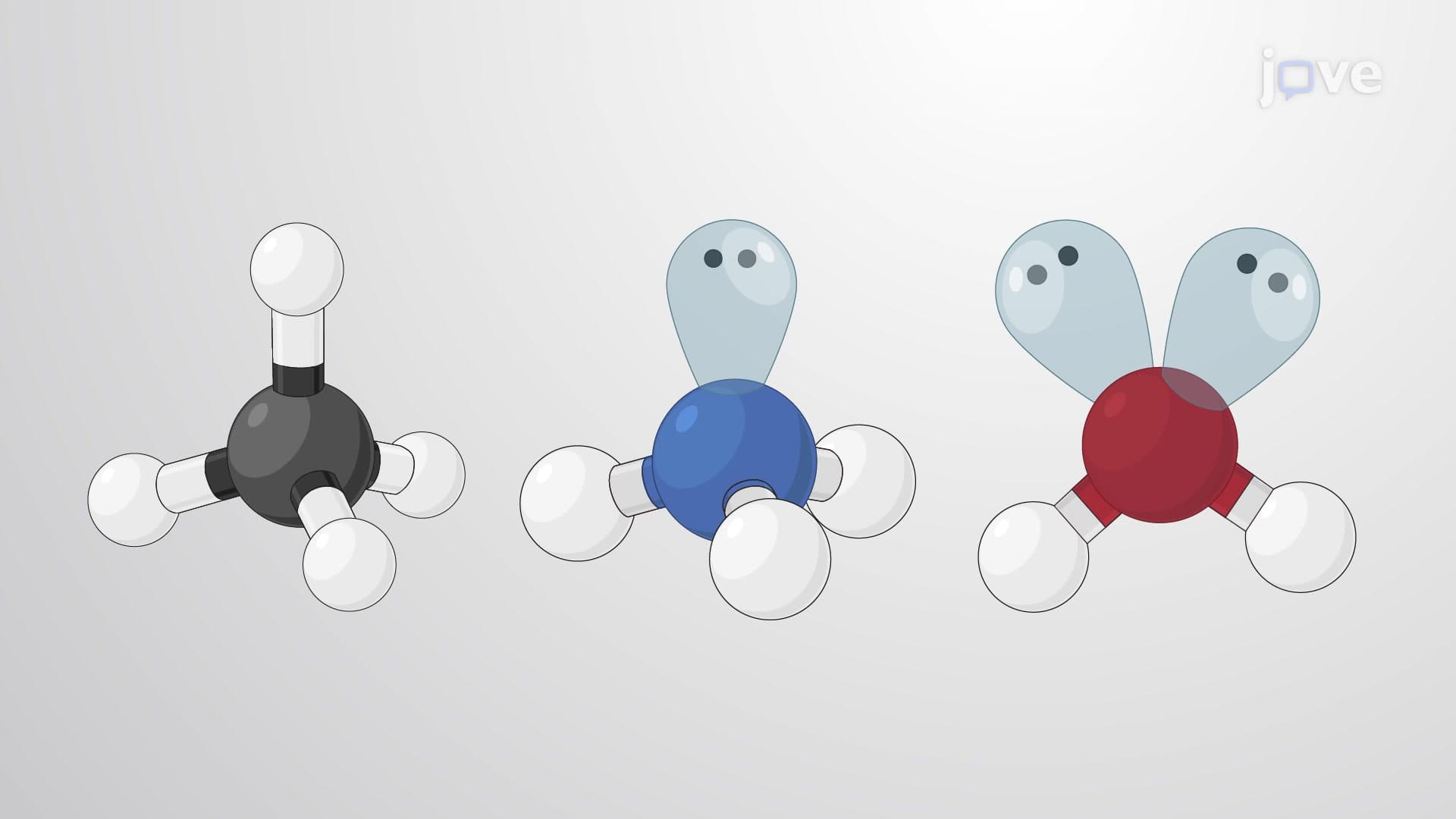
5. VSEPR Theory and Molecular Geometry The shapes of molecules directly influence their biological functions and chemical reactivity. VSEPR theory predicts molecular geometry by assuming electron pairs repel each other and adopt arrangements that minimize repulsion. Methane's tetrahedral shape, water's bent geometry, and ammonia's pyramidal structure all result from different numbers of bonding and lone electron pairs. Understanding molecular shapes explains why enzymes show specificity for particular substrates and why certain pharmaceutical compounds have different biological activities.
6. Resonance Structures and Electron Delocalization Many organic molecules cannot be accurately represented by single Lewis structures, requiring multiple resonance forms to show electron delocalization. Benzene's six-membered ring exemplifies this concept, with electrons distributed equally among all carbon-carbon bonds rather than alternating single and double bonds. Resonance stabilization explains the unusual stability of aromatic compounds found in medications like aspirin and the nucleotide bases in DNA and RNA.
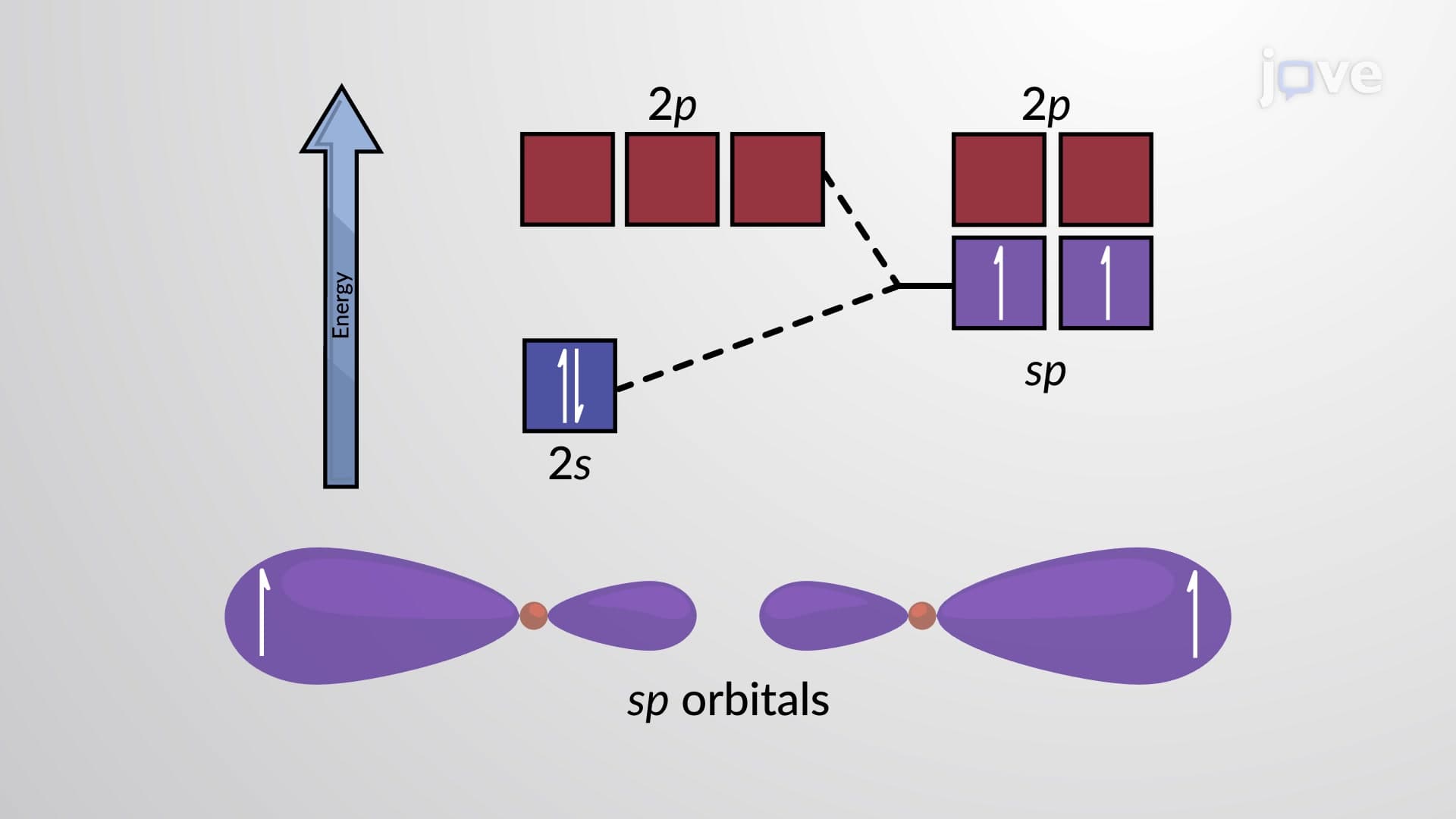
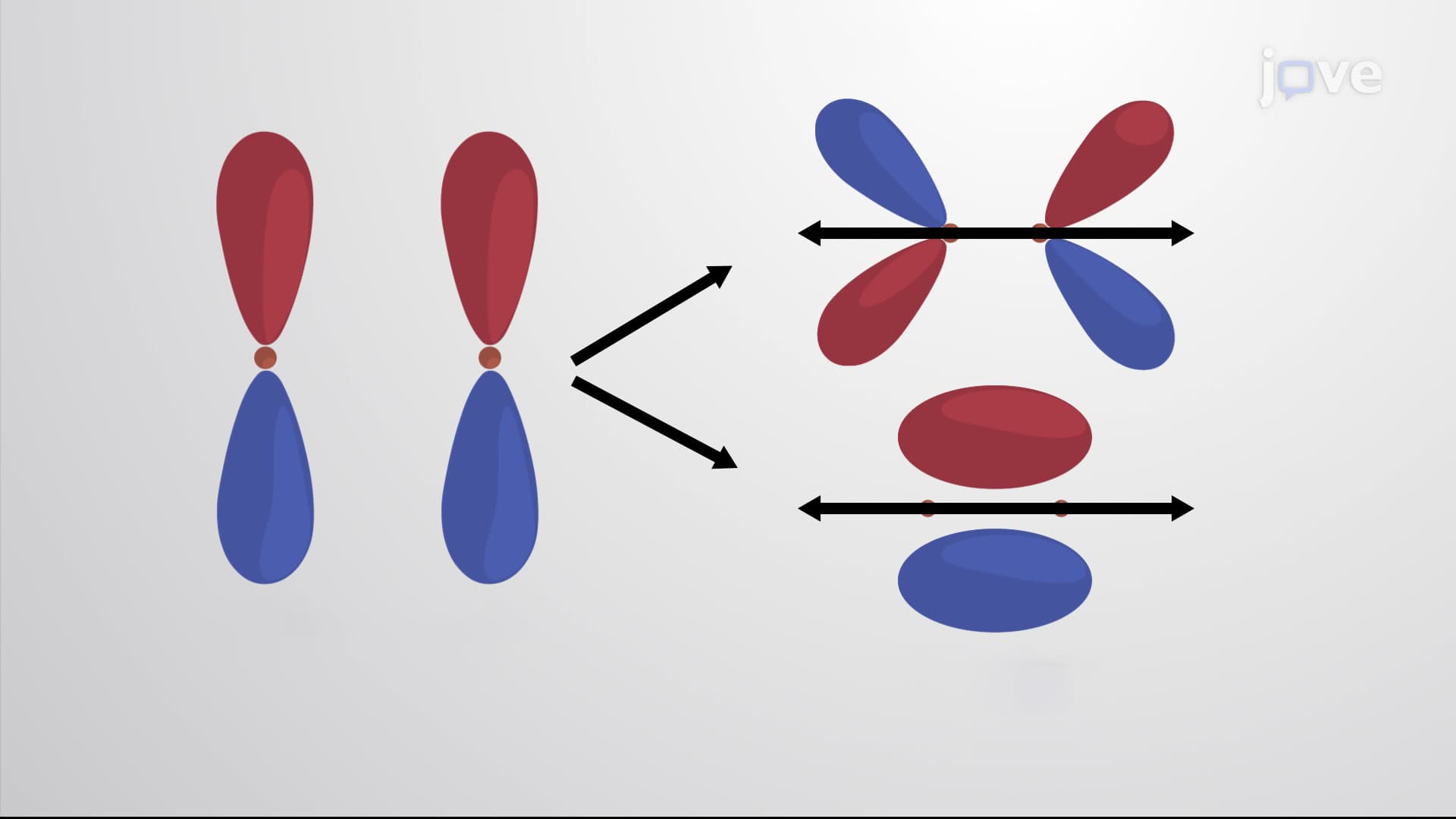
7. Hybridization and Orbital Theory Valence bond theory explains molecular geometry through orbital hybridization, where atomic orbitals mix to form new hybrid orbitals with specific geometric arrangements. Carbon's sp³ hybridization creates tetrahedral geometry in saturated hydrocarbons, sp² hybridization produces trigonal planar arrangements in alkenes, and sp hybridization generates linear structures in alkynes. This concept helps students understand the three-dimensional structures of biomolecules like amino acids, carbohydrates, and lipids.
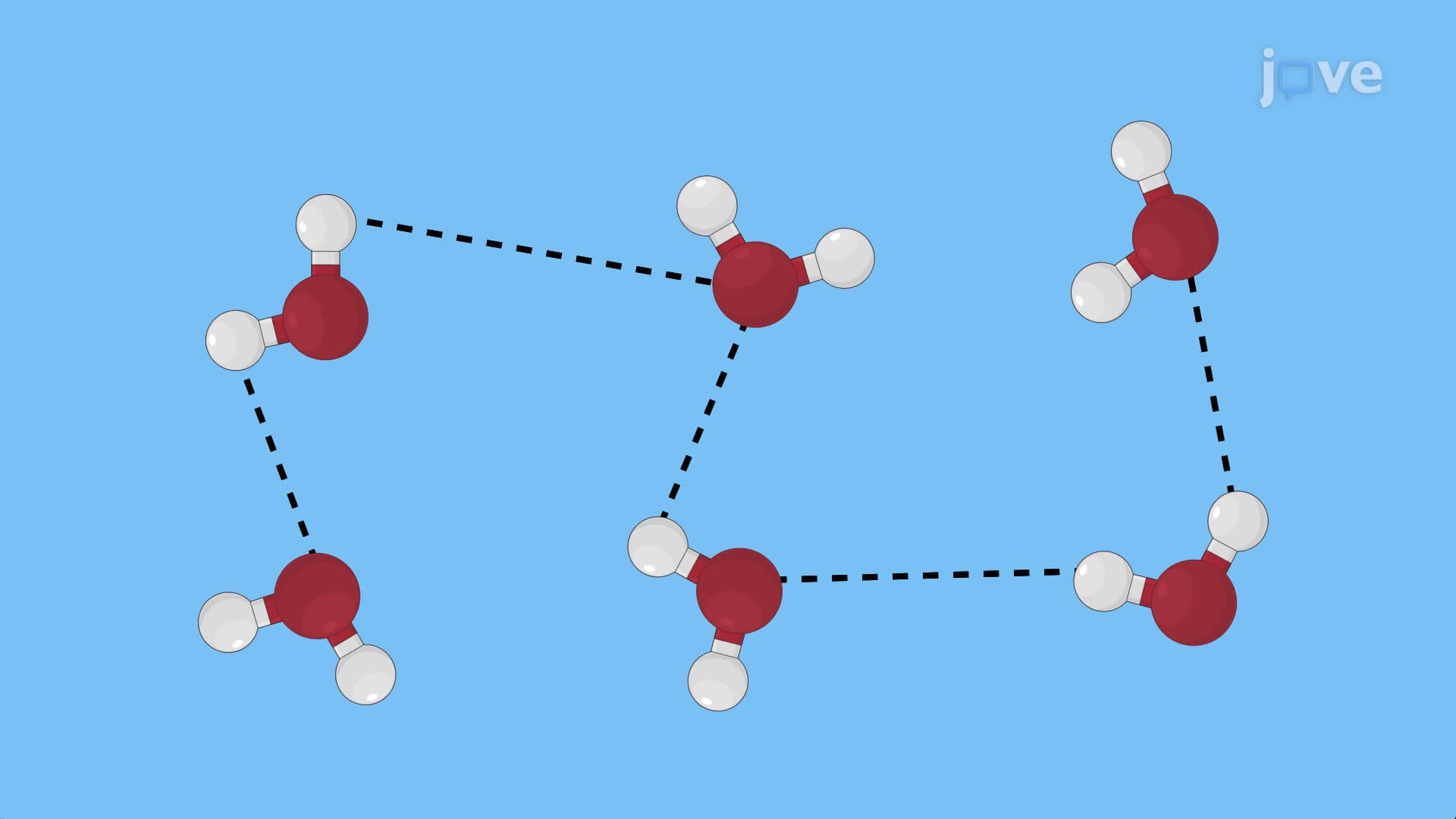
8. Intermolecular Forces and Physical Properties Intermolecular forces determine crucial physical properties including boiling points, melting points, and solubility patterns. Hydrogen bonding between water molecules accounts for water's high boiling point and ice's lower density. Van der Waals forces explain why larger hydrocarbon molecules like octane have higher boiling points than smaller ones like methane. Understanding these forces helps predict drug solubility, membrane permeability, and protein folding patterns essential in biological systems.