Synthetic polymers are large molecules created by linking smaller monomer units through various polymerization processes. These versatile materials form the backbone of modern plastic materials, from everyday items like water bottles and clothing fibers to specialized applications in aerospace and medical devices. Understanding polymer chemistry types, including addition and condensation polymerization mechanisms, is essential for students pursuing chemistry, materials science, and engineering careers in the United States.
Understand the fundamental differences between homopolymers and copolymers in synthetic polymer systems
Learn molecular weight determination methods and polydispersity index calculations for polymer characterization
Identify key polymer classification systems including architecture, crystallinity, and stereospecificity
Explore radical chain-growth polymerization mechanisms and their role in creating branched polymer structures
Analyze anionic and cationic polymerization pathways for synthesizing specific polymer types
Apply Ziegler-Natta catalysis principles to understand linear polymer synthesis
Understand step-growth polymerization processes and their applications in creating polyester materials
Examine olefin metathesis polymerization techniques including ROMP and ADMET methods
1. Polymer Classification and Nomenclature
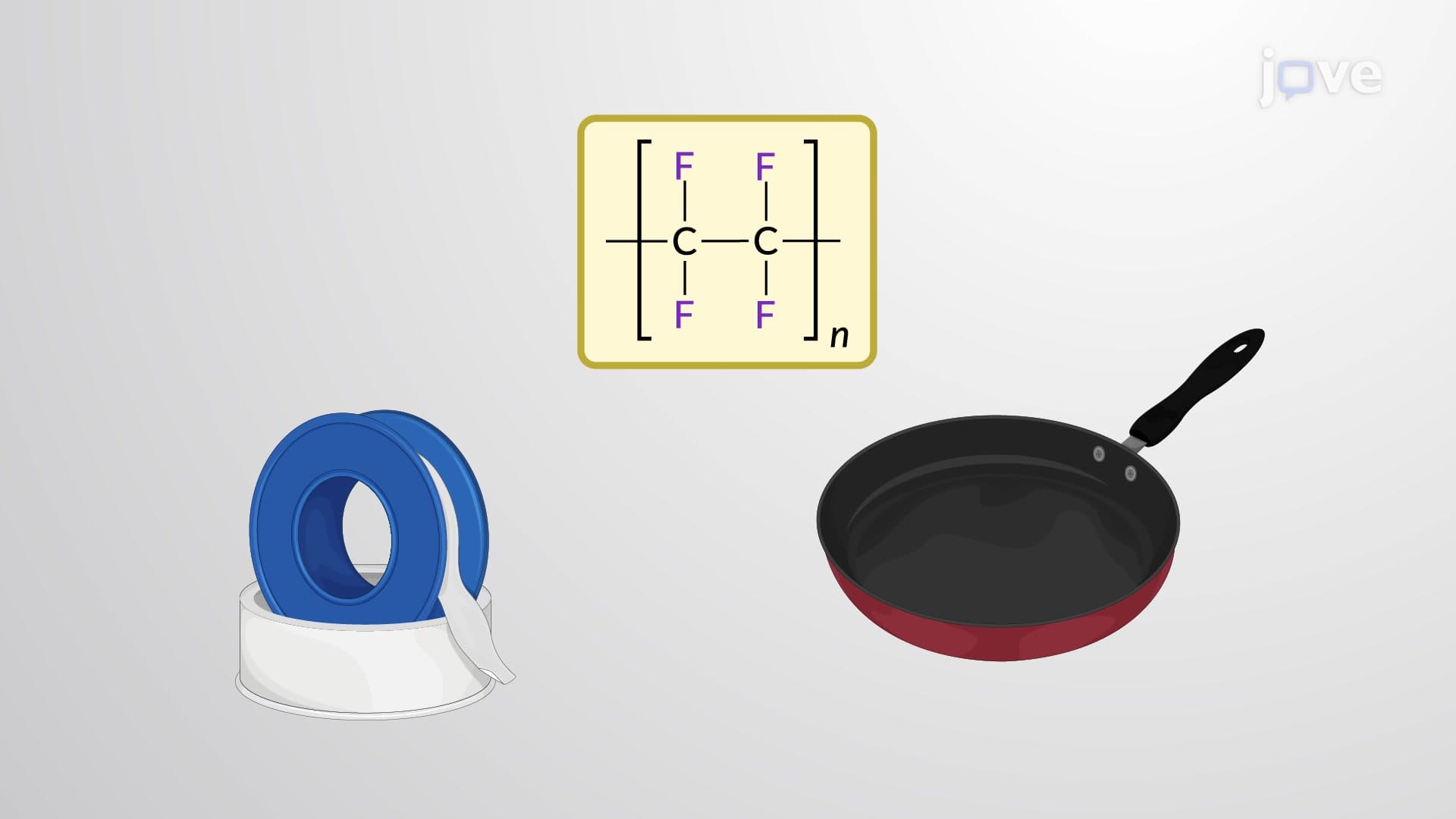
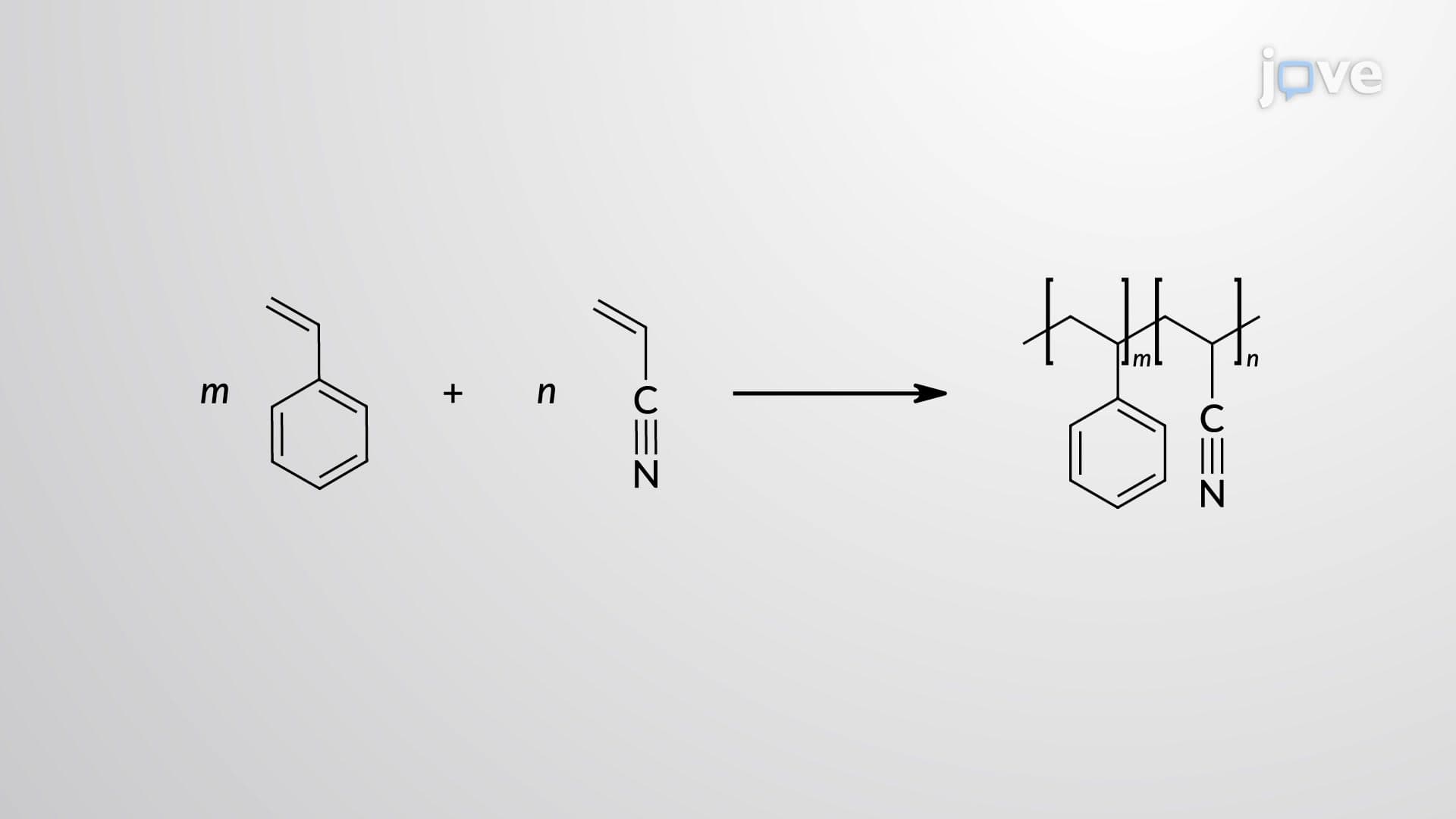
Synthetic polymers are systematically classified based on their monomer composition, with homopolymers containing identical repeating units and copolymers incorporating multiple monomer types. The nomenclature system uses the prefix "poly-" followed by the monomer name, such as polyethylene or polystyrene. Copolymers require the infix "co-" to indicate their mixed composition, as seen in polystyrene-co-acrylonitrile used in American automotive components. Understanding this classification system is crucial for identifying polymer properties and applications in industrial settings.
2. Molecular Weight and Distribution Analysis
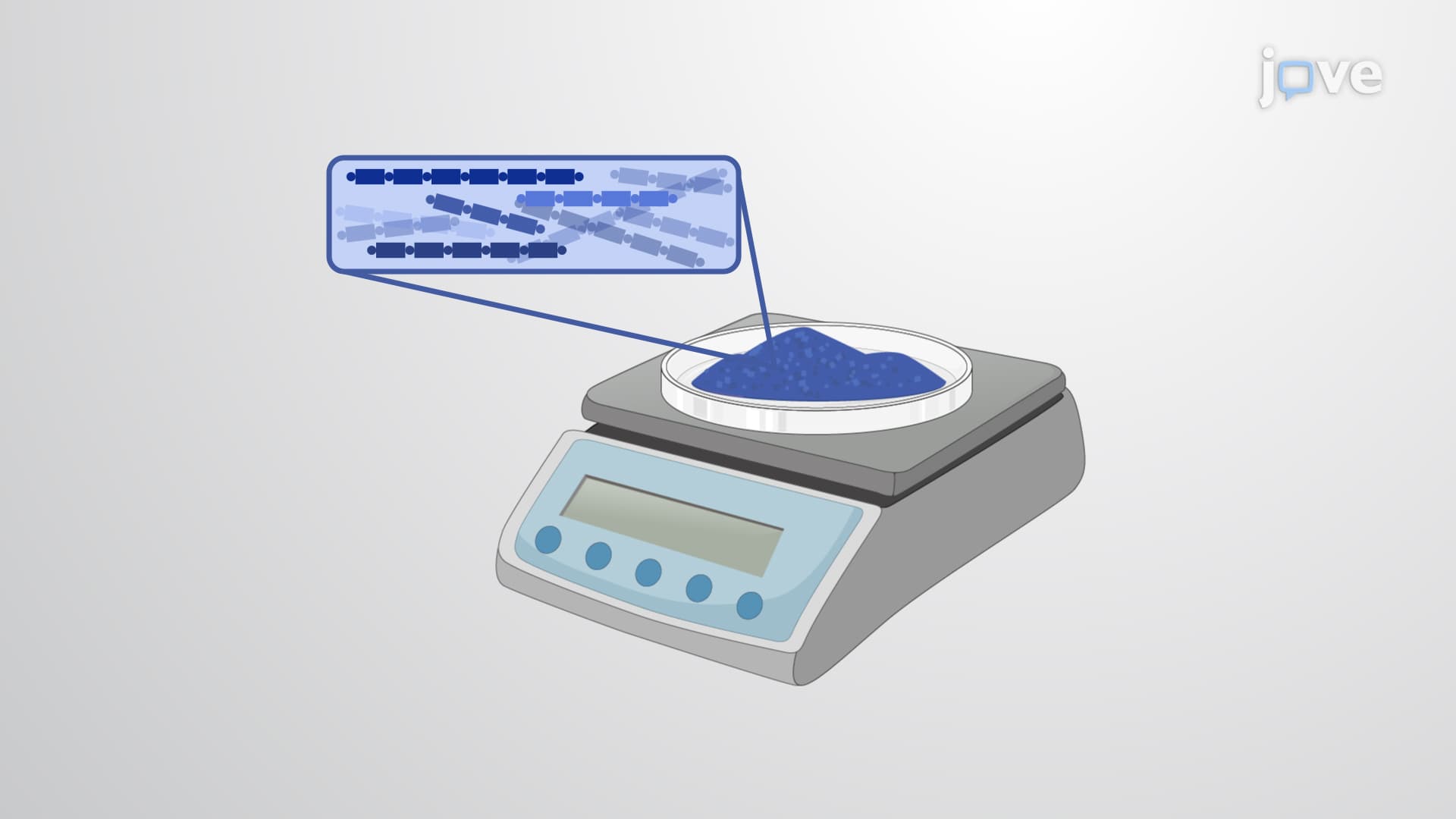
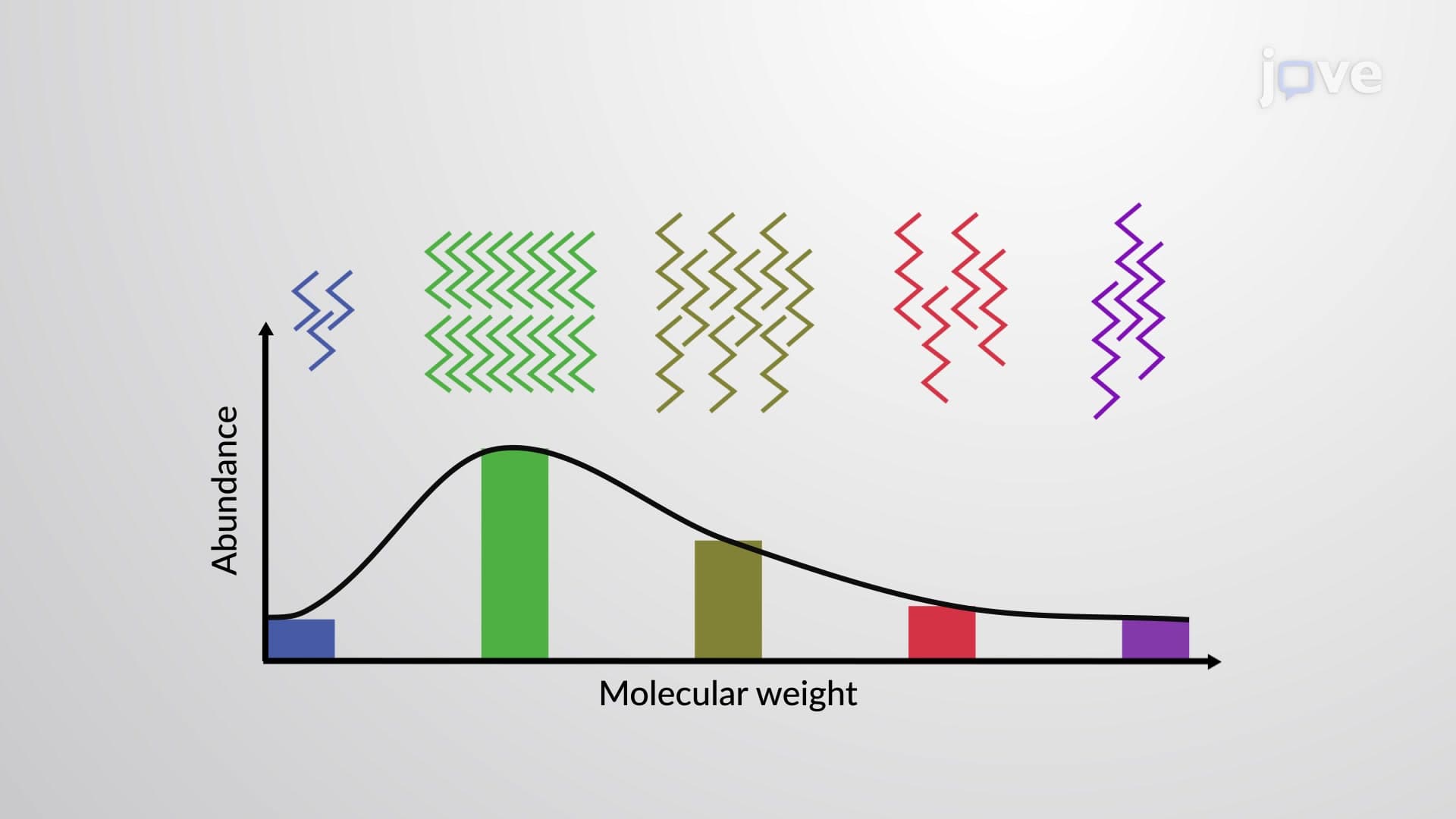
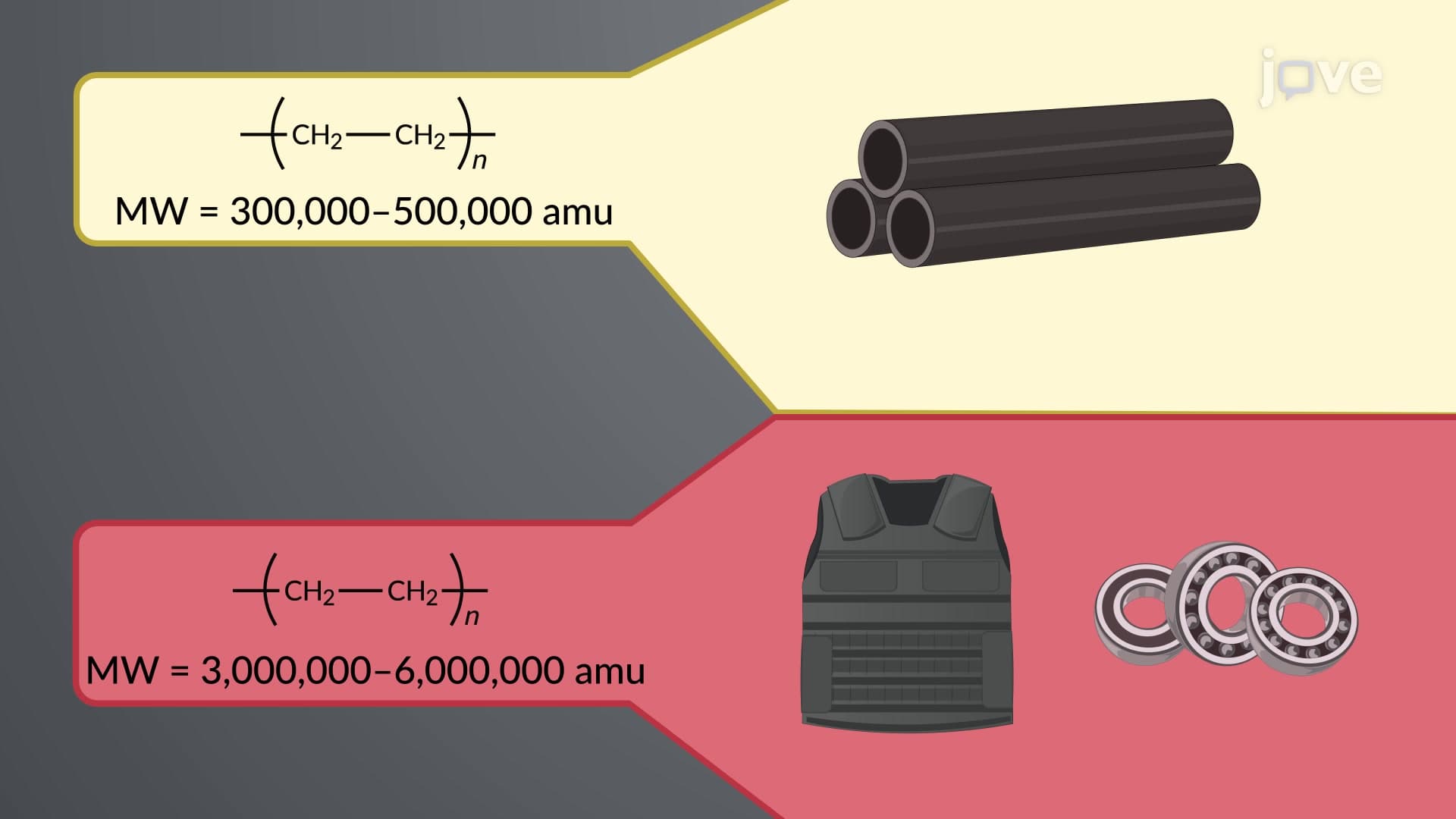
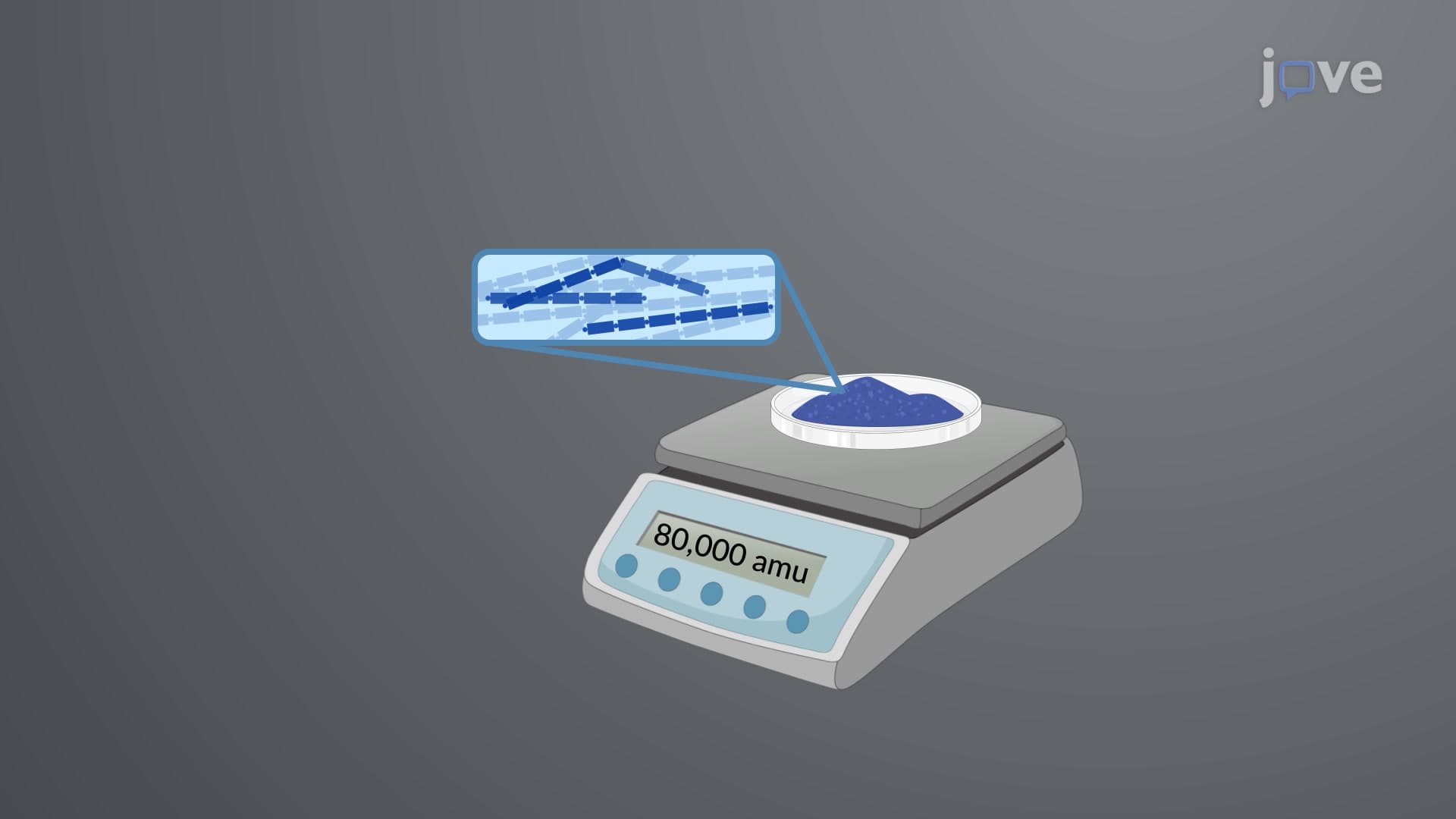
Unlike small molecules with definite molecular weights, synthetic polymers exist as mixtures with varying chain lengths, characterized by number-average and weight-average molecular weights. The polydispersity index (PDI) measures molecular weight distribution, with values greater than one indicating polydisperse materials typical of all synthetic polymers. American polymer manufacturers use these measurements to control product quality in applications ranging from food packaging to medical implants, where consistent molecular weight distributions ensure reliable material properties.
3. Polymer Architecture and Physical Properties
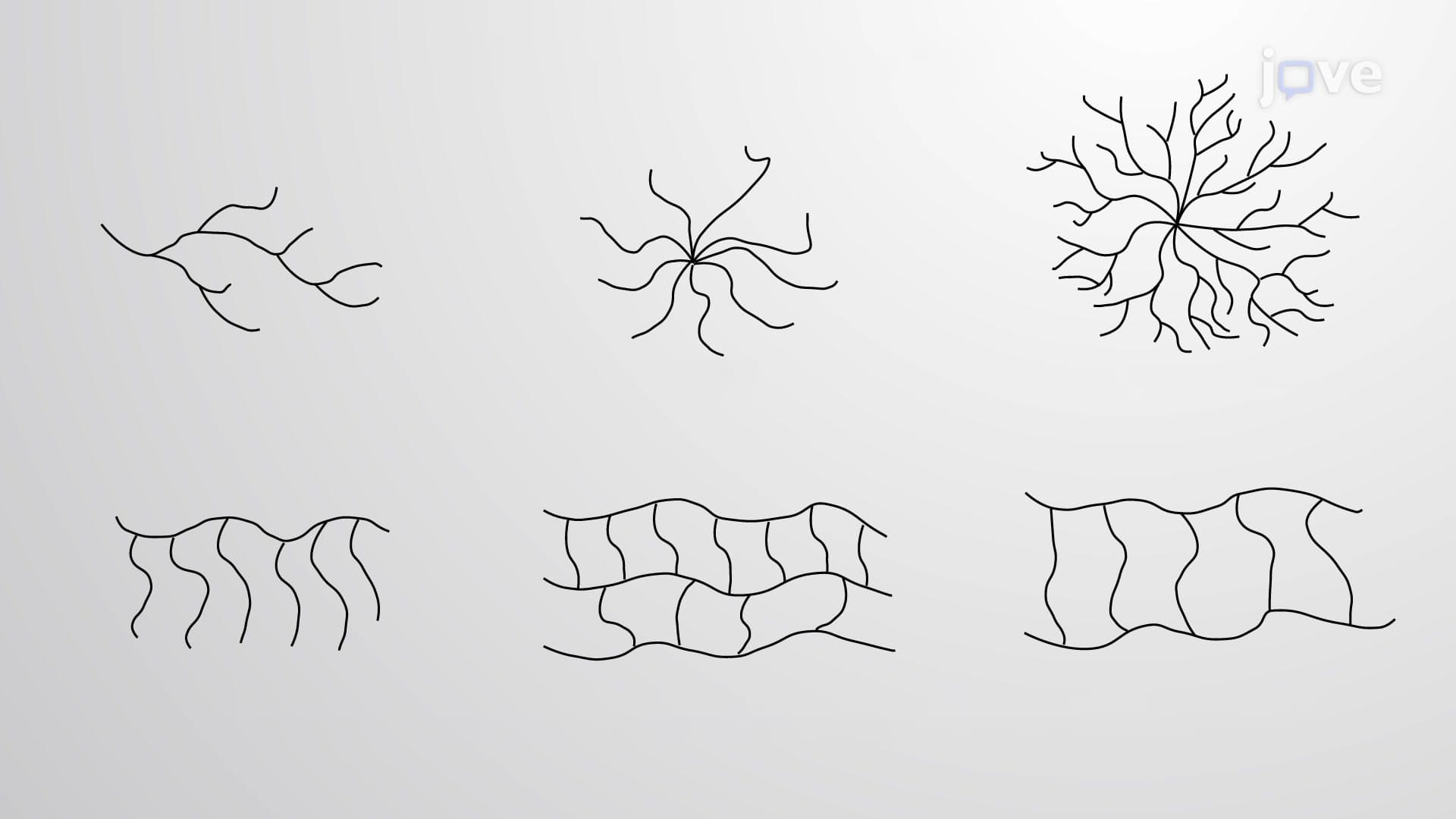
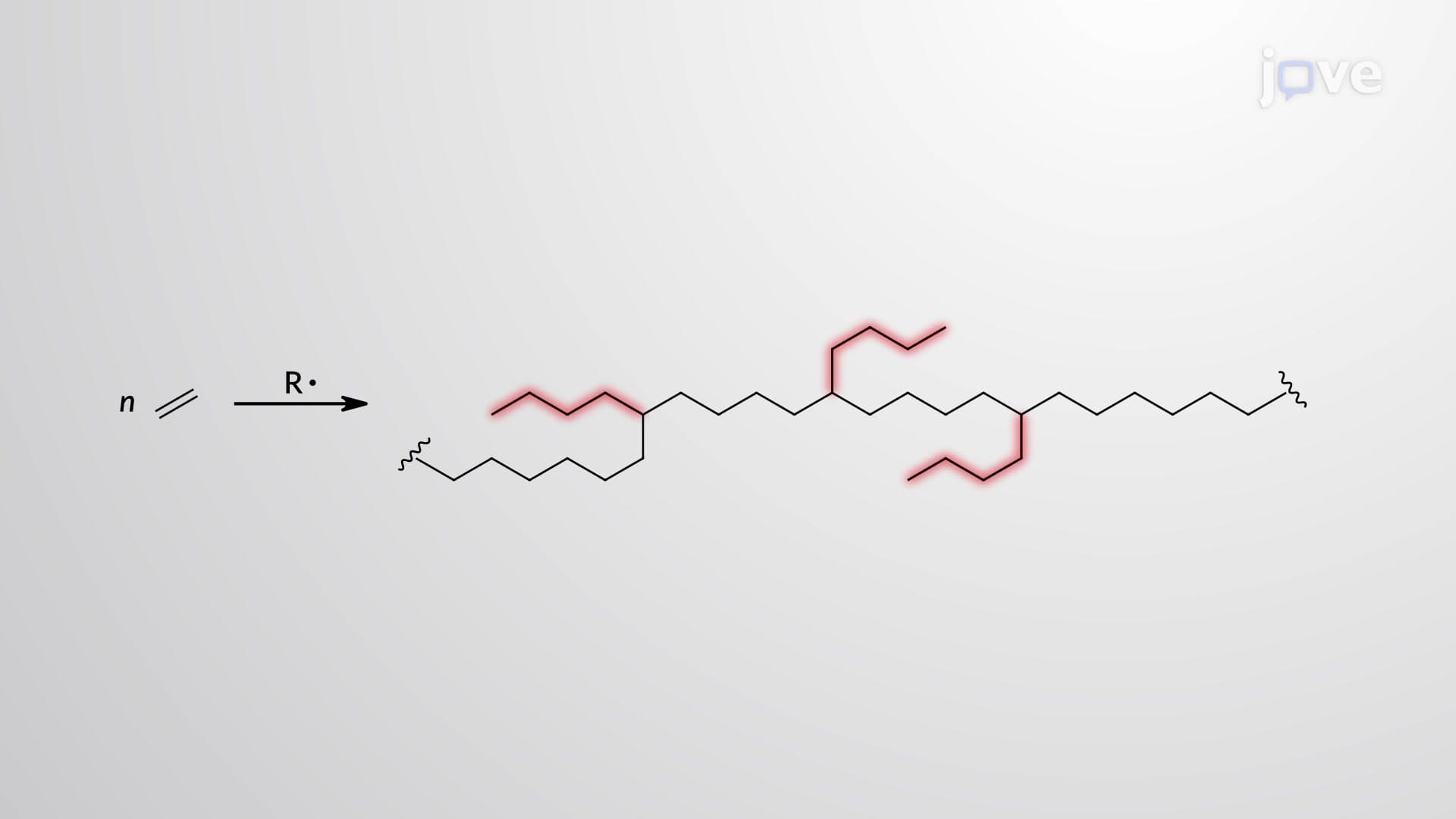
Polymer chains exhibit linear or branched architectures that dramatically influence material properties and processing characteristics. Linear polymers like high-density polyethylene demonstrate superior mechanical strength due to efficient chain packing, while branched variants like low-density polyethylene offer enhanced flexibility for film applications. Cross-linking between polymer chains, exemplified by rubber vulcanization developed in American tire manufacturing, creates thermoset materials with improved durability and temperature resistance compared to thermoplastic counterparts.
4. Crystallinity and Thermal Behavior
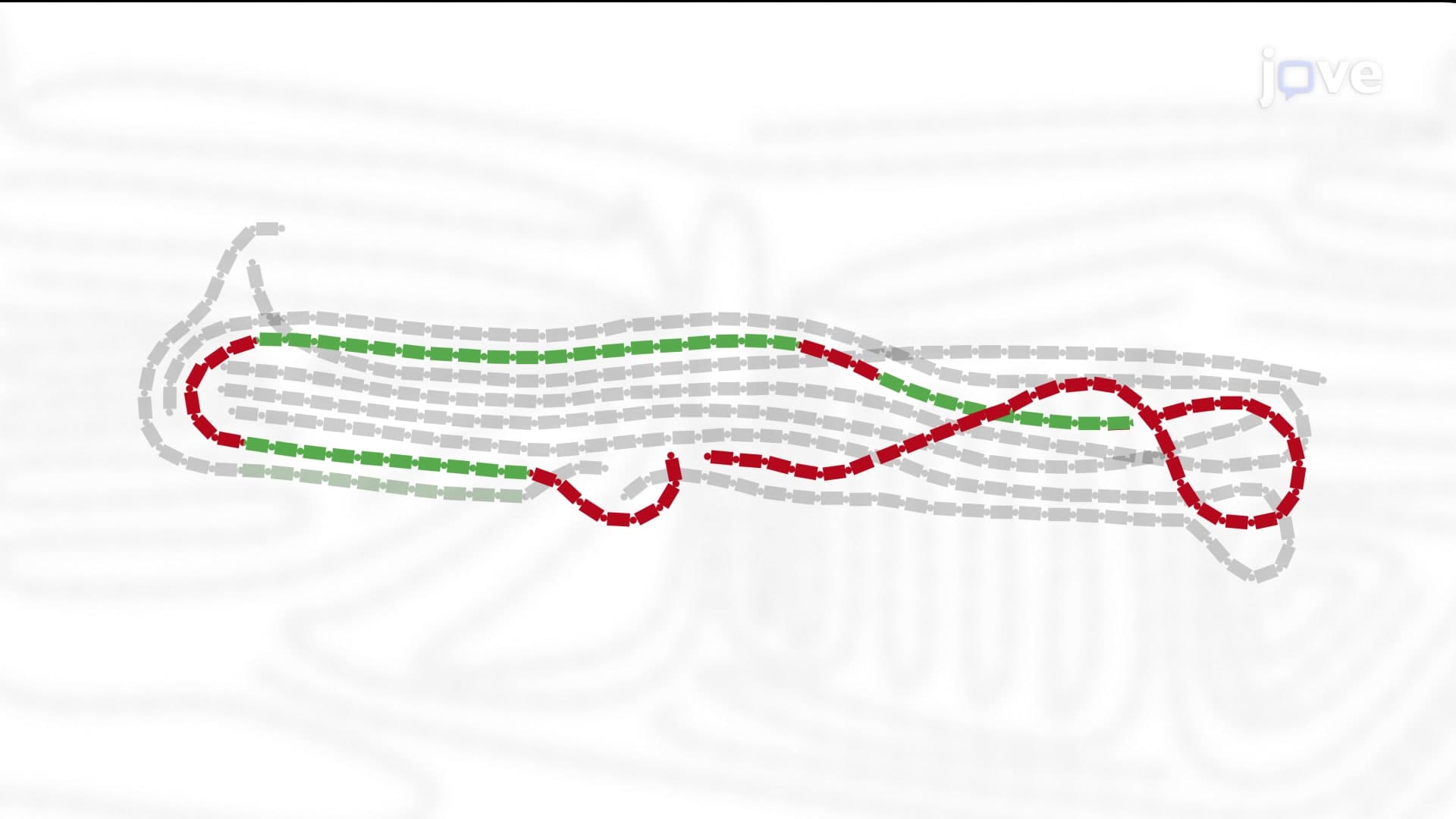
Synthetic polymers contain both crystalline domains with ordered chain arrangements and amorphous regions with random orientations, affecting their thermal and mechanical properties. Crystalline regions provide material toughness and sharp melting points, while amorphous domains contribute flexibility above the glass transition temperature. American polymer processing industries exploit these characteristics in applications like heat-resistant engine components and flexible food packaging, where controlled crystallinity determines performance specifications.
5. Radical Chain-Growth Polymerization
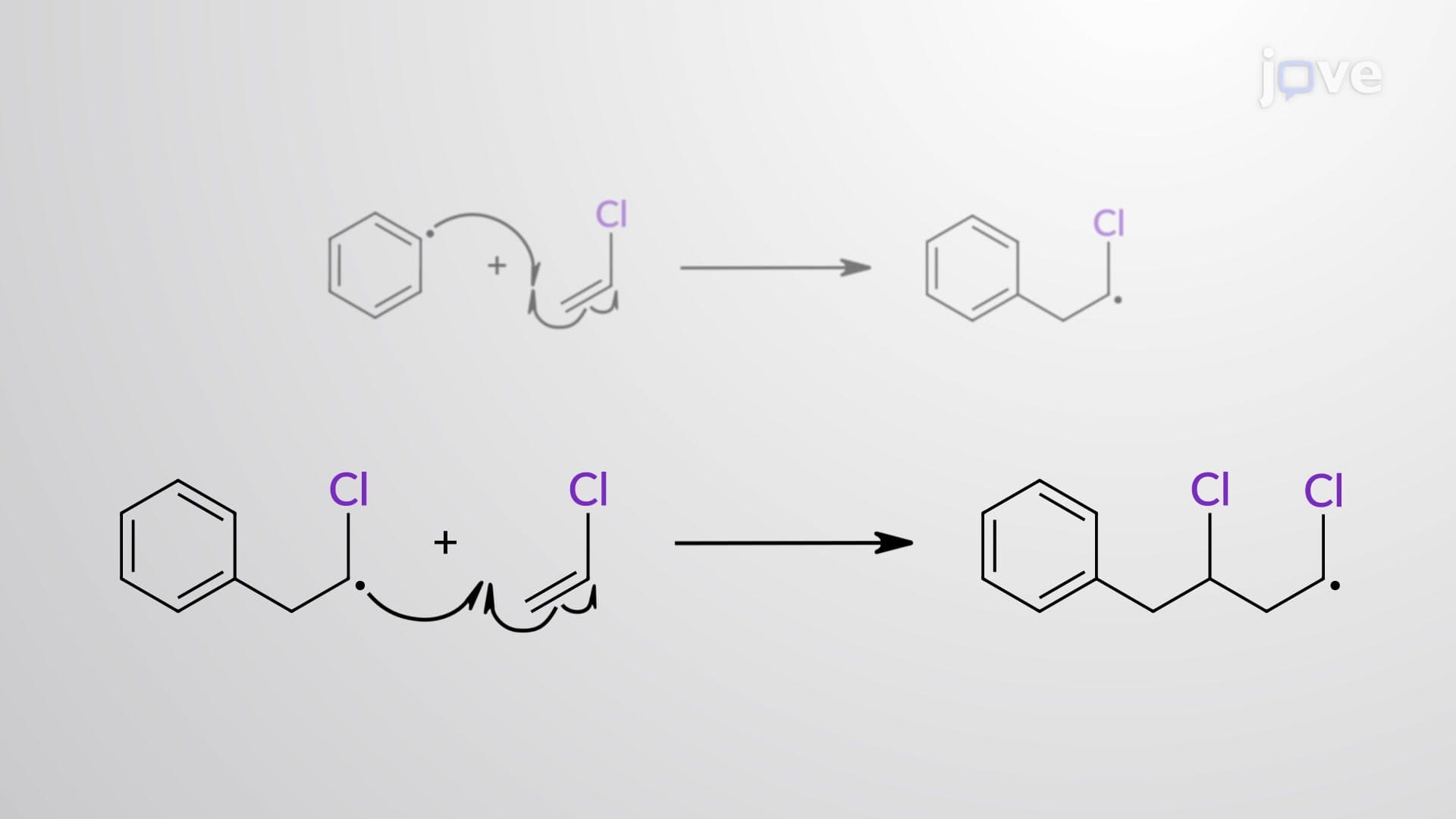
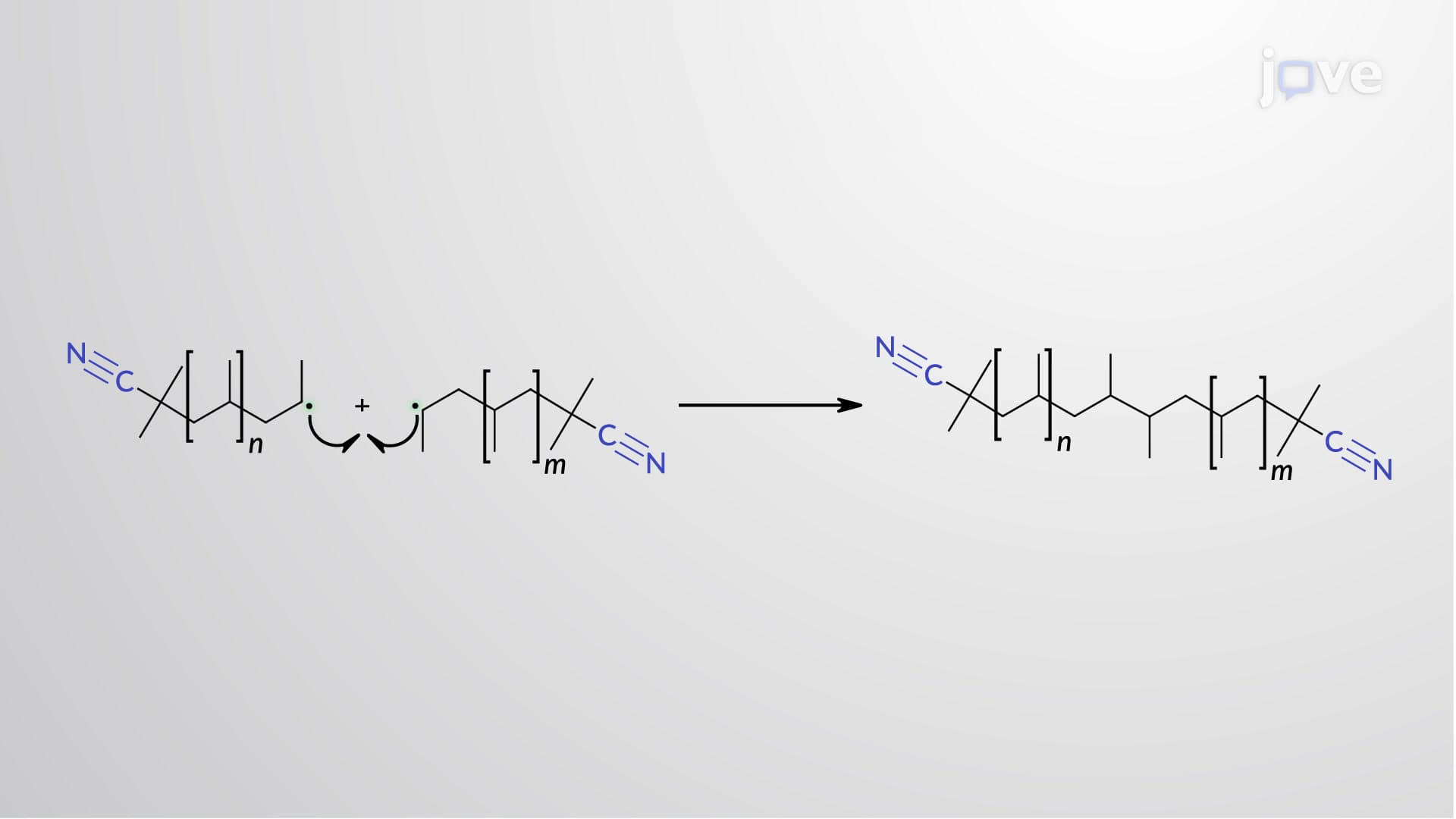
Free-radical polymerization represents the most common synthetic method for producing addition polymers, involving initiation, propagation, and termination steps. The process creates highly branched structures due to hydrogen abstraction reactions, particularly evident in low-density polyethylene production. American chemical companies utilize radical initiators and chain transfer agents to control molecular weight and branching patterns, enabling customized polymer properties for specific applications from adhesives to protective coatings.
6. Ionic Polymerization Mechanisms
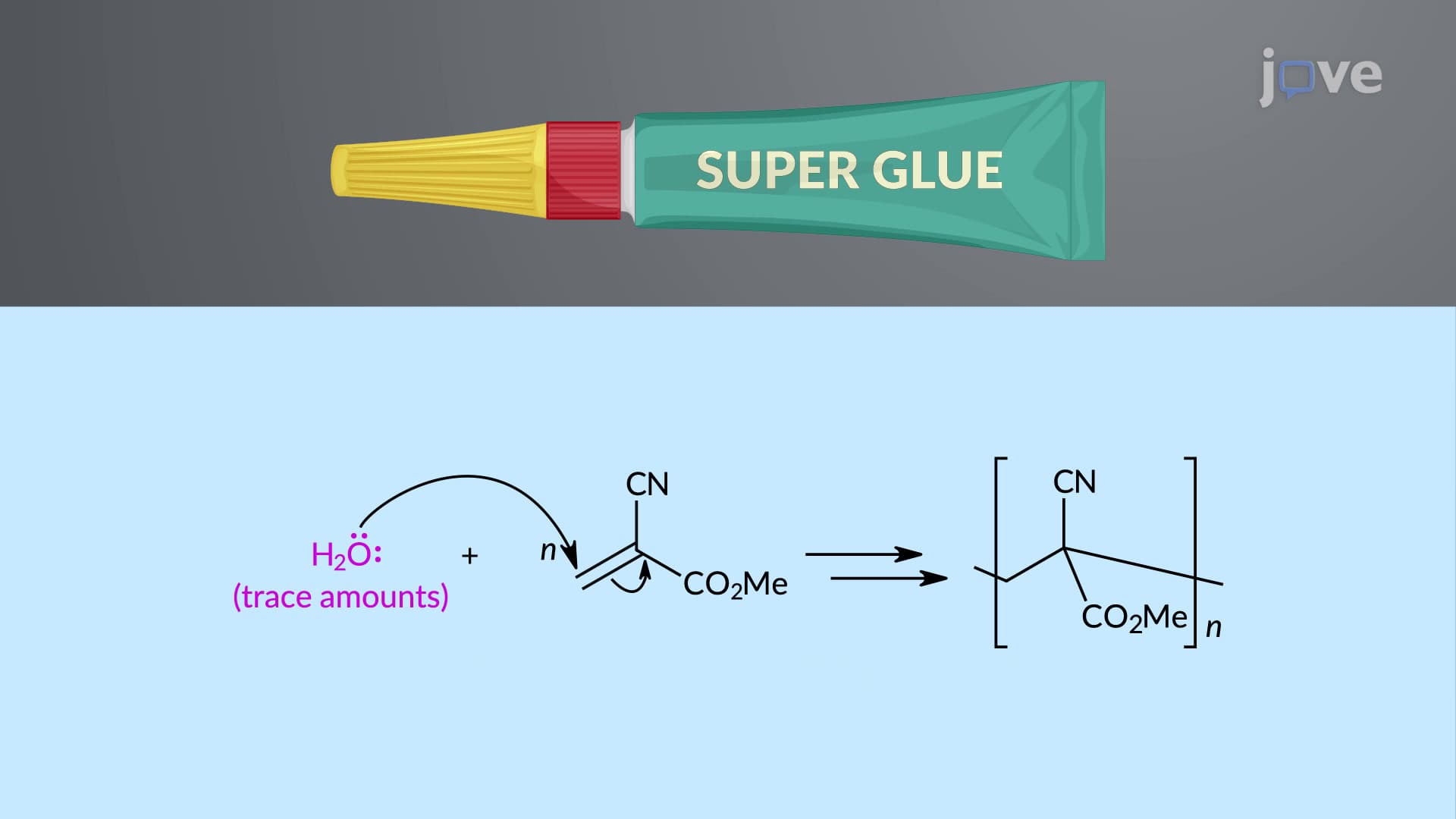
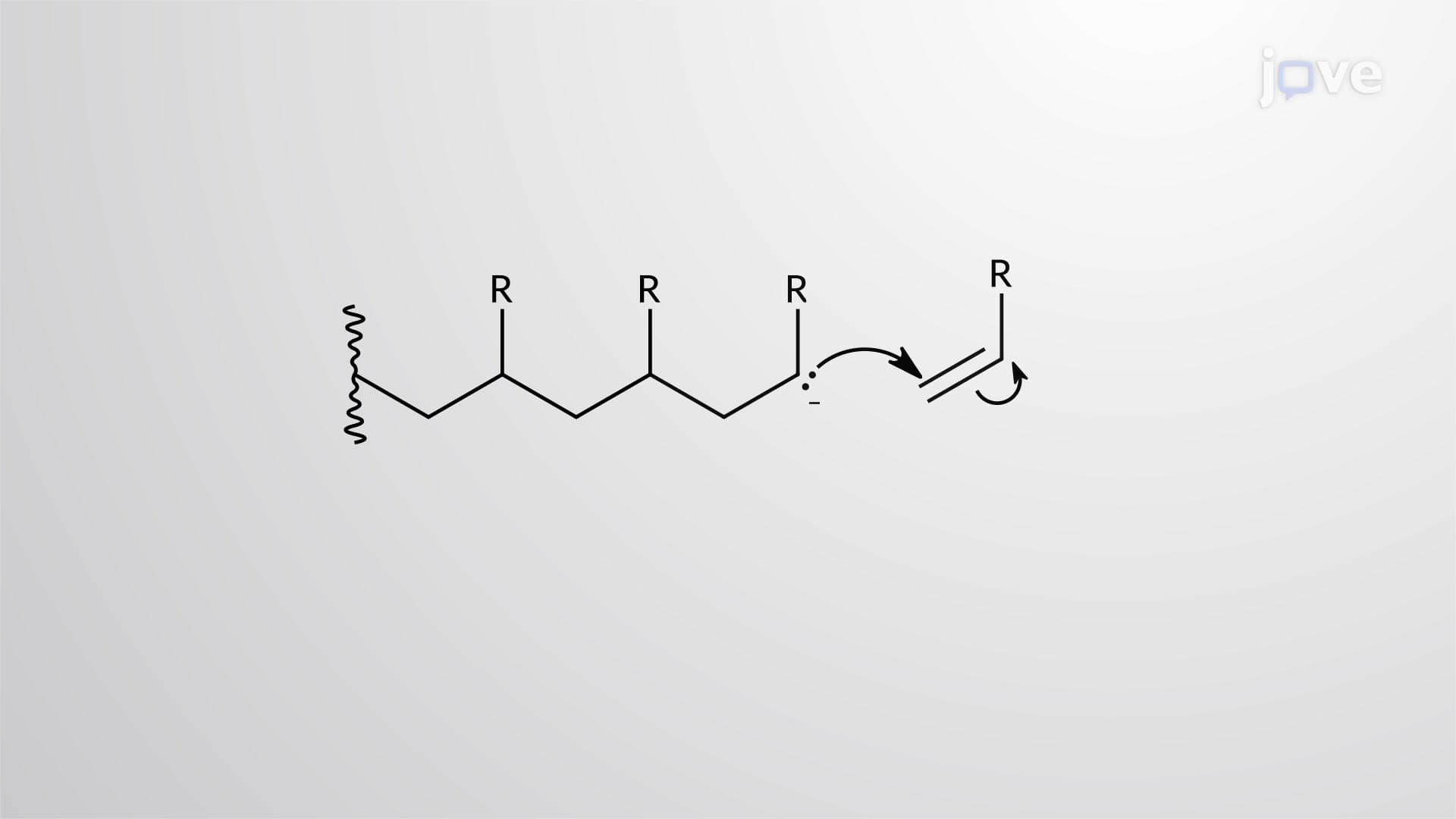
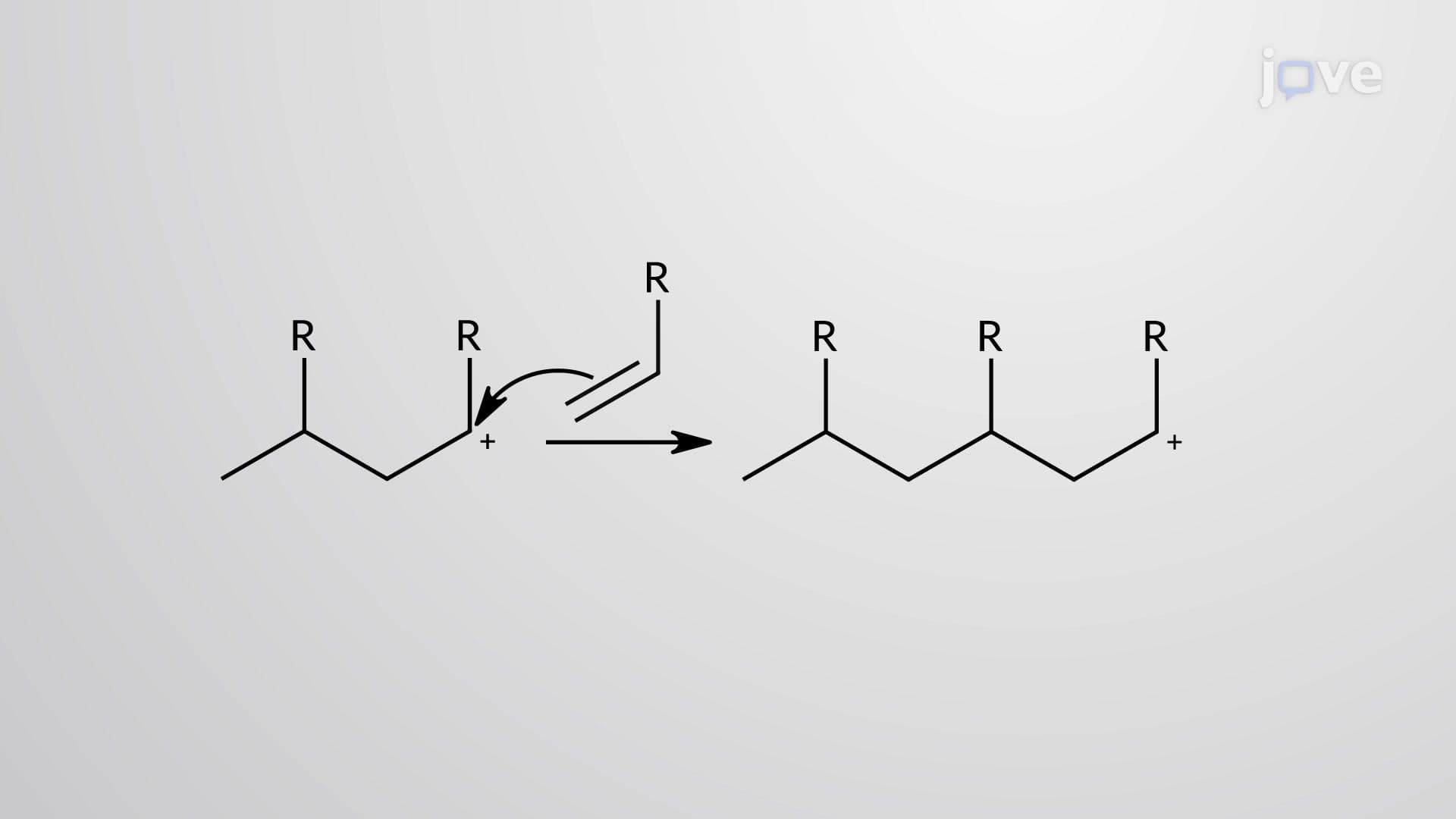
Anionic and cationic polymerization pathways offer precise control over polymer structure and molecular weight distribution. Anionic systems using organolithium initiators produce "living polymers" that continue growing until deliberately terminated, enabling block copolymer synthesis for specialized applications. Cationic polymerization with Lewis acid catalysts works effectively with electron-rich monomers, producing materials like polyisobutylene used in American tire inner tubes and adhesives.
7. Step-Growth Polymerization and Polyester Synthesis
Condensation polymerization involves stepwise reactions between bifunctional monomers, eliminating small molecules like water or methanol during chain formation. This mechanism produces important commercial polyesters including PET (polyethylene terephthalate), widely used in American beverage bottles and textile fibers. The stepwise nature results in broad molecular weight distributions and requires high conversion rates to achieve useful molecular weights, making process control critical in industrial manufacturing.
8. Advanced Polymerization Techniques
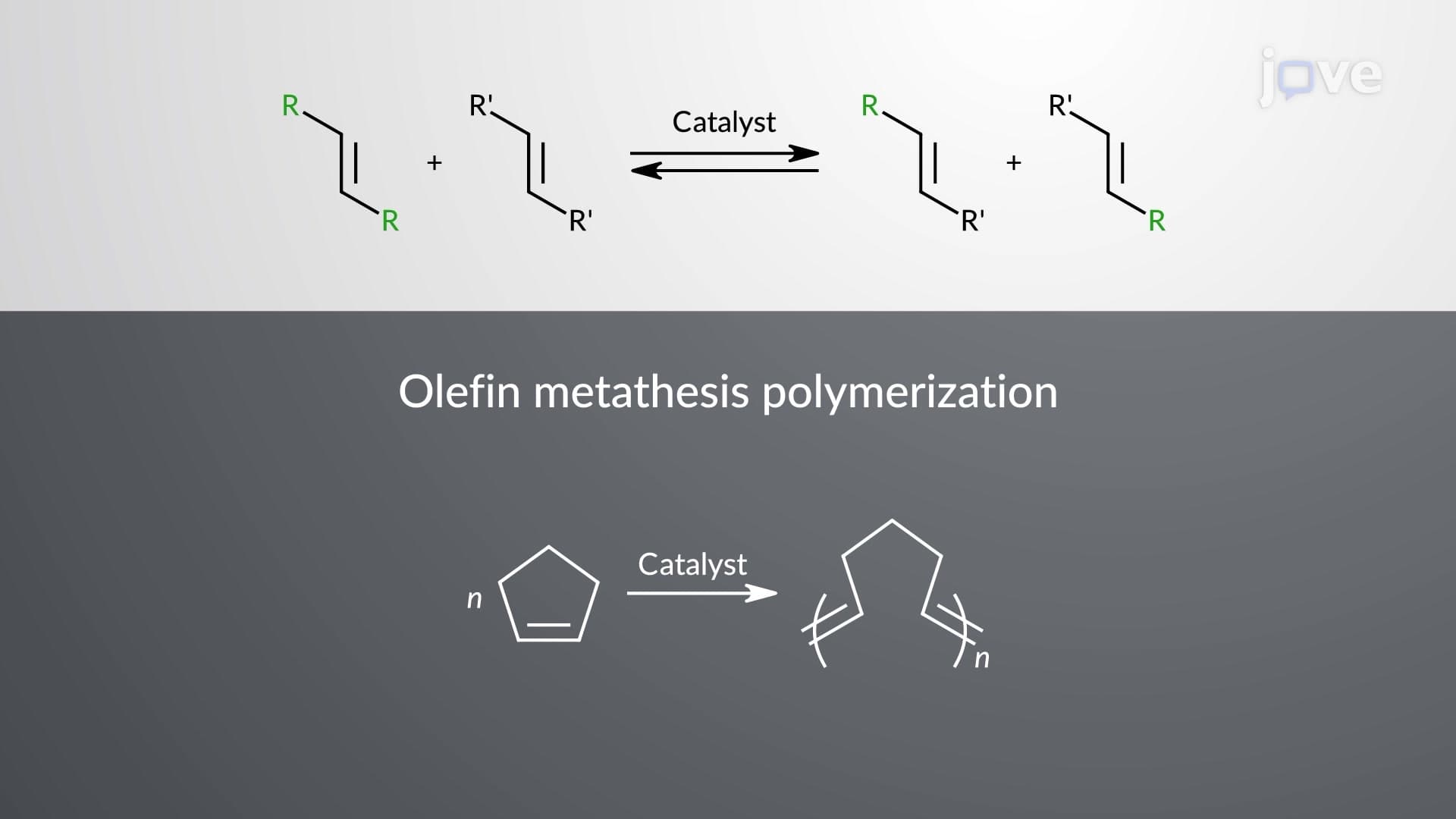
Modern synthetic methods include Ziegler-Natta catalysis for producing linear, stereoregular polymers and olefin metathesis polymerization for creating specialized materials. These techniques enable precise control over polymer stereochemistry and architecture, producing high-performance materials for American aerospace and defense applications. Ring-opening metathesis polymerization (ROMP) and acyclic diene metathesis (ADMET) represent cutting-edge approaches for synthesizing polymers with retained unsaturation and controlled molecular weights.
Frequently Asked Questions
Addition polymerization involves monomers with double bonds that open and link together without eliminating small molecules, while condensation polymerization requires bifunctional monomers that react and eliminate small molecules like water or HCl. Addition polymers include polyethylene and polystyrene, while condensation polymers include polyesters and nylons.
Polymers with narrow molecular weight distributions (low PDI values) typically exhibit more predictable processing behavior and consistent properties, while broad distributions can improve processability but may reduce mechanical performance. Understanding PDI helps predict how polymers will behave during manufacturing processes like injection molding or extrusion.
Focus on basic polymerization mechanisms, monomer-to-polymer relationships, and the distinction between addition and condensation reactions. The AP exam typically emphasizes understanding how monomer structure influences polymer properties rather than detailed industrial processes or advanced catalytic systems.
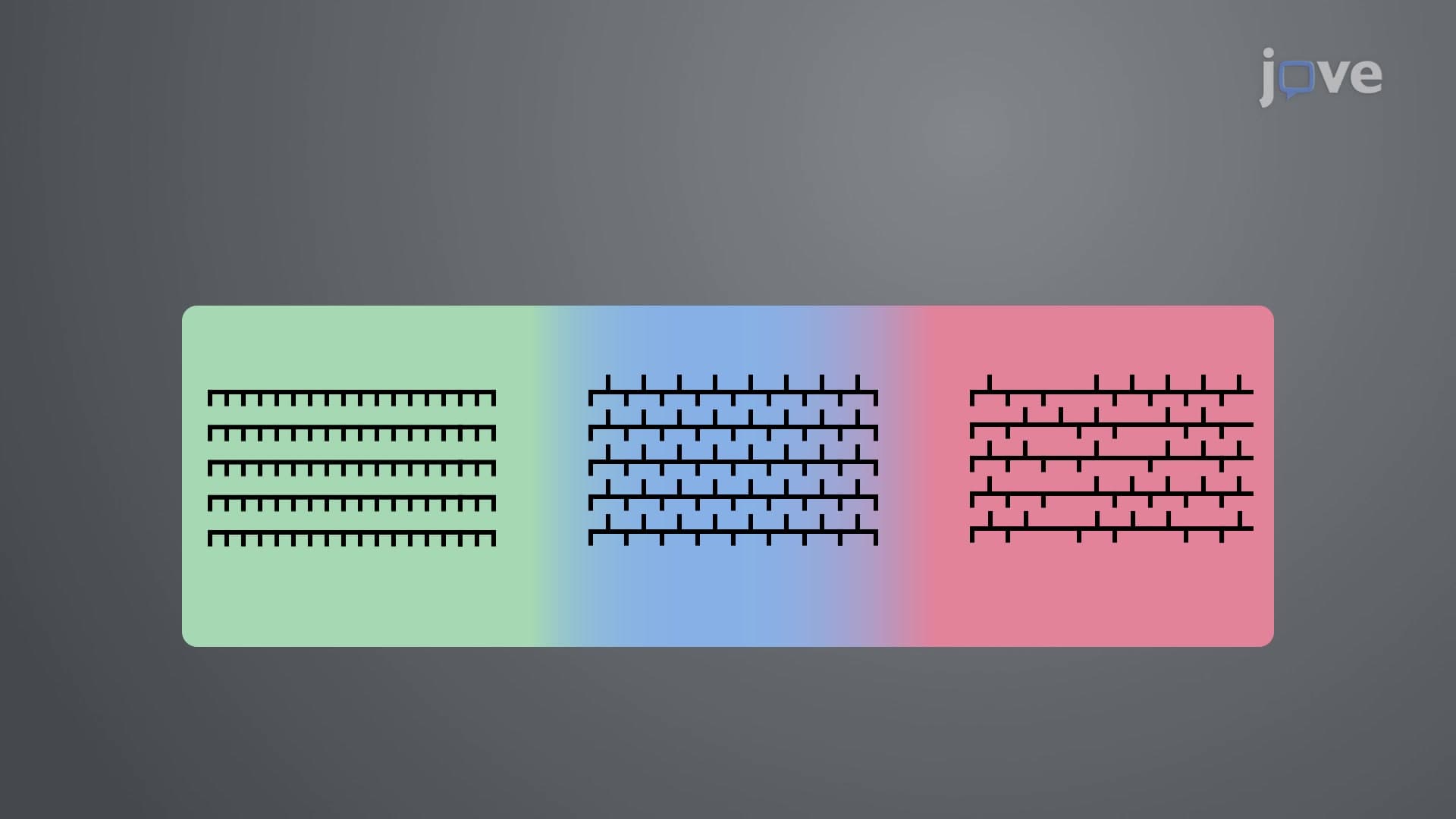
Stereoregular polymers (isotactic and syndiotactic) can pack efficiently and exhibit higher crystallinity and melting points compared to atactic polymers. This concept connects polymer chemistry to MCAT topics involving chirality and molecular interactions, demonstrating how stereochemistry influences macromolecular behavior.
Synthetic polymers are ubiquitous in American consumer goods: PET in beverage bottles and clothing, polyethylene in food packaging and pipes, polystyrene in disposable cups and insulation, and various elastomers in tires and medical devices. Understanding their synthesis helps explain why different polymers are chosen for specific applications.
Polymer chemistry requires integrating multiple concepts including organic reaction mechanisms, physical chemistry principles, and materials science concepts. Students must understand how molecular-level changes affect bulk material properties, making it inherently interdisciplinary and requiring strong foundational knowledge in organic chemistry.
Create mechanism flowcharts showing initiation, propagation, and termination steps for each polymerization type. Practice drawing polymer structures from monomer starting materials and vice versa. Connect polymer properties to synthesis methods by understanding how different mechanisms produce different architectures and molecular weight distributions.