Loading video…


 20 Concepts
 58.7K views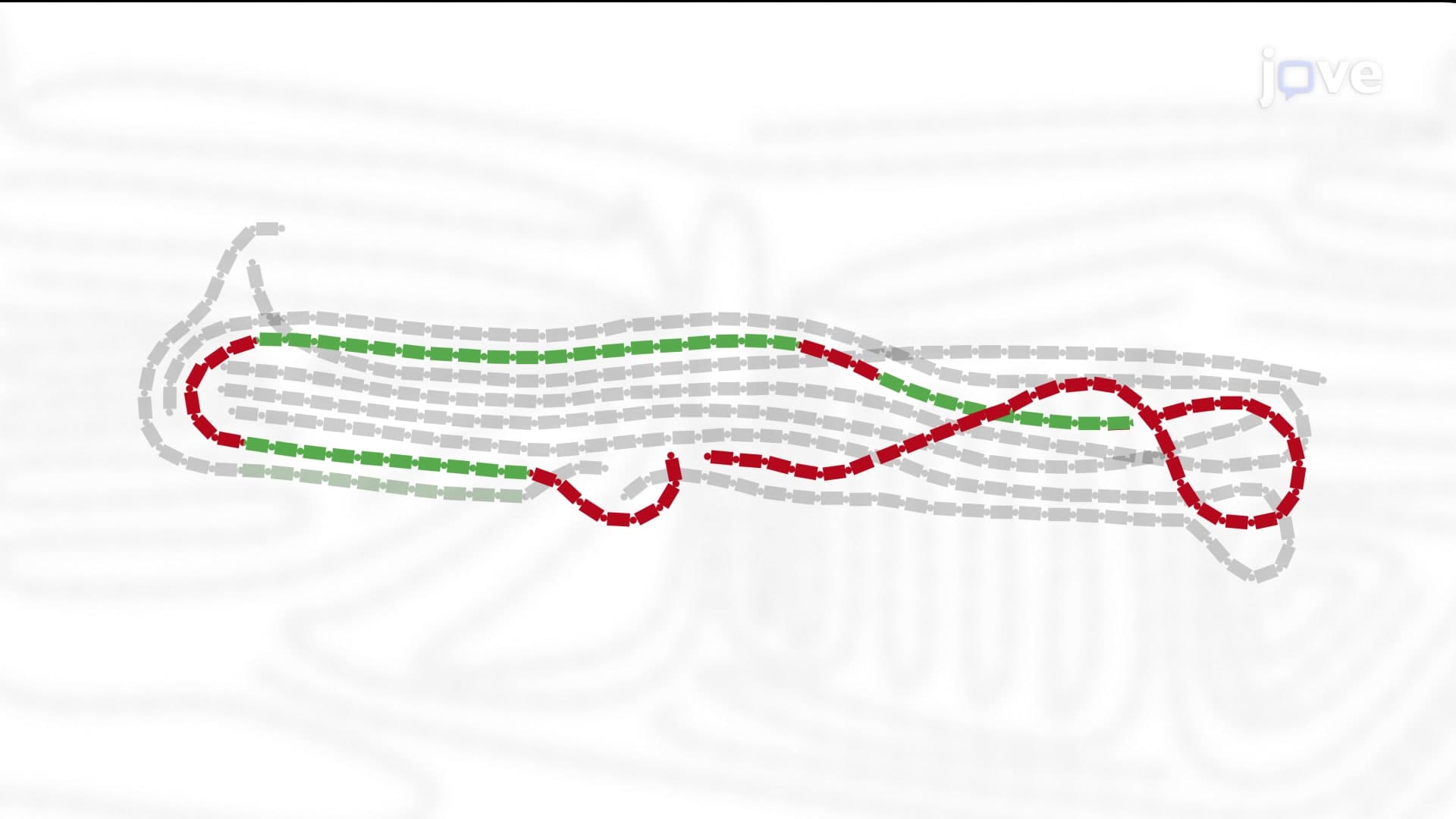

Video Summary: What Is Polymer Classification Crystallinity
Ever wonder why your plastic water bottle bends easily while your smartphone case stays rigid? Polymer classification crystallinity determines these mechanical properties by describing how polymer chains organize within materials. From flexible polyethylene bags used in US grocery stores to tough crystalline structures in automotive parts, understanding what is polymer classification crystallinity reveals why different plastics behave so differently in everyday applications. Watch the full video on JoVE Coach to master this concept with expert-led visuals and step-by-step explanations.
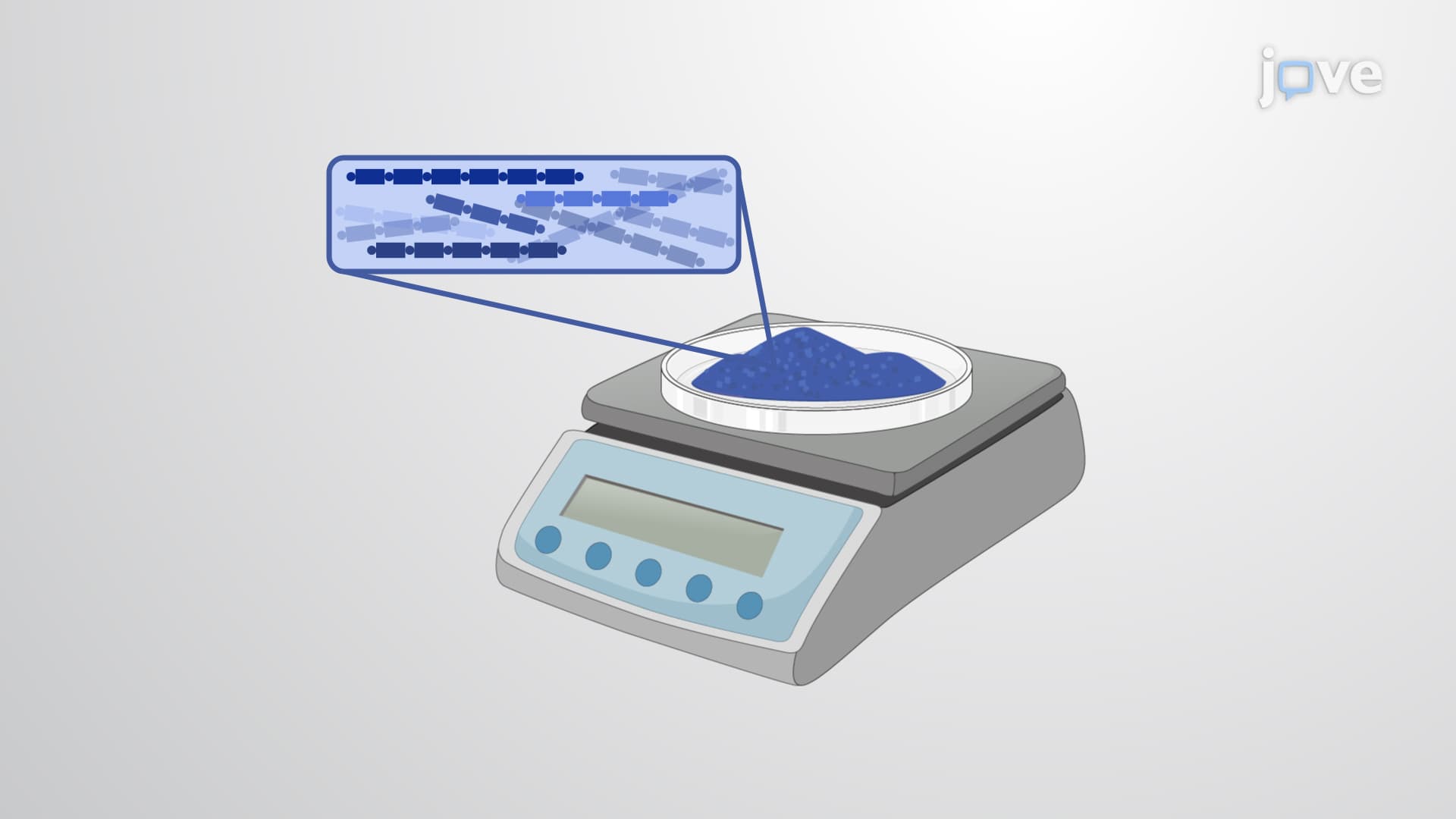
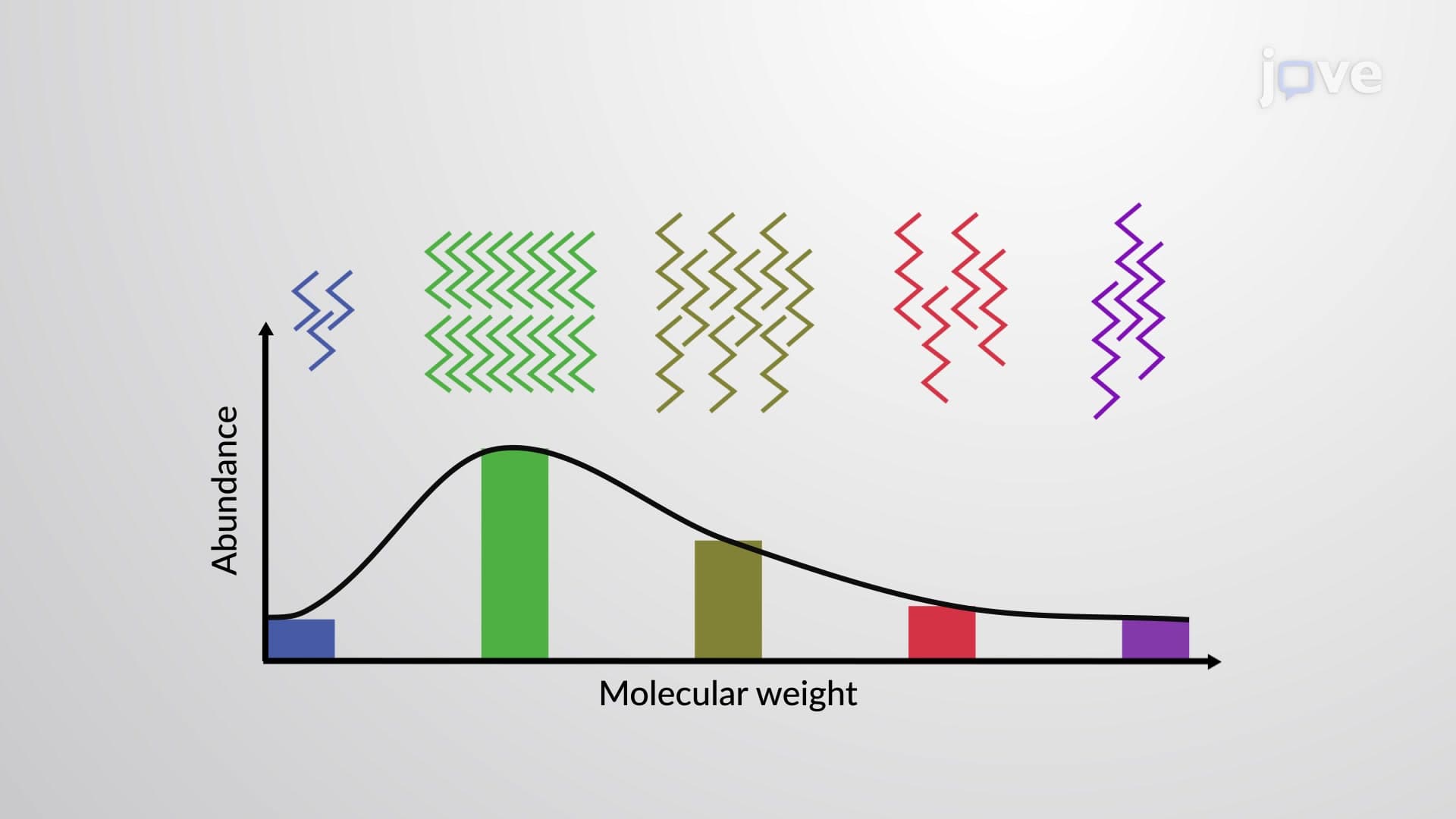
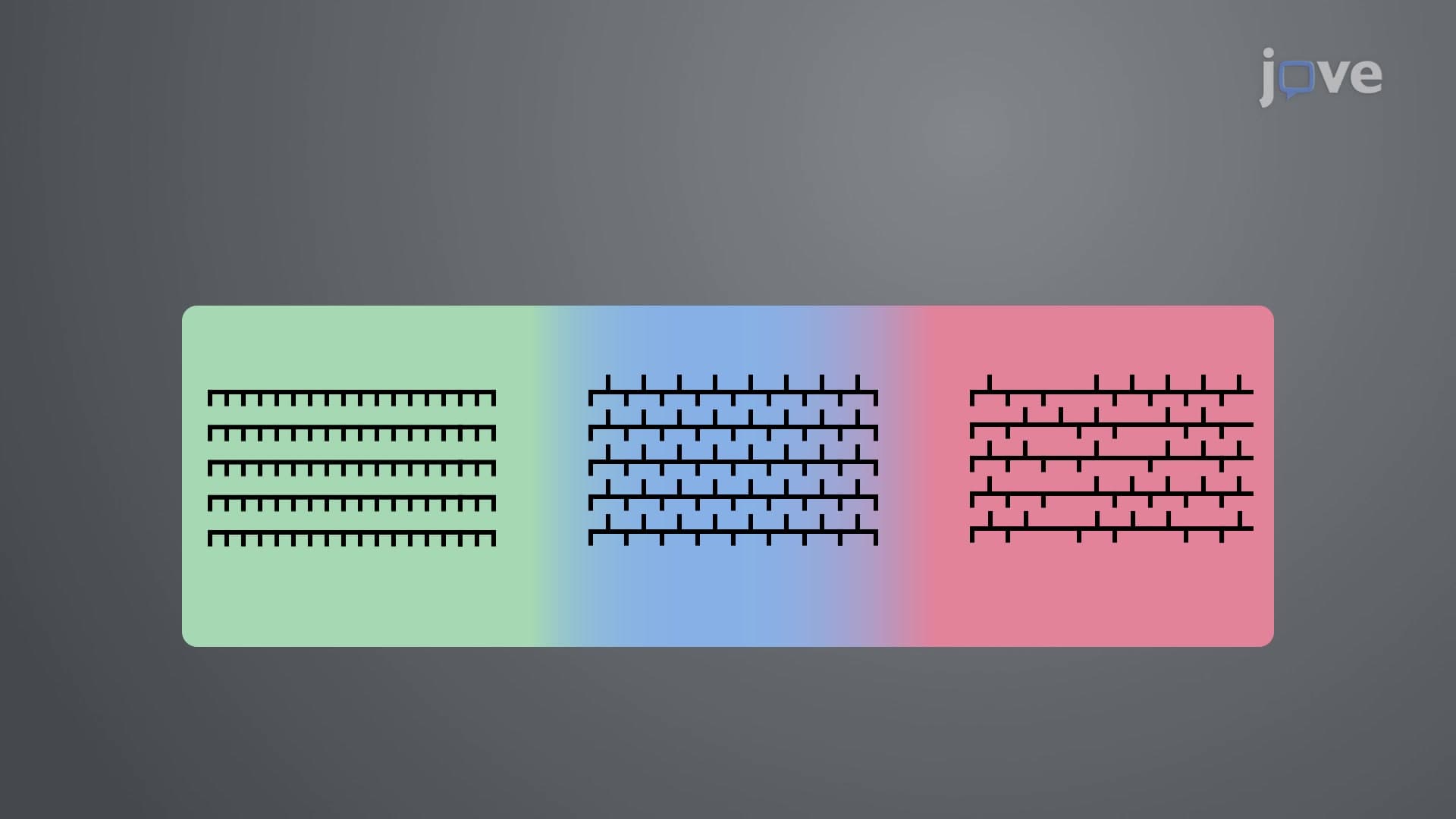
What is polymer classification crystallinity forms a cornerstone concept in materials science, defining how long polymer chains arrange themselves in solid materials. Unlike small molecules that can form perfect crystals, polymer chains create a complex mixture of ordered crystalline domains and disordered amorphous regions. This dual nature directly impacts everything from the plastic containers in your kitchen to the advanced composites used in Boeing aircraft manufacturing.
The polymer classification crystallinity definition centers on the proportion and arrangement of these two distinct phases. Crystalline domains feature tightly packed, aligned polymer chains that create strong intermolecular forces, while amorphous domains contain randomly coiled chains with weaker interactions. This structural duality explains why the same polymer can exhibit vastly different properties depending on processing conditions and molecular architecture.
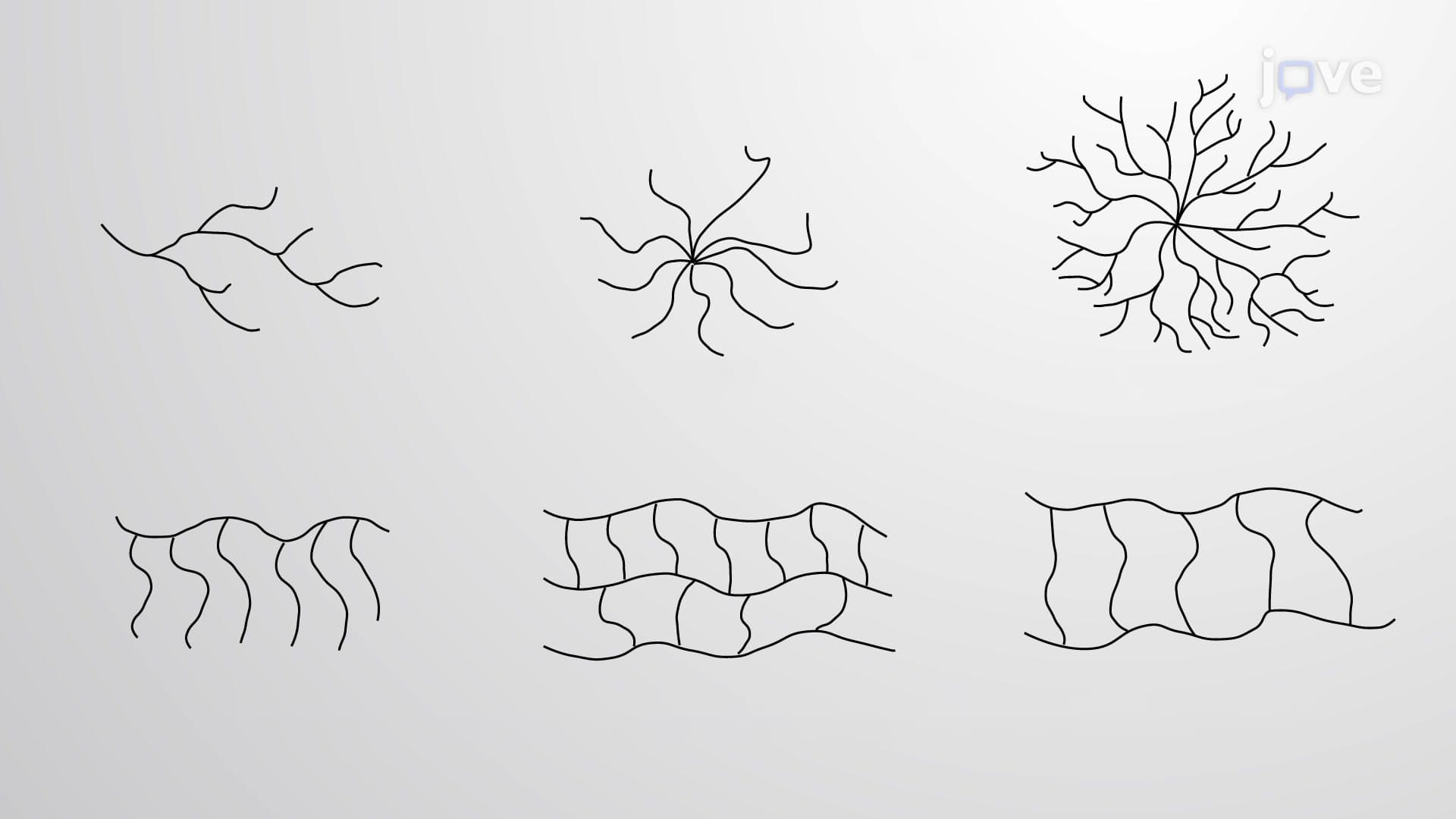
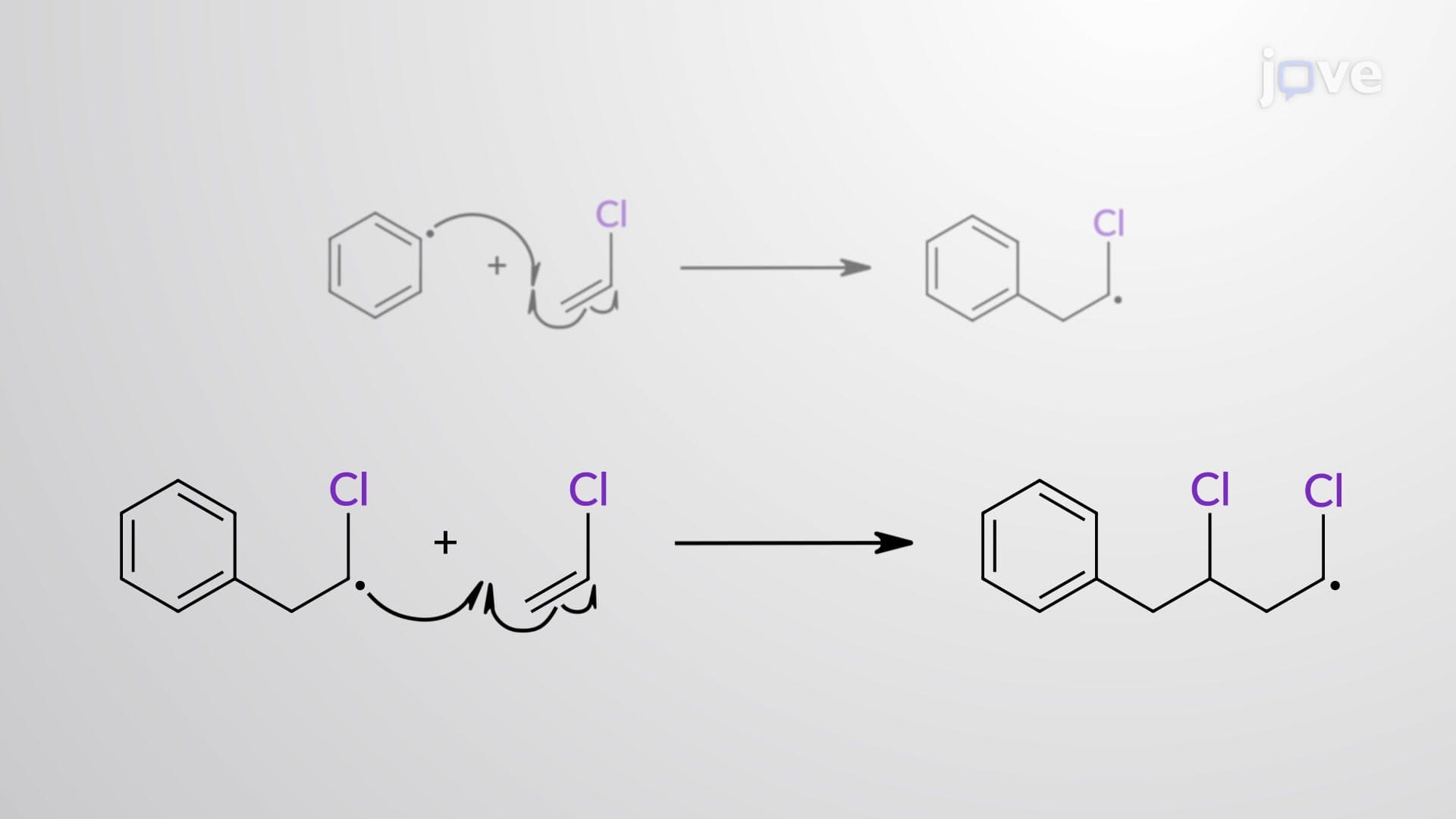
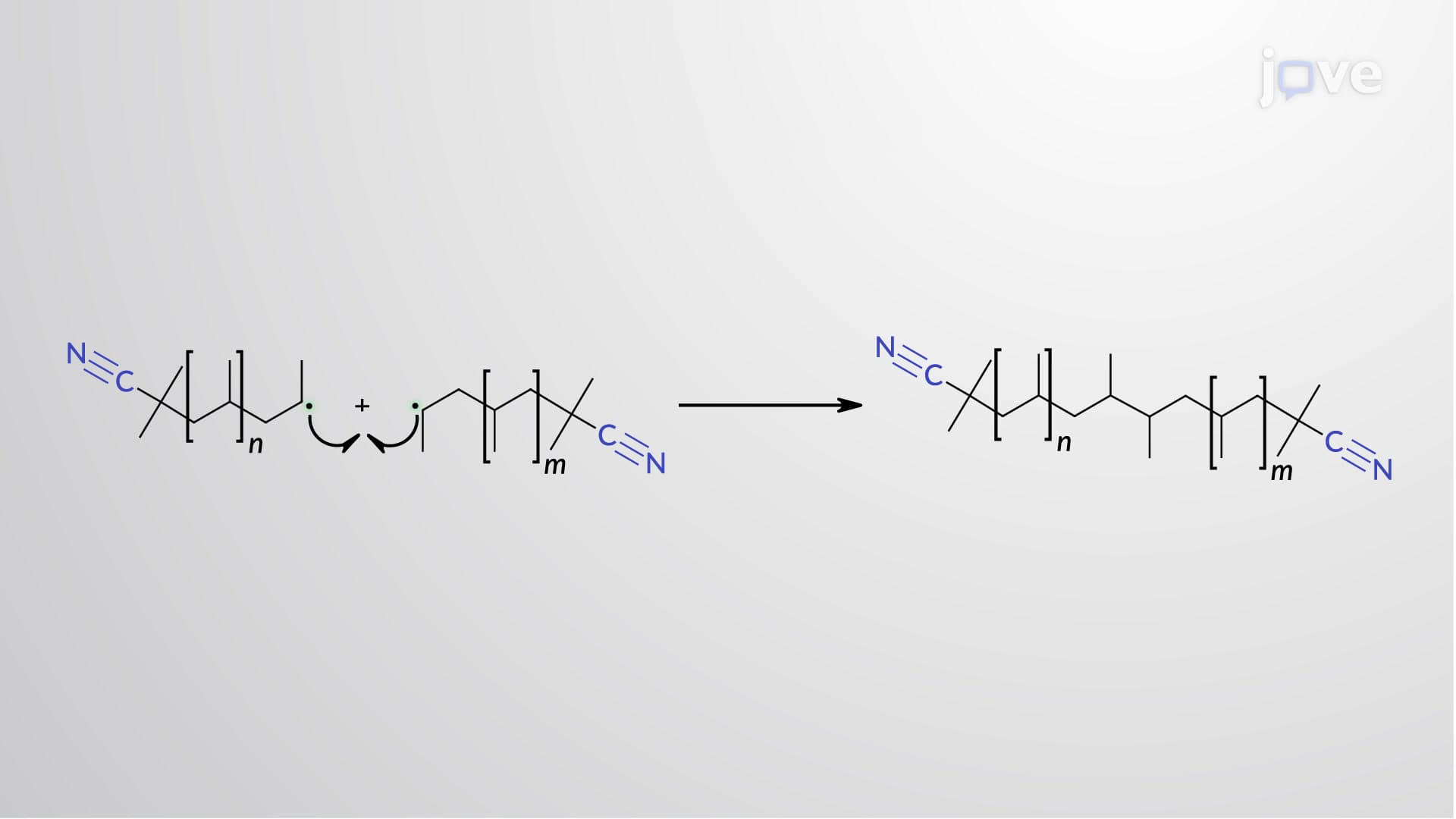
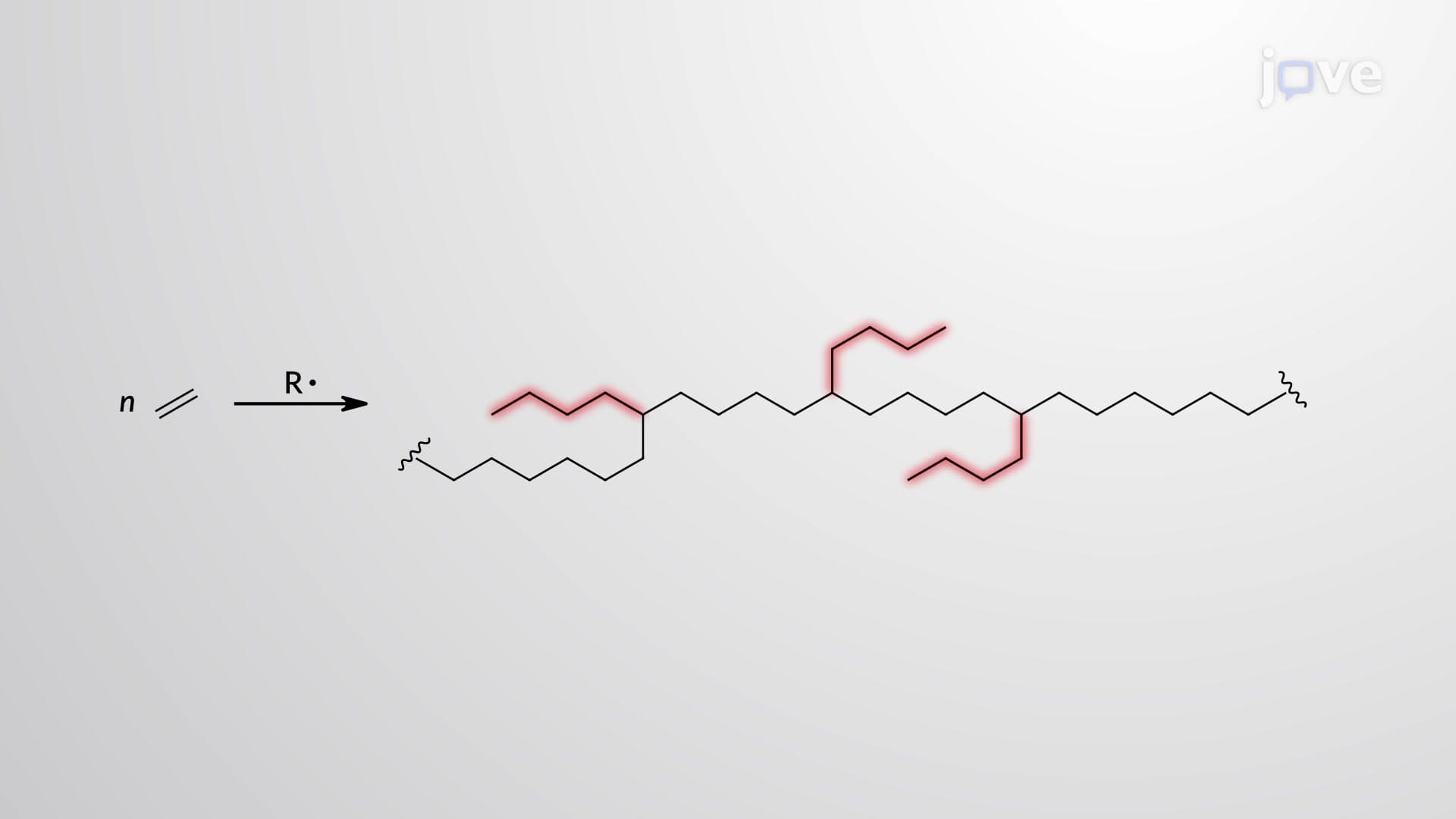
Several molecular features dramatically influence a polymer's ability to crystallize. Linear polymer chains, such as those found in high-density polyethylene (HDPE) used in milk jugs across US supermarkets, can pack efficiently and achieve higher crystallinity. Conversely, branched polymers like low-density polyethylene (LDPE) used in plastic bags contain side chains that disrupt orderly packing, resulting in more amorphous character.
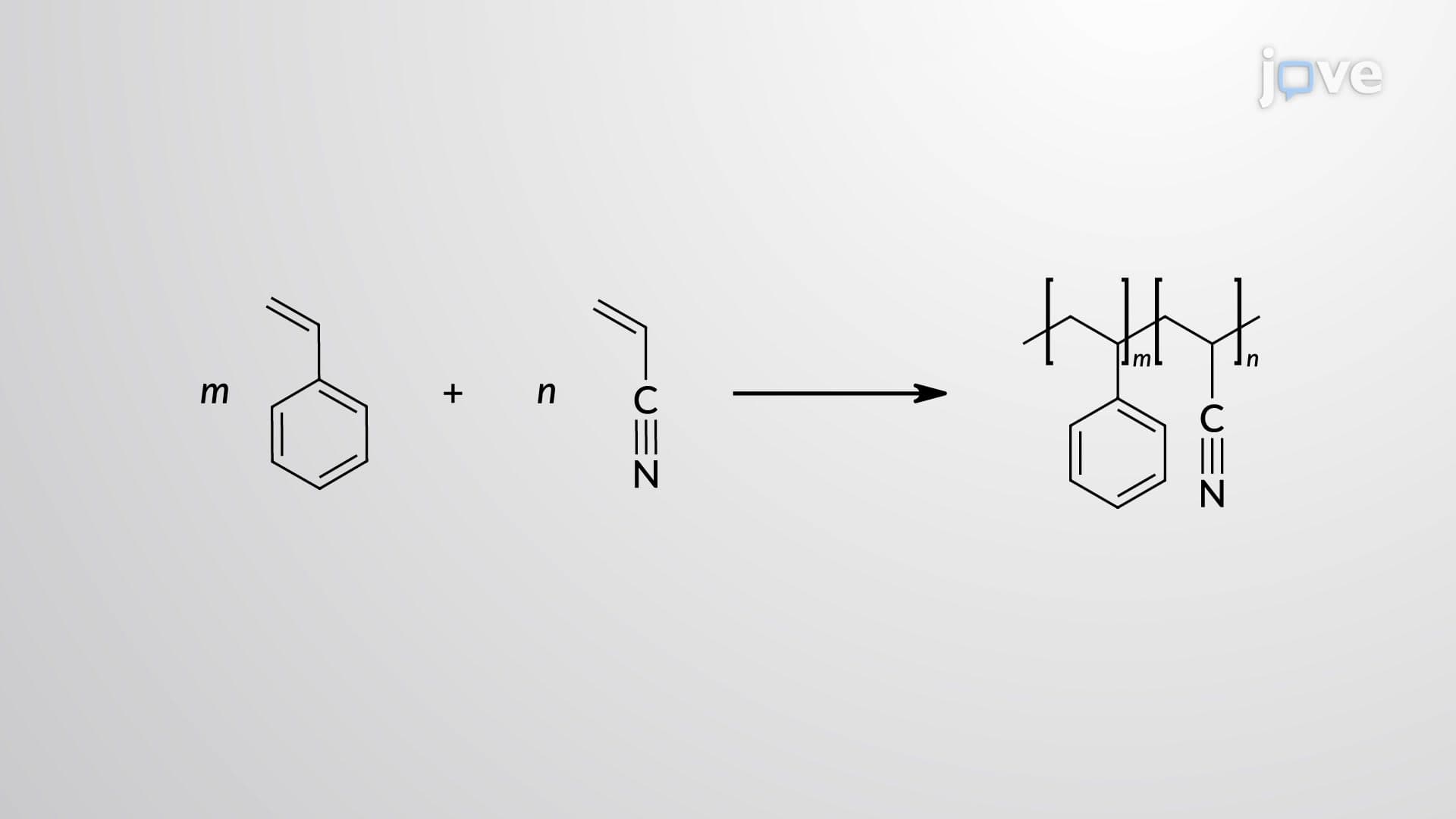
Large substituent groups create similar disruption effects. Polystyrene, commonly used in disposable coffee cups throughout American cafés, contains bulky phenyl groups that prevent efficient chain packing, making it predominantly amorphous. This molecular understanding proves essential for AP Chemistry students and college undergraduates studying polymer science, as it directly connects molecular structure to macroscopic properties.
The polymer classification crystallinity study guide must emphasize thermal transitions, as these determine processing conditions and end-use applications. Crystalline polymers exhibit sharp melting points where ordered domains simultaneously transition to fluid states. This behavior enables precise processing temperatures for injection molding of crystalline plastics like polyethylene terephthalate (PET) bottles.
Amorphous polymers display gradual softening over temperature ranges rather than sharp transitions. Their glass transition temperatures mark the point where polymer chains gain sufficient thermal energy for segmental motion, transforming brittle materials into flexible ones. Understanding these transitions proves crucial for MCAT preparation and materials engineering coursework.
Modern polymer engineering leverages crystallinity control to tailor material properties for specific applications. Automotive manufacturers balance crystallinity in polypropylene components to achieve optimal impact resistance for bumpers while maintaining moldability. Medical device companies carefully control crystallinity in biocompatible polymers to ensure proper mechanical properties and degradation rates for FDA-approved implants.
Related Micro-courses