Loading video…


 20 Concepts
 58.7K views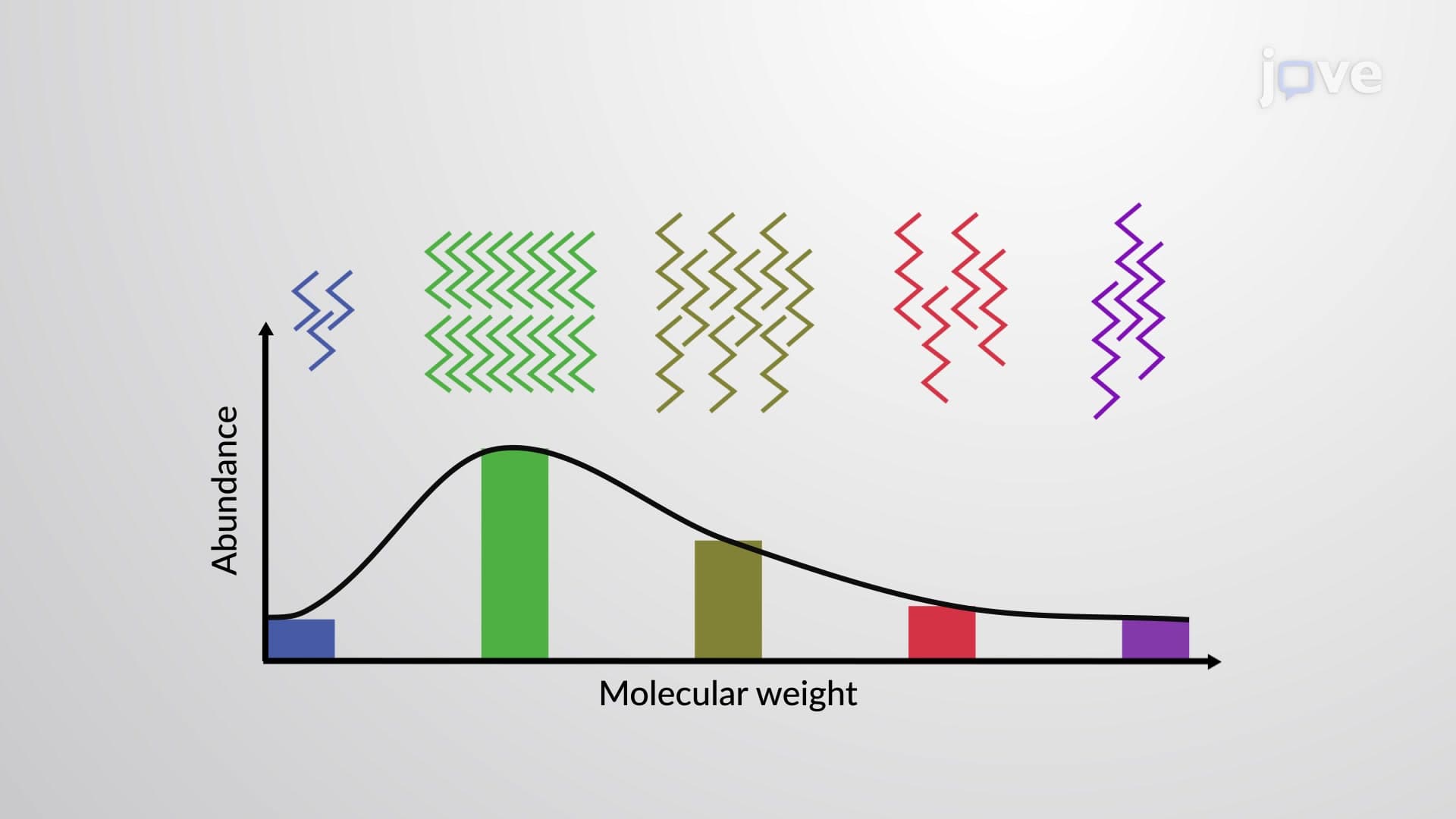

Video Summary: What Is Polymers Molecular Weight Distribution
Ever wondered why plastic bags from different manufacturers feel different despite being made from the same material? The answer lies in polymers molecular weight distribution, the variation in chain lengths within polymer samples. Consider polyethylene used in grocery bags versus heavy-duty trash bags: identical chemical composition, but dramatically different molecular weight distributions create vastly different material properties. This fundamental concept explains why synthetic polymers never achieve perfect uniformity and how scientists measure this variation using the polydispersity index. Watch the full video on JoVE Coach to master this concept with expert-led visuals and step-by-step explanations.
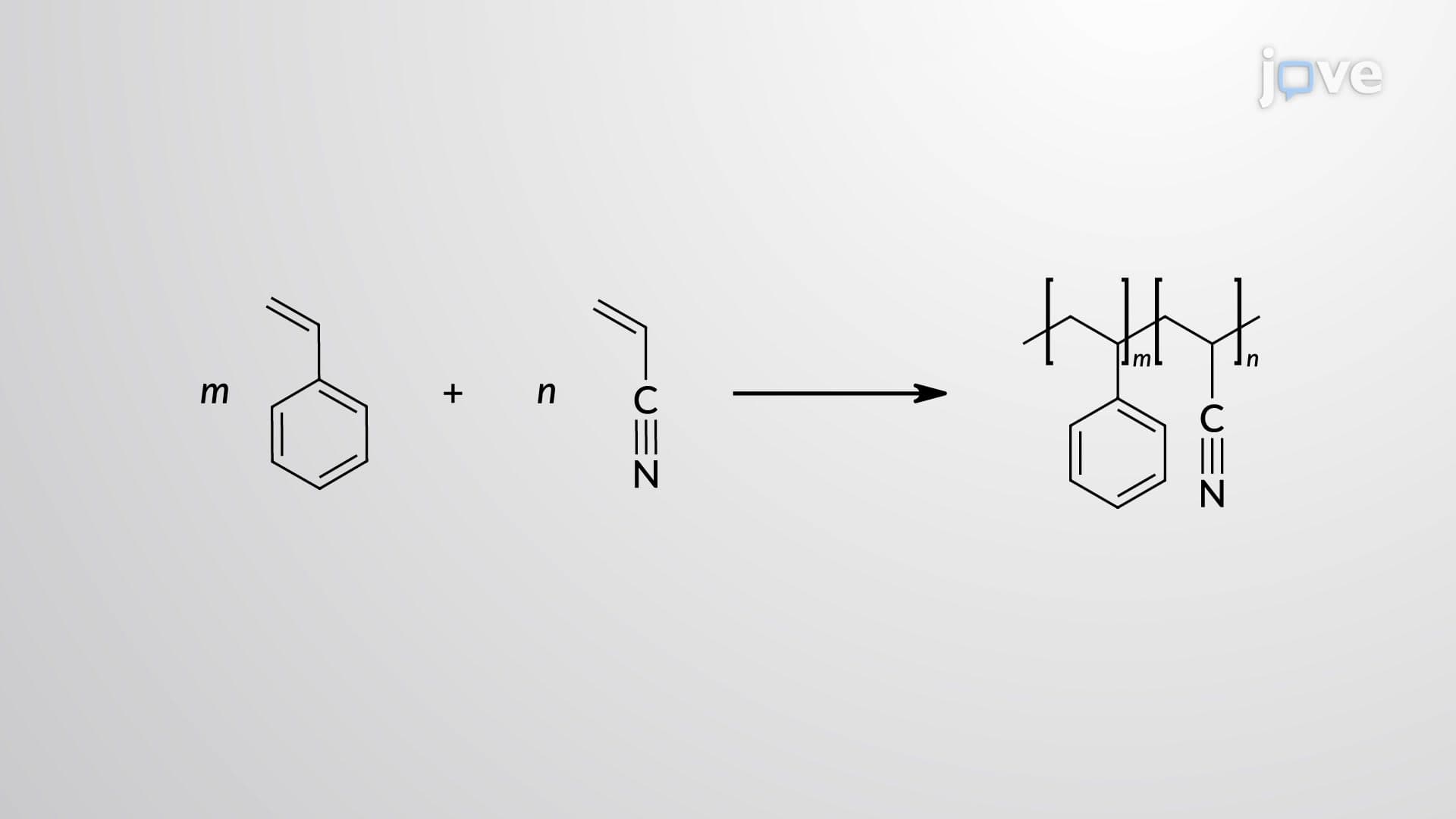
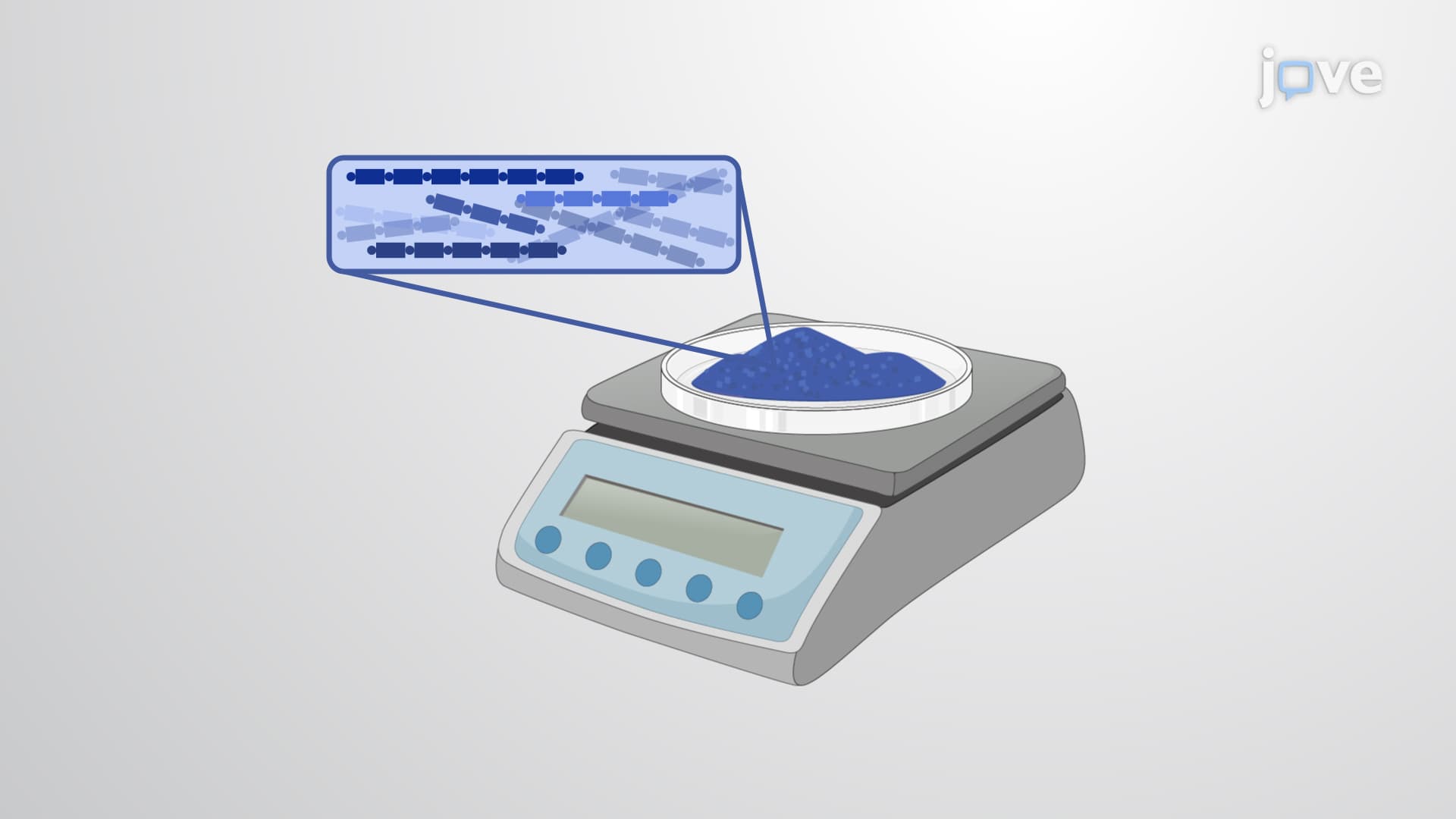
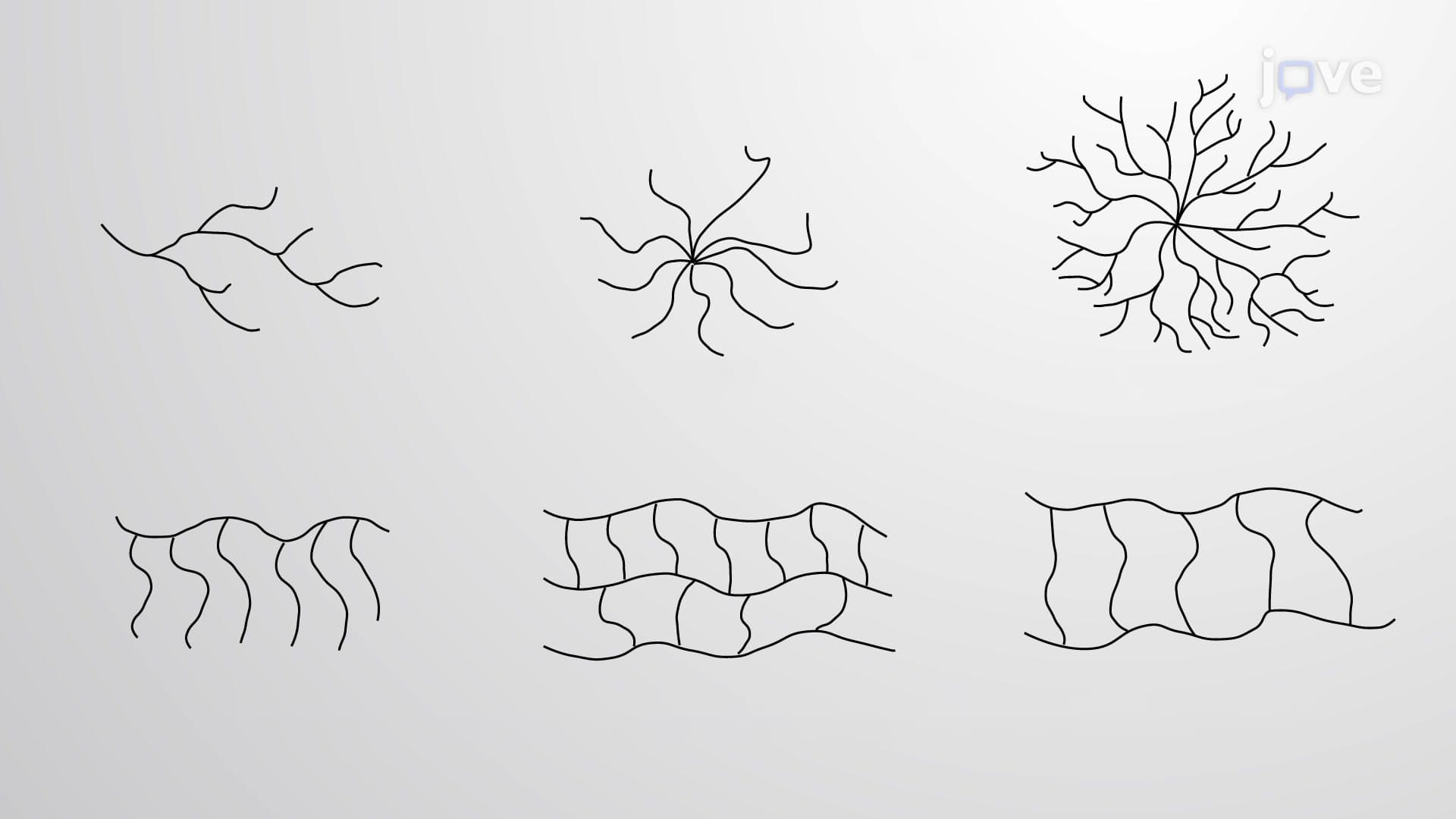
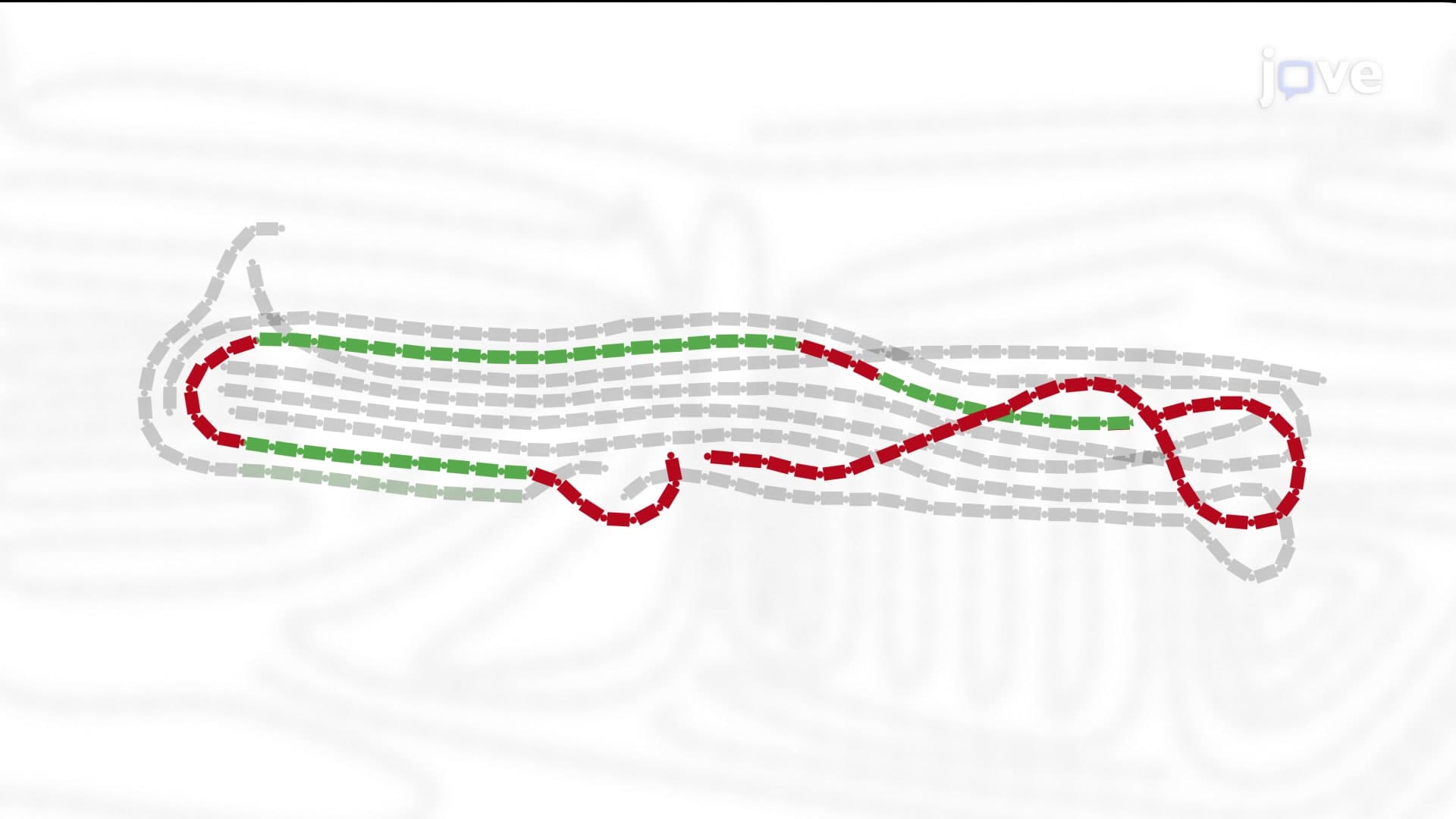
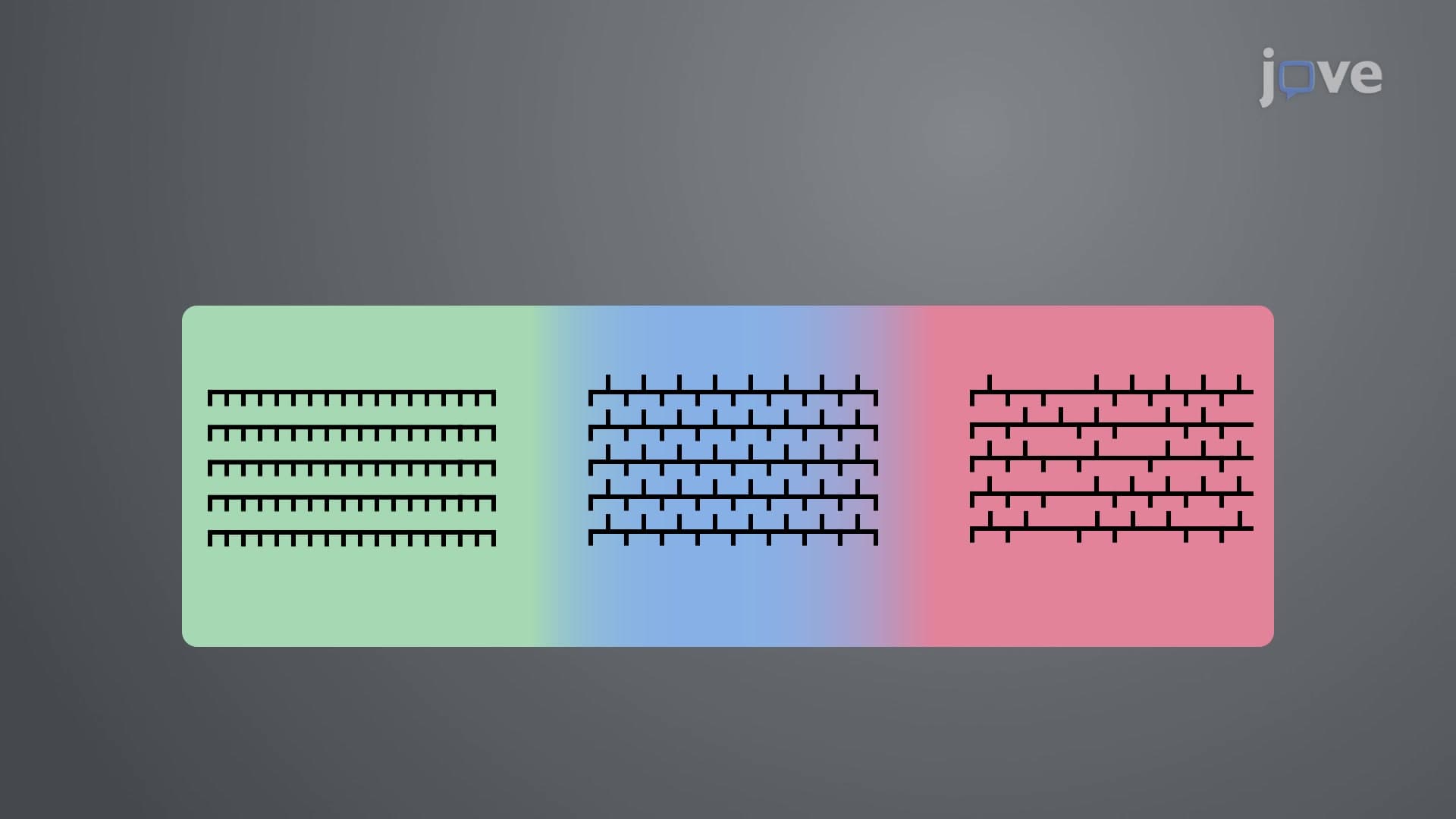
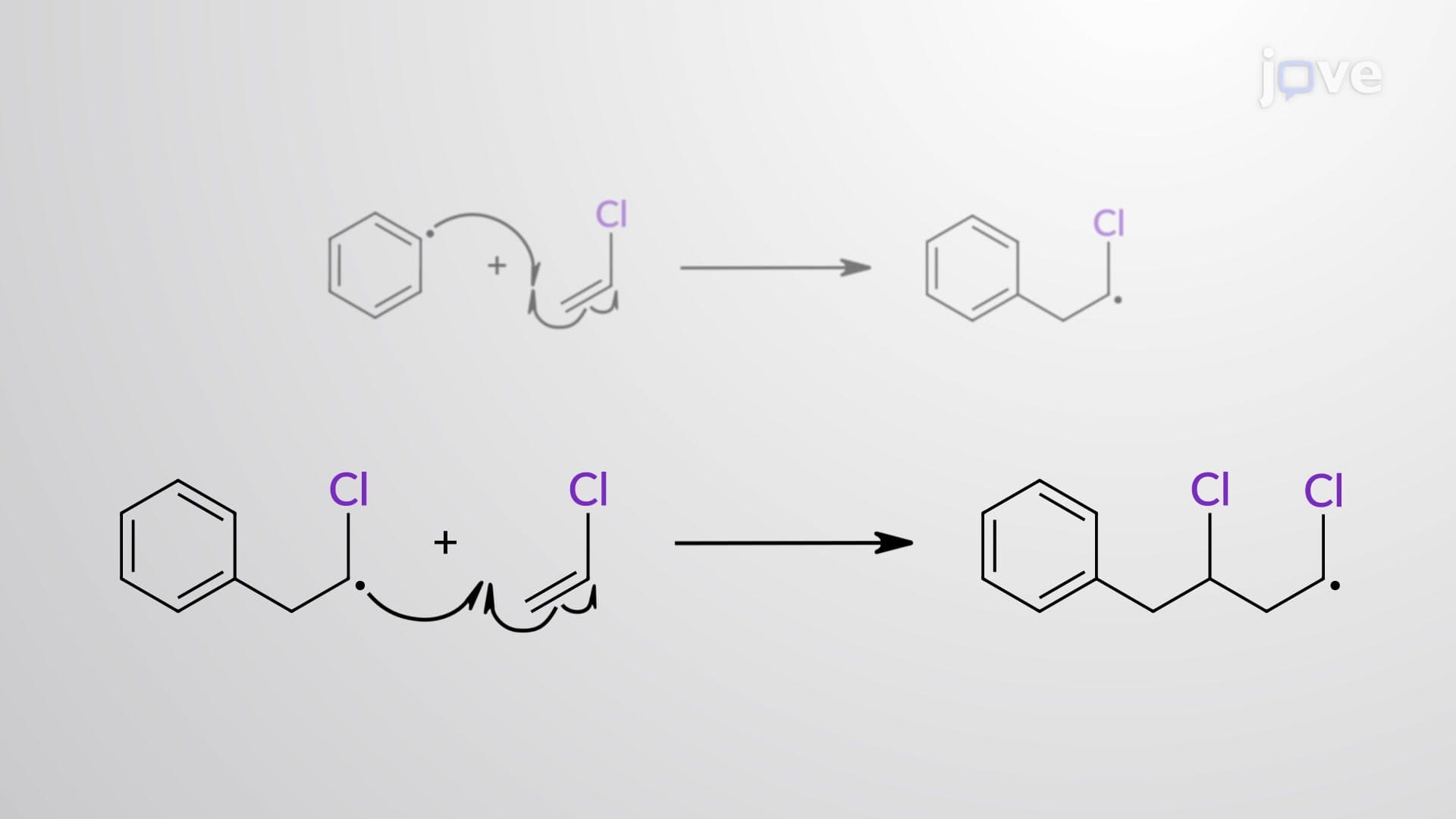
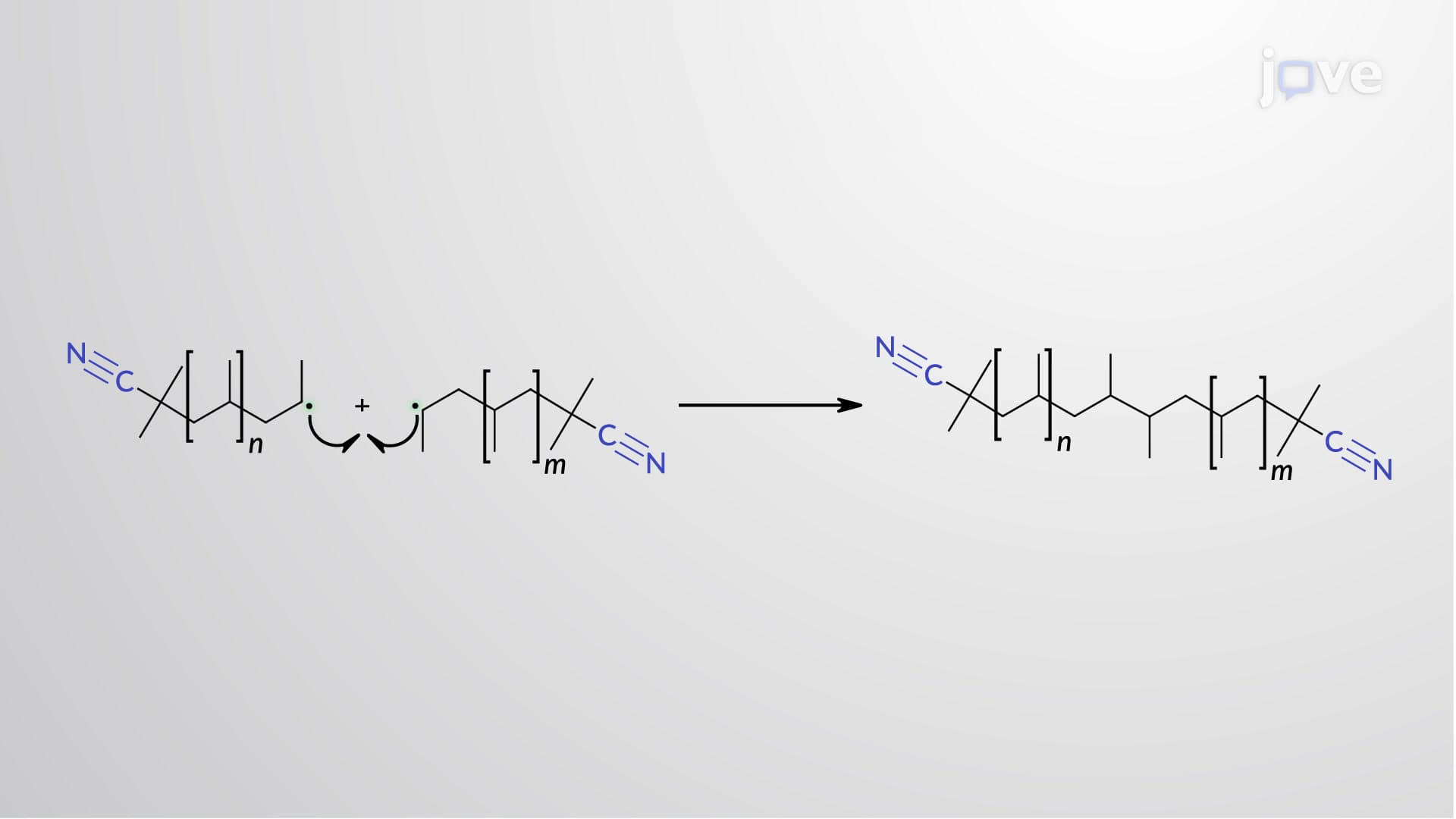
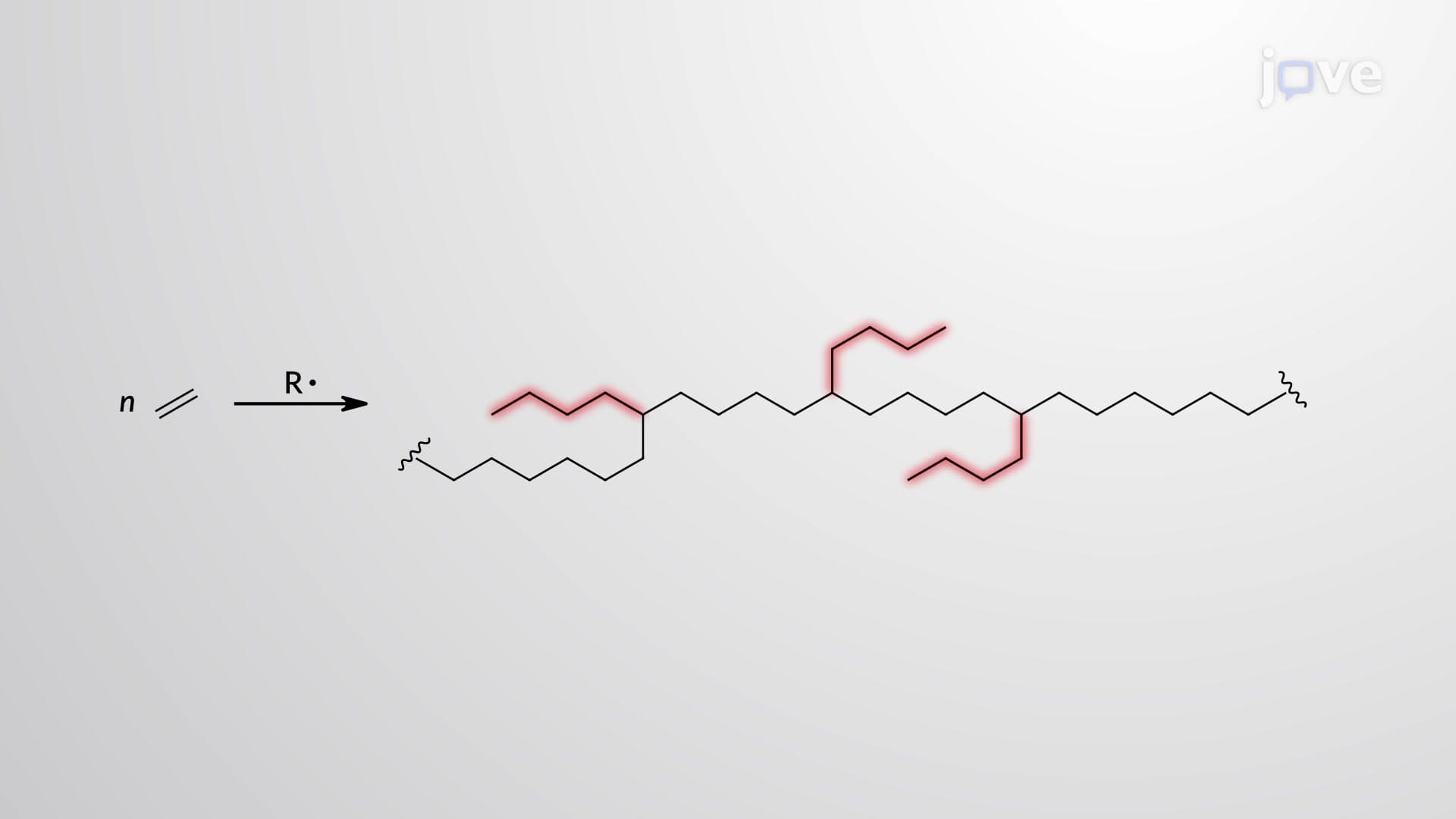
Polymers molecular weight distribution represents one of the most critical characteristics distinguishing synthetic polymers from small molecules. Unlike water molecules, which all have identical molecular weights of 18 g/mol, polymer chains within a single sample exhibit tremendous variation in length and mass. This variation occurs because polymerization reactions are statistical processes where chain growth, termination, and branching occur randomly.
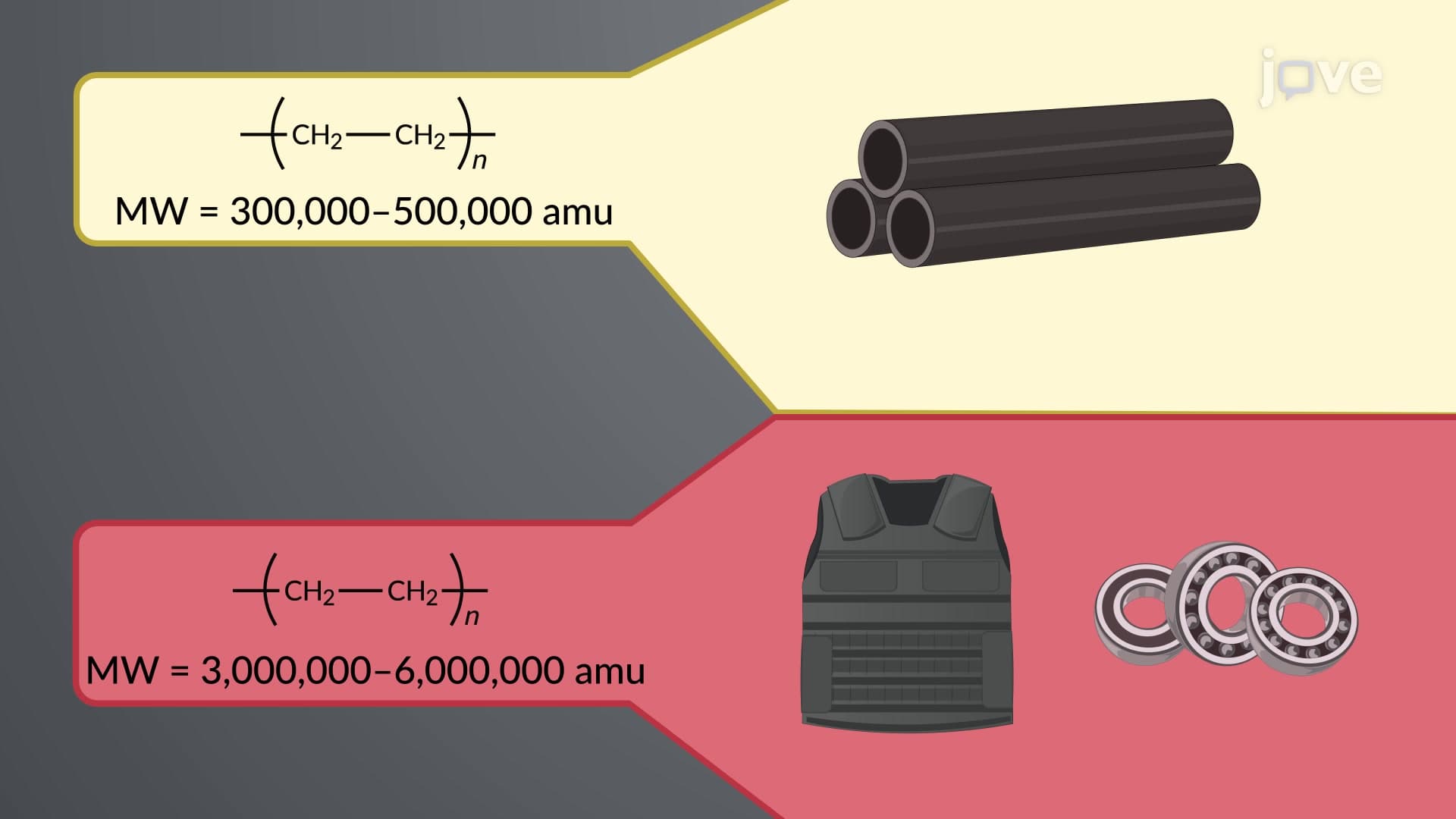
The distribution directly impacts material properties that consumers experience daily. High-density polyethylene (HDPE) milk jugs require narrow molecular weight distributions for optimal strength and clarity, while low-density polyethylene (LDPE) plastic wrap benefits from broader distributions that enhance flexibility and cling properties.
Scientists measure molecular weight distribution using the polydispersity index (PDI), calculated as the ratio of weight average molecular weight (Mw) to number average molecular weight (Mn): PDI = Mw/Mn. This dimensionless parameter provides immediate insight into polymer uniformity.
A PDI of 1.0 represents perfect monodispersity, theoretically possible but practically unachievable in synthetic polymers. Living polymerization techniques, such as those used by companies like Dow Chemical for specialty applications, can achieve PDI values as low as 1.05-1.10. Conventional free radical polymerization typically yields PDI values between 1.5-2.5, while step-growth polymerization often produces broader distributions with PDI values of 2.0 or higher.
Understanding molecular weight distribution proves essential for predicting polymer behavior. Narrow distributions (low PDI) typically produce materials with consistent processing characteristics and predictable mechanical properties. Broad distributions (high PDI) often enhance melt processability due to the presence of both low molecular weight chains (which flow easily) and high molecular weight chains (which provide strength).
Consider automotive applications: polypropylene used in car bumpers requires carefully controlled molecular weight distributions to balance impact resistance with injection molding processability. Companies like ExxonMobil Chemical optimize these distributions for specific automotive specifications.
This concept frequently appears on Advanced Placement (AP) Chemistry exams, particularly in polymer chemistry sections. College-level organic chemistry and materials science courses extensively cover molecular weight distribution as it relates to synthetic polymer properties. MCAT test-takers encounter these concepts when studying biological macromolecules and synthetic materials in biological systems.
Understanding PDI calculations and interpretation prepares students for advanced coursework in chemical engineering, materials science, and polymer chemistry programs at institutions like MIT, Georgia Tech, and University of Akron, renowned for their polymer research programs.
Related Micro-courses