Loading concepts…


15 Concepts
12 Concepts
14 Concepts
12 Concepts
7 Concepts
20 Concepts
7 Concepts
15 Concepts
12 Concepts
12 Concepts
15 Concepts
25 Concepts
17 Concepts
28 Concepts
40 Concepts
27 Concepts
12 Concepts
25 Concepts
29 Concepts
27 Concepts
20 Concepts
 14 Concepts
 235K Views
 Popular topics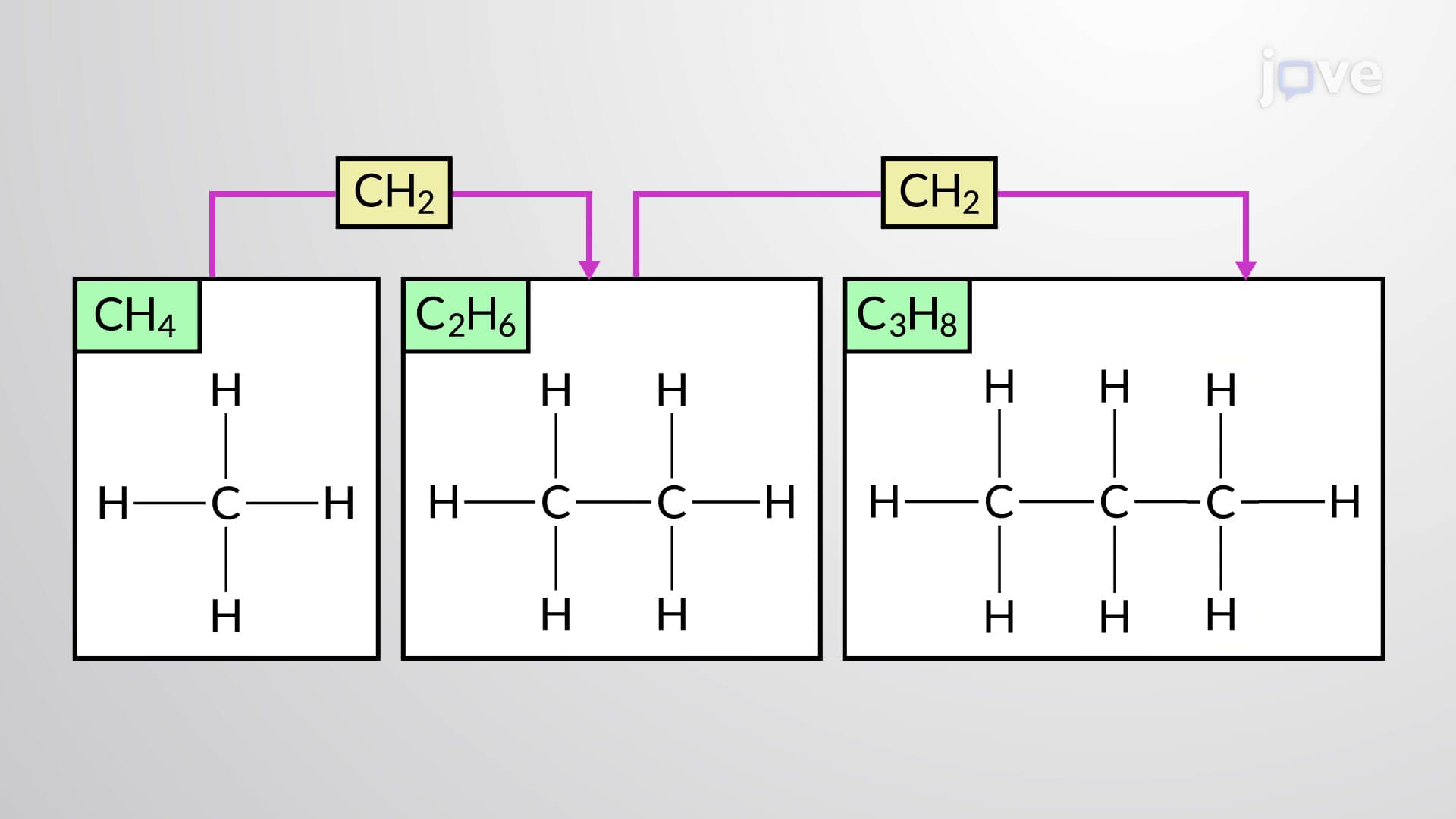





Alkanes are saturated hydrocarbons forming the foundation of organic chemistry, featuring single carbon-carbon bonds in both straight-chain and cyclic structures. This comprehensive course explores molecular structure, IUPAC nomenclature, conformational analysis, and physical properties essential for understanding petroleum chemistry, pharmaceutical design, and environmental science applications across the United States through JoVE Coach.
1. Alkane Structure and Bonding Fundamentals Alkanes represent the simplest hydrocarbon family with the molecular formula CₙH₂ₙ₊₂, featuring sp³ hybridized carbon atoms forming tetrahedral geometries. Each carbon atom maintains 109.5° bond angles through sigma bond formation with neighboring carbons and hydrogens. Understanding these structural principles explains why methane serves as natural gas fuel across American households, while longer alkanes like octane power automotive engines. The progression from methane to propane demonstrates how additional CH₂ groups systematically build molecular complexity, forming the basis for petroleum refining processes used throughout US energy infrastructure.
2. Constitutional Isomerism and Structural Diversity Constitutional isomers share identical molecular formulas but differ in atomic connectivity, creating compounds with distinct physical and chemical properties. Butane exemplifies this concept with two isomers: n-butane (straight-chain) and isobutane (branched), demonstrating how structural arrangement affects boiling points and commercial applications. Pentane extends this pattern with three isomers, while higher alkanes generate numerous possibilities. This principle underlies gasoline formulation at US refineries, where different isomers provide varying octane ratings. Primary, secondary, tertiary, and quaternary carbon classifications help predict reactivity patterns essential for pharmaceutical synthesis and industrial chemical processes.
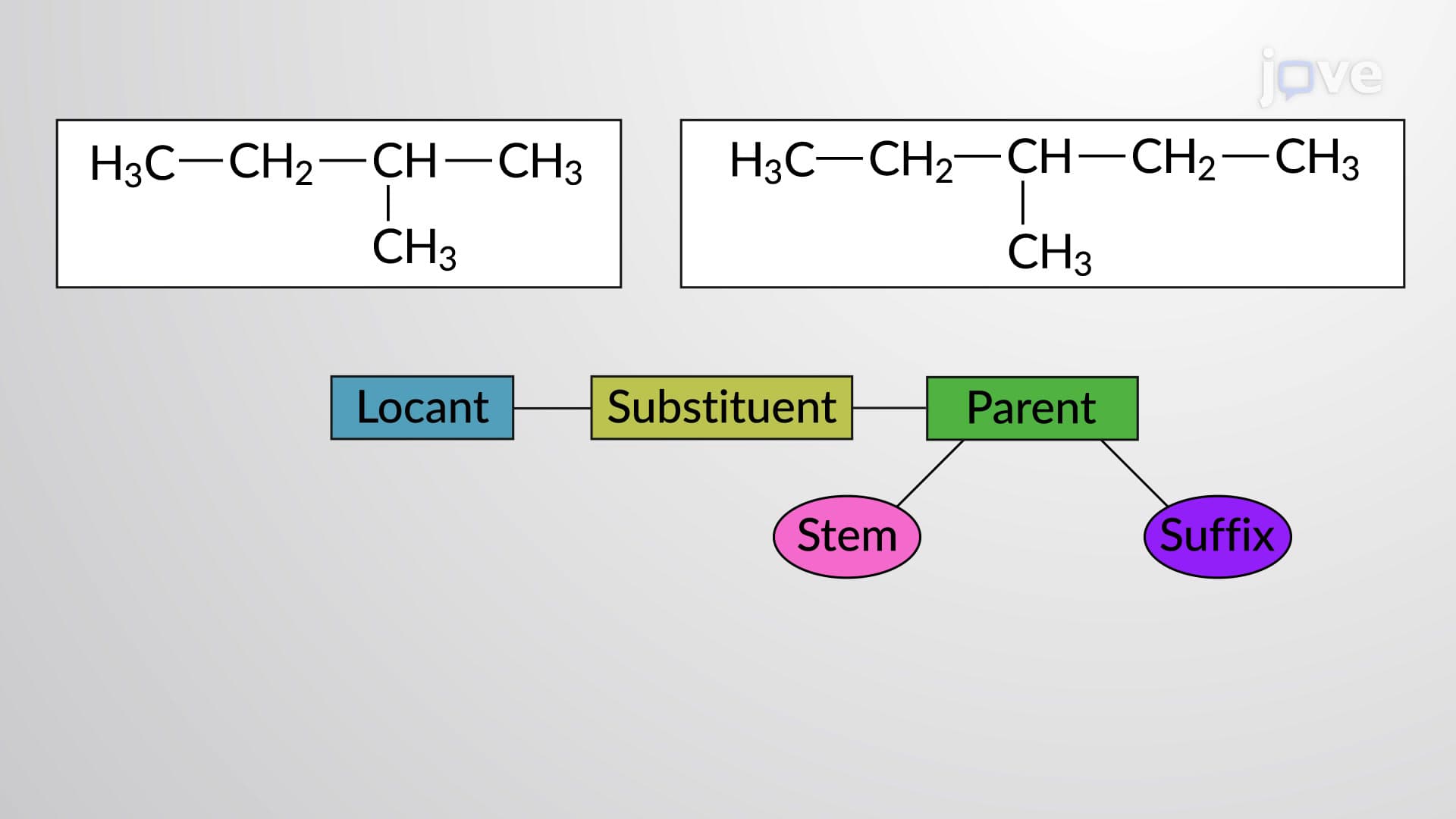
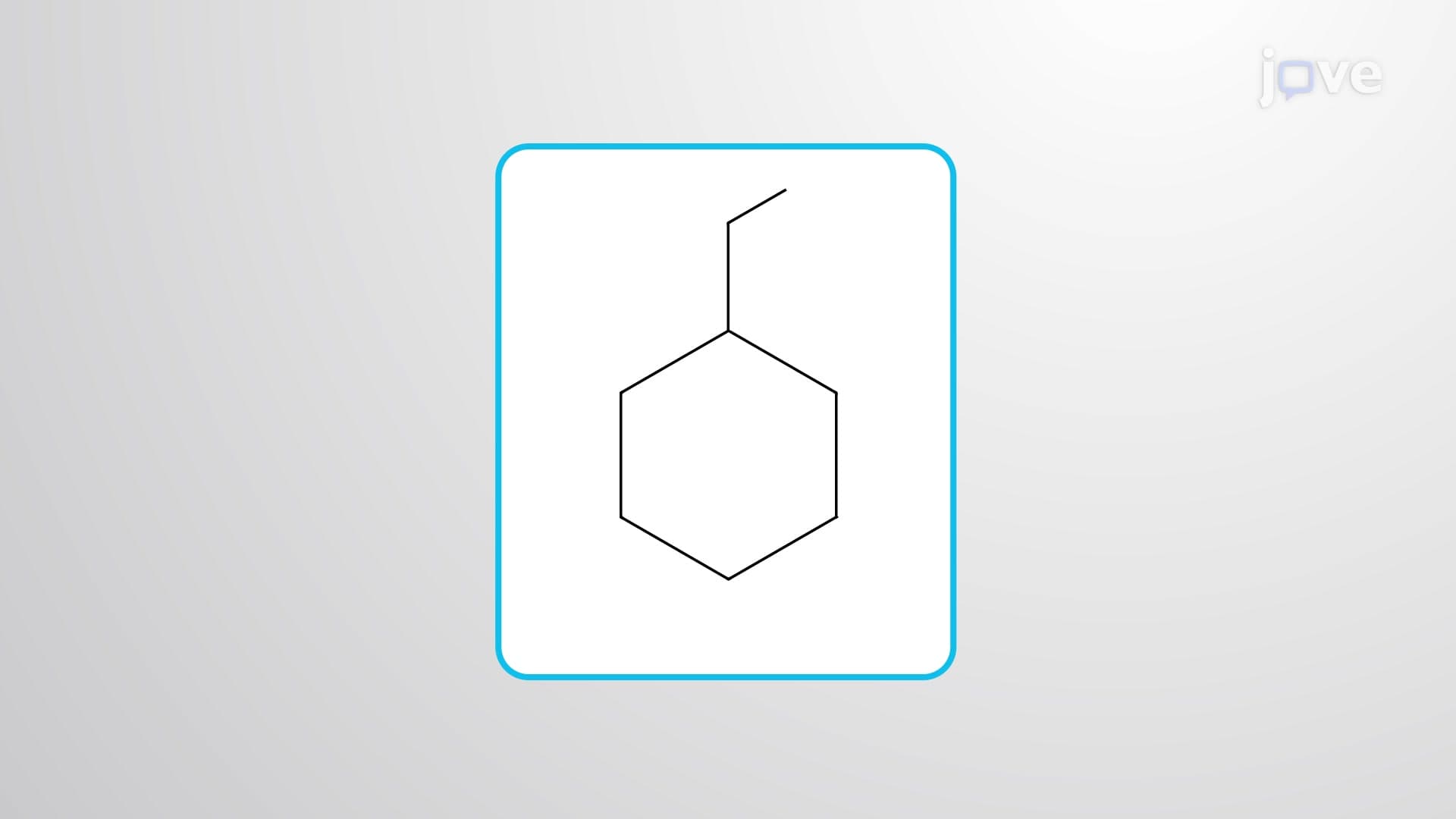
3. IUPAC Nomenclature and Systematic Naming The International Union of Pure and Applied Chemistry established systematic rules ensuring consistent chemical communication worldwide, particularly crucial for US pharmaceutical and chemical industries. Proper naming requires identifying the longest carbon chain as the parent, numbering carbons to give substituents the lowest possible numbers, and listing substituents alphabetically with appropriate locants. Complex molecules like 3-methylheptane or 1-ethyl-3-methylcyclohexane demonstrate these principles in action. Mastering nomenclature enables clear communication in research laboratories, manufacturing facilities, and regulatory documentation required by the FDA and EPA for chemical registration and safety assessment.
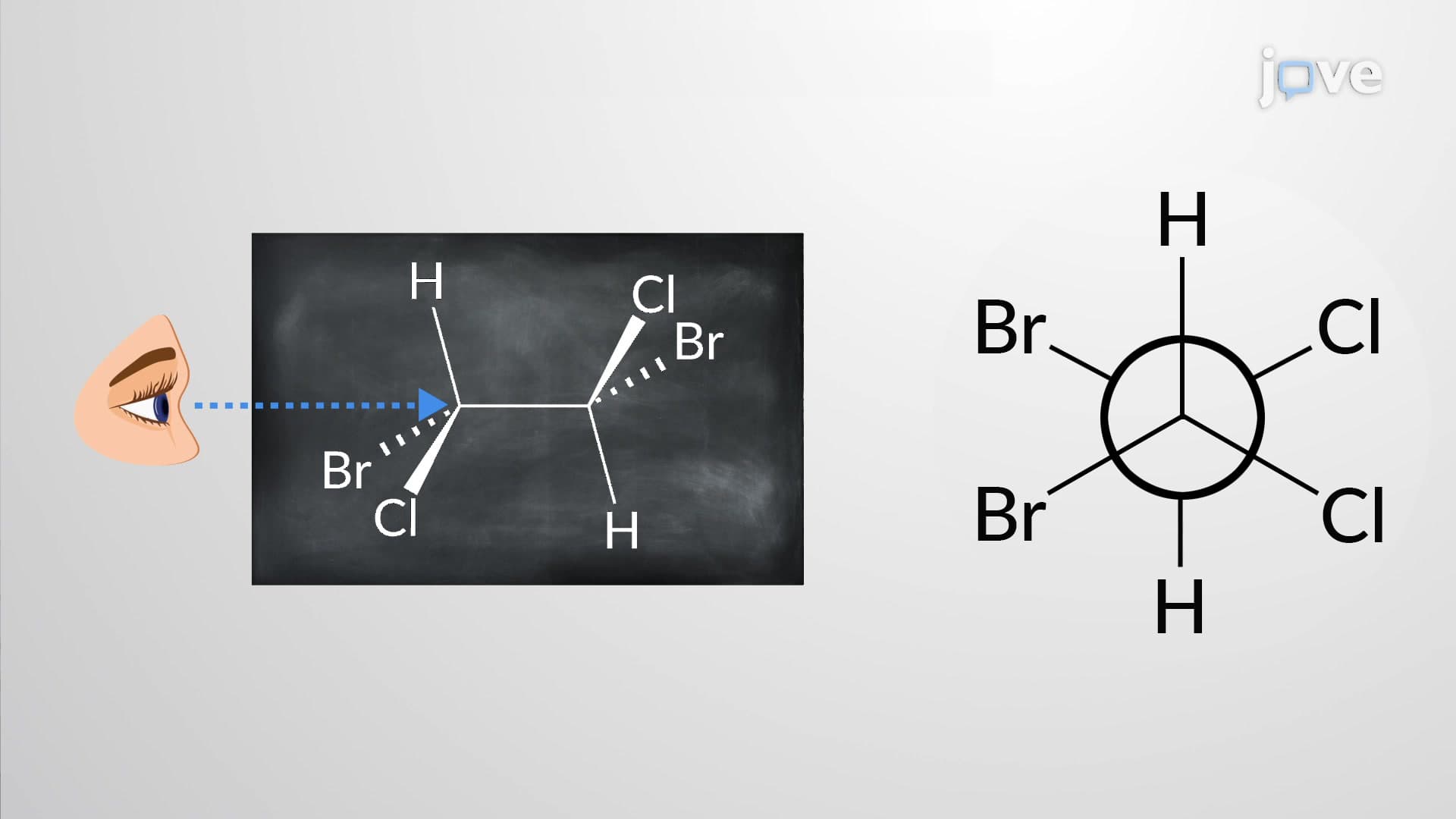
4. Newman Projections and Conformational Analysis Newman projections provide essential tools for visualizing three-dimensional molecular arrangements, particularly important for understanding drug-receptor interactions in pharmaceutical research. These projections reveal how molecules rotate around single bonds, creating different spatial arrangements called conformations. Ethane demonstrates fundamental staggered and eclipsed conformations, with staggered forms being 12 kJ/mol more stable due to minimized electron repulsion. This analysis becomes critical when designing medications, as different conformations may exhibit varying biological activities. American pharmaceutical companies routinely employ conformational analysis to optimize drug efficacy and minimize side effects.
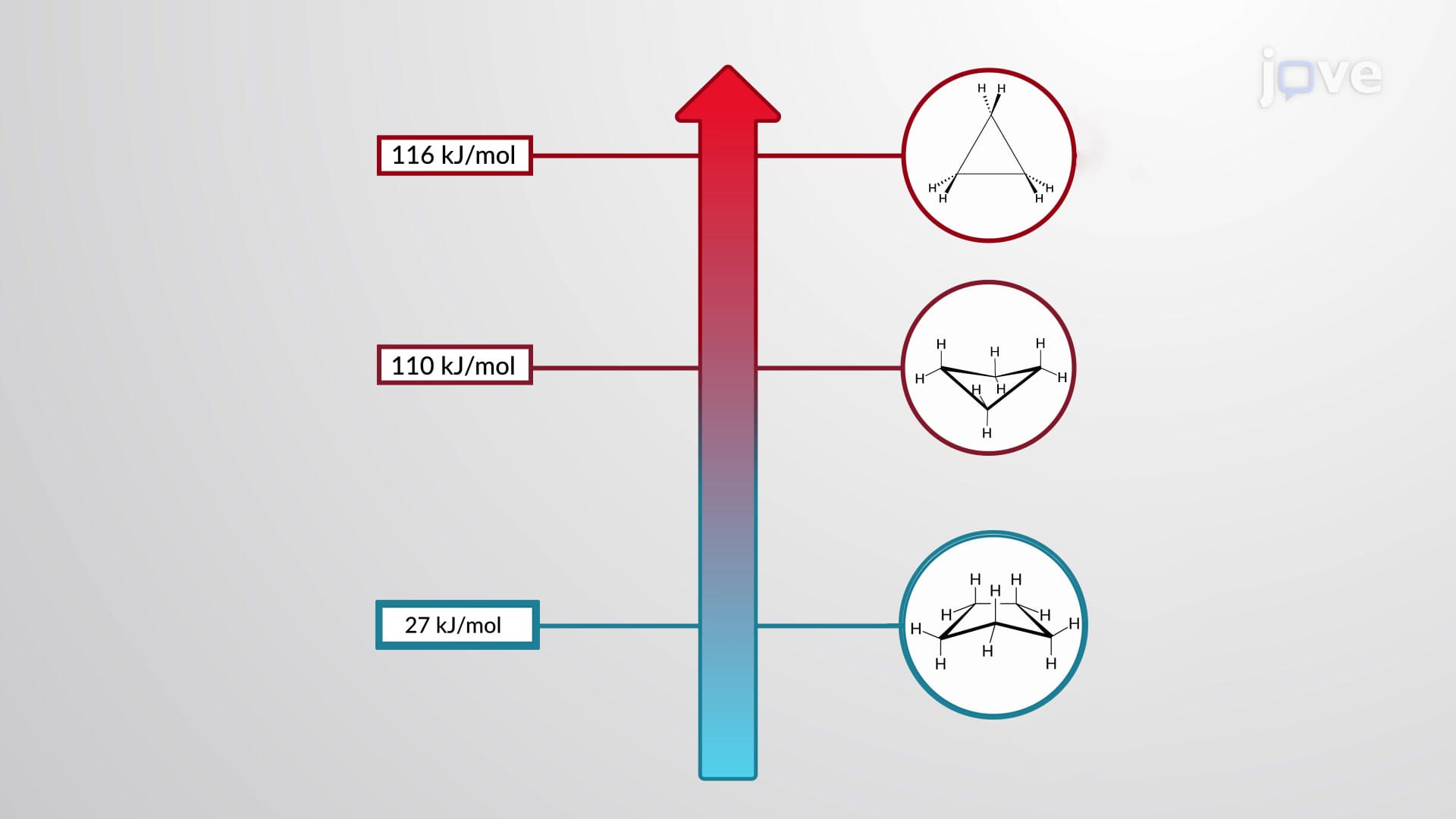
5. Cycloalkane Structure and Ring Strain Effects Cycloalkanes follow the molecular formula CₙH₂ₙ, containing two fewer hydrogens than corresponding straight-chain alkanes due to ring closure. Ring strain results from angle strain (deviation from 109.5° tetrahedral angles) and torsional strain (eclipsing interactions between adjacent bonds). Cyclopropane exhibits severe strain (116 kJ/mol) making it highly reactive, while cyclohexane achieves strain-free conformations through chair and boat arrangements. Understanding these principles guides industrial catalyst design at US petrochemical facilities, where cycloalkane formation must be carefully controlled to prevent unwanted ring strain that could affect product stability and performance.
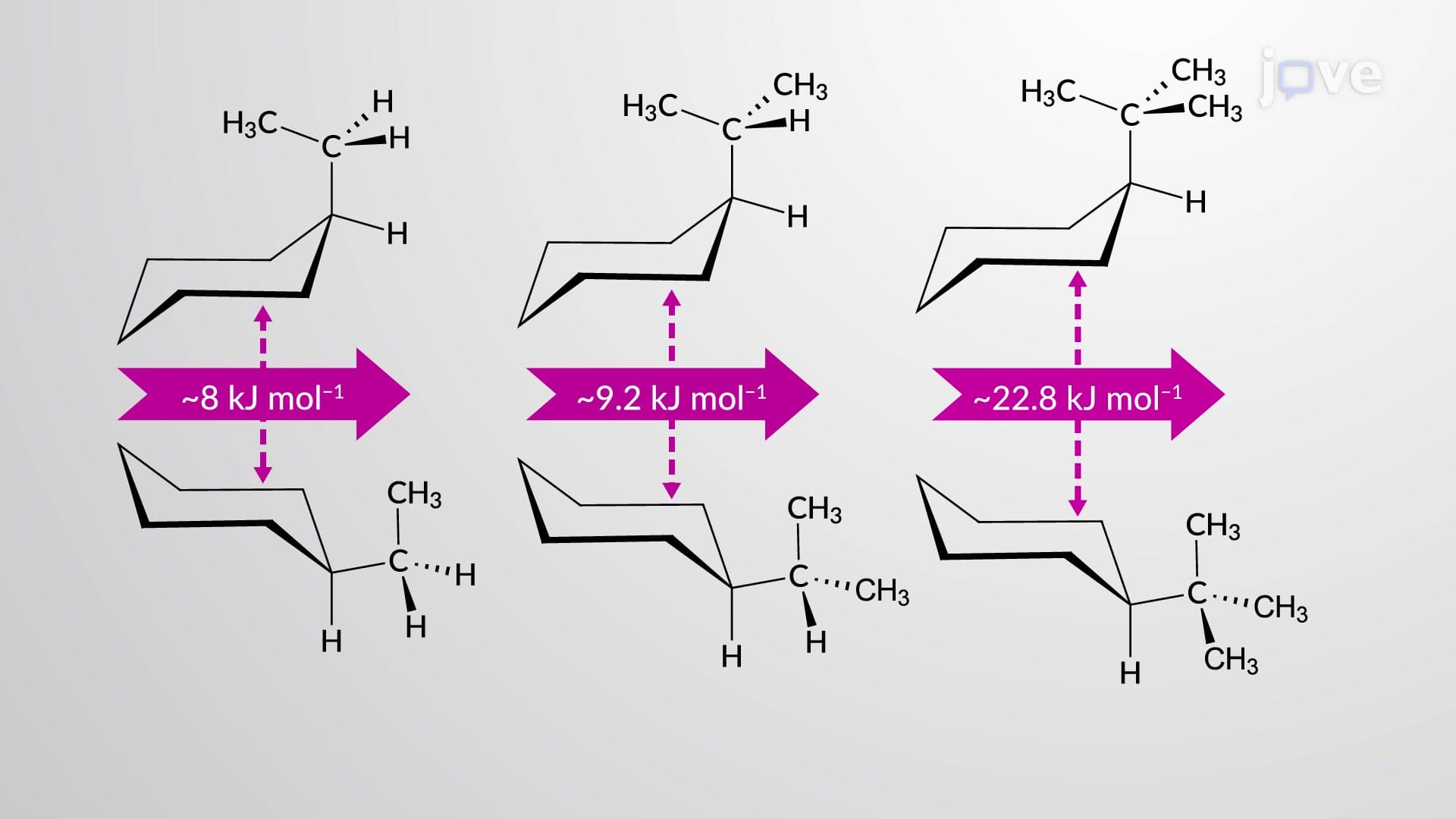
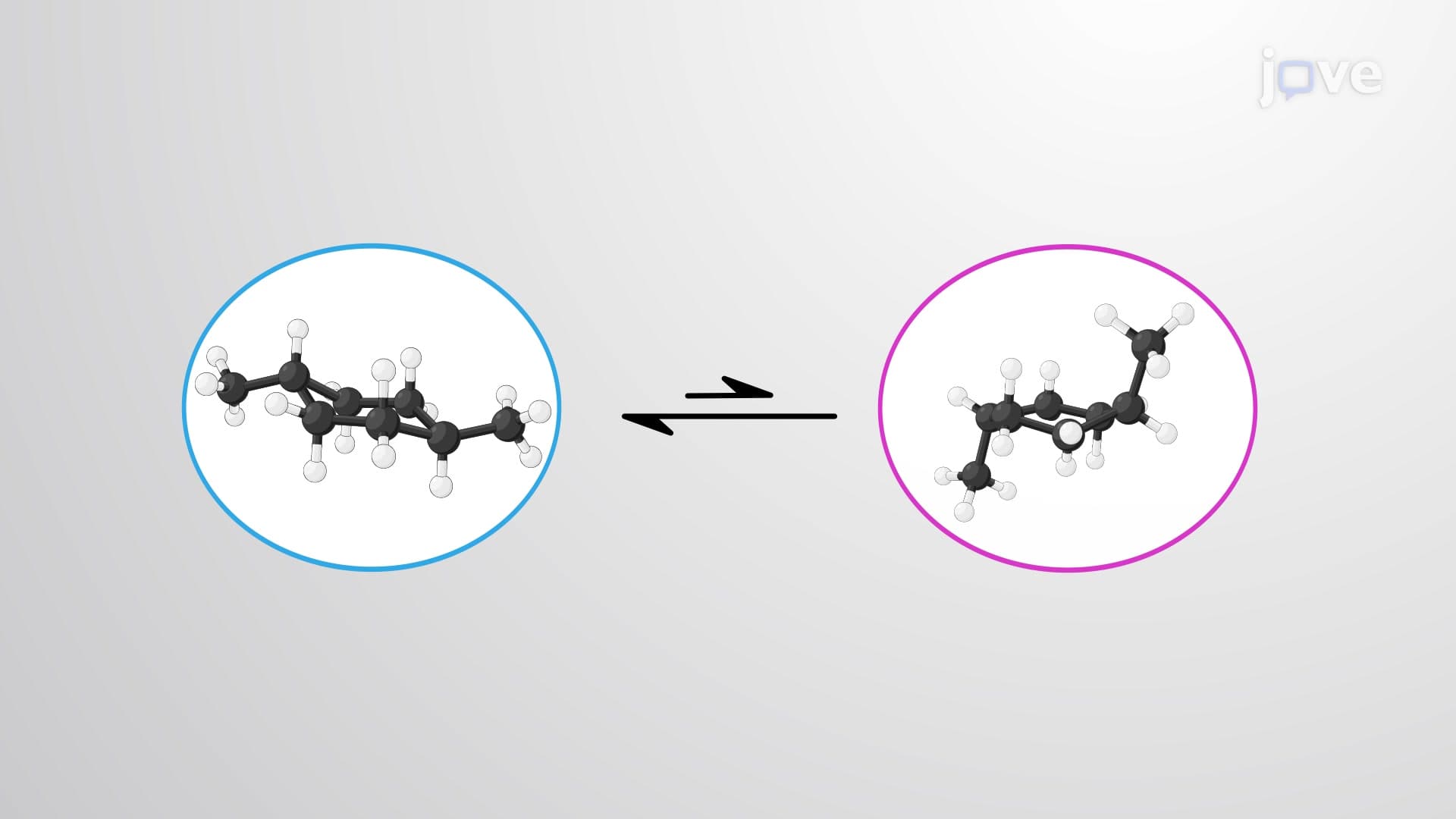
6. Cyclohexane Chair Conformations and Axial-Equatorial Dynamics Cyclohexane adopts chair conformations to minimize both angle and torsional strain, creating the most stable six-membered ring structure. Each carbon provides both axial (vertical) and equatorial (horizontal) positions for substituents, with equatorial positions generally preferred due to reduced steric interactions. Ring flipping interconverts these positions rapidly at room temperature, establishing dynamic equilibria. Methylcyclohexane demonstrates this principle, with the equatorial conformer comprising 95% of the mixture due to unfavorable 1,3-diaxial interactions in the axial form. This knowledge proves essential for pharmaceutical chemists designing cyclohexane-based drugs with optimal bioavailability and reduced side effects.
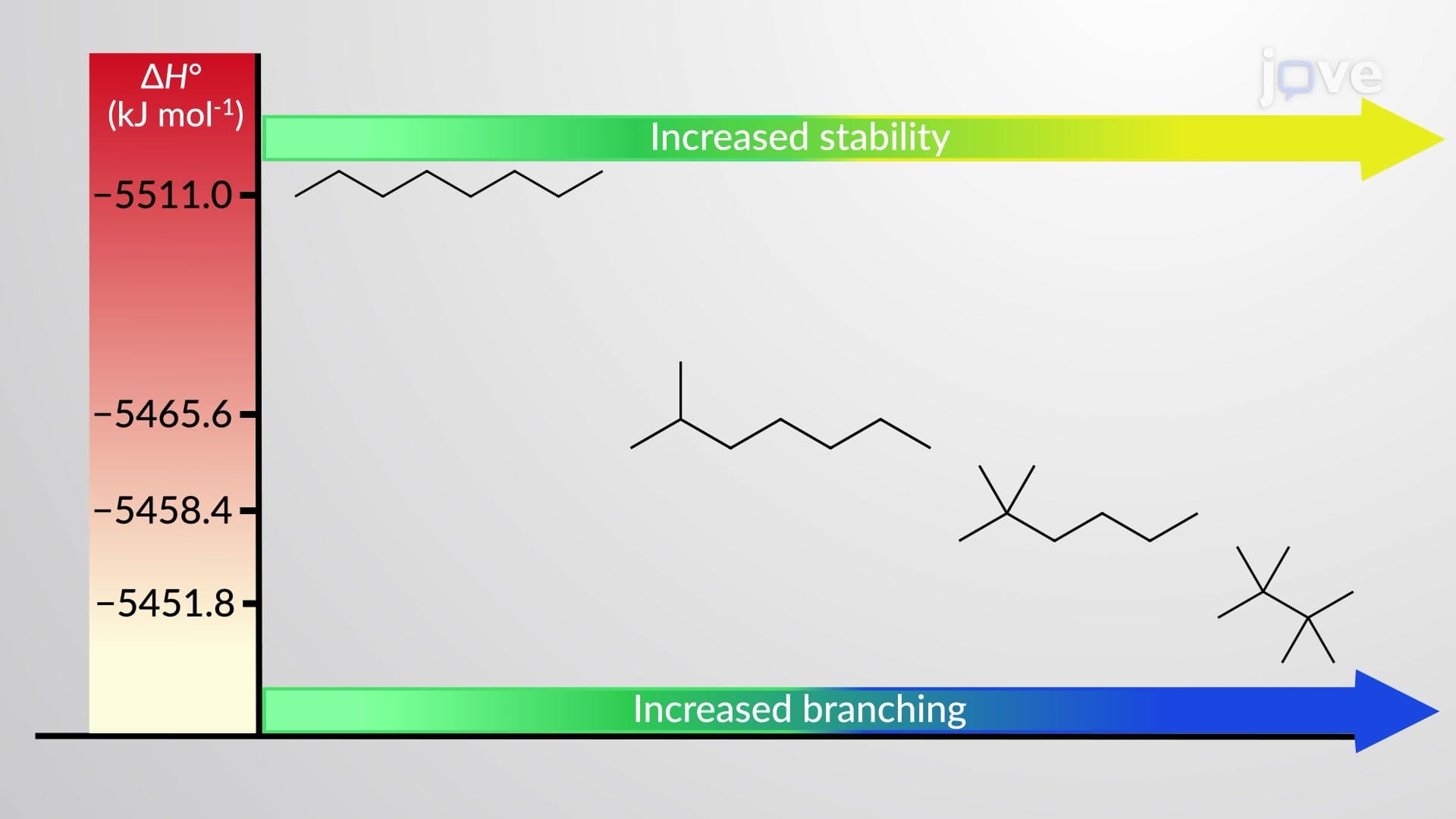
7. Combustion Analysis and Thermodynamic Stability Combustion reactions provide quantitative measures of alkane stability through heat of combustion measurements, fundamental for energy calculations in US power generation and transportation sectors. Straight-chain alkanes release approximately 658.5 kJ/mol per additional CH₂ group, while branched isomers show slightly lower values, indicating increased stability. This relationship explains why highly branched alkanes like isooctane serve as octane rating standards for gasoline quality. Environmental scientists use combustion data to calculate carbon dioxide emissions from fossil fuel consumption, supporting climate change research and regulatory policy development across American environmental agencies.