Loading subject page…


15 Concepts
12 Concepts
14 Concepts
12 Concepts
7 Concepts
20 Concepts
7 Concepts
15 Concepts
12 Concepts
12 Concepts
15 Concepts
25 Concepts
17 Concepts
28 Concepts
40 Concepts
27 Concepts
12 Concepts
25 Concepts
29 Concepts
27 Concepts
20 Concepts
 12 Concepts
 141.8K Views
 Popular topics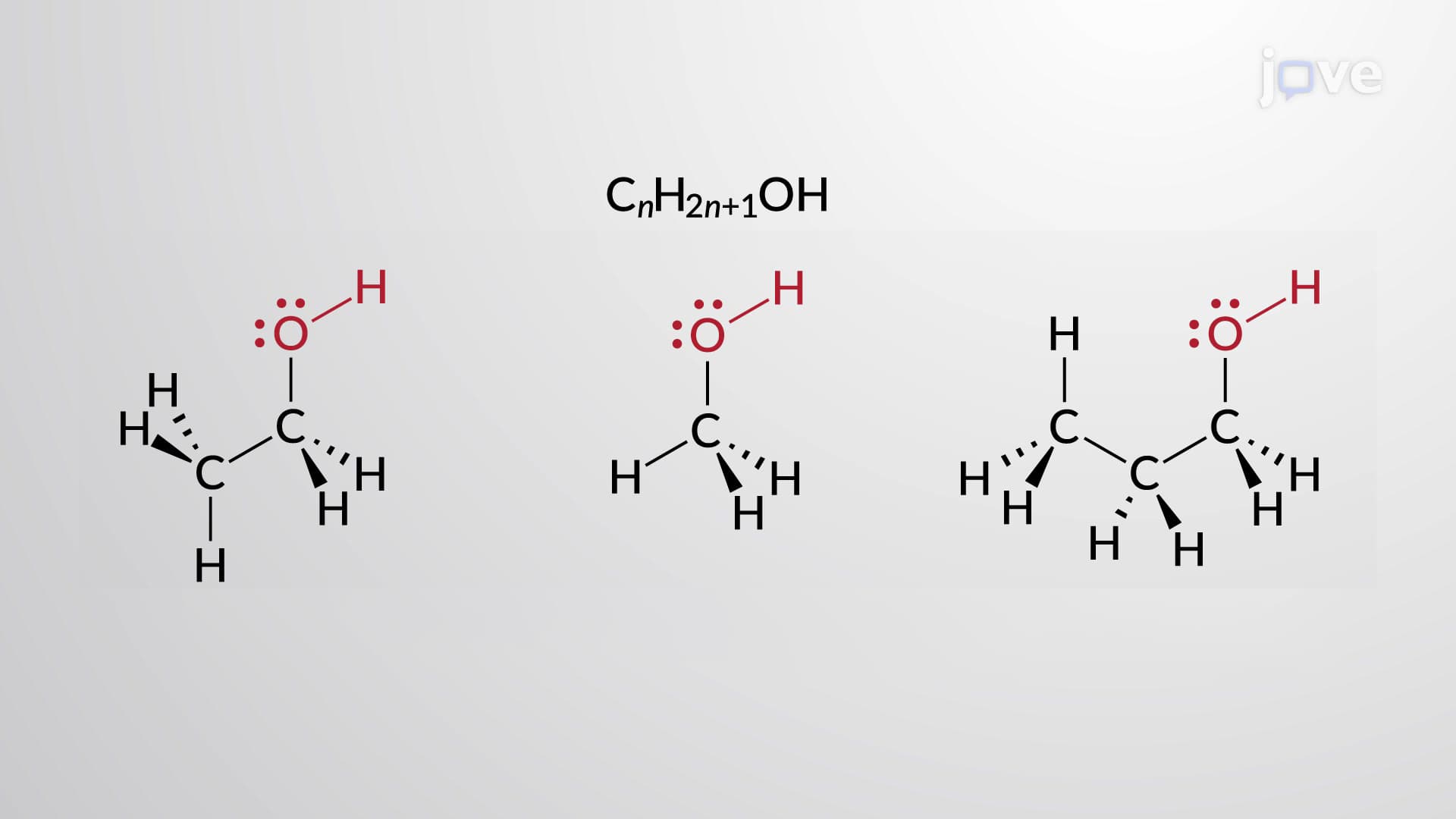
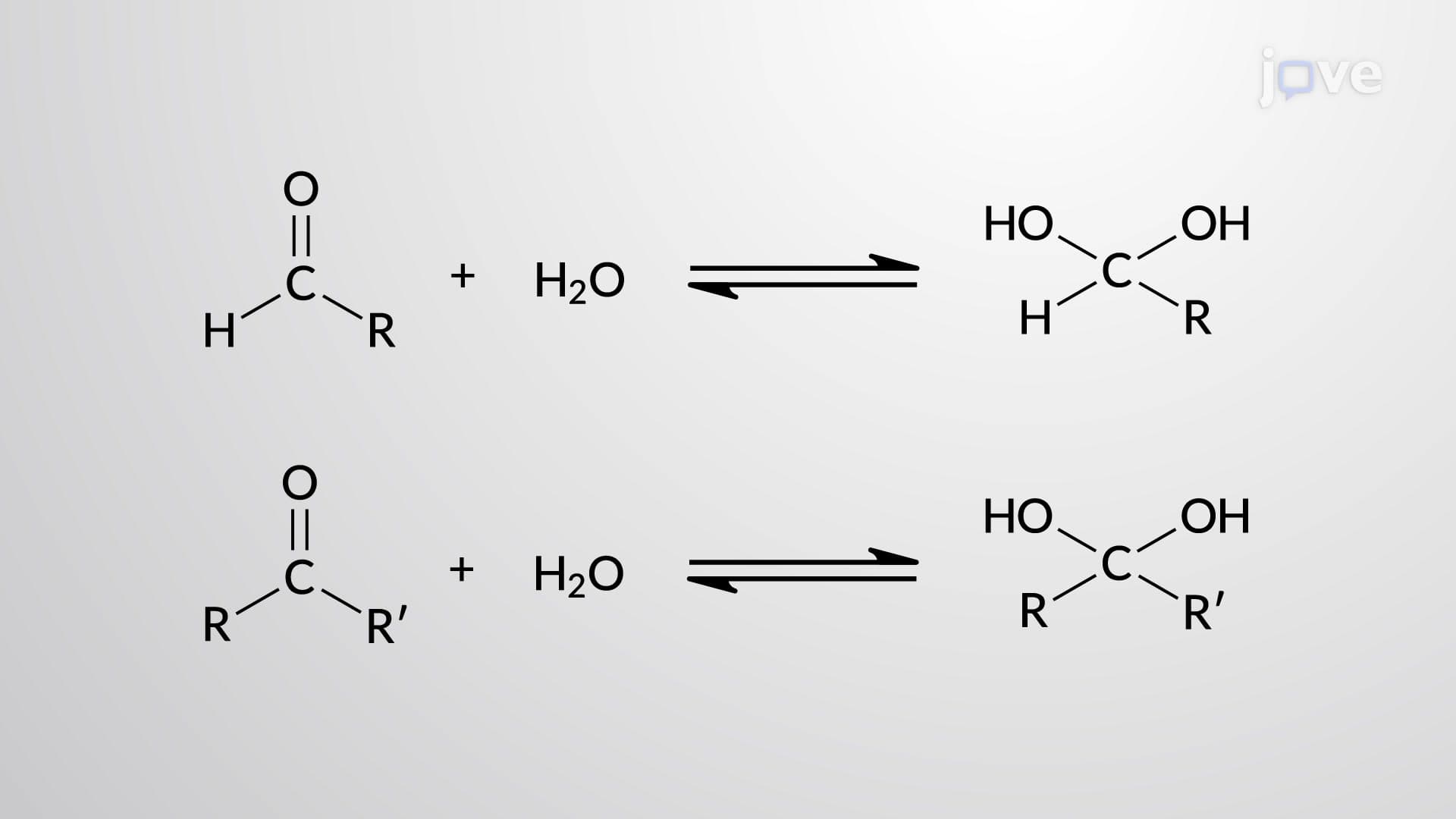
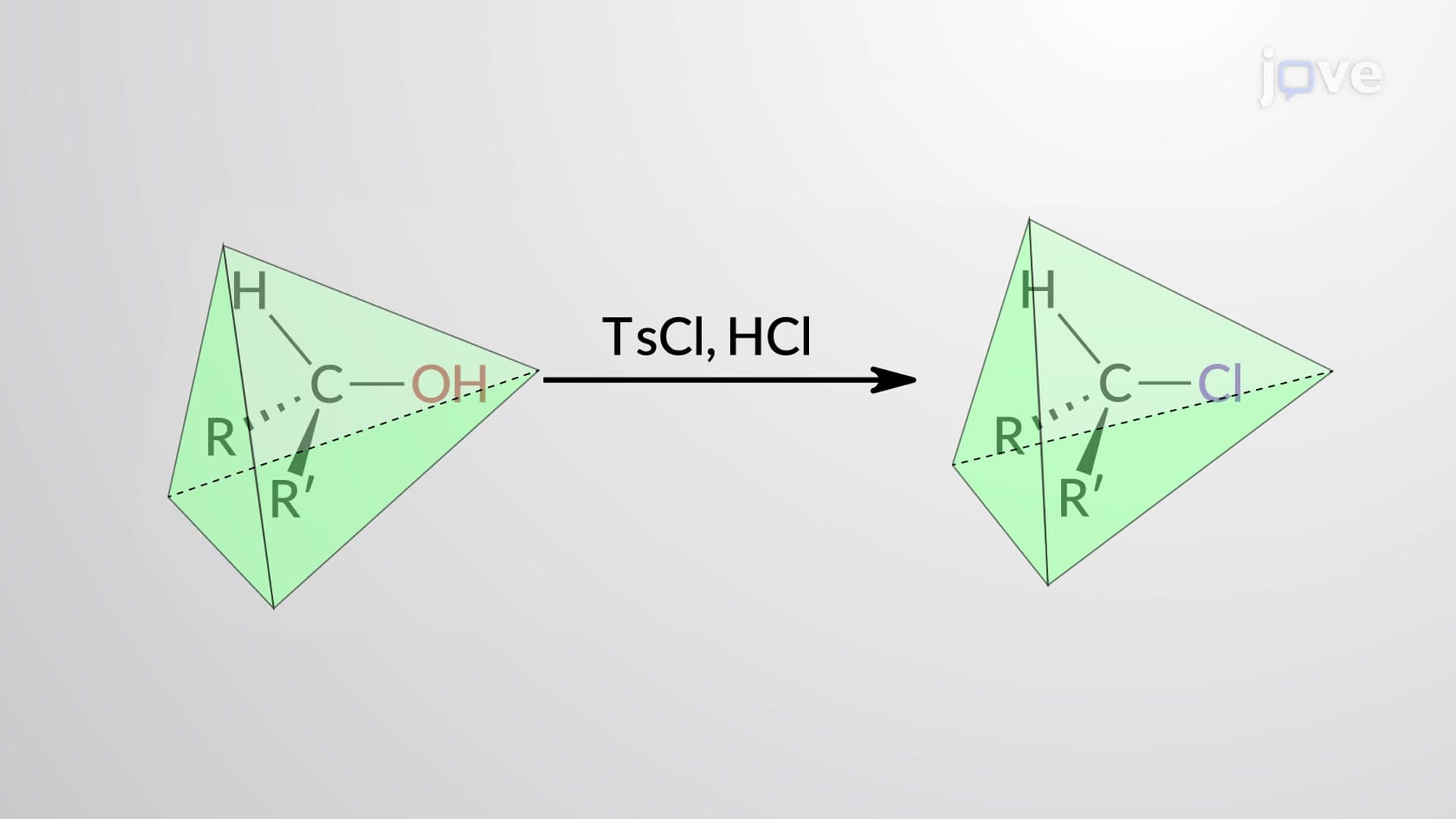

Phenols and alcohols represent fundamental organic compounds containing the OH functional group, distinguished by their carbon hybridization and bonding environments. This comprehensive course explores alcohol chemistry reactions, structural properties, and synthetic applications essential for understanding organic chemistry mechanisms. Master these concepts through JoVE Coach's systematic approach to properties and reactions of alcohols and phenols in biological and industrial contexts.
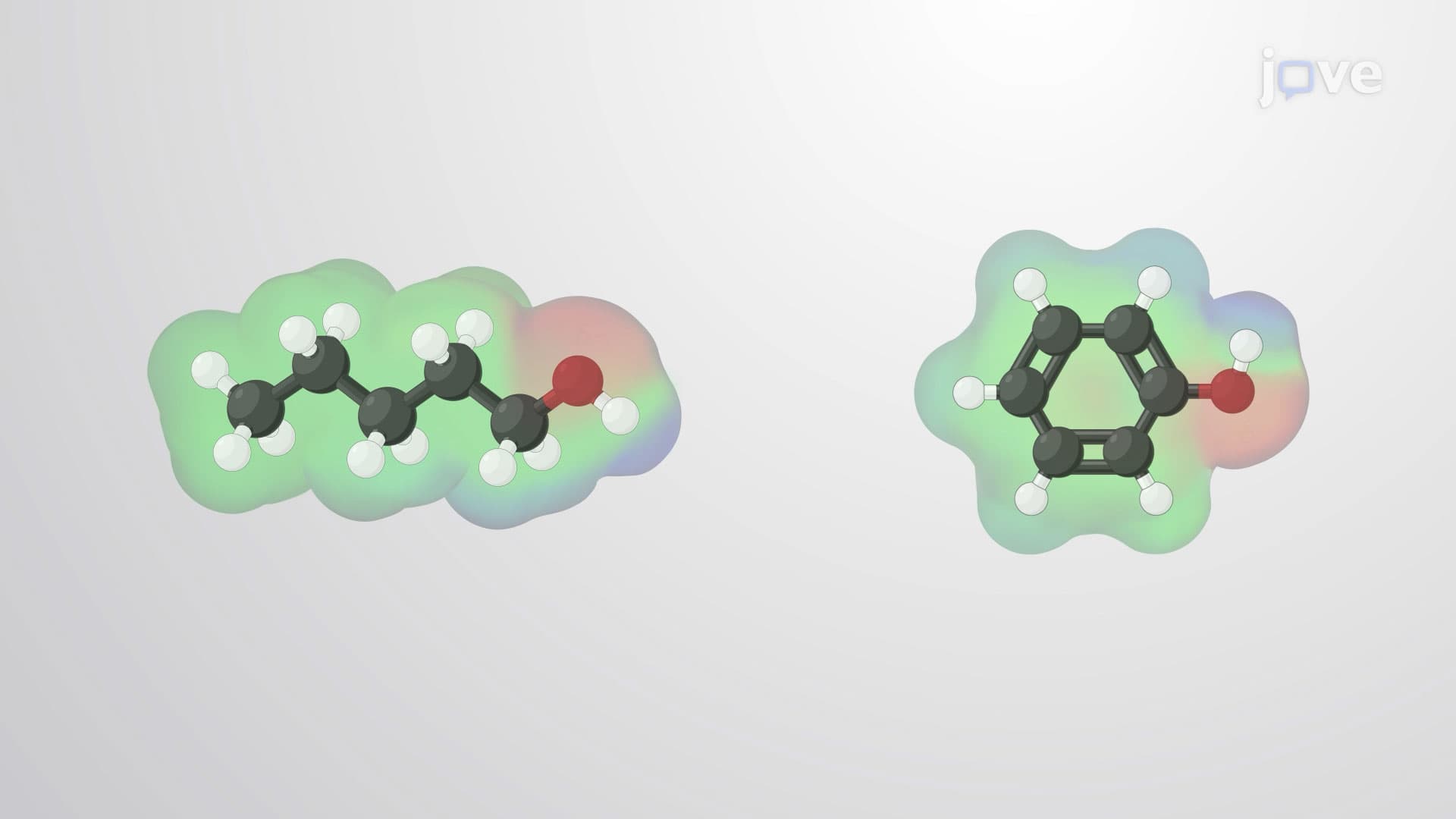
1. Structure and Classification of Alcohols and Phenols Alcohols contain OH groups bonded to sp³-hybridized carbons, while phenols feature OH groups attached to aromatic rings. Primary alcohols (like ethanol in hand sanitizers) have one carbon attached to the OH-bearing carbon, secondary alcohols (like isopropanol in rubbing alcohol) have two, and tertiary alcohols have three. Understanding these structural differences explains their distinct chemical behaviors and applications in pharmaceuticals, where drug molecules often contain these functional groups.
2. Physical Properties and Intermolecular Forces Hydrogen bonding significantly influences boiling points and solubility patterns in alcohols and phenols. Methanol and ethanol dissolve readily in water due to hydrogen bonding, making them useful as solvents in laboratory settings and industrial applications. Larger alcohols like octanol show decreased water solubility, explaining why fatty alcohols in cosmetics provide moisturizing rather than cleansing properties. Phenols exhibit higher boiling points than corresponding alcohols due to additional aromatic interactions.
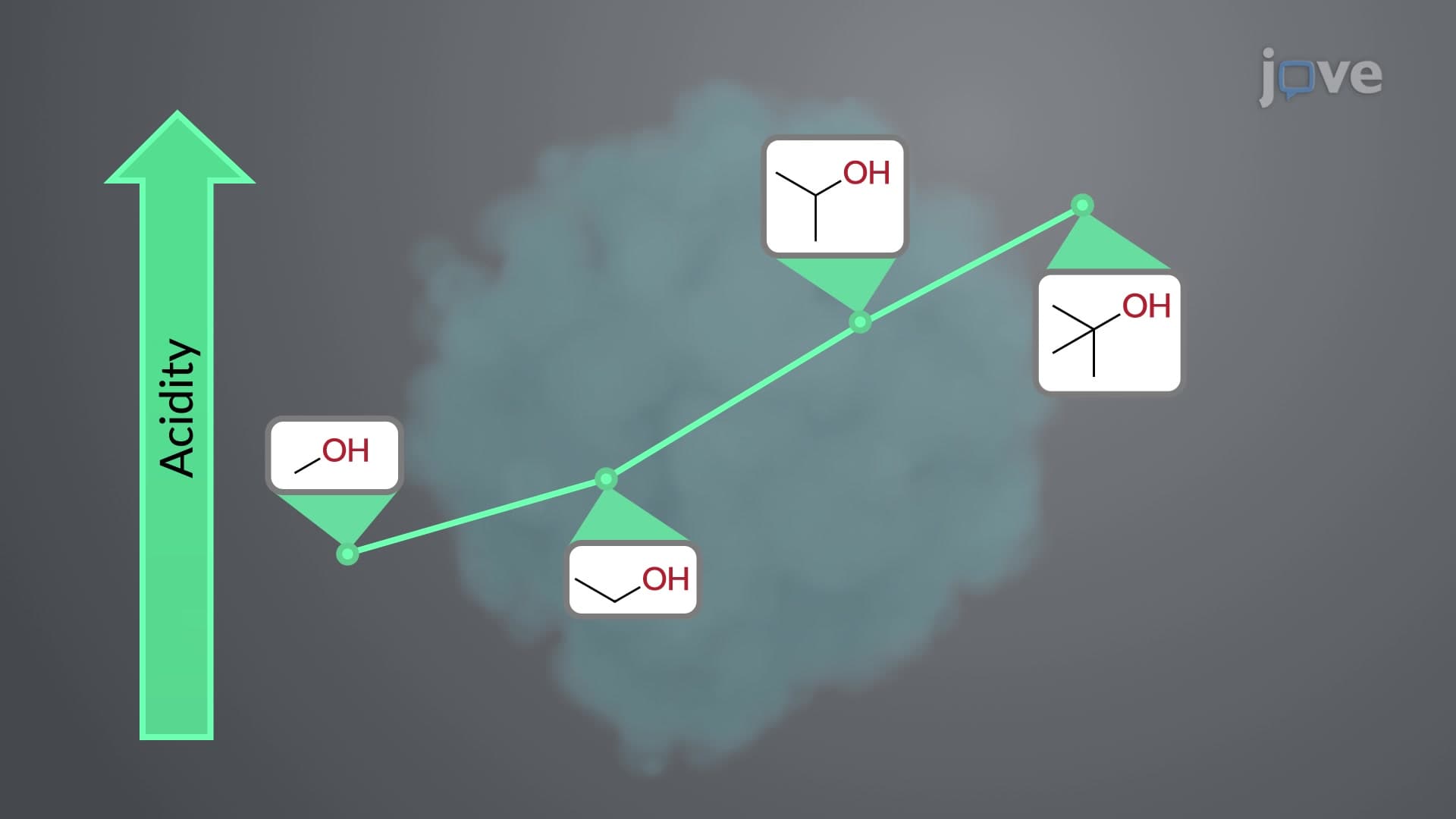
3. Acidity and Basicity Relationships Phenols demonstrate greater acidity than alcohols due to resonance stabilization of their conjugate bases (phenoxide ions). While alcohols require strong bases like sodium metal for deprotonation, phenols react with weaker bases like sodium hydroxide. This acidity difference explains why phenolic compounds like aspirin can be extracted using basic solutions in pharmaceutical purification processes. Electron-withdrawing substituents increase phenol acidity, while electron-donating groups decrease it.
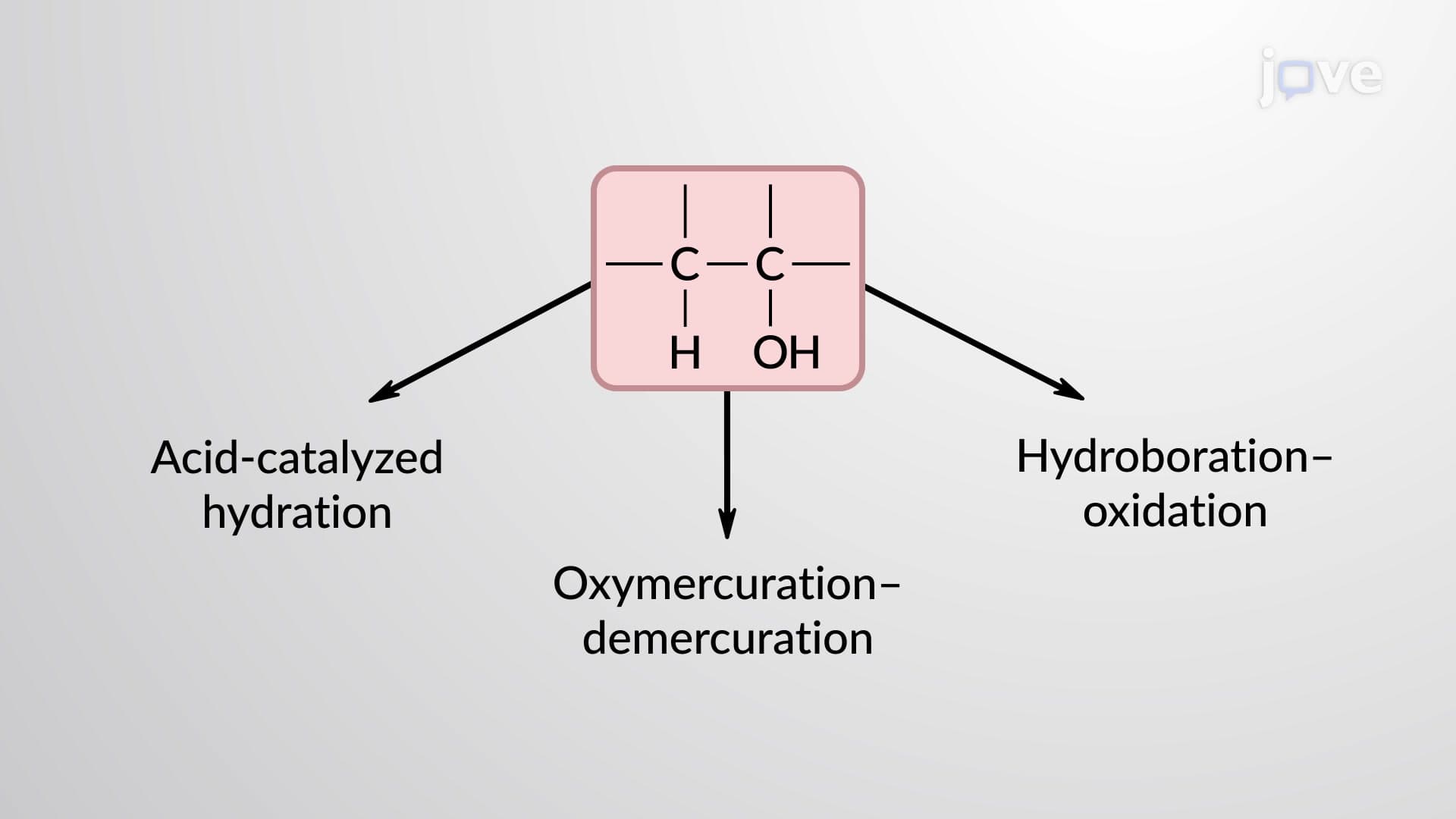
4. Alcohol Preparation via Addition Reactions Three major hydration methods convert alkenes to alcohols: acid-catalyzed hydration, oxymercuration-demercuration, and hydroboration-oxidation. These reactions follow different regioselectivity rules, with acid-catalyzed and oxymercuration following Markovnikov's rule, while hydroboration gives anti-Markovnikov products. Understanding these mechanisms helps predict alcohol formation in synthetic pathways used to manufacture pharmaceuticals like cholesterol-lowering medications that contain multiple alcohol functional groups.
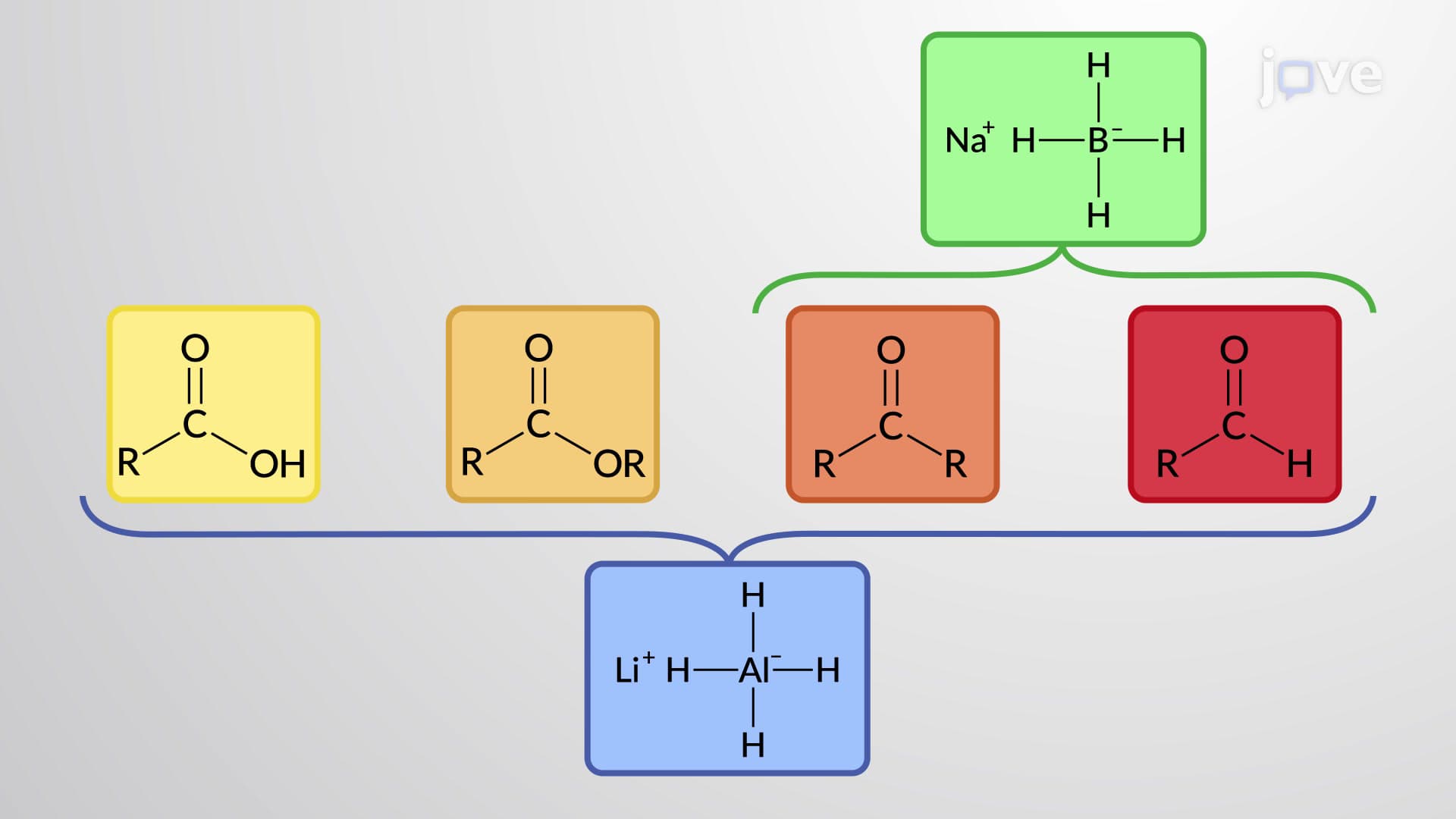
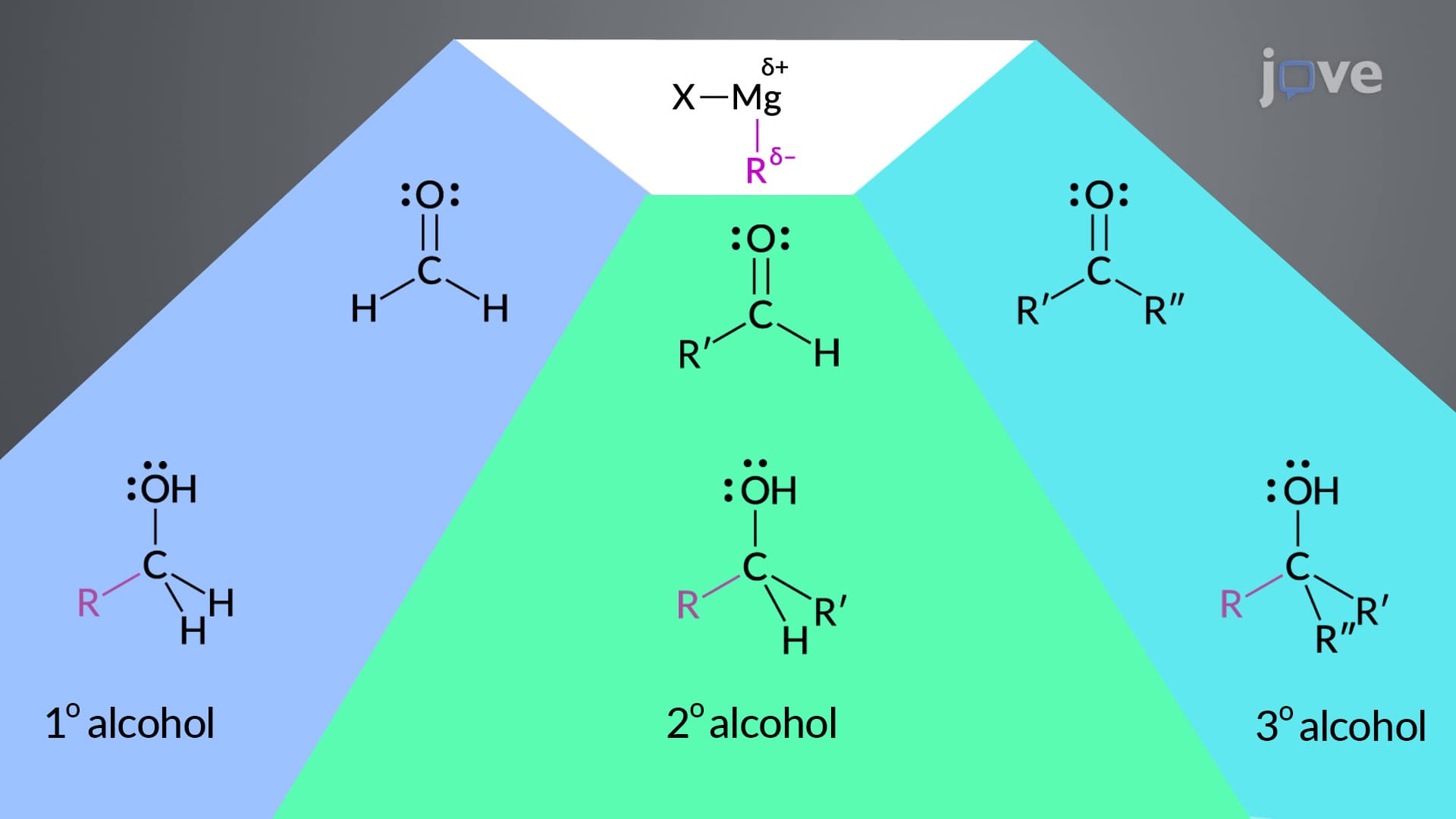
5. Carbonyl Reduction and Grignard Reactions Alcohols form through reduction of aldehydes, ketones, and carboxylic acid derivatives using reagents like sodium borohydride or lithium aluminum hydride. Grignard reactions provide another powerful route, adding carbon chains while forming alcohols. These methods prove essential in pharmaceutical synthesis, such as producing complex alcohol-containing molecules like morphine derivatives used in pain management. The choice of reducing agent depends on selectivity requirements and the presence of other functional groups.
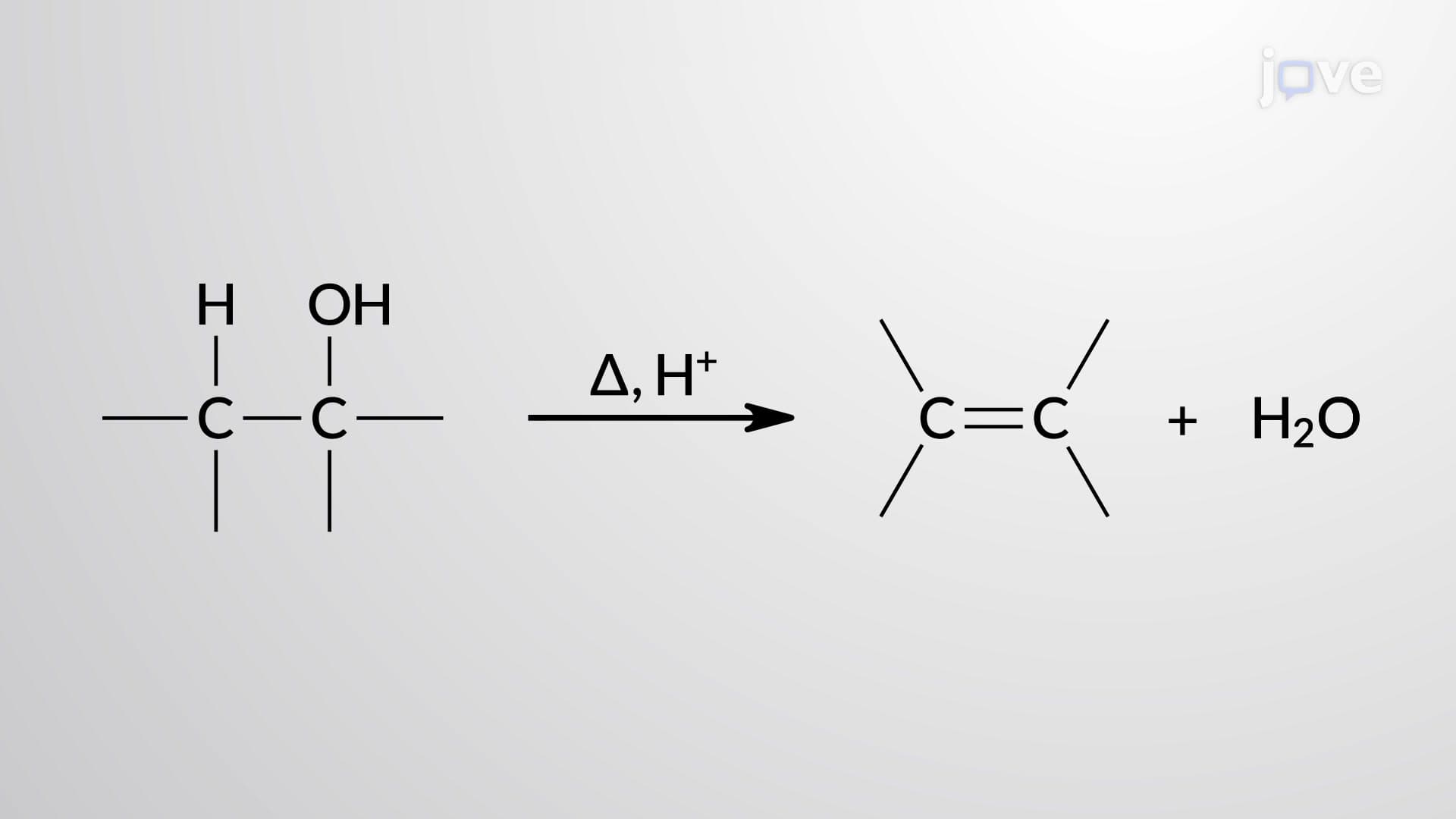
6. Alcohol Dehydration and Elimination Reactions Acid-catalyzed dehydration converts alcohols to alkenes through E1 or E2 mechanisms, depending on alcohol structure. Primary alcohols require harsh conditions and proceed via E2, while tertiary alcohols dehydrate easily via E1 mechanisms. Industrial applications include ethylene production from ethanol and the formation of petroleum additives. Understanding carbocation rearrangements helps predict major products following Zaitsev's rule, crucial for synthetic planning in organic chemistry laboratories.
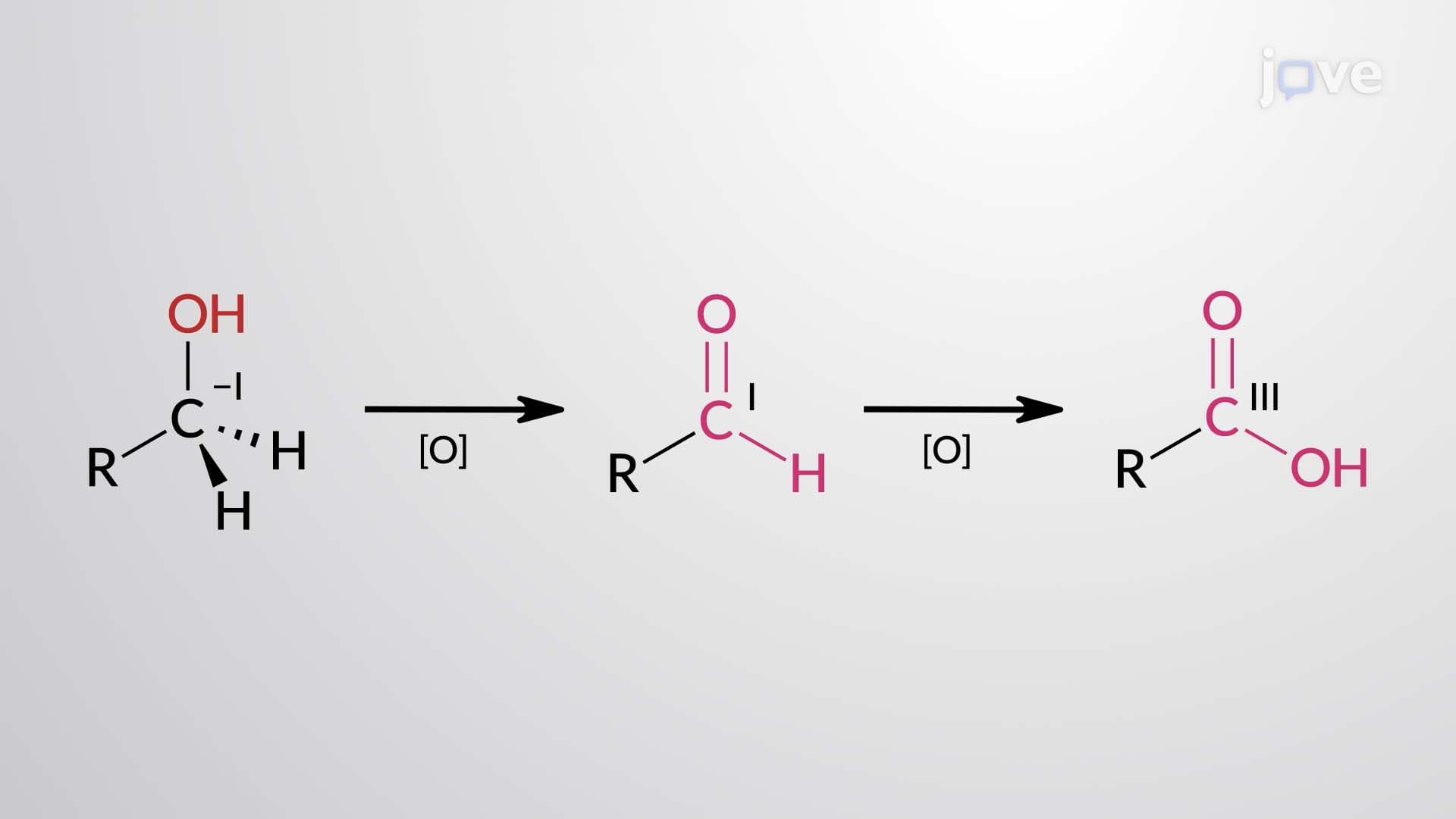
7. Oxidation Reactions and Product Selectivity Primary alcohols oxidize to aldehydes then carboxylic acids, secondary alcohols form ketones, while tertiary alcohols resist oxidation due to lack of α-hydrogen atoms. Reagent choice determines product selectivity: Jones reagent or potassium permanganate give carboxylic acids from primary alcohols, while PCC stops at aldehydes. These transformations appear in metabolic pathways like alcohol metabolism in the liver, where ethanol converts to acetaldehyde then acetate through enzymatic oxidation processes.