Amines are essential nitrogen-containing organic compounds found throughout biological systems and synthetic chemistry. From neurotransmitters like dopamine to pharmaceuticals like fluoxetine (Prozac), amines play crucial roles in medicine and industry. This comprehensive course, supported by JoVE Coach, explores amine structure, properties, synthesis methods, and reactions—providing the foundation needed for advanced chemistry studies and professional applications in the United States.
Understand the classification and nomenclature of primary, secondary, and tertiary amines
Identify structural features that determine amine basicity and physical properties
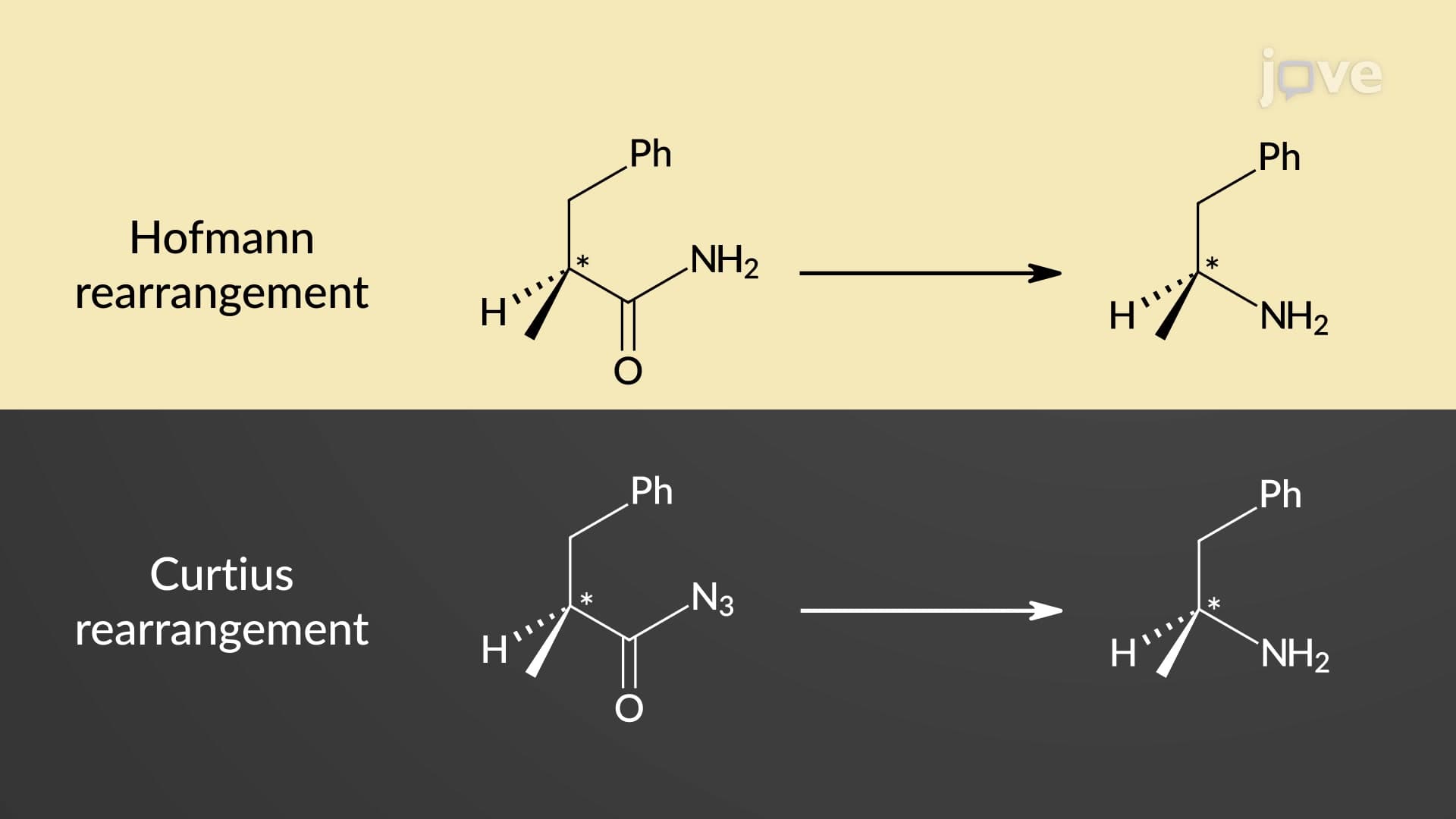
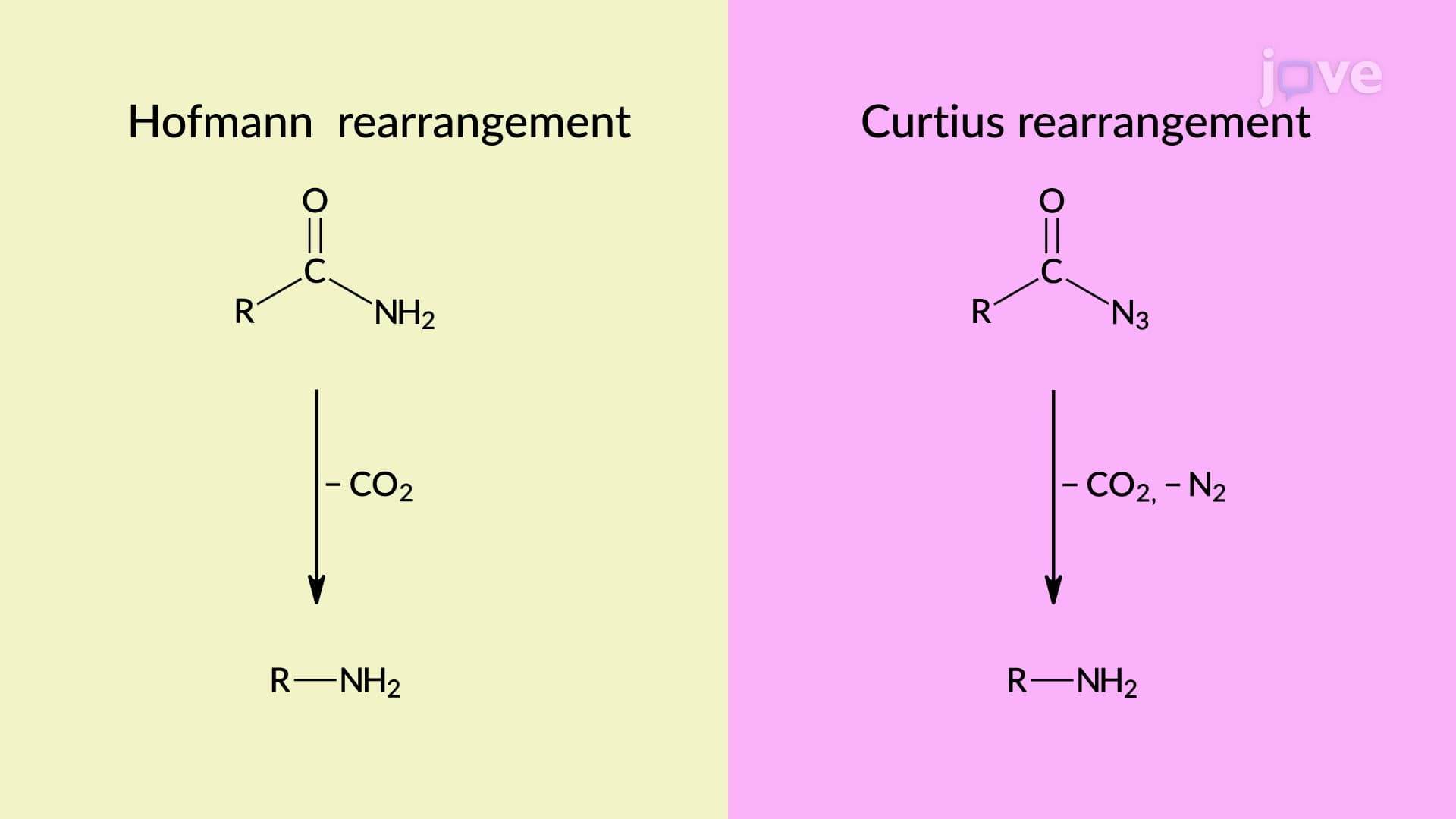
Learn key synthesis methods including Gabriel synthesis, reductive amination, and azide reduction
Explore spectroscopic analysis techniques for amine identification using NMR and mass spectrometry
Analyze reaction mechanisms including Hofmann elimination and diazonium salt formation
Apply amine chemistry principles to pharmaceutical and industrial synthesis
Understand the role of amines in biological systems and drug development
Examine aromatic amine behavior and electrophilic substitution patterns
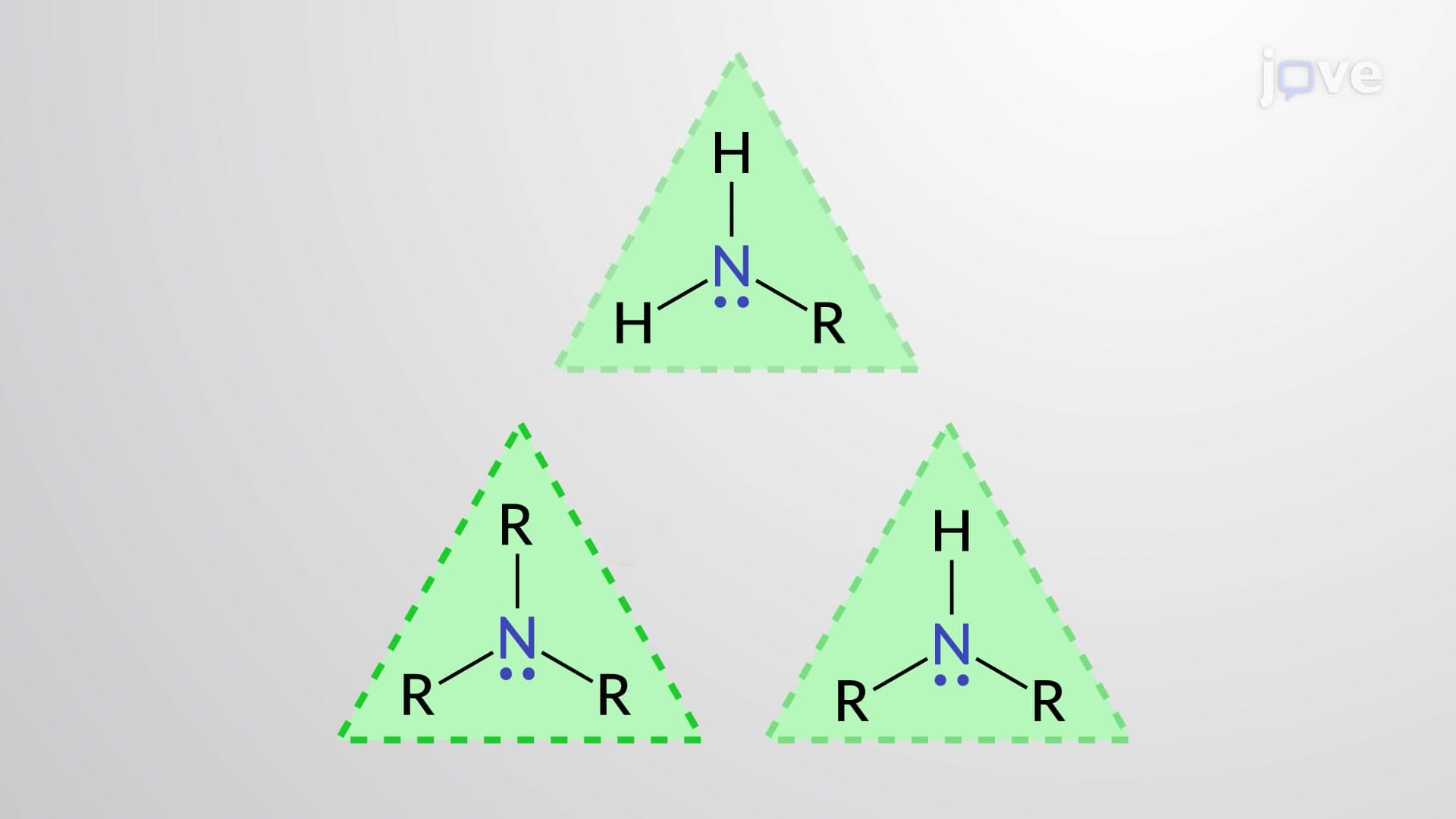
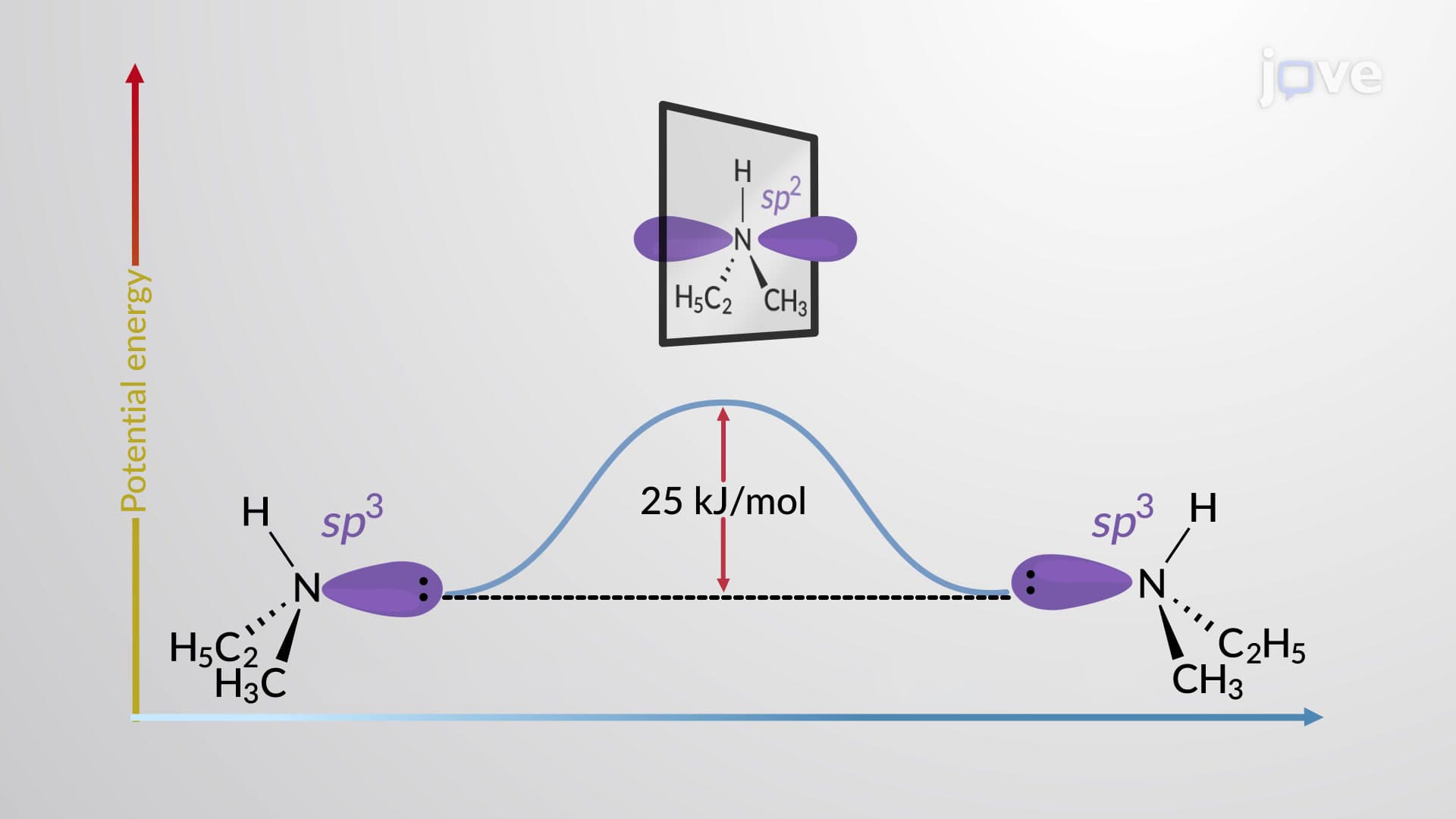
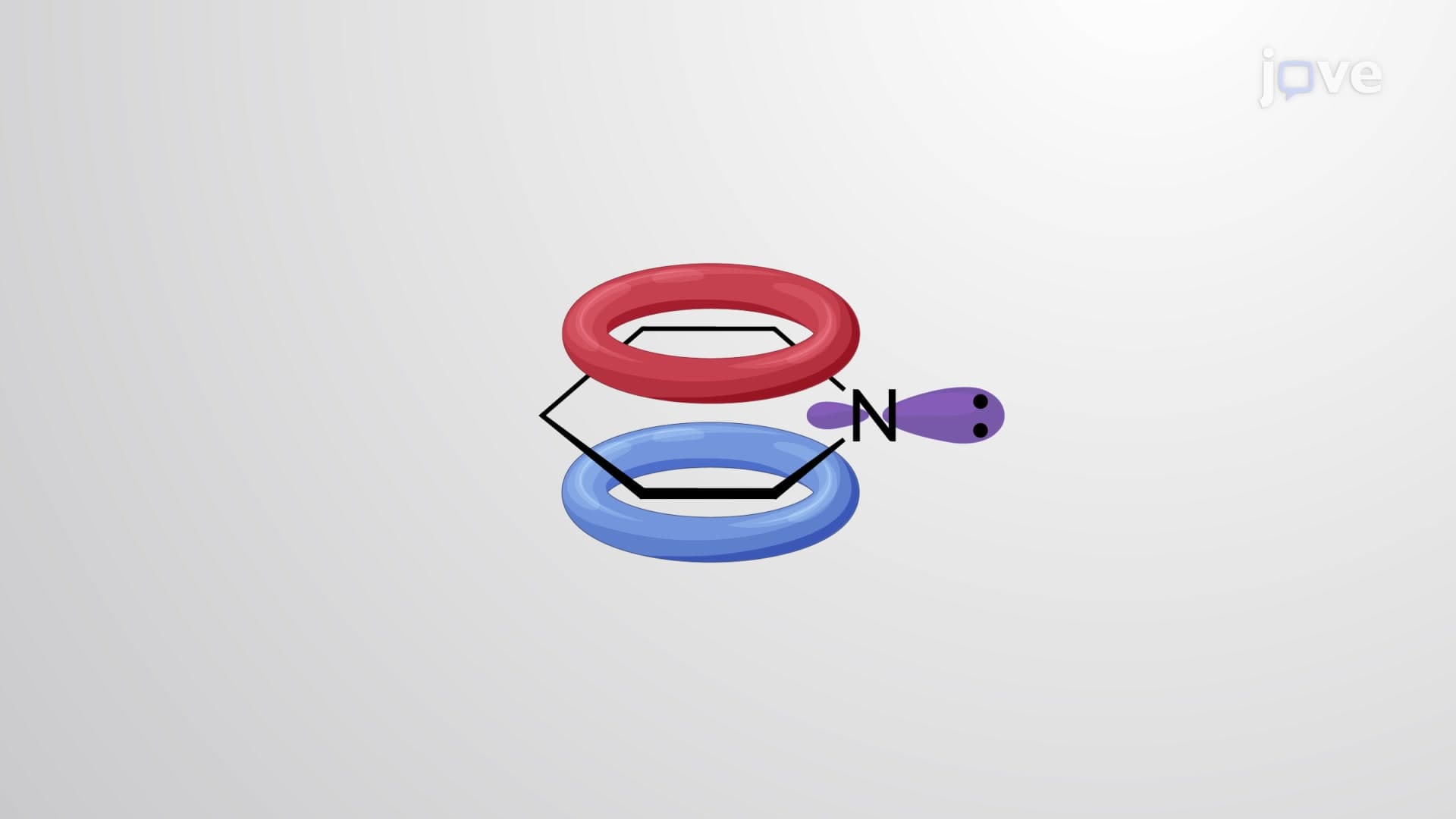
1. Amine Classification and Structure: Amines are derivatives of ammonia where hydrogen atoms are replaced by alkyl or aryl groups. Primary amines contain one substituted group (RNH₂), secondary amines have two (R₂NH), and tertiary amines possess three (R₃N). The nitrogen atom adopts sp³ hybridization with trigonal pyramidal geometry. Understanding this structural foundation is essential for predicting amine behavior in biological systems, such as neurotransmitter function in the brain, and pharmaceutical applications like the antidepressant sertraline (Zoloft) used widely across American healthcare systems.
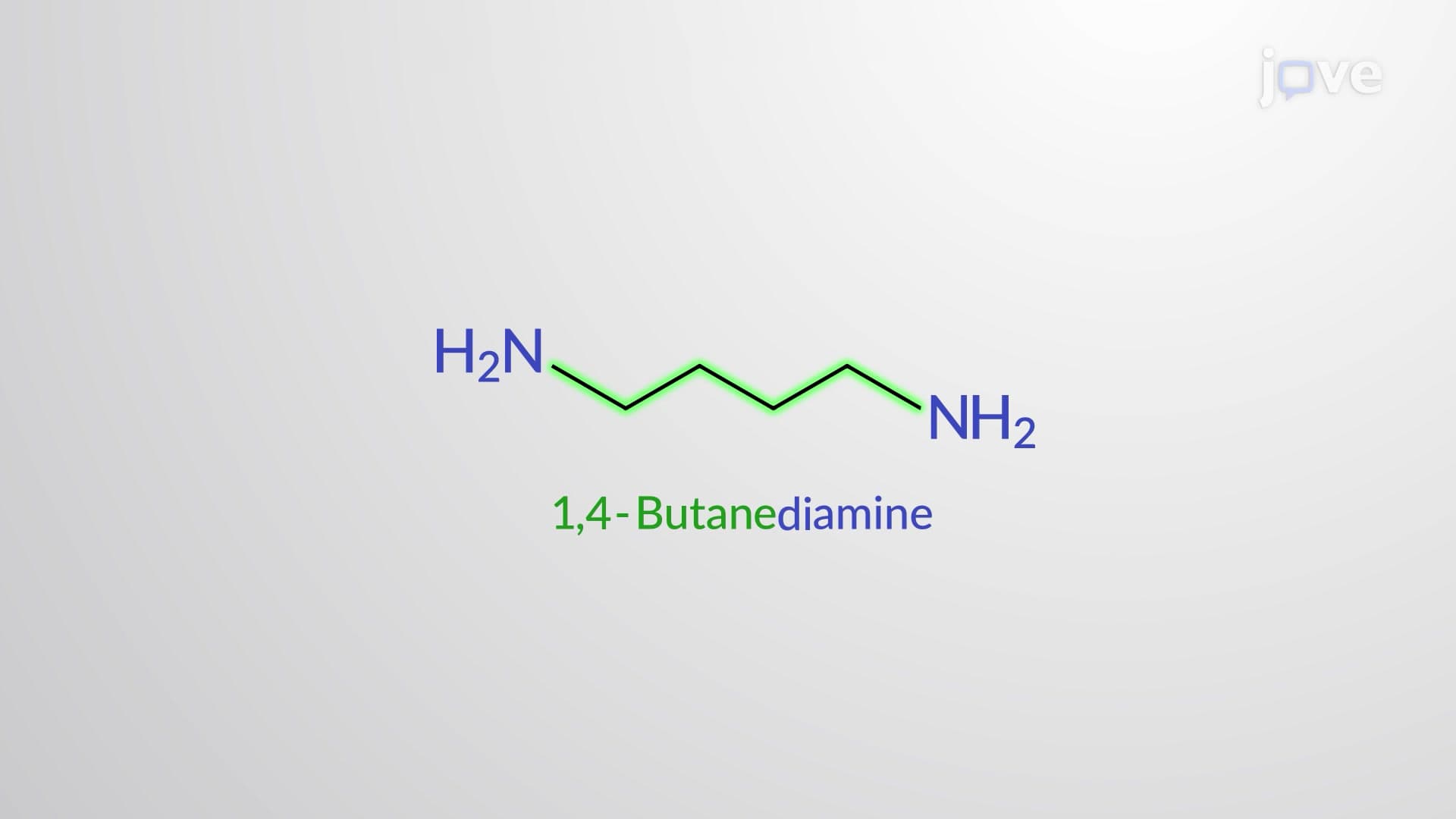
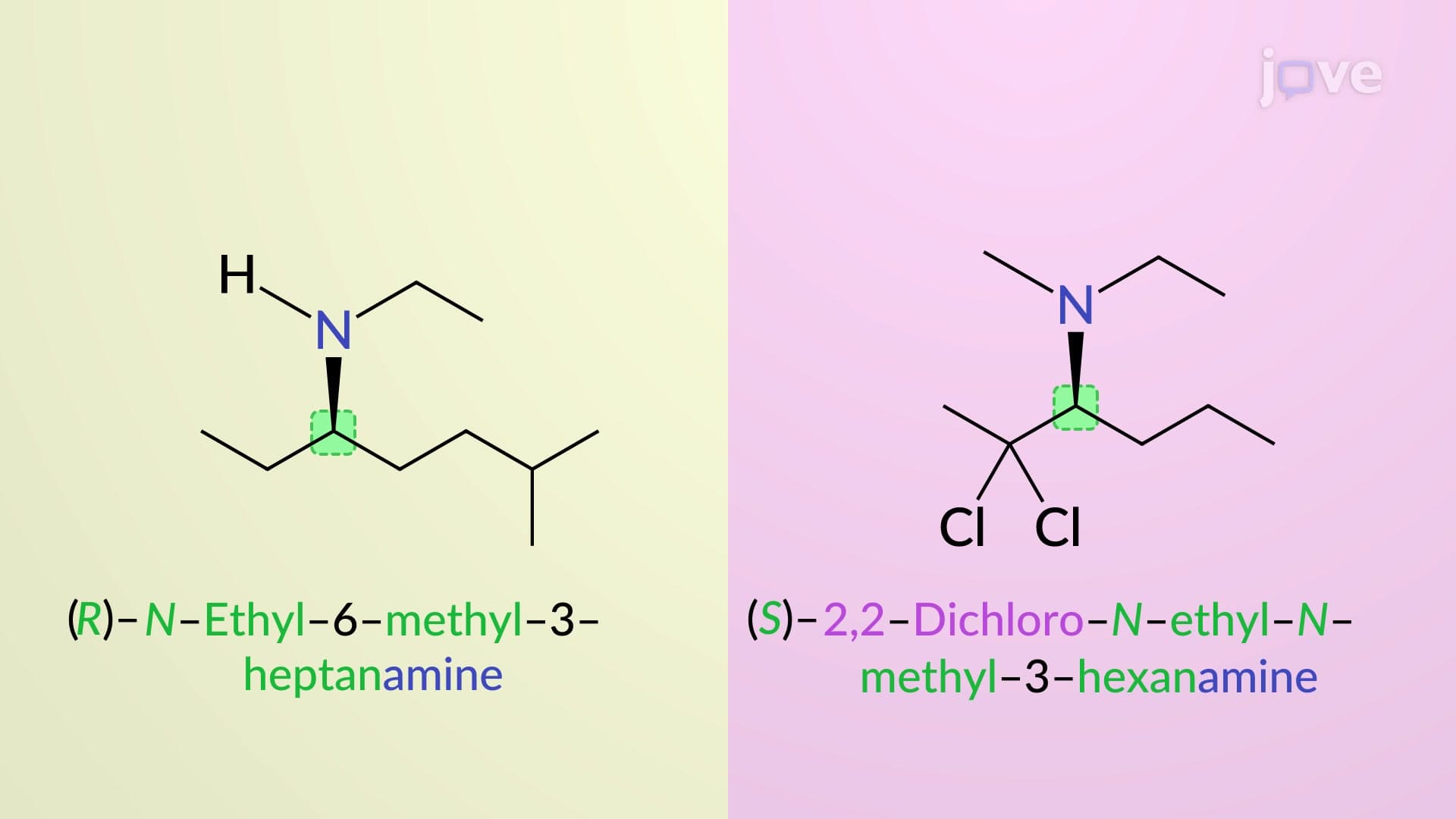
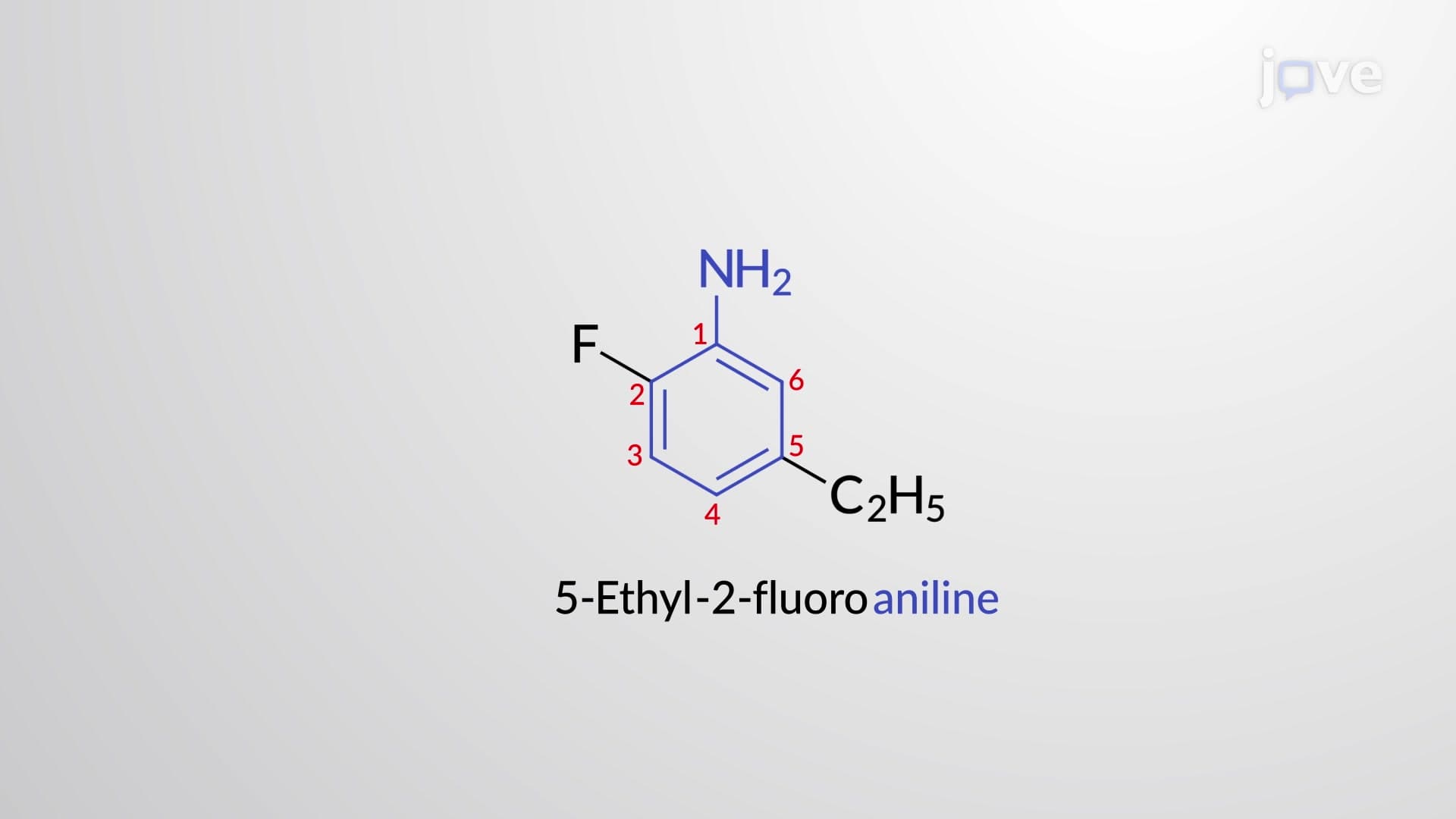
2. Nomenclature Systems: Both common and IUPAC naming conventions are crucial for amine identification. Primary amines follow the pattern "alkylamine" (methylamine) or "alkanamine" (methanamine). Secondary and tertiary amines use N-alkyl prefixes (N-methylethanamine). Aromatic amines like aniline have specific naming rules with positional indicators (o-, m-, p-). Mastery of nomenclature is essential for success on standardized exams like the MCAT and AP Chemistry, where students must identify complex amine structures in pharmaceutical contexts.
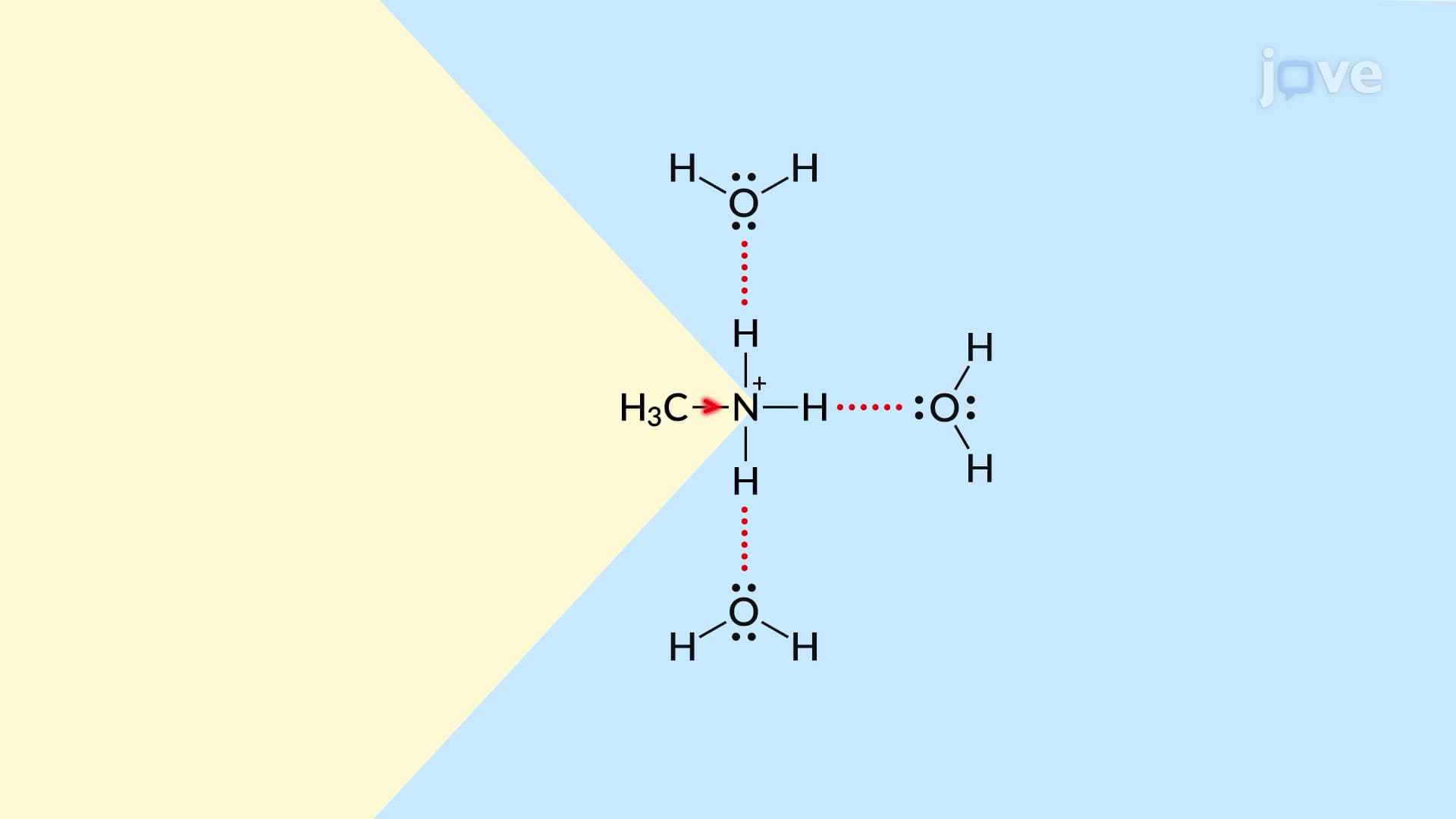
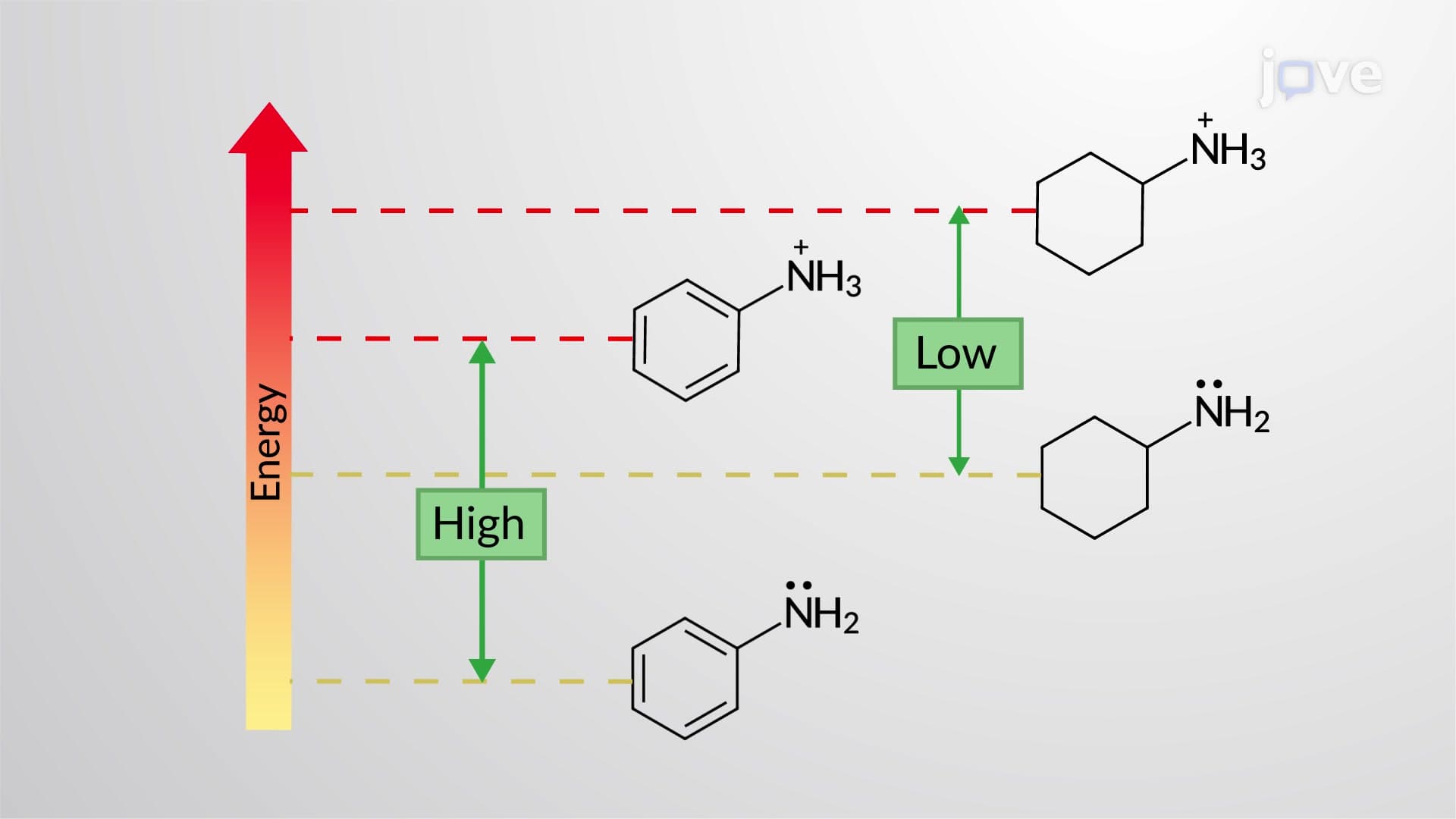
3. Basicity and pH Behavior: Amine basicity depends on nitrogen's ability to accept protons, influenced by inductive effects and solvation. Aliphatic amines are stronger bases than aromatic amines due to electron delocalization in benzene rings. Secondary amines often show the highest basicity due to optimal inductive and solvation effects. This concept is fundamental in pharmaceutical chemistry, where drug absorption and distribution depend on pH and basicity. Understanding pKₐ values helps predict drug behavior in different body compartments, crucial knowledge for MCAT preparation.
4. Physical Properties and Intermolecular Forces: Amines exhibit hydrogen bonding capabilities that directly influence boiling points, solubility, and biological activity. Primary and secondary amines form intermolecular hydrogen bonds, while tertiary amines only accept hydrogen bonds. Lower molecular weight amines are water-soluble, explaining why many neurotransmitters and medications can cross biological membranes. These properties determine drug formulation strategies in the American pharmaceutical industry, making this knowledge essential for pre-health students and chemistry majors.
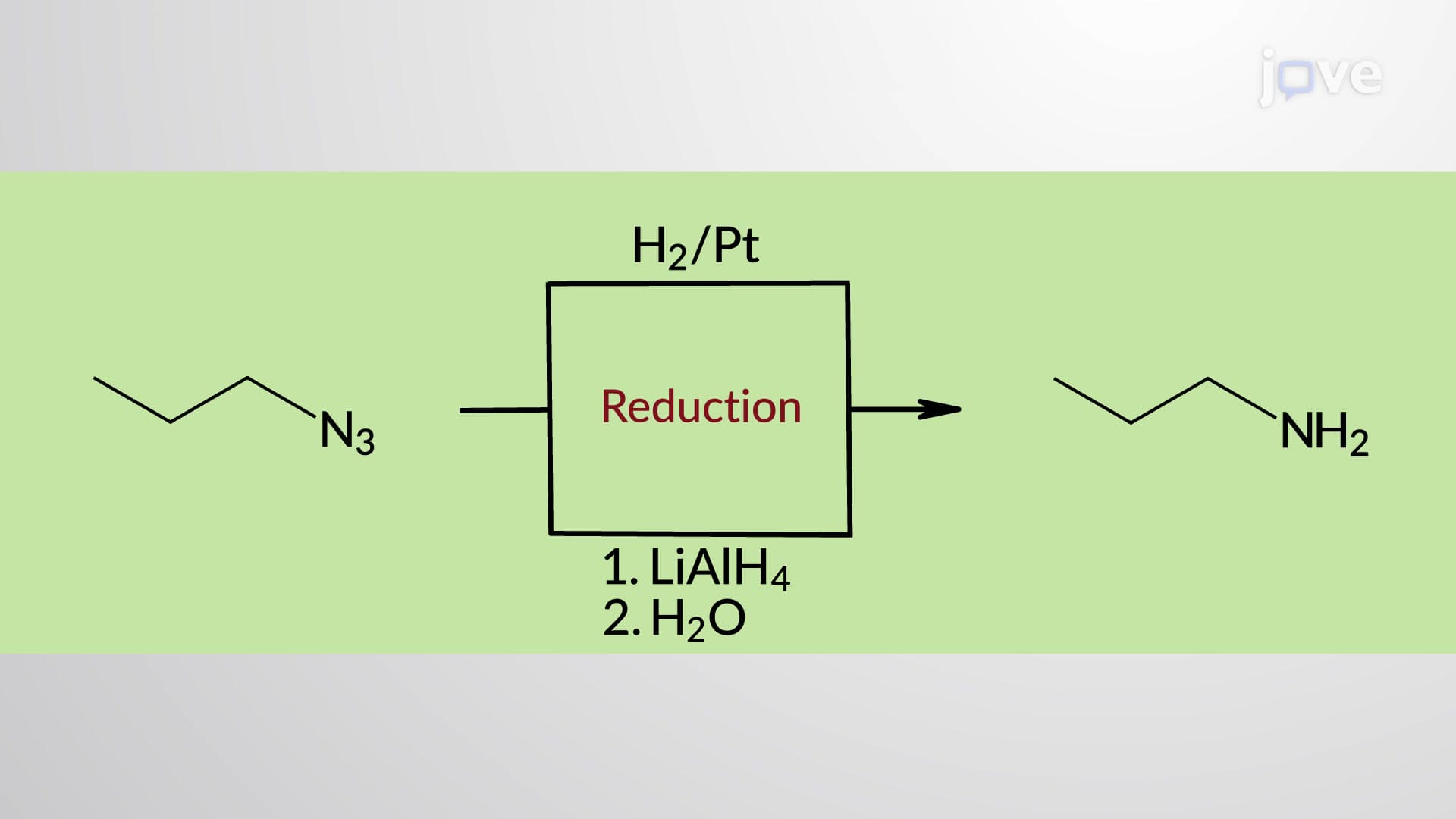
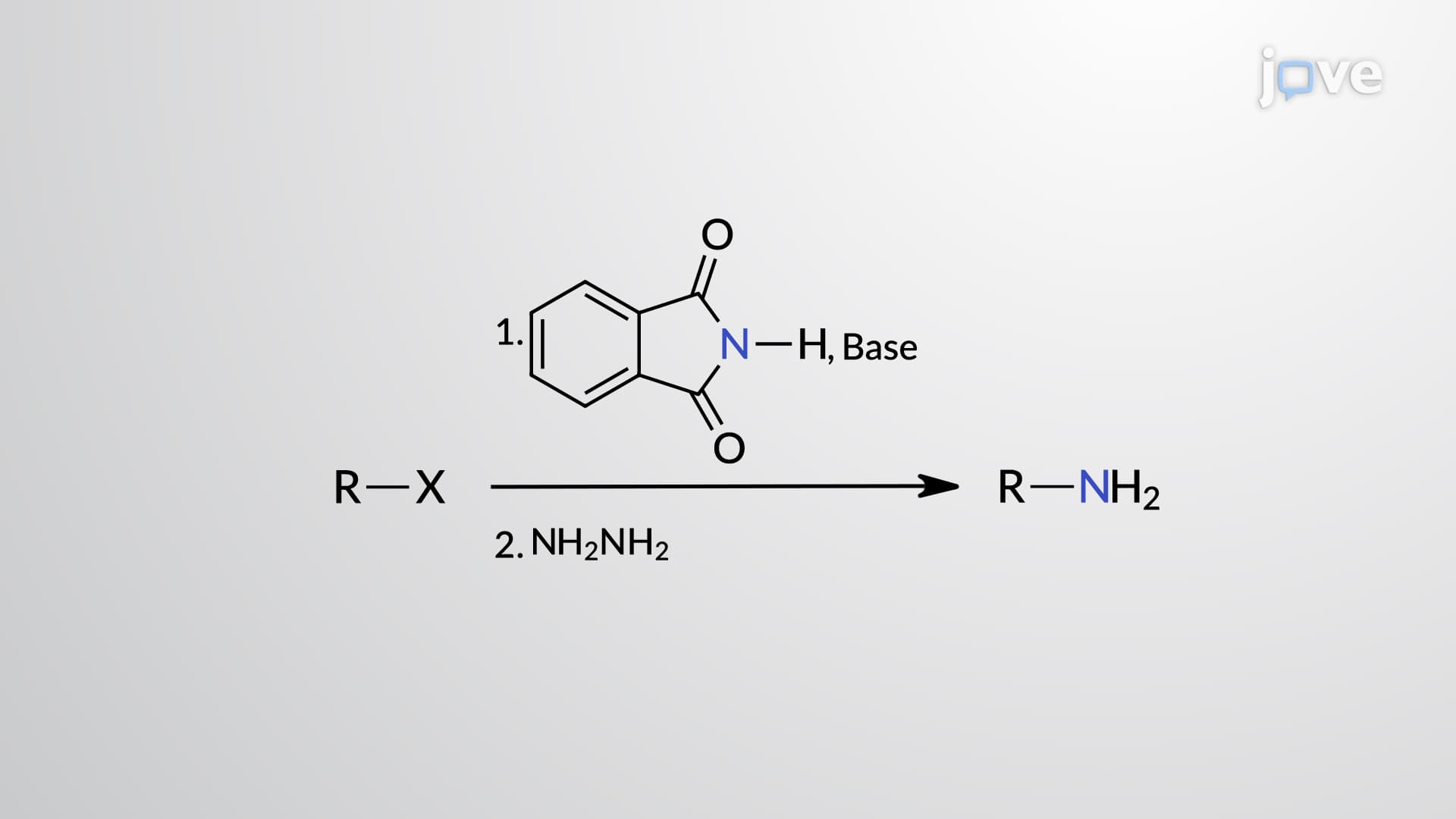
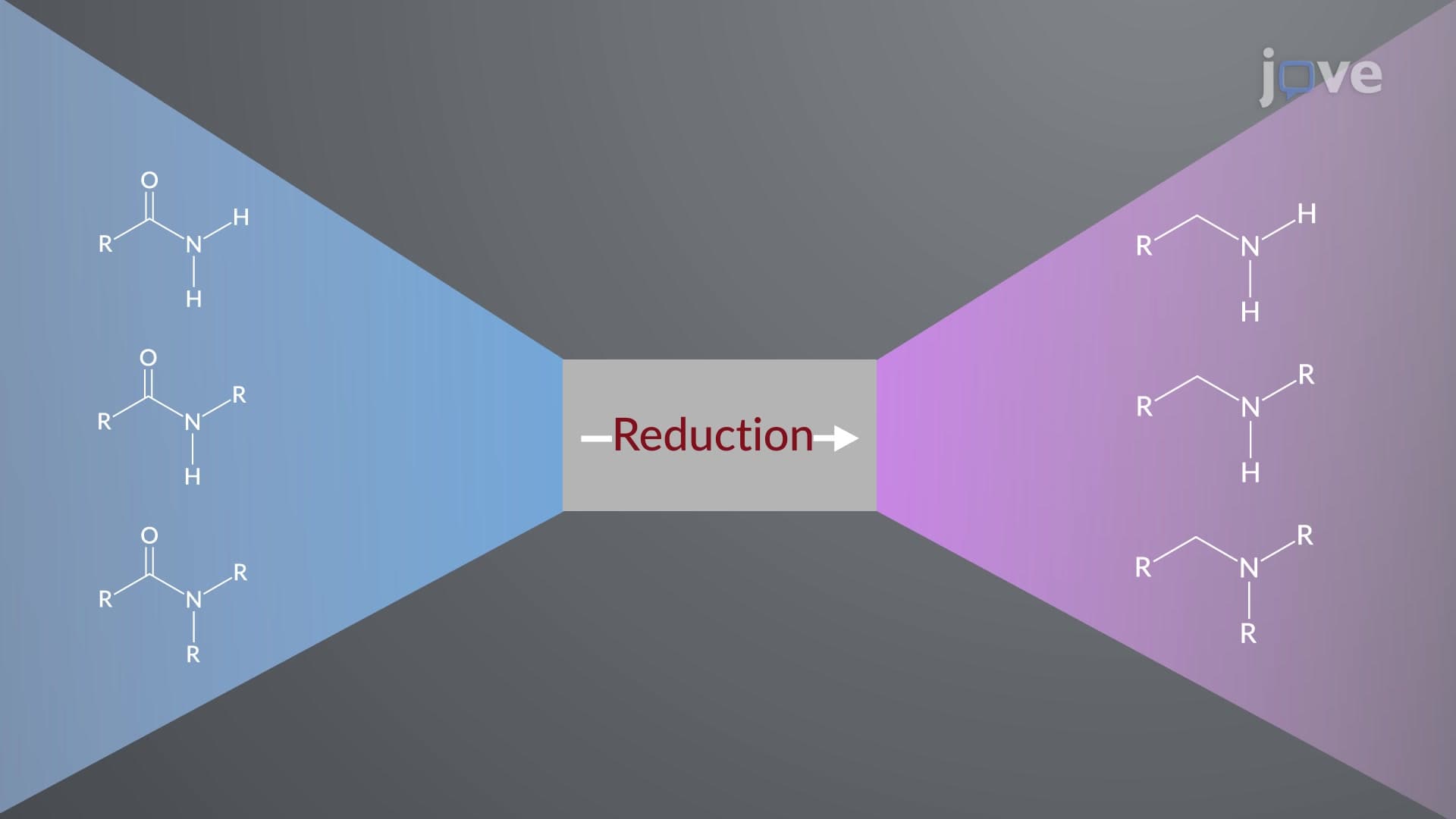
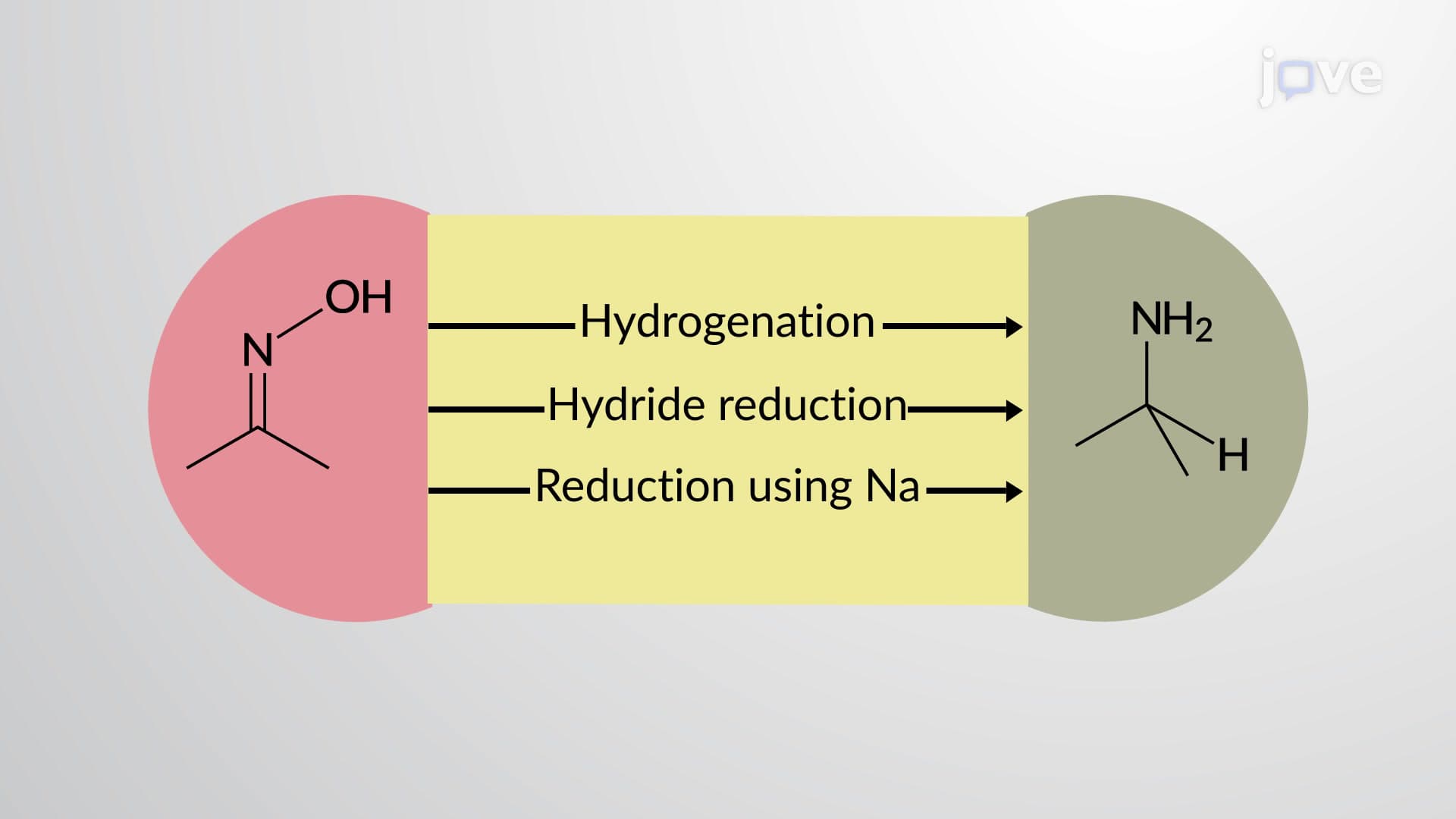
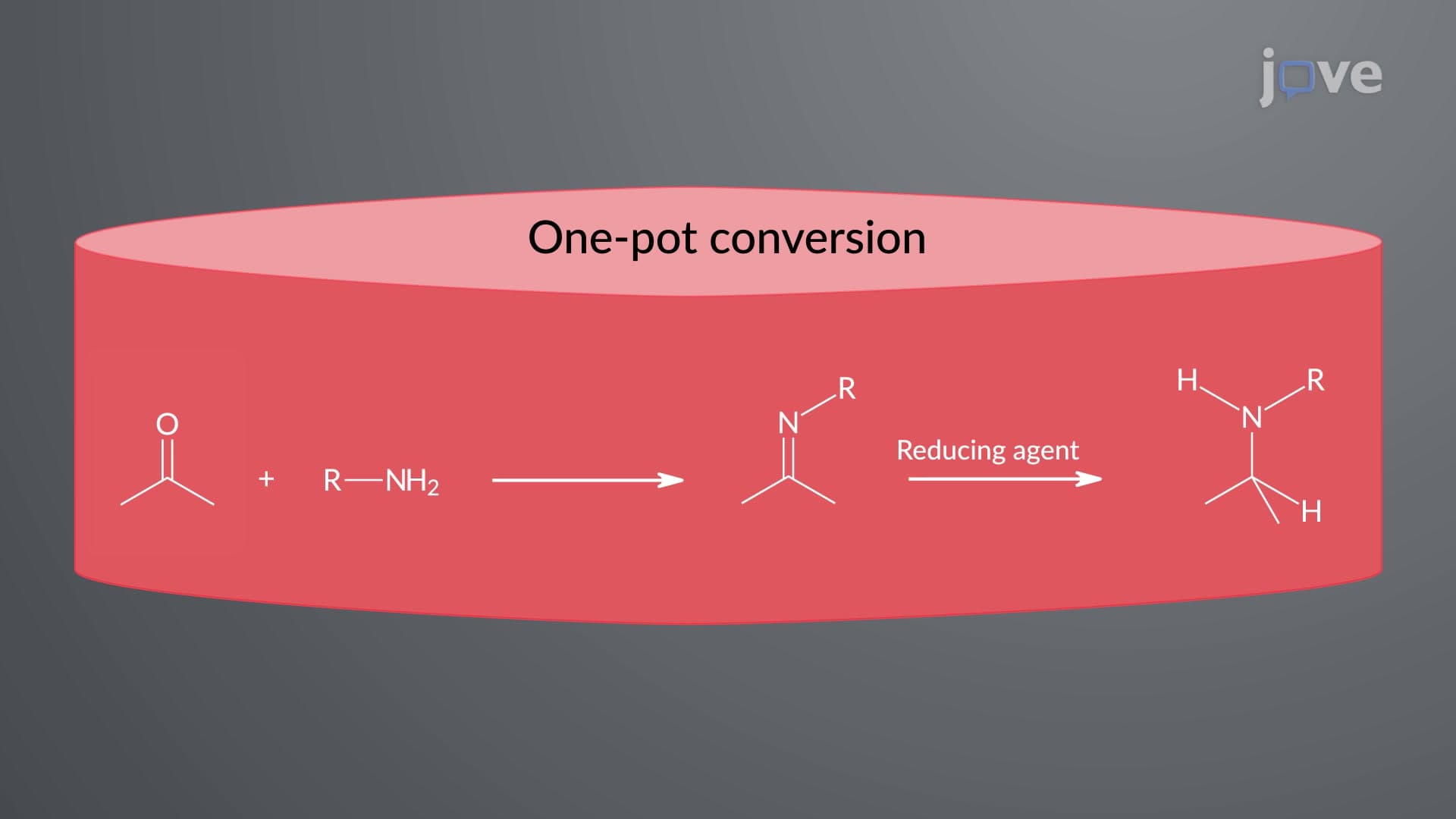
5. Synthesis Methods: Multiple synthetic routes produce amines, each with specific advantages. Reductive amination converts aldehydes and ketones to amines using sodium cyanoborohydride, widely used in pharmaceutical manufacturing. Gabriel synthesis selectively produces primary amines from alkyl halides. Azide synthesis offers another primary amine route. These methods are fundamental to drug discovery processes in American pharmaceutical companies like Pfizer and Merck, making synthetic knowledge crucial for chemistry students and research professionals.
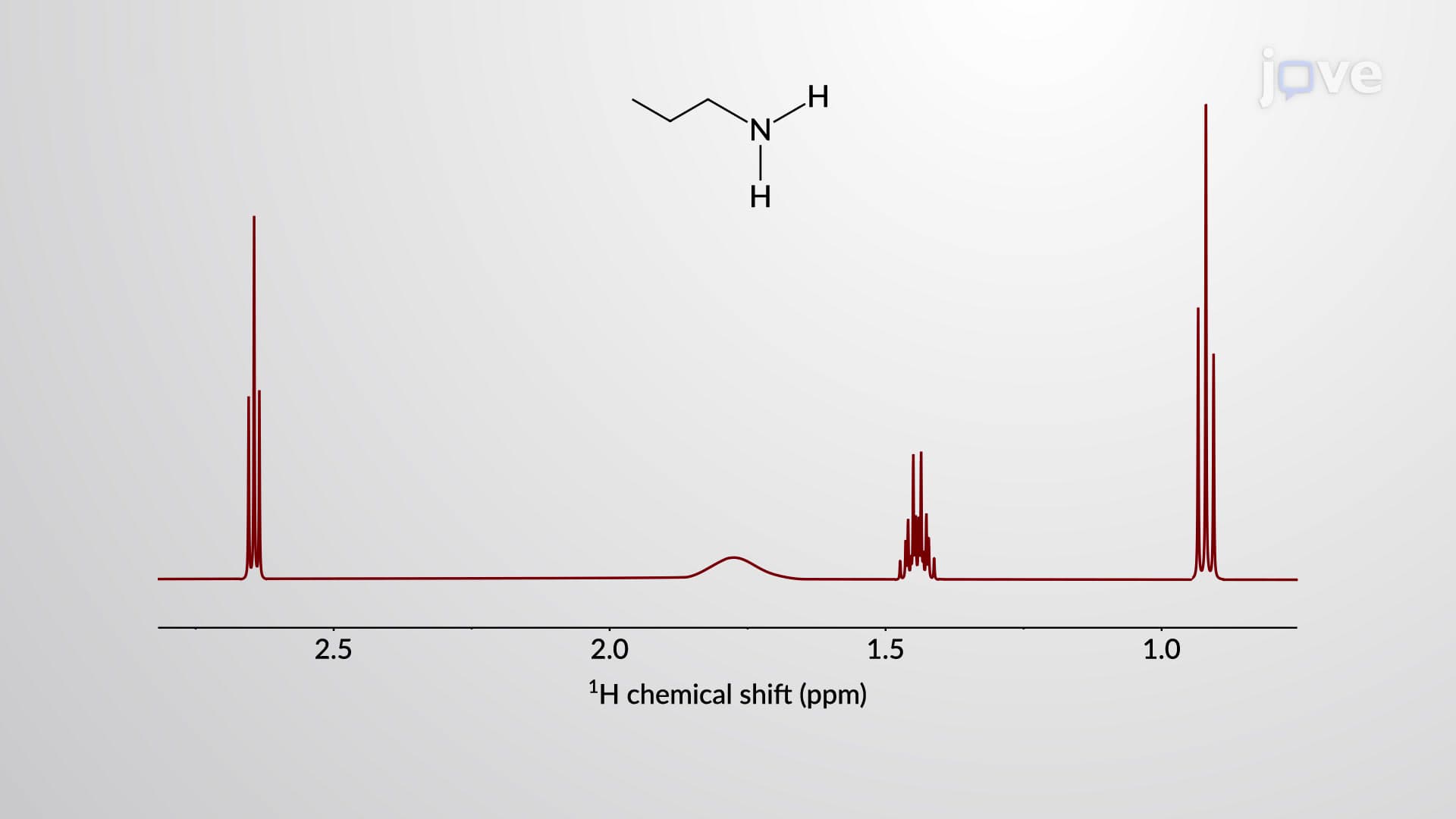
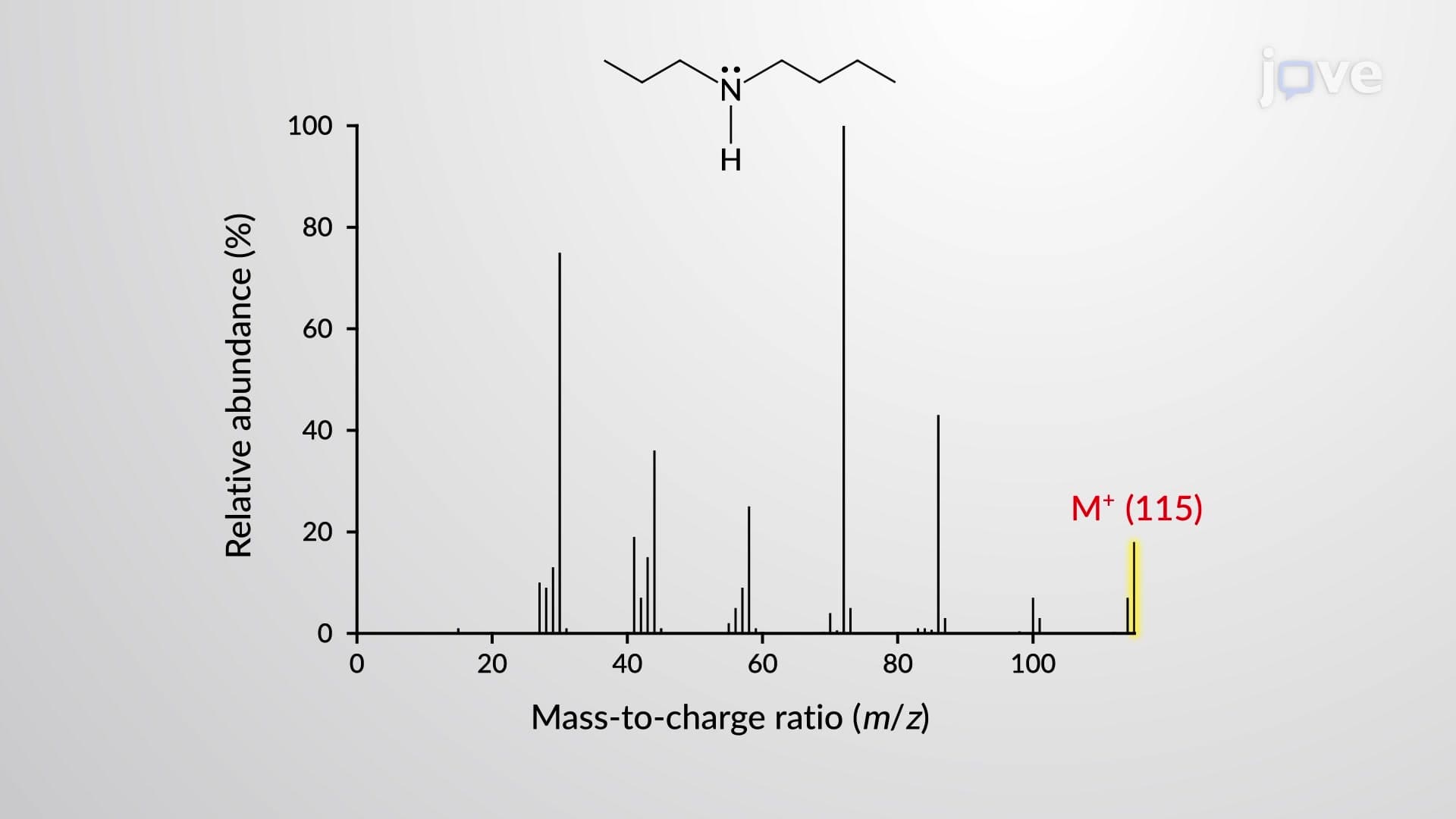
6. Spectroscopic Analysis: NMR spectroscopy reveals amine N-H protons as broad signals between 0.5-4 ppm, while ¹³C NMR shows characteristic carbon chemical shifts. Mass spectrometry follows the nitrogen rule, producing odd molecular weights for compounds with odd numbers of nitrogen atoms. Alpha-cleavage generates characteristic iminium ion fragments. These analytical techniques are standard in American research laboratories and quality control facilities, requiring mastery for success in advanced chemistry courses and professional laboratory work.
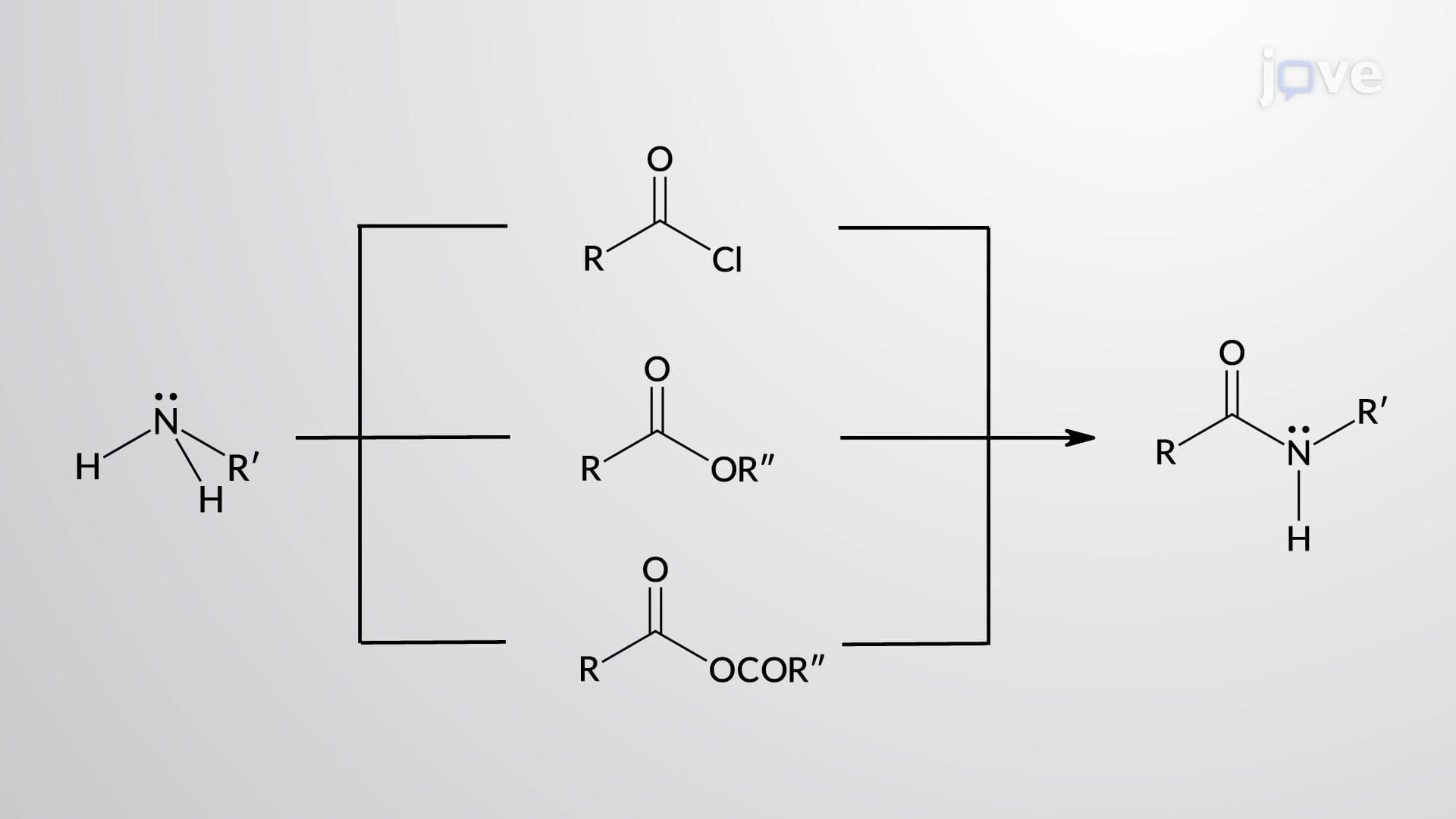
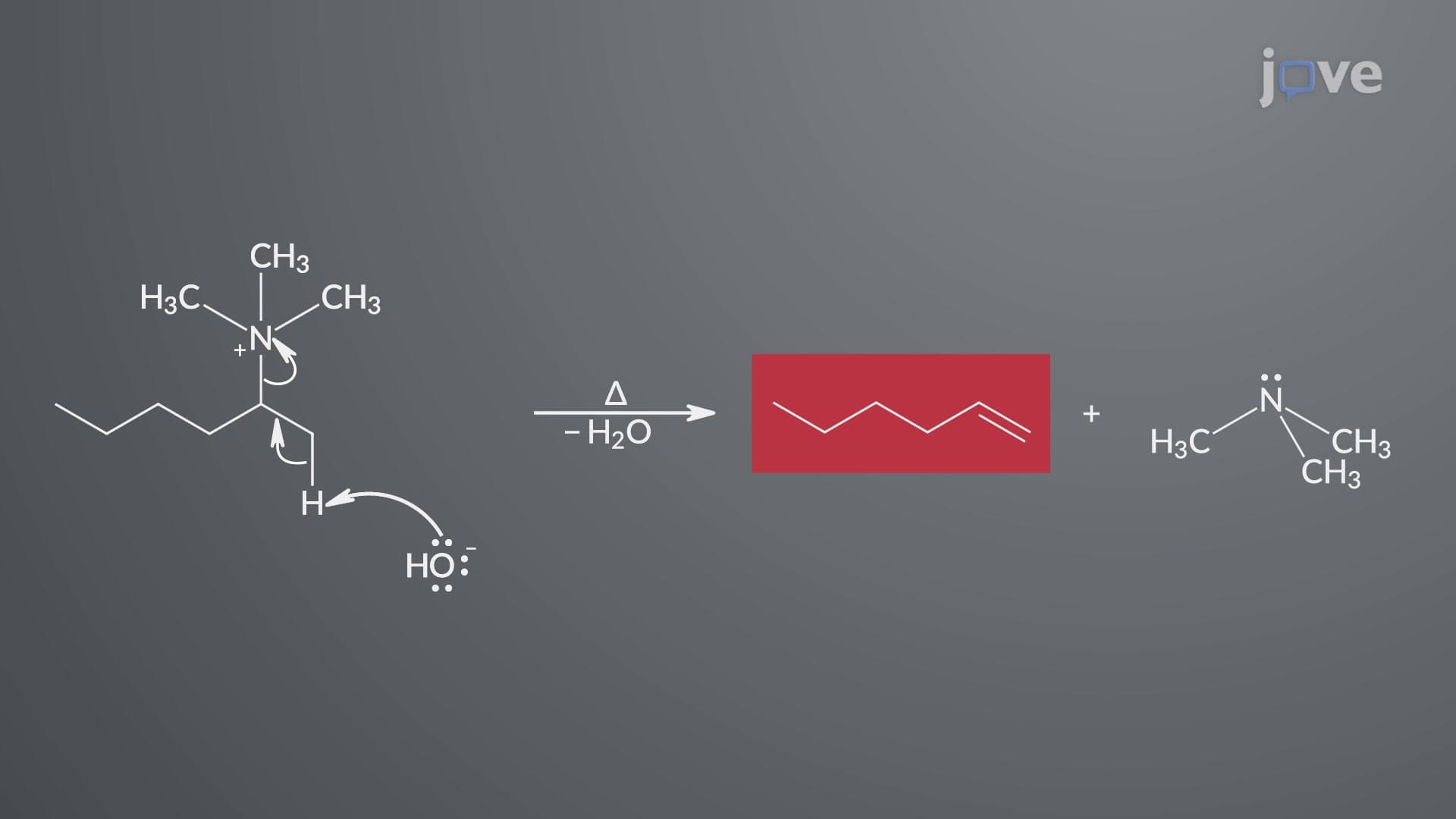
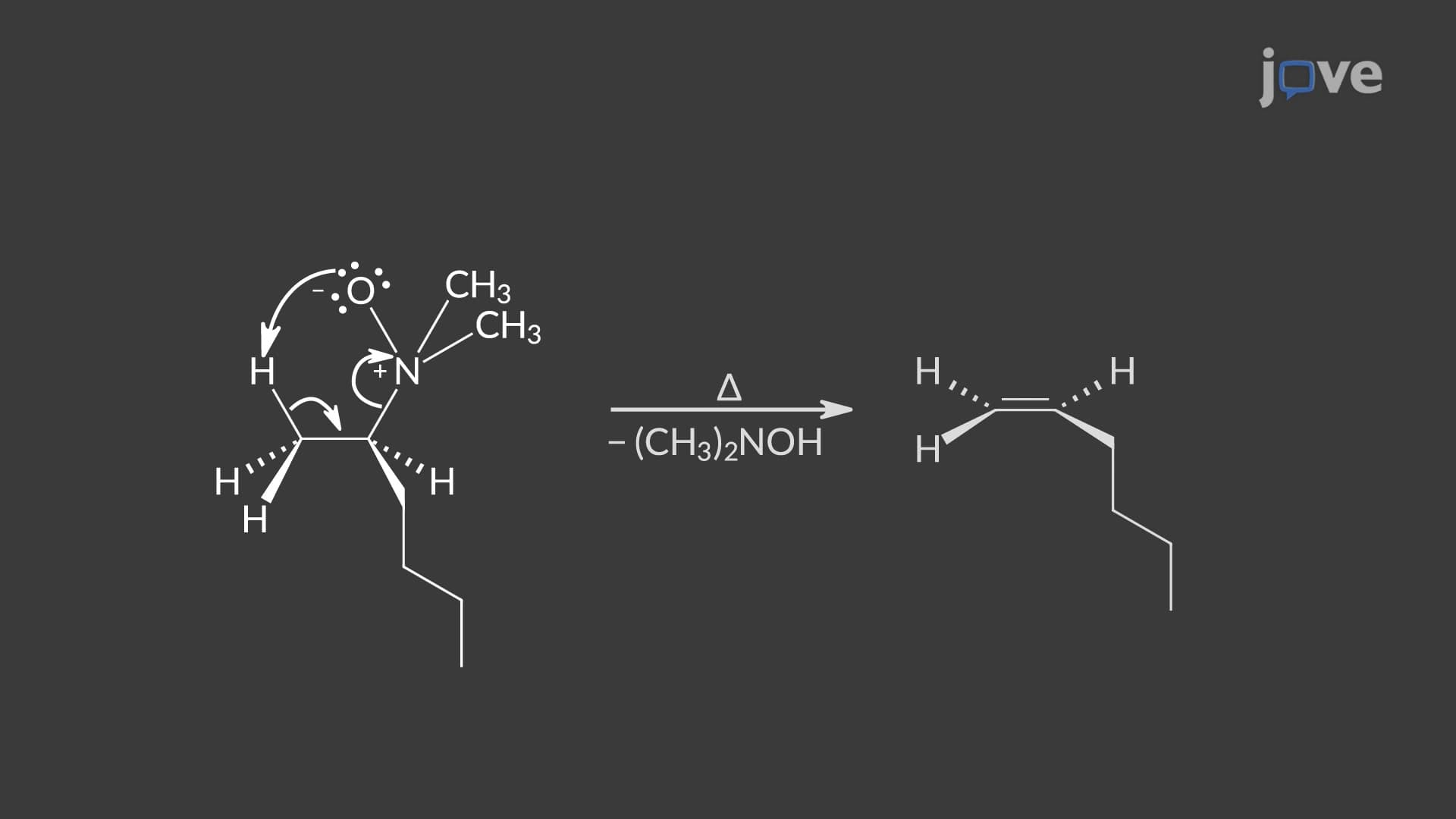
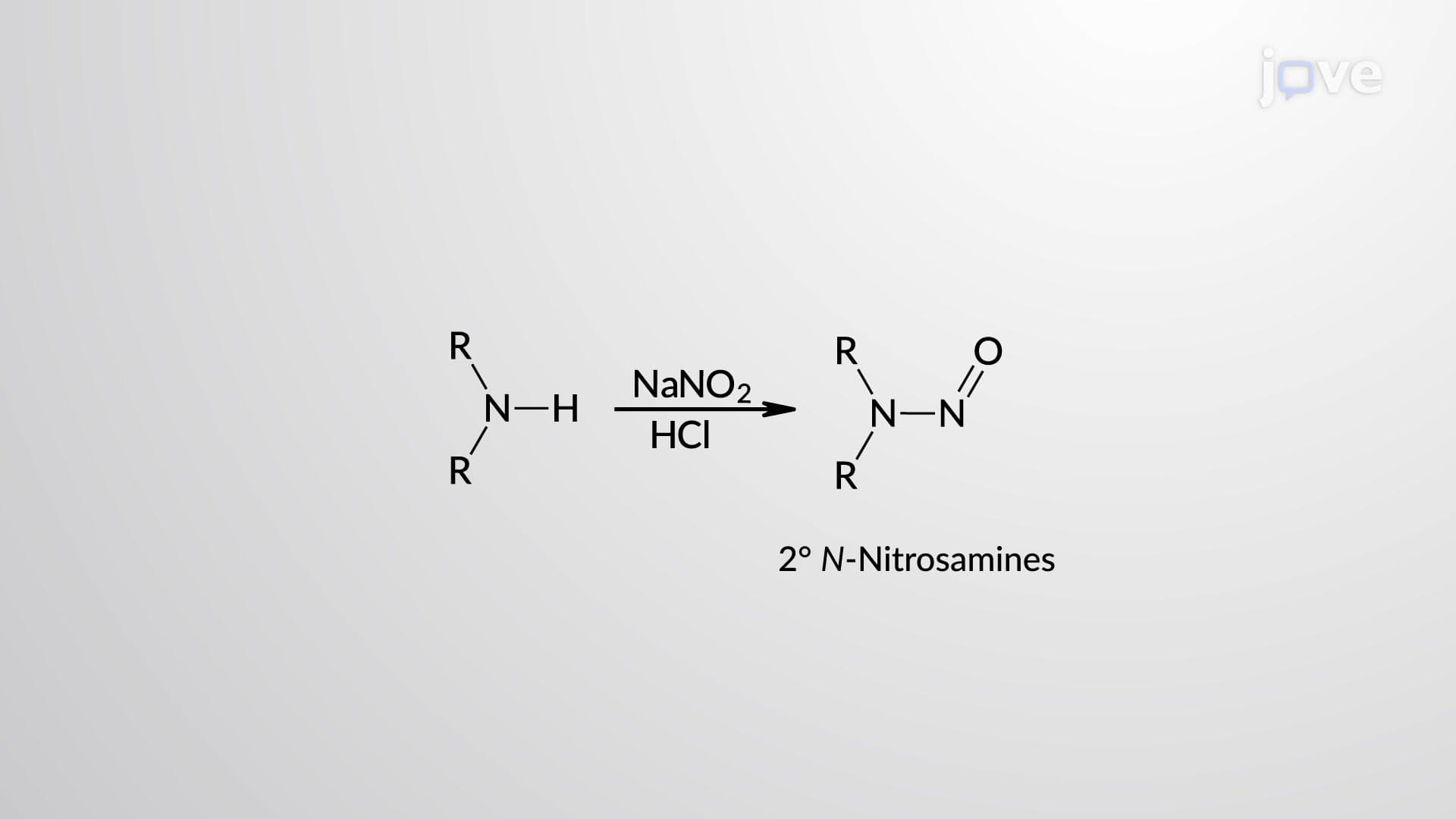
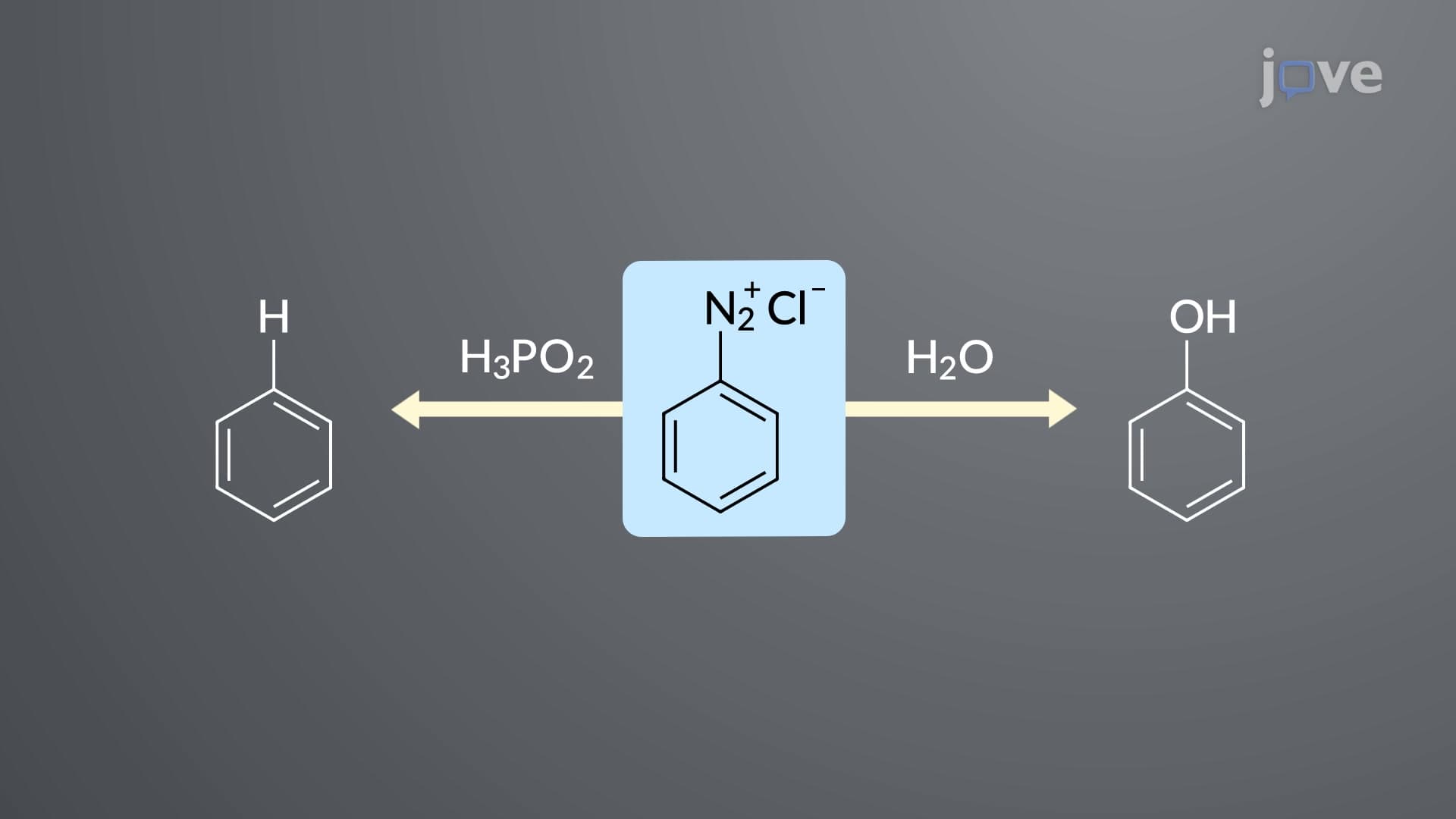
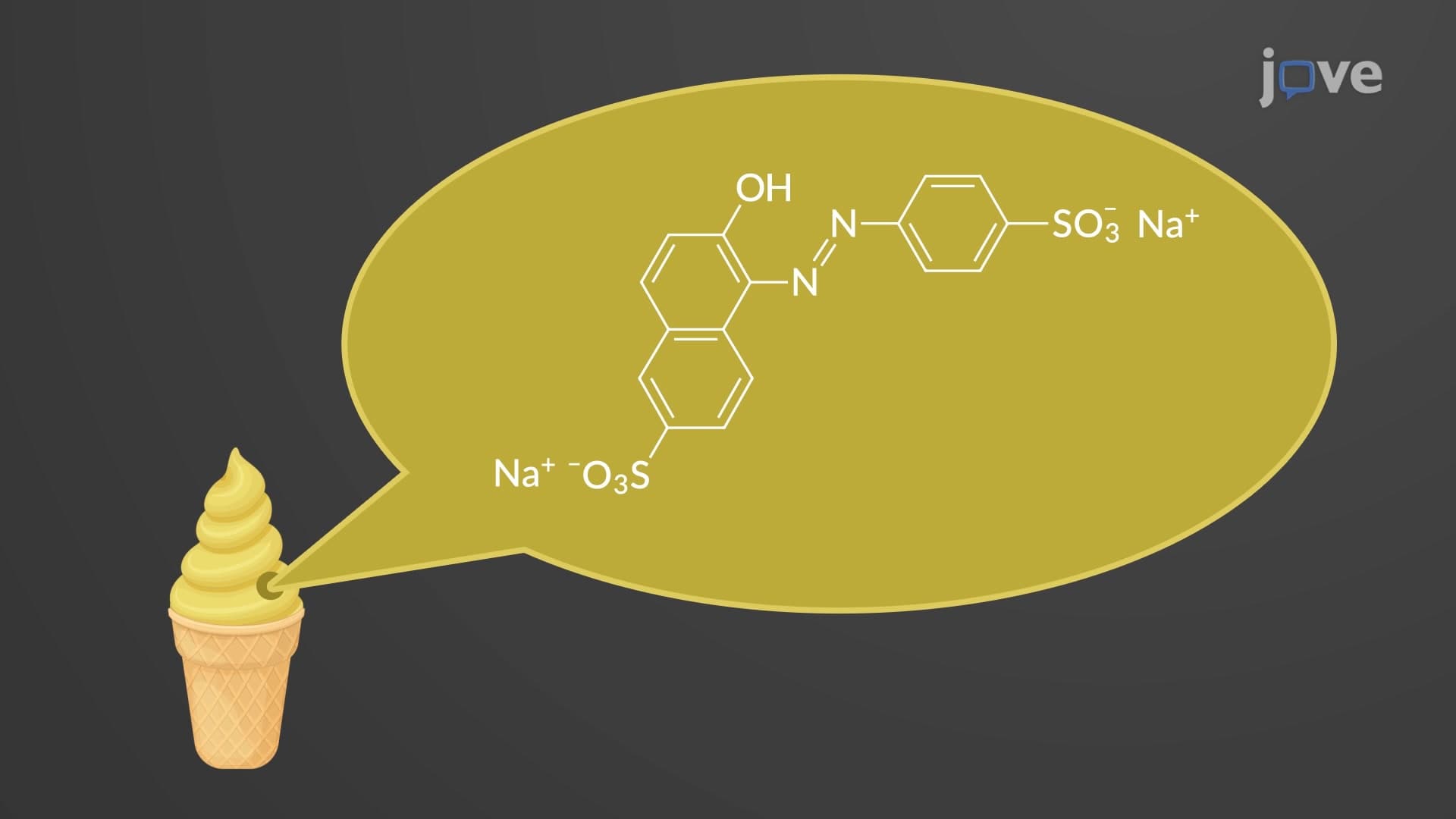
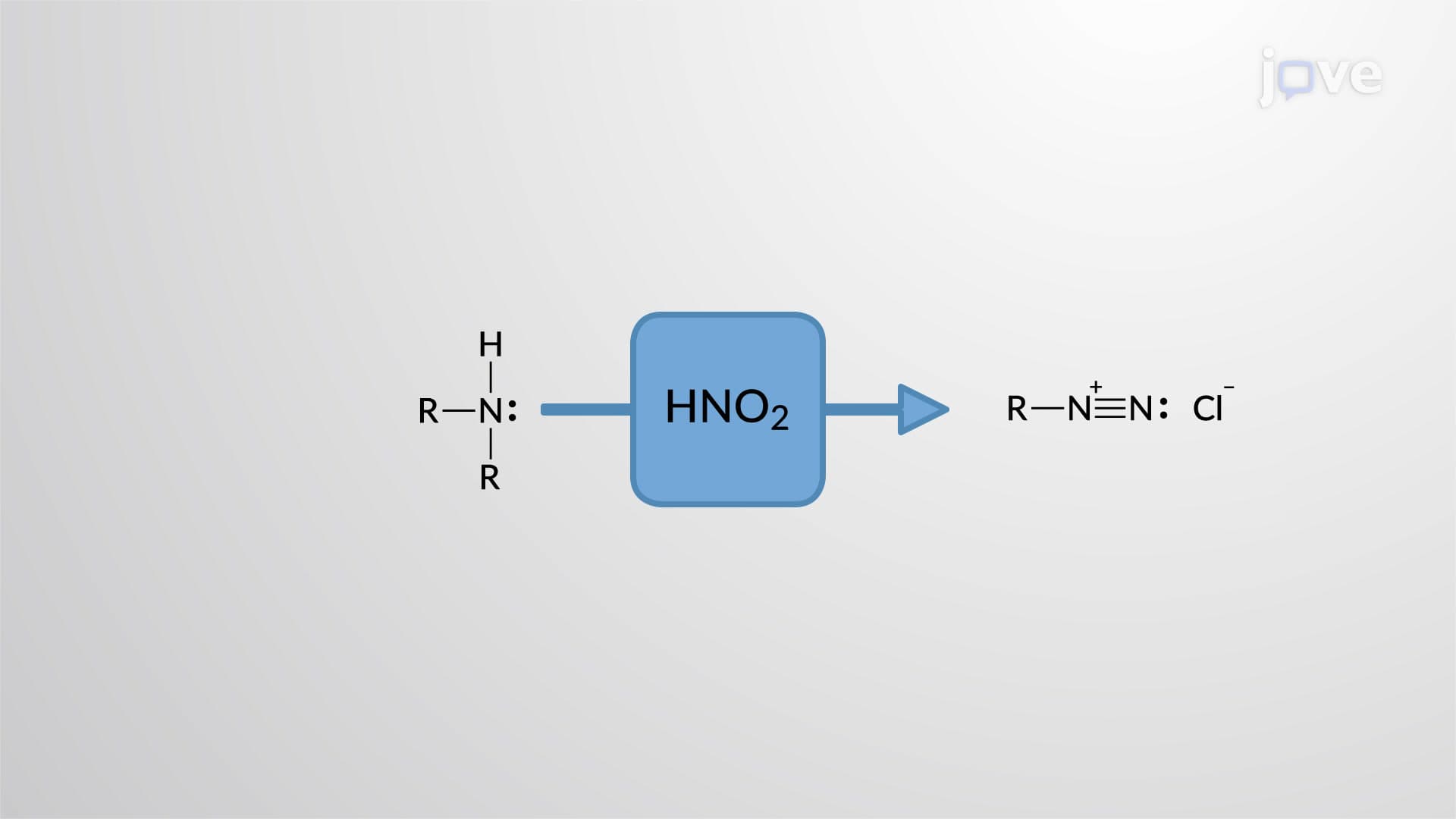
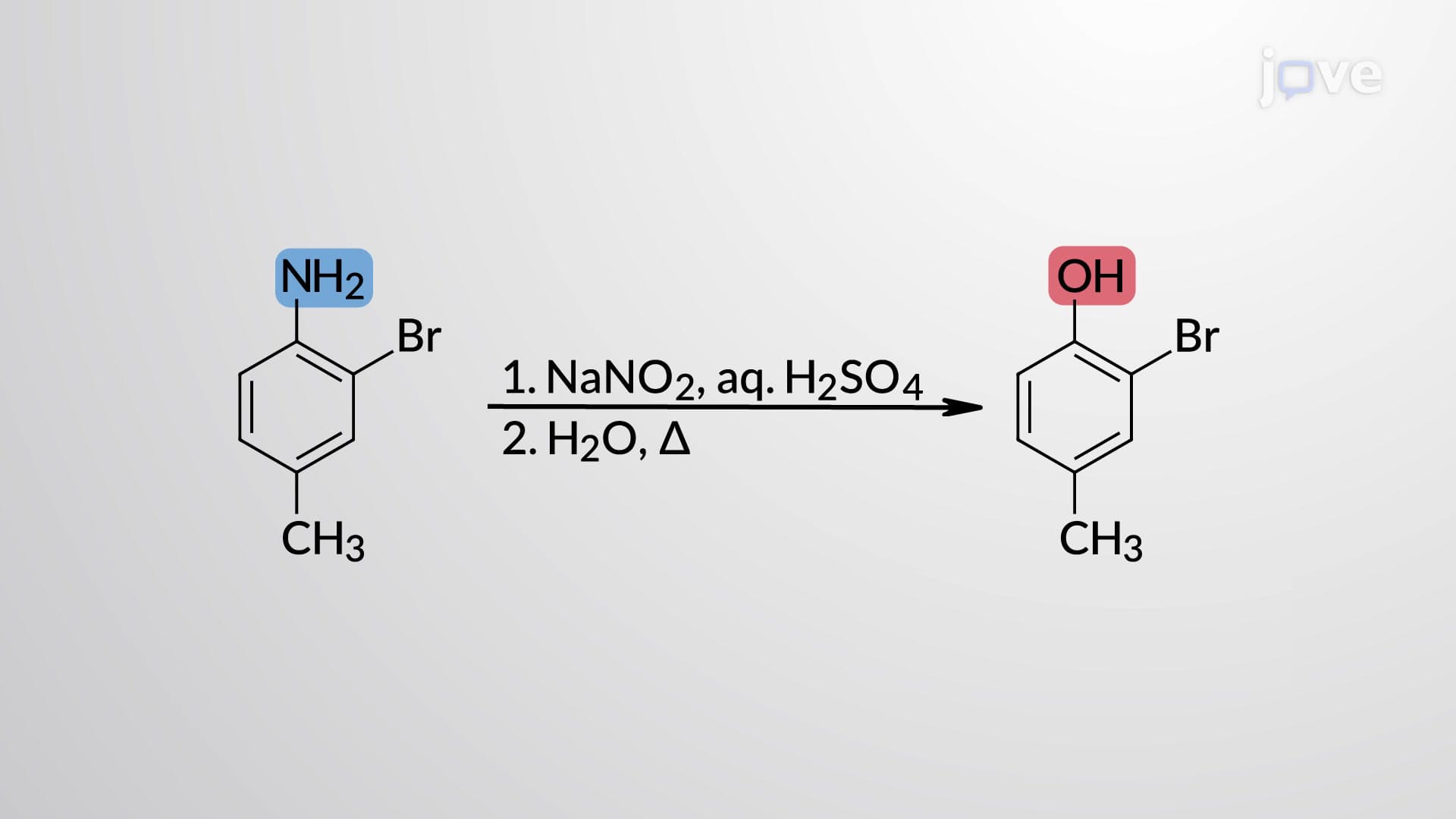
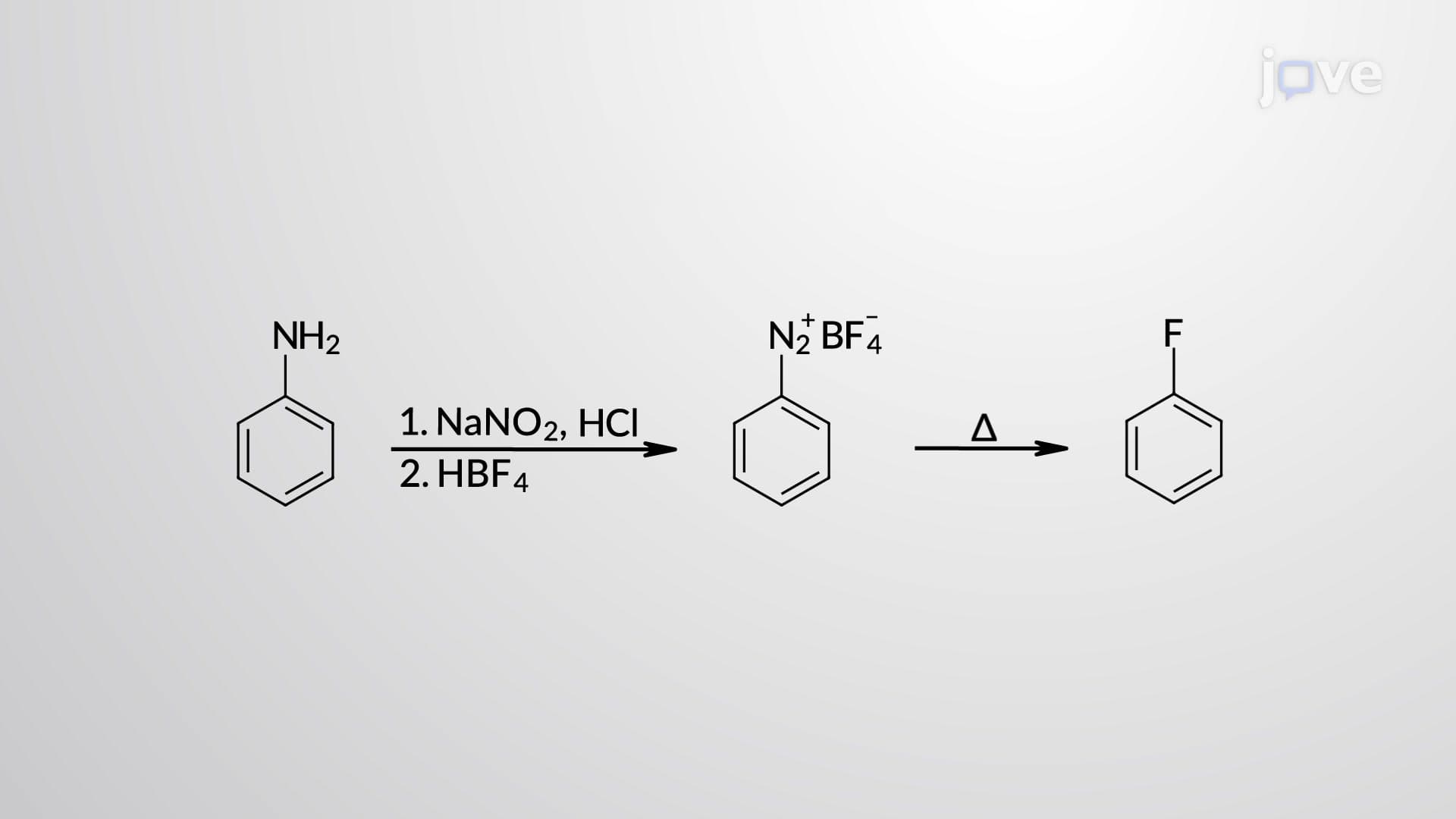
7. Reaction Chemistry and Mechanisms: Amines undergo diverse reactions including acylation to form amides, elimination reactions (Hofmann and Cope), and diazotization of aromatic amines. Hofmann elimination produces less-substituted alkenes contrary to typical E2 reactions. Diazonium salt formation enables aromatic substitution reactions and azo dye synthesis. Understanding these mechanisms is essential for organic chemistry courses and industrial applications in the American chemical industry, from textile dyes to pharmaceutical intermediates.
Frequently Asked Questions
Primary amines have one alkyl or aryl group attached to nitrogen (RNH₂), secondary amines have two groups (R₂NH), and tertiary amines have three groups (R₃N). The classification depends on the number of carbon atoms directly bonded to the nitrogen atom, not the total number of carbons in the molecule.
Consider electron-donating effects and stabilization factors. Alkyl groups donate electrons and increase basicity, while aromatic rings decrease basicity through resonance. Secondary aliphatic amines are often most basic due to optimal inductive and solvation effects. Electron-withdrawing groups on aromatic rings significantly decrease basicity.
Focus on amine basicity and pH behavior, hydrogen bonding effects on physical properties, and biological roles of amines like neurotransmitters. Understanding how amine structure affects drug absorption and distribution is crucial, along with nomenclature of biologically relevant amines like dopamine, serotonin, and pharmaceutical compounds.
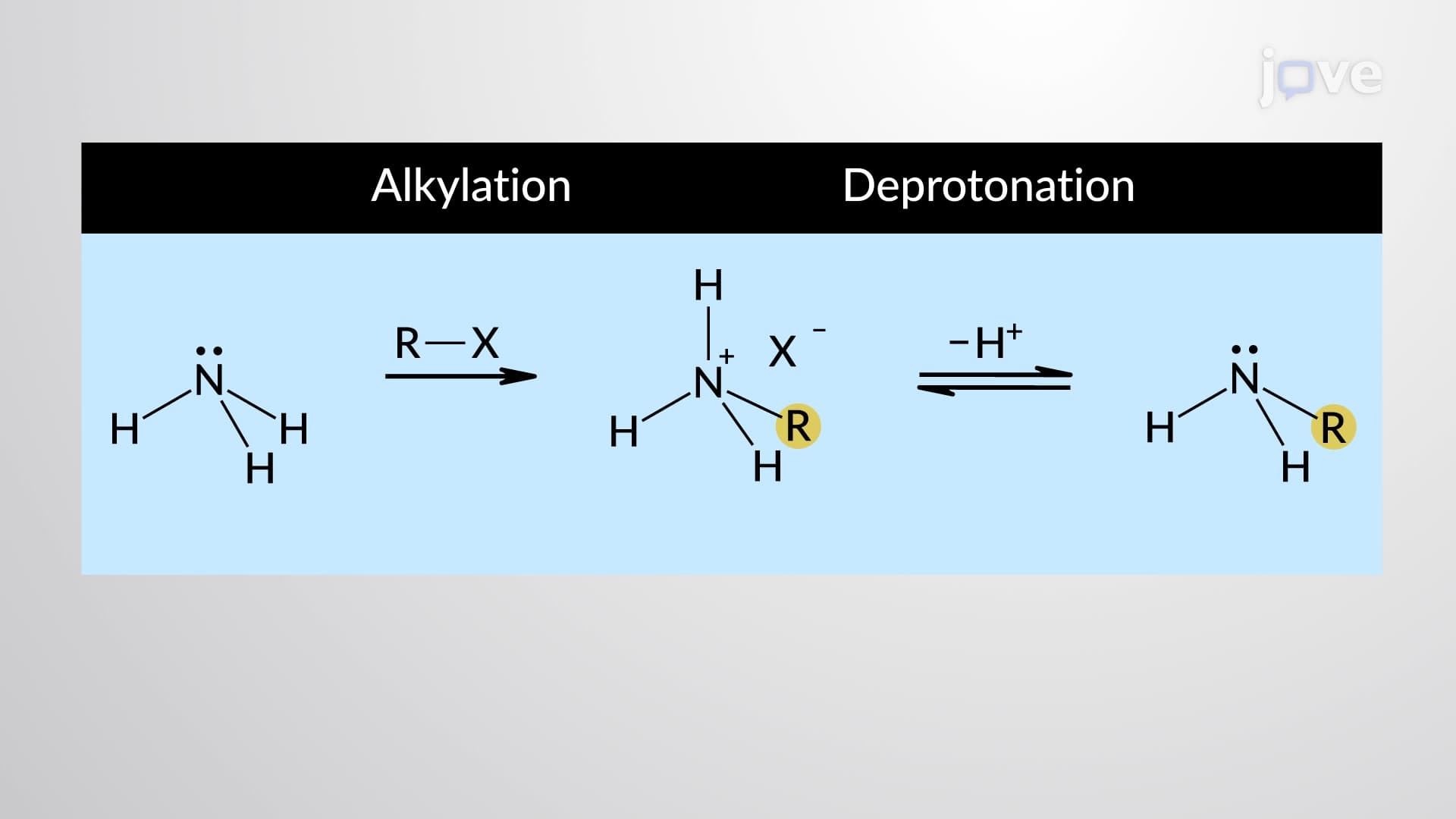
For primary amines, use Gabriel synthesis or azide reduction to avoid polyalkylation. Reductive amination works well for secondary and tertiary amines from carbonyl compounds. Direct alkylation of ammonia gives mixtures but works for quaternary ammonium salts. Choose based on your desired product and available starting materials.
In ¹H NMR, look for broad N-H signals between 0.5-4 ppm that disappear with D₂O exchange. In mass spectrometry, apply the nitrogen rule - odd molecular weights indicate odd numbers of nitrogen atoms. Look for characteristic alpha-cleavage patterns producing iminium ion fragments.
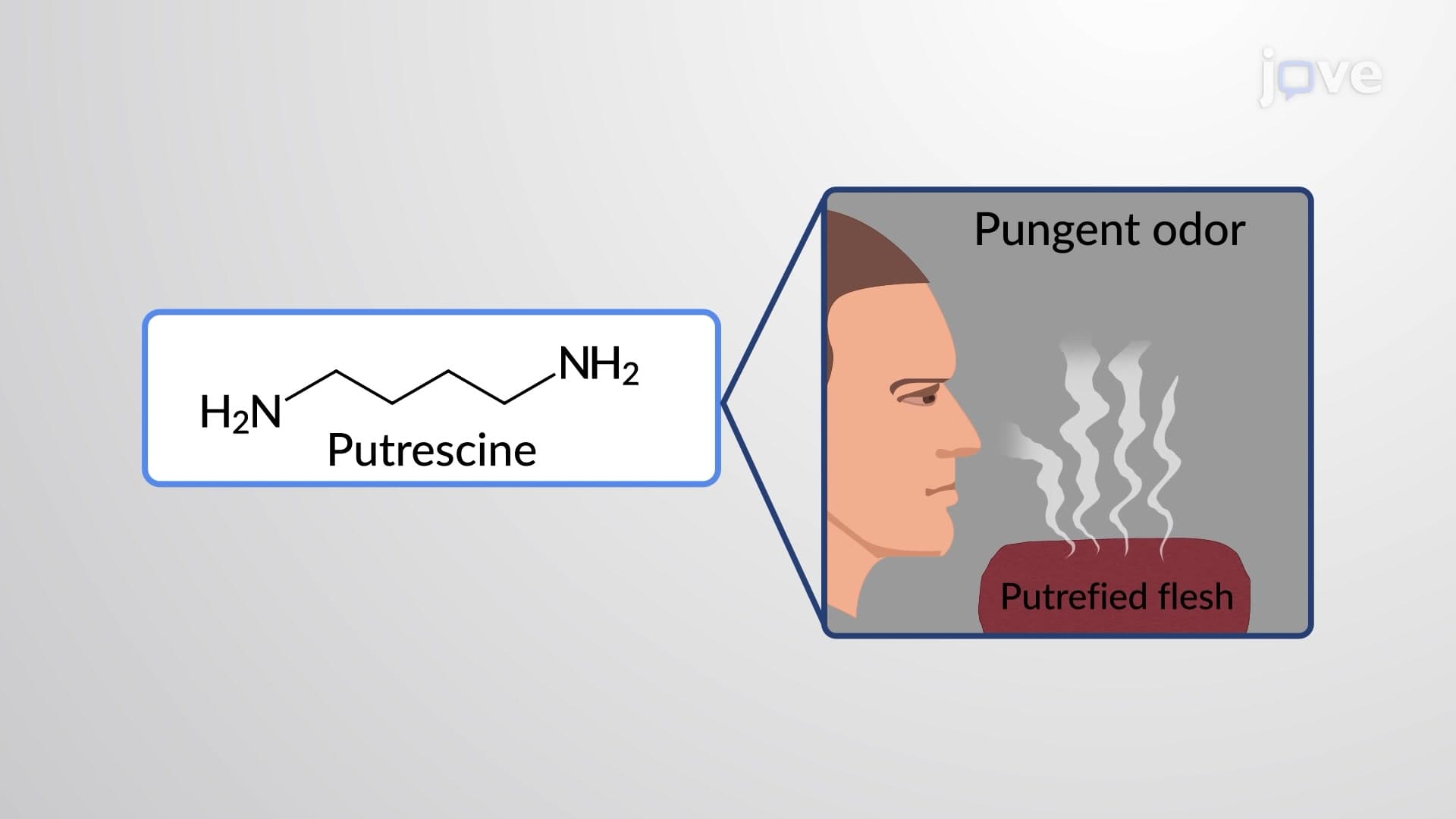
Amines are fundamental to pharmaceuticals (antidepressants, antihistamines), biological systems (neurotransmitters, amino acids), industrial chemicals (nylon production, dyes), and agricultural products (pesticides, fertilizers). Their basicity and hydrogen-bonding capabilities make them versatile for drug design and materials science.
Students often struggle with basicity trends, especially comparing aromatic versus aliphatic amines, and understanding why secondary amines can be more basic than tertiary amines. Synthesis selectivity and multiple reaction pathways also create confusion. Practice with diverse examples and focus on underlying electronic effects.
Create comparison charts for basicity trends, practice drawing reaction mechanisms stepwise, and connect amine properties to biological examples like neurotransmitters. Use flashcards for nomenclature rules and synthesis methods. Work through pharmaceutical examples to see real-world applications of theoretical concepts.
Amine chemistry builds toward amino acid chemistry, protein structure, medicinal chemistry, and advanced synthesis. Understanding amine basicity is crucial for peptide chemistry and drug-receptor interactions. Reaction mechanisms learned here apply to complex natural product synthesis and pharmaceutical development.
This microcourse includes 29 concept videos that walk you through the building blocks of Organic Chemistry. Each video is short, about 1 minute, so you can cover a full topic during a coffee break or between classes. The full sequence starts with Amines: Introduction and ends with Amines to Sulfonamides: The Hinsberg Test.
The natural next step is Radical Chemistry. From there, you can move to Synthetic Polymers. Once you finish those, the full Organic Chemistry curriculum of 21 microcourses on JoVE Coach opens up, taking you from foundational concepts to advanced systems.