Loading subject page…


15 Concepts
12 Concepts
14 Concepts
12 Concepts
7 Concepts
20 Concepts
7 Concepts
15 Concepts
12 Concepts
12 Concepts
15 Concepts
25 Concepts
17 Concepts
28 Concepts
40 Concepts
27 Concepts
12 Concepts
25 Concepts
29 Concepts
27 Concepts
20 Concepts
 15 Concepts
 116.4K Views
 Popular topics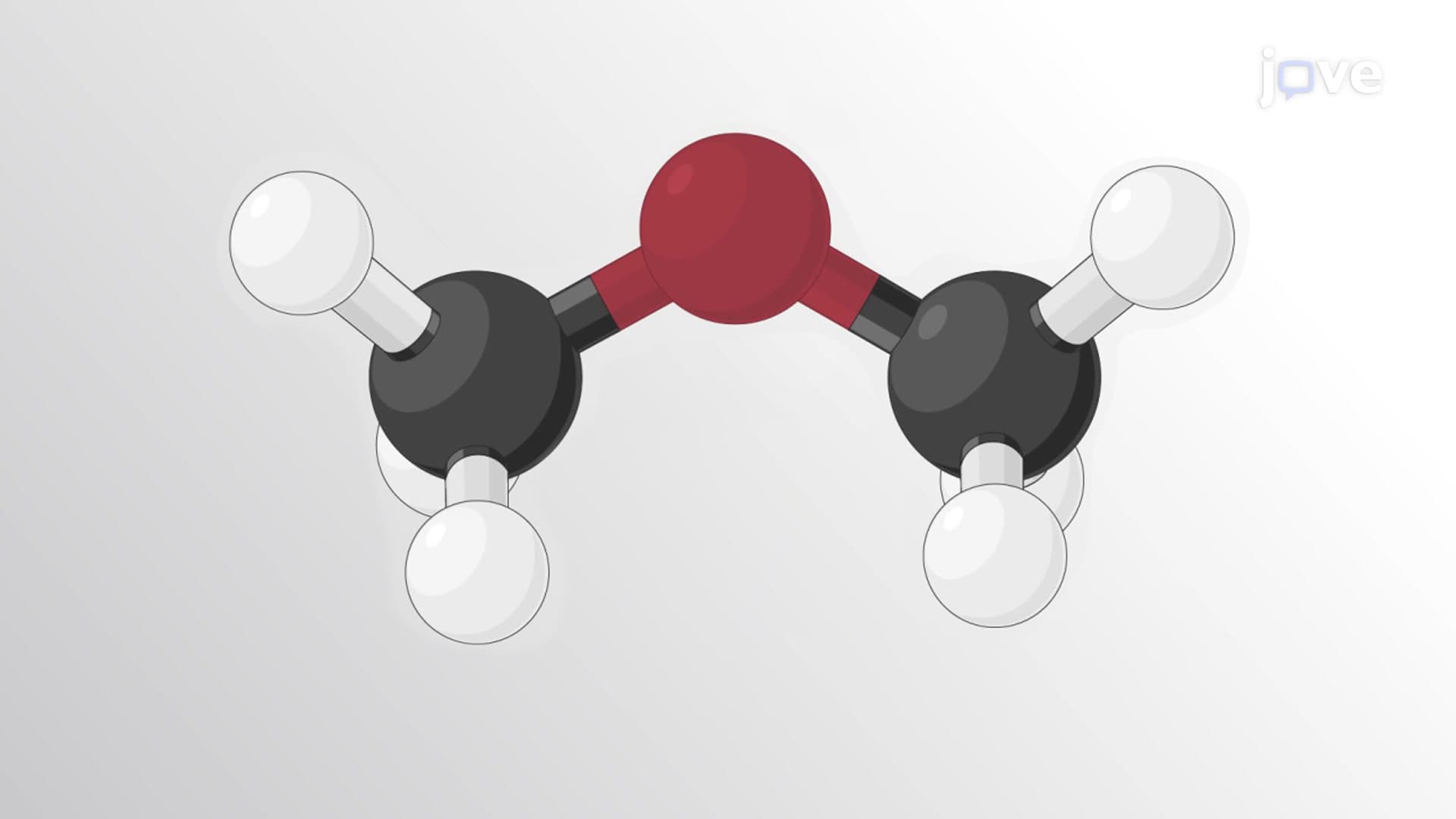




Ethers represent a fundamental class of organic compounds containing oxygen bonded to two carbon groups, essential for understanding advanced organic chemistry concepts. This comprehensive course covers ether structure, nomenclature, synthesis methods including Williamson ether synthesis, and reactions. Students explore epoxide chemistry, crown ethers, and sulfur-containing compounds, building skills crucial for AP Chemistry, MCAT preparation, and undergraduate organic chemistry success with JoVE Coach support.
1. Ether Structure and Nomenclature: Ethers contain oxygen bonded to two carbon groups with sp³ hybridization and bent geometry. Common names list alkyl groups alphabetically followed by "ether," while IUPAC names identify the larger group as the parent chain and smaller as alkoxy substituent. Examples include ethyl methyl ether (common) and methoxyethane (IUPAC). Cyclic ethers use "oxa" prefixes like oxirane for three-membered rings or oxane for six-membered rings.
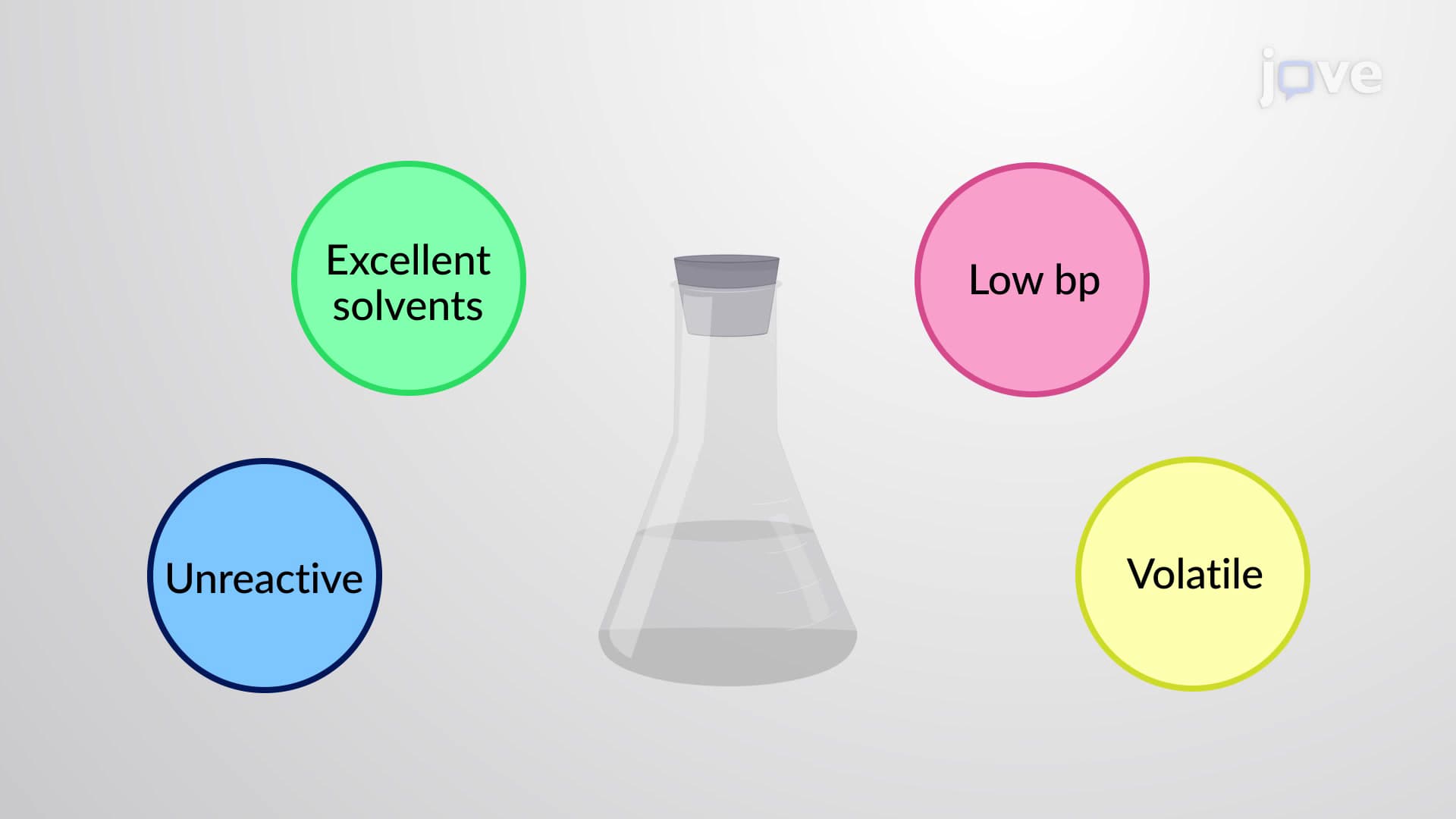
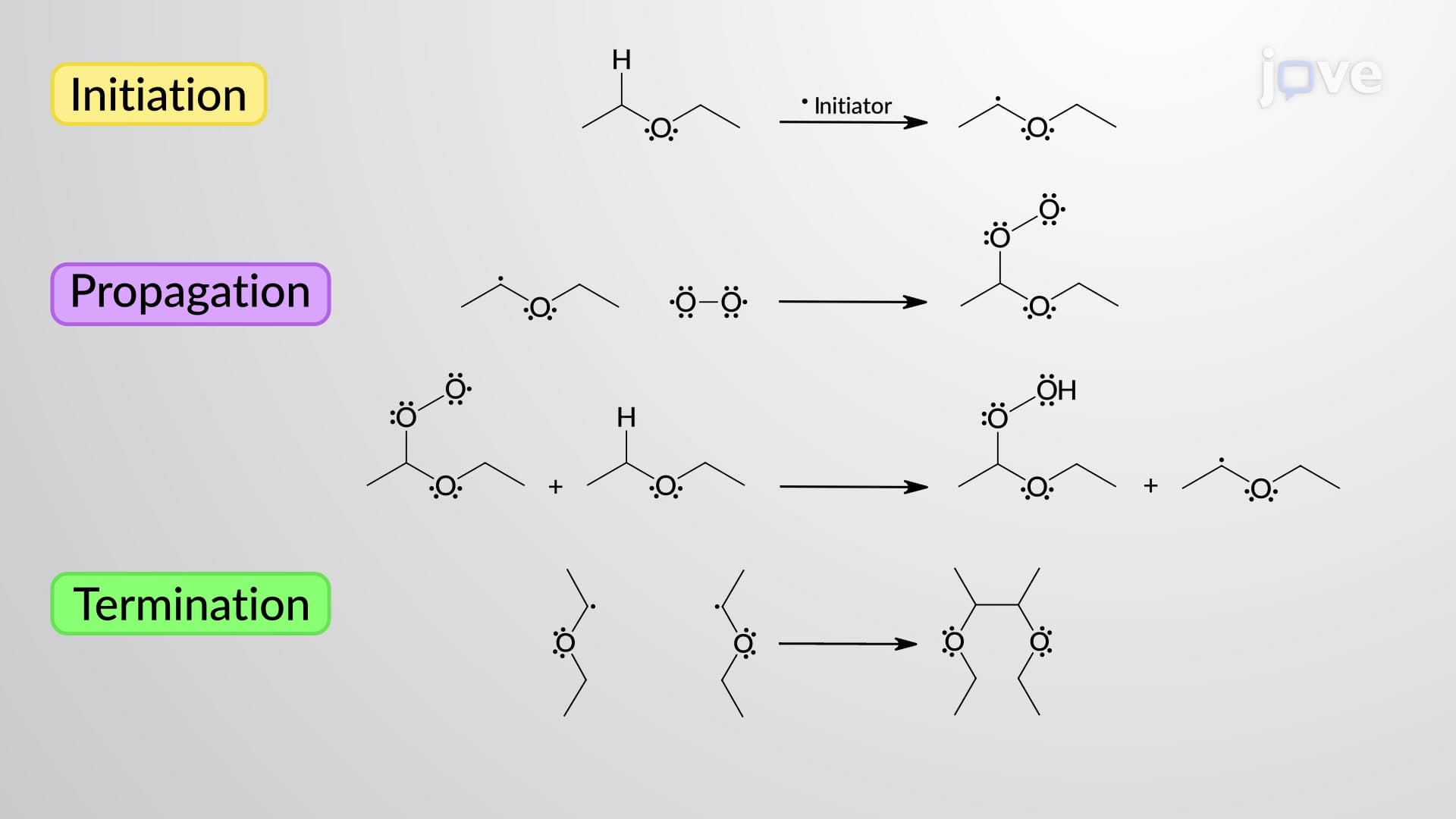
2. Ether Physical Properties and Safety: Ethers are colorless liquids with pleasant odors, showing lower boiling points than alcohols due to inability to hydrogen bond as donors. They remain polar due to oxygen electronegativity, allowing hydrogen bonding as acceptors. Safety concerns include high flammability and autoxidation to dangerous peroxides. Laboratory testing with acidified potassium iodide detects peroxide formation, which appears as yellow coloration indicating potential explosion hazards.
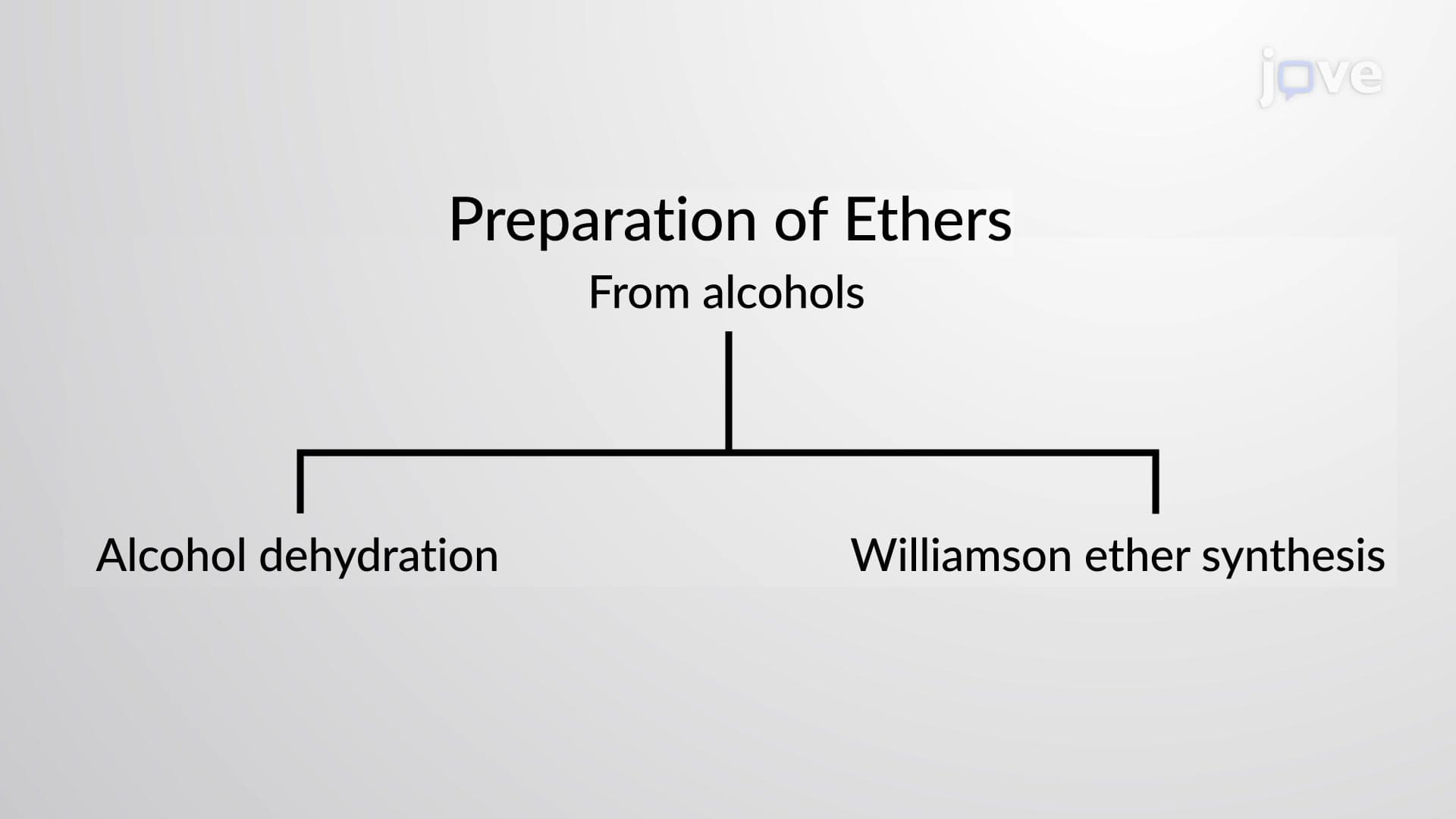
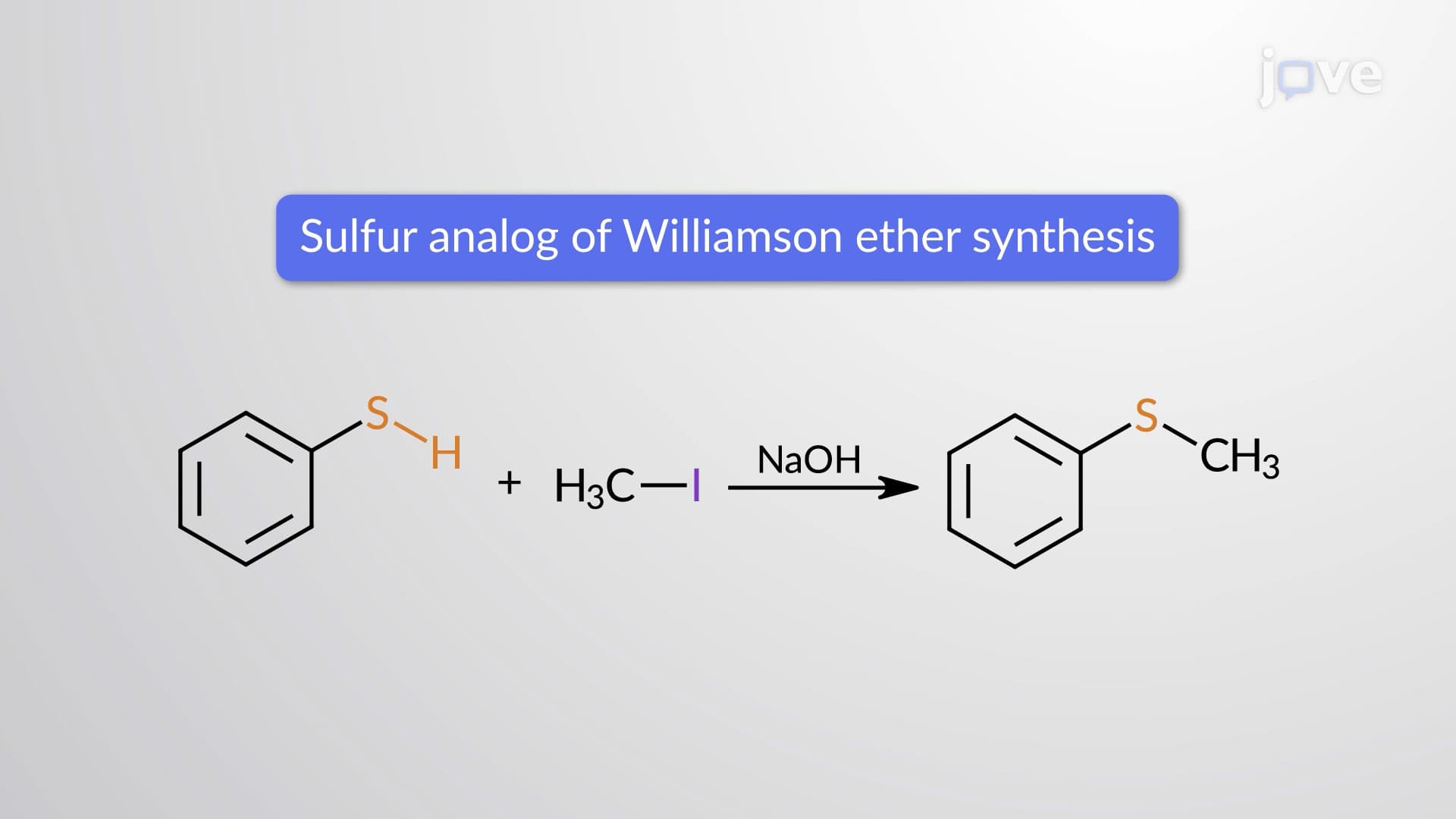
3. Williamson Ether Synthesis: This versatile two-step method creates asymmetrical ethers by treating alcohols with strong bases like sodium hydride to form alkoxide ions, followed by SN2 reaction with primary alkyl halides. The mechanism favors primary substrates due to reduced steric hindrance. Secondary and tertiary halides undergo elimination instead. This method overcomes limitations of alcohol dehydration, which only produces symmetrical ethers from primary alcohols.
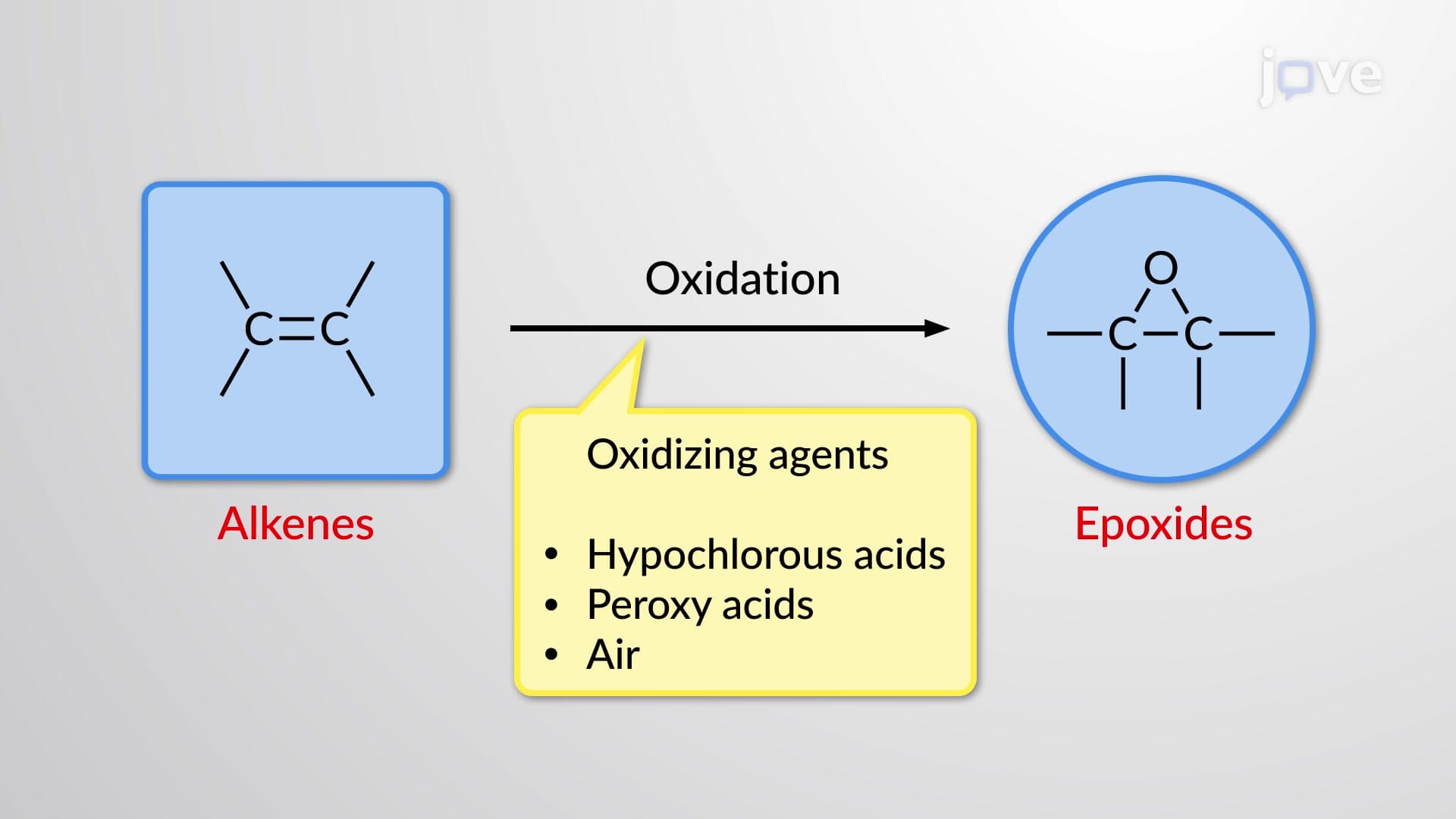
4. Epoxide Structure and Strain: Three-membered cyclic ethers called epoxides exhibit extreme ring strain due to compressed bond angles deviating from ideal tetrahedral geometry. This strain makes epoxides highly reactive compared to other ethers. Common names derive from parent alkenes plus "oxide" (ethylene oxide), while IUPAC uses oxirane derivatives. Substituted examples include 2,3-dimethyloxirane, with numbering starting from oxygen and alphabetical substituent listing.
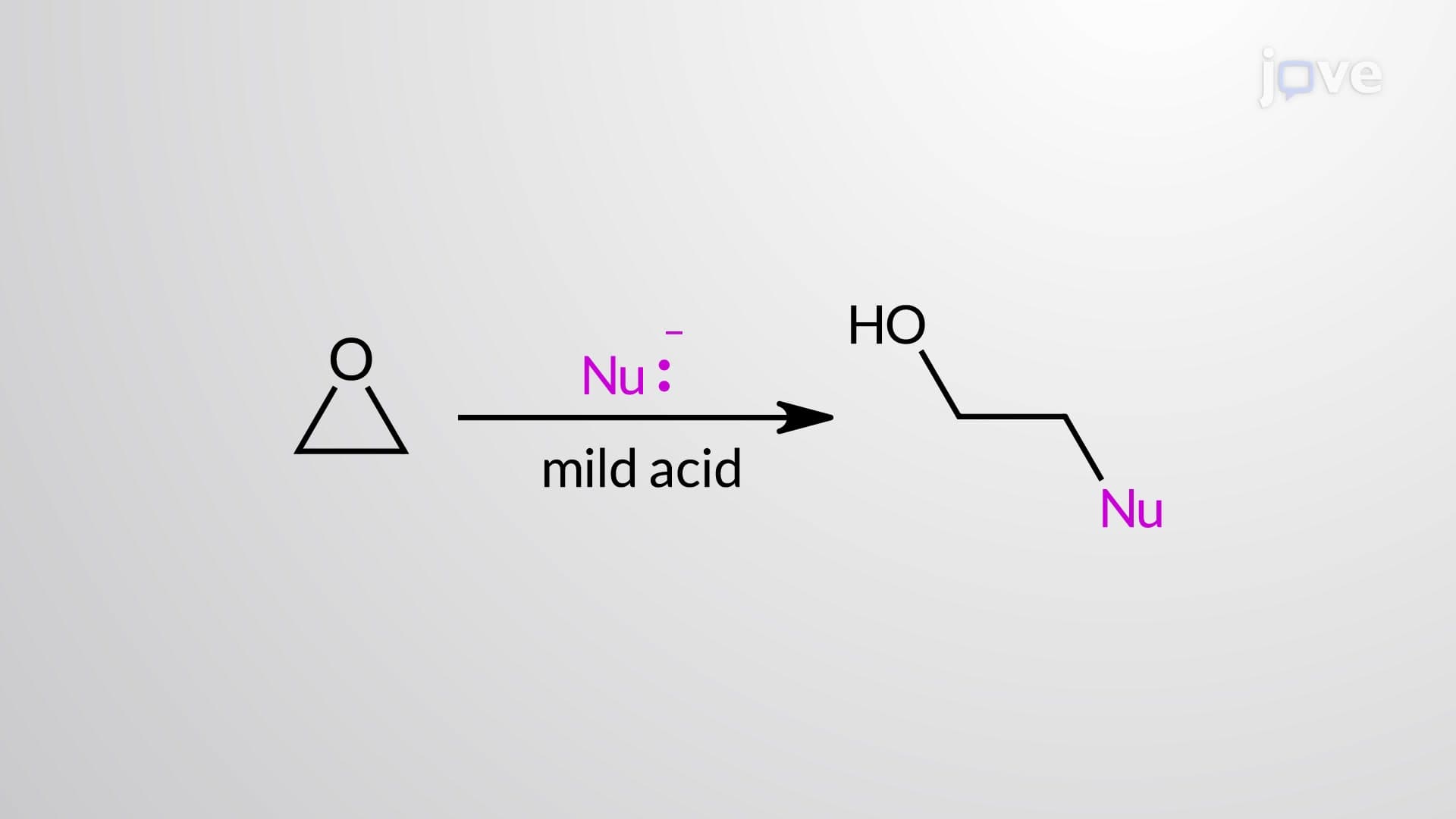
5. Epoxide Ring-Opening Reactions: Acid-catalyzed reactions proceed through protonated epoxide intermediates, with regioselectivity determined by steric effects (attack at less substituted carbon) or electronic effects (attack at more substituted carbon for tertiary systems). Base-catalyzed openings require strong nucleophiles like alkoxides, following SN2 patterns attacking less hindered carbons. Both mechanisms show inversion of configuration and anti stereochemistry between incoming nucleophile and leaving oxygen.
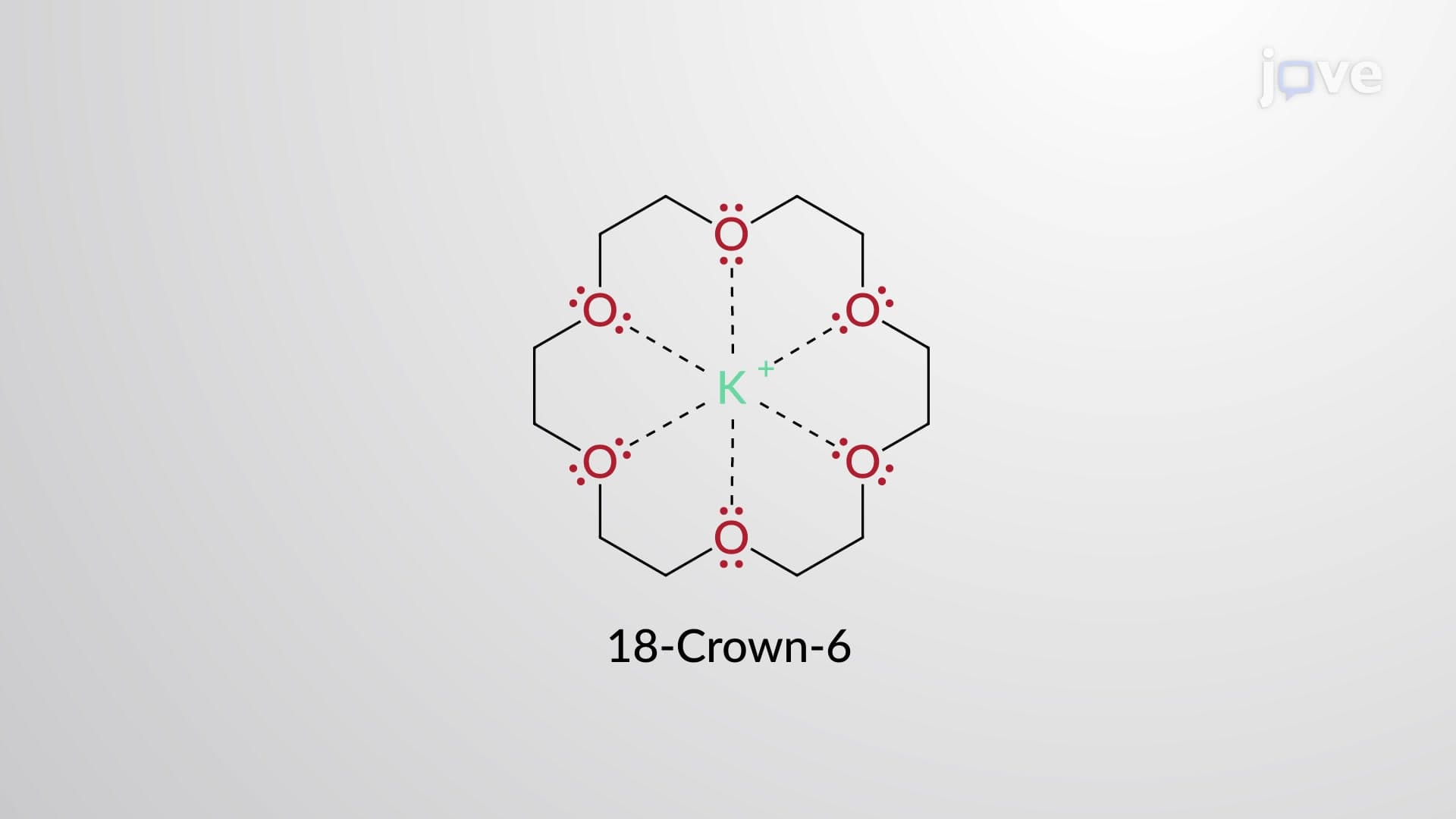
6. Crown Ethers and Metal Binding: Cyclic polyethers named using "x-crown-y" format (total atoms-crown-oxygen atoms) selectively bind metal cations based on cavity size matching ionic diameter. 18-crown-6 binds potassium ions effectively while 12-crown-4 prefers lithium. The polar interior coordinates metals while hydrophobic exterior enables dissolution of ionic compounds in nonpolar solvents, creating valuable phase-transfer catalysts for synthetic applications.