Loading concepts…


15 Concepts
12 Concepts
14 Concepts
12 Concepts
7 Concepts
20 Concepts
7 Concepts
15 Concepts
12 Concepts
12 Concepts
15 Concepts
25 Concepts
17 Concepts
28 Concepts
40 Concepts
27 Concepts
12 Concepts
25 Concepts
29 Concepts
27 Concepts
20 Concepts
 12 Concepts
 143.3K Views
 Popular topics
Alkynes are unsaturated hydrocarbons containing carbon-carbon triple bonds, making them highly reactive compounds essential in organic chemistry. This comprehensive course explores alkyne structure, nomenclature, acidity, preparation methods, and diverse reactions including electrophilic additions, oxidations, and reductions. Students will master key concepts through detailed mechanisms and real-world applications, from pharmaceutical synthesis to industrial welding processes, with JoVE Coach support throughout.
1. Structure and Bonding in Alkynes: Alkynes contain carbon-carbon triple bonds consisting of one sigma bond and two pi bonds, created through sp hybridization. This linear geometry with 180° bond angles results in rigid molecular structures. The 50% s-character makes alkyne bonds shorter and stronger than corresponding alkene or alkane bonds. Acetylene, the simplest alkyne with formula C₂H₂, demonstrates these properties and serves as an industrial fuel for welding applications reaching temperatures over 3000°C in oxyacetylene torches used throughout American manufacturing.
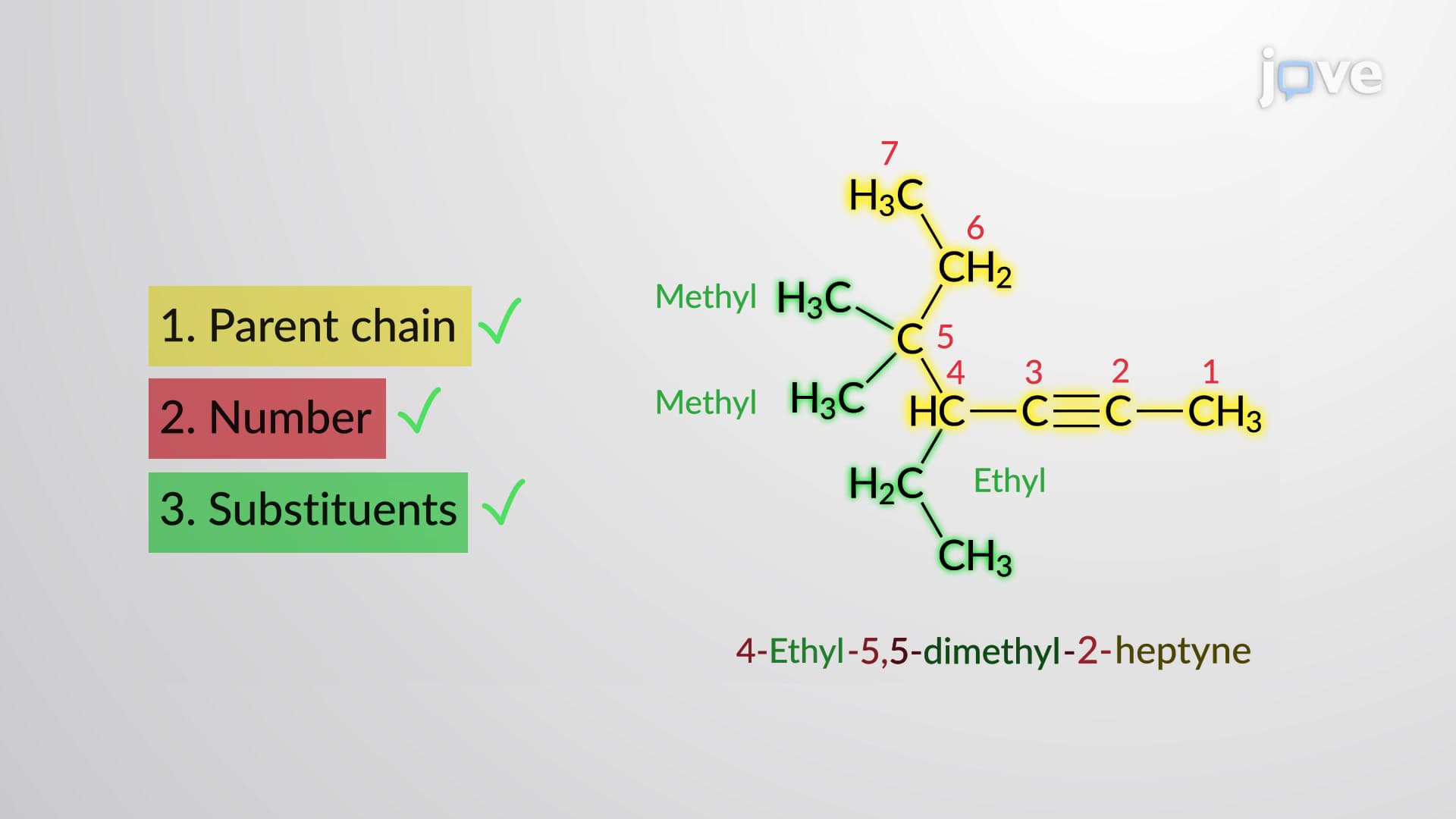
2. Alkyne Nomenclature Systems: IUPAC nomenclature uses the suffix "-yne" with numbering that gives the triple bond the lowest possible position. Terminal alkynes have the triple bond at the end of the carbon chain, while internal alkynes have it within the chain. Common nomenclature treats compounds as acetylene derivatives. For example, 2-butyne becomes "dimethylacetylene" in common naming. Complex molecules like those found in pharmaceutical compounds such as ethynylestradiol (used in birth control pills) demonstrate advanced nomenclature principles combining multiple functional groups with systematic numbering rules.
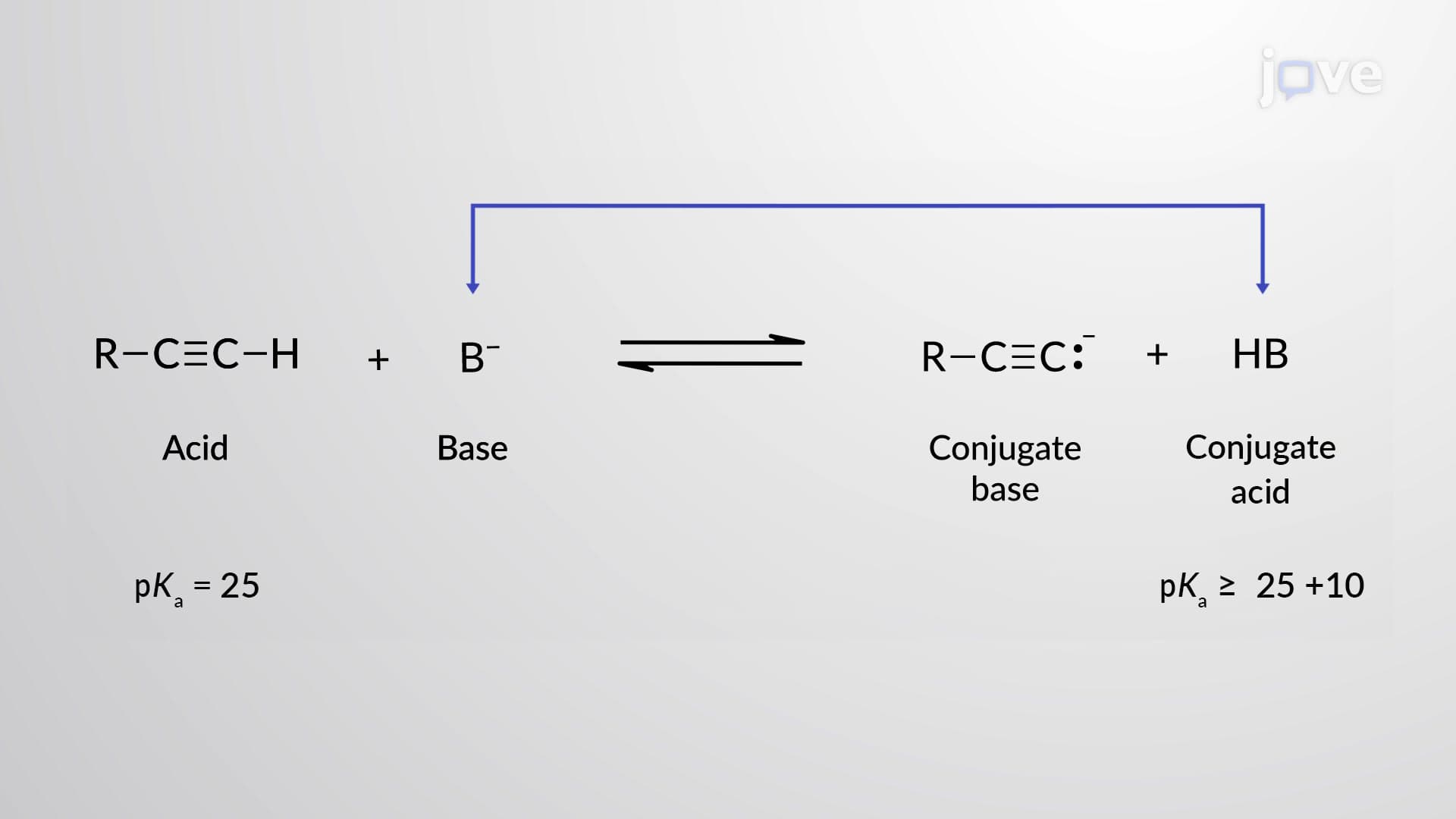
3. Acidity of Terminal Alkynes: Terminal alkynes exhibit remarkable acidity compared to other hydrocarbons, with pKa values around 25, making them 10²⁶ times more acidic than alkanes. This acidity results from the stability of acetylide anions, where the negative charge resides in an sp orbital with 50% s-character, holding electrons closer to the nucleus. Strong bases like sodium amide (NaNH₂) effectively deprotonate terminal alkynes to form acetylide salts. This property enables synthetic transformations impossible with alkenes or alkanes, particularly in pharmaceutical synthesis where precise functional group manipulation is crucial.
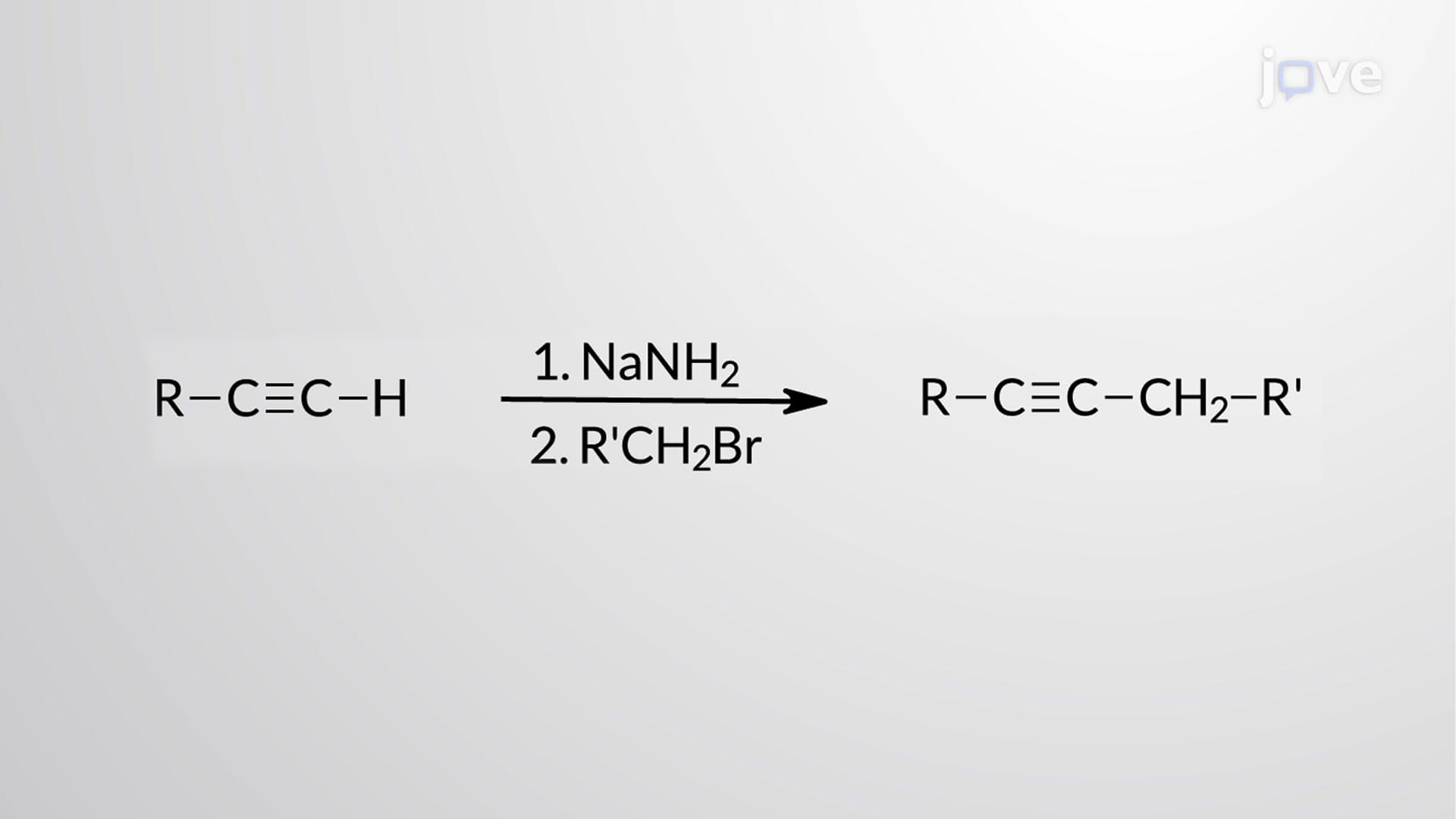
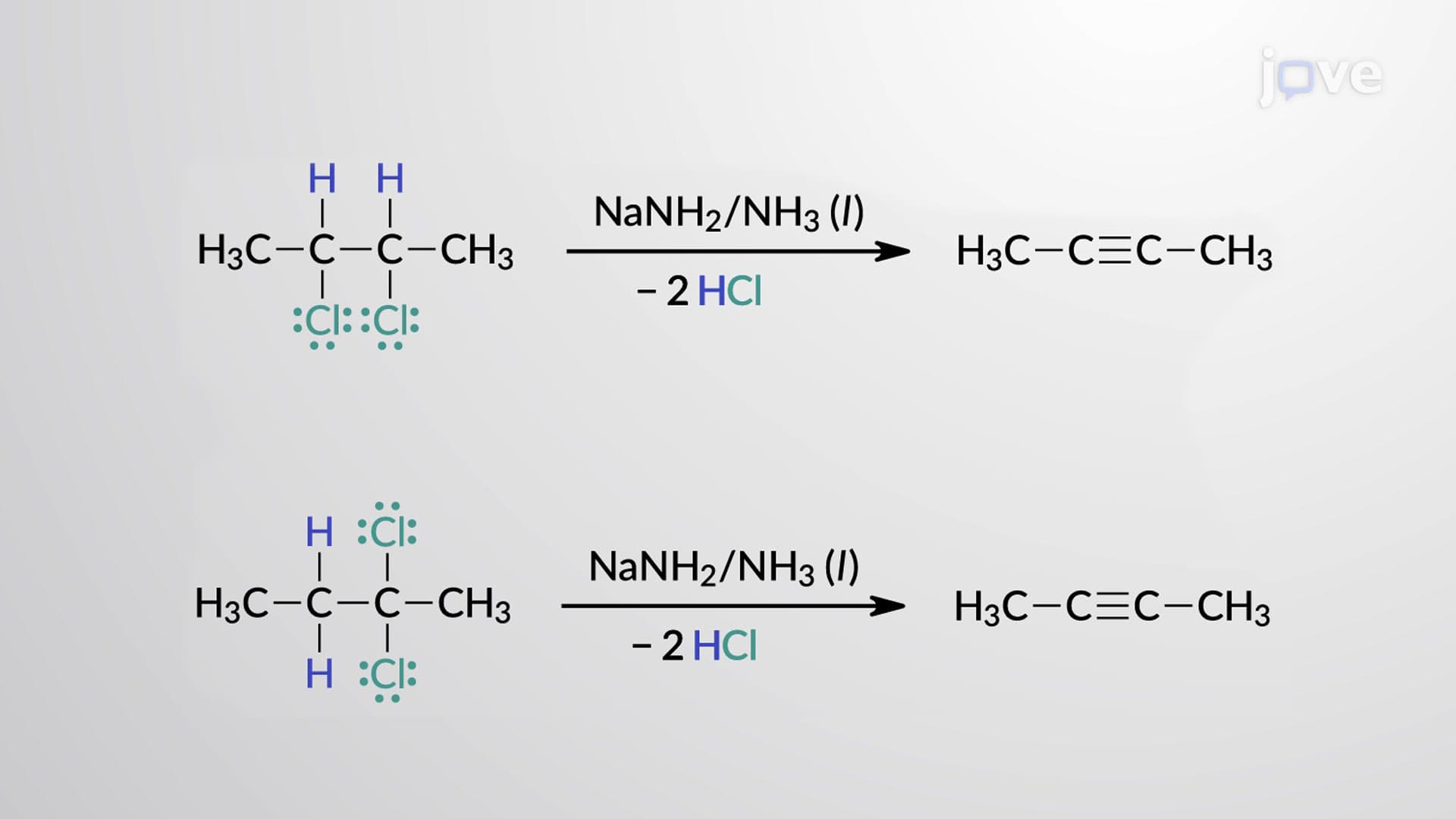
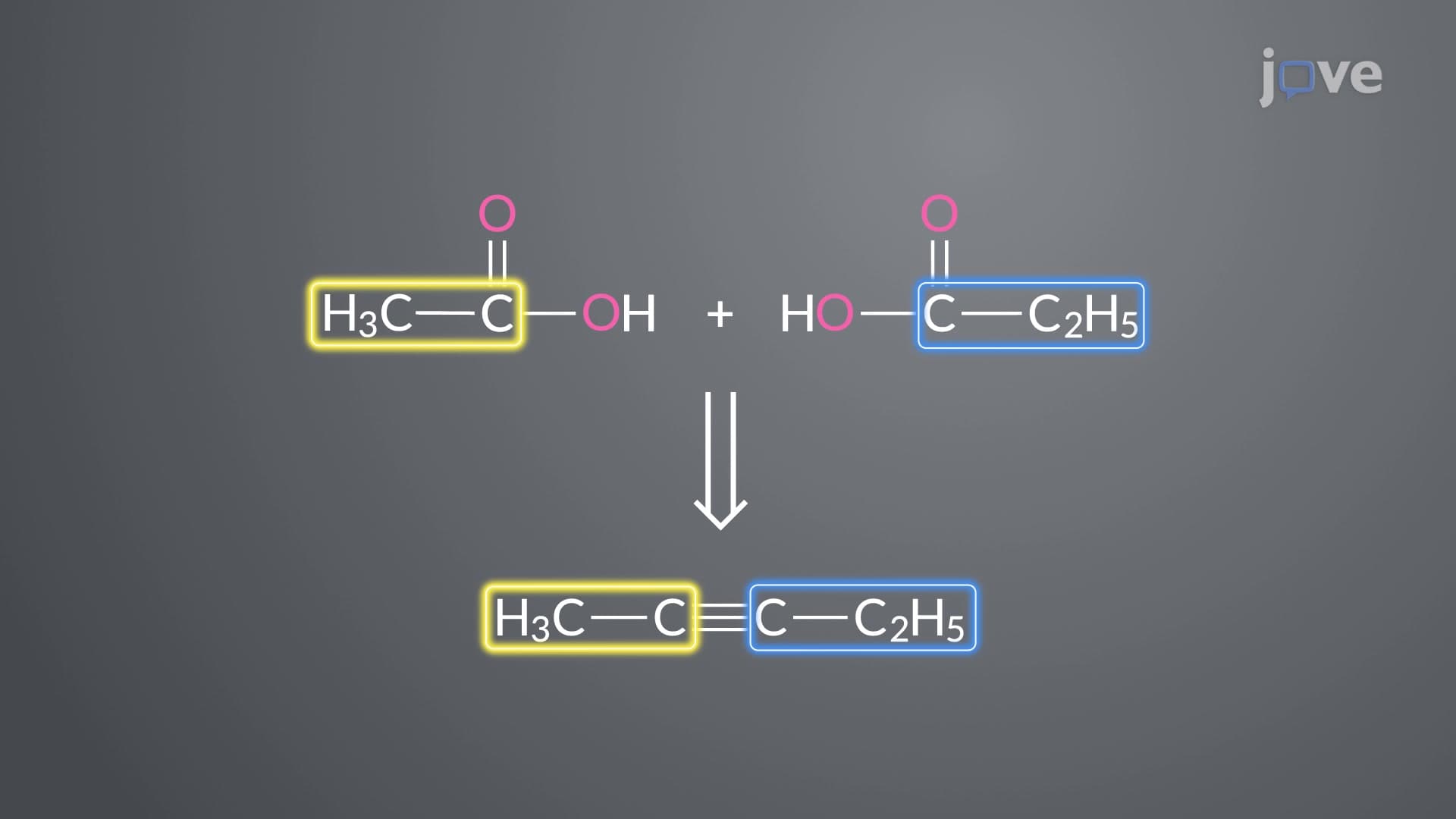
4. Alkyne Preparation Methods: Two primary synthetic routes produce alkynes: alkylation of acetylides and dehydrohalogenation of dihalides. Alkylation involves treating terminal alkynes with strong bases to form acetylide anions, then reacting with primary alkyl halides via SN2 mechanisms. Dehydrohalogenation uses multiple equivalents of strong bases like sodium amide to eliminate hydrogen halides from vicinal or geminal dihalides through consecutive E2 reactions. These methods enable construction of complex alkyne frameworks found in natural products and pharmaceuticals, with applications ranging from hormone synthesis to advanced materials production in American chemical industries.
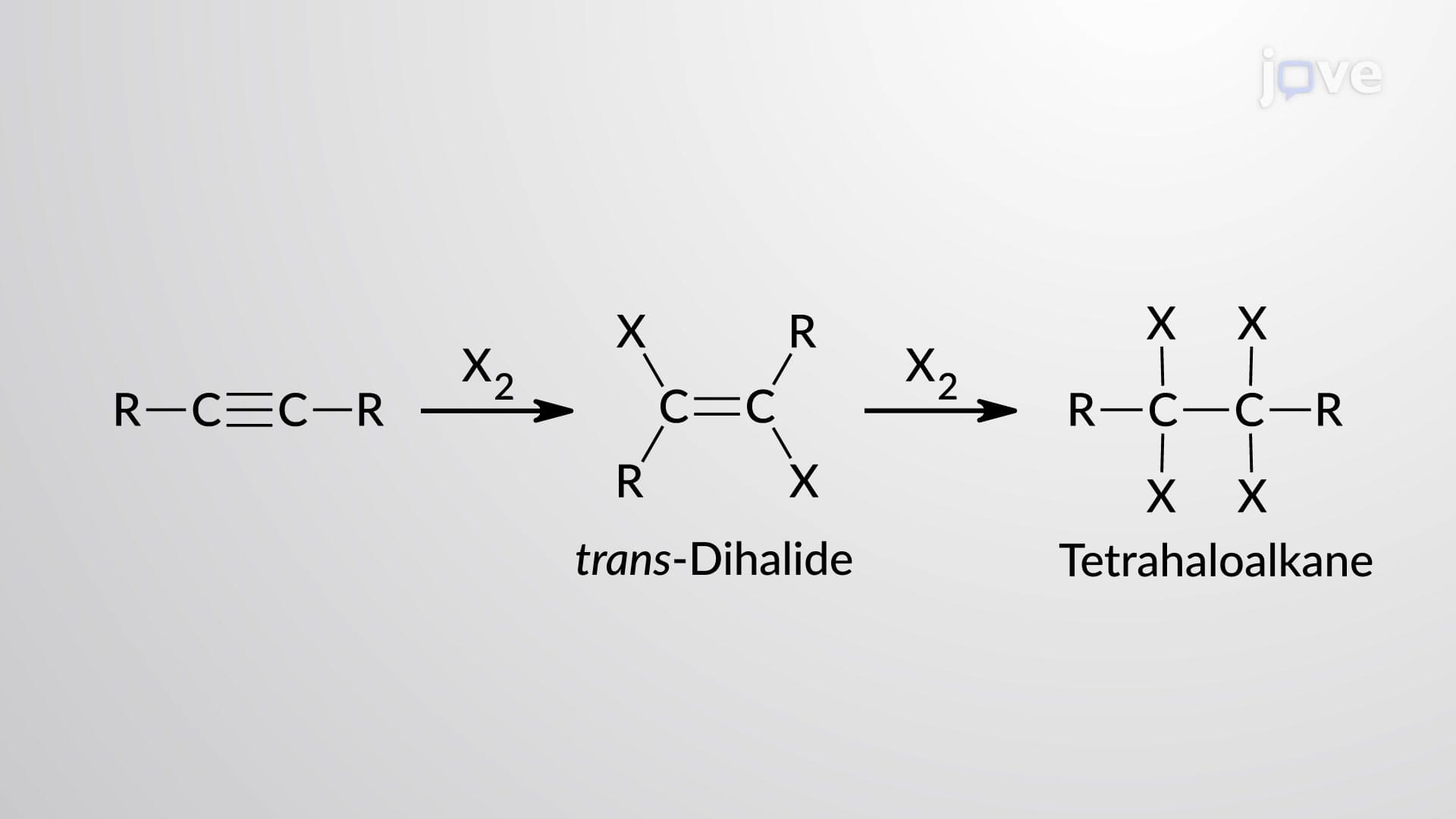
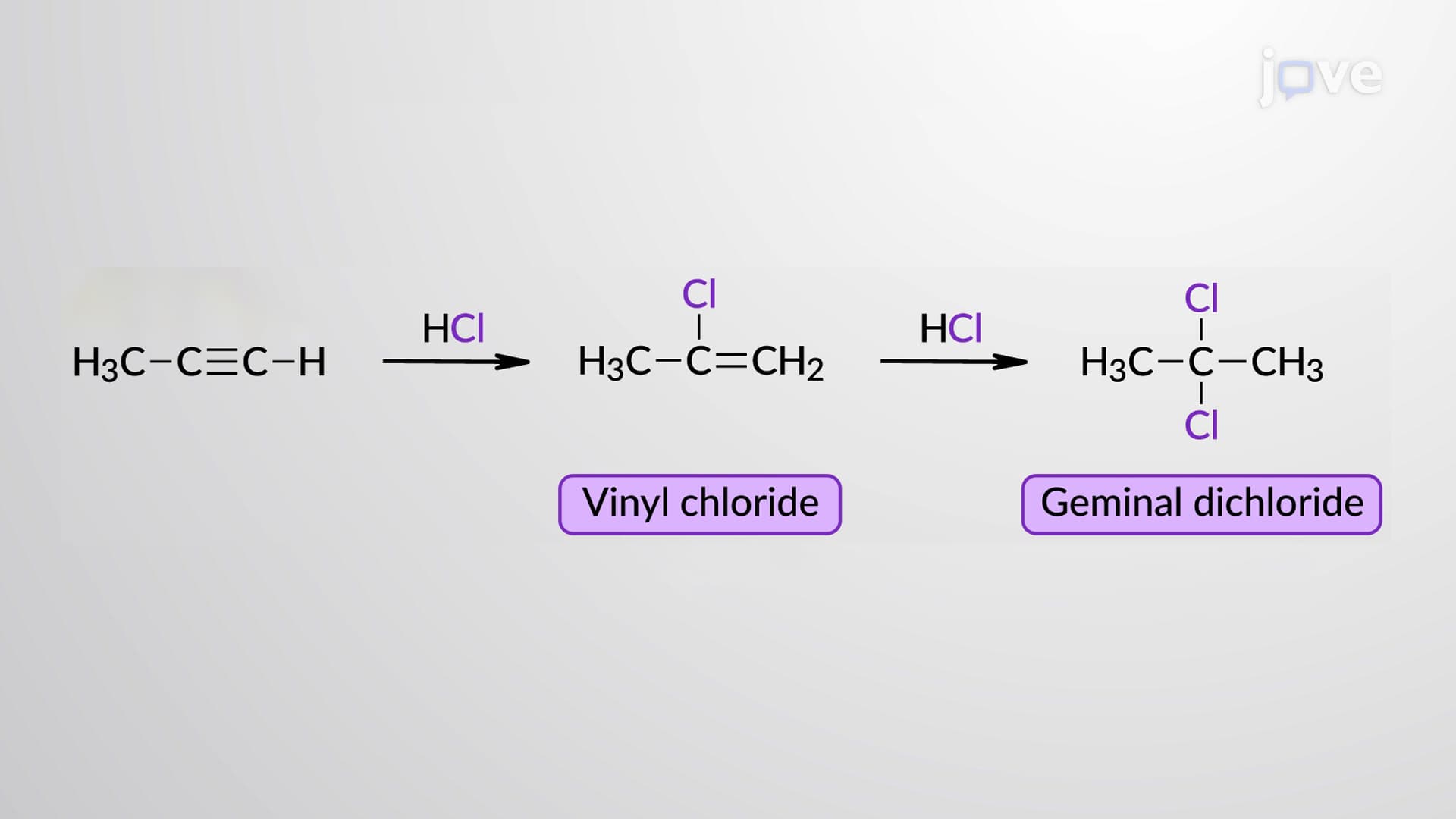
5. Electrophilic Addition Reactions: Alkynes undergo electrophilic additions across their triple bonds, though less readily than alkenes due to tighter electron binding. Halogenation with bromine or chlorine proceeds through halonium ion intermediates, producing trans-dihaloalkenes initially, then tetrahaloalkanes with excess halogen. Hydrohalogenation follows Markovnikov's rule, yielding geminal dihalides through vinyl carbocation intermediates or termolecular mechanisms. These reactions form the basis for industrial processes producing vinyl chloride (used in PVC manufacturing) and other important chemical intermediates throughout American petrochemical facilities.
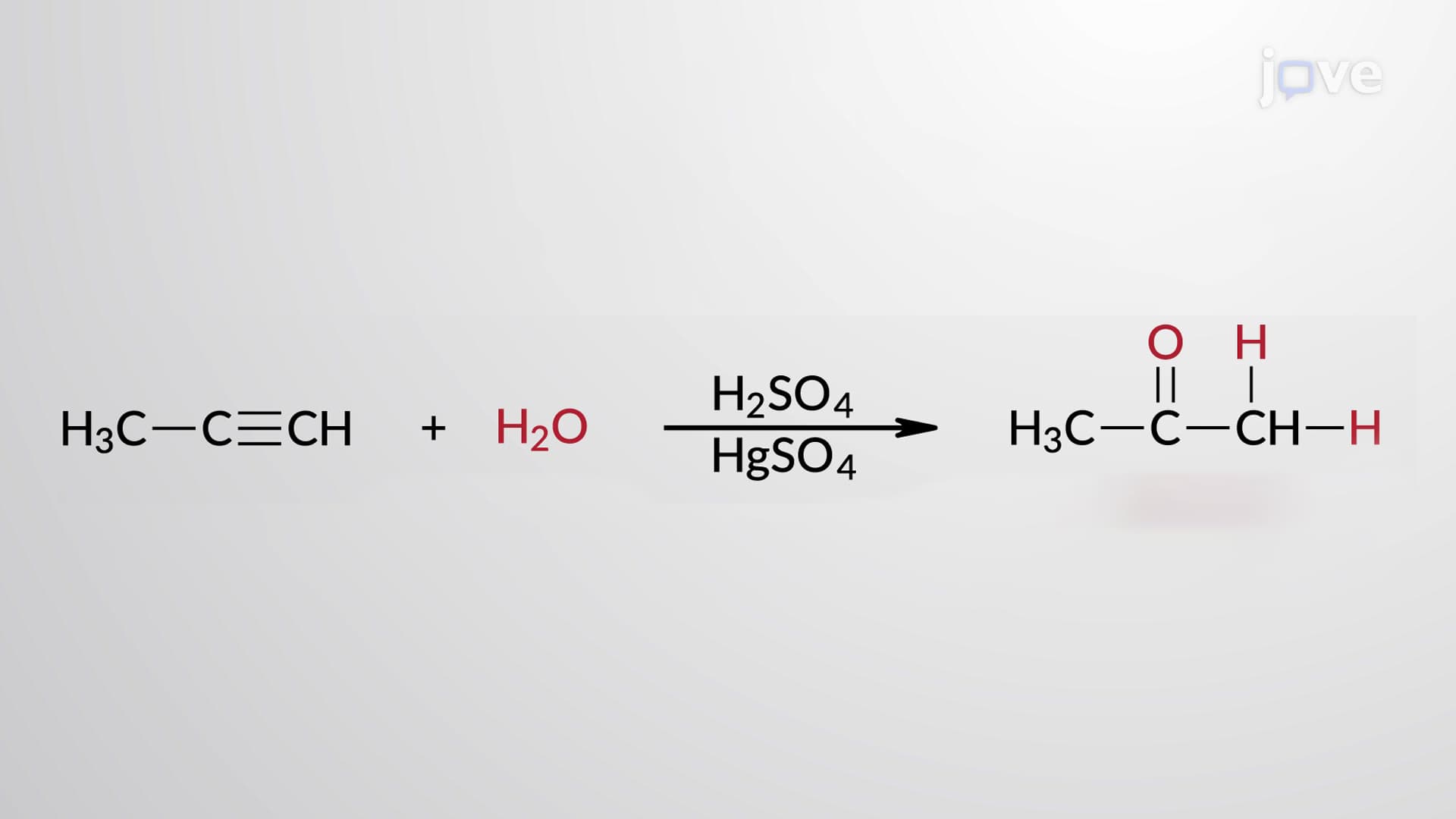
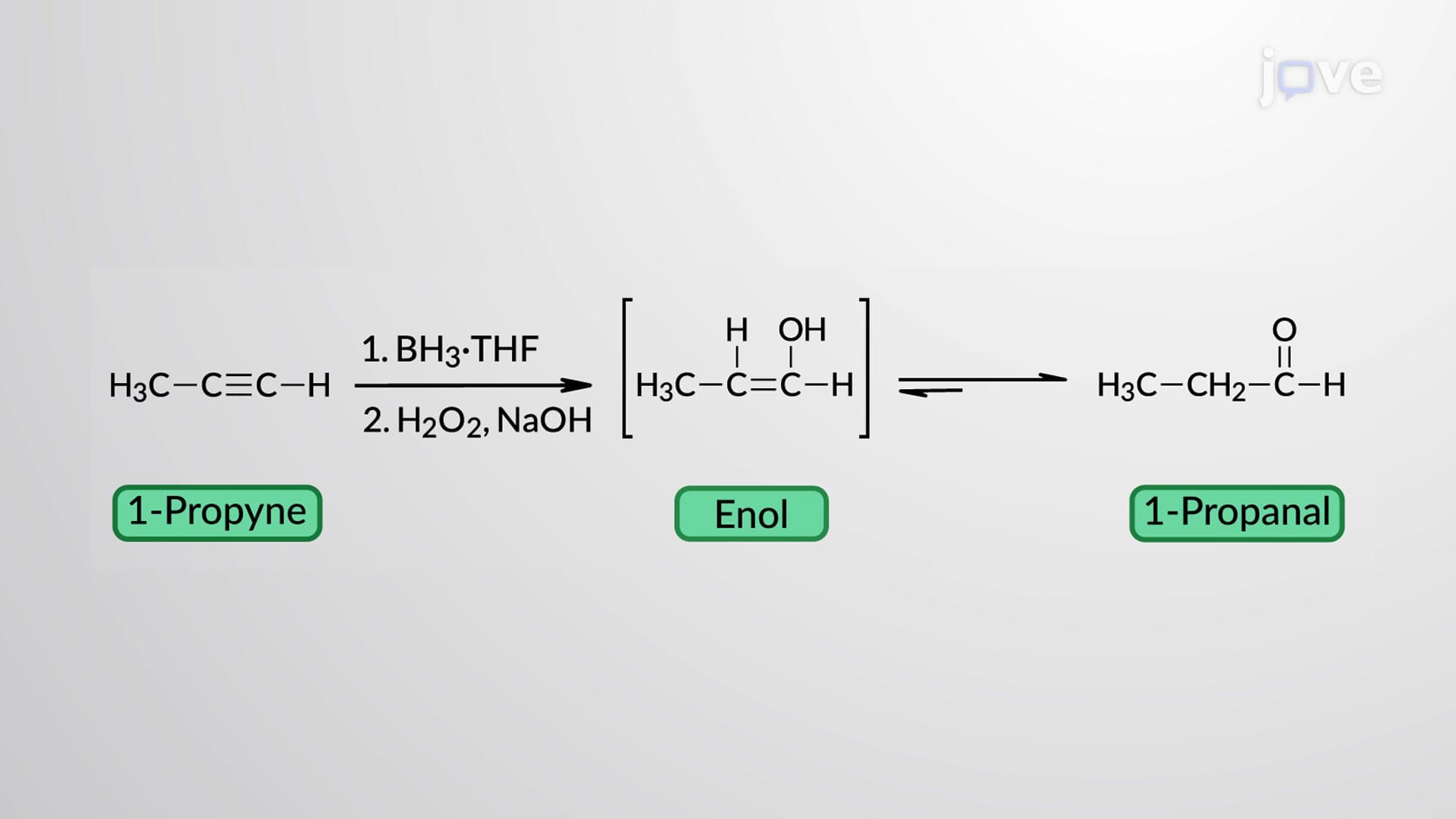
6. Hydration Reactions of Alkynes: Alkynes undergo hydration through two complementary pathways producing different products. Acid-catalyzed hydration with mercuric sulfate catalyst yields methyl ketones from terminal alkynes following Markovnikov's rule, proceeding through organomercuric enol intermediates that tautomerize to ketones. Hydroboration-oxidation provides anti-Markovnikov addition, converting terminal alkynes to aldehydes using bulky dialkylboranes followed by alkaline peroxide oxidation. These methods enable selective carbonyl compound synthesis crucial in pharmaceutical development, including production of important drug intermediates and natural product analogs in American research laboratories.
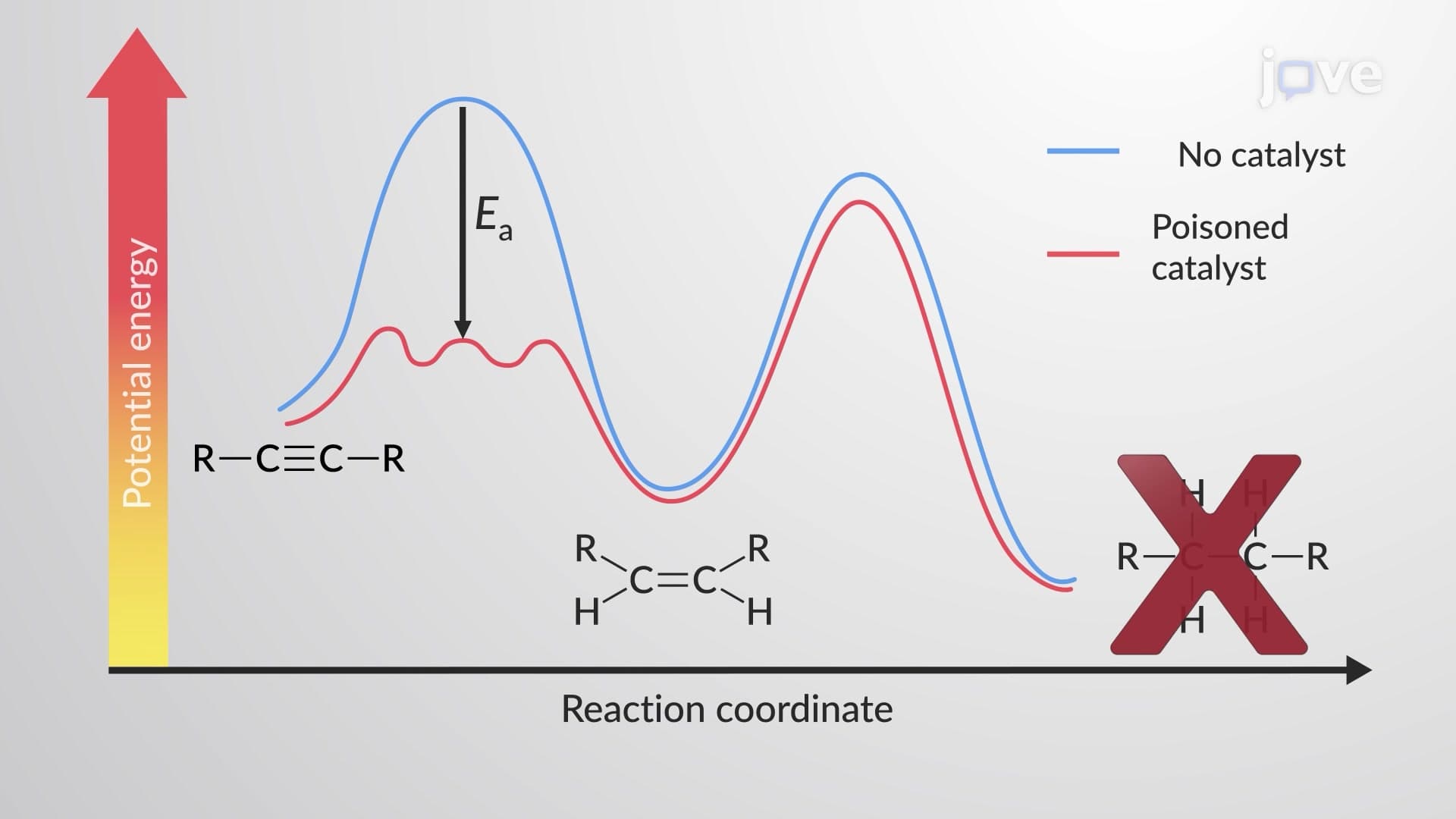
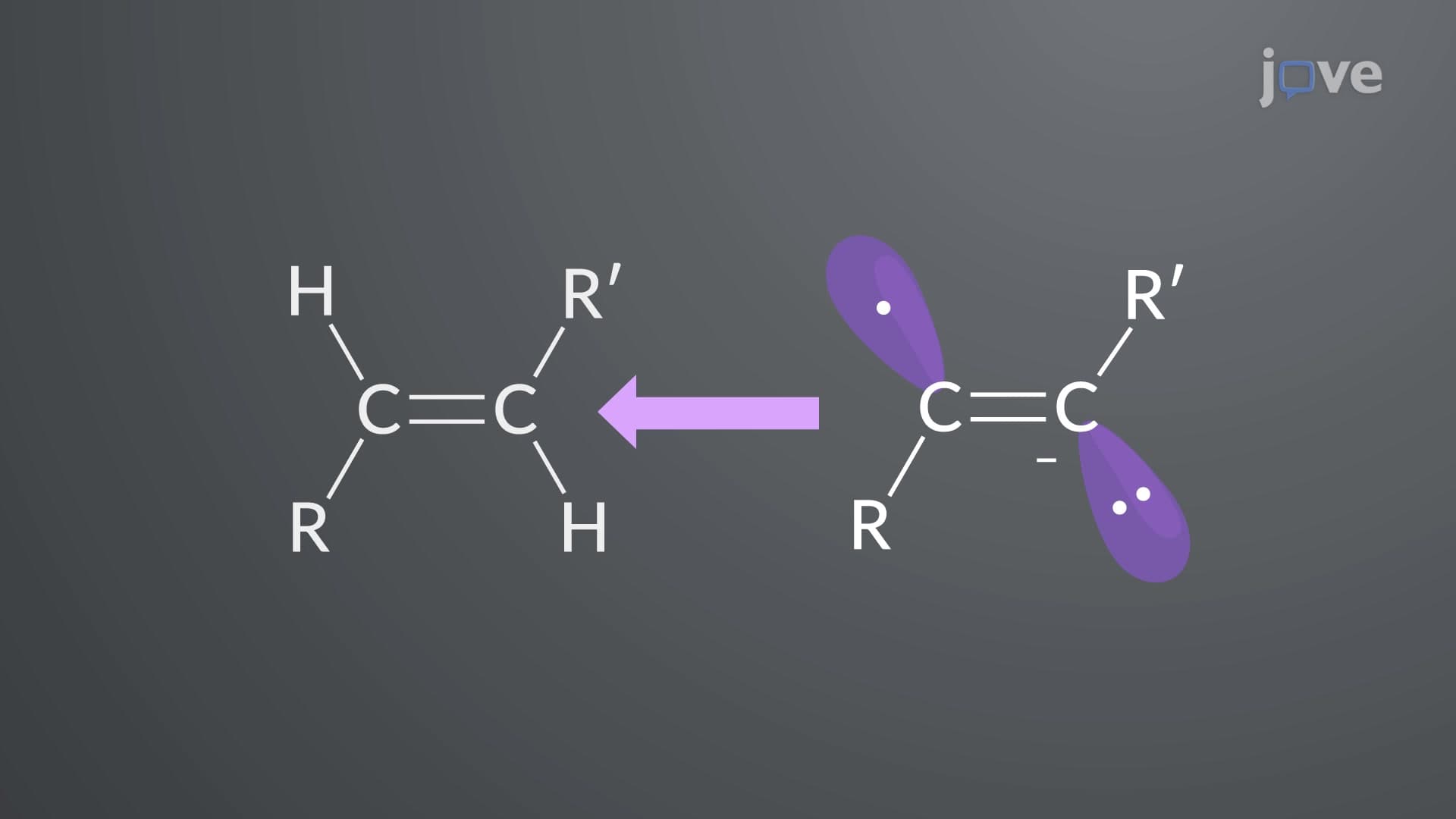
7. Oxidative Cleavage and Reduction Reactions: Strong oxidizing agents like potassium permanganate or ozone completely cleave alkyne triple bonds, producing carboxylic acids through unstable diketone intermediates. Terminal alkynes yield one carboxylic acid plus carbon dioxide, while internal alkynes produce two carboxylic acids. Conversely, selective reduction transforms alkynes to alkenes with controlled stereochemistry: catalytic hydrogenation using Lindlar's catalyst produces cis-alkenes through syn-addition, while sodium in liquid ammonia generates trans-alkenes via dissolving metal reduction. These transformations enable structure determination of unknown alkynes and stereoselective synthesis of geometric isomers essential in pharmaceutical and materials applications.