Reactions of alkenes form the foundation of organic chemistry, encompassing addition reactions that transform C=C double bonds into diverse functional groups. These mechanisms include hydrogenation, halogenation, hydration, and oxidation processes crucial for pharmaceutical synthesis, polymer production, and industrial applications across the United States. Master these fundamental transformations through JoVE Coach's comprehensive video series covering regioselectivity, stereochemistry, and reaction mechanisms essential for academic and professional success.
Understand the mechanisms of electrophilic addition reactions including hydrohalogenation and hydration
Learn regioselectivity principles governing Markovnikov and anti-Markovnikov product formation
Identify stereochemical outcomes in syn and anti addition processes
Explore halogenation reactions and their applications in qualitative testing
Analyze oxidation reactions including dihydroxylation and ozonolysis mechanisms
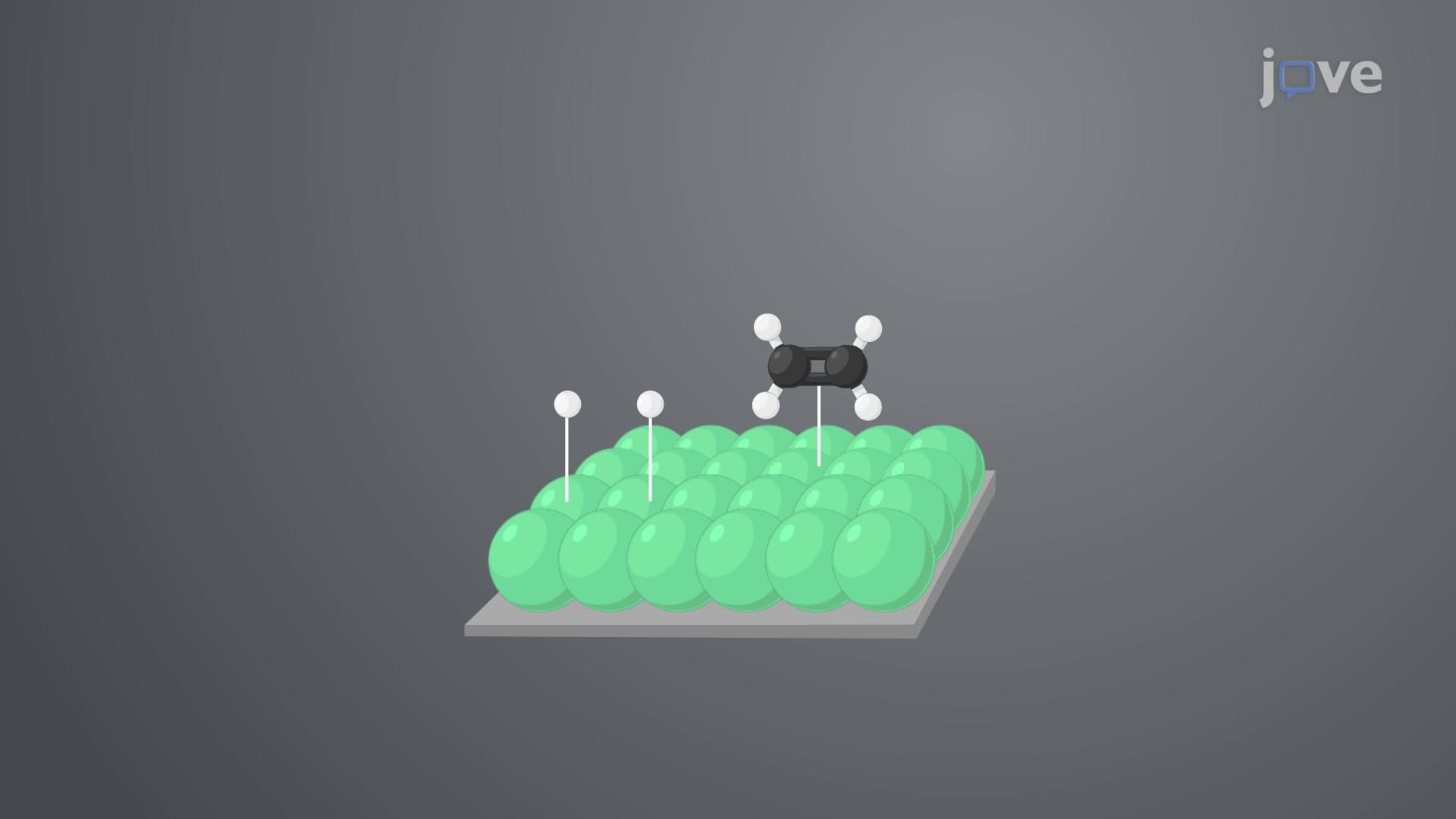
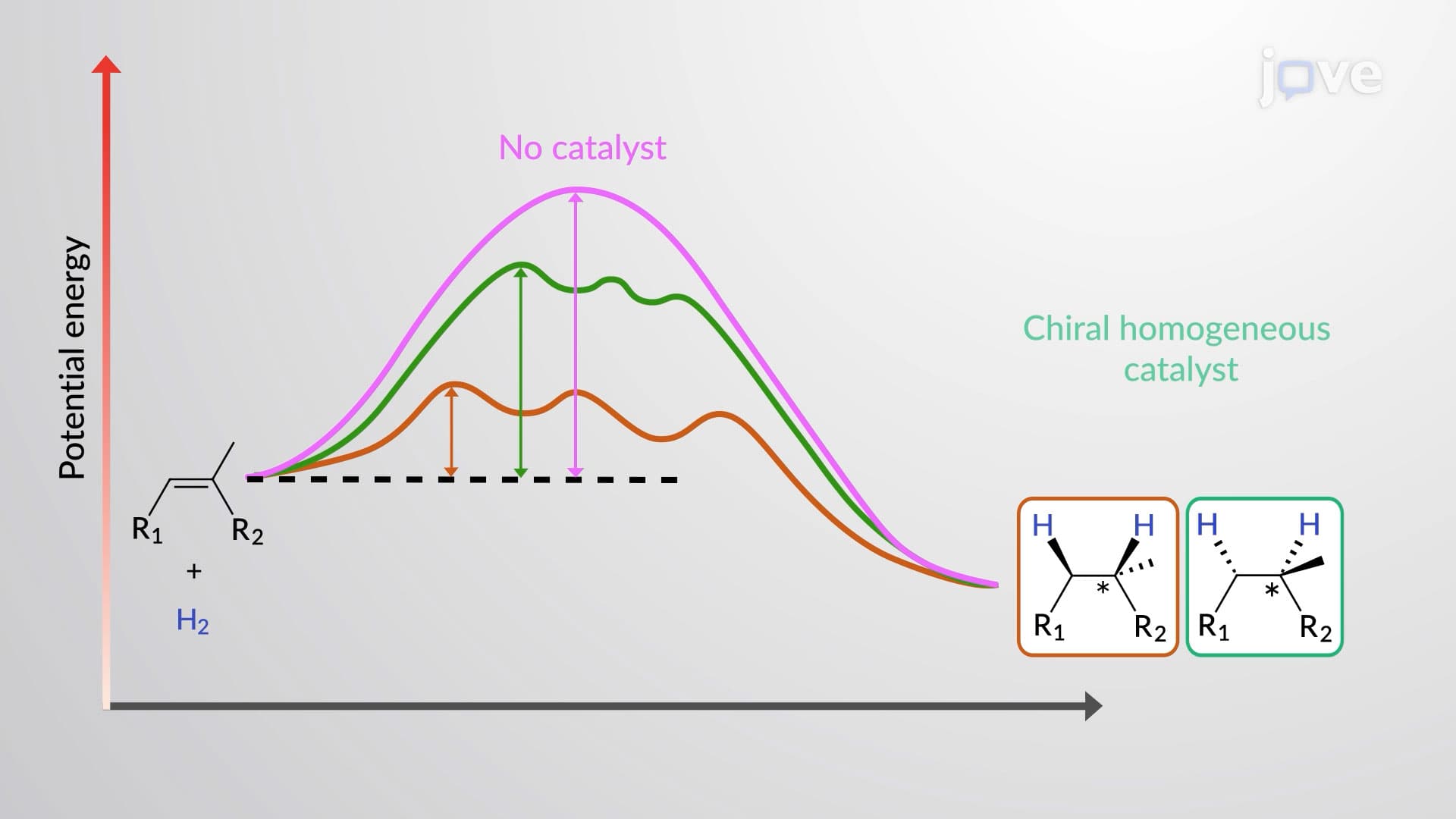
Apply reduction techniques through catalytic hydrogenation and asymmetric synthesis
Understand polymerization mechanisms and their industrial significance
Examine peroxide effects and free-radical chain reaction pathways
1. Electrophilic Addition Mechanisms and Regioselectivity
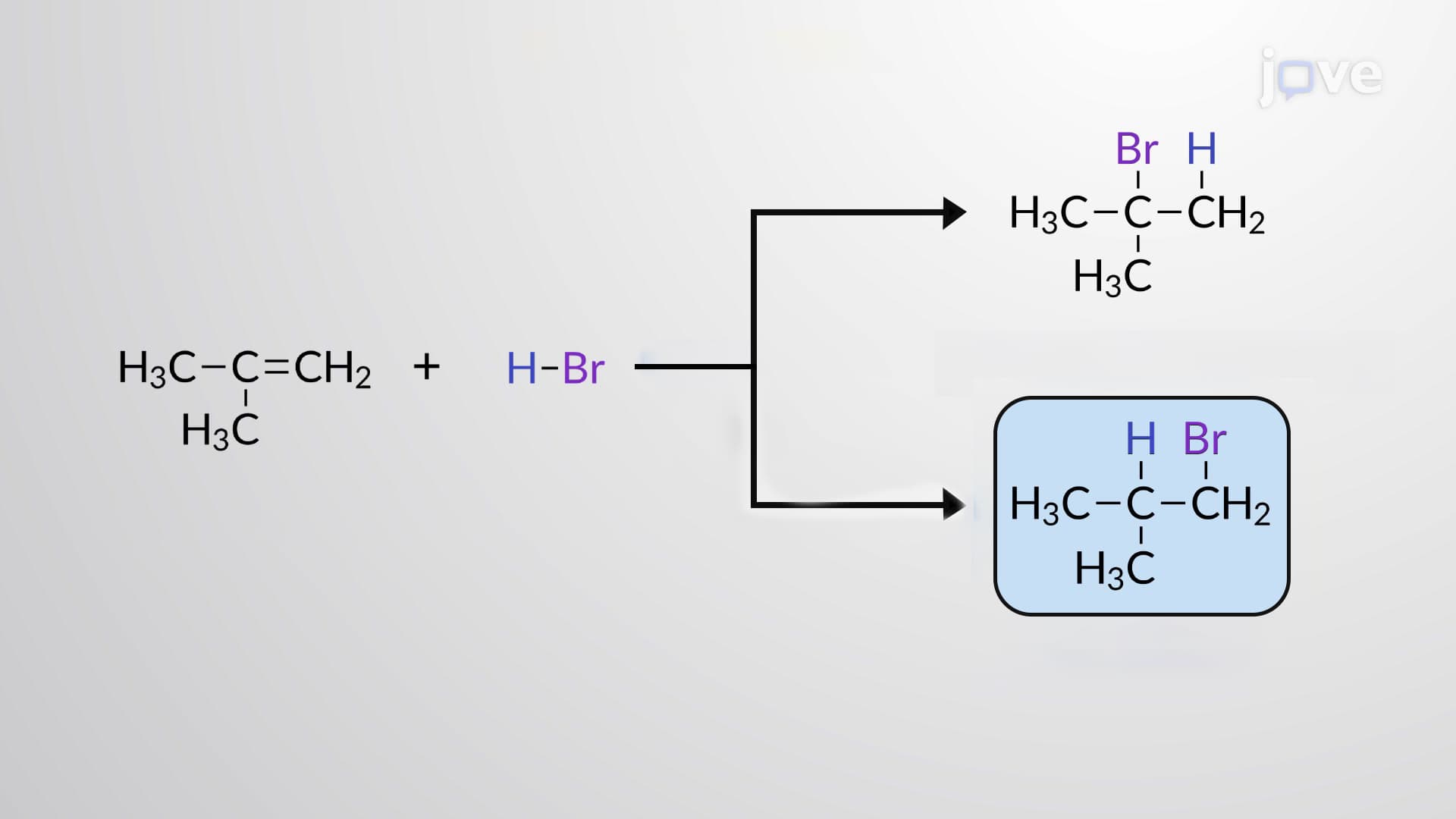
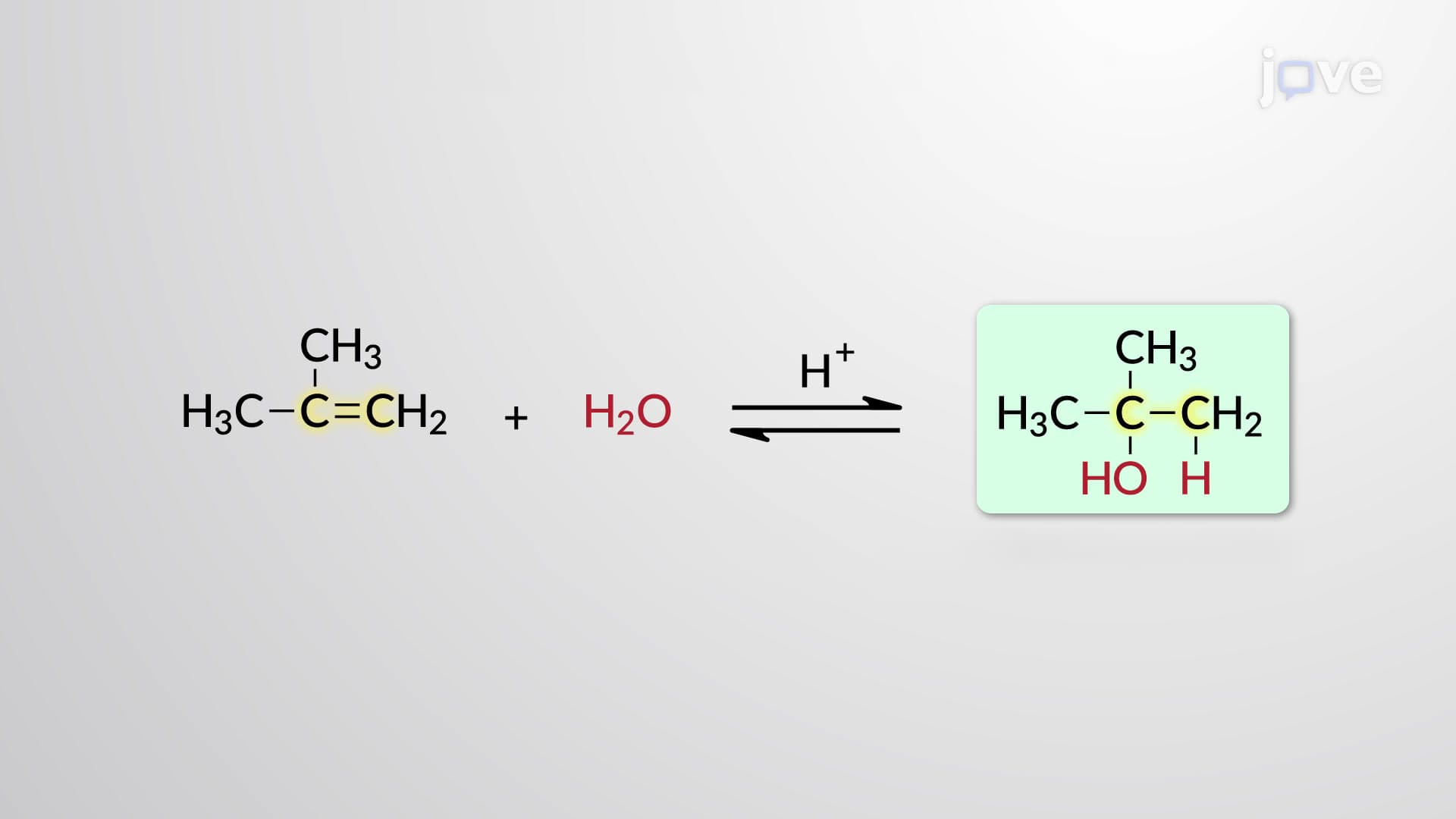
Understanding how electrophiles attack alkene π-bonds determines product formation in organic synthesis. Markovnikov's rule predicts that hydrogen adds to the less-substituted carbon while the electrophile adds to the more-substituted carbon, forming more stable carbocation intermediates. This principle governs hydrohalogenation and acid-catalyzed hydration reactions commonly encountered in pharmaceutical manufacturing. Anti-Markovnikov additions occur under specific conditions like the peroxide effect, producing alternate regioisomers essential for synthesizing compounds like those used in polymer production across US chemical industries.
2. Stereochemistry in Addition Reactions
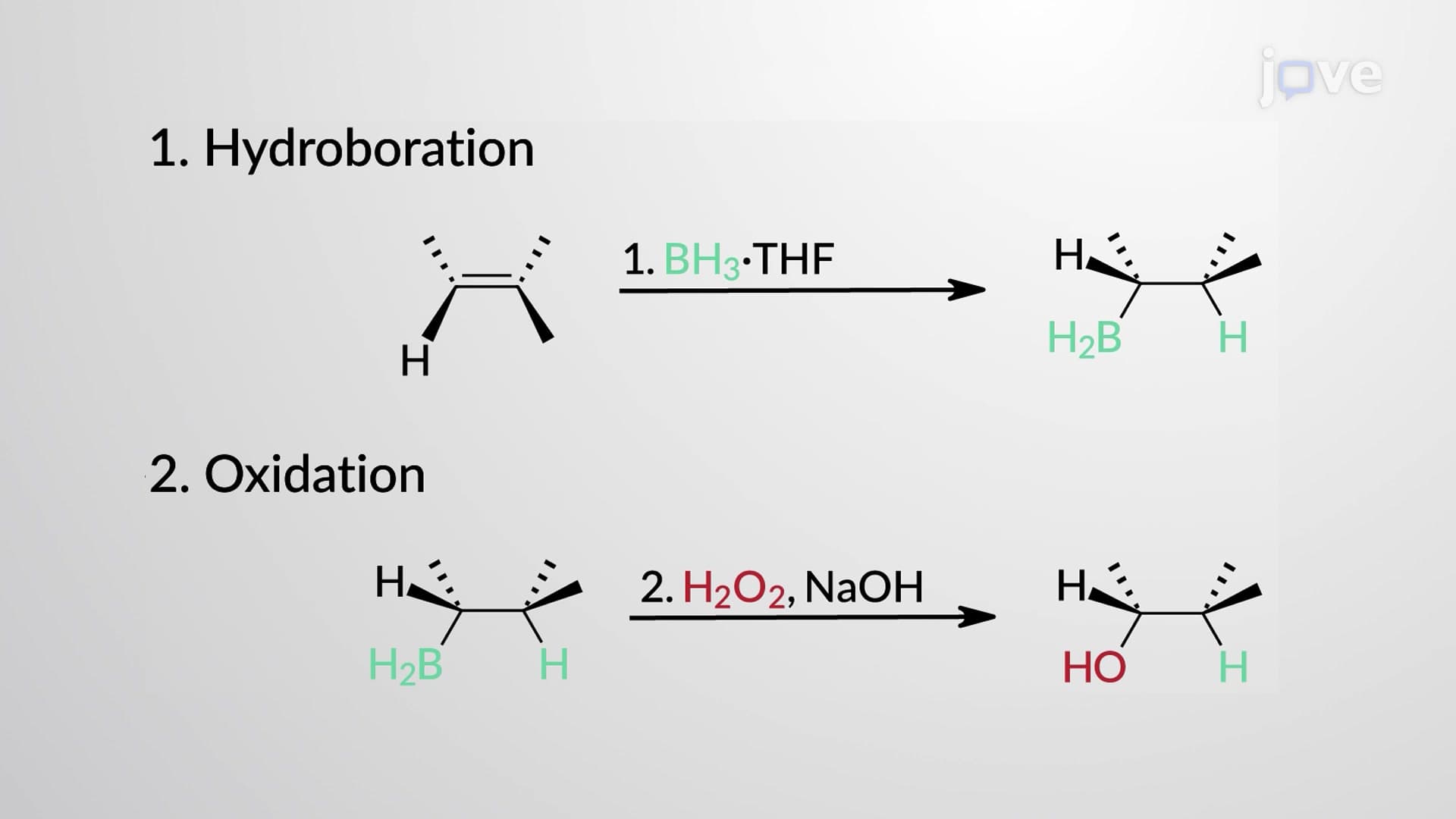
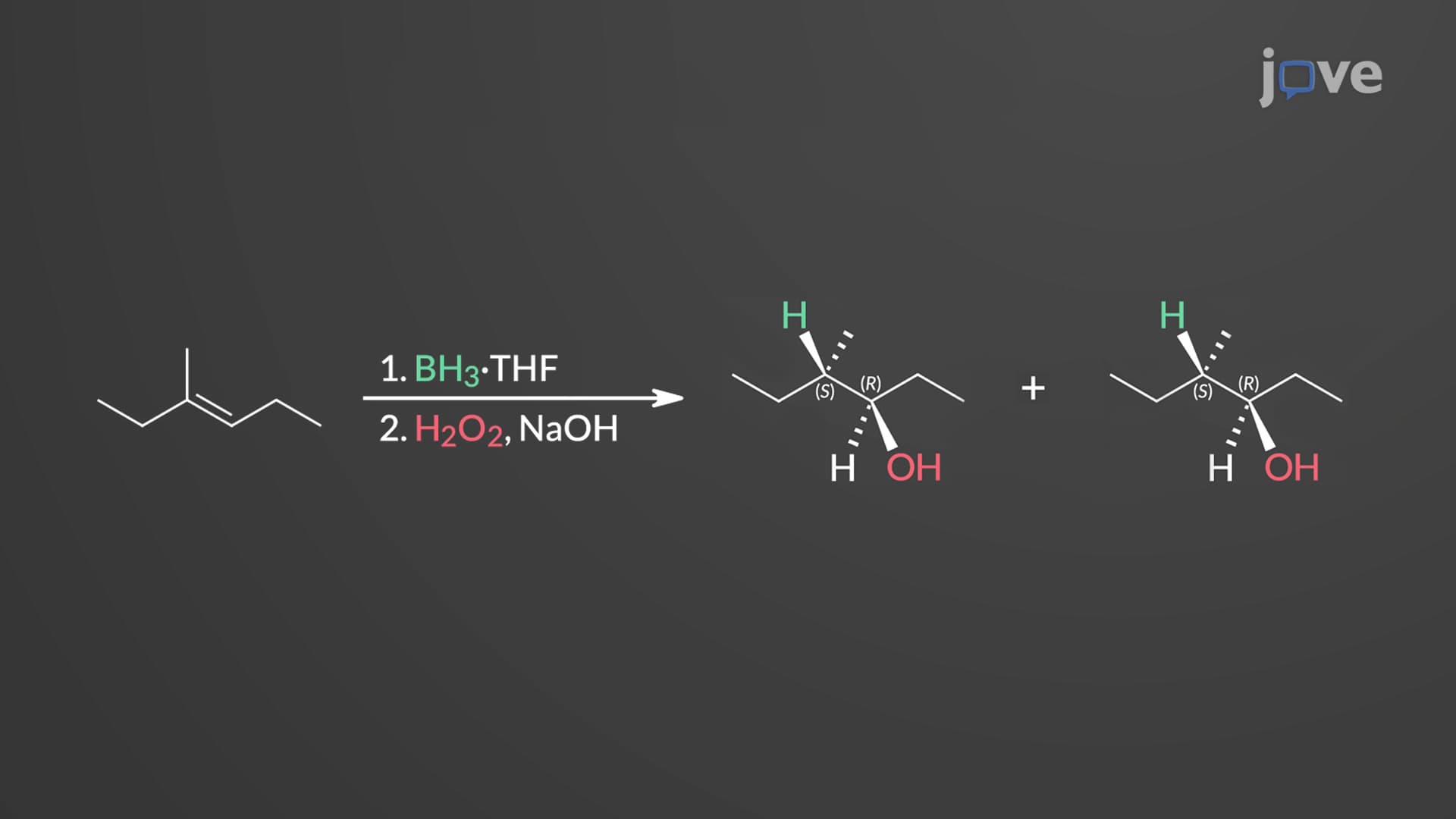
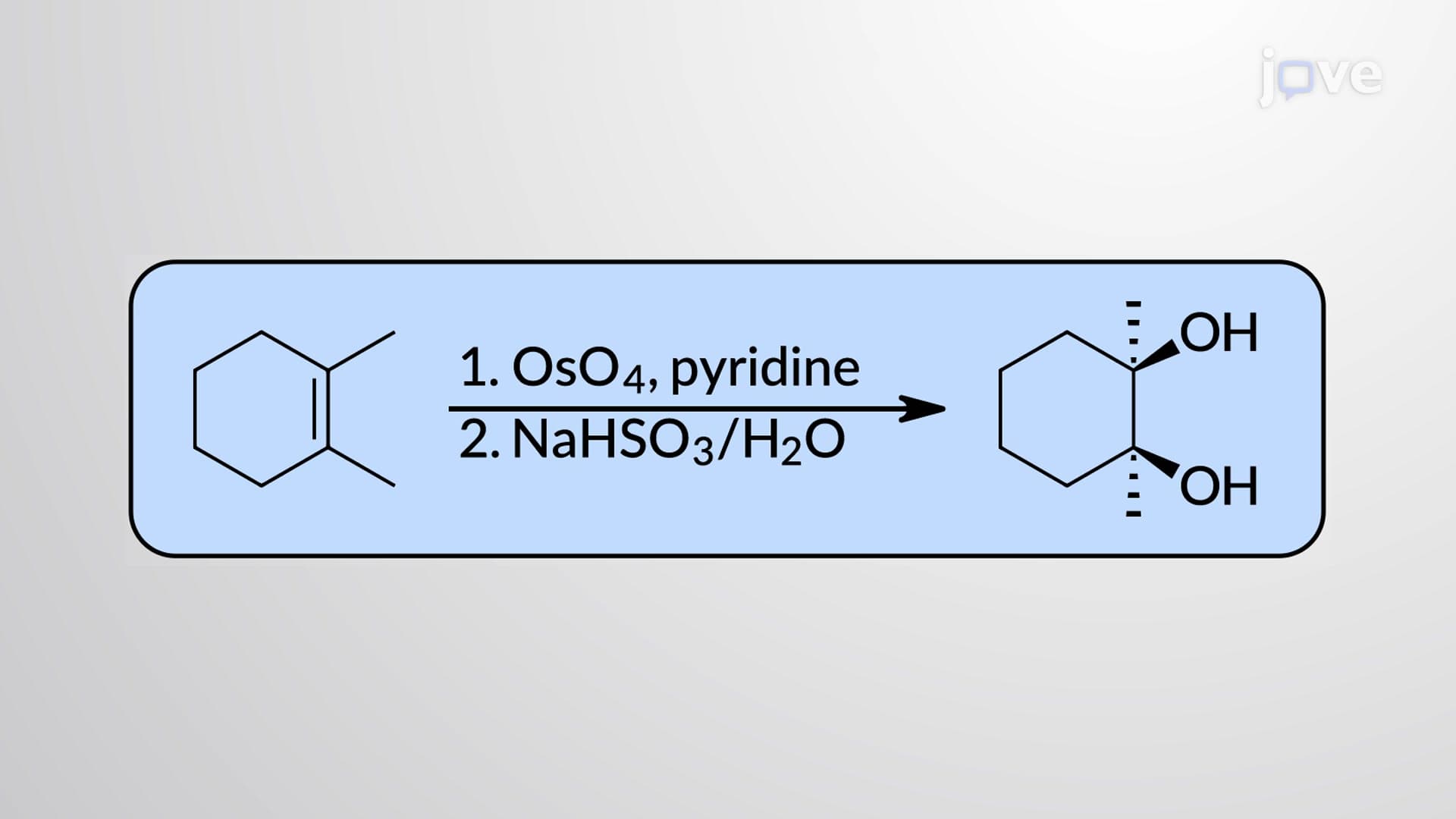
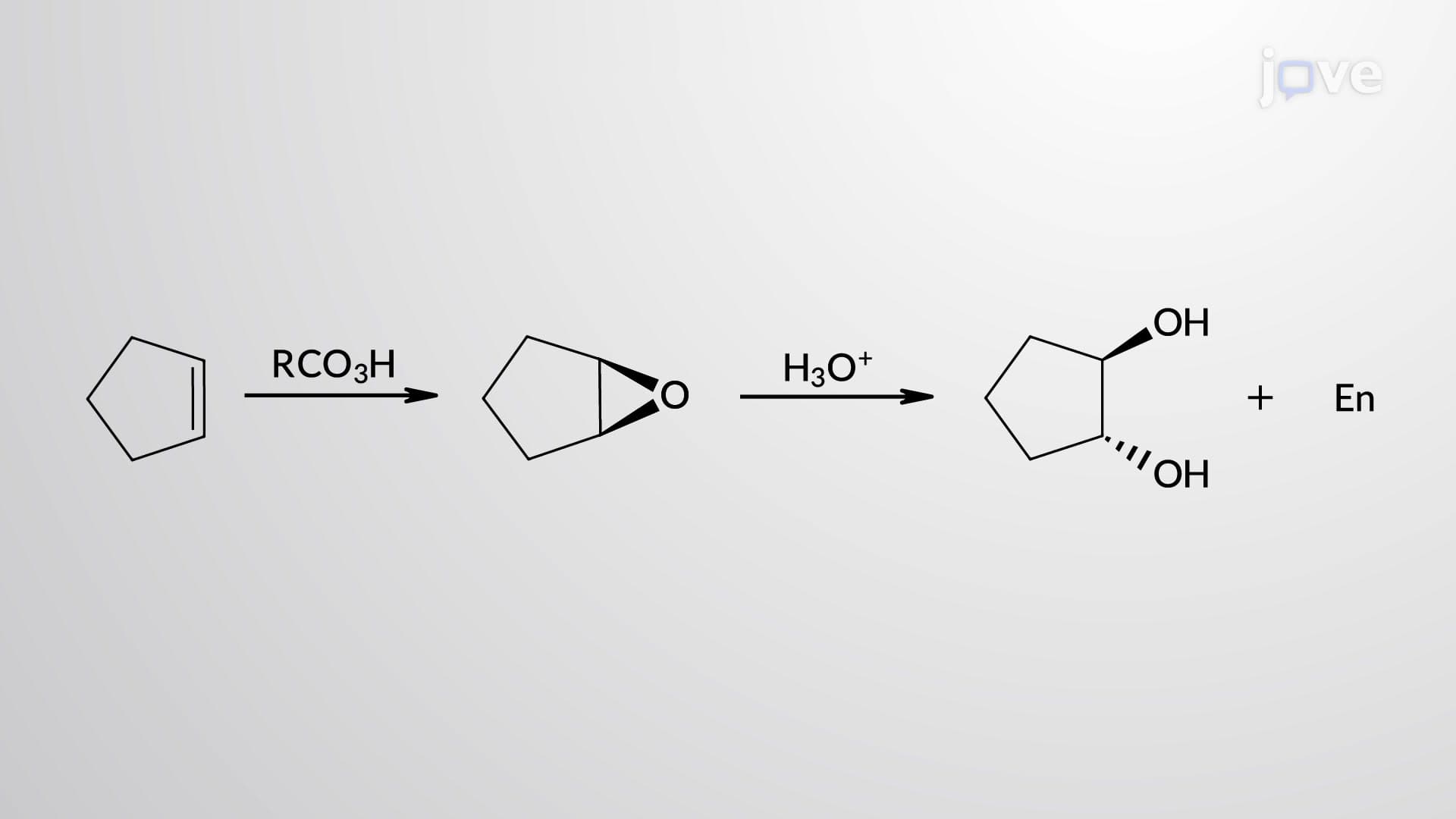
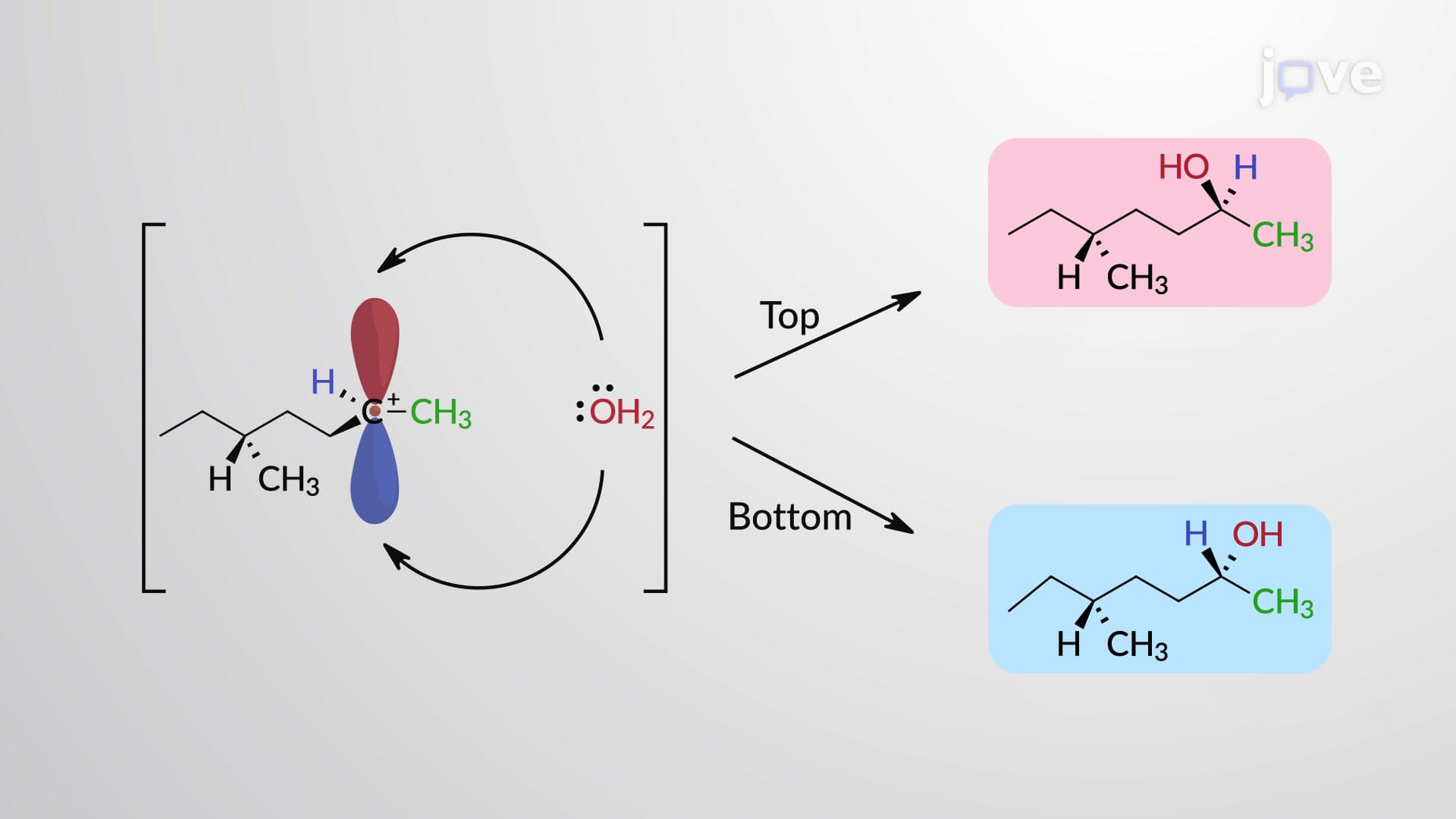
Syn and anti additions create different spatial arrangements of atoms around newly formed chiral centers. Syn additions occur when both groups add to the same face of the alkene, as seen in osmium tetroxide dihydroxylation and hydroboration-oxidation reactions. Anti additions involve groups adding to opposite faces, characteristic of halogenation and epoxidation followed by ring-opening. Understanding these stereochemical outcomes proves crucial for pharmaceutical synthesis where specific enantiomers exhibit different biological activities, directly impacting drug development in US biotechnology companies.
3. Halogenation and Halohydrin Formation
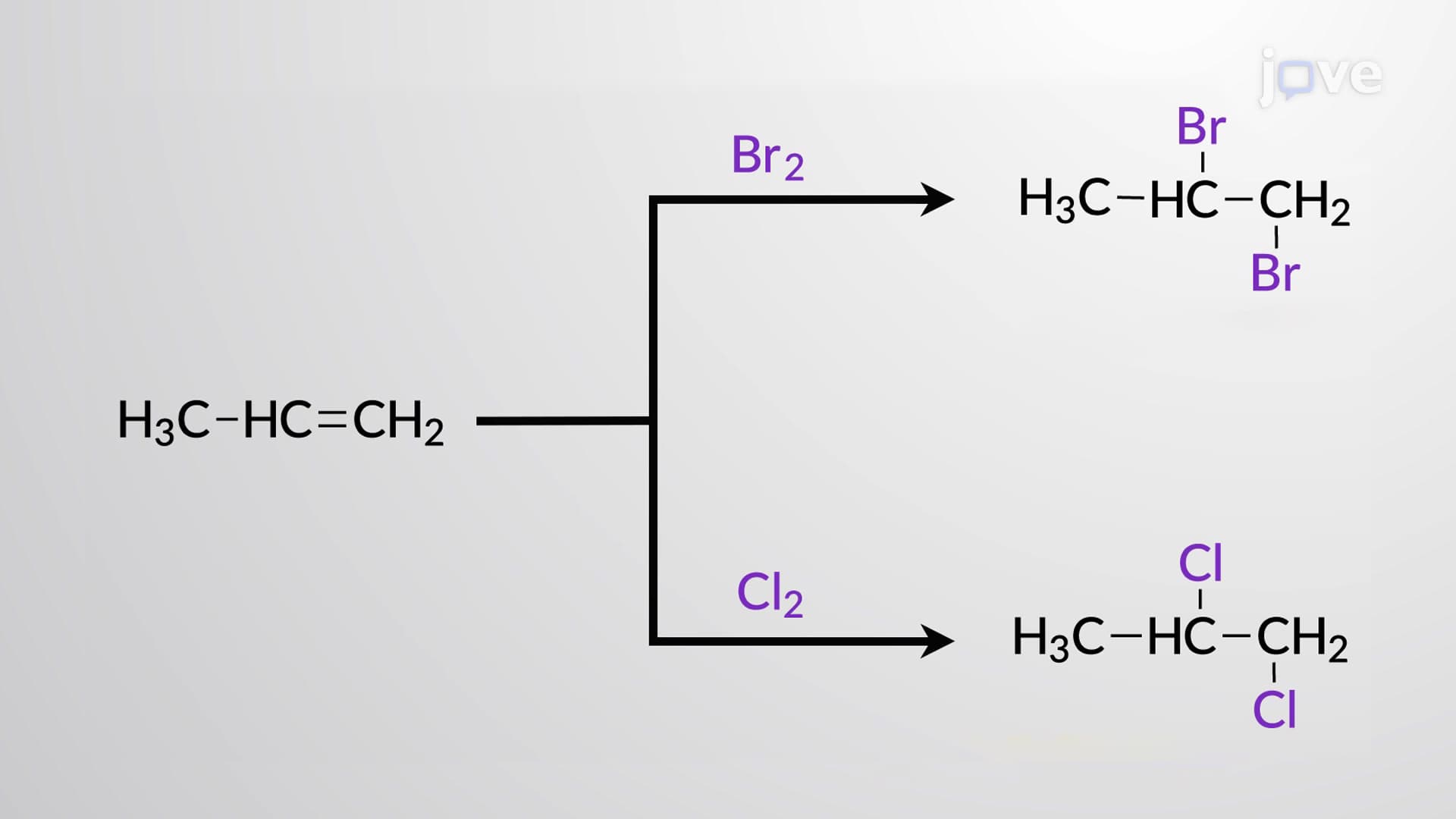
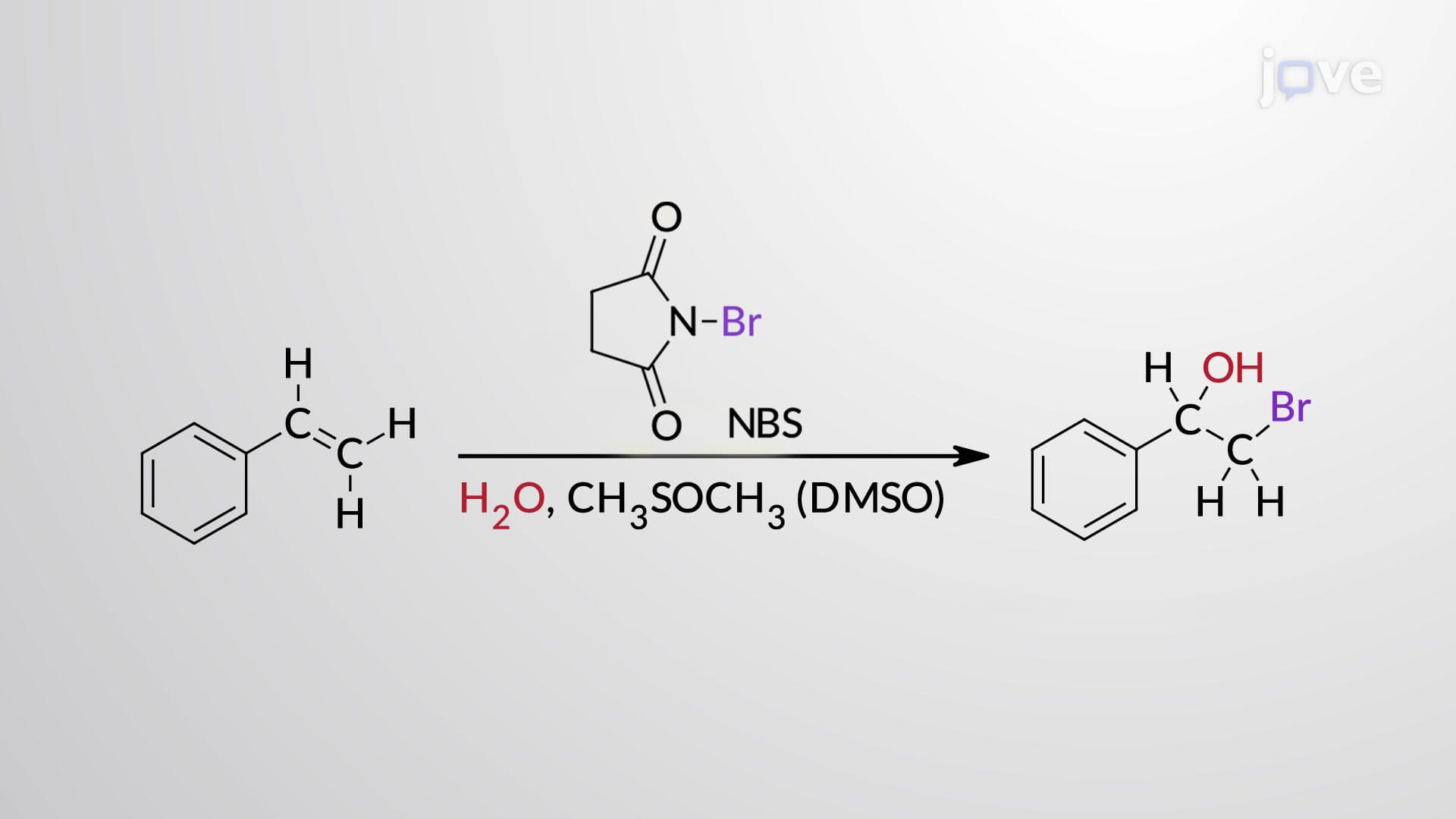
Halogenation reactions with Br₂ or Cl₂ produce vicinal dihalides through cyclic halonium ion intermediates, demonstrating anti-stereochemistry. These reactions serve as qualitative tests for alkene presence, with bromine solutions changing from red to colorless upon reaction. Halohydrin formation occurs when halogens react with alkenes in aqueous conditions, producing compounds with both halogen and hydroxyl functionalities. These reactions find applications in organic synthesis and industrial processes, including the production of specialty chemicals used in US manufacturing sectors.
4. Hydration Reactions and Carbocation Stability
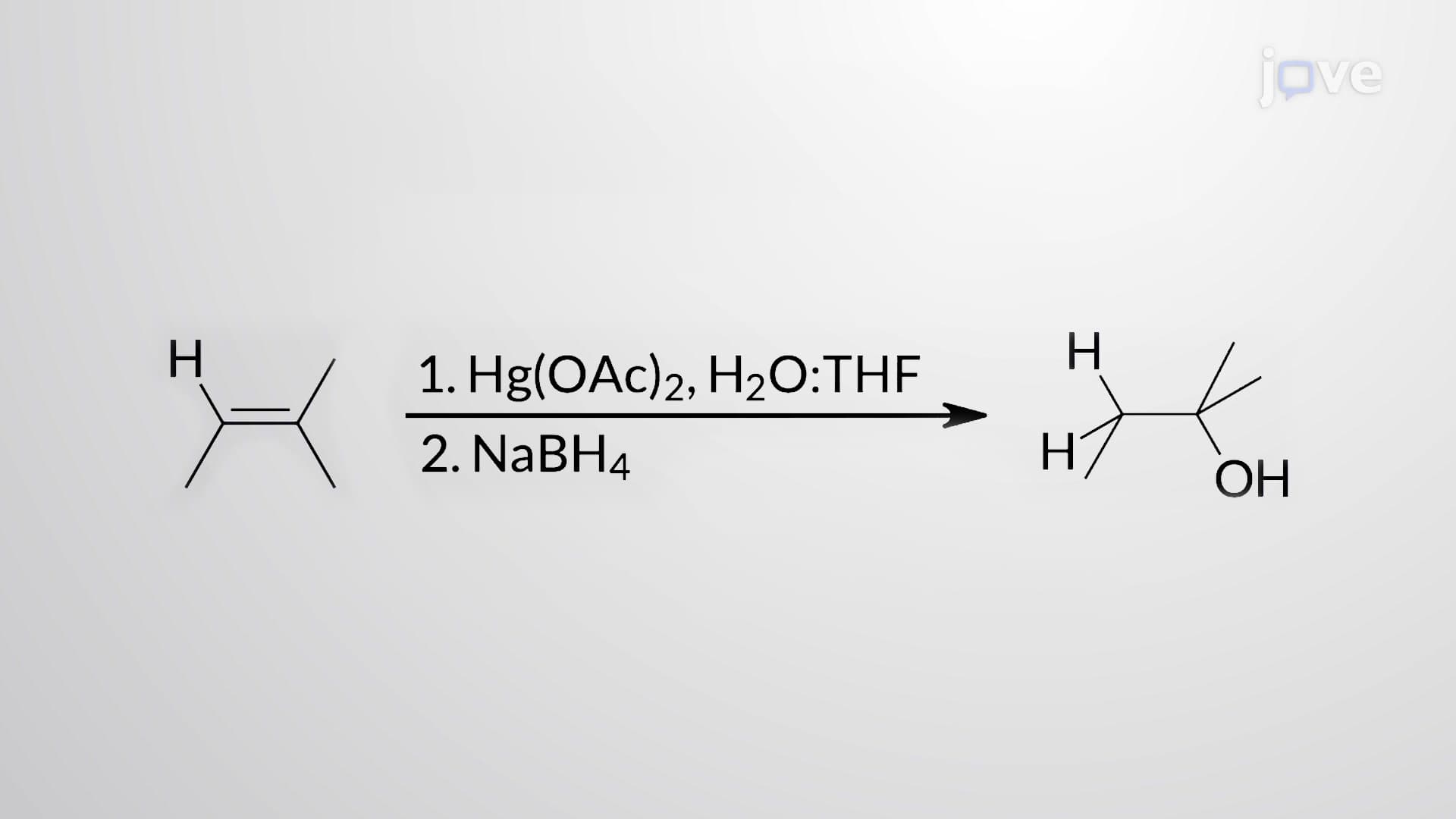
Acid-catalyzed hydration converts alkenes to alcohols through carbocation intermediates, with reaction rates correlating to carbocation stability (tertiary > secondary > primary). Oxymercuration-reduction and hydroboration-oxidation provide alternative hydration methods with different regioselectivities and stereochemical outcomes. These reactions prove essential for alcohol synthesis in pharmaceutical and industrial applications, with hydroboration-oxidation particularly valuable for producing anti-Markovnikov alcohols used in fine chemical synthesis across US research institutions and pharmaceutical companies.
5. Oxidation Reactions and Functional Group Transformations
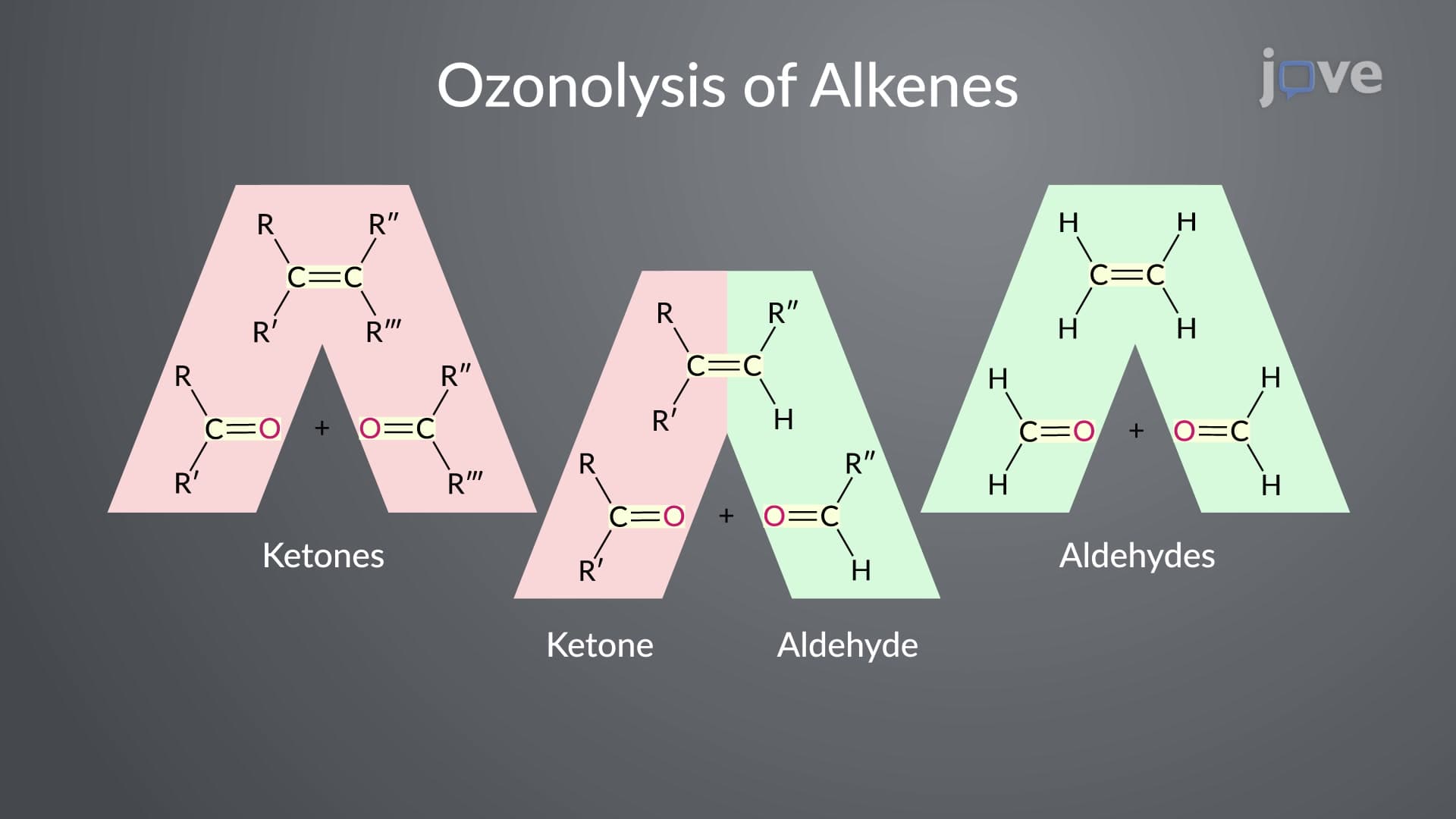
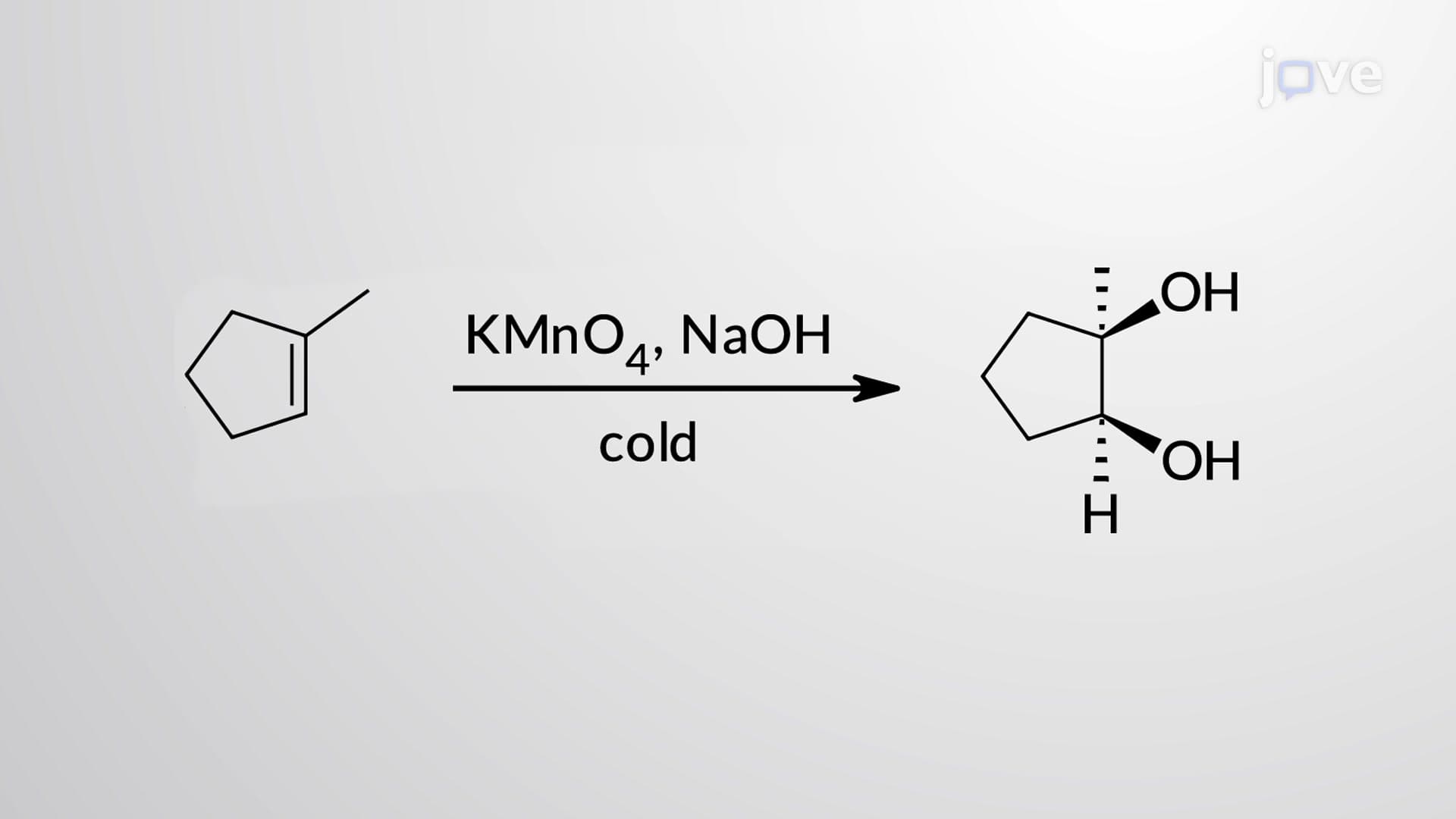
Alkene oxidation encompasses multiple pathways including dihydroxylation, epoxidation, and ozonolysis, each producing distinct functional groups. Osmium tetroxide and potassium permanganate enable syn-dihydroxylation forming cis-diols, while peroxyacids create epoxides that undergo ring-opening to trans-diols. Ozonolysis cleaves alkenes to form carbonyl compounds, serving as a powerful tool for structure determination and synthetic planning. These transformations remain fundamental to organic synthesis methodologies taught in US universities and applied in pharmaceutical research.
6. Free-Radical Reactions and Polymerization
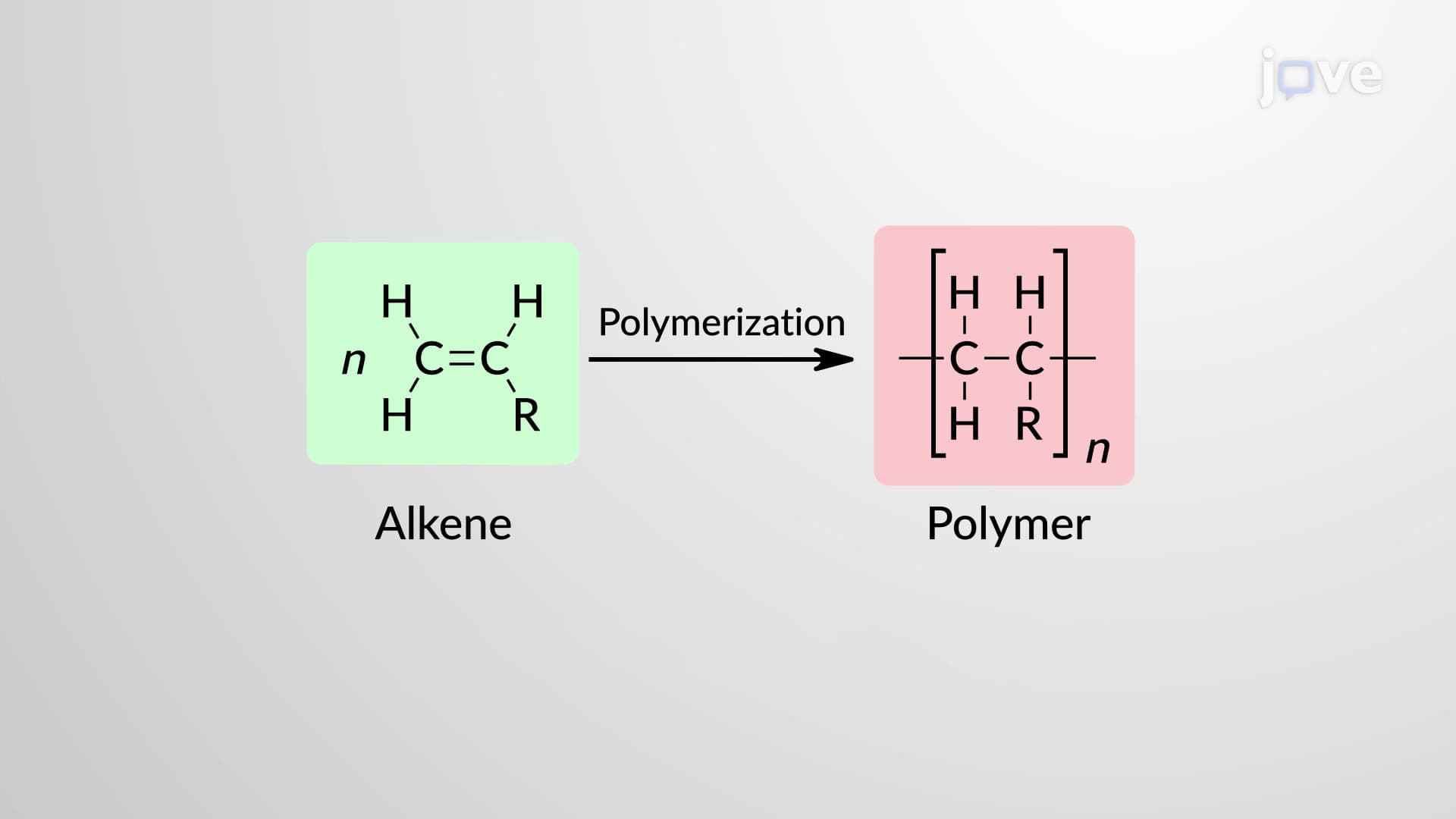
Free-radical mechanisms explain the peroxide effect in hydrohalogenation and drive alkene polymerization processes. Initiation involves radical formation from peroxides or azo compounds, propagation continues through radical additions, and termination occurs via radical combination. These mechanisms produce commercially important polymers like polyethylene and polypropylene, forming the backbone of US plastic industries. Understanding radical stability and reaction kinetics proves essential for controlling polymer properties and developing new materials used in everything from packaging to automotive applications.
Frequently Asked Questions
Markovnikov addition follows the rule that hydrogen adds to the less-substituted carbon of an alkene, while the electrophile adds to the more-substituted carbon, forming more stable carbocation intermediates. Anti-Markovnikov addition occurs under special conditions (like peroxide presence) where the regioselectivity reverses, with hydrogen adding to the more-substituted carbon. This difference determines which structural isomer forms as the major product.
Syn additions (like osmium tetroxide dihydroxylation) add both groups to the same face of the alkene, while anti additions (like halogenation) add groups to opposite faces. When new chiral centers form, consider whether the reaction proceeds through planar intermediates (leading to racemic mixtures) or has facial selectivity. Drawing the alkene geometry and tracking which face the reagents approach helps predict stereochemical outcomes.
Focus on acid-catalyzed hydration, halogenation, hydroboration-oxidation, and ozonolysis for MCAT preparation. Understand carbocation stability trends, regioselectivity rules, and basic stereochemistry. The MCAT emphasizes mechanism understanding over memorization, so concentrate on electron movement, intermediate stability, and how structure affects reactivity rather than detailed synthetic procedures.
AP Chemistry typically covers hydrogenation, halogenation, and combustion of alkenes. Focus on balancing equations, calculating enthalpy changes, and understanding rate factors. While detailed mechanisms aren't usually required, understanding that alkenes undergo addition reactions and can serve as monomers for polymerization reactions appears in both multiple-choice and free-response sections.
Alkene reactions produce many common materials: polyethylene from ethylene polymerization creates plastic bags and containers, polypropylene forms carpet fibers and car parts, and polyvinyl chloride (PVC) makes pipes and packaging. Pharmaceutical companies use alkene reactions to synthesize drug molecules, while the food industry employs hydrogenation to create margarine and processed foods. These reactions literally shape the modern materials we use daily.
Complex reactions like hydroboration-oxidation or Sharpless dihydroxylation involve multiple steps with different reagents and conditions, making them challenging to memorize. Start with simpler reactions like halogenation, then build complexity gradually. Focus on understanding electron flow and intermediate stability rather than memorizing conditions. Practice drawing mechanisms step-by-step and relating structure to reactivity patterns.
Create mechanism maps showing electron movement with curved arrows, practice predicting products from starting materials, and work backwards from products to determine necessary reagents. Use molecular models or drawing software to visualize stereochemistry. Group reactions by mechanism type (electrophilic addition, radical reactions, etc.) rather than memorizing each individually. Regular practice with varied problems builds pattern recognition essential for exams.
Alkene reactions provide foundational knowledge for understanding aromatic chemistry, carbonyl reactions, and advanced synthetic methodology. The principles of regioselectivity and stereochemistry learned here apply throughout organic chemistry. Many complex natural product syntheses rely on alkene transformations as key steps, and understanding these mechanisms prepares students for graduate-level synthetic chemistry and pharmaceutical research methodologies.