Loading concepts…


15 Concepts
12 Concepts
14 Concepts
12 Concepts
7 Concepts
20 Concepts
7 Concepts
15 Concepts
12 Concepts
12 Concepts
15 Concepts
25 Concepts
17 Concepts
28 Concepts
40 Concepts
27 Concepts
12 Concepts
25 Concepts
29 Concepts
27 Concepts
20 Concepts
 12 Concepts
 109.2K Views
 Popular topics


Thermodynamics governs chemical reaction spontaneity through energy changes and entropy, while chemical kinetics determines reaction rates and pathways. This comprehensive course examines enthalpy, Gibbs free energy, equilibrium constants, rate laws, activation energy, and the Arrhenius equation. Master these fundamental principles essential for understanding combustion reactions, solution formation, and pharmaceutical kinetics through practical applications in American industry and research. JoVE Coach provides interactive learning tools to reinforce these critical concepts.
1. Chemical Stoichiometry and Equilibrium Fundamentals Chemical reactions follow quantitative relationships between reactants and products, demonstrated in hydrogen combustion where two H₂ molecules react with one O₂ to form two H₂O molecules. The limiting reactant determines reaction completion, while excess reactants remain unconsumed. Reversible reactions reach equilibrium when forward and reverse reaction rates become equal. The equilibrium constant (Kc) expression uses product concentrations over reactant concentrations, each raised to their stoichiometric coefficients. Understanding these principles enables pharmaceutical chemists to optimize drug synthesis yields in American manufacturing facilities.
2. Enthalpy and Heat of Reaction Applications Enthalpy change (ΔH) equals the difference between product and reactant enthalpies, representing heat exchange at constant temperature and pressure. Exothermic reactions (ΔH < 0) release heat, like methane combustion in natural gas heating systems across American homes. Endothermic reactions (ΔH > 0) absorb heat, such as photosynthesis in agricultural processes. Hydrocarbon combustion heat increases with carbon chain length-butane generates more energy than methane. Branched hydrocarbons show lower combustion heats than straight chains, indicating increased molecular stability crucial for fuel efficiency standards.
3. Solution Formation and Intermolecular Forces Solution formation involves disrupting solute-solute and solvent-solvent interactions while establishing solvent-solute attractions. Three energetic steps determine solubility: endothermic separation of solute particles, endothermic separation of solvent molecules, and exothermic mixing of solute and solvent. Net enthalpy change determines whether dissolution is exothermic or endothermic. This principle explains why table salt dissolves readily in water for food processing, while oil separation requires mechanical emulsification in American food manufacturing. Understanding these interactions guides pharmaceutical formulation development.
4. Entropy and the Hydrophobic Effect Entropy (S) measures system disorder and spontaneous process probability. Solution formation increases entropy through molecular mixing, but hydrophobic substances like hydrocarbons in water create ordered solvent cages, decreasing entropy. The hydrophobic effect drives hydrocarbon clustering to release ordered water molecules, increasing overall entropy. This principle explains oil-water separation in petroleum refining and cell membrane formation in biological systems. American biotechnology companies utilize these principles in drug delivery system design and protein purification processes.
5. Gibbs Free Energy and Reaction Spontaneity Gibbs free energy change (ΔG) determines reaction spontaneity through the relationship ΔG = ΔH - TΔS. Negative ΔG indicates spontaneous reactions, while positive ΔG indicates non-spontaneous processes. Temperature dependence varies based on enthalpy and entropy signs. At equilibrium, ΔG = 0 and the reaction quotient equals the equilibrium constant. The standard free energy relates to equilibrium constants through ΔG° = -RT ln(K). This framework guides industrial process optimization, pharmaceutical stability studies, and environmental remediation projects throughout American chemical industries.
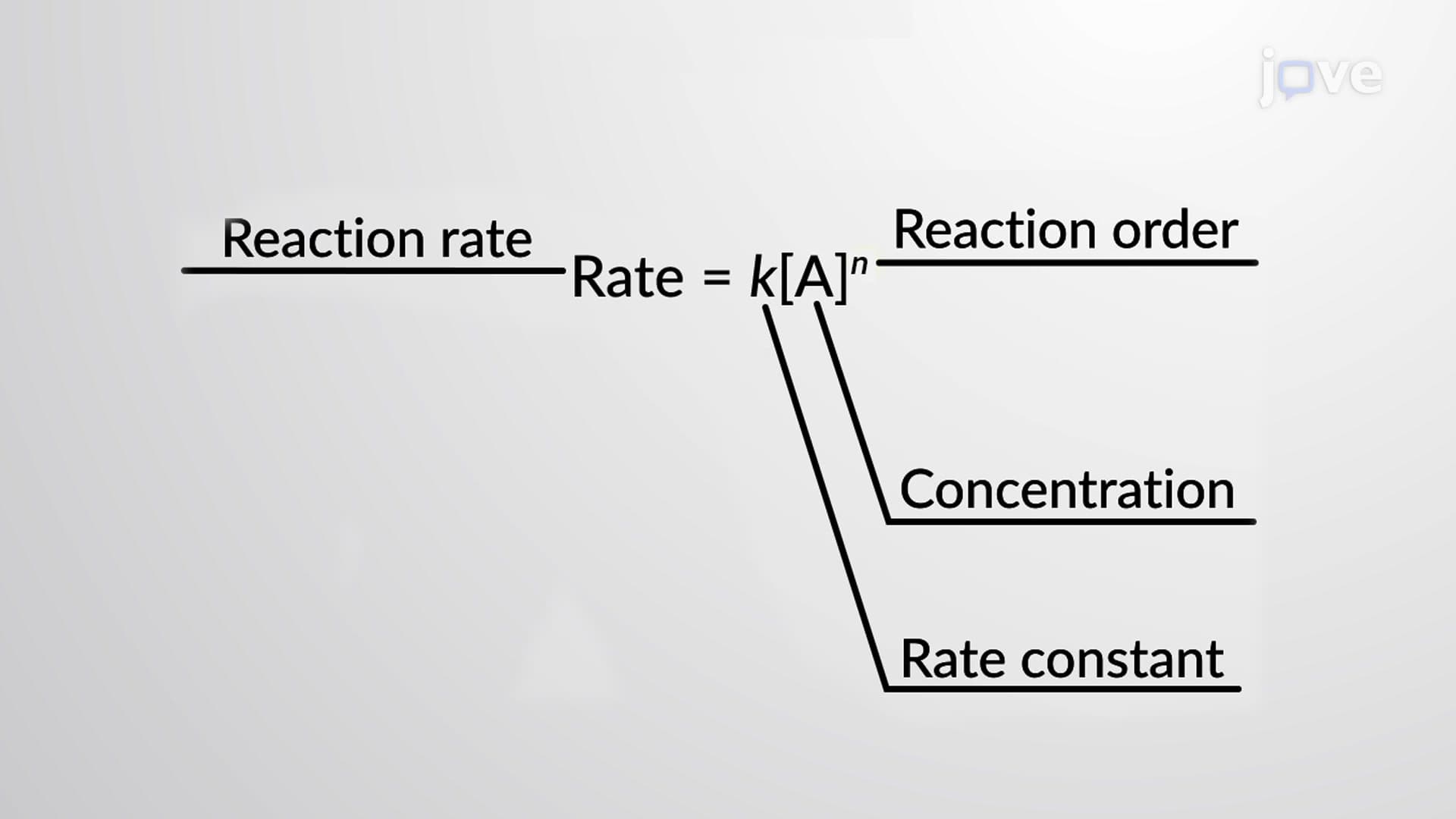
6. Rate Laws and Reaction Order Determination Rate laws express mathematical relationships between reaction rates and reactant concentrations using the form: rate = k[A]ⁿ, where k is the rate constant and n is the reaction order. Zero-order reactions show constant rates independent of concentration, first-order reactions show linear concentration dependence, and second-order reactions show quadratic dependence. Overall reaction order equals the sum of individual reactant orders. These principles guide pharmaceutical manufacturing processes, where precise control of reaction rates ensures product quality and safety in American drug production facilities.
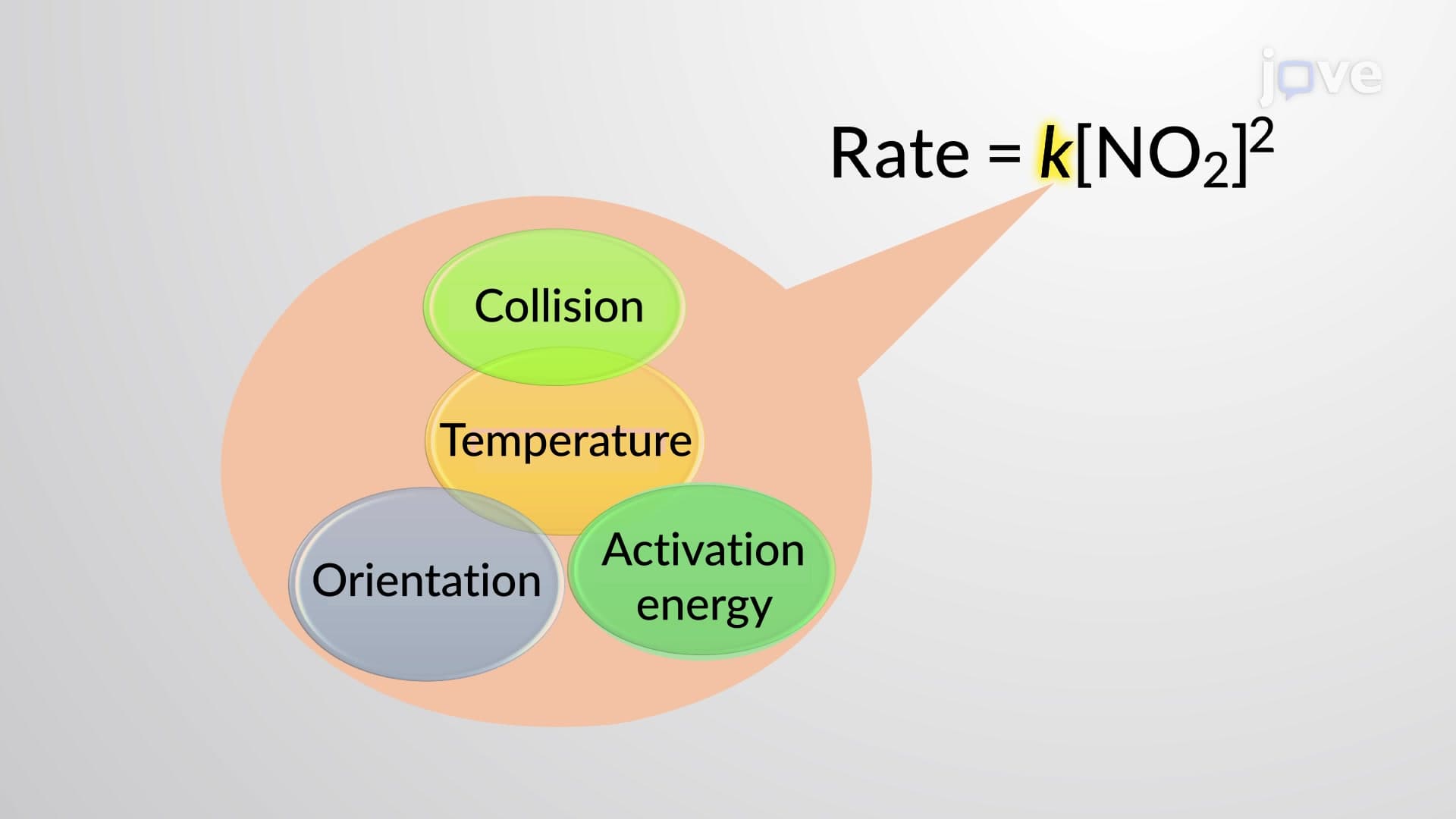
7. Temperature Effects and Arrhenius Equation The Arrhenius equation (k = A·e^(-Ea/RT)) describes temperature dependence of rate constants through activation energy (Ea), frequency factor (A), and temperature (T). Higher temperatures increase molecular collision frequency and energy, overcoming activation barriers more effectively. The collision model requires proper molecular orientation and sufficient energy for successful reactions. This relationship guides industrial process optimization, where temperature control balances reaction speed with energy costs in American chemical manufacturing, from petroleum refining to pharmaceutical synthesis.
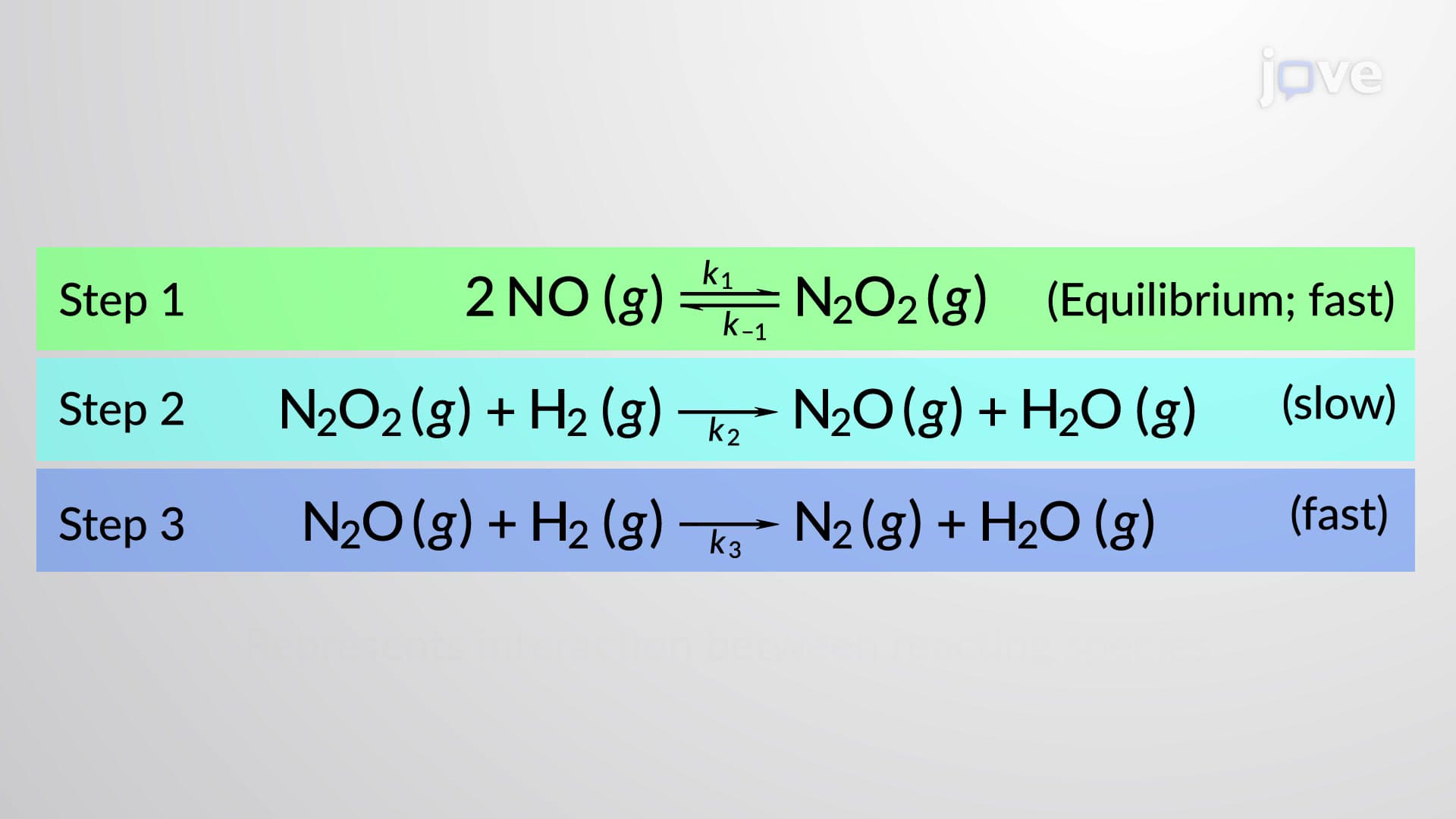
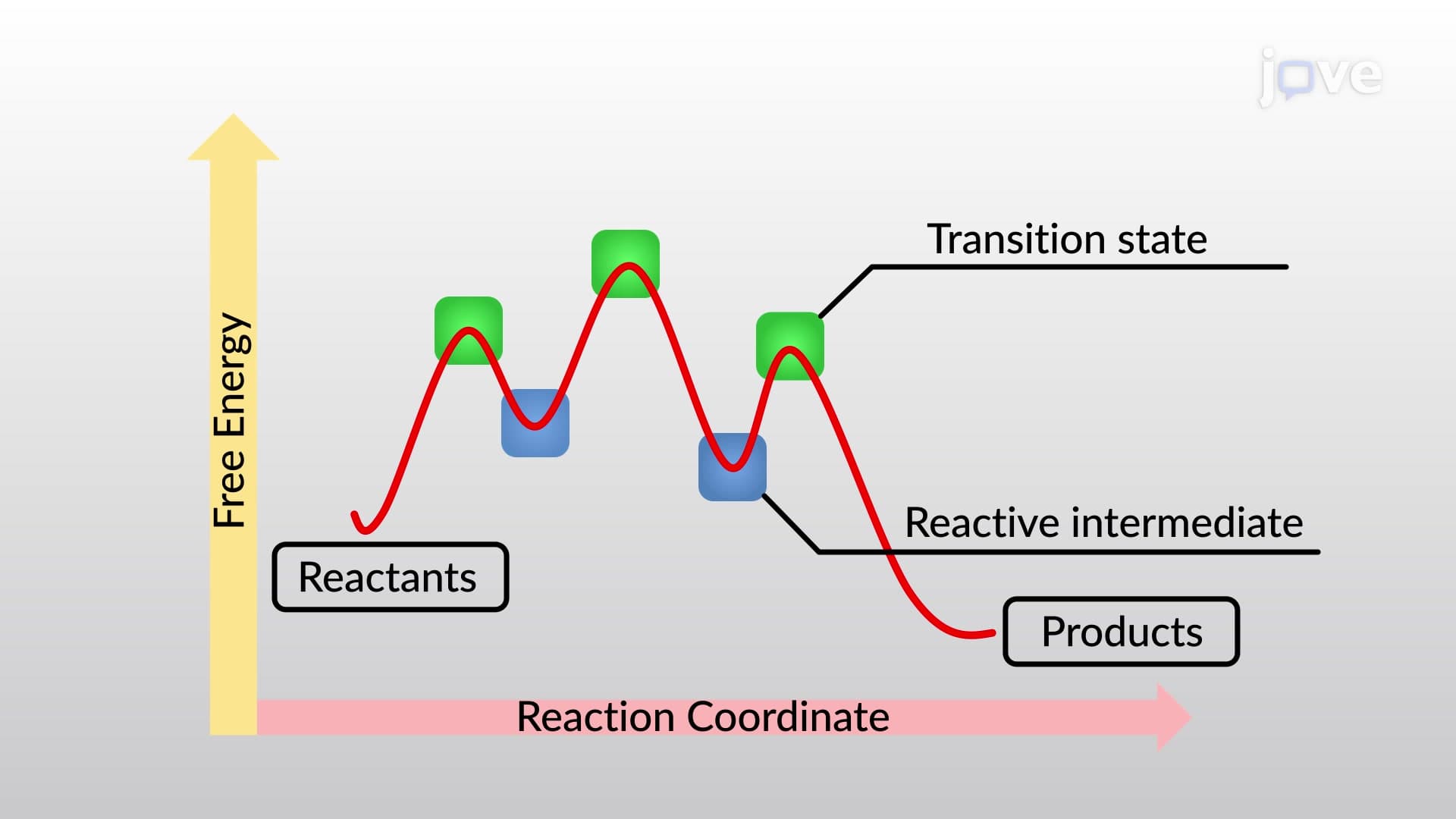
8. Reaction Mechanisms and Multi-Step Processes Complex reactions proceed through multiple elementary steps forming the reaction mechanism. Reaction intermediates form and consume during different steps, unlike transition states existing only during transformations. The rate-determining step controls overall reaction rate, enabling mechanism validation through experimental rate law comparison. This understanding guides catalyst development and process optimization in American industries, from automotive catalytic converters reducing emissions to enzyme engineering in biotechnology applications.
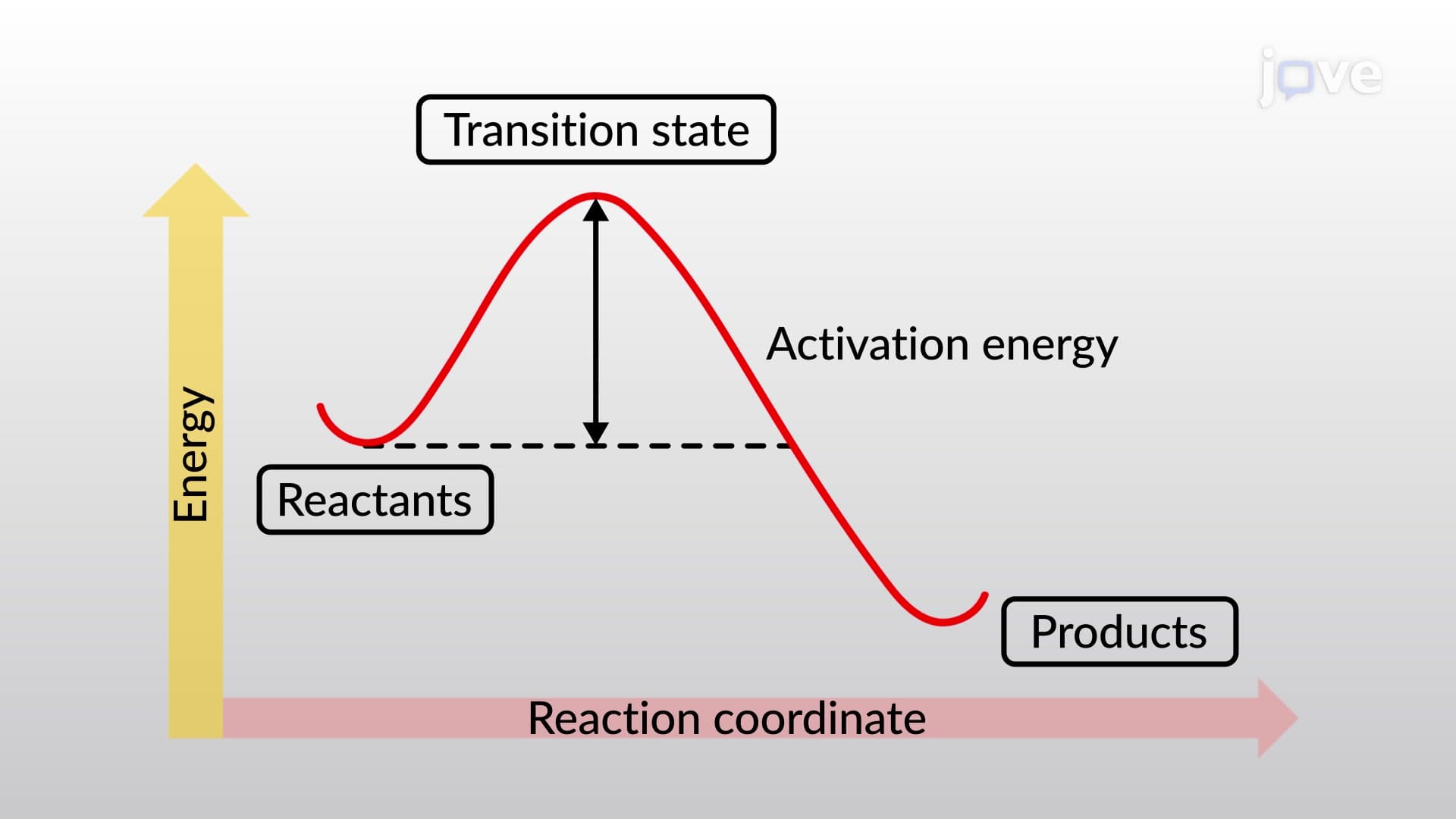
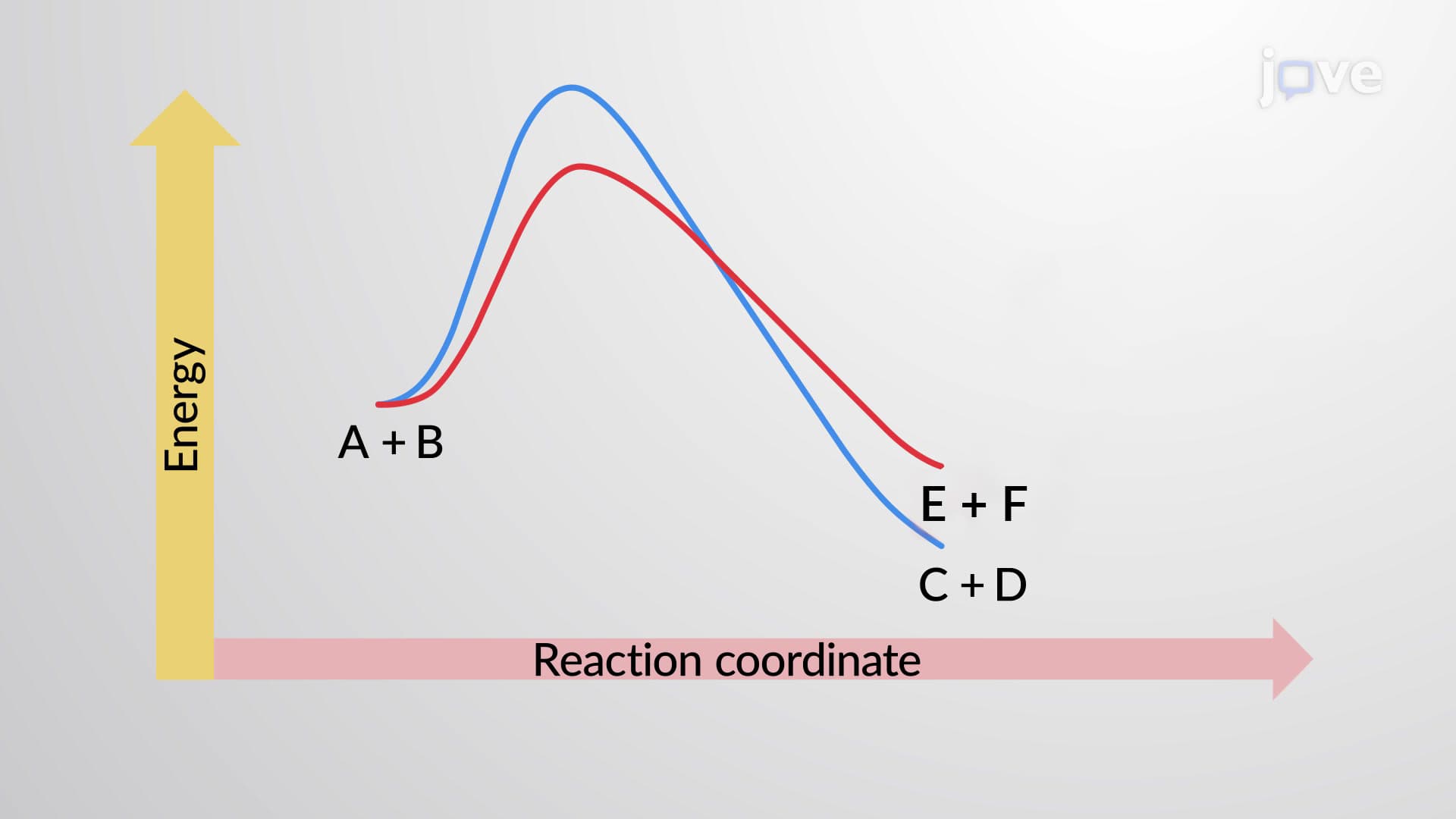
9. Energy Diagrams and Transition State Theory Energy diagrams plot free energy versus reaction coordinate, showing transition states as peaks and intermediates as valleys. Activation energy (ΔG‡) represents the energy barrier between reactants and transition states. Hammond's postulate relates transition state structure to reactant or product similarity based on energy differences. Lower activation energies enable faster reactions, explaining catalyst effectiveness in industrial processes. These principles guide pharmaceutical development, where understanding transition states helps design more efficient synthetic routes in American drug manufacturing.