Loading concepts…


15 Concepts
12 Concepts
14 Concepts
12 Concepts
7 Concepts
20 Concepts
7 Concepts
15 Concepts
12 Concepts
12 Concepts
15 Concepts
25 Concepts
17 Concepts
28 Concepts
40 Concepts
27 Concepts
12 Concepts
25 Concepts
29 Concepts
27 Concepts
20 Concepts
 7 Concepts
 117.4K Views
 Popular topics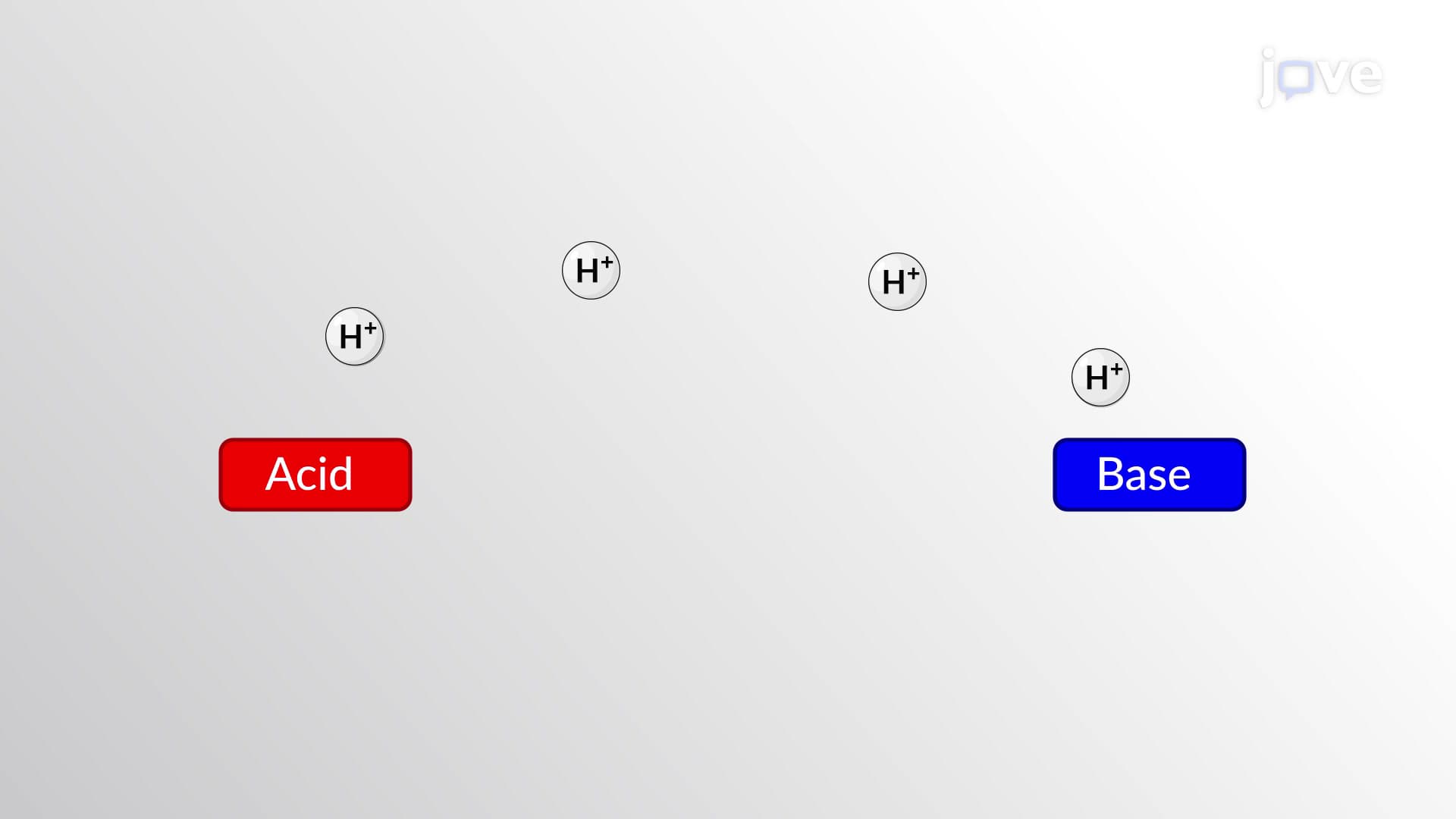
Acids and bases form the foundation of chemical reactions in everything from biological processes to industrial applications across the United States. This comprehensive course explores fundamental acid-base theories, pH calculations, and equilibrium concepts essential for understanding chemistry. JoVE Coach breaks down complex topics like Brønsted-Lowry theory, Lewis structures, and dissociation constants into digestible segments for student success.
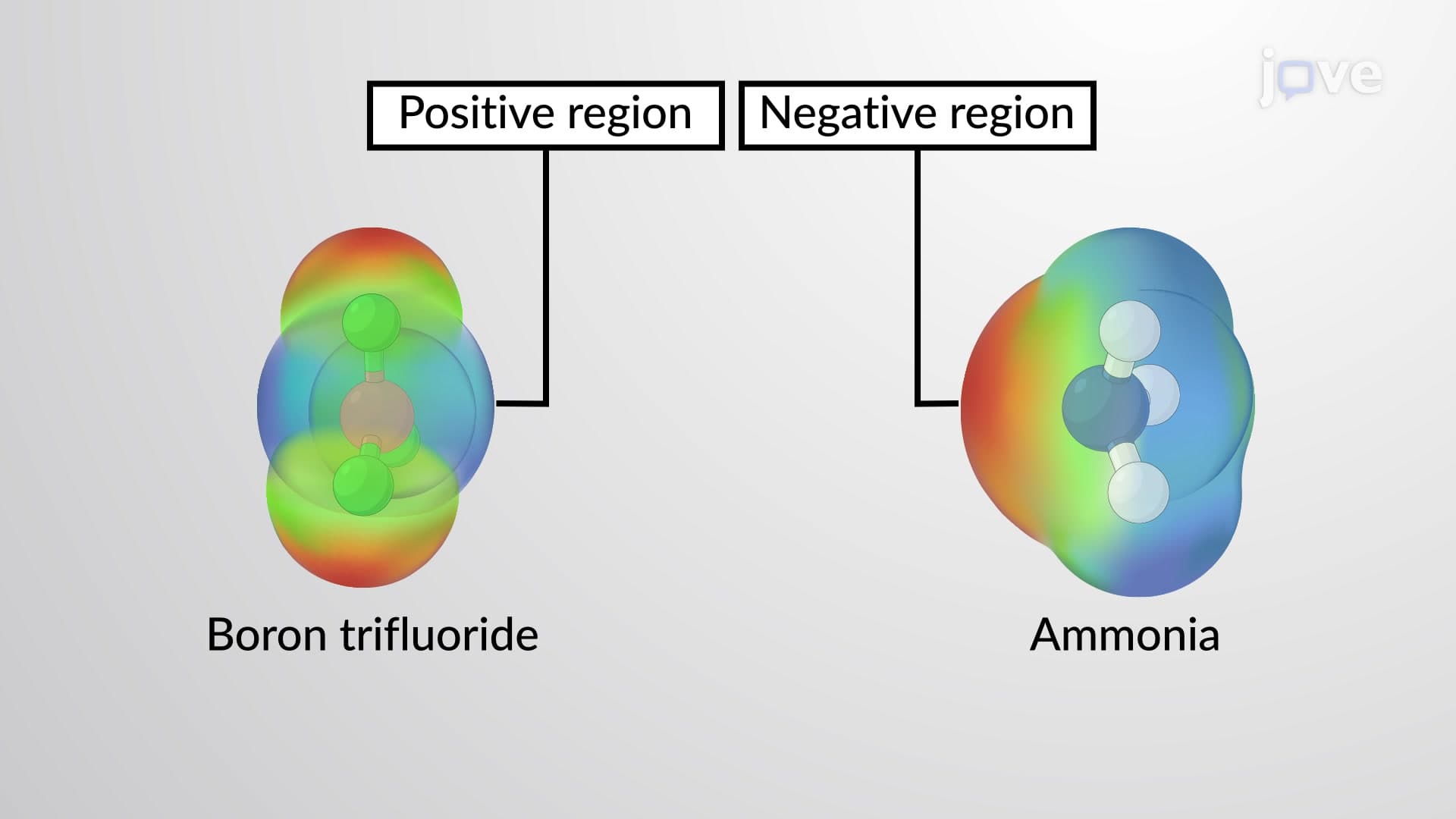
1. Acid-Base Theories and Definitions Understanding the evolution from Arrhenius to Brønsted-Lowry to Lewis theories provides the foundation for modern acid-base chemistry. Arrhenius theory works well for aqueous solutions like HCl producing H⁺ ions, while Brønsted-Lowry theory expands to include proton transfer reactions, explaining why ammonia acts as a base without containing OH⁻ ions. Lewis theory further broadens the definition to include electron pair donors and acceptors, crucial for understanding reactions in organic chemistry and coordination compounds used in American pharmaceutical and chemical industries.
2. Strong vs. Weak Acids and Bases The distinction between strong and weak acids and bases is fundamental to predicting chemical behavior. Strong acids like HCl, HNO₃, and H₂SO₄ completely dissociate in water, while weak acids like acetic acid (found in vinegar) only partially ionize. This concept is essential for understanding everything from stomach acid (HCl) function in digestion to the effectiveness of household cleaning products. The degree of dissociation directly impacts solution properties and reaction outcomes in industrial processes across American manufacturing.
3. pH Scale and Calculations The pH scale, developed by Danish chemist Sørensen, provides a convenient way to express acidity from 0-14. Understanding that pH = -log[H⁺] allows students to calculate solution acidity in applications ranging from swimming pool maintenance to blood pH regulation. Each unit represents a 10-fold change in acidity-crucial for understanding why small pH changes in biological systems can be life-threatening. This mathematical relationship is fundamental to quality control in American food, pharmaceutical, and water treatment industries.
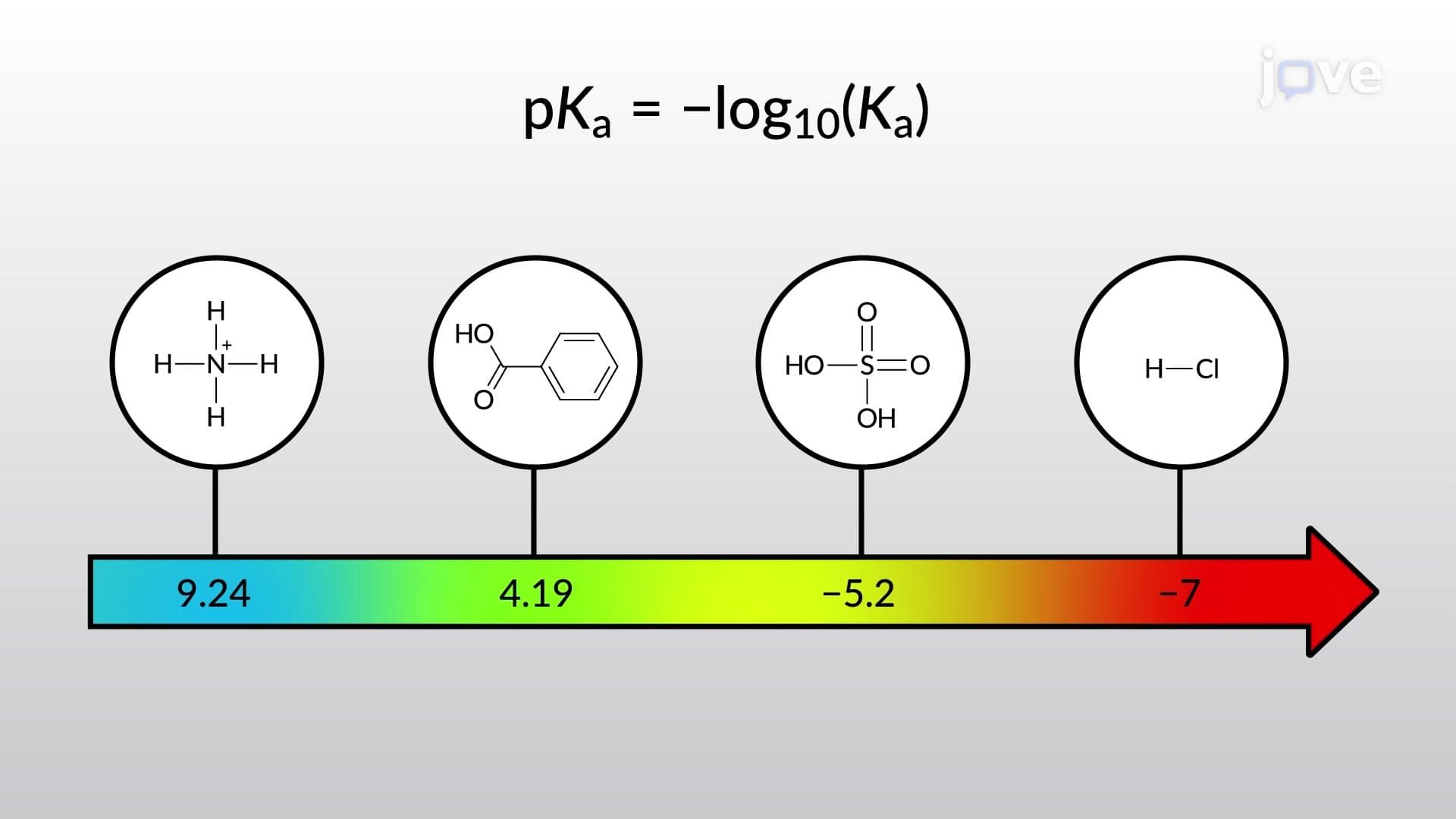
4. Dissociation Constants (Ka and Kb) Acid dissociation constants (Ka) and base dissociation constants (Kb) quantify the strength of weak acids and bases. These values help predict equilibrium positions and calculate pH in solutions containing weak electrolytes. For example, knowing that acetic acid has Ka = 1.8 × 10⁻⁵ allows calculation of vinegar's pH. The relationship Ka × Kb = Kw connects conjugate acid-base pairs, essential for understanding buffer systems used in biological research and pharmaceutical manufacturing throughout the United States.
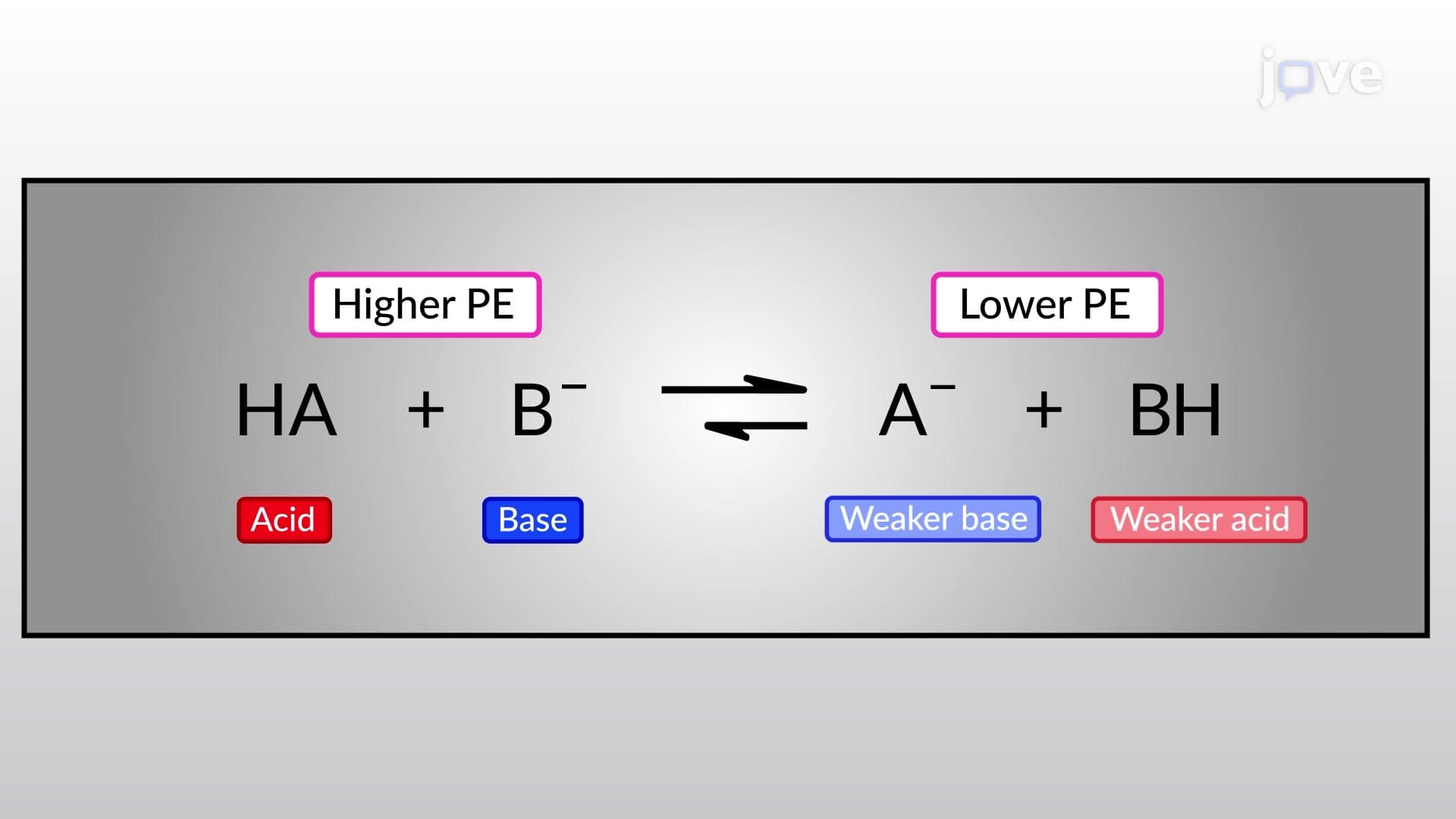
5. Conjugate Acid-Base Pairs Every acid has a conjugate base, and every base has a conjugate acid, related by proton transfer. Strong acids have weak conjugate bases, while weak acids have relatively stronger conjugate bases. This relationship explains buffer behavior and is crucial for understanding biological systems like the bicarbonate buffer system that maintains blood pH. The concept is applied in drug design, where pharmaceutical companies manipulate acid-base properties to optimize medication absorption and effectiveness in the human body.
6. Salt Hydrolysis and Solution pH When salts dissolve in water, their ions can affect solution pH through hydrolysis reactions. Salts from strong acids and strong bases (like NaCl) produce neutral solutions, while salts containing weak acid or base components create acidic or basic solutions. This principle explains why baking soda (sodium bicarbonate) creates basic solutions and why aluminum salts are used as antiperspirants. Understanding salt behavior is crucial for water treatment, soil chemistry, and food preservation industries across America.
7. Polyprotic Acids and Stepwise Dissociation Polyprotic acids like phosphoric acid (H₃PO₄) release multiple protons in distinct steps, each with its own Ka value. This stepwise dissociation is crucial for understanding buffer systems and biological processes. Phosphoric acid is used in soft drink production, and its multiple dissociation steps affect flavor and preservation. The concept is essential for understanding amino acid behavior, protein structure, and the complex buffer systems that maintain cellular pH in biological research and medical applications throughout the United States.