Loading subject page…


117,401 views

Video Summary: Leveling Effect and Non Aqueous Explained
Ever wonder why your chemistry lab reactions sometimes fail despite using the "right" reagents? The leveling effect non aqueous phenomenon explains how solvents can sabotage your acid-base reactions by consuming your intended reactants. In pharmaceutical manufacturing, chemists must carefully select non-aqueous solvents like liquid ammonia to synthesize drugs when water would interfere with the reaction. Understanding Leveling Effect And Non Aqueous Explained principles is crucial for predicting reaction outcomes and choosing appropriate reaction conditions. Watch the full video on JoVE Coach to master this concept with expert-led visuals and step-by-step explanations.
The leveling effect represents one of chemistry's most important yet underappreciated phenomena. When you dissolve a very strong base in water, you might expect it to remain intact, ready to deprotonate weak acids. However, the reality is far more complex. The solvent itself becomes a competitor, and in many cases, the winner takes all.
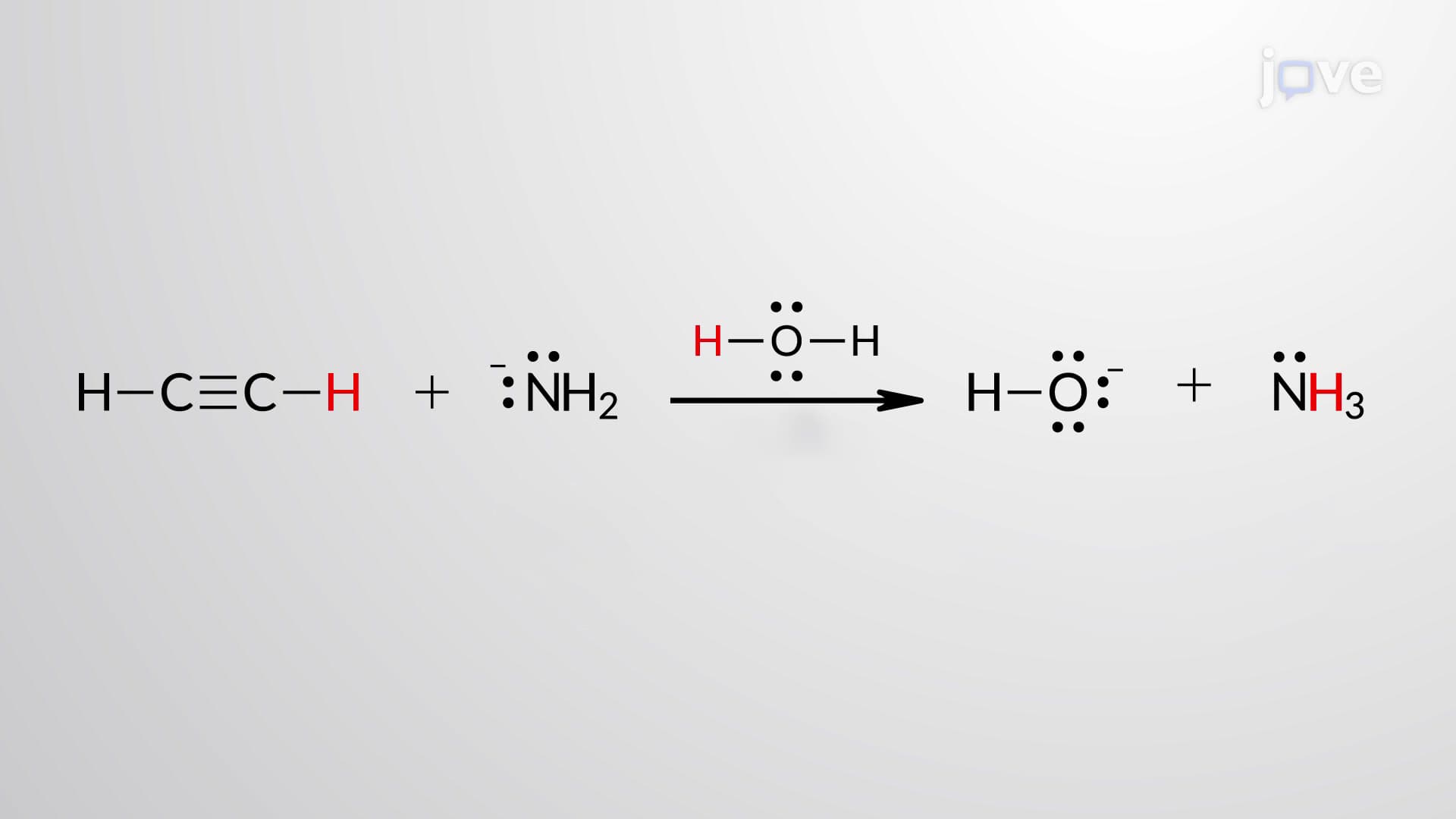
Consider what happens when sodium amide (NaNH2) dissolves in water. The amide ion (NH2-) is an extremely strong base-much stronger than hydroxide ion (OH-). Logic suggests it should easily deprotonate weak acids like acetylene. Instead, the amide ion immediately attacks water molecules, producing ammonia and hydroxide ions. The water has effectively "leveled" the base strength down to that of hydroxide ion.
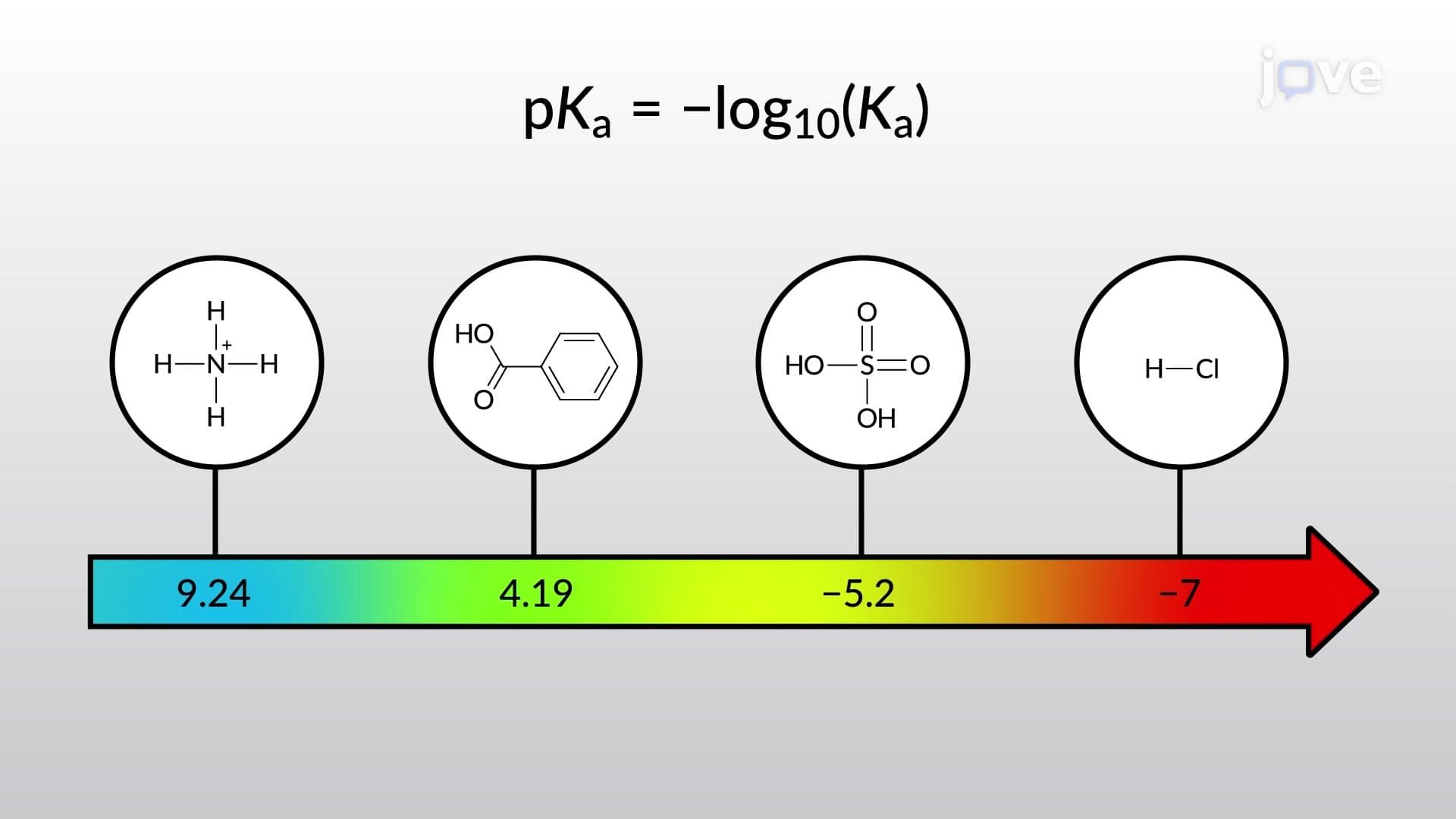
This limitation drives chemists toward non-aqueous solvents. In liquid ammonia, that same amide ion behaves dramatically differently. Since ammonia is a much weaker acid than water (pKa of NH3 ≈ 38 versus H2O ≈ 15.7), the amide ion won't waste time deprotonating the solvent. Instead, it remains available to deprotonate acetylene (pKa ≈ 25), forming the desired acetylide ion.
The pharmaceutical industry relies heavily on these principles. Companies like Merck and Pfizer routinely use non-aqueous conditions when synthesizing complex drug molecules. For instance, the production of certain anti-inflammatory compounds requires extremely basic conditions that water simply cannot provide without interference.
Students encounter leveling effects throughout their chemistry education. On the AP Chemistry exam, you'll need to predict when reactions will occur based on relative acid-base strengths. The MCAT frequently tests understanding of why certain biological reactions require specific solvent environments.
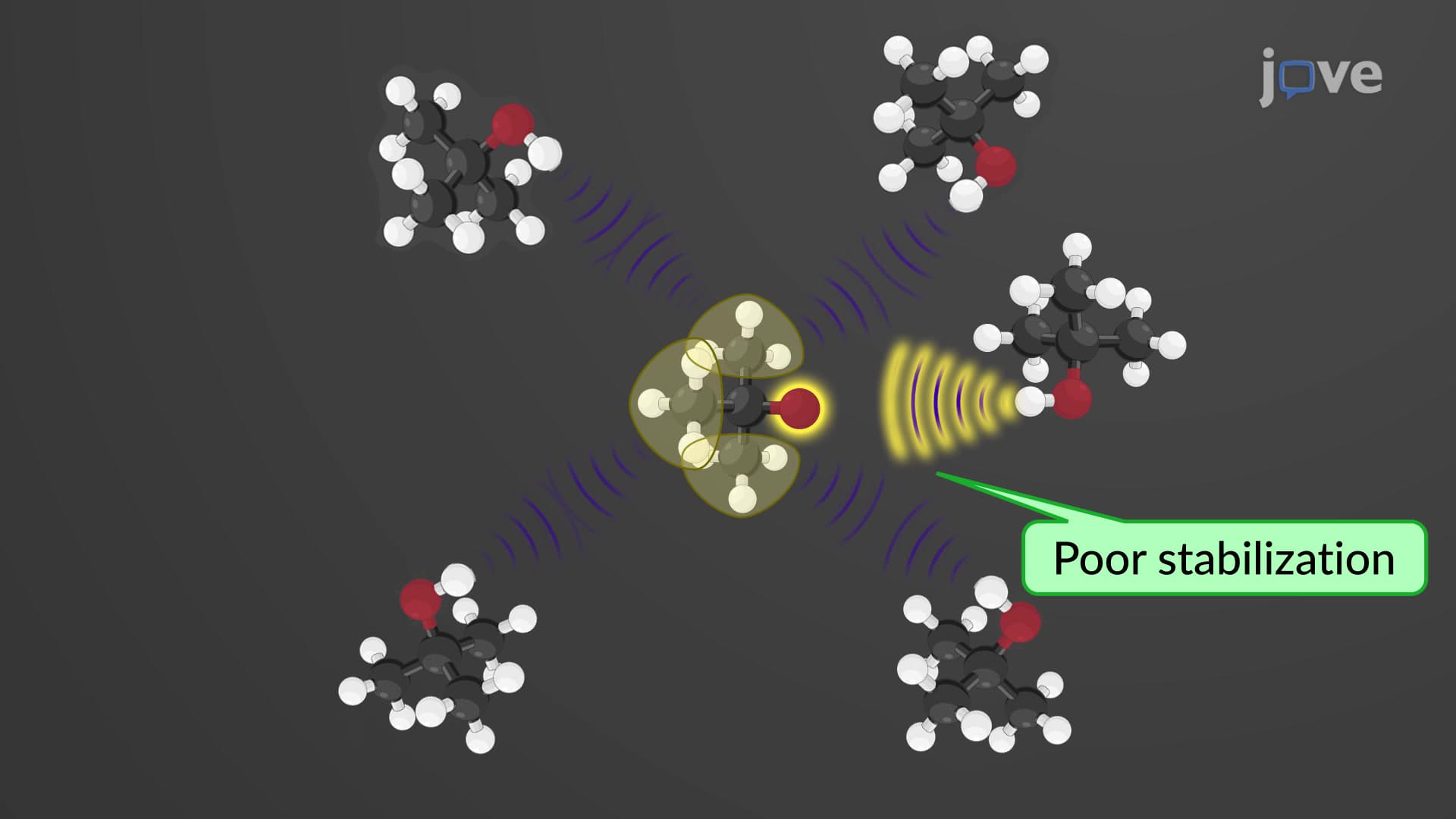
In undergraduate organic chemistry courses at universities like MIT and Stanford, students learn to select appropriate solvents for elimination reactions. The E2 mechanism, for example, often requires strong bases in aprotic solvents to prevent the leveling effect from diminishing base strength.
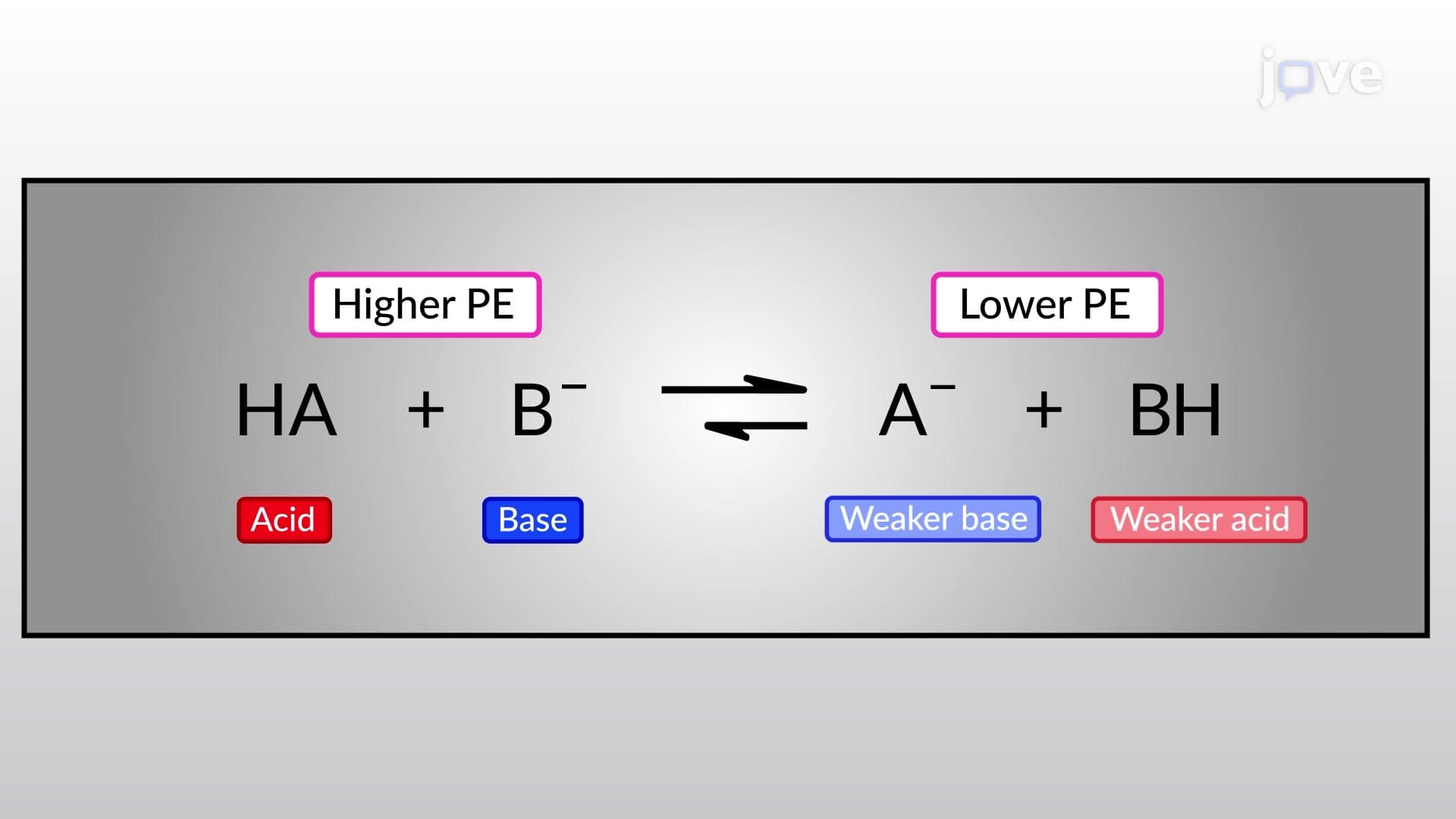
Professional chemists follow systematic approaches when choosing solvents. They compare pKa values: the conjugate acid of the intended base must be stronger than the solvent for the reaction to proceed as planned. This principle guides everything from academic research to industrial manufacturing processes.
Understanding these concepts prepares students for advanced courses in physical organic chemistry and prepares pre-med students for biochemistry, where enzyme active sites create specialized "solvent" environments that prevent unwanted side reactions.
Related Micro-courses