Loading subject page…


15 Concepts
12 Concepts
14 Concepts
12 Concepts
7 Concepts
20 Concepts
7 Concepts
15 Concepts
12 Concepts
12 Concepts
15 Concepts
25 Concepts
17 Concepts
28 Concepts
40 Concepts
27 Concepts
12 Concepts
25 Concepts
29 Concepts
27 Concepts
20 Concepts
 20 Concepts
 256.6K Views
 Popular topics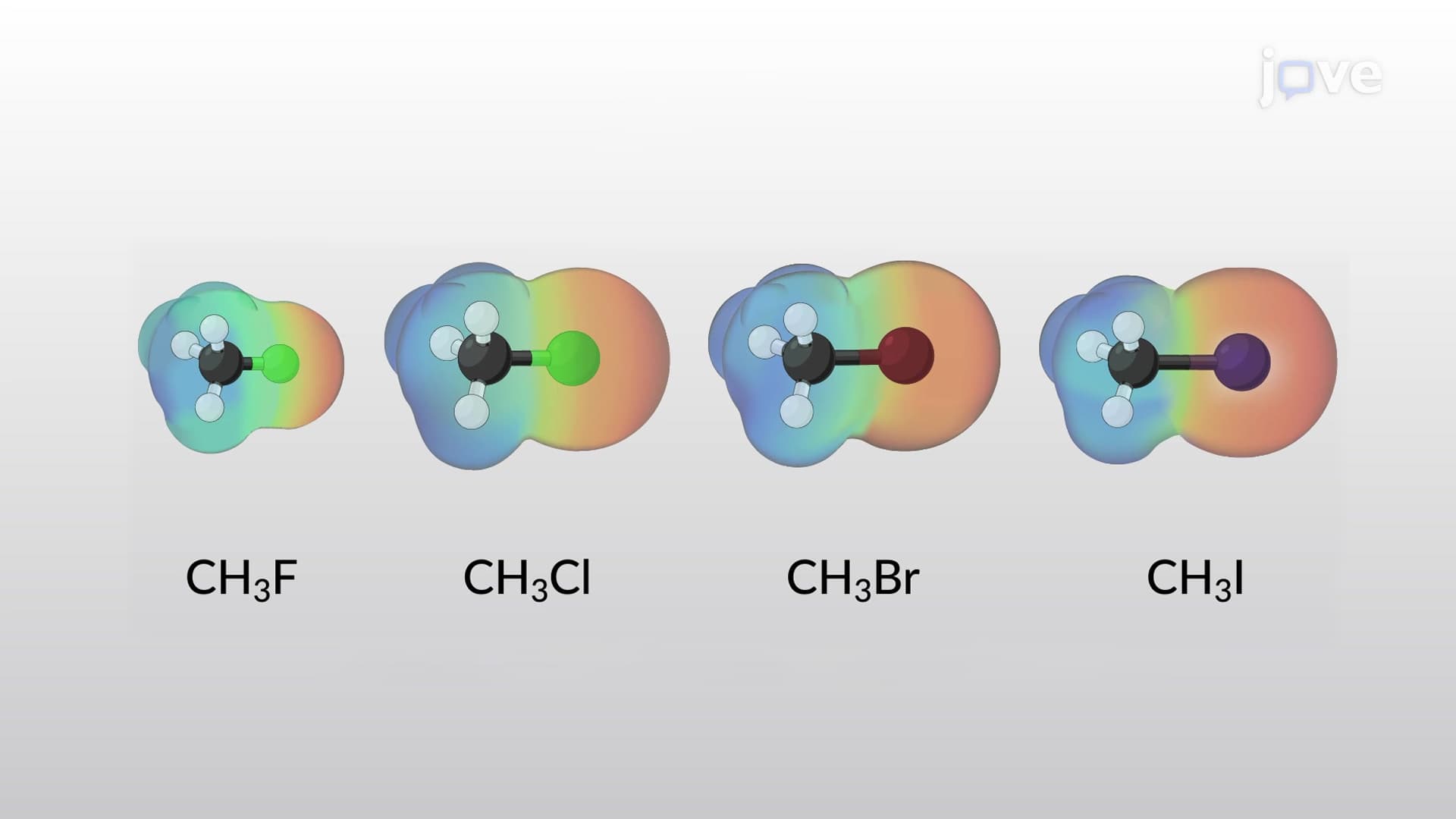
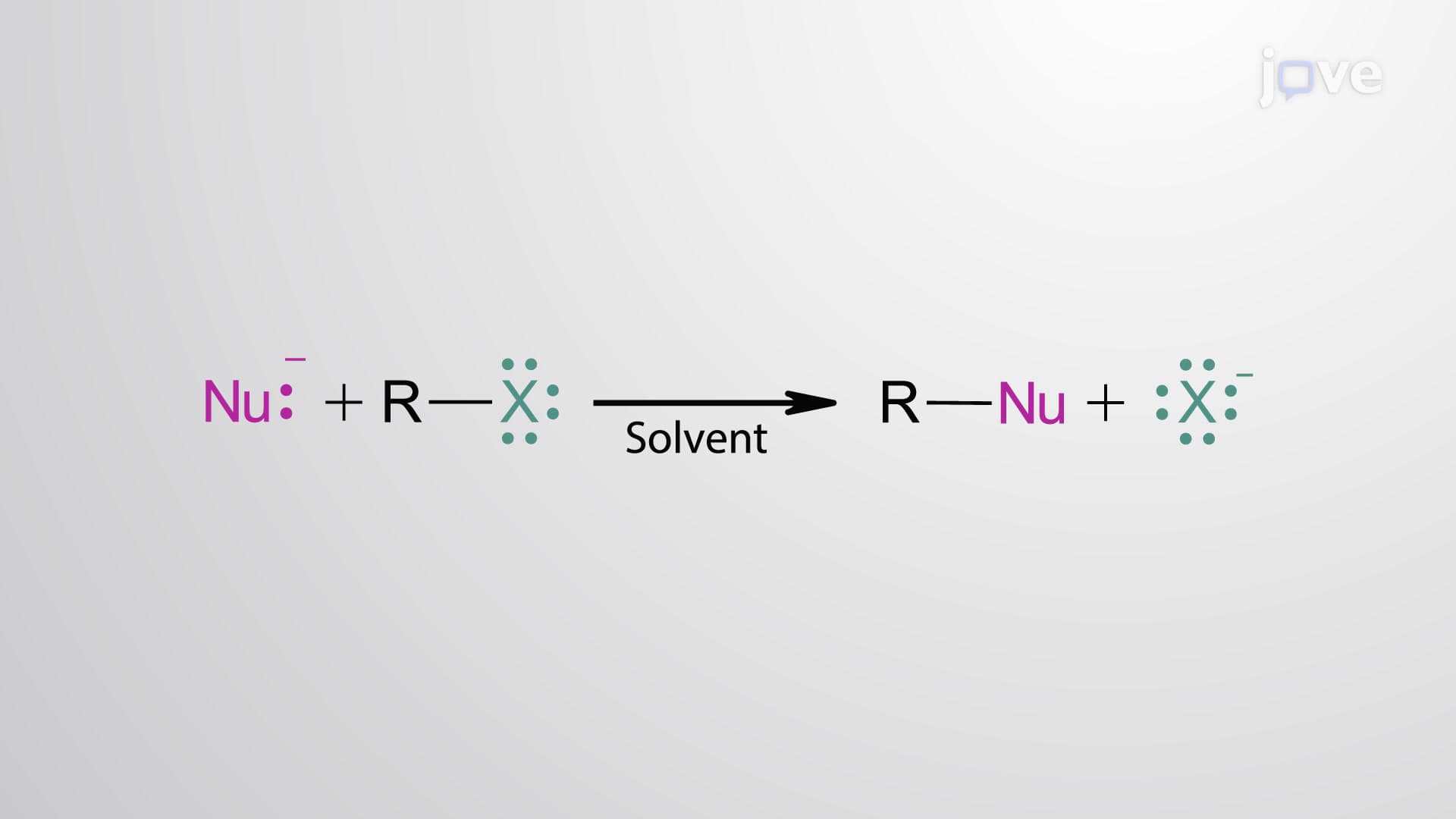






Nucleophilic substitution reactions form the backbone of organic synthesis, where electron-rich nucleophiles attack electron-deficient carbons to replace leaving groups. This comprehensive course covers SN1, SN2, E1, and E2 mechanisms essential for pharmaceutical development, polymer manufacturing, and biochemical processes throughout US industries, providing JoVE Coach support for mastery.
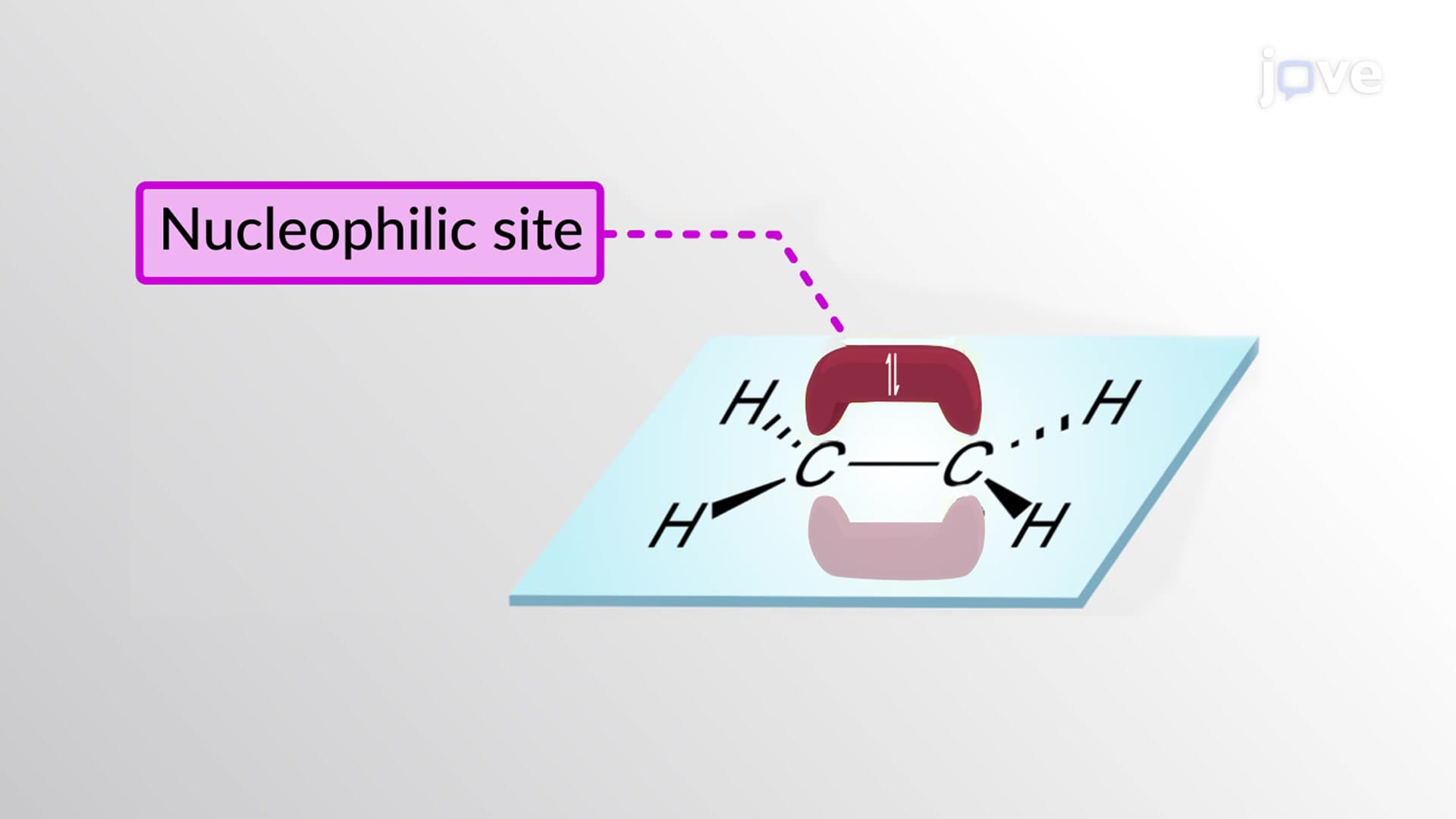
1. Alkyl Halides and Reaction Components Alkyl halides serve as versatile substrates containing sp³-hybridized carbons bonded to halogens. The electronegativity difference creates electrophilic carbon centers susceptible to nucleophilic attack. Classification depends on substitution patterns: primary (1°), secondary (2°), and tertiary (3°) alkyl halides exhibit different reactivities. Nucleophiles act as Lewis bases donating electron pairs, while electrophiles accept electrons. Leaving groups depart with electron pairs, with iodide being the best leaving group due to charge stabilization. Understanding these components enables prediction of reaction outcomes in pharmaceutical synthesis and industrial processes.
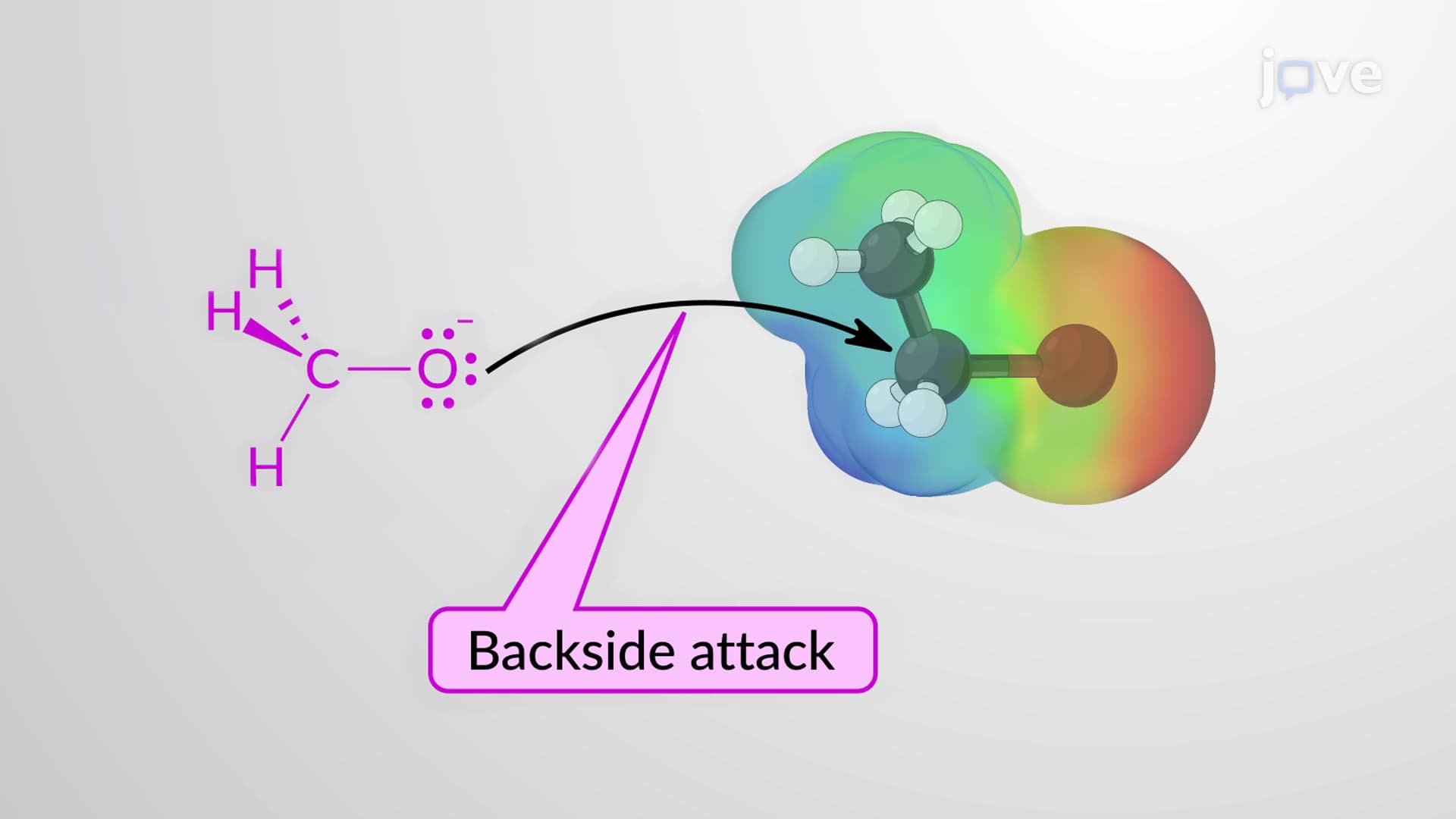
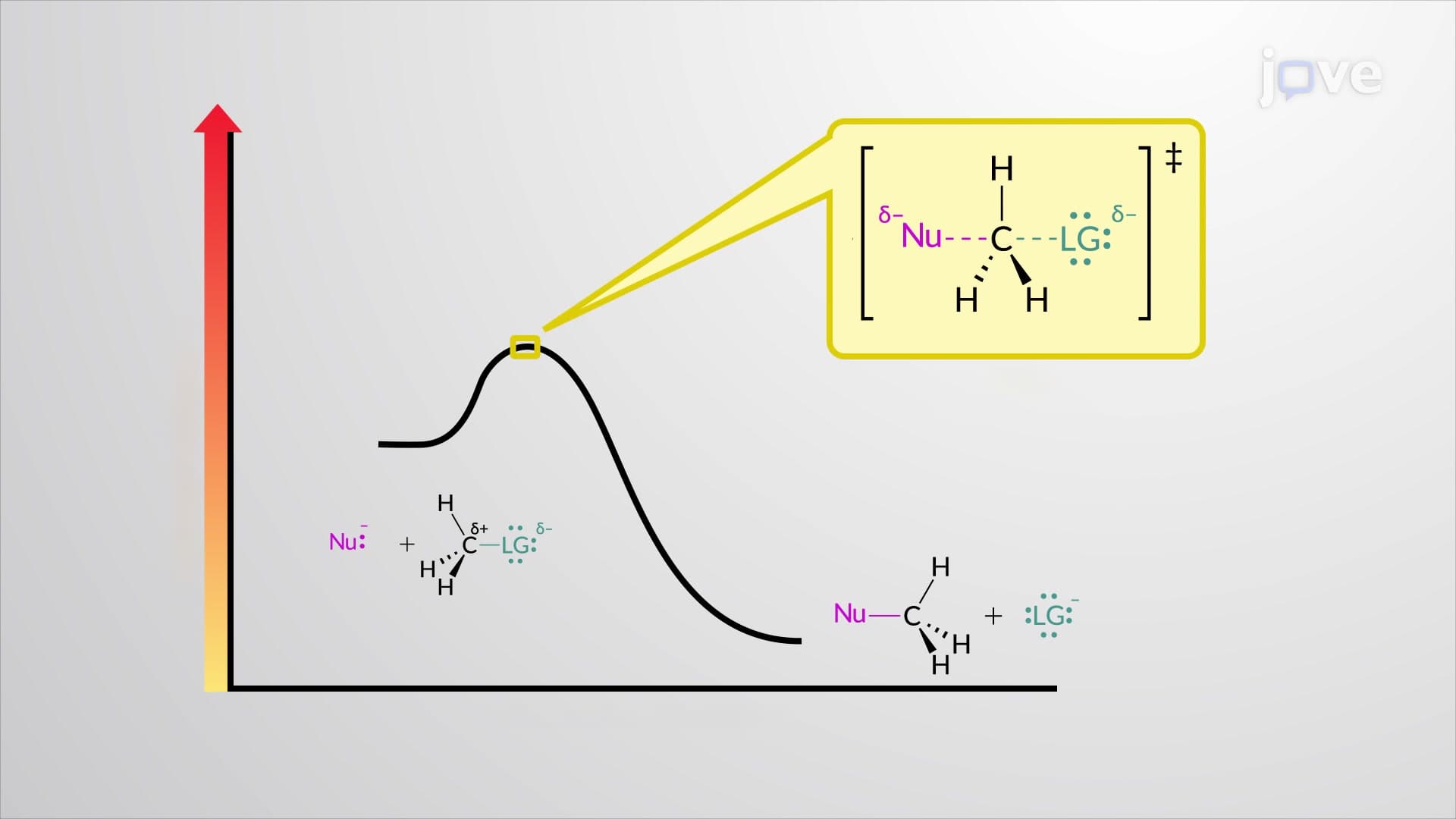
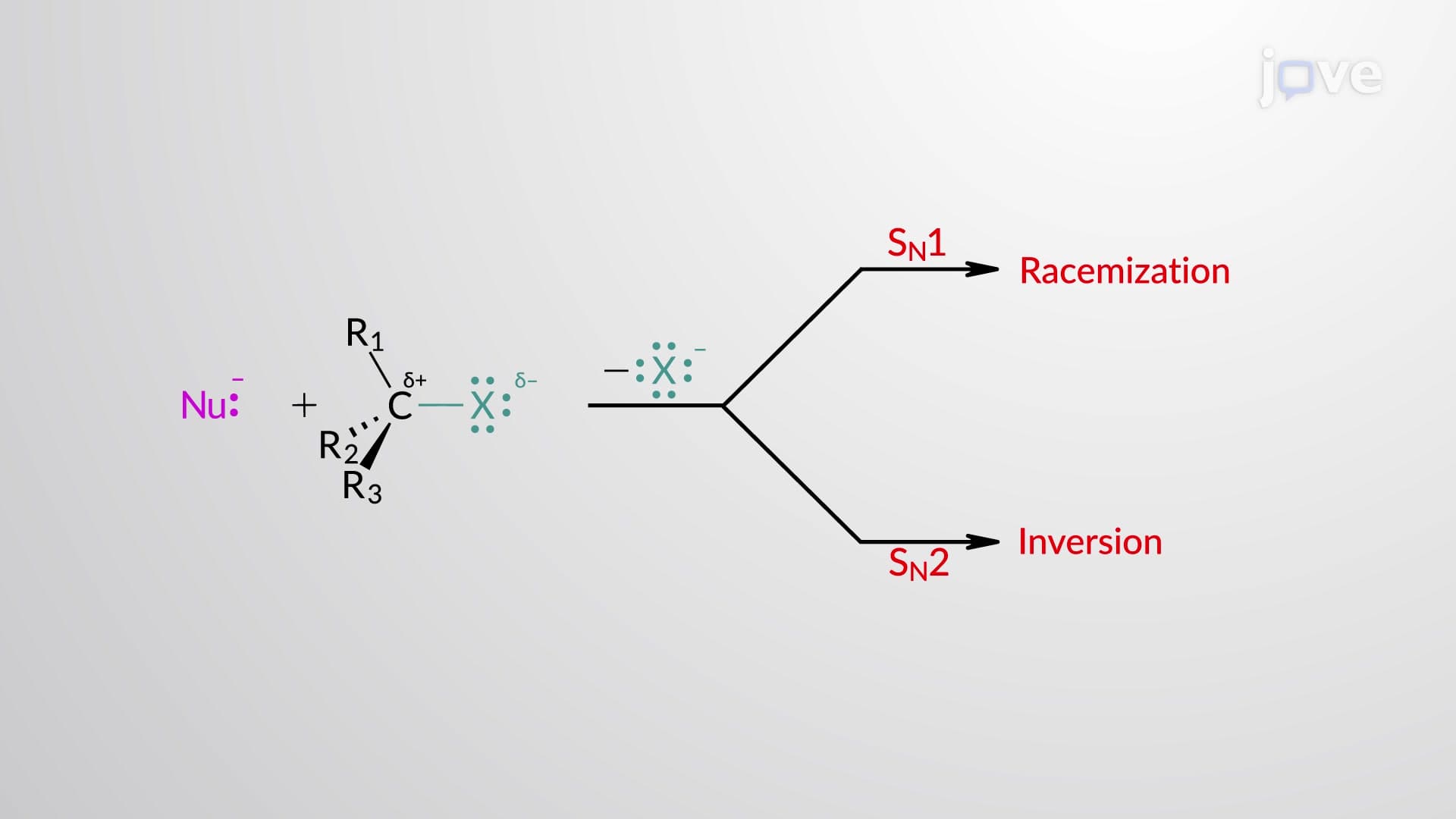
2. SN2 Reaction Mechanism and Stereochemistry The SN2 (substitution nucleophilic bimolecular) mechanism proceeds through a single concerted step involving simultaneous bond formation and breaking. The nucleophile attacks from the backside opposite the leaving group, creating a pentacoordinate transition state with trigonal bipyramidal geometry. This backside attack results in complete inversion of stereochemistry (Walden inversion), crucial for synthesizing enantiomerically pure pharmaceuticals. The reaction rate depends on both nucleophile and substrate concentrations, following second-order kinetics. Primary alkyl halides react fastest due to minimal steric hindrance, making SN2 ideal for precision organic synthesis.
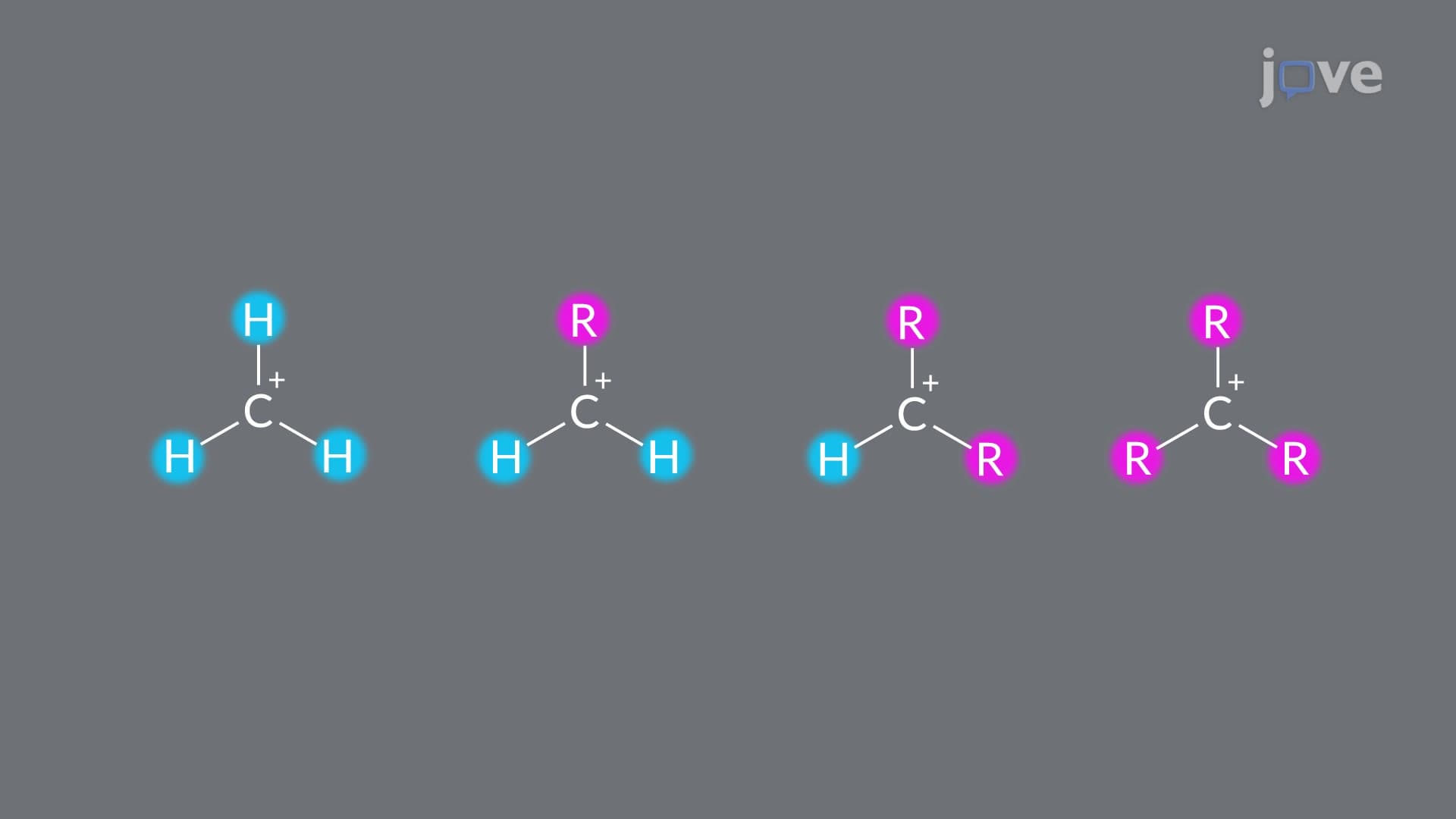
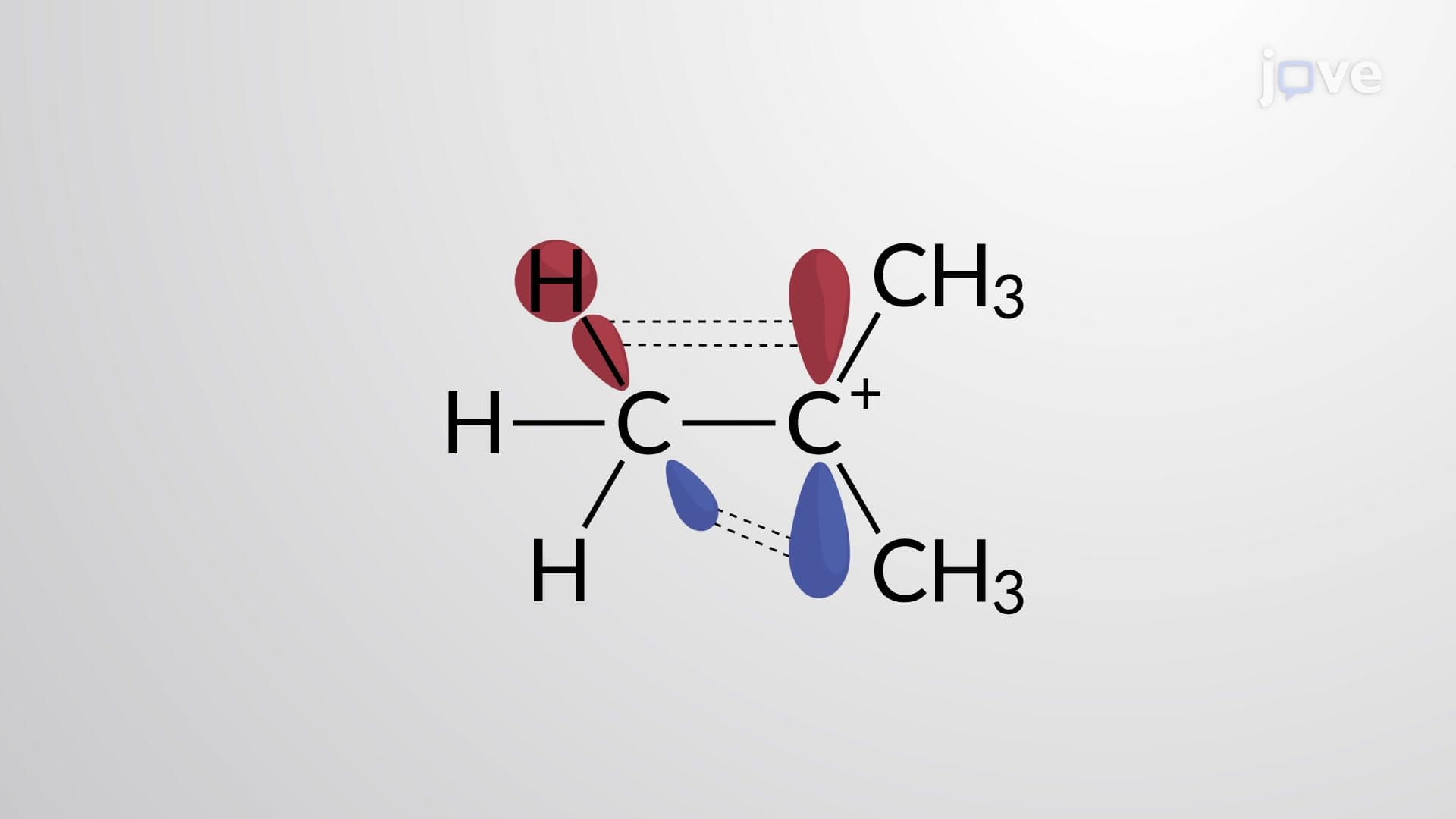
3. SN1 Reaction Mechanism and Carbocation Chemistry The SN1 (substitution nucleophilic unimolecular) mechanism involves two distinct steps: leaving group departure forming a carbocation intermediate, followed by nucleophilic attack. The rate-determining step depends only on substrate concentration, exhibiting first-order kinetics. Carbocation stability follows the order: tertiary > secondary > primary, due to hyperconjugation and inductive effects from alkyl groups. The planar carbocation intermediate allows nucleophilic attack from either face, typically resulting in racemization. This mechanism dominates with tertiary substrates and weak nucleophiles, important in solvolysis reactions and industrial carbocation-based processes.
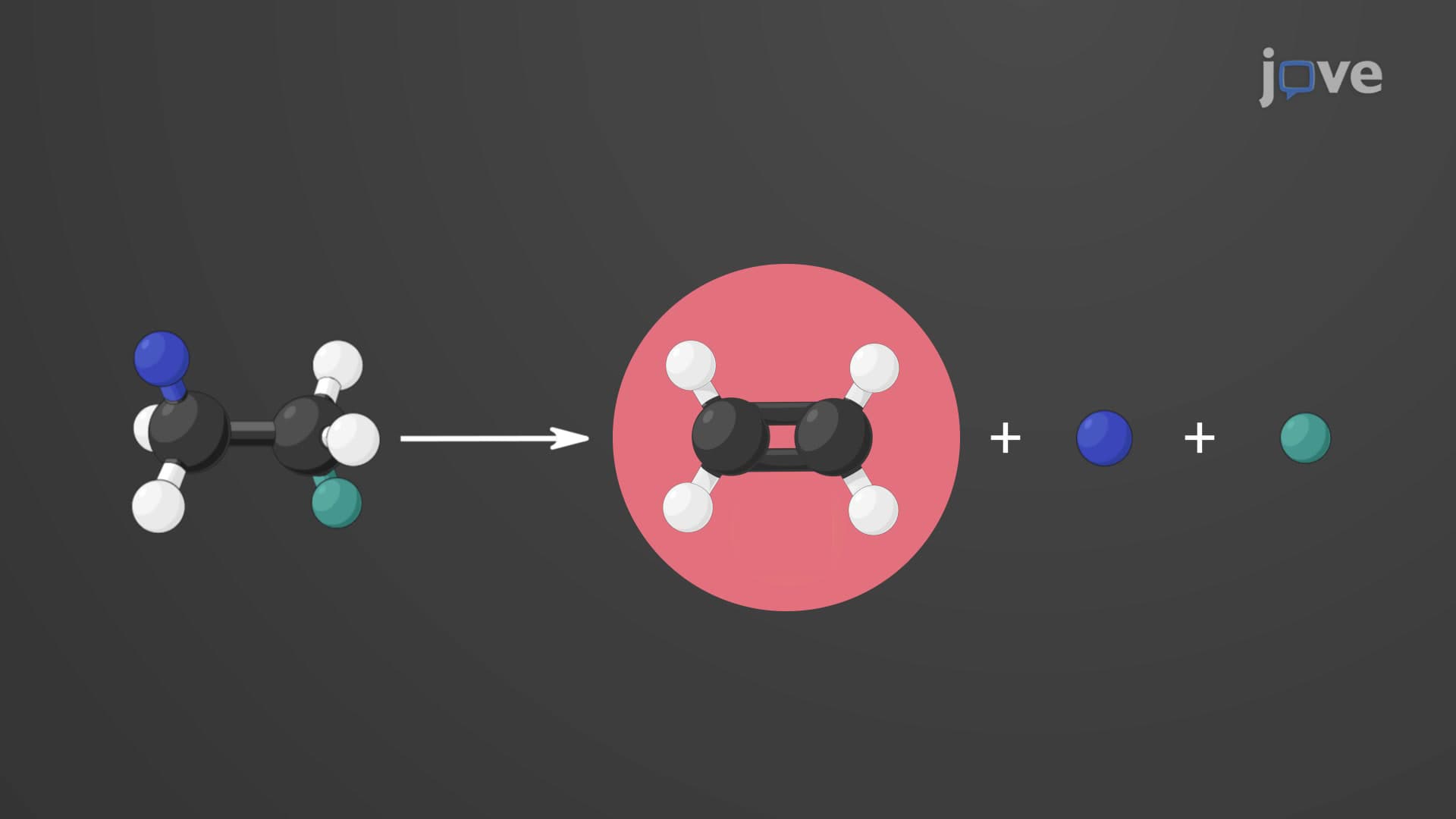
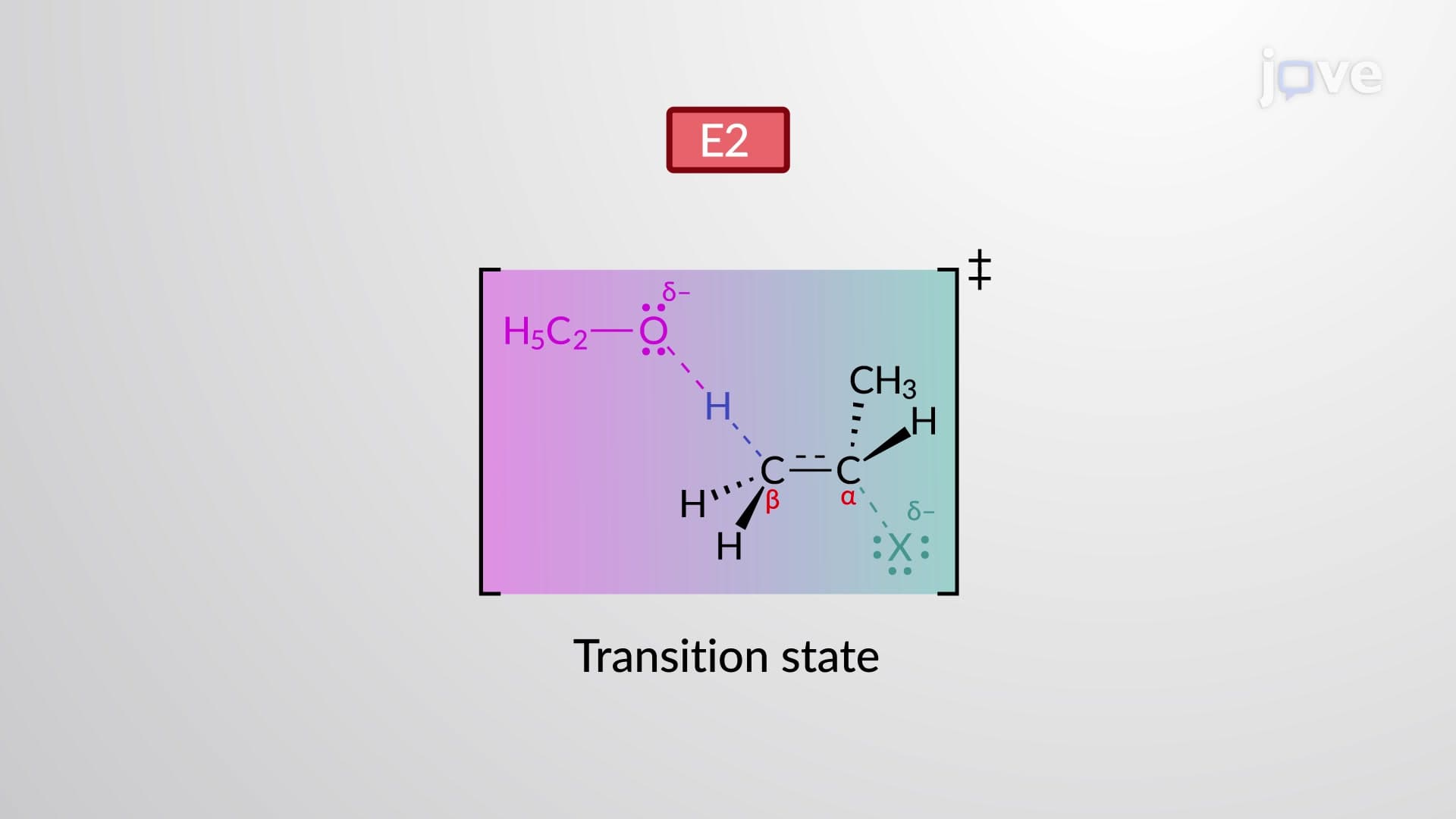
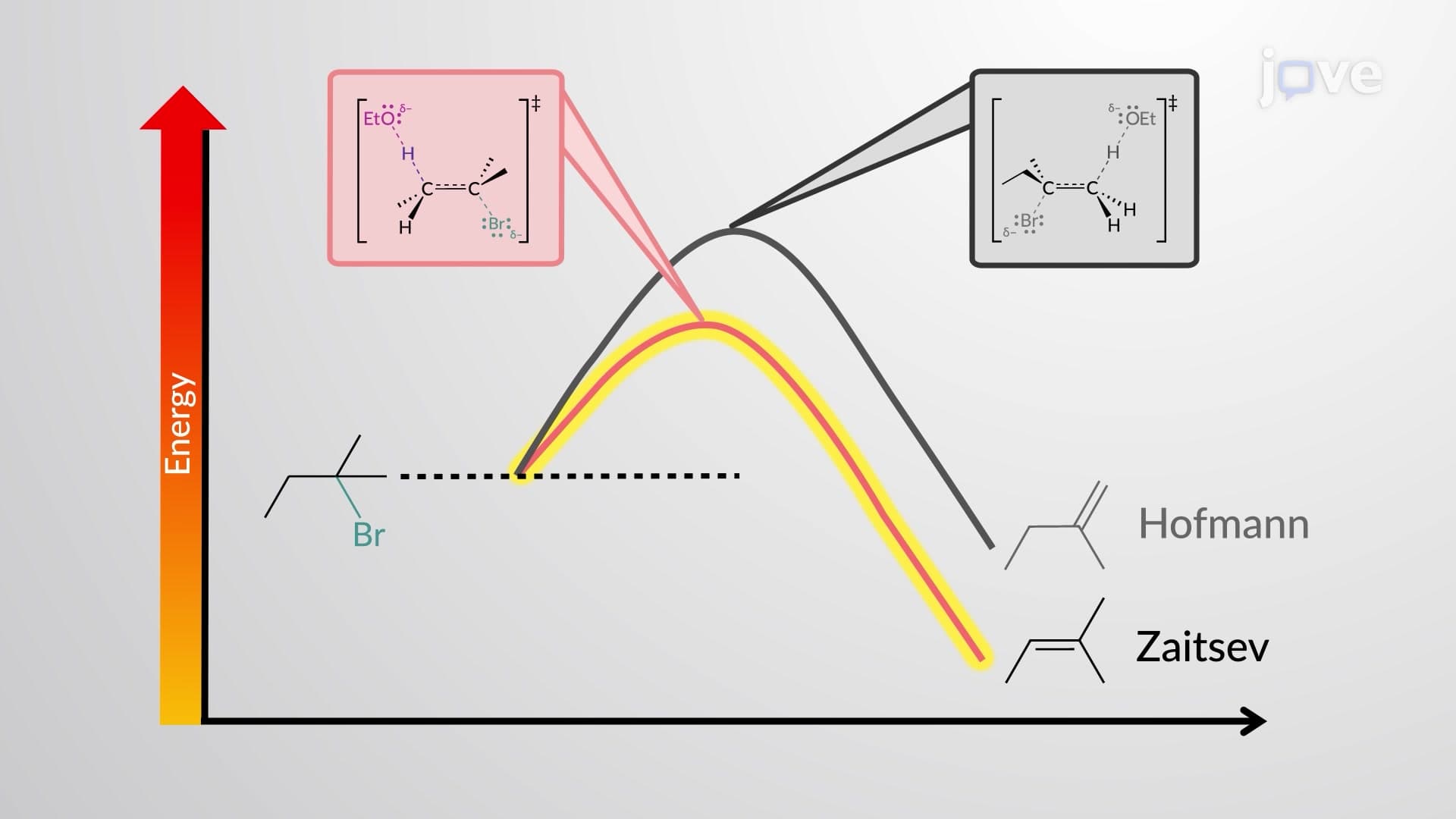
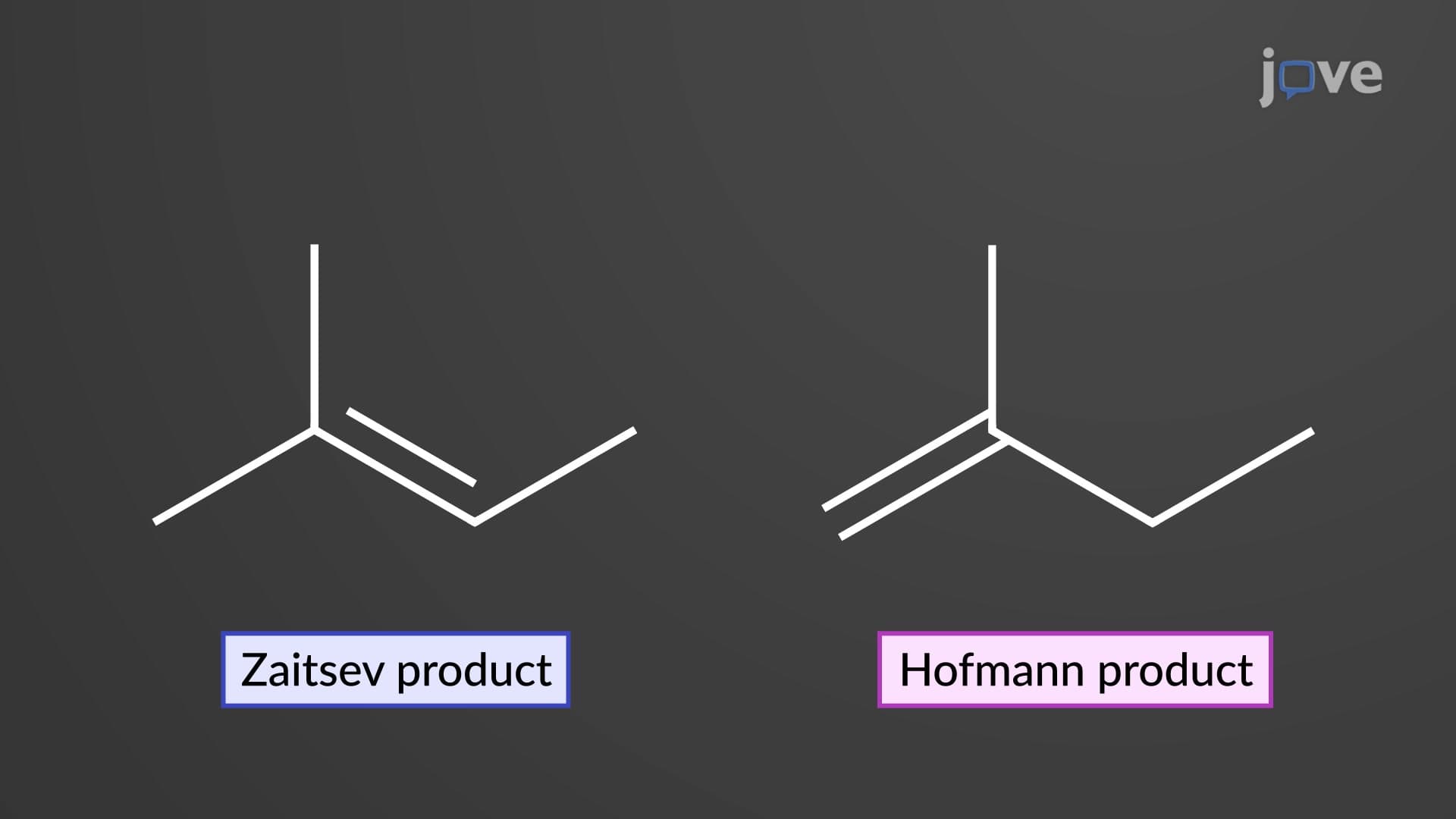
4. Elimination Reactions: E1 and E2 Mechanisms Elimination reactions compete with substitution, removing HX to form alkenes through α,β-elimination. The E2 mechanism occurs via concerted deprotonation and leaving group departure, requiring anti-periplanar geometry for optimal orbital overlap. Strong bases like sodium ethoxide promote E2 reactions, following second-order kinetics. E1 elimination involves carbocation formation followed by deprotonation, parallel to SN1 kinetics. Both mechanisms exhibit regioselectivity following Zaitsev's rule, favoring more substituted alkenes. Understanding elimination vs. substitution competition is vital for controlling reaction outcomes in alkene synthesis and pharmaceutical intermediate preparation.
5. Predicting Reaction Outcomes and Mechanistic Competition Successful organic synthesis requires predicting whether reactions proceed via SN1, SN2, E1, or E2 pathways based on substrate structure, nucleophile strength, base strength, and solvent effects. Primary substrates favor SN2/E2 mechanisms, while tertiary substrates prefer SN1/E1 pathways. Polar protic solvents stabilize ionic intermediates promoting SN1/E1, while polar aprotic solvents enhance nucleophilicity favoring SN2. Temperature and base bulkiness influence substitution vs. elimination selectivity. Mastering these predictions enables chemists to design synthetic routes for complex molecules, optimize industrial processes, and understand biochemical transformations in metabolic pathways.